Getting Pregnant: Preparing for Parenthood

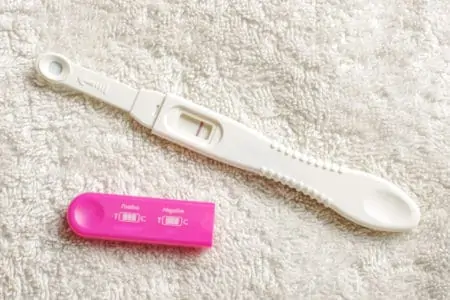
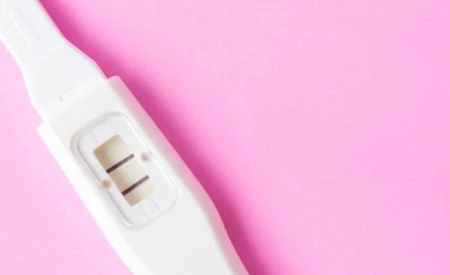
Periods that show up whenever they feel like it, ovulation strips that never turn clearly positive, and a temperature chart with no obvious shift. That pattern sends a lot of women looking for answers about conception, and it is also the classic picture of polycystic ovary syndrome, the most common reason cycles stop being predictable.

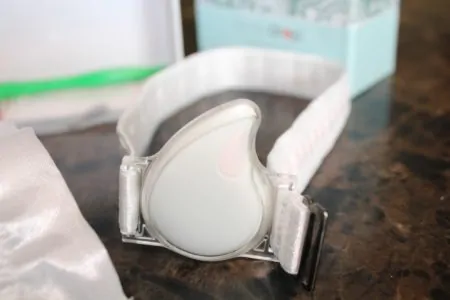
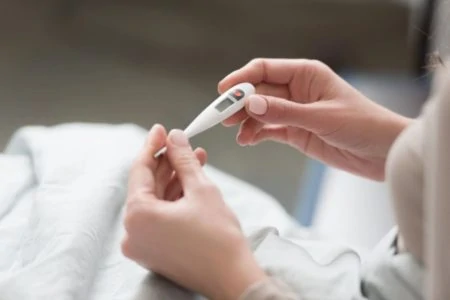
Trying to conceive with PCOS changes the usual advice in one specific way. The familiar rule about timing sex around day 14 assumes a cycle you can predict, and PCOS often takes that away, so the work shifts to figuring out whether you are ovulating at all and when. That means knowing what luteinizing hormone strips actually measure and why they can read high all month with PCOS, how basal body temperature confirms ovulation after the fact rather than predicting it, and what cervical mucus adds. It also means the parts that come before any prescription: insulin resistance, a modest weight change, and the eating and movement patterns that help cycles settle.

The medical side is worth understanding plainly too: the blood work a doctor usually orders, and what letrozole and metformin are meant to do. If you are under 35 and have been trying for a year, 35 or older and have been trying six months, or your periods have gone missing altogether, that is the point to call your doctor instead of charting another month.

More in Pregnancy