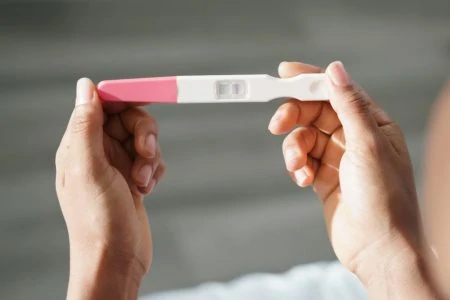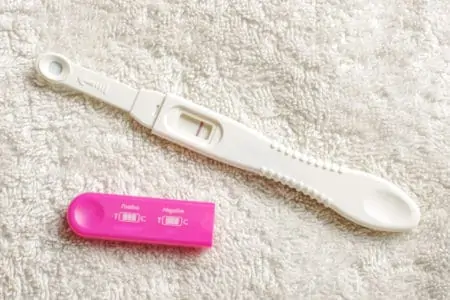
Do home pregnancy tests actually expire? The short answer is yes.
We dug into the science to explain exactly why expiration dates matter, how accurate an old test really is, and what risks you take by using one. Here is everything you need to know about pregnancy test shelf life and how to ensure you get the most accurate result possible.
Key Takeaways
- Shelf life matters: Most pregnancy tests last two to three years from the manufacturing date, but cheaper brands may expire sooner.
- Chemical breakdown: The antibodies used to detect pregnancy hormones degrade over time, which often leads to false-negative results.
- False positives are rare: While less common, heat and moisture damage can cause evaporation lines that look like false positives.
- When in doubt, buy new: If a test is past its printed date, toss it. It is not worth the emotional roller coaster of an incorrect reading.
How Do Home Pregnancy Tests Work?
To understand why these tests expire, you have to understand the science inside the stick. Early in pregnancy, your body produces a hormone called human chorionic gonadotropin (hCG). This hormone ramps up rapidly in the first few weeks to support your growing baby.
Home pregnancy tests contain chemical antibodies on the strip. These antibodies are designed to bind with hCG in your urine. If the chemical detects the hormone, it changes color (creating that second line or a “plus” sign). If there is no hCG, the strip stays blank.
Do Home Pregnancy Tests Expire?
Yes, home pregnancy tests absolutely expire. Just like food or medication, the chemical ingredients inside the test degrade over time. Every box and individual wrapper will have an expiration date stamped on it.
Once that date passes, the antibodies on the test strip become weak and unreliable. They lose their ability to latch onto the hCG hormone, meaning the test can’t do its job properly.
When Do They Expire?
Generally, a pregnancy test has a shelf life of two to three years from the day it was manufactured. However, this isn’t a hard-and-fast rule for every brand.
Premium tests often last longer, while budget-friendly strips might have a shorter window. It is also possible for cheap tests to fail months before their expiration date if they contain low-quality reagents. We always recommend checking the date on the box before you buy to ensure you have at least six months of leeway.
Are Expired Tests Accurate?
Manufacturers claim 97 to 99 percent accuracy for fresh tests used correctly (1). However, those statistics go out the window once the expiration date passes.
While it is technically possible for an expired test to work, relying on one is a gamble. The chemical breakdown usually leads to one specific problem: a false negative.
Take Note
Because the chemical reactant degrades over time, an expired test struggles to detect hCG. This means you could be pregnant, but the test will tell you you aren’t. This is known as a false-negative result (2).
False positives are rarer but still happen with old tests. If an expired test was stored in a hot, steamy bathroom, moisture can cause “evaporation lines” to appear. These colorless or greyish streaks can easily be mistaken for a positive pink or blue dye line.
Other Reasons for a False Result
The expiration date isn’t the only culprit for confusing results. Even with a fresh test, certain factors can mess with your reading.
False Negative
You see a negative result, but you actually are pregnant. Here is why this happens:
- Testing too early: This is the most common reason. If you take a pregnancy test immediately after implantation, your hCG levels may not be high enough to trigger the dye.
- Diluted urine: Drinking gallons of water before testing dilutes your urine. This makes it harder for the test to find the hormone. Always try to use “first morning urine” when your concentration is highest.
- User error: We know you’re nervous, but don’t rush. Checking the window too soon, or not holding the absorbent tip in the urine stream long enough, can prevent the test from working.
If you get a negative result but your period still hasn’t shown up after a week, buy a fresh test and try again.
False Positive
You see a positive line, but you aren’t pregnant. This is emotionally difficult, but it can occur due to:
- Chemical pregnancy or miscarriage: It takes time for hCG to leave your system after a pregnancy loss. You might get a positive result weeks after a miscarriage because the hormone levels are still dropping.
- Evaporation lines: If you wait too long to read the result (like digging it out of the trash an hour later), urine drying on the strip can create a faint shadow line that looks positive.
- Fertility medications: Certain fertility shots contain hCG. If you test too soon after a trigger shot, the test detects the medication, not a pregnancy.
- Ectopic pregnancy: This occurs when a fertilized egg implants outside the uterus. The test will show positive because your body is producing hCG, but the pregnancy is not viable and requires immediate medical attention.
If your results are confusing or mixed, stop guessing. Call your doctor for a blood test to get a definitive answer (3).
What to Do With an Expired Test
If you realize your test is expired before you pee on it, do yourself a favor: throw it away.
Using an expired test opens the door to unnecessary anxiety. You might get a negative result and continue drinking or taking medications unsafe for pregnancy, assuming you are in the clear. Or, you might see a weird evaporation line and get your hopes up for nothing.
The few dollars you save aren’t worth the confusion. Go to the pharmacy and grab a fresh box.
An expired test is considerably more likely to give a false-negative result than a false-positive result. If you take an expired test and it is positive, you are most likely pregnant, but it’s wise to take a new test or visit your doctor for confirmation.

Editor's Note:
Caitlin Goodwin, MSN, RN, CNMBest Time to Take a Pregnancy Test
Patience is hard when you’re trying to conceive, but timing is everything. Doctors recommend waiting until at least one day after your missed period to test.
If your cycles are irregular or you aren’t tracking them, wait at least 14 days after you think you conceived.
While you wait, keep an eye out for these early pregnancy symptoms:
- Sore, heavy breasts.
- Sudden exhaustion or fatigue.
- Nausea (morning sickness can start early).
- Implantation bleeding (light spotting) or mild cramping.
- Frequent urination.
- Strange food aversions or intense cravings.
If you experience one-sided pelvic pain, intense pelvic pain, or continuous spotting or bleeding, seek care from a prenatal provider.
Editor's Note:
Caitlin Goodwin, MSN, RN, CNMFAQs

Where Is the Expiration Date on a Pregnancy Test?
You can usually find the expiration date printed on the bottom or side of the cardboard box. Additionally, it is almost always stamped on the foil wrapper of the individual test. If you have thrown away the box, check the wrapper before tearing it open.
Can an Expired Pregnancy Test Give a False Positive?
Yes, but it is rare. It is more common for expired tests to produce “evaporation lines,” which are colorless streaks caused by urine drying on the degraded test strip. These can be easily mistaken for a faint positive result.
Is a Pregnancy Test Valid if Expired by One Month?
Technically, a test expired by one month might still work, but manufacturers do not guarantee accuracy past the stamped date. The chemical reactant begins degrading immediately. For peace of mind, it is safer to spend the money on a new test than to risk a false result.
In Conclusion
Home pregnancy tests are incredible tools, but they aren’t magic wands that last forever. To avoid doubt, heartbreak, or confusion, always check the expiration date before use.
While a test might technically work a few weeks past its prime, the antibodies eventually degrade, leading to a high risk of false negatives. Don’t leave your family planning up to a dusty kit from the back of the cabinet. Treat yourself to a new test so you can trust the result the first time around.