Deciding to have a baby is a huge milestone. But once you make that choice, you probably want it to happen yesterday. While you can’t snap your fingers and make a positive test appear, you can definitely stack the odds in your favor.
If things aren’t happening as fast as you imagined, don’t panic. A little planning and knowledge go a long way.
Want to speed up the timeline? We’ve put together a guide to help you skip the guesswork and reach your goal of a healthy pregnancy as quickly as possible.
How Long Does It Take to Get Pregnant?
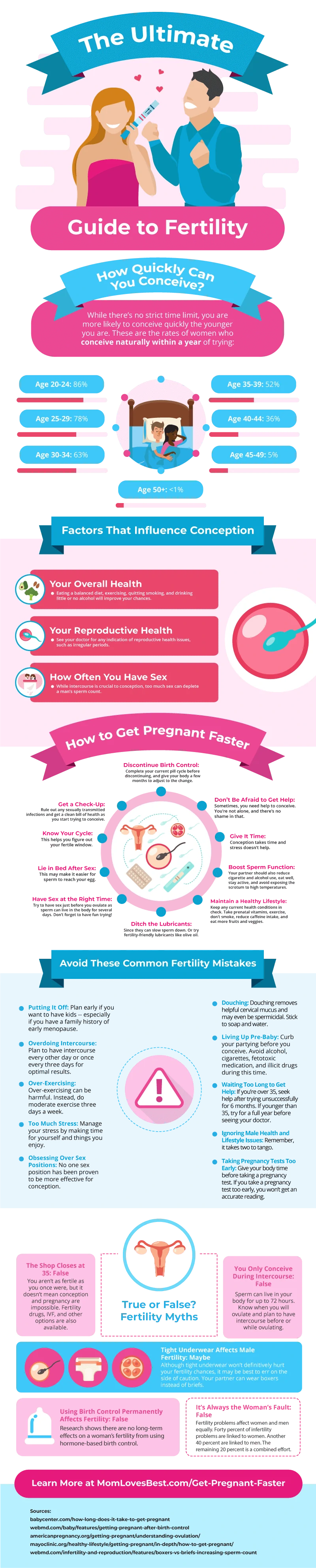
Curious about the odds? It helps to know what is “normal” before you start worrying. Here is a breakdown of the percentage of women who conceive naturally within one year of trying, categorized by age (1).
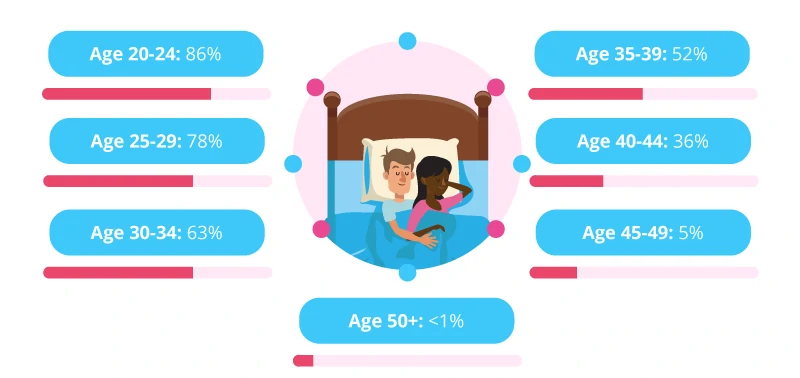
- Women aged 20 to 24 have an 86 percent chance.
- Women aged 25 to 29 have a 78 percent chance.
- Women aged 30 to 34 have a 63 percent chance.
- Women aged 35 to 39 have a 52 percent chance.
- Women aged 40 to 44 have a 36 percent chance.
- Women aged 45 to 49 have a 5 percent chance.
- Women older than 50 have less than a 1 percent chance.
Remember, there is no hard rule for how long it takes. This is just a snapshot of the averages. Every woman, and every couple, is different.
Several factors influence how fast it happens for you (2).
- Age: Biology is a factor here. You are likely to conceive faster when you are younger. If you are under 35, specialists usually suggest trying for a full year before seeking help. If you are 35 or older, they typically want to see you after six months of trying.
- Overall Health: Your general well-being plays a massive role. Being significantly underweight or overweight can impact your hormones and ovulation. Habits like smoking or heavy drinking can also hit the brakes on fertility.
- Reproductive Health: Irregular periods or conditions like PCOS and endometriosis can make the journey longer. If your cycles are all over the place, don’t wait a year to talk to your doctor.
- Intercourse Frequency: It sounds obvious, but you have to be in it to win it. Doctors generally recommend sex every other day or every two days to catch your fertile window without causing burnout.
Most couples will conceive naturally within a year. Many even see that positive line in the first month.
However, it is perfectly normal for it to take a few cycles. Don’t get discouraged if it doesn’t happen in month one.
If you are worried, have a candid chat with your doctor. Depending on your age and history, they might want to run some simple blood tests sooner rather than later.
10 Tips to Get Pregnant Fast
You can’t control everything, but you can control your habits. Here are ten actionable steps to boost your fertility.
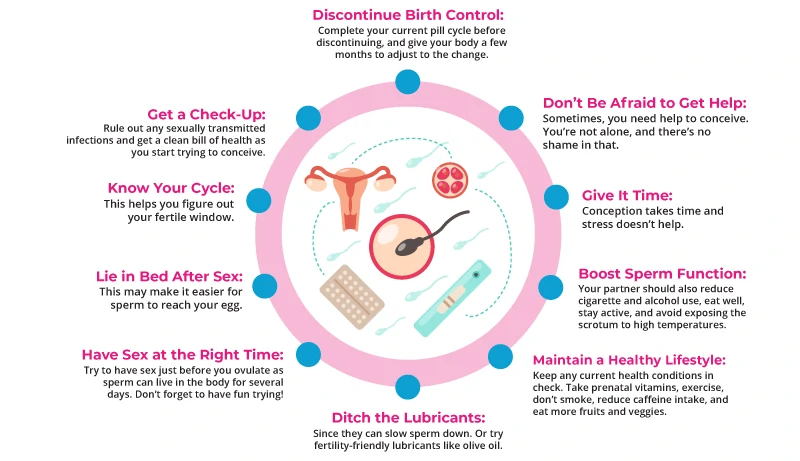
1. Ditch Birth Control Early
If you are using hormonal birth control like the pill, you need to give your body a buffer zone (3).
Finish your current pill pack to avoid mid-cycle confusion. While some women ovulate immediately after stopping, others need a few months for their hormones to regulate.
Using an IUD? You will need to book an appointment to have it removed.
If you use condoms or other barrier methods, you can simply stop using them the moment you are ready to start trying.
Trigger Warning Miscarriage
New research has shifted the advice on trying again after a loss. You should plan to try again whenever you feel emotionally and physically ready.
If you have recently experienced a miscarriage, studies show that getting pregnant within three months is actually associated with the lowest risk of another miscarriage (4).
Women who conceive within six months after a loss often have excellent reproductive outcomes (5).
2. Book a Preconception Check-Up
Prep work matters. A “preconception visit” ensures your body is ready for a healthy pregnancy.
Your doctor can run standard blood tests to rule out underlying issues like thyroid imbalances or anemia. They will also check your immunity to things like Rubella and Chickenpox, which can be dangerous during pregnancy.
This is also the time to rule out Sexually Transmitted Diseases (STDs). Untreated infections can cause scarring and infertility (6). If you have an infection, getting treated now prevents complications later.
During this visit, ask about your current medications, exercise routine, and starting prenatal vitamins with folic acid (7).
3. Track Your Cycle
Understanding your ovulation is the single most important technical step you can take (8).
Most women have a “fertile window” of about six days. If you miss this window, you have to wait until next month.
Start by marking Day 1 of your cycle (the first day of full flow). If you have a classic 28-day cycle, you likely ovulate around day 14. But few women are perfectly textbook.
The Fertile Window
To get precise, try these methods:
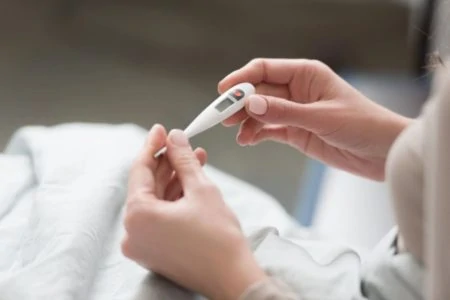
- Basal Body Temperature (BBT): Your temperature spikes slightly after ovulation. Tracking it with a basal body thermometer confirms that you are ovulating, though it tells you after the fact (9).
- Cervical Mucus: Watch for changes in your discharge. When it becomes clear, stretchy, and slippery (like egg whites), you are in your peak fertile window.
- Ovulation Strips: Ovulation predictor kits (OPKs) detect hormone surges that happen 24-36 hours before ovulation, giving you a heads-up on the best time to get busy.
4. Time It Right
Once you know when you are ovulating, you just need to ensure sperm is waiting for the egg (10).
Aim to have sex during the two to three days leading up to ovulation. Since sperm can live for several days in the reproductive tract, having them “ready and waiting” is often more effective than trying to hit the exact hour the egg is released.
Don’t turn sex into a chore. Stress can actually delay ovulation, so try to keep things fun. Interestingly, female orgasms may help sperm travel upward toward the cervix (11).
5. Lie Low After Sex
It sounds like an old wives’ tale, but there is some logic to it. Standing up immediately allows gravity to pull fluids downward.
Laying flat on your back for 10 to 15 minutes after sex may give sperm a better chance of swimming up through the cervix (12).
Is it a magic bullet? Probably not. But it certainly can’t hurt to use that time to relax and cuddle.
Menstrual cups may help with conception. Keep the cup on the nightstand to quickly insert after intercourse. This will keep the sperm close to the body in a warm, wet environment. While anecdotally, I’ve heard good things in practice- this is not evidence-based.

Editor's Note:
Caitlin Goodwin, MSN, RN, CNM6. Choose Sperm-Friendly Lube
Regular lubricants can change the pH of the vagina and make it harder for sperm to swim (13).
If you can, skip the lube. If you need it for comfort, switch to a “fertility-friendly” option. Products like Pre-Seed Personal Lubricant are specifically designed to mimic natural fertile fluids and won’t harm sperm.
Looking for a natural alternative? Some couples use small amounts of canola oil or mineral oil (14).
7. Clean Up Your Lifestyle
Your body is the vessel for your future baby, so fuel it well. Focus on a balanced diet with plenty of fresh fruits, vegetables, lean proteins, and calcium.
Avoid processed meats which are high in sodium and preservatives. Whole foods are always the better choice.
Moderate exercise helps too. You don’t need to run a marathon; a brisk 30-minute walk daily is fantastic for blood flow and stress reduction.
There are also a few habits you need to break ASAP:
- Stop Smoking: Smoking ages your ovaries and depletes your eggs prematurely. It is one of the worst things for fertility.
- Cut Alcohol: Excessive drinking lowers fertility for both men and women. It is safest to stick to mocktails while trying (15).
- Limit Caffeine: You don’t have to quit coffee entirely, but keep it under 200mg a day (about one 12oz cup). Excess caffeine can slightly delay conception (16).
- Skip Artificial Sweeteners: Some studies suggest a link between artificial sweeteners and reduced fertility rates (17). It might be worth cutting them out just to be safe.
- Avoid Recreational Drugs: Marijuana and other drugs can impact ovulation and sperm quality (18). Men especially should avoid them, as they are a significant cause of male infertility.
Do you have chronic conditions like diabetes, high blood pressure, or thyroid issues? Work closely with your doctor to get them under control before getting pregnant.
8. Boost His Sperm Health
It takes two to tango. About one-third of infertility cases are linked to male factors, so get your partner involved.
He should take a daily multivitamin with zinc, folic acid, and Vitamin C to support sperm development. He should also join you in eating healthy and cutting back on booze.
Here are two other ways he can help:
- Keep It Cool: Sperm are heat-sensitive. Hot tubs, saunas, and tight underwear can raise testicular temperature and kill sperm. Tell him to stick to showers and wear boxers.
- Reduce Stress: Chronic stress interferes with the hormones needed to produce sperm.
9. Be Patient
This is the hardest part. Even if you do everything right, you only have about a 20 to 30 percent chance of getting pregnant in any given cycle.
It is normal for it to take 6 to 12 months. Try not to let the process consume you. Stress and anxiety can create a vicious cycle that makes conception harder (19).
Keep living your life, planning dates, and enjoying each other’s company outside of “making a baby.”
10. Know When to Get Help
There is no shame in asking for assistance. If things aren’t working, medical intervention can work wonders.
Here is the general rule of thumb for when to see a specialist:
- Under 35: Try for one year before seeking help.
- 35 or older: See a doctor after six months of trying.
- Any age: Go immediately if you have known issues like irregular periods, endometriosis, or a history of pelvic infections.
Your doctor can check your hormone levels, verify your tubes are open, and analyze your partner’s sperm count. Knowledge is power.
FAQs

What to Do Before Trying for a Baby?
Schedule a preconception visit with your doctor to review your health history and medications. Start taking a prenatal vitamin with 400mcg of folic acid daily to prevent birth defects. Finally, stop smoking, limit alcohol, and track your cycle to identify your fertile window.

What Home Remedies Help You Get Pregnant?
There are no magic potions, but lifestyle changes act as natural remedies. Focus on an antioxidant-rich diet, moderate exercise, and stress reduction (yoga or meditation helps). Tracking your basal body temperature and cervical mucus are the most effective “at-home” tools to pinpoint ovulation.

Which Foods Are Best for Fertility?
Focus on the “fertility diet”: plenty of plant protein, full-fat dairy, and iron-rich foods. Berries, citrus fruits, and leafy greens provide essential antioxidants and folate. Walnuts and fatty fish (like salmon) offer Omega-3s which support reproductive health.

Does Time of Day Matter for Conception?
Not significantly. While some studies suggest sperm count might be slightly higher in the morning, the difference is negligible. The most important factor is the timing within your monthly cycle (ovulation), not the time on the clock. Have sex whenever you are both relaxed and in the mood.

What Is the Fastest Way to Get Pregnant?
The fastest route is identifying your “fertile window” using ovulation strips or an app and having sex every day or every other day during that 5-day period. Combine this with stopping birth control early and using sperm-friendly lubricant. If you are over 35 and it hasn’t happened in 6 months, seeing a specialist is the fastest way to address potential roadblocks.

When Should I Take a Pregnancy Test?
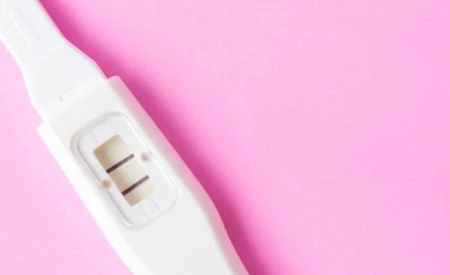
It is tempting to test early, but for the most accurate results, wait until the first day of your missed period. This is usually about 14 days after ovulation. Testing too early can result in a “false negative” because your body hasn’t produced enough of the pregnancy hormone (hCG) yet.