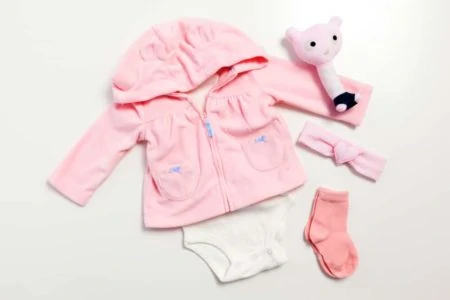
As experienced parents, we know the struggle of distinguishing between “cute to have” and “absolutely essential.” You don’t want to be doing laundry every three hours, but you also don’t want a closet full of clothes your newborn never wears.
We have compiled the ultimate minimalist guide to newborn clothing. Here is exactly what you need to keep your baby comfortable, clean, and happy without breaking the bank.
Key Takeaways
- Basic essentials: Aim for 4-7 onesies, 4-5 footed sleepers, and 2-3 pairs of soft pants.
- Summer needs: Prioritize breathability with 4-6 shorts, sun hats, and lightweight sleep sacks.
- Winter layers: Stock up on 4-6 long-sleeved layers, 1-2 jackets, and safe car seat blankets.
- Laundry rule: Buy enough basics to last you 2-3 days between wash cycles to reduce stress.
Baby Basics
Let’s start with the non-negotiables. These are the items your baby will live in during those first few months (1). The goal here is comfort for the baby and easy access for you during diaper changes.
1. Onesies (Bodysuits)

The onesie is the foundation of any newborn wardrobe. It snaps between the legs to prevent riding up and keeps your baby’s chest warm.
We recommend purchasing at least four to seven of them. Mix it up with short sleeves and long sleeves depending on your due date.
A high-quality onesie should feature an “envelope” neckline. These overlapping fabric folds at the shoulders allow you to pull the onesie down over the baby’s body instead of up over their head. This is a lifesaver during a diaper blowout.
We prefer 100% cotton options for breathability, like these reliable packs from Hudson Baby.
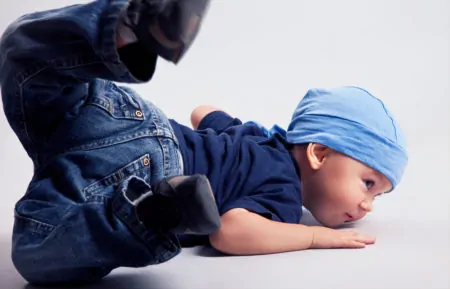
2. Soft Pants

You will need bottoms to pair with those onesies. Two to three pairs of pants are essential for covering up legs and keeping diapers secure.
Look for pants with a wide, gentle elastic waistband. Avoid denim or stiff fabrics for newborns. You want soft materials that won’t irritate the healing umbilical cord stump. We love the organic feel of these pants from Touched by Nature.
3. Kimono-Style T-Shirts
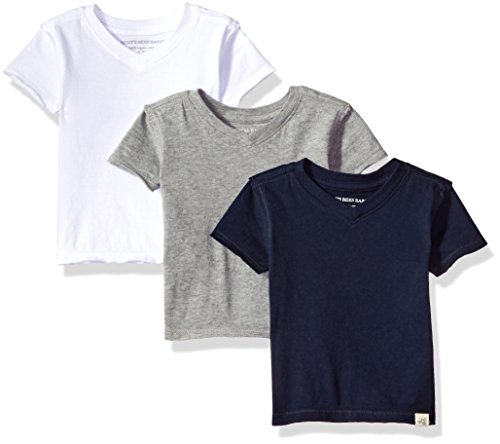
Many newborns dislike having clothes pulled over their faces. Side-snap or “kimono” style shirts are the perfect solution. They allow you to dress your baby without touching their head.
These are also excellent for allowing air to circulate around the umbilical cord. You’ll want between four and five to start out. Check out this organic cotton option from Burt’s Bees.
4. Footed Sleepers
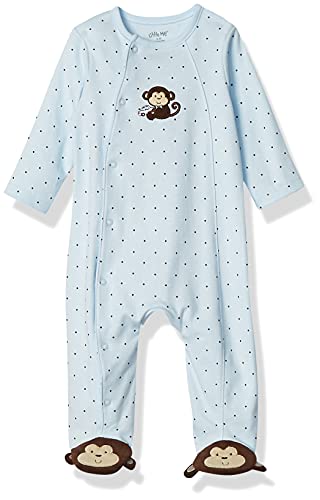
Loose blankets are not safe for sleeping infants due to suffocation risks (2). Footed sleepers are the safe, cozy alternative. Grab four or five so you always have a clean one for bedtime.
Pro-tip: Look for zippers rather than snaps. Snapping up a squirming baby in the dark at 2 AM is a nightmare. Even better, look for “two-way” zippers that open from the bottom for easy diaper access. We love this patterned sleeper by Little Me.
5. Socks
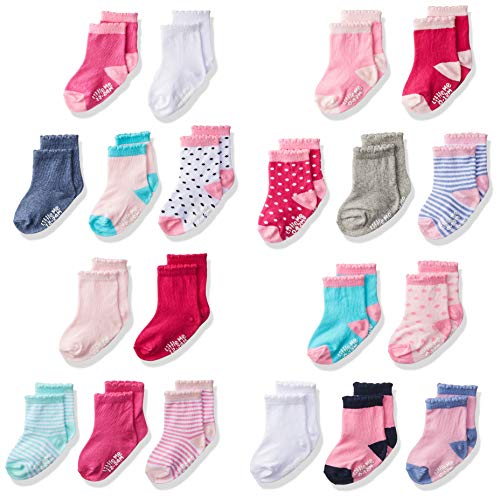
Newborns have poor circulation, meaning their feet get cold easily. Good baby socks act as temperature regulators.
We found that four to seven pairs is a reasonable amount. The biggest challenge is keeping them on. Look for socks with a gentle but firm elastic ankle, like these wiggle-proof ones from Little Me.
Summer Essentials
If your baby is arriving during the warmer months, you need to focus on preventing overheating. Stick to single layers and lightweight fabrics. Here is what a summer baby needs.
1. Shorts or Bloomers
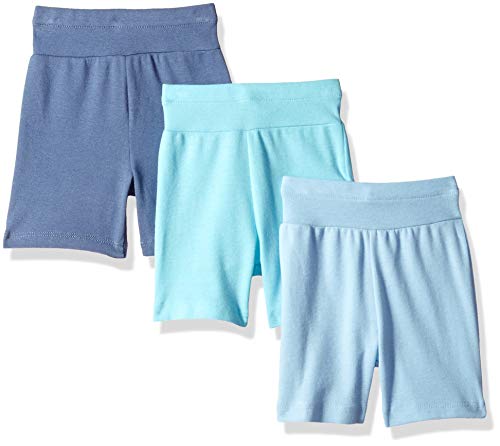
Four to six pairs of shorts create the perfect summer wardrobe. You want breathable cotton that moves with the baby.
Avoid stiff denim or buttons. Elastic waistbands are your friend. These stretchy knit sets from Hanes are affordable and practical. For girls, you can also buy simple skirts or bloomers to go over diapers.
2. Sun Hat

Direct sunlight is dangerous for a baby’s sensitive skin. If you are stepping outside, you need a wide-brimmed hat.
We recommend having two to three on hand. Look for a style with a chin strap so it doesn’t blow away, like this flap hat that also protects the neck (3).
3. Lightweight Sleep Sack
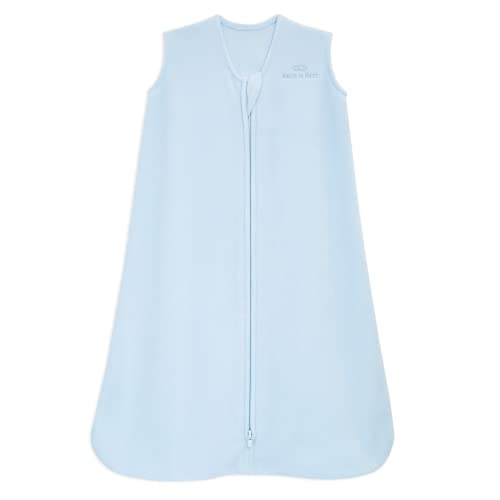
Air conditioning can make indoor temperatures drop quickly. A wearable blanket, or sleep sack, keeps the baby warm without the suffocation risk of loose bedding.
For summer, look for a low TOG rating (0.5 to 1.0), which indicates lighter fabric. We suggest having two on hand so you have a backup for nighttime diaper leaks. This version from Halo is a parent favorite.
4. Sundress

Two to three sundresses are great for staying cool on hot days. Look for simple A-line cuts that make diaper changes easy. This cotton baby dress from Touched by Nature is perfect for family picnics or lounging at home.
5. Swimsuit and Rash Guard
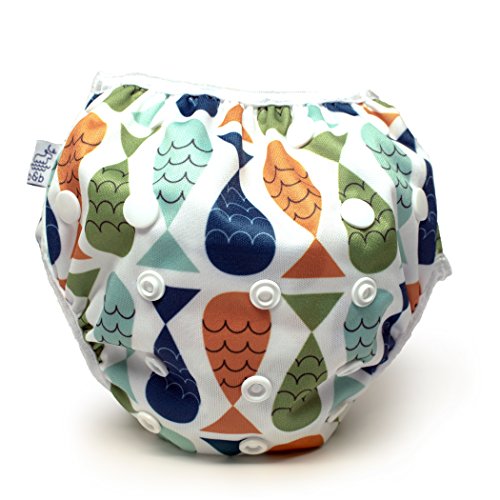
If you plan to hit the pool or beach, you will need gear. The Nageuret Reusable Swim Diaper is excellent for containing accidents in the water.
We also recommend a long-sleeved rash guard or swimsuit with UPF protection, like this one from Sansi. One or two swimsuits are usually enough for this age.
Winter Must-Haves
For winter babies, layering is the key to safety and warmth. Start with the basics and add insulation as needed.
1. Long-Sleeve Layers
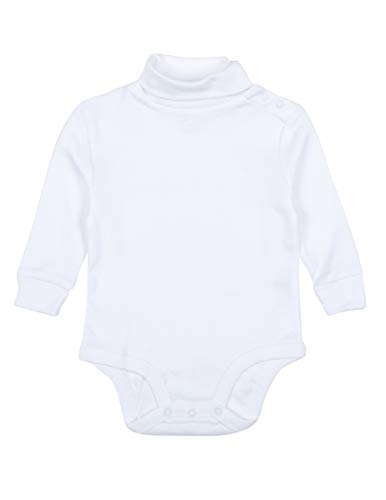
Instead of a tight turtleneck which can be difficult to pull over a baby’s head, opt for high-neck bodysuits or soft long-sleeved shirts like this one from Leveret.
Four to six shirts give you plenty of options for layering under sweaters or jackets.
2. Cardigans or Sweaters
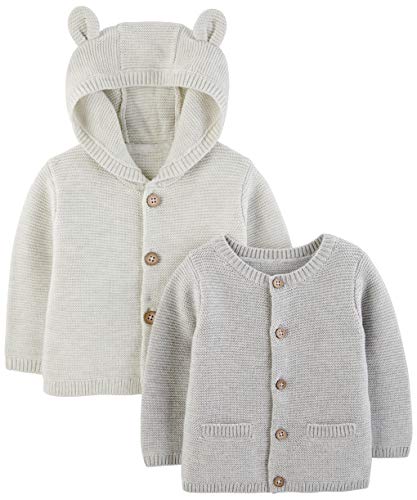
Cardigans are generally easier to put on a newborn than pullover sweaters because you don’t have to squeeze their head through a small hole. Two to four sweaters allow you to adjust to changing indoor temperatures. This knit cardigan from Carter’s is a classic choice.
3. Fleece Jacket

You will need a layer for the car seat, but safety is critical here. Puffy coats are dangerous in car seats because they prevent the straps from tightening against the chest.
A thin fleece jacket, like this option from North Face, provides warmth without the bulk. One jacket is usually enough. Always remove heavy coats before buckling your baby in (4).
4. Snowsuit or Bunting
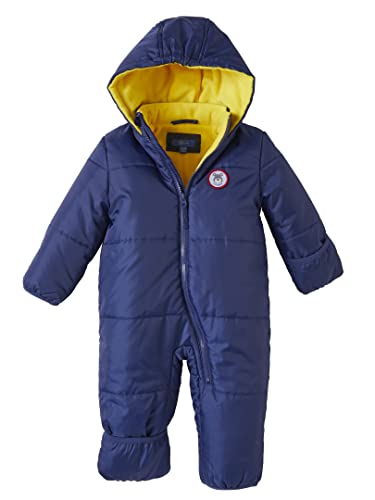
For stroller walks in freezing temps, a snowsuit is essential. You typically only need one.
Look for a “bunting” style (essentially a sleeping bag with sleeves) or a suit with a long zipper for easy access. We like this puffer snowsuit from iXtreme. Remember: these are for strollers and outdoor play only, never for the car seat.
5. Hats and Mittens
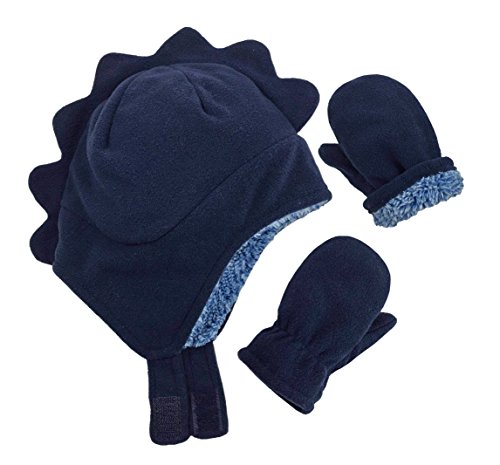
Babies lose a lot of heat through their heads. A hat that covers the ears is vital. You will also need mittens because baby fingers get cold instantly.
We recommend two to three hats and mittens. This microfleece set from N’Ice Caps stays secure and warm.
6. Fleece Booties
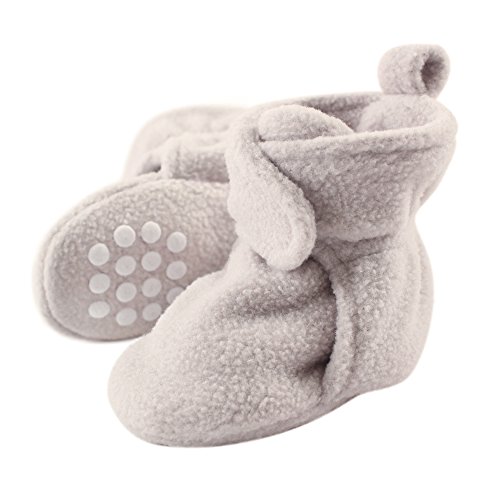
Regular socks often fall off inside snowsuits. Fleece booties with a snap or velcro closure stay on much better. Two pairs should be plenty. These booties from Luvable Friends are a parent favorite because they actually stay on kicking feet.
7. Warm Pajamas
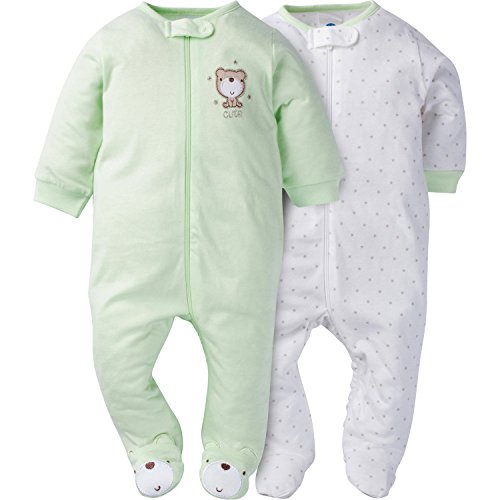
For winter nights, switch from cotton to fleece pajamas. Three to five pairs will get you through the week.
This two-pack Sleep N’ Play from Gerber is great for cold nights. You can also layer a high-TOG fleece sleep sack, like this Baby Deedee bunting, over a regular cotton onesie.
8. Leggings
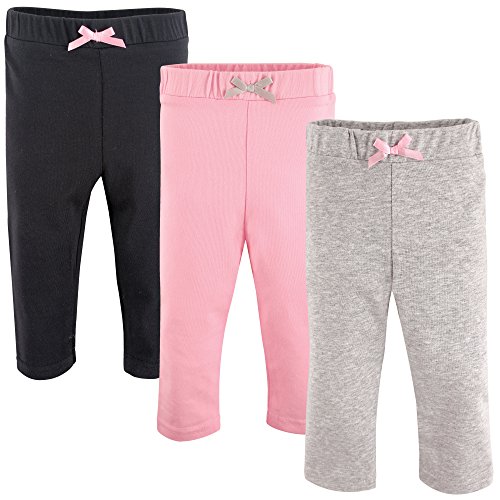
Leggings are excellent layering pieces. You can put them under lighter pants or use them alone for indoor play. These soft pairs from Luvable Friends are affordable, and we recommend having five to seven.
9. Soft-Sole Boots
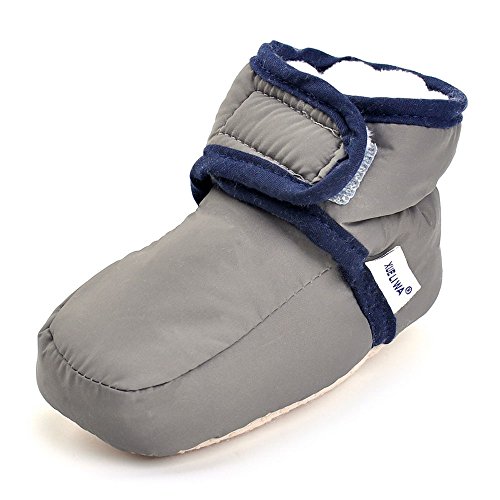
Do newborns need hard-soled snow boots? No. They can’t walk, and heavy boots are uncomfortable.
However, if you want something durable for outdoor carriers, look for soft-soled, insulated boots like these from Enteer. One pair is more than enough.

For Special Occasions
You don’t need a closet full of fancy clothes, but having one or two nice outfits for holidays or visits to Grandma’s house is helpful.
1. Dress or Formal Romper

Comfort should still be your priority. A scratchy tuxedo or a stiff dress will result in a crying baby.
Look for dressy rompers that look like suits but feel like pajamas. For girls, a soft polyester dress works well. One outfit is usually sufficient for this stage.
2. Coming Home Outfit

The coming-home outfit is a cherished tradition. Keep in mind that you will be buckling your baby into a car seat, so avoid gowns or bulky outfits for the ride home. A cute, footed sleeper with a matching hat is often the best choice for both photos and safety.
In clinical practice, many of my parents purchase a “newborn” outfit only to find that it is too small once their baby is born. I recommend sizing up to prevent purchasing an item your baby never wears.

Editor's Note:
Dr. Leah Alexander, MD, FAAPWhether you go designer or simple cotton, just make sure it is washed and ready in your hospital bag.
Newborn Clothes FAQs

How Many Clothes Does a Newborn Need?
A newborn typically needs about five to seven onesies and sleepers per week. This accounts for multiple changes a day due to spit-up or diaper leaks while allowing you to do laundry every 2-3 days without running out.

How Many Times a Day Do You Change a Newborn’s Outfit?
You can expect to change a newborn’s outfit 2-3 times a day on average. Between diaper blowouts, feeding spills, and spit-up, it is rare for a baby to stay in the same outfit from morning until night.

How Long Can a Newborn Wear the Same Clothes?
A newborn can technically wear the same clothes for 24 hours if they remain clean. However, for hygiene and routine, most parents change their baby into a fresh outfit each morning and fresh pajamas at night.

What Is the Average Cost of Baby Clothes Per Month?
Parents typically spend between $40 and $100 per month on baby clothes during the first year. You can significantly lower this cost by utilizing hand-me-downs, shopping consignment sales, or buying multipacks of basics.

What Size Should I Buy for a Newborn?
It is smart to have a mix of “Newborn” (up to 8 lbs) and “0-3 Months” (8-12 lbs) sizes. Some babies are born too big for newborn sizes, while others swim in 0-3 month clothes. Avoid buying too much of the “Newborn” size until your baby arrives.
When Should I Start Buying Baby Clothes?
You can start buying basics after your 20-week scan. By the time you reach 30-32 weeks pregnant, aim to have the essentials washed and organized so you are prepared if the baby arrives early.
In Conclusion
Building a newborn wardrobe doesn’t have to be complicated or expensive. By focusing on versatile basics like onesies, sleepers, and soft pants, you’ll be prepared for anything your baby (literally) throws at you.Remember, babies grow incredibly fast. It is better to have a smaller rotation of clothes that fit well than a dresser full of outfits they will outgrow in two weeks. Happy shopping!