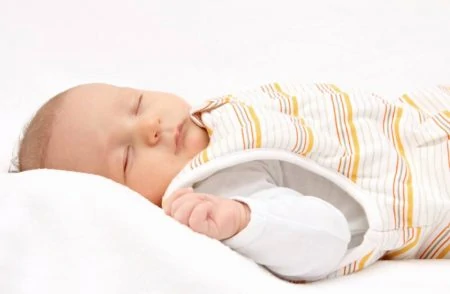
Loose blankets in a crib are a major safety concern for new parents. Sleep sacks offer the perfect solution. They keep your baby warm and wrapped securely without the risk of kicking off covers or pulling bedding over their face.
Our team of moms tested top-rated models and analyzed feedback from thousands of parents to find the best sleep sacks on the market. We designed this guide to help you find the perfect fit for your nursery.
Whether you need a lightweight option for summer, a cozy fleece for winter, or a sack with foot holes for an active toddler, we have you covered. We will also break down the benefits of wearable blankets and share tips for keeping your baby safe, cozy, and comfortable all night long.
- Sleeveless to prevent overheating
- Designed for baby’s comfort
- Available in variety of colors
- Allows healthy hip movement
- Comes in cute unisex prints
- Sizes grow with baby
- Soft microfleece fabric
- Available in 26 colors
- Lightweight but warm
- Generous size
- Sleeveless to prevent overheating
- Great for cold climates
- Wide sleeves for ventilation
- Dual zippers for diaper changes
- Made of 100% cotton
What Is a Sleep Sack?
A sleep sack is essentially a wearable blanket. It replaces loose bedding in the crib to create a safer sleep environment. The top looks like a standard sleeveless shirt or onesie, while the bottom flares out into a closed sack.
Sleep sacks solve a common problem. Loose blankets can be sleeping hazards in bassinets and cribs because they pose a suffocation risk. A sleep sack eliminates that risk while keeping your baby warm.
You can find them in various fabrics, weights, and styles. Most feature zippers or snaps to make late-night diaper changes easier on tired parents.
They are also an excellent transition tool. When it is time to stop swaddling, a sleep sack provides comfort and familiarity while allowing your baby to move their arms freely.
Benefits of Sleep Sacks
Parents love sleep sacks for safety, but they offer plenty of other perks too.

Safety
Loose bedding is a major risk factor for SIDS (Sudden Infant Death Syndrome). Experts recommend keeping the crib bare to ensure the safest sleep environment.
Sleep sacks remove the need for loose blankets and pillows. Your baby stays warm without the danger of fabric covering their nose or mouth.
They also help delay crib climbing. Because a sleep sack encloses the legs, it is much harder for an adventurous toddler to hike a leg over the crib rail.
Sleep Sack Fact

Comfort
Babies love the secure feeling of the womb. Swaddling mimics that tightness, but babies eventually outgrow it. Once your baby starts rolling, swaddling becomes unsafe.
A sleep sack is the perfect middle ground. It provides warmth and a sense of security without restricting arm movement. It signals to your baby that it is time to sleep, which can help establish a healthy bedtime routine.
Convenience
Swaddling takes practice, and a wiggly baby can break out of a swaddle blanket in seconds. A sleep sack is much easier to use. You simply zip or snap your baby in, and they are ready for bed.
Many sleep sacks feature inverted zippers or bottom-opening designs. This means you can change a diaper in the middle of the night without fully undressing your baby or exposing their chest to cold air.
A neat bonus of toddler sleep sacks is that they can keep your little one from climbing out of their crib!

Editor's Note:
Mary Sweeney, BSN, RN, CENKey Features to Look For
Start by checking the sizing and intended age range.
- Baby sleep sack: These are sack-like garments for newborns up to about 36 months. They fully enclose the feet.
- Toddler sleep sack: These are for walkers. They often feature holes for the feet so your child can stand up in the crib or walk around the house without tripping.
Understanding TOG Ratings
You will often see the term “TOG” when shopping. This stands for Thermal Overall Grade. It measures the warmth of the fabric.
- 0.5 TOG: Lightweight. Best for summer or hot rooms (75°F to 80°F).
- 1.0 TOG: Standard weight. Good for year-round use in moderate temperatures (69°F to 73°F).
- 2.5 TOG: Heavyweight. Best for winter or cool rooms (61°F to 68°F).
Sleep Sack Features
Look for these specific features to make your life easier:
- Inverted zippers: Zippers that unzip from the bottom up make diaper changes faster.
- Zipper guards: A small fabric tab at the top protects your baby’s chin from scratches.
- Shoulder snaps: These make it easier to slide the sack over a sleeping baby’s arms.
- Breathable fabric: Natural fibers like cotton or bamboo help regulate body temperature better than synthetic fleece.
Product Reviews
We tested fabrics, zippers, and fit to bring you the top-rated sleep sacks available today.
Baby Deedee Fleece Sleep Sack
Best Sleep Sack for Winter
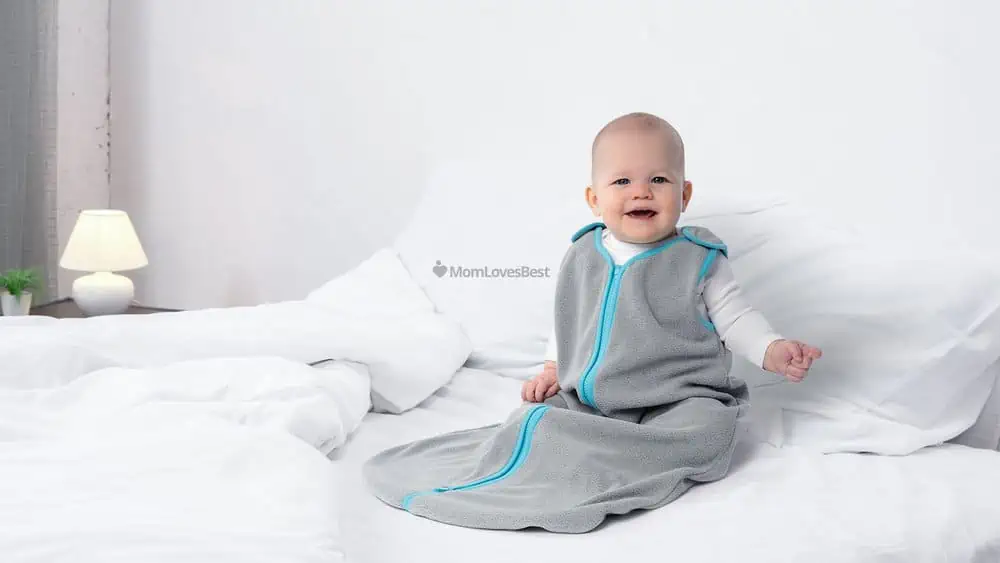
If you live in a cold climate or have a drafty nursery, the Baby Deedee Sleep Nest is a lifesaver. It is made from high-quality polar fleece, which provides serious warmth without being too heavy. The unique cocoon shape keeps heat inside while remaining breathable.
The shoulder straps use snaps rather than zippers. This is a brilliant design choice because you can snap the sack onto a sleeping baby without wrestling their arms through holes. The zipper is inverted, so you don’t have to fully expose your baby during a diaper change.
Pros
- Shoulder snaps: Easy to put on, even when baby is asleep.
- Warm fleece: Perfect for winter nights.
- Design options: Comes in vibrant colors and stylish trims.
Cons
- Synthetic fabric: Some parents prefer natural fibers over polyester fleece.
- Zipper wear: The zipper paint may chip after heavy use.
Our Ratings
Burt's Bees Wearable Blanket Sleep Sack
Best Organic Sleep Sack
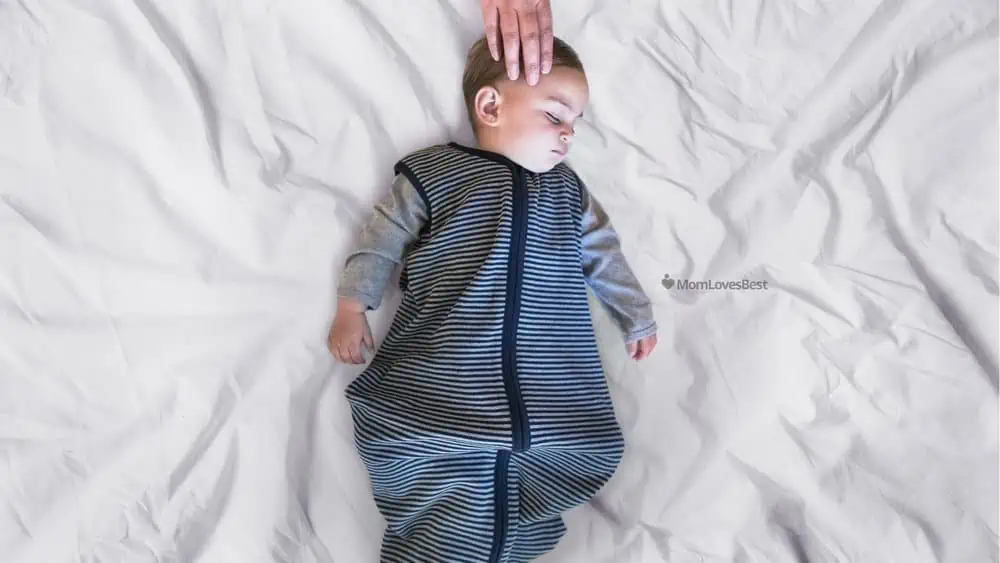
The Burt’s Bees Baby Beekeeper is a parent favorite for a reason. It is made from 100% organic cotton, making it incredibly soft and gentle. Because it is cotton, it breathes well and prevents your baby from getting sweaty during the night.
It features a high-quality zipper with a zipper guard to protect your baby’s neck. The 0.5 TOG rating makes it versatile for most seasons if you layer clothing appropriately underneath. We also love that it holds up well in the wash without losing its shape.
Pros
- Hip healthy: Plenty of room for legs to move naturally.
- Gentle fabric: 100% organic cotton is great for sensitive skin.
- Sizing: Roomy fit allows for growth spurts.
Cons
- Toddler escape: The neck hole can stretch, potentially allowing older toddlers to slip out.
Our Ratings
HALO Micro-fleece Wearable Blanket
Best Large Sleep Sack
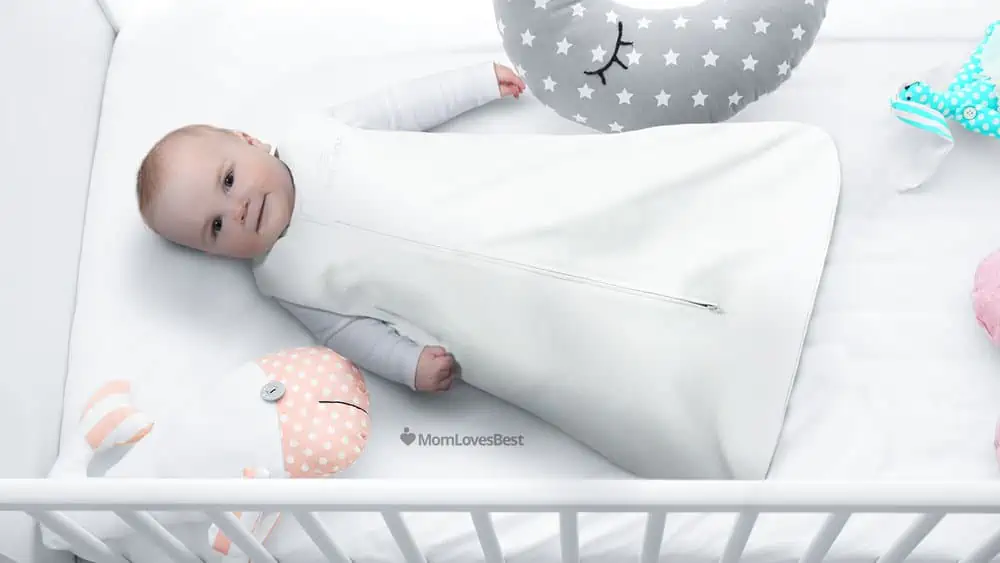
HALO is practically synonymous with safe sleep. Their micro-fleece wearable blanket is a staple for many nurseries. It offers a wide size range, fitting babies from 10 pounds all the way up to 36 pounds in the extra-large size.
The fabric is warm but resists pilling. The sack features an inverted zipper and a wide bottom that is recognized by the International Hip Dysplasia Institute as “hip-healthy.” The sleeveless design ensures adequate airflow to prevent overheating, even with the warm fleece material.
Pros
- Soft texture: Microfleece feels cozy against the skin.
- Variety: Available in over 20 colors and patterns.
- Safe design: Sleeveless cut prevents overheating.
Cons
- Zipper issues: The plastic zipper can be tricky to align in the dark.
Our Ratings
HALO SleepSack 100% Cotton
Best Travel Sleep Sack
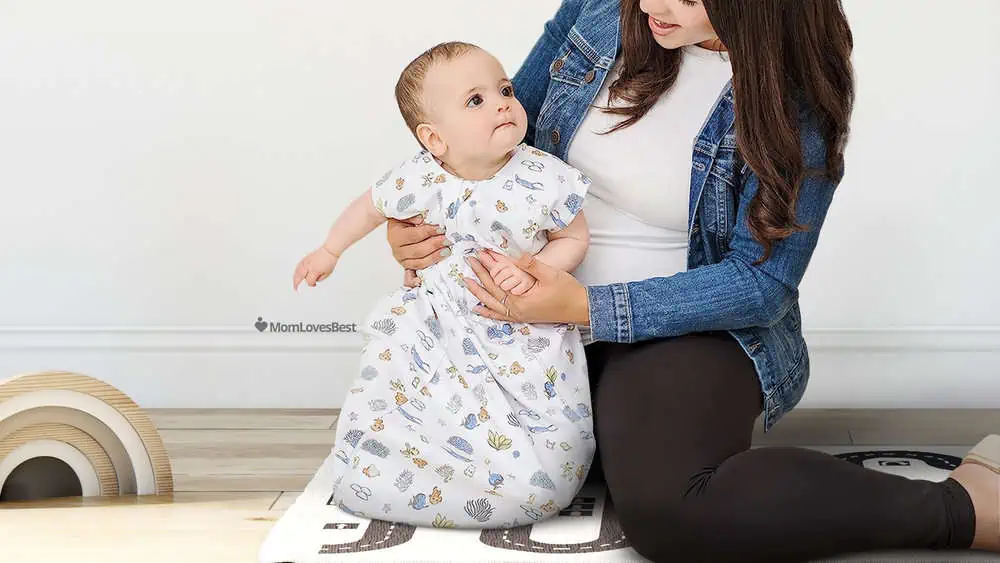
If you need one sleep sack to do it all, this is it. The HALO 100% Cotton SleepSack has a TOG rating of 0.5. It is lightweight enough for summer naps but warm enough for winter if you put fleece pajamas on underneath.
This versatility makes it excellent for travel, as you can adjust to different hotel room temperatures easily. It unzips from the bottom for easy diaper access and features the signature “Back is Best” embroidery as a safety reminder.
Pros
- Easy care: Machine washes and dries beautifully.
- Diaper access: Inverted zipper makes changes quick.
- Versatile: Works in various temperatures by layering clothes.
Cons
- Neck fit: The neck opening can be slightly large on smaller babies.
- Shrinkage: Cotton may shrink slightly after the first hot wash.
Our Ratings
HALO Early Walker Sleep Sack
Best Sleep Sack for Toddlers
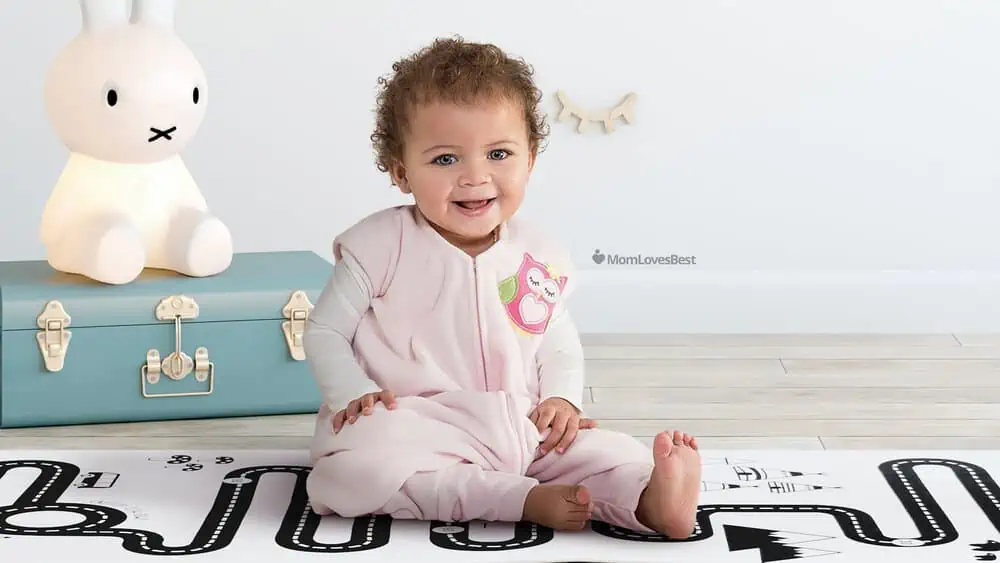
Once your baby starts pulling up and standing, a traditional sack can be a tripping hazard. The HALO Early Walker solves this with ankle cuffs. Your toddler can pop their feet out to walk around or tuck them inside for warmth while sleeping.
It is designed to be worn over regular pajamas. The fit is generous, allowing for plenty of movement without the risk of loose blankets. It is an ideal solution for toddlers who still need the comfort of a sleep sack but have outgrown the infant stage.
Pros
- Foot holes: Allows safe walking and standing.
- Warmth options: You can tuck feet in or leave them out.
- Durability: Holds up well to active toddlers.
Cons
- Sizing: Runs very large; check the size chart carefully.
Our Ratings
OuYun Baby Organic Sleep Sack
Best with Sleeves
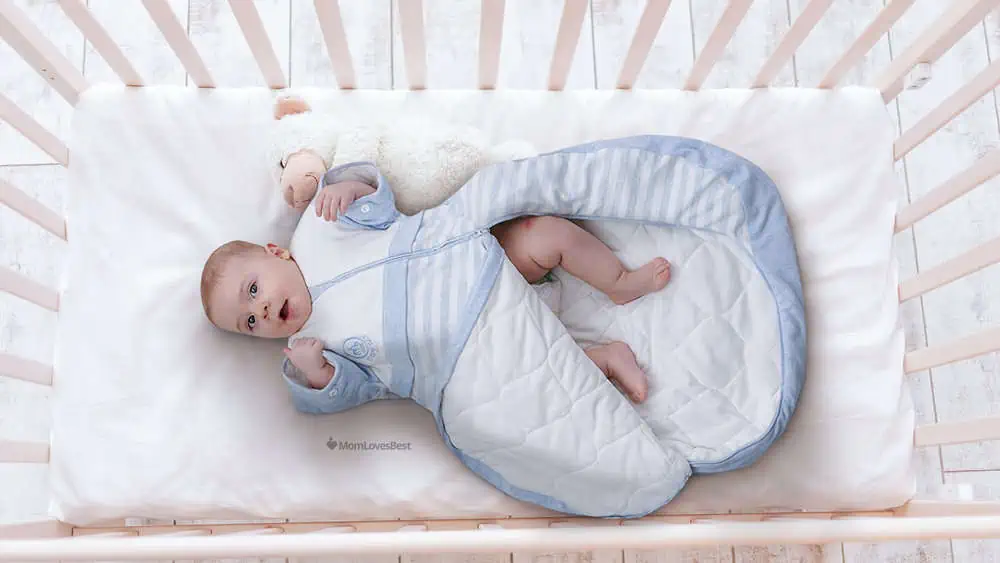
Most sleep sacks are sleeveless to prevent overheating, but sometimes you need extra warmth for the arms. The OuYun Sleep Sack features removable sleeves. You can zip them on for chilly nights or remove them when the temperature rises.
The sack is made from organic cotton and features a two-way zipper. The bottom is fully sealed but roomy, giving your baby plenty of space to kick. It is a fantastic option for parents who want maximum adaptability in a single garment.
Pros
- Detachable sleeves: adjust warmth instantly.
- Ventilation: Dual zippers allow for airflow control.
- Fabric: Soft, breathable organic cotton.
Cons
- Fit: The design is extra-wide, which some parents find too bulky.
Our Ratings
Nested Bean Zen Premier Sleep Sack
Best Sleep Sack for Summer
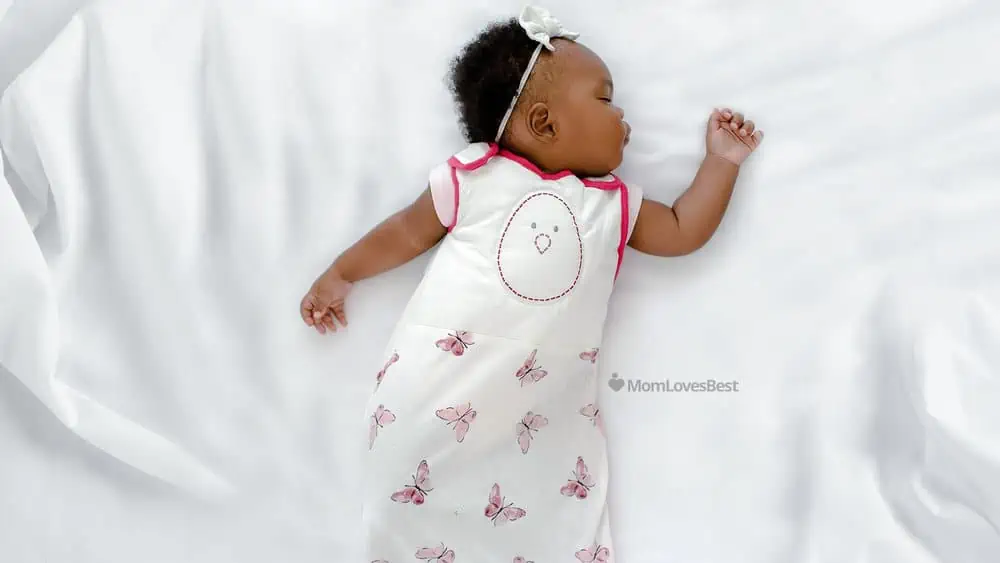
The Nested Bean Zen Premier uses a bamboo rayon blend, which is naturally moisture-wicking and cool to the touch. It is incredibly soft and perfect for hot weather.
Its standout feature is the lightly weighted pad on the chest (or back, depending on how you wear it). This is designed to mimic your hand resting on your baby, providing comfort and helping them self-soothe. It includes adjustable shoulder snaps to grow with your baby.
Pros
- Bamboo fabric: Wicks moisture and keeps baby cool.
- Grow-with-me: Adjustable shoulder straps extend the use.
- Two-way zipper: Makes diaper changes effortless.
Cons
- Price: More expensive than standard cotton sacks.
- Size limit: Generally only available for babies up to 24 months.
- Usage: Weighted feature is less useful once baby rolls onto their tummy.
Our Ratings
Sleep Sack Safety Tips
Sleep sacks are generally safer than loose blankets, but you still need to use them correctly.
1. Watch for Overheating
Overheating is a risk factor for SIDS. Because a sleep sack is an extra layer, you must monitor your baby’s temperature. Touch their chest or the back of their neck. They should feel warm and dry, not hot or sweaty.
Watch for these signs of overheating (1):
- Flushed or red skin.
- Rapid breathing or heartbeat.
- Damp hair or sweating.
- Lethargy or unresponsiveness.
If your baby feels too hot, switch to a lower TOG sleep sack or remove a layer of clothing underneath. Use a cool washcloth to help cool them down if necessary.
2. Check the Fit
A sleep sack should be snug around the upper body but loose around the legs.
- Neck opening: It should not be able to slip over your baby’s head. If the neck is too loose, the fabric could cover their face.
- Armholes: These should be snug enough that your baby cannot pull their arms inside the sack.
Zipper Tip
Sleep Sack FAQs

What Is a TOG Rating?
TOG stands for Thermal Overall Grade. It measures thermal resistance. A low TOG (0.5) is for hot weather, while a high TOG (2.5) is for winter. Choosing the right TOG helps prevent overheating.

Why Do Sleep Sacks Not Have Sleeves?
Most are sleeveless to allow heat to escape through the armholes, reducing the risk of overheating. It also allows for better air circulation and keeps the baby’s arms free for self-soothing.

Do Babies Wear Clothes Under a Sleep Sack?
Yes. The sleep sack is a wearable blanket, not pajamas. You should dress your baby in a bodysuit, onesie, or footed pajamas underneath, depending on the room temperature.

What Material Is Best for a Sleep Sack?
Natural fibers like cotton, bamboo, and wool are best because they are breathable and help regulate temperature. Fleece is good for very cold rooms but is less breathable.
How Many Sleep Sacks Do I Need?
We recommend having at least two or three. This allows you to have one on the baby, one in the wash, and one backup for those inevitable middle-of-the-night diaper leaks.

Do Babies Sleep Better With Sleep Sacks?
Many do. The sleep sack provides a positive sleep association. When you zip it up, your baby knows it is time to sleep. It also keeps them warm consistently through the night, preventing wake-ups from cold drafts.

When Should Babies Stop Wearing Sleep Sacks?
You can use them as long as your child fits in them! Many parents switch to a walker sleep sack (with foot holes) around 12 to 18 months and continue using them until the child moves to a big kid bed and learns to use a regular blanket.
The Bottom Line
For most parents, the Burt’s Bees Wearable Blanket is the top choice. The 100% organic cotton is soft, breathable, and holds up wash after wash. It is a reliable, safe option that works for almost any nursery.
When choosing, think about your climate. If your house runs cold, grab a fleece option like the Baby Deedee. If you are traveling or it is summer, a lighter cotton sack is safer.
Ultimately, the right sleep sack gives your baby a cozy night’s sleep and gives you the peace of mind to rest easy too.