Stepping on a Lego is a painful rite of passage for parents, but it doesn’t have to be your daily reality. If you are tired of clutter taking over your home, you need a solid game plan.
In this guide, we have rounded up brilliant toy storage ideas to help you reclaim your floor space and keep your child’s play area organized.
Key Takeaways
- Go Vertical: Use wall shelves, hanging hammocks, and shoe organizers to maximize floor space.
- Hidden Storage: Utilize under-bed space and double-duty furniture like storage ottomans to keep living areas tidy.
- Categorize and Contain: clear bins, drawstring bags, and labeled baskets make cleanup easy for kids.
- Create Zones: Define specific areas for messy play, reading, or building to contain the chaos.
25 Brilliant Toy Storage Ideas
Here are our top toy storage hacks to turn a cluttered disaster zone into an organized haven.
1. Utilize Shelving
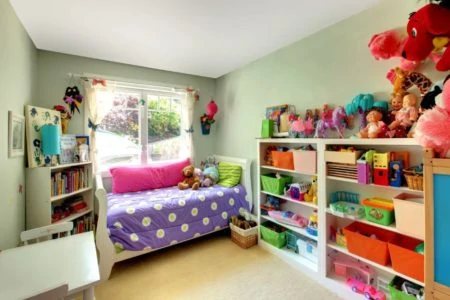
Shelving units are the backbone of playroom organization. They provide vertical space to display favorite items while tucking messy clutter away in baskets or boxes. This solution grows with your child; eventually, those toy bins can be swapped out for books, school supplies, or sports gear.
We love this option for its versatility. You can keep safe items low for toddlers and messy art supplies on high shelves out of reach.
2. Space Saver Storage and Seating
If your living room doubles as a playroom, you don’t always want colorful plastic toys on display. A storage ottoman or bench with a lift-up lid is the perfect camouflage. It keeps toys accessible for playtime but invisible when adult guests arrive.
This is a favorite because it serves two purposes: hiding the mess and providing extra seating for family movie nights.
Furniture that doubles as storage is so handy! My daughter’s ottoman in her bedroom functions as a toy chest, helps her climb into her big girl bed, and is a place to sit.

Editor's Note:
Katelyn Holt RN, BSN, BC3. Stackable Open Storage
You don’t need expensive furniture to get organized. Plastic vegetable racks are a brilliant, budget-friendly hack. They stack easily and are perfect for holding building blocks or larger trucks. Because they are open, kids can easily grab what they need without dumping out a whole bin. You can find these at most hardware or dollar stores.
4. Easy-to-See Low-Level Storage
Toddlers are more likely to play independently if they can see their options. A storage unit with tilted plastic bins allows kids to spot exactly what they want without digging. Assign a category to each bin, cars in one, animals in another, to make cleanup time a breeze. These bins are removable, so you can take one down for playtime and slide it back when finished.
5. Plastic Bins
Clear plastic bins with lids are essential for small pieces. Use them to color-code Lego bricks, store doll accessories, or keep puzzle pieces together. They stack neatly on shelves or in closets. As your child gets older, these containers transition perfectly into holding art supplies or beads.
6. Utilize the Space Under the Bed
Don’t let the space under the bed become a dust bunny sanctuary. Rolling carts or wooden drawers on casters are perfect for “DIY” under-bed storage. You can roll them out for play and shove them back to keep the room looking tidy. It is an ideal spot for dress-up clothes or train sets.
If you are feeling handy, you can add dividers to keep things sorted. Check out this video for a quick tutorial.
7. Plastic Baskets Make Good Storage
Sometimes you need a “catch-all” solution. Large plastic baskets are great for bulky items like stuffed animals or electronics. They are durable, easy to clean, and portable. If you are storing smaller items that might slip through the holes, just line the basket with a fun fabric to keep everything secure.
8. Repurpose a Shoe Organizer
Shoe organizers aren’t just for footwear. Hang one on the back of the playroom door to store Barbie dolls, action figures, or art supplies. Clear pockets let kids see their collection, while fabric pockets offer a cleaner visual look. It utilizes dead space and keeps fragile items off the floor.
9. A Play Tent With a Purpose
A play tent is magical for kids, but it can also be a secret weapon for parents. When playtime is over, use the tent to hide large stuffed animals or pillows. It serves as a cozy reading nook during the day and a “garage” for bulky toys at night. It is a win-win for imagination and organization.
10. Somewhere to Park the Cars
Toy cars are notorious for tripping parents in the middle of the night. Create a dedicated “parking garage” using a wooden crate and PVC piping. This DIY project looks cool and encourages your little driver to park their vehicles neatly. It turns cleanup into a game your child will actually want to play.
11. A Simple Drawstring Bag for Storage
Drawstring bags are excellent for keeping sets together. Toss train tracks, wooden blocks, or puzzle pieces into a bag and hang it on a hook. It keeps the floor clear and makes it easy to grab a specific toy to take on a road trip. Match the fabric to your nursery decor for a stylish touch.
12. Knit a Toy Bag
If you are handy with knitting needles or a crochet hook, make your own storage. Chunky yarn baskets are soft, safe for toddlers, and look beautiful in a nursery. Unlike rigid plastic bins, these can be washed if they get dirty. Use sturdy twine or thick cotton yarn to ensure it holds its shape.
13. Utilize a Hanging Flower Planter
Upcycling is a great way to save money and get creative. Take an old wire hanging planter, give it a fresh coat of spray paint, and hang it low enough for your child to reach. It is the perfect nest for stuffed animals. Since it’s open, your child can easily grab a bedtime buddy without dumping a whole bin.
14. Hanging Hammocks
Stuffed animal collections tend to multiply overnight. A toy hammock in the corner of the room utilizes wasted air space. It keeps the bed clear for sleeping while putting all those plushies on display. You can buy ready-made nets or make a macrame version yourself for a boho look.
15. Double Duty for a Diaper Holder
Once your child is potty trained, don’t toss the diaper stacker. Hang it on the end of the bed or in the closet to store soft toys, pajamas, or small dolls. It’s a clever way to repurpose baby gear formerly used for diapers into a toddler-friendly storage system.
16. Shelving Unit Made From Plastic Crates
Plastic crates are cheap, durable, and colorful. Mount them sideways on the wall to create modular floating shelves. You can arrange them in fun patterns and secure them with screws. They work well for books, board games, or displaying special Lego creations.
17. Quick and Easy Open Baskets
Sometimes the simplest solution is the best. Freestanding woven or wire baskets are the quickest way to declutter a room before guests arrive. Keep a few in the corner of the living room for a “ten-second tidy.” Just toss everything in, and you are done.
18. Stitch Some Clear Drawstring Bags
Vinyl-window bags are a lifesaver for tiny items. Sewing a clear vinyl window into a fabric drawstring bag lets you see exactly what is inside without opening it. These are perfect for hair clips, Polly Pockets, or Lego minifigures. No more dumping out five bags just to find the one doll shoe you need.
19. Storage and Play Mat in One
Legos are fun to build but a nightmare to clean up. A “swoop bag” or drawstring play mat solves this problem instantly. Kids spread the mat out to play, and when they are done, you pull the cord to scoop everything up into a sack. It is the ultimate time-saver.
20. Use Magnetic Knife Blocks for Cars
Magnetic knife strips are surprisingly effective for storing Matchbox or Hot Wheels cars. Mount the strips low on the wall, and the metal cars will snap right onto them. It turns storage into an interactive wall display that kids love.
21. Organize Toys in Your Yard
Backyard toys often end up scattered across the lawn, ruining the grass and the mower. galvanized metal buckets or trash cans are weather-resistant and look rustic. Label them for balls, chalk, or sand toys and keep them in the garage or shed. Adding lids keeps the spiders and rain out.
22. Bath Time Baskets
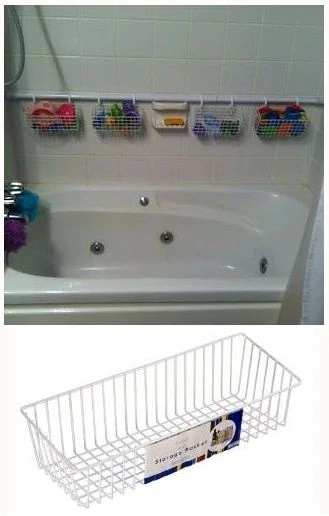
Mold is the enemy of bath toys. To prevent it, toys need to drain and dry completely. Install a tension rod across the back of the shower or tub and hang plastic baskets with holes in them. It keeps the tub ledge clear and makes the bathroom safer for adults.
23. Bath Storage on a Budget
For a cheaper bath storage hack, clip a mesh laundry bag onto a plastic clothes hanger. Scoop up the wet toys after bath time and hang the bag from the showerhead to drip dry. Ensure the mesh is strong enough to hold the weight without ripping.
24. Look After the Little Things
Zippered pencil pouches are organizing heroes. Use them to store flashcards, puzzle pieces, or small board game tokens. You can clip them into a binder or toss them into a larger bin. This prevents the frustration of losing that one crucial piece needed to finish a game.
25. Hang Your Board Games
Board game boxes are bulky and often get crushed at the bottom of a stack. A hanging closet organizer with shelves is a brilliant solution. You can slide game boxes horizontally into the cubbies. It saves shelf space and prevents the inevitable “Jenga” topple when you try to pull out the bottom game.
FAQs

How Do I Keep My Toddler’s Toys Organized?
Start by decluttering and keeping only age-appropriate items accessible. Use clear bins with picture labels so your toddler knows exactly where things belong. Incorporate a “cleanup song” into your routine to make tidying up a habit rather than a chore.

How Do You Organize a Toy Room On a Budget?
You don’t need expensive systems. Repurpose items you already own, like shoe boxes, plastic food containers, or bookshelves. Dollar stores are great for cheap baskets. The key is consistency; grouping like items together costs nothing but makes a huge difference.

What is the Montessori Way of Organizing Toys?
The Montessori method focuses on simplicity and accessibility. Instead of big toy boxes, display a limited number of toys on low, open shelves. Each toy should have its own place on a tray or in a basket, encouraging the child to take one item, play, and return it before choosing another.

How Do You Go Minimalist With Toys?
Focus on “open-ended” toys that can be played with in multiple ways, like blocks, silks, or art supplies. Implement a “one in, one out” rule to control volume. Regularly purge broken items and donate toys your child has outgrown to keep the collection manageable.

How Many Toys Does a Kid Need?
Less is often more. Studies suggest that fewer toys lead to deeper, more creative play. While there is no magic number, a good rule of thumb is to have enough toys to engage them without overwhelming them. If they can’t clean up in 5 minutes, they likely have too many out.

Should You Put Toys In the Kid’s Bedroom?
It depends on your space, but keeping the bedroom primarily for sleep is ideal. If you must store toys there, choose “quiet” toys like books, stuffed animals, or puzzles. Keep stimulating, noisy, or messy toys in a separate play area or living room to help their brain associate the bedroom with rest.

What Is Toy Rotation and How Do I Do It?
Toy rotation involves keeping only a small selection of toys out (e.g., 8 to 10 items) and storing the rest in a closet or garage. Every few weeks, swap the current toys with the stored ones. this keeps toys feeling “new” and exciting, reduces clutter, and extends the attention span of your child.