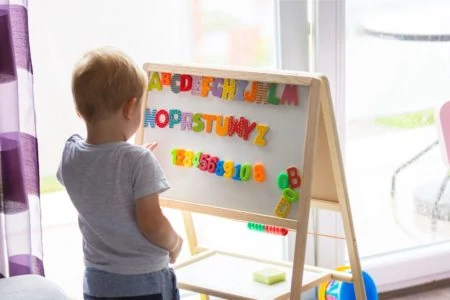
Learning the alphabet is the first big step toward reading, but flashcards can get boring fast. The secret to mastering the ABCs? Turning education into playtime.
We scoured the market for the most engaging alphabet learning toys available today. From interactive fridge magnets to soft bath letters, these picks help kids recognize shapes, sounds, and words without realizing they’re studying. Whether you have a curious toddler or a preschooler ready to write, there is a tool here to spark their love for letters.
Read on to discover the best alphabet toys to jumpstart your child’s literacy journey.
- 320 pages
- Durable glossy cover
- Innovative learning tools
- 26 interactive letter tiles
- Comes with a tile reader
- Batteries included
- Three ways to play
- Playful musical responses
- Animated light-up LED colors
- Used as pull-along toy
- Variety of playful songs
- Interactive and educational
- Improves concentration skill
- Fun learning activity
- Budget-friendly
- Bright colors
- Handcrafted from soft polyester
- Non-toxic and safe
- Great learning resource
- Made for small hands
- Promotes school readiness
How to Choose Alphabet Toys
Children are natural explorers who learn best through hands-on interaction. Selecting the right toy isn’t just about fun; it’s about matching the product to your child’s developmental stage. Here are a few things to keep in mind while shopping:
- Consider the Age: Toddlers need chunky, simple toys they can grasp easily, like blocks or soft cards. Preschoolers are ready for more complexity, such as tracing tablets or phonics games. Older kids benefit from puzzles and spelling beads that challenge their growing vocabulary.
- Check the Materials: Since younger kids often explore with their mouths, safety is non-negotiable. Look for BPA-free plastics, non-toxic paints, and smooth wood. Ensure pieces are large enough to prevent choking hazards (1).
- Prioritize Durability: Learning toys see a lot of action. Whether it is being thrown across the room or dunked in the bath, the toy needs to withstand vigorous play. Washable fabrics and shatter-proof woods are usually the best bets.
Product Reviews
We have tested and researched the top-rated options to bring you this list of the best ABC toys for kids.
School Zone Preschool ABC Workbook
Best Alphabet Learning Book

If you want an all-in-one option to support your preschooler’s classroom progress, this workbook is a classic choice. It incorporates over 300 colorful exercises that keep learning fresh and exciting.
The lessons cover the essentials: letters, numbers, shapes, colors, phonics, and basic math. The activities are progressive, meaning they gently challenge your preschooler as they advance through the pages. It is a fantastic screen-free way to build fine motor skills and focus.
Educational Floating Alphabet Bathtub Toys
Best Alphabet Learning Bath Toy
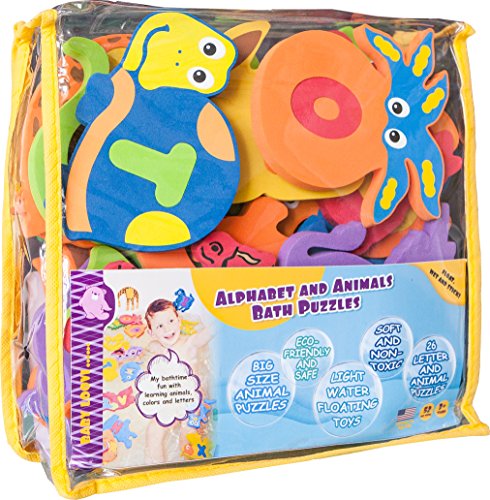
Bathtime creates a relaxed environment perfect for low-pressure learning. These eco-friendly foam floating toys are large, lightweight, and stick to wet tile walls effortlessly.
Preschoolers can work on hand-eye coordination by inserting the letters into the corresponding animal puzzles. It turns a nightly routine into a literacy lesson. Plus, they are durable enough to take to a swimming session for pool fun with friends.
Toddler Learning Wall Posters
Whimsical Charts
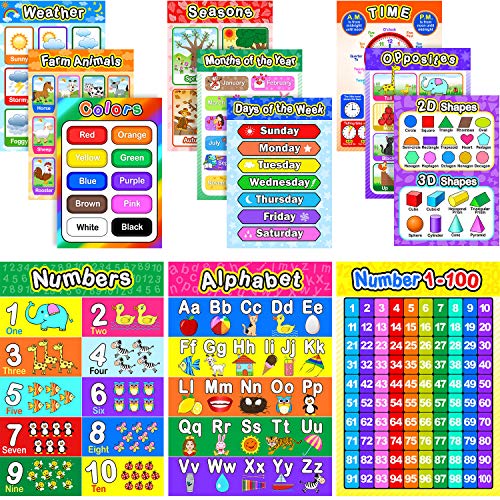
Visual learners thrive with constant exposure. This set includes charts for phonics, weather, shapes, colors, and more. It is an incredible resource for toddlers, whether you are in a homeschool setting or just decorating a playroom.
The posters are double-sided, giving you twice the educational content. You can hang the uppercase and lowercase alphabet chart at eye level to help your little one identify characters throughout the day. It is a simple, passive way to reinforce what they learn in books and games.
LeapFrog Fridge Phonics Magnetic Letters
Best Fridge Magnets
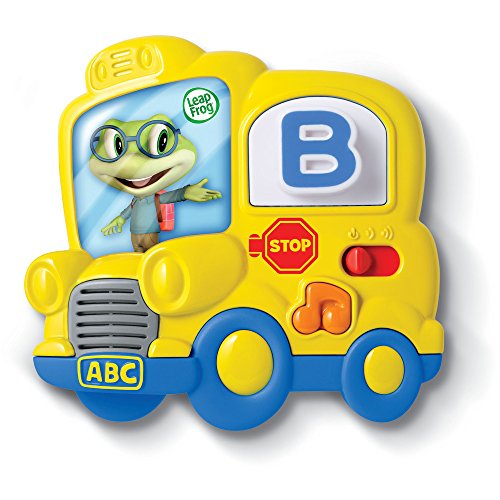
Keep your child entertained while you cook dinner with these interactive magnetic tiles. This set is a parent favorite for a reason.
It comes with a magnetic bus base and 26 letter tiles. When a child presses a letter into the bus window, it announces the letter’s name and sound. Pressing it twice prompts Tad the bus driver to use the letter in a word. It’s a fun way to sing along to the alphabet song while developing fine motor coordination.
LeapFrog Spin and Sing Alphabet Zoo
Best Musical Learning Toy

This toy introduces the A-to-Z lineup alongside animal names and sounds. It features a spinning wheel that kids can bat at to trigger different learning modes.
With options for letters, music, and animals, the experience changes every time they spin the wheel. It helps develop motor skills for babies sitting up and keeps toddlers engaged with lights and songs. It is a simple, self-contained toy that is easy to move from room to room.
LeapFrog AlphaPup Toy
Best Toy for Movement
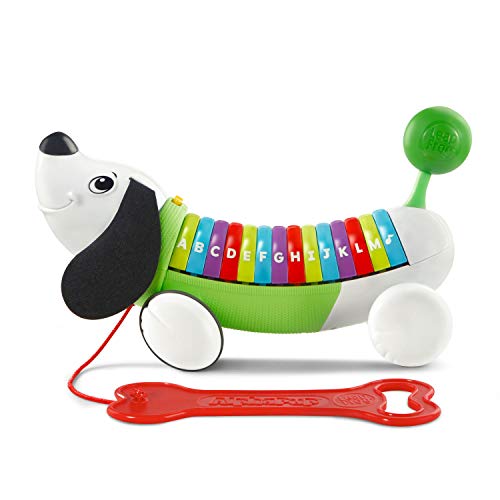
Combine physical activity with phonics using this cute pull-along pup. It familiarizes children with letter sounds while they practice their walking skills. If your child loves animals, this interactive dog creates an instant bond.
It features letter buttons on its back, floppy velvet ears, and a wagging tail. Designed for kids 1 year and up, it sings the ABCs as it is pulled along. It is perfect for multi-tasking development; just keep an eye on them near stairs.
Peaceable Kingdom Alphabet Bingo
Most Interactive Alphabet Learning Toy

This game is perfect for the socially active kid who loves group play. Geared toward children ages 4 and up, it accommodates two to six players, making it a staple for family game night.
The set includes six boards, 26 letters, and 72 chips. Players must match the uppercase letters called out to the images on their board. It teaches letter recognition without feeling like a drill. Plus, it helps kids learn to take turns and follow rules.
Teytoy Soft Alphabet Cards
Early Learning for Babies
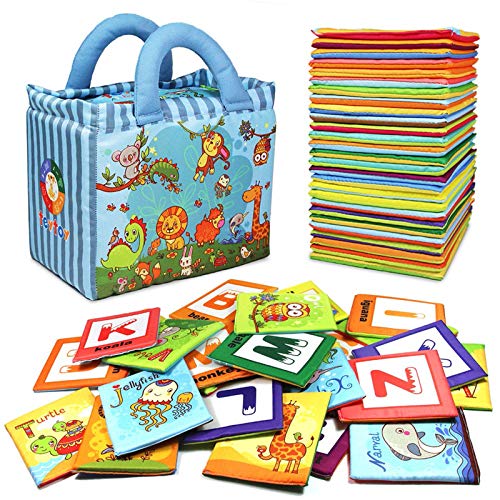
Made with soft, durable cloth, these cards are safe for the youngest learners who explore with their hands and mouths. They stimulate communication, sensory processing, and early recognition skills.
The cards feature a letter on the front and a corresponding cute animal on the back. Since they are fabric, they are completely machine washable, a huge plus for drooly babies. The included storage bag keeps everything tidy when play is done.
Hide & Seek Pop-Up Letters
Most Portable Alphabet Learning Toy
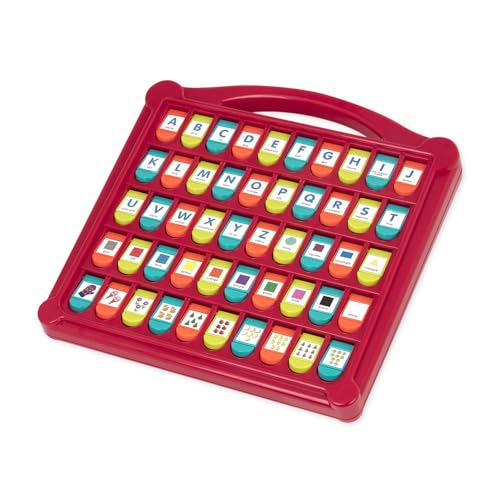
Enhance your preschooler’s hand-eye coordination with this satisfying pop-up toy. With 50 buttons and colorful flaps, kids love the surprise of seeing what pops up when they press, slide, or toggle a switch.
It works as a great memory game since kids have to guess what is hidden under the flaps. The design incorporates letters, numbers, and shapes for well-rounded learning. It also features a built-in handle, making it easy to grab for a weekend at grandma’s or a long road trip.
Learning Resources Alpha Pops
Uppercase and Lowercase Learning

Is it okay to play with your food? It is when it helps you read. These clever popsicles are a hit for tactile learners.
Designed for kids over 2 years old, the set includes 26 double-sided pops. The goal is to snap the colorful shell (uppercase) onto the matching popsicle stick (lowercase). This physical action reinforces the connection between the two letter forms. It is also excellent for strengthening hand muscles needed for writing later on.
LeapFrog Scribble and Write Tablet
Best Toy for Writing Letters
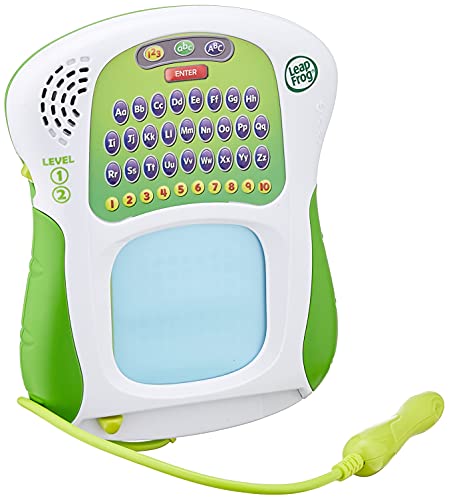
Tracing letters is a critical step in literacy, and this tablet makes it mess-free. Your child can practice writing uppercase and lowercase letters, as well as numbers, using the attached stylus.
The tablet lights up to show kids exactly how to form each stroke. Level one encourages loose scribbling, while level two demands more accuracy. The chunky stylus promotes a proper grip, preparing hands for holding real pencils. It is ideal for kids aged 3 and up.
Melissa & Doug Self-Correcting Letter Puzzles
Best Alphabet Learning Puzzle
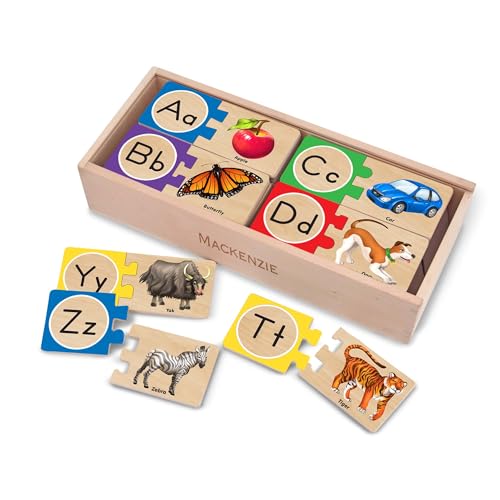
This set takes the frustration out of puzzles. The wooden pieces are “self-correcting,” meaning the letter piece will only fit with its correct picture match. If “A” doesn’t fit with the “Apple” piece, the child knows to try again.
This mechanism helps kids develop a sense of mastery and independence. The pieces feature both uppercase and lowercase letters alongside labeled images. Geared toward children ages 4 and up, it comes in a sturdy wooden storage case that looks great on a shelf.
Just Smarty Talking Wall Chart
Smart Learning

Save floor space with this interactive chart that hangs right on the wall. It’s an excellent addition to a nursery or play area where you want learning to be accessible but out of the way.
The chart features nine sing-along songs and distinct buttons for letters and numbers. It offers intuitive learning that helps toddlers develop the listening skills they will need for preschool. Just press a button, and the learning begins.
Just My Style ABC Beads
Best Alphabet Learning Toy for Big Kids

Designed for children 6 years and older, these beads are perfect for kids who have mastered letter recognition and are moving on to spelling. With over 1,000 vibrant beads, children can create personalized jewelry while practicing how to spell their names and favorite words.
It is a fantastic way to mix creativity with literacy. The kit comes with easy instructions, but be careful with younger siblings nearby, as the beads are a choking hazard.
If you also have little ones at home, make sure they can not get their hands on the beads, as they can become a choking hazard.

Editor's Note:
Jennifer Schlette, MSN, RNProSource Foam Puzzle Floor Mat
Floor Fun
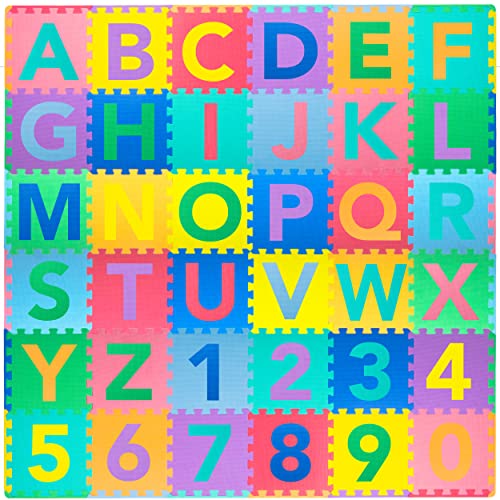
Safety is a priority for active play, and this mat provides a cushioned landing spot. The easy-to-assemble tiles feature pop-out letters and numbers.
Your child can pull the letters out to spell words or rearrange the tiles to put the alphabet in order. It functions as both a giant puzzle and a safe play mat. The non-slip surface is lightweight and water-resistant, making cleanup a breeze.
FAQs

What is the Best Way to Teach a Child the ABCs?
The most effective method combines daily reading with play. Utilizing alphabet toys, singing songs, and pointing out letters on signs or packaging helps children connect symbols to sounds in a natural, low-stress way.

Should Children Learn the Alphabet In Order?
While the “ABC song” teaches order, kids often benefit from learning letters relevant to them first, like the first letter of their name. Mixing ordered learning with random identification ensures they recognize the shape, not just the sequence.

Should Kids Know Their ABCs Before Kindergarten?
While many children recognize some letters before starting school, it is not a strict requirement. Kindergarten is designed to teach these fundamentals, though early exposure at home can give your child confidence and a helpful head start.

When Should I Start Teaching My Child the Alphabet?
You can introduce the alphabet as early as age two through songs and reading. However, most children start recognizing actual letter shapes between ages 3 and 4. Keep it fun and pressure-free during the toddler years.