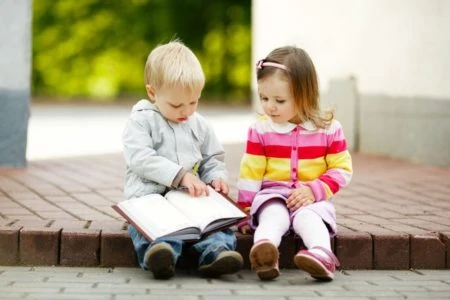
Reading for Kids: Nurturing a Lifelong Love of Books
Your six year old can sound out every word on the page and still groans when you ask them to read one. That gap between being able to read and wanting to is where most reading trouble actually sits, and it usually closes with a better book rather than more drilling.
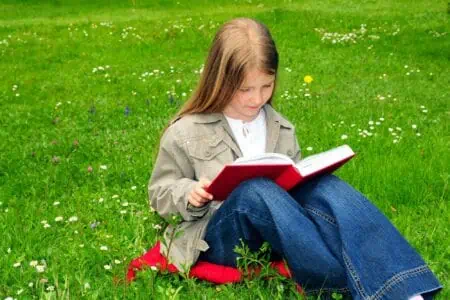
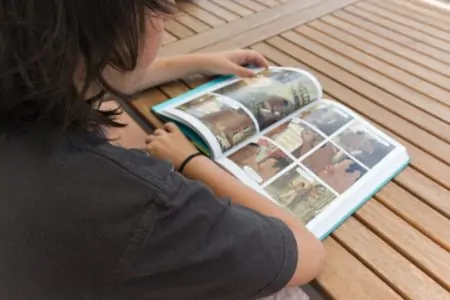
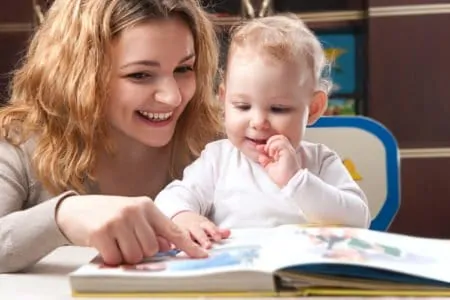
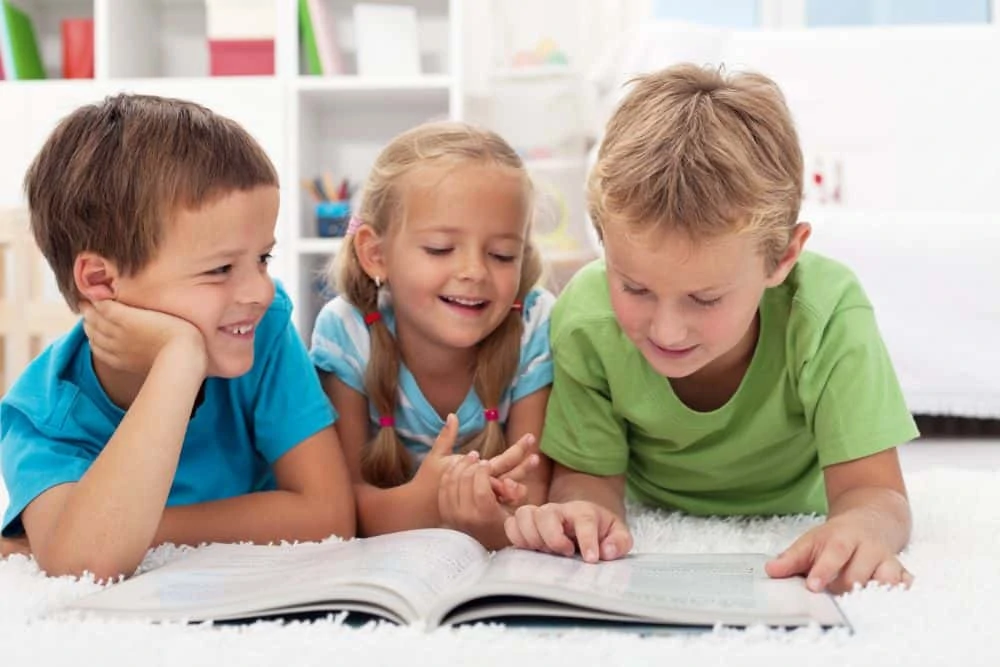
What counts as the right match shifts fast. At one it is board books that survive being chewed and thrown. At two and three, rhyme and repetition a child can chant along with. At five and six, short sentences and big print that let a new reader finish something alone. By nine or ten, chapter books, graphic novels, and stories about friendships going wrong hold a reader who has started calling books boring.
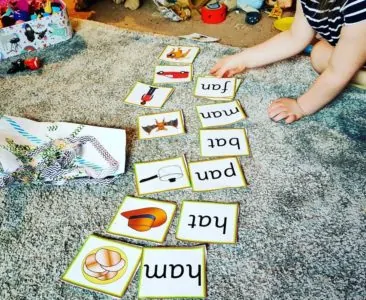
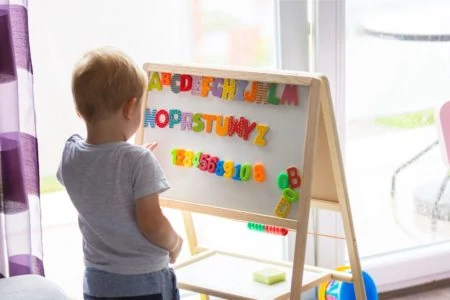
The mechanics matter too. Consonant vowel consonant word lists give a beginner a way to sound words out, fluency practice helps the child who reads accurately but slowly and flatly, and letter toys do quiet work before any of it clicks.
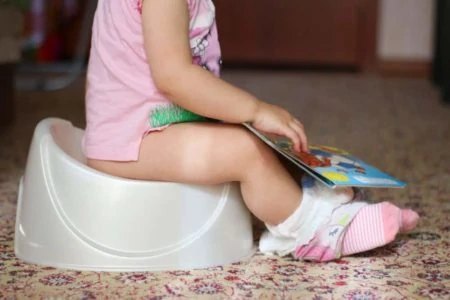
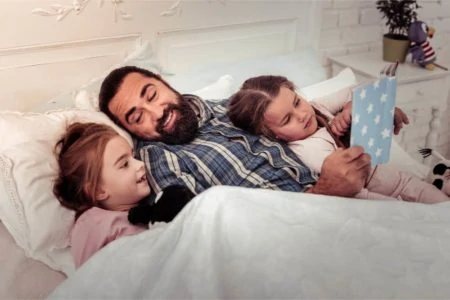
Then there are the books that do a job: a story about a new baby before the new baby arrives, potty training told through a character, funny read alouds for a wiggly listener, short bedtime stories for the ten minutes before lights out, and a journal for the child who would rather write than read.