Reading to your toddler does more than just strengthen your bond; it lays the groundwork for language skills and a lifetime love of learning. But with thousands of titles on the shelves, finding the right one can feel like a chore.
The pressure is on to pick the winners, but don’t worry. We’ve done the heavy lifting for you.
With a focus on development, engagement, and durability, we’ve rounded up the top 25 toddler books tailored for you and your child’s enjoyment.
- 30 pages board book
- Comes in different reading formats
- Well-written
- Educational early learning book
- Fun and adorable
- Budget-friendly
- Creates an interactive experience
- Eye-catching illustrations
- Enjoyable read
- 36 pages
- Beautifully illustrated
- Inspirational
Why Reading Is Important
Reading with your child offers massive benefits. Sharing stories, singing, and simply talking every day supports your little one’s development in surprising ways. Here is why you should make it a habit:
- Language skills: It helps them recognize sounds, language patterns, and new words.
- Literacy foundation: It develops early literacy skills long before they can read on their own.
- Creativity: It sparks curiosity and fires up the imagination.
- Respect for books: It teaches your child to value stories and care for physical objects.
- Brain development: It boosts your toddler’s brain function, communication, and social skills.
- Emotional intelligence: It helps them understand changes, new events, and big emotions.
- Reality testing: It helps them understand the difference between make-believe and the real world.
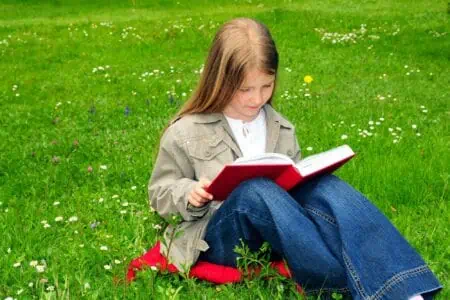
You don’t always need to read every word aloud. Sometimes, merely looking at the pages makes you the best storyteller. Your little one learns just by watching you hold the book correctly, turn the pages gently, and show interest in the pictures (1).
The best toddler books often address daily events like eating, sleeping, and potty training. Look for board books; they are much sturdier when your toddler gets handsy.
Handling Toddlers Who Won’t Sit Still
As a parent, I know the struggle. My little one would rarely sit still during storytime unless it was right before bed. It felt frustrating until I realized that sitting isn’t a requirement (2).
Remember that a toddler’s attention span is short. This is why short stories usually work best. If your little one prefers to stand up, wiggle, or play with a toy while you read, that is perfectly okay.
Engage them in the story. Ask about the pictures, make funny animal noises, or use different voices for characters. Try to find a favorite book that you can read repeatedly; repetition is comforting for this age group.
If reading doesn’t catch their interest right now, don’t force it. Leave the book for later. Perhaps your toddler prefers singing nursery rhymes or simply hearing you tell a story from memory.
Product Reviews
We looked for simple stories with rhythmic text and intriguing illustrations. These features are your best bet for engaging a busy child.
Here is our list of the 25 best toddler books available today.
Goodnight, Goodnight, Construction Site
A Different Good Night
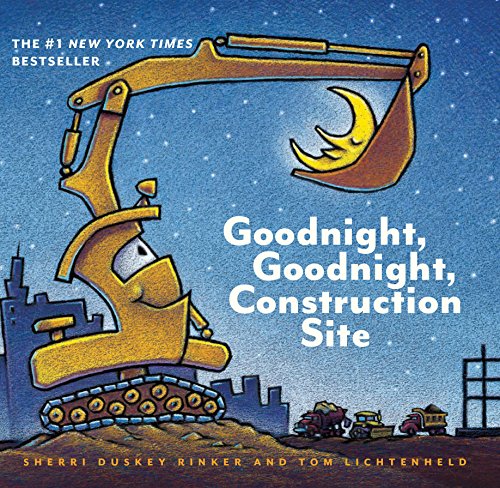
Goodnight, Goodnight, Construction Site is a charming, bestselling book perfect for toddlers obsessed with trucks. It features gentle rhyming text and rich, colorful illustrations that capture the imagination without overstimulating.
The pacing is perfect for bedtime. It is just long enough to tell a complete story but soothing enough to help your little one turn off their engine and rest.
Pros
- Engaging rhyming text aids memory.
- Colorful, detailed illustrations.
- Soothing rhythm helps toddlers wind down.
- Introduces specific construction vocabulary.
Cons
- Some text might be slightly complex for the youngest toddlers.
One Sheep, Two Sheep, Three Sheep Dance
Count to Fall Asleep

In this delightful release from Christina Young, your toddler follows 12 little sheep throughout their day. It serves as a quirky bedtime story that teaches your little one how to count using rhythmic rhymes and lovable characters.
You can snuggle up and count together until eyelids get heavy. The illustrations are soft and adorable, making them perfect for grabbing a little one’s attention before sleep.
Pros
- Quirky and fun bedtime narrative.
- Teaches early counting skills.
- Adorable, soft illustrations.
- Soothing flow for sleep.
Cons
- Concepts may be abstract for very young toddlers.
The Giving Tree
Giving is Good
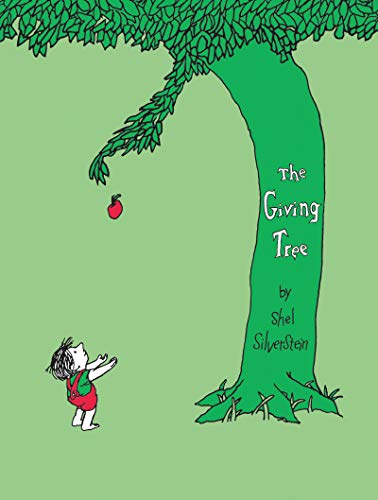
In this timeless classic, your child learns about generosity, self-sacrifice, and gratitude. The story follows an apple tree that unconditionally gives everything to a little boy. As he grows, he continues to ask for more until the tree has nothing left but a stump for him to sit on.
It is a thought-provoking story open to many interpretations. Since the moral isn’t set in stone, it encourages questions and sparks curiosity. However, be aware that this one can be a tearjerker for parents and sensitive children alike.
Pros
- Teaches the importance of giving.
- Sparks discussion and critical thinking.
- Minimalist, beautiful illustrations.
- Timeless classic for any library.
Cons
- Can be emotionally heavy for some children.
- Some readers feel the relationship is too one-sided.
Dear Zoo: A Lift-the-Flap Book
Lift and Discover

Step into the world of animal delivery with this interactive board book. “Dear Zoo” offers a tactile experience that encourages little ones to actively engage with the story by lifting flaps to see what the zoo sent.
Simple, clean illustrations bring the animals to life, while the lift-the-flap design makes every page reveal a surprise. Watch your child’s curiosity bloom as they find the monkey, lion, or elephant, sparking fun conversations about which pet would be best.
Pros
- Interactive design keeps hands busy.
- Bold illustrations engage young eyes.
- Repetitive text encourages early reading.
Cons
- Flaps can be torn by aggressive toddlers.
Brown Bear, Brown Bear, What Do You See?
Tell Me What You See

Dive into a vibrant world of colors and animals with your little explorer. As each page turns, a new colorful creature emerges, prompting a delightful game of “What do you see?” From the happy frog to the handsome horse, every animal captures the imagination.
This book offers a visual feast and provides an opportunity for toddlers to practice animal names and colors. The rhythmic, repetitive text makes it easy for children to memorize and “read” along with you.
Pros
- Captivating, high-contrast illustrations.
- Encourages interactive reading and memorization.
- Teaches colors and animals simultaneously.
Cons
- Rare printing issues reported by some buyers.
Chicka Chicka Boom Boom
Best Toddler Book for Alphabetic Rhymes

Teach your toddler the alphabet with this rhythmic masterpiece by Bill Martin Jr. and John Archambault. The lowercase letters race each other up the coconut tree, but will the tree hold them all?
The text has a catchy, percussive beat that toddlers love to hear repeatedly. It’s a fun, musical way to introduce letter recognition without it feeling like a school lesson.
Pros
- Rhythmic narrative resonates with toddlers.
- Fun way to introduce the alphabet.
- Bright, bold colors.
Cons
- Board book pages can be stiff initially.
The Wonderful Things You Will Be
Loving and Truthful Messages

The Wonderful Things You Will Be is a heartfelt ode to the boundless love and dreams parents hold for their children. Through poetic rhymes paired with whimsical, sometimes humorous illustrations, the book offers a touching narrative that resonates with both parent and child.
It teaches your toddler about unconditional love and how you see them, even during tough moments. The language is simple but evocative, making it a sweet choice for quiet time or bedtime.
Pros
- Beautifully written and emotional.
- Imaginative illustrations captivate young minds.
- Great gift for baby showers or birthdays.
Cons
- Pages are standard paper, not board, so handle with care.
Llama Llama Red Pajama
Worries About Bedtime

If your toddler struggles to sleep alone, the drama of Llama Llama might help. This bedtime book features a little llama tucked in by his mom, only to start worrying the moment she leaves the room.
Llama Llama Red Pajama tenderly tackles common bedtime anxieties. It instills a comforting message: even if they are out of sight, parents are always close by and will come when really needed. The rhymes are catchy and the facial expressions on Llama are hilarious and relatable.
Pros
- Addresses bedtime anxiety relatably.
- Provides reassurance to clingy toddlers.
- Excellent rhythm and rhyme scheme.
Cons
- The llama is a bit dramatic, which some parents find intense.
The Kissing Hand
Tackling Separation Anxieties

This book is a lifesaver for the first day of daycare or school. It follows Chester Raccoon, who is terrified to leave home and go to school in the forest. His mom shares a family secret, the Kissing Hand, to give him reassurance right when he needs it.
It often comes with stickers so your little one can take a “kiss” with them to fight insecurity. Even if your toddler isn’t struggling with separation anxiety yet, it’s a sweet story that validates feelings and offers a tangible coping mechanism.
Pros
- Addresses separation anxiety gently.
- Often includes stickers for interaction.
- Reassures children that feelings are normal.
Cons
- Focuses on the solution more than the process of adaptation.
The Snowy Day
Multicultural Snow Day

Released in 1962, The Snowy Day broke new ground with its realistic, multicultural urban setting. It remains a cherished classic for its simple, beautiful storytelling and unique collage art style.
You experience the wonder of the season’s first snowfall through the eyes of Peter. From making snow angels to saving a snowball in his pocket, it captures the universal joy of winter play. It is especially heartwarming to read during the cold months.
Pros
- Historic multicultural representation.
- Captures universal wonder of nature.
- Calming, simple narrative.
Cons
- Paperback versions can be flimsy; opt for board or hardcover.
Make Way For Ducklings
A Lesson in Kindness

Embark on a journey with a duck family searching for the perfect home. They eventually settle on Boston’s Public Garden, but they must safely march their ducklings through busy city streets to get there.
Along the trek, the ducks meet a friendly police officer who stops traffic for them. The book is a lovely lesson in kindness, community support, and safety. The sepia-toned illustrations are detailed and classic, offering a different visual experience than modern, bright books.
Pros
- Captures the spirit of community and kindness.
- Detailed, classic illustrations.
- Engaging adventure story.
Cons
- Some readers wish for more vibrant colors.
Press Here
Interact and Press
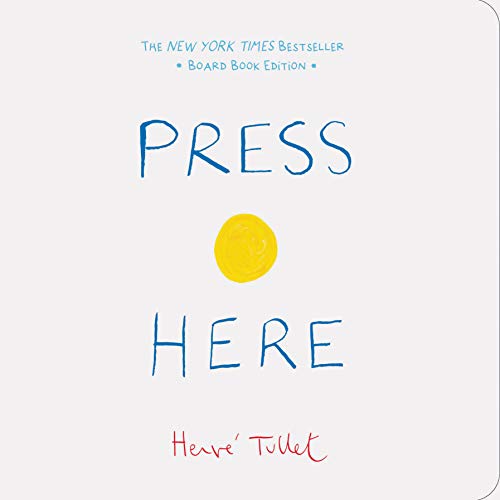
Press Here is a magical journey through a world of dots. Minimal in words but brimming with playful interaction, each page invites the reader to press, tilt, shake, or blow on the book.
As toddlers follow the instructions and turn the page, the dots “react” by multiplying, changing color, or sliding to the side. It transforms reading into an exhilarating game of cause and effect, ensuring belly laughs without needing batteries or screens.
Pros
- Interactive experience encourages participation.
- Teaches cause and effect.
- Simple yet captivating visuals.
Cons
- Standard pages can rip during enthusiastic play.
Big Girl Panties
For Potty Training Girls

Big Girl Panties takes a light, celebratory approach to potty training. With catchy rhymes and bright illustrations, the book follows a little girl’s excitement about trading diapers for her very own big girl underwear.
It is less of a “how-to” manual and more of a “hype” book. It validates the milestone of growing up and offers encouragement with a dash of humor, making the transition feel special rather than scary.
Pros
- Playful rhymes are easy to remember.
- Engaging artwork captivates young readers.
- Builds excitement for underwear.
Cons
- Doesn’t teach the actual mechanics of using the toilet.
Where's Spot?
Teaching Spatial Concepts

In this classic lift-the-flap book, you help Sally the dog find her lost puppy, Spot. She searches everywhere, under the stairs, inside the clock, and in the piano. Toddlers love opening the flaps to reveal which animal is hiding there (spoiler: it’s usually not Spot).
Beyond the fun hide-and-seek narrative, the book cleverly introduces spatial concepts like “under,” “inside,” and “behind.” It’s simple, effective, and a must-have for any toddler library.
Pros
- Interactive flaps engage curious hands.
- Teaches prepositions and spatial awareness.
- Clean, simple illustrations.
Cons
- Flaps are paper and can tear easily.
Five Little Monkeys Jumping on the Bed
A Goofy Favorite

We all know the song, but reading it with Eileen Christelow’s illustrations takes it to another level. The book depicts the five little monkeys engaging in goofy, mischievous behavior before bumping their heads one by one.
There is no deep lesson here other than “don’t jump on the bed,” but the repetition and counting element are fantastic for toddlers. The antics are a visual treat, prompting giggles with every page turn.
Pros
- Delightful, expressive illustrations.
- Reinforces counting and subtraction.
- Based on a familiar song toddlers love.
Cons
- Can feel repetitive for parents reading it nightly.
Knuffle Bunny: A Cautionary Tale
Using Words

Follow Trixie and her dad on a trip to the laundromat that goes terribly wrong when her beloved Knuffle Bunny gets left behind. The catch? Trixie hasn’t learned to talk yet.
Through lively illustrations overlaid on black-and-white photos of Brooklyn, the story highlights the frustration of being a non-verbal toddler. It validates their struggle to communicate and celebrates the magic of those first words. It is funny, relatable, and visually unique.
Pros
- Relatable frustration for toddlers and parents.
- Unique mixed-media art style.
- Funny and heartwarming.
Cons
- Standard pages tear easily; handle with care.
Diapers Are Not Forever
Diaper Ditching Motivations

For toddlers entering the potty training phase, this board book is a relatable guide. It addresses the process in a charming, straightforward way that small children can easily grasp.
The book explains how to use the potty and why it’s essential, encouraging confidence as they approach this big milestone. A major bonus is that this edition often features text in both English and Spanish, making it great for bilingual households.
Pros
- Dual-language narrative (English/Spanish).
- Straightforward and educational.
- Encourages independence.
Cons
- Spanish translations occasionally contain minor errors.
The Very Hungry Caterpillar
Transformations

Eric Carle’s masterpiece invites children into a world of nature and numbers. As the caterpillar munches through apples, pears, and junk food, toddlers learn about counting, days of the week, and the life cycle of a butterfly.
It’s a perfect mix of education and entertainment. Toddlers love poking their fingers through the actual holes in the pages where the caterpillar “ate” through the paper, adding a tactile element to the reading experience.
Pros
- Teaches counting, days, and life cycles.
- Tactile holes engage little fingers.
- Beautiful collage artwork.
Cons
- Smaller board book editions can be hard to hold for adults.
If Animals Kissed Good Night
Cozy Bedtime
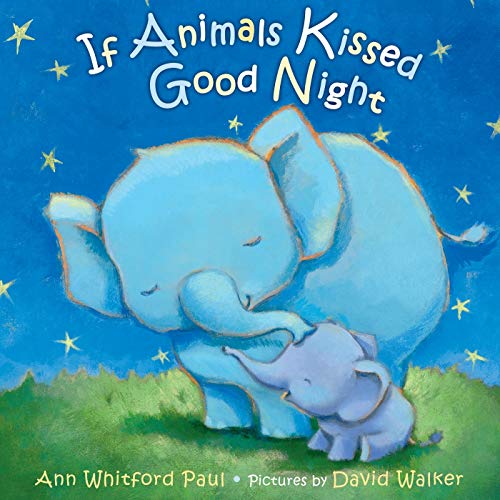
How do animals say goodnight? This whimsical story explores how different creatures might share affection. A giraffe must stretch high to kiss, while a sloth moves so slowly that the kiss lasts all night long.
The rhymes are sweet and flowing, making it a lovely wind-down book. It tickles your toddler’s curiosity, forcing them to use their imagination and think about how animals interact in the wild.
Pros
- Sparks curiosity and imagination.
- Gentle rhymes for bedtime.
- Sweet illustrations of animal parent-child bonds.
Cons
- Some parents feel the story is a bit long for very tired toddlers.
Bright and Early Board Books by Dr. Seuss
The Best from Dr. Seuss

This catchy blue box bundle gives you four classic Dr. Seuss board books in one go. You get Hop On Pop, Oh, The Thinks You Can Think!, Ten Apples On Top!, and The Shape Of Me And Other Things.
These abridged board book versions are durable and perfectly sized for small hands. They offer the wacky rhymes and nonsense words that help toddlers develop phonemic awareness in a fun, low-pressure way.
Pros
- Iconic tales for budding readers.
- Great value bundle.
- Durable board book format.
Cons
- Books are smaller than standard editions.
Olivia Helps with Christmas
Christmas Helper

Join Olivia, the spirited and slightly chaotic piglet, as she navigates Christmas preparations. Ian Falconer’s story is simple, with minimal text, letting the hilarious illustrations do most of the talking.
Toddlers can experience the anticipation of the holidays through Olivia’s eyes as she “helps” hang stockings and waits for Santa. It captures that specific, high-energy toddler excitement perfectly.
Pros
- Whimsical, minimalist illustrations.
- Captures the chaos of toddler “helping.”
- Sturdy board book construction.
Cons
- Some parents felt the pacing was slow.
P is for Potty! (Sesame Street)
Potty Training 101

Let Elmo and the Sesame Street gang explain the bathroom routine with this lift-the-flap book. It includes more than 30 flaps to flip, giving your toddler plenty of tactile engagement while they sit on the potty.
The book is sturdy and positive, normalizing the bathroom experience with characters your child likely already knows and loves. It’s a great distraction tool for those long waits on the toilet.
Pros
- Interactive flaps make learning fun.
- Features beloved characters.
- Lots of content to keep kids occupied.
Cons
- Flaps are thinner than the pages and can rip.
Hands Are Not for Hitting
Best Toddler Book for TeachingNot to Hit

This book is an essential tool for the “terrible twos” when physical aggression often peaks. It teaches the many things hands can do other than hitting, such as waving, drawing, and helping.
It’s bright and durable, using simple words toddlers understand to explain that violence isn’t okay. It focuses on positive behavior replacement rather than just scolding, and includes helpful tips for caregivers at the back.
Pros
- Empowers children with positive behaviors.
- Simple, direct language.
- Includes resources for parents.
Cons
- Some parents find the art style a bit dated.
ABC's For Boys
Boy-Friendly ABCs
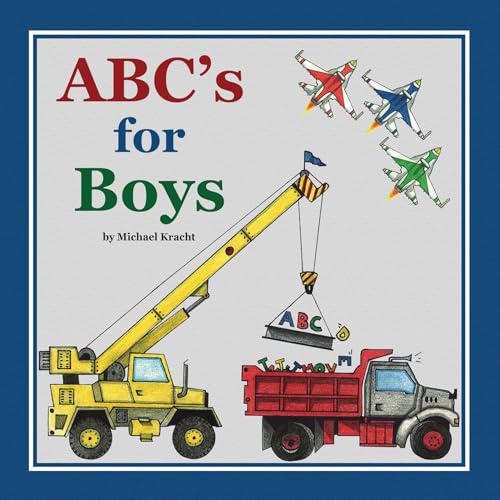
For toddlers who love things that go “vroom,” this take on the ABCs is a winner. It teaches the alphabet using objects that stereotypically appeal to active boys (and girls who love trucks!).
The book features airplanes, construction vehicles, and tools. The illustrations are realistic rather than cartoonish, which helps children identify these objects in the real world.
Pros
- Highly relatable content for vehicle lovers.
- Realistic illustrations.
- Sturdy construction.
Cons
- One illustration is technically a front loader, not a bulldozer.
The Feelings Book
Dealing with Emotions
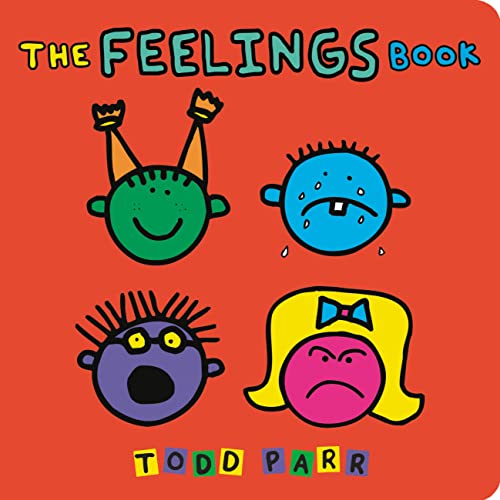
Toddlers experience big feelings but often lack the vocabulary to express them, leading to tantrums. The Feelings Book helps your little one put names to those emotions.
Todd Parr’s signature bold, colorful style illustrates different moods in a fun, non-threatening way. It validates that it is okay to feel silly, sad, or mad, opening the door for better emotional communication.
Pros
- Bright, high-contrast illustrations.
- Validates a wide range of emotions.
- Simple text for short attention spans.
Cons
- Includes some “silly” feelings that aren’t strict emotions.
Toddler Book FAQs

What Type of Story Do Toddlers Enjoy Most?
Toddlers generally love stories with simple plots, rhythmic or rhyming text, and repetition. They are drawn to books featuring familiar subjects like animals, families, daily routines, or vehicles. Bright, high-contrast illustrations also help keep their attention.

Do 2-Year-Olds Need Board Books?
Yes, board books are highly recommended for two-year-olds. Their thick, cardboard pages are durable enough to withstand rough handling, throwing, and chewing. They are also easier for small, clumsy fingers to turn compared to thin paper pages.

How Many Books Should a 2-Year-Old Read?
There is no magic number, but consistency is key. Aim for at least one or two books a day, perhaps before naptime or bedtime. The goal is to build a routine and a positive association with reading, not to hit a quota.

What Words Should My 2-Year-Old Be Saying?
By age two, most toddlers can say about 50 to 100 words and are starting to put two words together, like “more milk” or “mommy go.” However, development varies wildly; reading frequently helps expand this vocabulary significantly.

What Do I Do If My 2-Year-Old Doesn’t Like Books?
Make reading active. Use funny voices, act out the scenes, or choose interactive books with flaps and textures. You can also try reading while they play with toys nearby; they are likely listening even if they aren’t looking at the page.

Is it Too Late to Start Reading to My 2-Year-Old?
Absolutely not. While starting early is great, beginning at age two still provides immense benefits for vocabulary and bonding. Your child’s brain is still rapidly developing, and they will soak up new words and concepts quickly.

Should I Stop Reading to My Child Once They Can Read?
No, keep reading aloud even after they learn to read. Reading to them allows them to enjoy stories that are slightly above their own reading level, which builds vocabulary and comprehension. Plus, it maintains that special bonding time you have established.
Any Time Is Storytime
Reading to your toddler is one of the most effective ways to boost their brain development. It builds early literacy, expands their world view, and creates a safe space for bonding.
Try to find a favorite story that revolves around their current obsessions, be it trucks, animals, or princesses. But remember, don’t stress if they won’t sit still. Whether it’s a song, a conversation, or a quick flip through a board book, every interaction counts.