Friendship is a critical skill. It’s also complicated. Books act as a roadmap. They teach children how to navigate playground politics, resolve conflicts, and keep healthy bonds.
We have gathered the best books to help your child master the art of friendship.
- “A day without a friend is like a pot without a single drop of honey left inside.”
- “You have been my friend,” Charlotte replied. “That in itself is a tremendous thing.”
- “With her irrepressible spirit, the new girl dethrones the reigning recess bully by becoming her friend.”
- “Good friends are one of life's blessings. Don't give them up without a fight.”
- “Poor Big Al! He just wants to make friends. And in the whole wide blue sea you can't find a nicer fish.”
- “The human beans in Wellington have an especially scrumdiddlyumptious taste.”
- “All of a sudden the hare said, loudly and clearly, 'Good morning.'”
- “Dad was more direct: ‘For God’s sake, Ellie, that skirt barely covers your knickers!’”
- “I won't describe what I look like. Whatever you're thinking, it's probably worse. ”
Why Is Friendship Important for Children?
Parents often worry about popularity. They think a popular child is a happy child. But it isn’t about the quantity of friends; it’s about the quality of connection. Friendship teaches vital life skills.
You can guide your child before they step into the real world. Books are the perfect tool for this.
Toddlers start making friends early. However, they lack empathy. Do not panic if they snatch a toy or lash out. This is a normal developmental stage (1).
As they grow, interactions improve. Empathy kicks in. They learn through play (2).
You can speed up this process. Use stories to explain differences or the art of compromise. The books on this list cover everything from sharing toys to handling deeper emotional conflicts.
Product Reviews
We’ve curated 50 incredible stories to help your little one navigate the world of friendship.
The Complete Tales of Winnie the Pooh
Best for All Ages
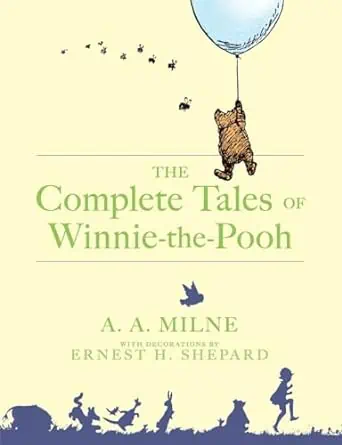
Pooh is slow and thoughtful. Tigger is bouncy. Rabbit is grumpy. Yet, they all fit together. These stories teach children that friends can have wildly different personalities and still care for one another. It is a timeless lesson in acceptance.
Charlotte’s Web by E.B. White
Best for Dealing with Death
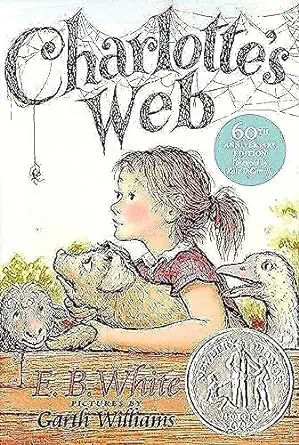
It is a beautiful story of sacrifice. However, it deals heavily with death and loss. Parents should be aware of this. It might be overwhelming for very young or sensitive readers, but it offers a safe space to discuss grief.
The Recess Queen
Best to Teach Conflict Resolution

She doesn’t fight back; she just wants to be friends. Alexis O’Neill uses colorful illustrations to flip the script on bullying. It shows kids that sometimes, disarming a bully just takes a little kindness and confidence.
Harriet the Spy
The Most Awarded Book

Louise Fitzhugh creates a complex character here. Harriet isn’t perfect. This makes it great for preteens. It teaches hard lessons about privacy, words, and the consequences of honesty without tact.
Big Al by Andrew Clements
Best for Teaching about Appearances
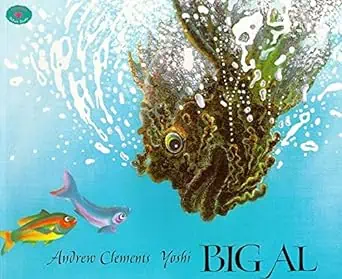
Big Al proves his worth when he saves the other fish from a net. Andrew Clements delivers a clear message for elementary kids: don’t judge a book (or a fish) by its cover. True friendship is about action, not looks.
The BFG by Roald Dahl
Best for Fantasy Lovers
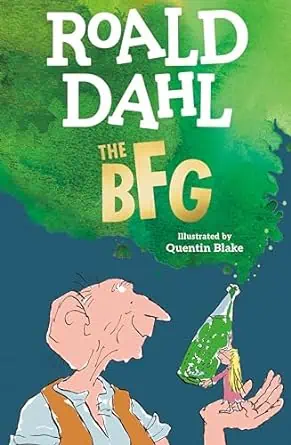
Roald Dahl is a master of fantasy. The vocabulary is inventive and fun. We recommend reading this aloud to help with the made-up words. It is best for ages 8 and up, as the concept of giants eating children can be a bit dark.
The Iron Giant
Best for Sci-Fi Lovers

Ted Hughes tackles big themes here. It touches on war, peace, and environmentalism. The bond between the boy and the machine is touching. It is a great choice for older children ready for heavier concepts.
Harriet’s Hare
Best Oddball Story

Wiz uses his powers to improve Harriet’s life. Dick King-Smith writes a charming, oddball story. The premise is strange enough to keep kids intrigued, and the friendship is genuinely sweet.
Girls in Love by Jacqueline Wilson
Best for Teenagers
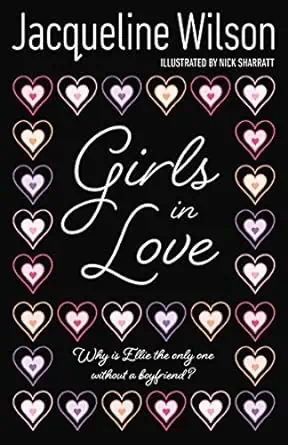
Jacqueline Wilson captures the teenage voice perfectly. Teen girls will see themselves in Ellie. Parents should note there are mature themes here, so it is strictly for the older crowd.
Wonder by R.J. Palacio
Best for Parents/Teachers
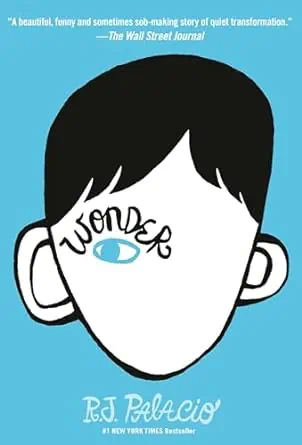
This book is a phenomenon for a reason. R.J. Palacio writes a story that is tough, touching, and necessary. It is perfect for reading aloud to kids 10 and up to spark conversations about kindness and inclusion.
A Sick Day for Amos McGee
Best Bedtime Story

Philip C. Stead created a gentle masterpiece. The illustrations are soothing. It is perfect for children aged 6 and up. It teaches that friendship is a two-way street.
The Snail and the Whale
Best Picture Book

From the team behind “The Gruffalo,” this story is a visual treat. It shows toddlers that even the smallest friend can make a massive difference.
J.K. Rowling's Harry Potter and the Sorcerer’s Stone
Best for the Whole Family
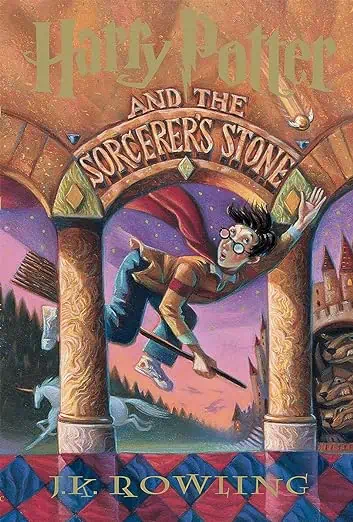
This is a modern classic. It is great for ages 9 and up. The core of the story isn’t the spells; it’s the loyalty between three friends fighting adversity.
Nerdy Birdy Tweets
Best for Teaching Online Caution

He neglects Vulture. Aaron Reynolds tackles a very modern problem here. It teaches kids (around age 8) about the shallow nature of online popularity versus the value of a real-life friend.
Be a Friend by Salina Yoon
Best for Kids Who Feel Different
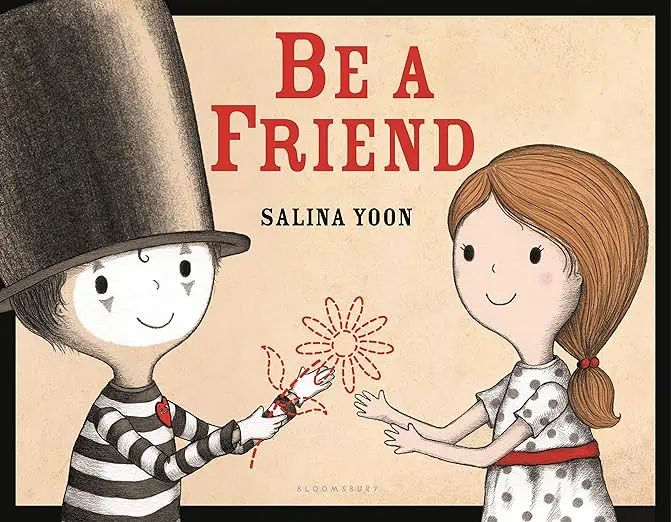
Salina Yoon created an adorable story here. It teaches young kids that they don’t have to change who they are to fit in. The right friend will get you, quirks and all.
A Friend for Henry
Best for Autism Awareness

Jenn Bailey provides a window into the mind of a child on the autism spectrum. It helps children aged 5 to 8 develop empathy for neurodivergent classmates.
My Friend Is Sad
Best for Emotion

Mo Willems is a genius at simple, expressive storytelling. This book is hilarious but also touching. It shows young readers that sometimes, the best way to help a sad friend is just being there.
One
Best for Discussing Bullying

Kathryn Otoshi uses abstract characters to teach a concrete lesson. It explains the power of standing up for others. It is simple enough for toddlers but deep enough for school-age kids.
Best Friends
Best for Dealing with Separation

Jacqueline Wilson tackles the pain of separation here. It is suited for preteens. If your child has a bestie moving schools or houses, this book will resonate deeply.
The One and Only Ivan by Katherine Applegate
Best Book Inspired By a True Story
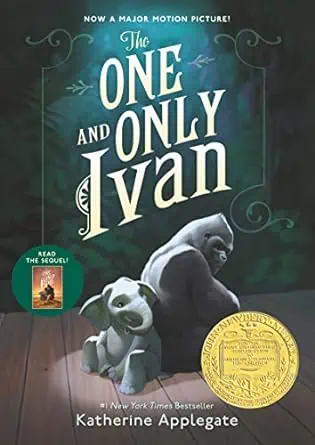
Katherine Applegate writes a heart-wrenching story. It deals with captivity and animal welfare, so it is better for older kids. The friendship between Ivan and Ruby drives the plot and ultimately saves them.
Love That Dog by Sharon Creech
Best in Poetic Writing
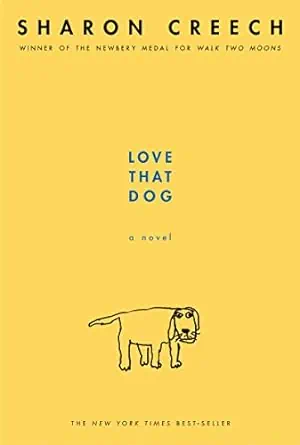
Sharon Creech writes this entire book in free verse. It is quick, emotional, and unique. It is a fantastic way to introduce boys to poetry and the emotional bonds we form with pets.
The Jungle Book by Rudyard Kipling
Best for Animal Friendship
Rudyard Kipling’s classic is about belonging. Mowgli is torn between the human world and his animal family. It is a wild adventure that defines loyalty.
Because of Winn-Dixie by Kate DiCamillo
Best Award Winner
Because of the dog, she meets the locals and repairs her relationship with her father. Kate DiCamillo writes with soul. This is a must-read for kids 9 and up about how one friend can open up your entire world.
Those Pesky Rabbits
Best For Teaching Kindness

Ciara Flood creates a charming story about breaking down walls. Mr. Bear eventually learns that being alone isn’t nearly as good as having friends. It is beautifully illustrated and perfect for toddlers.
A Ball for Daisy by Chris Raschka
Best for Upset Friends
This wordless book by Chris Raschka won the Caldecott Medal. It deals with loss and recovery in a way young children understand. It’s perfect for ages 3 to 7, showing that even when things break, everything will be okay.
George and Martha
Best for Children and Adults

The humor is dry and witty. Adults will laugh just as much as the kids. It’s a great pick if you want a book that doesn’t feel like a chore to read on repeat.
Library Lion by Michelle Knudson
Best Silly Yet Sweet Story
Michelle Knudson writes a warm story about breaking rules for the right reasons. It shows kids ages 4 to 8 that friends can be found in the most unlikely places, even the quiet section of the library.
The Teenage Guide to Friends
Best Non-Fiction

It covers making friends, toxic relationships, and cyber-bullying. It’s a non-fiction survival guide. Parents can read it too to get a glimpse into the social pressures their teens face daily.
Code Name Verity by Elizabeth Wein
Best Historical Fiction
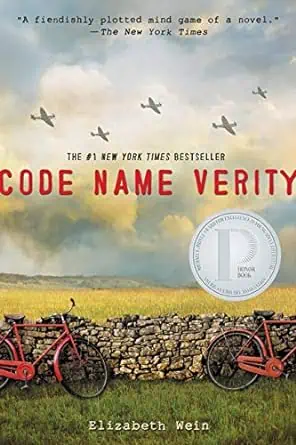
Elizabeth Wein delivers a gut-punch of a novel. It is intense, heartbreaking, and brilliant. Best for older teens, it showcases a female friendship that survives even in the face of death.
My Friends by Taro Gomi
Best Introduction to Friendship
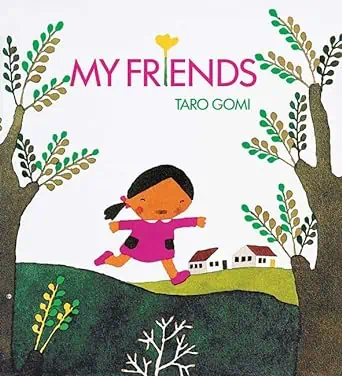
Taro Gomi uses simple text and bold colors. It’s perfect for toddlers. The message is subtle but lovely: the world is full of friends if you are open to learning from them.
Margaret and Margarita by Lynn Reiser
Best Introduction to Languages
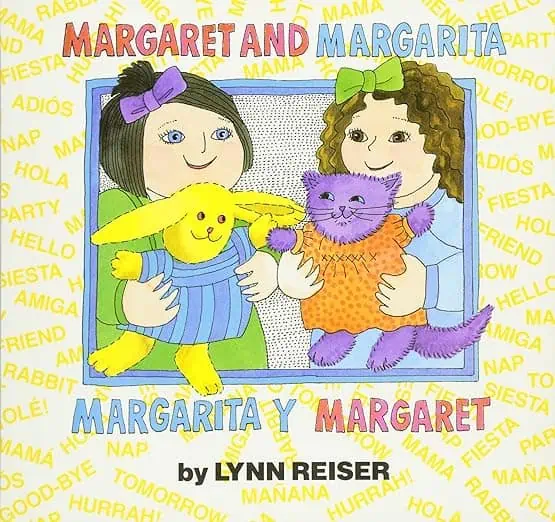
Lynn Reiser uses this bilingual book to show that play is a universal language. It teaches kids that barriers like language are only as big as you make them.
Mrs. Katz and Tush by Patricia Polacco
Best for Bonding of Multi-Generations
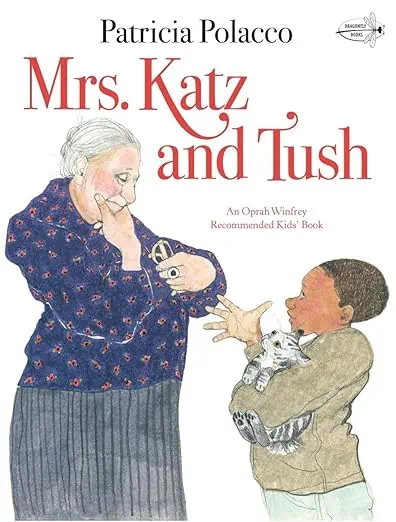
Patricia Polacco writes deeply emotional stories. This one bridges the gap between generations and cultures. It is a wonderful read for kids 4 and up about finding common ground.
You Are Friendly
Best of Diversity

Todd Snow’s illustrations are diverse and inclusive. It is great for preschoolers who are just learning the social ropes.
Eric Carle's Do You Want to Be My Friend?
Best Almost Wordless Book
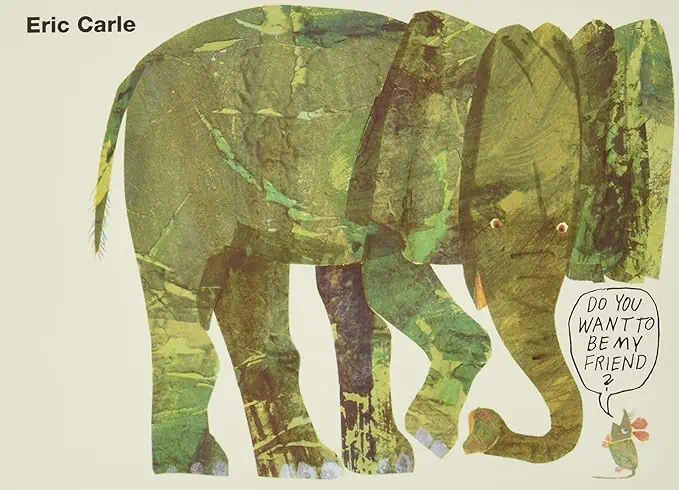
Eric Carle tells the story almost entirely through pictures. It allows you to “tell” the story to your toddler in your own words. The journey ends happily, showing that persistence pays off.
Hunter’s Best Friend at School by Laura Malone Elliot
Best for Teaching Individuality
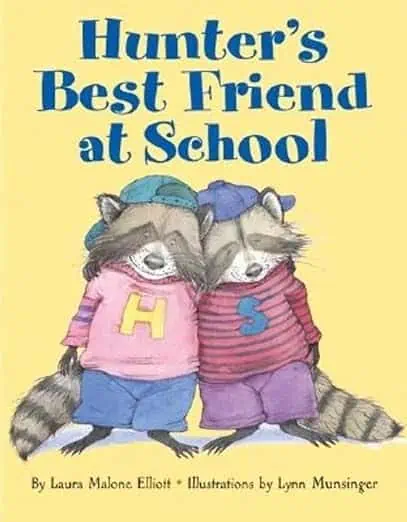
Does he follow his friend and get in trouble, or does he do the right thing? Laura Malone Elliott creates a relatable scenario for kids aged 4 to 7 about peer pressure and individuality.
11 Birthdays by Wendy Mass
Best for Teaching Forgiveness
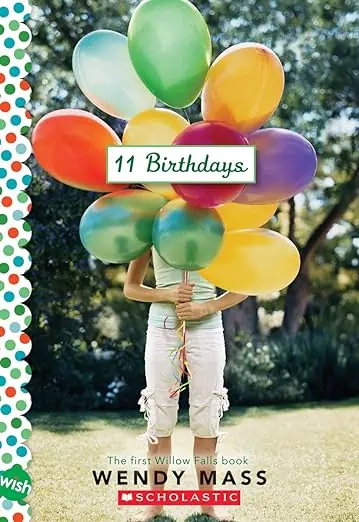
Wendy Mass mixes magic with middle-school drama. It’s “Groundhog Day” for preteens. The time loop forces the characters to reflect on their grudge and find a path to forgiveness.
Strictly No Elephants by Lisa Mantchev
Best for Teaching About Exclusion
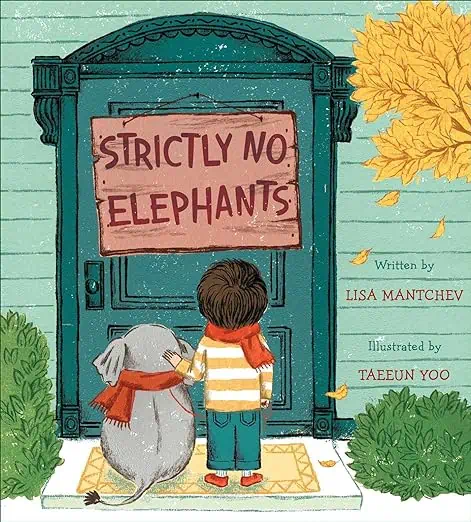
He doesn’t get mad. Instead, he finds other kids with “unusual” pets and starts a new club where everyone is welcome. Lisa Mantchev writes a sweet story for ages 4 to 8 about inclusion and creating your own community.
Reach the Magic by Katie Crosby Holland
Best New Release
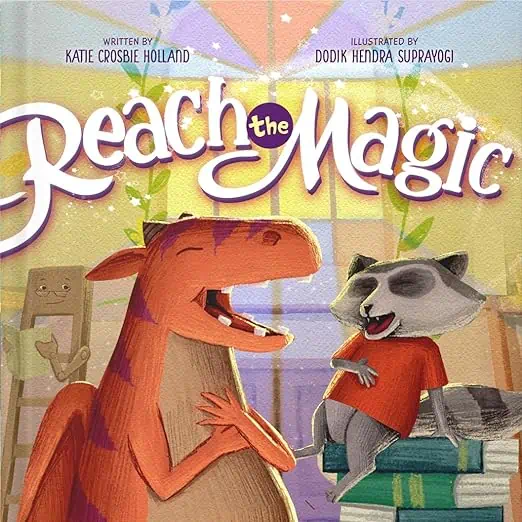
This story pushes kids to look past prejudice. It emphasizes patience and kindness. The illustrations are vibrant, keeping kids 4 to 8 engaged while they learn that diversity makes friendship stronger.
Should I Share my Ice Cream, Mo Willems
Best to Teach Sharing
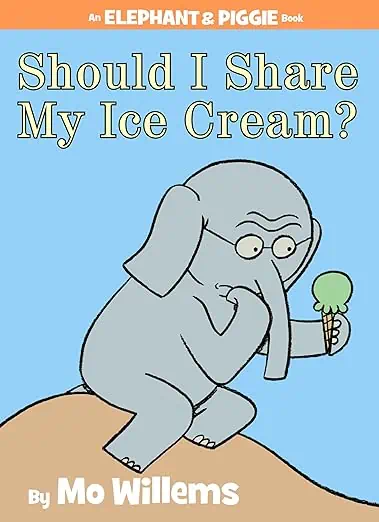
Mo Willems captures the internal struggle perfectly. Sharing is hard. This book validates that feeling while showing why generosity is worth it. It’s great for ages 4 to 8.
Elmer and Rose by David McKee
Best of Colorful Pictures
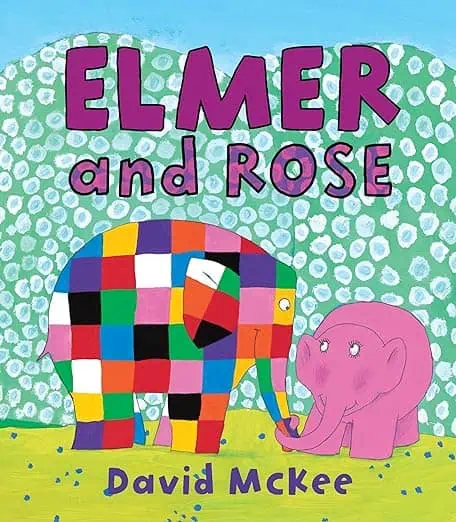
David McKee’s illustrations are a feast for the eyes. It is a gentle, visually stimulating story that teaches young readers to celebrate what makes them unique.
Just Jaime by Terri Libenson
Best for Middle School
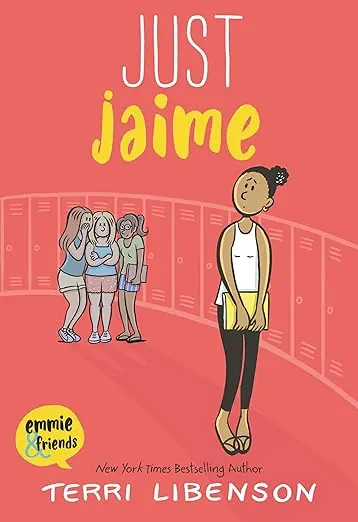
Terri Libenson captures the brutal reality of middle school social dynamics. It deals with gossip, exclusion, and “frenemies.” Preteens will connect immediately with the confusion and hurt of a friendship falling apart.
The First Rule of Punk by Celia C. Pérez
Best for Individuals
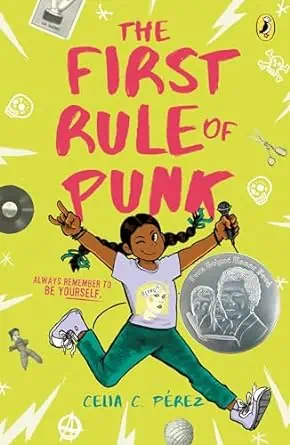
Instead of changing, Malu doubles down on being herself. Celia Pérez writes a spirited story about a Mexican-American girl finding her tribe without compromising her identity.
A Smart Girl’s Guide to Friendship Troubles
Best for Girls
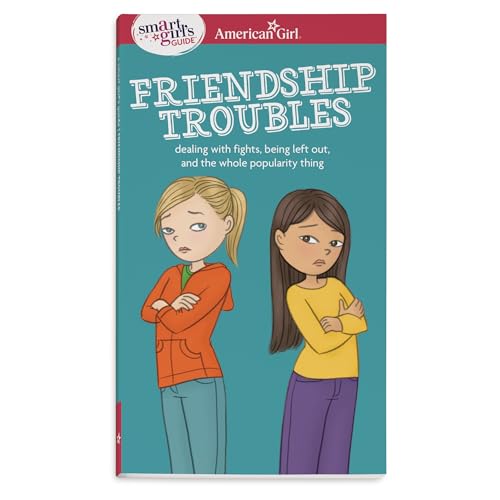
This is practical advice. It validates a girl’s feelings and offers scripts on what to say. It is an essential toolkit for preteen girls and their parents.
The Girl and the Bicycle
Best Adult-Child Friendship

Mark Pett tells a wordless story of intergenerational friendship. The girl works hard, but the real reward is the bond she forms with the neighbor. It is sweet, quiet, and emotionally resonant.
Four Feet, Two Sandals by Karen Lynn Williams
Best International Story
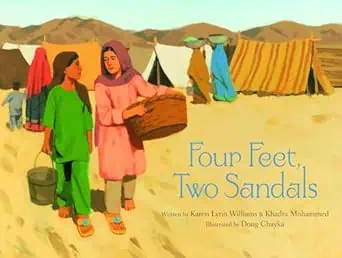
Instead of fighting, they decide to share the pair. Karen Lynn Williams creates a powerful story about generosity amidst scarcity. It creates a teaching moment about the refugee crisis and the universal need for connection.
I Will Always Write Back
Best for Teaching Class Differences
The letters continue for six years. They share their lives, despite the massive economic gap between them. This true story is incredibly moving. It shows preteens that friendship can cross oceans and change lives forever.
Horrible Bear! by Ame Dyckman
Best for Learning Forgiveness
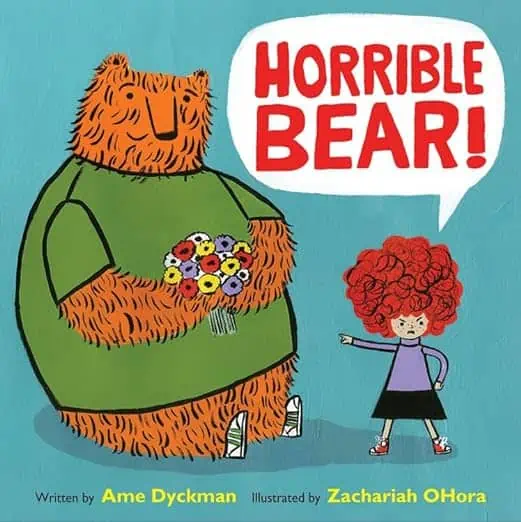
But anger doesn’t solve anything. Ame Dyckman writes a funny story about misdirected anger and the importance of apologies. It teaches kids that everyone makes mistakes, and forgiveness fixes more than shouting does.
Bob and Otto by Nick Bruel
Best of Friendship Through Change
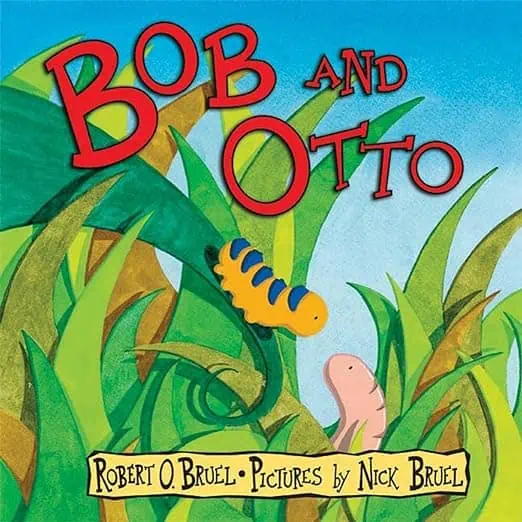
Otto is still a worm. Can they still be friends now that they are so different? Nick Bruel explores how friendships evolve. It reassures kids that growing up (and changing) doesn’t mean leaving your friends behind.
The Selfish Crocodile by Faustin Charles
Best for Learning Selflessness
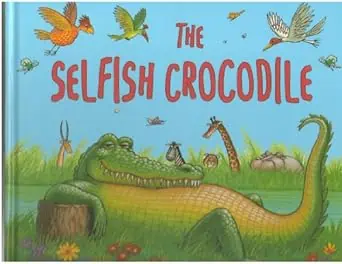
He is in pain and vulnerable. A tiny mouse braves the jaws to help him. Faustin Charles writes a classic moral story. It teaches that selfishness leads to loneliness, while kindness builds community.
On Sudden Hill by Linda Sarah
Best of Sharing Friends
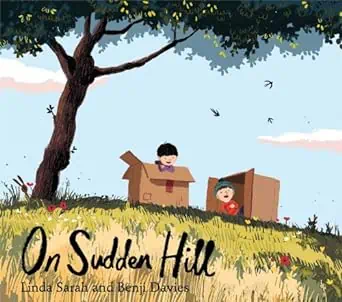
Jealousy is a heavy emotion for a child. Linda Sarah handles it with grace. This book validates Birt’s feelings but gently shows him that adding a third friend adds to the fun rather than taking it away.
FAQs

How Do I Teach My Child About Friendship?
Start with books. Stories allow you to discuss values like sharing and empathy without lecturing. Role-playing with toys also helps toddlers practice social scenarios before they happen in real life.

Why Does My Child Have a Hard Time Making Friends?
It might be shyness, anxiety, or simply a mismatch with their current peer group. Avoid pressure. Instead, set up low-stakes playdates and model positive social behavior yourself.

What are Some Iconic Children’s Book Duos?
Literature is full of them. Frog and Toad, Winnie the Pooh and Piglet, and Elephant and Piggie are classic examples that show how different personalities can balance each other out.

What is a Book For Kids About Being a Good Teammate?
“The Rainbow Fish” by Marcus Pfister is a great start. It focuses on sharing a prized possession for the greater good, which is the foundation of teamwork.

Is Friendship a Theme in ‘Huckleberry Finn’?
Yes. The bond between Huck and Jim is the emotional core of the book. It challenges the societal norms of the time and shows friendship transcending race and status.

Is Friendship a Major Theme in ‘The Hunger Games’?
While it is an action book, alliances are key. Katniss relies on Gale, Peeta, and Rue. It shows that even in survival situations, trust and connection are essential.

How can books help a shy child make friends?
Books provide a script. Shy children often don’t know what to say. Reading about characters who overcome shyness gives them ideas for conversation starters and the confidence that they aren’t alone.
At what age do children start making real friends?
Parallel play usually turns into interactive play around age 3 or 4. By age 5 (kindergarten), they start forming specific bonds, though these friendships can be fluid and change often.