I have been there, staring at my little one and wondering if something was seriously wrong. The good news? It is usually harmless. While it looks painful, head banging is a surprisingly common behavior. Let’s dig into why it happens, when you should worry, and how to help your toddler break the habit.
Key Takeaways
- Head banging is a rhythmic habit often used for self-soothing, pain relief, or expressing big emotions like frustration.
- Most children start this behavior between 6 and 9 months and outgrow it by age 3 or 4 without intervention.
- To help stop it, focus on validating feelings, redirecting energy to other rhythmic activities, and baby-proofing the environment.
- Consult a pediatrician if the banging causes injury, prevents sleep, or accompanies other developmental delays.
Why Toddlers Bang Their Heads
It might shock you, but up to 20% of babies and toddlers bang their heads (1). It is a rhythmic movement disorder (RMD) that boys are three times more likely to adopt than girls (2).
Many parents who visit my office express concern about head banging due to fear of injury. In most cases, however, toddlers are “smart enough” to know how to do it to gain a parent’s reaction but not to hurt themselves.

Editor's Note:
Dr. Leah Alexander, MD, FAAPNaturally, seeing your child do this makes you feel like you are failing. Please know that toddlers do not do this because of poor parenting skills. Here are the actual reasons behind the thumping:
1. Self-Soothing
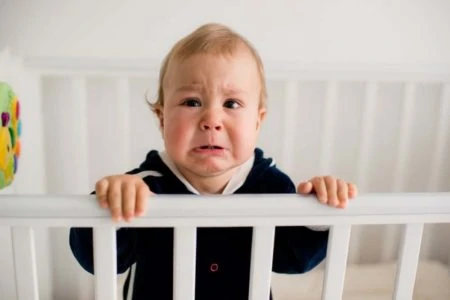
This sounds contradictory. How can hitting your head be relaxing? It comes down to the vestibular system. The rhythmic motion helps regulate their sensory system. They might do it to fall asleep, while sleeping, or upon waking up (3).
The technique varies. Some kids rock on all fours, while others sit and bang the back of their head against the wall. The rhythm acts like a metronome, calming them down much like rocking in a chair (4).
Depending on the location, they might hit the mattress, a pillow, or the crib slats. If your little one is otherwise healthy and meeting milestones, this is usually just their quirky way of winding down.
2. Frustration and Anger
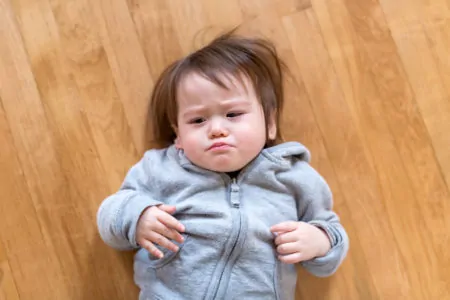
Toddlers have big feelings and tiny vocabularies. If your child bangs their head during a tantrum, it is likely an explosion of emotions they cannot verbalize yet (5).
Since not all toddlers can say “I am mad because you cut my toast wrong,” they use their bodies to communicate. The physical impact releases tension and expresses the intensity of their frustration.
3. Pain Relief
Toddlers sometimes use distraction to manage physical pain. It is a phenomenon called “gating,” where creating a new physical sensation distracts the brain from an existing one.
It is common for toddlers to bang their heads to cope with teething pain or ear infections. If your child suddenly starts this habit while looking uncomfortable, check for signs of illness or new teeth.
4. Seeking Attention
Toddlers are smart. They learn cause and effect quickly. If banging their head makes you rush over with cuddles or a worried face, they register that action as a success (6).
Even negative attention (like scolding) counts as attention. If they feel ignored, they might resort to extreme measures to get your eyes back on them. We will cover how to handle this without reinforcing the behavior below.
5. Developmental Concerns
Head banging is a classic “stimming” behavior often associated with autism or other developmental delays. However, head banging alone is rarely a diagnosis.
You should only be concerned if the head banging is paired with other signs, such as a lack of eye contact, speech delays, or other repetitive motions like biting hands or spinning (7). If you see a cluster of these behaviors, call your pediatrician.
When Do Toddlers Start Banging Their Heads?
The timeline varies, but here is the general progression:
- The Start: Some babies begin rocking or head banging as early as 6 to 9 months.
- The Peak: It often becomes more noticeable between 18 and 24 months during the “terrible twos” tantrums.
- The End: Most children outgrow the habit by age 3 or 4. By then, they have better ways to self-soothe and communicate.
How to Stop Toddlers From Banging Their Heads
1. Validate Their Feelings
If the banging is triggered by anger, skip the lecture. Your toddler’s brain is offline during a meltdown. Instead, acknowledge the emotion.
Say something like, “You are so mad. You wanted the cookie, and I said no.” By verbalizing their feelings, you help them feel understood. This de-escalates the need for them to physically show you how upset they are. It takes practice, but it builds emotional intelligence.
2. Reinforce Positive Behavior
Give your little one plenty of attention when they are not banging their head. Fill their cup during the happy moments (8).
If they start banging their head for attention, try to act casual. If you gasp or panic, you reinforce the habit. Ensure they are safe, but do not turn it into a main event.
3. Keep Your Cool
Your instinct might be to yell “Stop!” or put them in time-out. However, scolding can increase anxiety and make the banging worse.
Punishing a child for a self-regulating behavior (even a scary one) confuses them. Keep your voice low and calm. If you escalate, they escalate.
A clinical note about saying “no” and “stop” to toddlers: Many of the parents who visit my practice, out of what seems like a necessity, find themselves telling their toddlers these two words very frequently. They are then surprised when “no” and “stop” become some of their toddler’s first words. Also, when heard so often from a parent, these words tend to lose their desired effect. I counsel my parents to save “no” and “stop” for situations that could be harmful or unsafe for their toddler (i.e., trying to run away in a parking lot or touching a hot stove). At other times, distraction or redirection is a better and more effective tactic.
Editor's Note:
Dr. Leah Alexander, MD, FAAP4. Baby-Proof the Environment
Since you cannot always stop the behavior instantly, focus on minimizing injury. Head banging is usually self-limiting, meaning they will not hit hard enough to cause brain damage because it hurts. However, bruises happen.
- Check the crib: Ensure the crib creates a safe zone. Tighten screws and bolts regularly, as the rocking motion can loosen them (9).
- Use padding: Place a soft fabric or a thin rug between the crib and the wall to dampen the noise and impact.
- Pool noodles: Slice a pool noodle lengthwise and secure it over crib railings or sharp furniture edges. Cover it with fabric so they do not bite off foam chunks.
- Floor safety: Use thick rugs or foam play tiles in their play area.
Note: Avoid loose pillows or blankets in the crib for babies under 12 months due to suffocation risks.
5. Offer Alternative Rhythms
If your child craves rhythmic input, give them a safer outlet. This works especially well for sensory-seeking kids.
Encourage them to march to music, drum on a pot, clap hands, or dance. You are satisfying that urge for rhythm without the bruising. You can say, “I see you need to move. Let’s stomp our feet instead.”
6. Create a Soothing Bedtime Routine
If the head banging happens mostly at night, your toddler might be overtired. A consistent routine acts as a signal to the brain that it is time to sleep, reducing the need for aggressive self-soothing.
Start with a warm bath, followed by lotion, cuddles, and a quiet story. The goal is to get them relaxed before they hit the mattress so they do not have to work so hard to fall asleep.
7. Consult Your Pediatrician
Trust your gut. If the behavior feels “off” or excessive, talk to your doctor. Watch for:
- Banging that causes bleeding or significant injury.
- Behavior that continues past age 4.
- Snoring or breathing issues (sometimes kids bang their heads to open airways).
- Developmental delays in speech or social skills (10).
FAQs

At What Age Is Head Banging Concerning?
Head banging is generally considered normal for toddlers, but it becomes concerning if it persists beyond age 4. You should also seek advice if it is accompanied by other developmental delays, lack of social engagement, or if the child injures themselves significantly.
How Do You Discipline a Sensory-Seeking Child?
Discipline for a sensory-seeking child should focus on redirection and meeting their sensory needs rather than punishment. Use positive reinforcement, maintain a predictable routine, and provide safe outlets for their energy (like jumping or squishing playdough) before frustration builds up.

Can Head Banging Cause Brain Damage?
It is very unlikely. Most toddlers do not generate enough force to cause brain damage or serious head trauma. The pain acts as a natural limiter; they usually hold back before causing severe harm. However, keep an eye out for signs of concussion if they hit a sharp edge.

How Often Should You Check a Toddler After Hitting Their Head?
If your toddler has a hard fall or bumps their head significantly, monitor them closely for the first 24 hours. Check for vomiting, excessive sleepiness, confusion, or pupil changes. If they seem fine and are acting normal, just keep a watchful eye.

Is Head Banging a Sign of Autism?
Head banging can be a symptom of autism, but it is rarely the only sign. In children with autism, it is often accompanied by communication delays, lack of eye contact, and social withdrawal. If your child is social and meeting other milestones, the head banging is likely just a habit.
In Conclusion
Head banging looks violent and scary, but it is rarely a medical emergency. Take a deep breath. Your toddler is likely just blowing off steam, dealing with a toothache, or trying to settle down for the night.Keep the environment safe, offer comfort when they need it, and remember that this is a phase. Like the sleepless nights and the diaper blowouts, this too shall pass. You are doing a great job.