Kids are natural-born scientists. They question everything, touch what they shouldn’t, and love a good mess. That’s why a science kit is the ultimate gift. It channels that chaotic energy into learning.
We didn’t just pick random boxes off the shelf. We analyzed, compared, and researched to find the best science kits for every age and interest. Whether you have a budding biologist or a future physicist, we have you covered.
Here is how to choose the right kit, plus our top 21 picks to spark that “aha!” moment.
- Parents' Choice Gold winner
- 24 large plastic scientific tools
- 1-year warranty
- Packed with hair-raising experiments
- Safe and non-toxic
- Filled with fun
- Beautifully illustrated
- Highly educational
- Very entertaining
- 55 color-coded circuit components
- 175+ do-it-yourself projects
- Arranged in order of complexity
- ASTRA Best Toys for Kids award
- 5 clay colors
- Non-toxic and gluten-free
- Fun and educational
- Built-in innovative LED light
- Evaluated by STEM.org
- Fact-filled colorful lab guide
- Easy-to-follow instructions
- Loads of fun
- Parents' Choice Gold award winner
- 41 science experiments and activities
- 1-year warranty
- Flower-shaped butterfly feeder
- Deluxe Chrysalis station log
- STEM.org authenticated educational product
- Helps improve social skills
- 12 glitters for slime
- Non-sticky solution
Benefits of Science Experiments for Kids
Science isn’t just for school-aged kids. An appreciation for how the world works begins in infancy (1).
Curiosity drives exploration, which leads to discovery. These traits come naturally to toddlers who are desperate to figure out cause and effect. It is essential for parents to foster this love of learning early on (2).
Encouraging your child to do science projects yields incredible long-term benefits:
- Life skills: Science helps develop resourcefulness, goal-setting, and planning (3).
- Critical thinking: It nurtures intellectual curiosity and pushes them to ask “why” and “how.”
- Resilience: Experiments fail. Learning to troubleshoot and try again is a massive confidence builder.
How to Choose a Science Kit for Kids
The market is flooded with options. To avoid decision paralysis, focus on your child’s specific interests.
Here are the most common themes:
- Chemistry: These kits usually involve mixing substances. Think color-changing liquids, invisible ink, slime-making, or growing crystals.
- Biology: This covers living things. It could involve anything from an ant farm or growing plants to dissecting owl pellets or learning about DNA.
- Physics: This creates a hands-on understanding of energy. Look for robot building, circuit boards, or structures that teach momentum.
- Earth Science: Perfect for outdoor lovers. This includes digging for fossils, cracking open geodes, or building volcanoes.
There are a few other technical features to check before buying:
- All-inclusive materials: We recommend kits that include absolutely everything you need. Scrambling for obscure household items ruins the fun. If you need common items like water or a bowl, the box should say so clearly.
- Instruction style: For younger kids, step-by-step pictorial guides are best to simulate a classroom experience. For older kids, open-ended kits that encourage them to make predictions and test theories work better.
- Quality components: Cheap plastic breaks and ruins the experiment. We prioritize kits with durable tools that work as advertised. This keeps your child enthusiastic and ensures safety.
Age Appropriateness Guidelines
A kit meant for a teenager will frustrate a 6-year-old, and a preschool kit will bore a pre-teen. Here is a quick breakdown:
- Ages 4 to 6: Focus on sensory experiences and quick results. Simple reactions, bugs, and dinosaur fossils are big hits here.
- Ages 7 to 9: Look for kits that introduce basic scientific principles. Detailed instructions help prepare them for school curriculums.
- Ages 10 to 12: Independence is key. Look for projects they can do solo to build confidence. Complexity should ramp up here.
- Ages 13 and up: Bring on the real engineering. This is the time for coding, complex circuitry, and robot-building kits.
Product Reviews
We tested, tinkered, and explored to find the best options on the market. Here are 21 awesome science kits for kid engineers, inventors, and scientists.
Science Kits For Age 4+
Thames & Kosmos Laboratory Kit
Best Science Lab
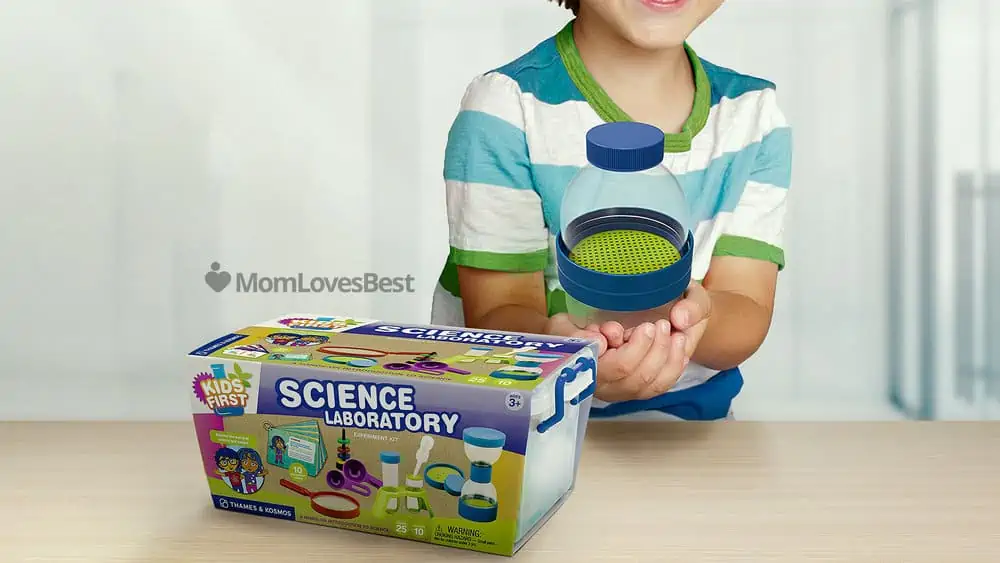
This laboratory kit from Thames & Kosmos is the perfect introduction to the scientific method. Designed specifically for ages 3 to 6, it doesn’t overwhelm little ones with jargon. Instead, it uses a relatable story about two kids building a lab to guide the experiments.
The kit includes high-quality, chunky tools that fit small hands perfectly. We love that the tools are reusable. Once you finish the included experiments, your child can use the beakers and test tubes to explore their own questions with water, vinegar, and baking soda from the kitchen.
Create With Clay Dinosaurs
Science Kit for Budding Paleontologists
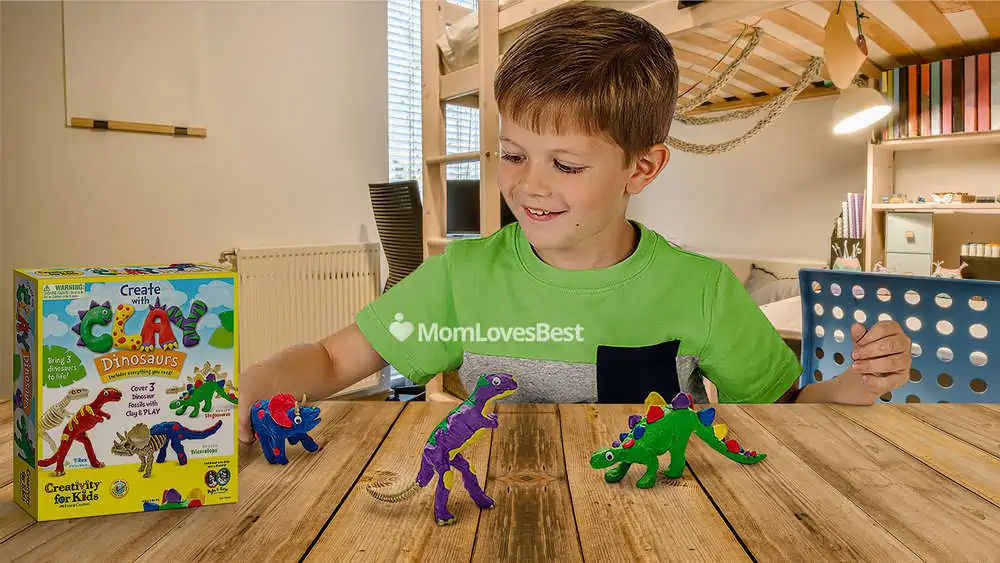
My kids love dinosaurs. If yours do too, this set from Creativity for Kids is a great blend of arts, crafts, and science.
First, your child acts as a paleontologist examining the included plastic dinosaur skeletons (T-Rex, Stegosaurus, and Triceratops). Then, they use the colorful modeling clay to rebuild the dinosaurs’ bodies over the bones. It is a fantastic tactile way to learn anatomy. All materials are non-toxic and safe for ages 5 and up.
Insect Lore Deluxe Butterfly Garden
Great Kit for Nature Lovers
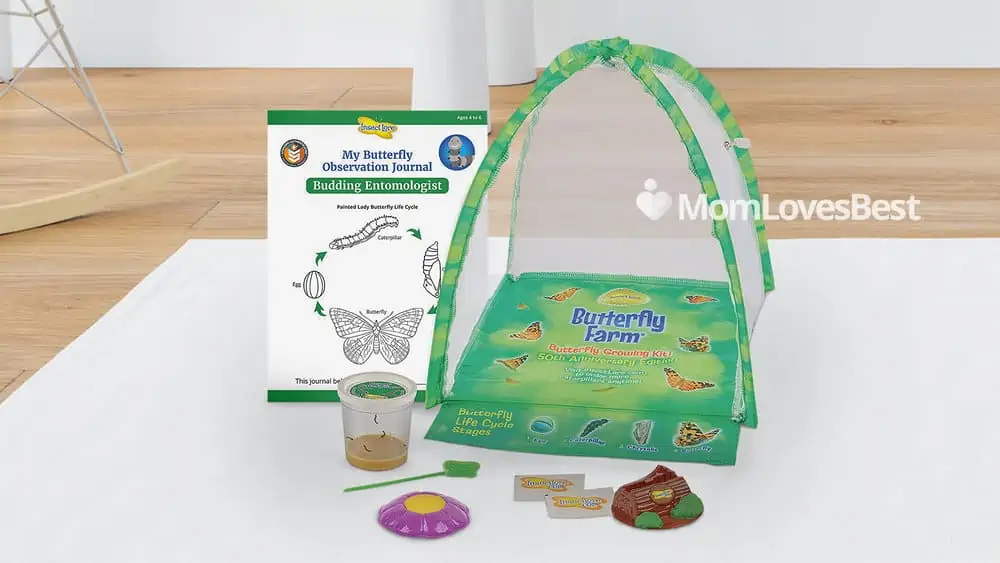
Put your fear of bugs aside because this is one of the most magical learning experiences a child can have. This kit from Insect Lore gives you a front-row seat to metamorphosis.
You receive a mesh habitat and a voucher for five baby caterpillars (you pay a small shipping fee to redeem them). Your child gets to feed them, watch them form chrysalides, and eventually emerge as Painted Lady butterflies. It teaches patience and biology in a way a textbook never could. It is best for ages 4 to 6.
Young Scientist Club
Best Nature-Based Science Kit
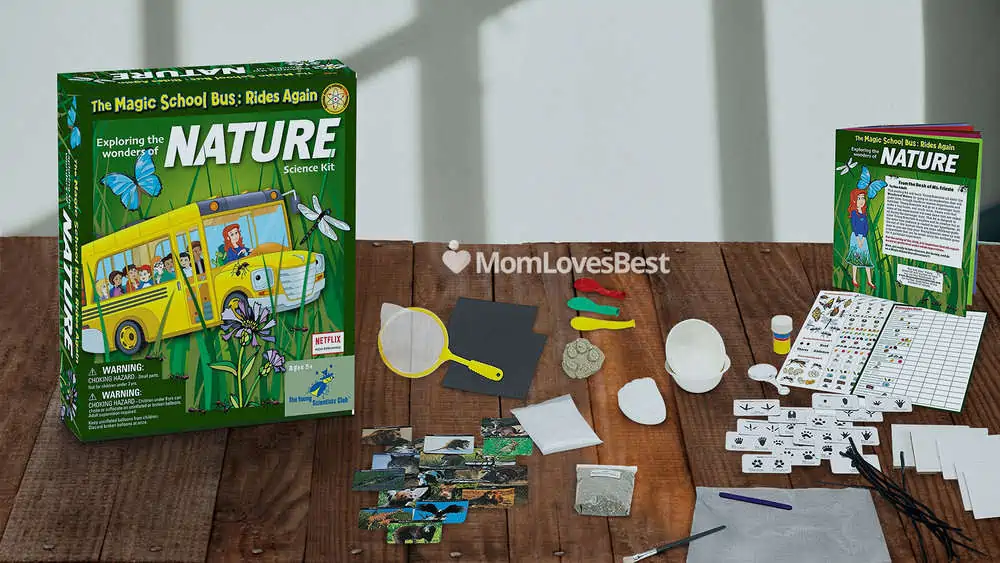
Based on “The Magic School Bus: Rides Again,” this kit turns your backyard into a classroom. It is a scavenger hunt that encourages kids to get outside and look closely at the world.
Your child can build a simple ant farm, dissolve eggshells, cast animal prints, and explore decomposition. It encourages creativity and observation. While it is suitable for ages 5 and up, there are many small components, so parents will need to assist with the setup.
Lauri Fun With Magnets
Fun-Filled Magnetic Science Kit
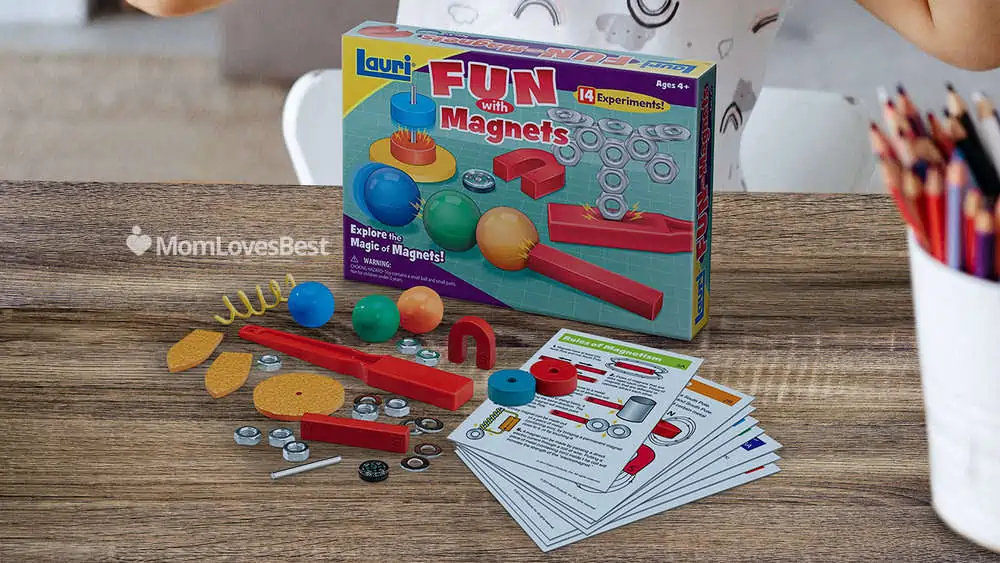
If your preschooler is constantly pulling things off the refrigerator, this magnetic science kit is the answer. It introduces basic physics concepts like attraction and polarity in a very playful way.
Appropriate for ages 4 and up, it includes 14 different experiments. The kit comes with magnetic wands, balls, wires, rings, and horseshoes. It is durable enough for rough play and helps kids understand invisible forces.
Science Kits For Age 7+
Scientific Explorer Science Kit
Science Kit for Beginners

This is a classic “starter” chemistry set that covers all the greatest hits. Recommended for ages 6 and up, it is essentially a box of safe chemical reactions.
It includes 20 pieces, such as test tubes and pipettes, along with safe chemicals like red cabbage powder and citric acid. Your kiddo can create a color-changing volcano or a “sunset in a tube.” Note that you will need to supply some basics from home, like water, plates, and measuring spoons.
Dan&Darci Light-up Dino Terrarium Kit
Great Kit for Budding Botanists

This kit combines botany with dinosaurs, which is a winning combination for most kids. It allows children to build a miniature prehistoric ecosystem inside a jar.
Suitable for ages 5 and up, the kit comes with soil, sand, river rocks, wheatgrass and chia seeds, and toy dinosaurs. The quick-growing seeds are gratifying for impatient kids; you usually see sprouts within days. The jar lid features a rechargeable LED light, turning the garden into a cool night light.
Slime Kit Supplies
Slime-Friendly Science Kit
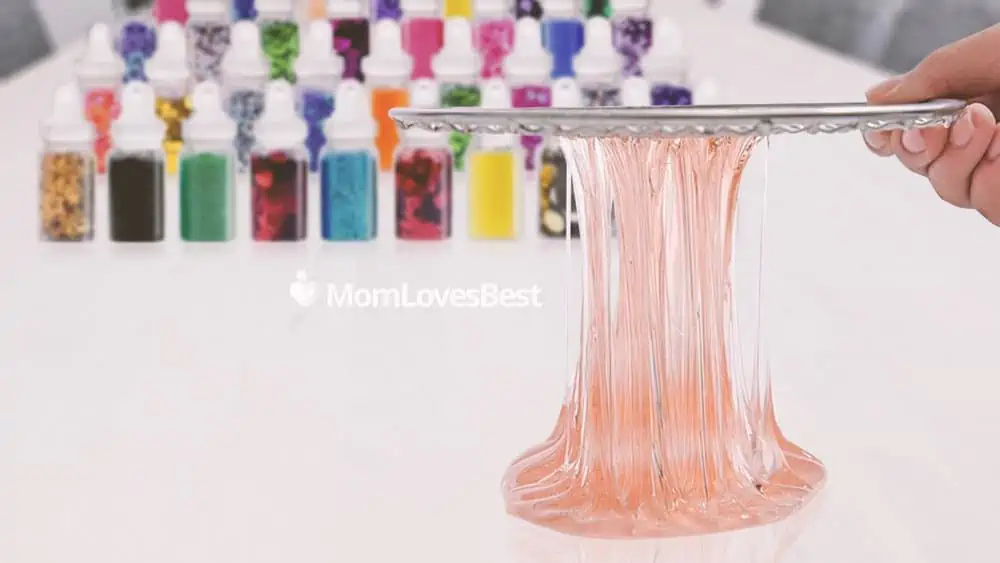
Understanding polymers is easier when you can squish them. This massive kit gives you everything needed to create custom slime.
Suitable for ages 5 and up, the box is packed with clear glue, activators, and mix-ins like glitter, foam balls, and glow-in-the-dark powder. It comes with containers for storage so the slime doesn’t dry out. It is messy, but it is a fantastic sensory lesson in chemistry.
Learn & Climb Kids Science Set
Best Jumbo Kids Science Kit
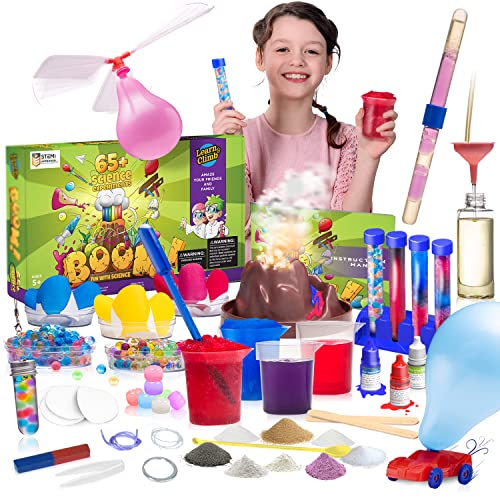
If you want quantity, this is the one. Learn & Climb offers a massive set with over 60 experiments. It is a great choice for ages 5 and up if you want a kit that lasts for months.
Your child can tackle all the classic kids’ science experiments here. They can build a sprout garden, erupt a volcano, make slime, and grow crystals. The included DVD and manual are helpful for visual learners who struggle with written instructions.
Playz Lava Lamp & Glitter Tube
Art Meets Science Kit
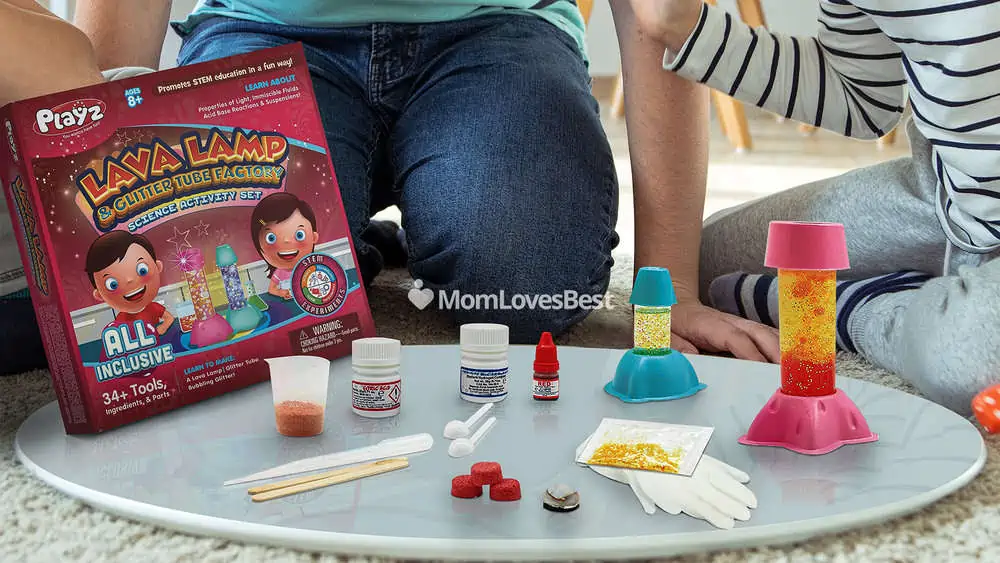
For kids who prefer art over raw data, this Playz kit is a smart entry point. It teaches density and chemical reactions by having kids build their own lava lamp.
Suitable for ages 8 and up, it includes the base, liquids, and glitter needed to make a mesmerizing bedroom accessory. It isn’t just a toy; they actually have to mix the solutions to get the density right so the “lava” floats properly.
Science Kits For Age 10+
Dan&Darci Mega Fossil Dig Kit
Best Prehistoric-Themed Science Kit
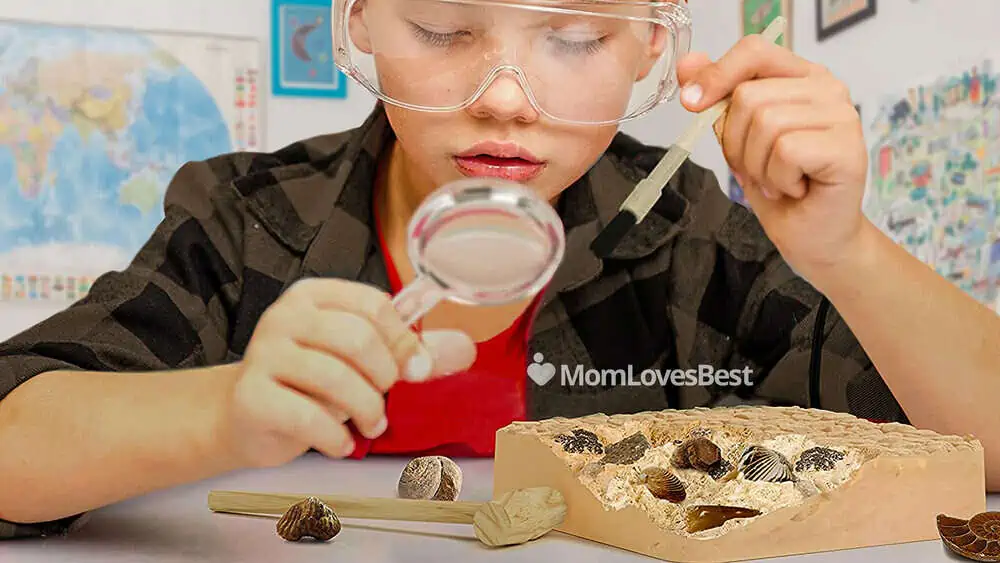
This isn’t your average dig kit. Dan & Darci provides a large brick containing real fossils, not plastic replicas. It is a patient, focused activity for kids aged 6 and up (though older kids appreciate the real specimens more).
Using the included chisel, brush, and mallet, kids excavate shark teeth, ammonites, and brachiopods. The full-color learning guide explains exactly what each fossil is and when it lived. It is messy, we recommend doing this one outside on the patio.
Playz Bath Bomb Bonanza Science
Best DIY Beauty Products
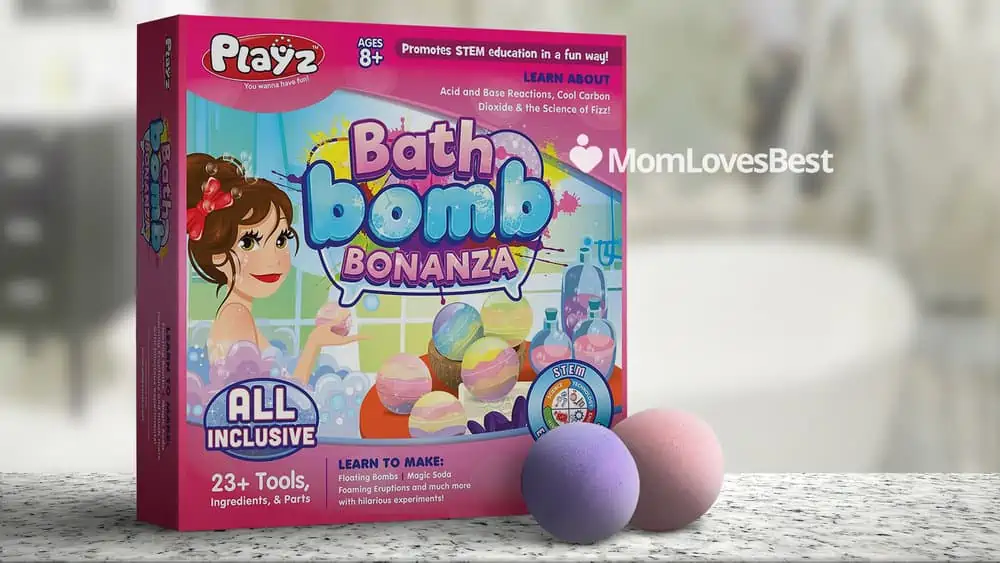
Science in the bathtub? Why not. This kit teaches the chemistry of acid and base reactions through the creation of fizzy bath bombs.
Recommended for ages 8 and up, it allows kids to mix citric acid, baking soda, and essential oils to create custom scents. It is a great way to sneak education into a “spa day.” The instructions are clear, and the results are actually usable.
Scientific Explorer Disgusting Science Kit
Great Science Kit for Strong Stomachs

Some kids love the gross stuff. This kit leans heavily into the “eww” factor to teach biology and anatomy. It is a hit with ages 8 and up.
Scientific Explorer focuses on the grosser functions of the human body. Kids can grow friendly molds and bacteria, create a “stinky intestine,” and make fake blood and snot. It is hilarious, gross, and surprisingly educational regarding how our bodies fight off illness.
MindWare Science Academy Perfume Lab
Girly-Girl Science Magic
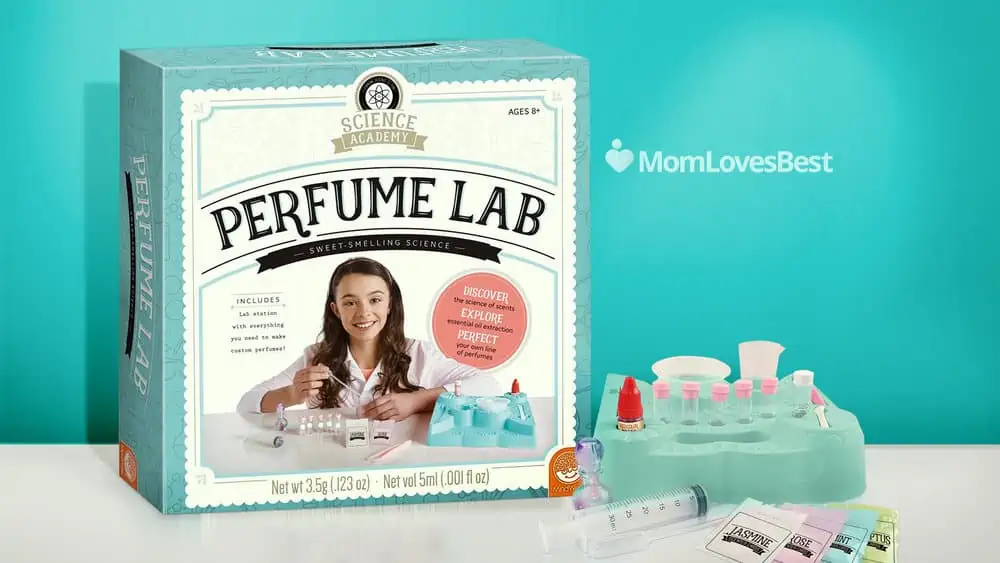
Chemistry is essentially mixing things to create new properties, and perfumery is a high-level application of that. This kit is great for preteens aged 8 and up who want something sophisticated.
Your child learns how to extract essential oils and blend base and top notes. It provides bottles, pipettes, and stirring sticks. It is a fantastic way to engage kids who might claim they “hate science” but love cosmetics.
Thames and Kosmos Chemistry
Great Science Kit for Chemistry Basics
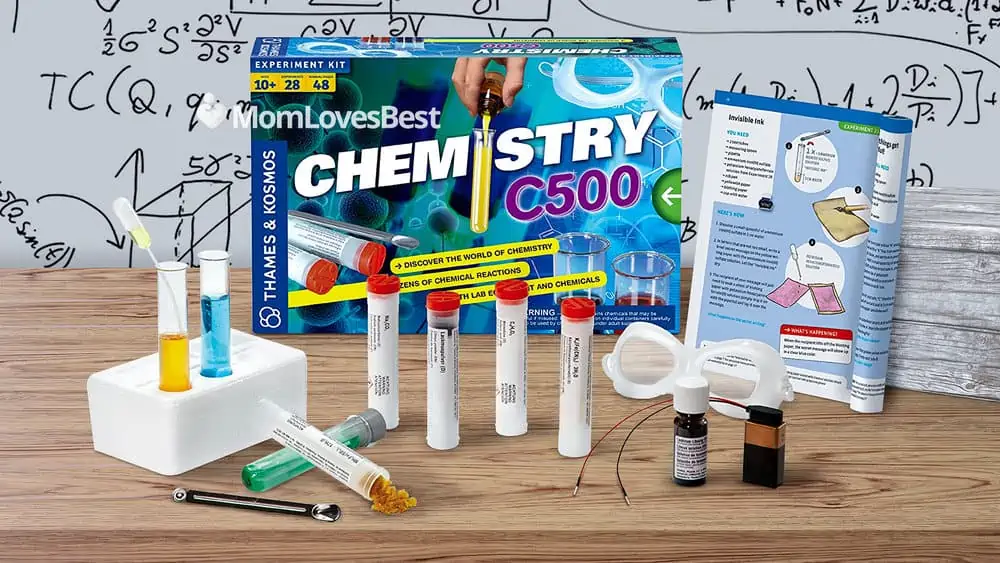
If your child is ready to move beyond baking soda and vinegar, this is the upgrade. Recommended for ages 10 and up, it feels like a real high school chemistry prep course.
The kit includes professional-grade equipment and chemicals to conduct 28 different experiments. They will learn about reactions between solids, liquids, and gases, and even make invisible ink. The manual is text-heavy, so strong reading skills are a must.
Mega Crystal Growing Lab
Crystal-Growing Science Lab
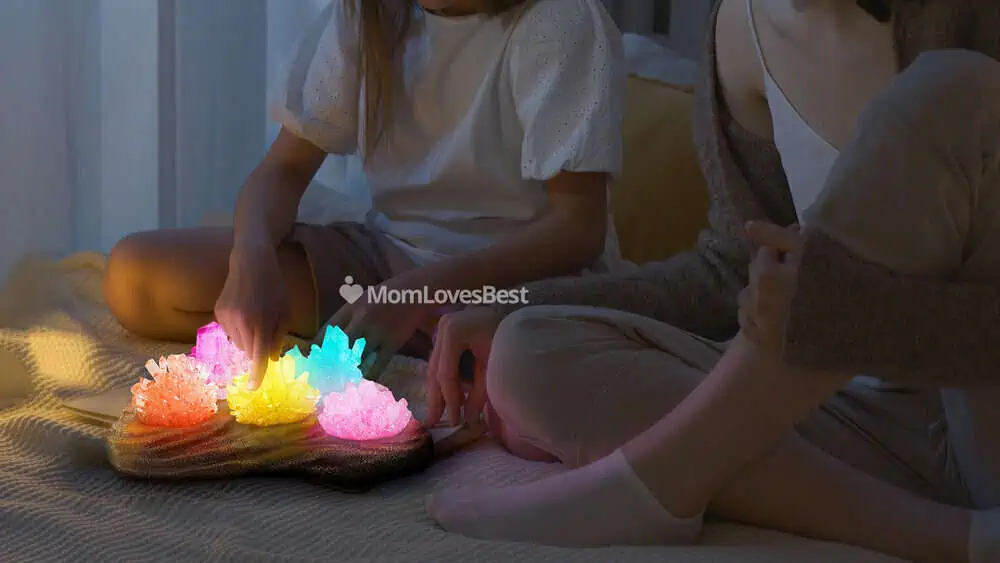
National Geographic sets the standard for crystal growing. This isn’t an instant gratification kit; it teaches patience and geology. It is suitable for ages 8 and up.
The kit provides the materials to grow crystals in eight different colors. It also includes five real gemstone specimens to start a rock collection. The coolest part is the included light-up display base, which lets kids show off their best crystals as a night light.
Science Kits For Age 13+
Snap Circuits Lights Electronics Exploration Kit
Great Science Kit for Discovery
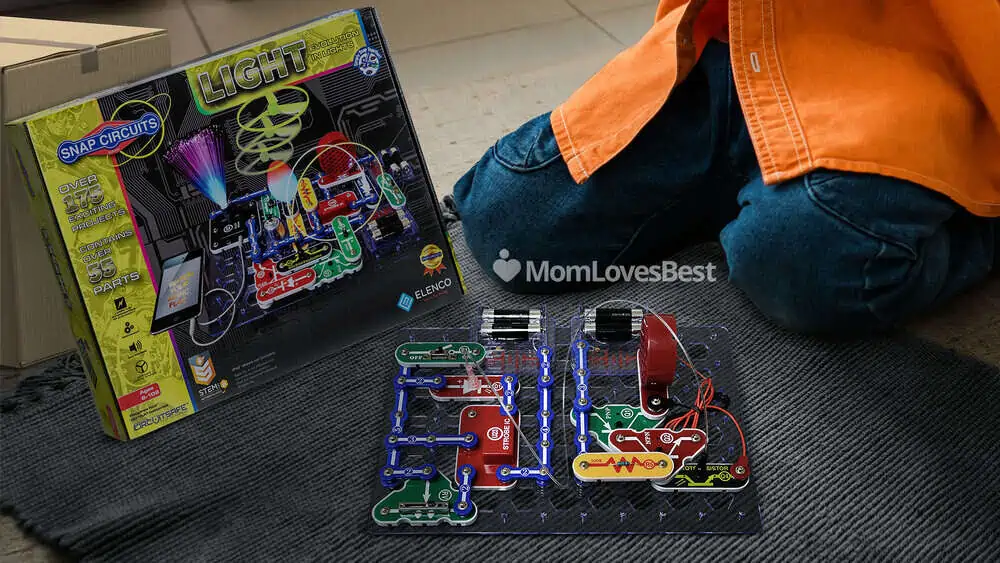
Snap Circuits are the gold standard for learning electronics without soldering. While rated for 8+, this specific “Lights” set has enough complexity to keep teens engaged.
Your teen can snap together components to create real working circuits. The unique feature of this set is the ability to connect an MP3 player or phone; kids can build circuits that make lights flash to the beat of their music. It’s practical physics in action.
Thames & Kosmos Nanotechnology Kit
Best Kids Kit for Nanotechnology
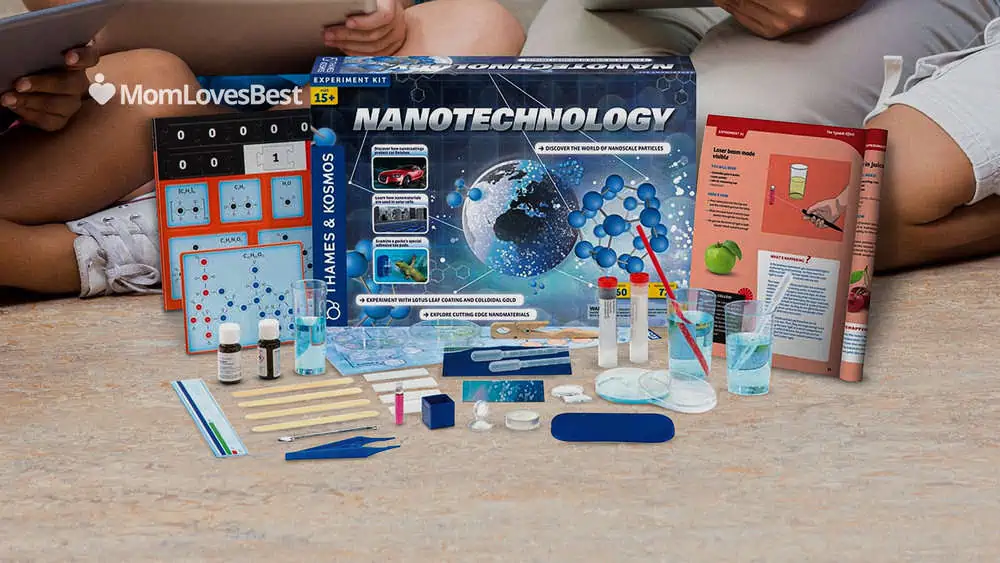
This is a deep dive into the structures that are too small to see with the naked eye. It creates a tangible way to understand nanoparticles and is best suited for ages 15 and up due to the complexity.
The kit includes a massive 72-page manual that reads like a textbook (in a good way). Experiments include mimicking the self-cleaning effect of a lotus leaf and using hydrophobic coatings. It is perfect for high schoolers interested in advanced materials science.
LEGO Mindstorms Robot Kit
All About Robots Kit

This is the ultimate splurge for a teen interested in coding and engineering. LEGO Mindstorms lets you build fully functional robots. It is suitable for ages 10 to 15, but adults love it too.
Kids can build five different standard models (like a scorpion or a tracker) or design their own. The real magic happens in the app, where they drag and drop code blocks to make the robot move, shoot missiles, or sense objects. It combines physical building with digital logic.
Dual LED Student Microscope
Super Microscope for Curious Minds
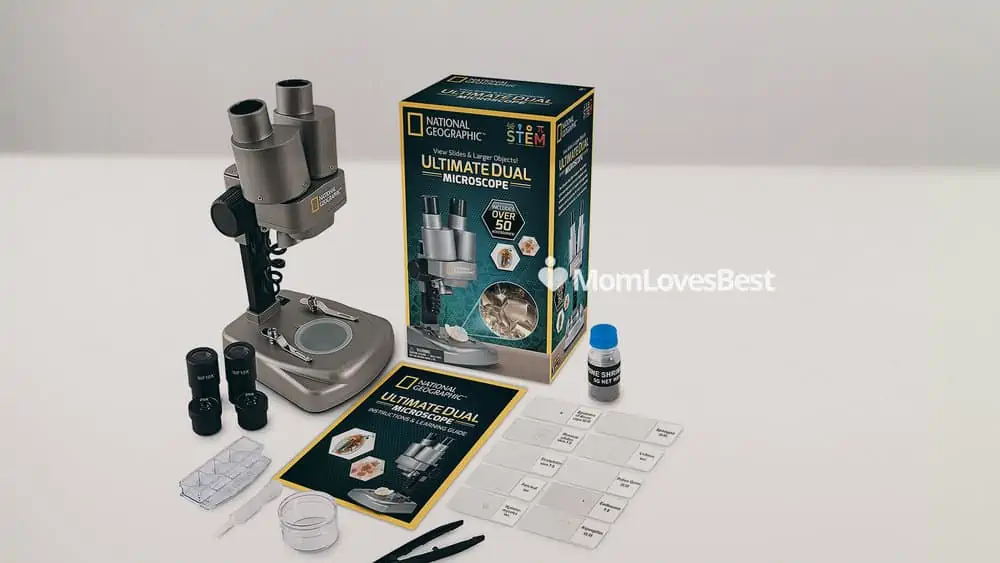
A real glass-optic microscope is a game-changer for biology students. This National Geographic model offers 20x and 50x magnification, which is powerful enough to see cell structures.
Suitable for ages 13 and up, it comes with prepared slides (like pollen or insect parts) and blank slides for making your own. The “Dual LED” feature means lights come from above and below, allowing you to view solid objects (like a rock) and translucent objects (like a cell slide) equally well.
Thames and Cosmos Big Engineering Makerspace
Best Kit for Engineering Interests
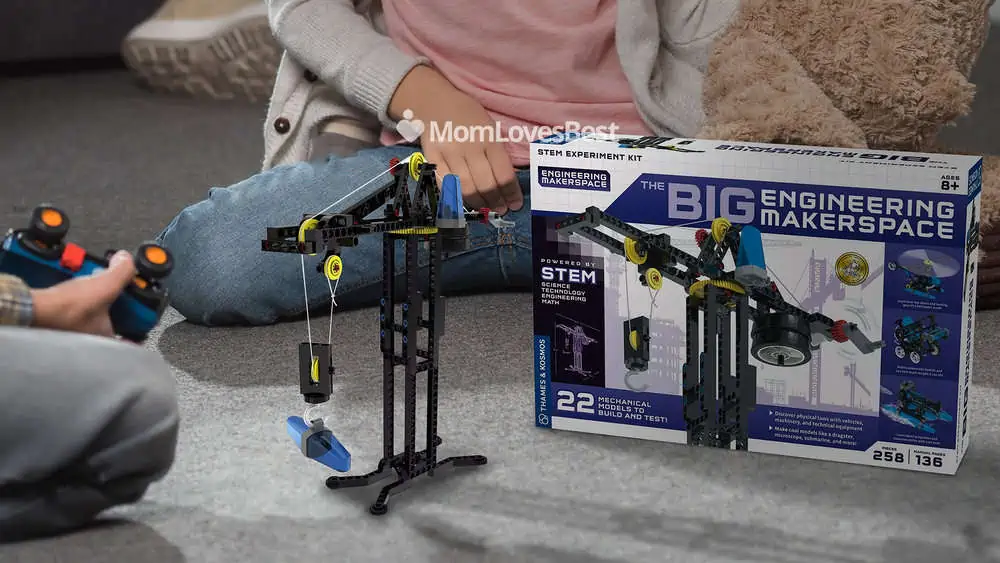
For the teen who loves to figure out how machines work, this engineering lab is a dream. It offers 22 different builds that teach mechanical physics.
Your teen can construct functional hydraulic lifts, robotic arms, and camera mounts. The instructions are complex and rewarding. While the box says 8+, we find teens get the most out of understanding the mechanics behind the “why” and “how” of the hydraulic systems included.
FAQs

What Is the Difference Between STEM and STEAM?
STEM stands for Science, Technology, Engineering, and Math. STEAM adds an “A” for Arts. STEAM kits encourage creativity alongside analytical thinking, recognizing that design and aesthetics are crucial parts of engineering and innovation.
Are Science Kits Safe for Toddlers?
Most science kits are designed for ages 4 and up due to small parts (choking hazards) and chemical components. However, there are specific “lab” kits for toddlers that use chunky, safe tools and rely on household ingredients like water and vinegar rather than harsh chemicals. Always check the age rating.
Do Science Kits Expire?
Kits with chemicals (like slime activators or crystal growing powders) or biological components (like seeds or yeast) can expire or degrade over time. Physics and engineering kits usually last indefinitely. Always check the box for expiration dates if the kit involves chemical reactions.
How Can I Help My Child With Science Experiments?
Read the instructions fully before starting. innovative preparation prevents mid-experiment panic. For younger kids, act as the “lab assistant” by holding tools or reading steps, but let them do the mixing and pouring to maximize their learning engagement.