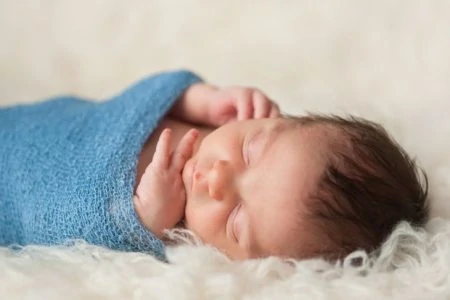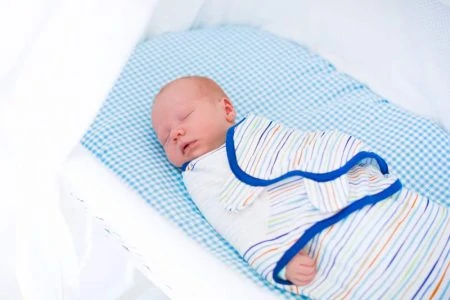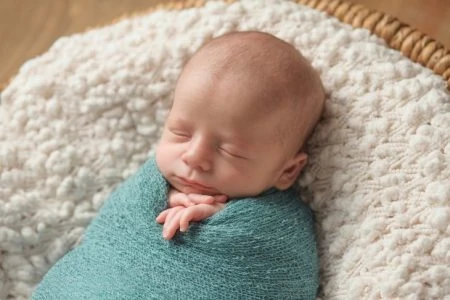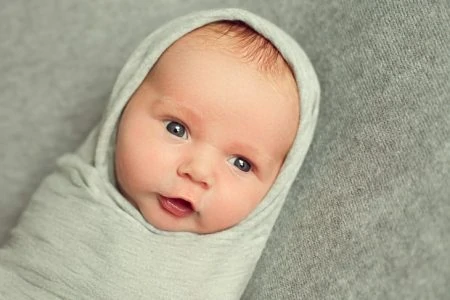
Swaddled babies often sleep deeper and startle less. It is a lifesaver for tired parents. But when the summer heat rolls in, wrapping your little one in a blanket feels risky. You worry about overheating.
How do you keep them snug without making them sweat?
We have the answers. In this guide, we break down summer swaddling safety, breathable fabrics, and the signs of overheating every parent needs to know.
Key Takeaways
- Summer swaddling is safe if you use lightweight, breathable fabrics like muslin or 100% cotton.
- Monitor your baby’s temperature by feeling their chest or neck; hands and feet are poor indicators.
- Keep the room cool (around 68 to 72 degrees Fahrenheit) and use fans to circulate air indirectly.
- Watch for red flags like rapid breathing, flushed skin, or lethargy to prevent heat exhaustion.
Understanding Your Baby’s Body Temperature
Babies are not great at regulating their own body temperature yet. Unlike adults, they cannot shiver to generate heat or throw off a blanket if they get too toasty (1).
This puts the responsibility on you. You act as their thermostat.
To keep your little one safe, you need to balance several variables:
- Your baby’s baseline: Some babies run naturally warmer than others.
- Ambient temperature: How hot is the room or the outdoors?
- Layers: Count the diaper, the onesie, and the swaddle as separate layers.
- Fabric type: Synthetic materials trap heat; natural fibers release it.
By managing these factors, you can swaddle your baby safely even during a heatwave.
Tips for Swaddling Your Baby in the Summer
Follow these guidelines to ensure your baby stays cool while swaddled.
1. Choose Breathable Fabrics
Not every swaddling blanket works for summer. Thick fleece or flannel is a no-go.
You need 100% cotton or bamboo. These natural fibers are light, breathable, and allow excess heat to escape. Muslin is the gold standard for summer swaddling because of its open weave.
Fabric Warning
You can also find specialized baby wraps with lower TOG ratings (Thermal Overall Grade) specifically designed for warmer months. These often feature zippers and mesh vents for better airflow.
2. Dress Them Down
The swaddle counts as a layer of clothing. When you dress your baby appropriately for sleep, less is more.
In high heat, a diaper might be the only thing they need underneath the wrap. If it is slightly cooler, a short-sleeved cotton bodysuit works. Avoid footie pajamas or socks, as babies release heat through their feet.
Also, keep the head uncovered. Never put a hat on a swaddled baby indoors. Heat escapes primarily through the head, so capping it can lead to rapid overheating.
3. Control the Environment
Your nursery temperature matters more than the weather outside. Aim to keep the room between 68 and 72 degrees Fahrenheit.
Quick Tip
If you do not have air conditioning, keep blinds closed during the day to block sunlight. Use a fan to circulate air, but do not point it directly at the crib. Indirect airflow keeps the room fresh without drying out your baby’s airways.
If your room is hot despite the use of a fan, it is okay not to swaddle your baby. Leave your baby dressed in only their diaper, and have them sleep on their back.

Editor's Note:
Dr. Pierrette Mimi Poinsett, MD4. Use Summer Swaddling Techniques
You can modify your wrapping style to increase airflow. Here are two methods that offer security without the sweat.
The Partial Swaddle:
This technique leaves the legs out. It keeps the arms secure to prevent the startle reflex but allows air to circulate around the lower body. This is great for preventing hip dysplasia too.
The Arms-Only Swaddle:
This is ideal for older babies or hot nights. You wrap the chest and arms securely while leaving the rest of the body loose.
5. Check the TOG Rating
If you buy a swaddle sack, check the TOG rating. This stands for Thermal Overall Grade. It measures how much heat a fabric retains.
For summer, you want a low TOG rating:
- 0.2 to 0.5 TOG: Ideal for hot rooms (75°F / 24°C and above).
- 1.0 TOG: Good for moderate rooms (68, 73°F / 20, 23°C).
Using the right rating takes the guesswork out of layering.
A Word of Warning
You might be tempted to wrap the blanket loosely to let air in. Do not do this.
A loose swaddle is dangerous. If your baby kicks free, the blanket becomes loose bedding in the crib. Loose blankets increase the risk of SIDS (Sudden Infant Death Syndrome) and suffocation.
Always swaddle snugly around the chest. You should be able to fit two or three fingers between the blanket and your baby’s chest, but no more. If you struggle with how to swaddle correctly, ask your pediatrician or a doula for a hands-on demo.
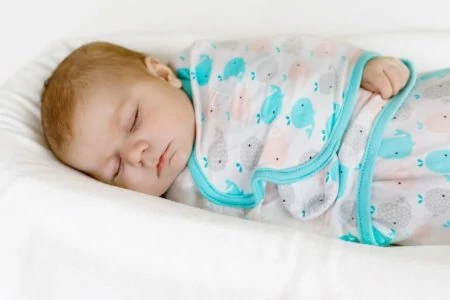
Is My Baby Overheating?
You cannot ask your baby if they are hot, so you have to look for physical cues. Always monitor your baby’s temperature if the weather spikes.
Watch for these signs of overheating (2):
- Hot chest or ears: Feel their chest, neck, or ears. If they feel hot or clammy, they are overdressed. (Note: Hands and feet usually feel cooler than the rest of the body, so they are not good indicators).
- Flushed skin: Look for redness in the cheeks or a heat rash on the neck and chest.
- Rapid breathing: Fast, shallow breaths can indicate heat stress.
- Lethargy: If your baby is unusually hard to wake or seems unresponsive, this is an emergency.
Cooling Your Baby Down
If you suspect your baby is too hot, act immediately but calmly.
Follow these steps to lower their temperature:
- Unswaddle immediately: Remove the blanket and any excess clothing layers down to the diaper.
- Move to a cooler spot: Go to an air-conditioned room or find a breezy, shaded area.
- Hydrate: Offer breast milk or formula. If they are older, Pedialyte may be appropriate under doctor supervision (3).
- Use lukewarm water: Sponge them gently with a lukewarm (not cold) washcloth. Cold water can cause shivering, which actually raises body temperature.
If your baby is vomiting, unresponsive, or running a high fever, call your pediatrician or visit the ER right away.
Swaddling in Summer FAQs

How Many Hours Can a Baby be Swaddled?
You should only swaddle babies during sleep time, whether naps or nighttime sleep. Unswaddle them for feedings and wake windows to allow for movement and bonding.

Is a Onesie and a Swaddle Too Hot?
It depends on the room temperature. In a room above 75°F, a onesie might be too much; a diaper alone is safer. In a standard 68, 72°F room, a light cotton onesie under a muslin swaddle is usually fine.

Why is There a Hole in the Summer Swaddle?
That slit allows you to pull a harness buckle through. This lets you securely strap your baby into a stroller or swing while keeping them swaddled, though sleeping in swings is generally not recommended for unsupervised sleep.

What TOG Swaddle for Newborns in Summer?
Look for a TOG rating of 0.2 to 0.5 for hot summer months. These ultra-lightweight fabrics prevent heat retention while still providing the snugly compression newborns love.

When Should You Not Swaddle Your Baby?
Stop swaddling the moment your baby shows signs of trying to roll over, which usually happens between 2 and 4 months. A rolled-over swaddled baby faces a high risk of suffocation.

What Swaddles are Best for Hot Weather?
Muslin blankets and bamboo viscose wraps are best. They wick moisture away from the skin and allow maximum airflow compared to heavier cotton knits or polyester fleece.