Summer strolls are wonderful, but the heat can turn a relaxing walk into a stressful situation. You do not have to stay locked inside, but you do need a plan.
Here is how to safely enjoy the sunshine and get your Vitamin D fix while keeping your little passenger cool and comfortable.
Key Takeaways
- Use a dedicated stroller sunshade to block UV rays; never cover the stroller with a blanket.
- Dress your baby in loose, light-colored cotton or bamboo clothing to promote airflow.
- Prevent dehydration by increasing breast milk or formula feeds, or offering water if the baby is over 6 months.
- Utilize cooling accessories like clip-on fans and moisture-wicking seat liners.
How to Keep Your Child Cool in the Stroller
Timing is everything when it comes to summer walks. Try to head out during the coolest parts of the day, which are usually early morning or late afternoon. If possible, avoid peak sun intensity between 10 a.m. and 2 p.m.
Here are seven effective ways to keep the temperature down while you are on the move.
1. Provide a Shady Haven
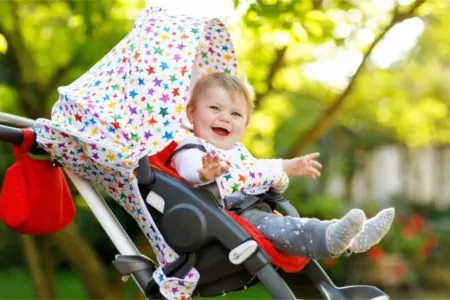
Strollers usually come with a canopy, but stock versions often lack full coverage. Invest in a sunshade designed for strollers to protect your baby from harsh UV rays.
High-quality covers can shield your little one from up to 99% of harmful UVA and UVB rays. This protection is vital, as early sunburns can increase the risk of skin issues later in life (1).
Look for extended coverage options, like this one from Summer Infant. These are generally compatible with most brands of strollers and are easy to attach.
Some covers are water-repellent, doubling as rain protection, and feature pockets for storing hydration essentials.
Important Warning: Never drape a blanket (even a thin muslin one) over the stroller to create shade. This creates a “greenhouse effect,” causing the temperature inside the stroller to rise dangerously high in minutes.
2. Choose Sensible Clothing
Babies cannot regulate their body temperature as efficiently as adults. They conserve more heat, which makes them susceptible to overheating (2).
Overdressing can trigger heat rashes, while underdressing leaves skin exposed to the sun.
Stick to lightweight, loose cotton clothing that covers arms and legs (3). Cotton is breathable and wicks moisture away from the skin.
Bamboo fabric is another excellent choice. It absorbs sweat and releases it into the air to evaporate, unlike synthetic fabrics that trap heat. Lighter colors are preferable because they reflect the sun rather than absorb it.
Finally, consider how useful a hat is. A broad-brimmed hat protects the neck and ears.
A popular choice is this one from I Play. It provides excellent coverage and ties under the chin to stay secure without restricting circulation.
3. Keep the Fluids Flowing
Dehydration is a serious risk when the temperature gauge rises (4). Babies lose moisture quickly through sweating, so proactive hydration is key.
If you are breastfeeding, your baby gets all necessary hydration from your milk (5). Offer the breast more frequently when it is hot outside.
Formula-fed babies may need extra feeds. Babies over 6 months old can have small sips of water. However, generally do not exceed 4 ounces of extra water per day unless directed by a pediatrician.
Monitor hydration by checking diapers. Fewer wet diapers or strong-smelling, dark-colored urine indicate your baby needs more fluids (6).
4. Get a Stroller Seat Liner
Standard stroller fabrics are often synthetic and not breathable. A specialized seat liner, like this one from Ecotyl, can help wick moisture and improve airflow.
Some liners feature 3D mesh for breathability, while others are filled with a cooling gel. These work by drawing heat away from the baby’s body.
For an extra cooling boost, place the liner in the refrigerator for 10 to 15 minutes before your walk.
5. Circulate Air with a Stroller Fan
A personal fan can make a massive difference on a stagnant, humid day. These usually run on batteries or USB charges and clip directly onto the stroller frame.
One of our favorites is from Comlife. It features a sturdy clip and an oscillating head. Beyond cooling, the white noise and movement can be soothing for the baby.
A stroller fan is versatile; you can bring it indoors to circulate air in the nursery during naps.
6. Increase Airflow by Removing Panels
Many modern strollers feature removable back panels or ventilation flaps. Open these up completely to create a cross-breeze through the stroller. This simple step significantly lowers the ambient temperature inside the seat.
7. Try Homemade Cooling Systems
You do not always need to buy new gear. Here are three easy DIY solutions:
- Frozen water bottles.
- Ice packs.
- Damp cloths.
Water Bottles: Fill bottles two-thirds full and freeze them. Wrap them in a towel and place them beside the baby (never directly against the skin). Ensure the cap is tight so it does not become a choking hazard.
Cooler Packs: Wrap flat ice packs in a thin towel and place them under the seat cushion or behind the stroller liner to cool the fabric.
Damp Cloths: Wipe your baby down with a cool, damp washcloth. As the air hits their wet skin, the evaporation creates an instant cooling effect.
How to Tell if Baby Is Overheating
Babies cannot tell you when they are too hot. Watch for these red flags:
- Flushed, red face.
- Skin that feels hot and dry to the touch.
- Rapid breathing.
- Fewer wet diapers than usual.
- Irritability, lethargy, or “floppiness.”
- Refusal to drink.
- A sunken fontanelle (the soft spot on the head).
If you suspect overheating, move to a cool place immediately, offer fluids, and apply cool cloths. Seek medical advice if symptoms persist.
Common Mistakes to Avoid
Keep these safety tips in mind to ensure your summer adventures stay fun:
- Don’t cover the stroller: We mentioned this earlier, but it bears repeating. Blankets stop airflow and trap heat.
- Don’t forget the pavement: Asphalt gets much hotter than the air temperature. It can radiate heat up into the stroller. Stick to grass or light-colored concrete when possible.
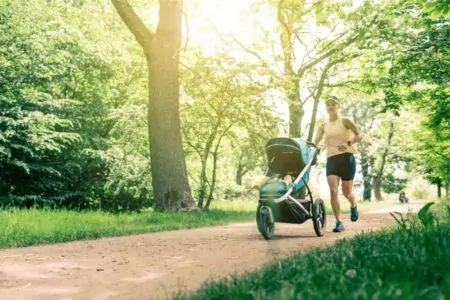
- Do plan your route: Stick to the shady side of the street or walk in parks with tree cover. If you stop, park the stroller in the shadow of a building or tree.
FAQs

What Temperature is Too Hot In a Stroller?
It’s generally too hot in a stroller when temperatures soar above 85°F (29°C). At this point, babies are at risk of overheating. Always monitor your baby for signs of discomfort or heat rash and provide shade, hydration, and appropriate clothing.

How Do I Protect My Baby’s Legs From the Sun In a Stroller?
To protect your baby’s legs from the sun in a stroller, use a canopy or sunshade, dress them in lightweight long pants, or use a blanket as a shield. Don’t forget to apply baby-safe sunscreen on any exposed skin!

Where Do You Put a Fan In a Stroller?
Attach a clip-on stroller fan to the frame or canopy, ensuring it’s out of reach of little hands. Position it to circulate air towards your baby without blowing directly on them constantly to avoid discomfort or chill.

Are Black Strollers Too Hot In the Summer?
Black strollers can absorb more heat, making them slightly warmer than lighter colors in direct sunlight. If you have a black stroller, try to keep it in the shade when not moving and use a light-colored sunshade or blanket to reflect some heat.

Can I Use a Muslin Blanket Over the Stroller?
No, you should not drape a muslin blanket over a stroller. Even breathable fabrics block airflow and trap heat inside the stroller capsule, increasing the risk of overheating and SIDS. Use a mesh sunshade or a clip-on umbrella instead.
When Can I Start Using Sunscreen on My Baby?
The American Academy of Pediatrics recommends keeping babies under 6 months out of direct sunlight. If shade is not available, you can apply small amounts of sunscreen (minimum SPF 15) to small areas like the face and back of the hands.