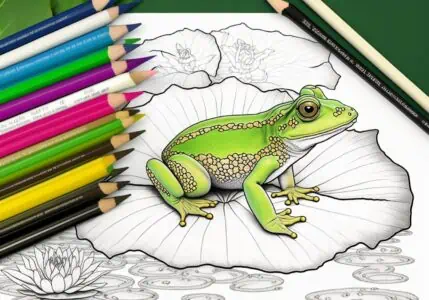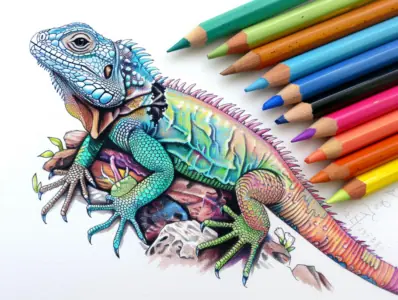
Welcome to the wild world of reptiles. From tiny, quick geckos to slow-moving iguanas, lizards are fascinating creatures. We have rounded up a fantastic collection of lizard coloring pages for kids of all ages.
You will find realistic sketches for older children and cute, simple cartoons for preschoolers. These pages are great for learning about cold-blooded animals or just relaxing with some crayons. Grab your green, brown, and orange markers to bring these scaly friends to life.
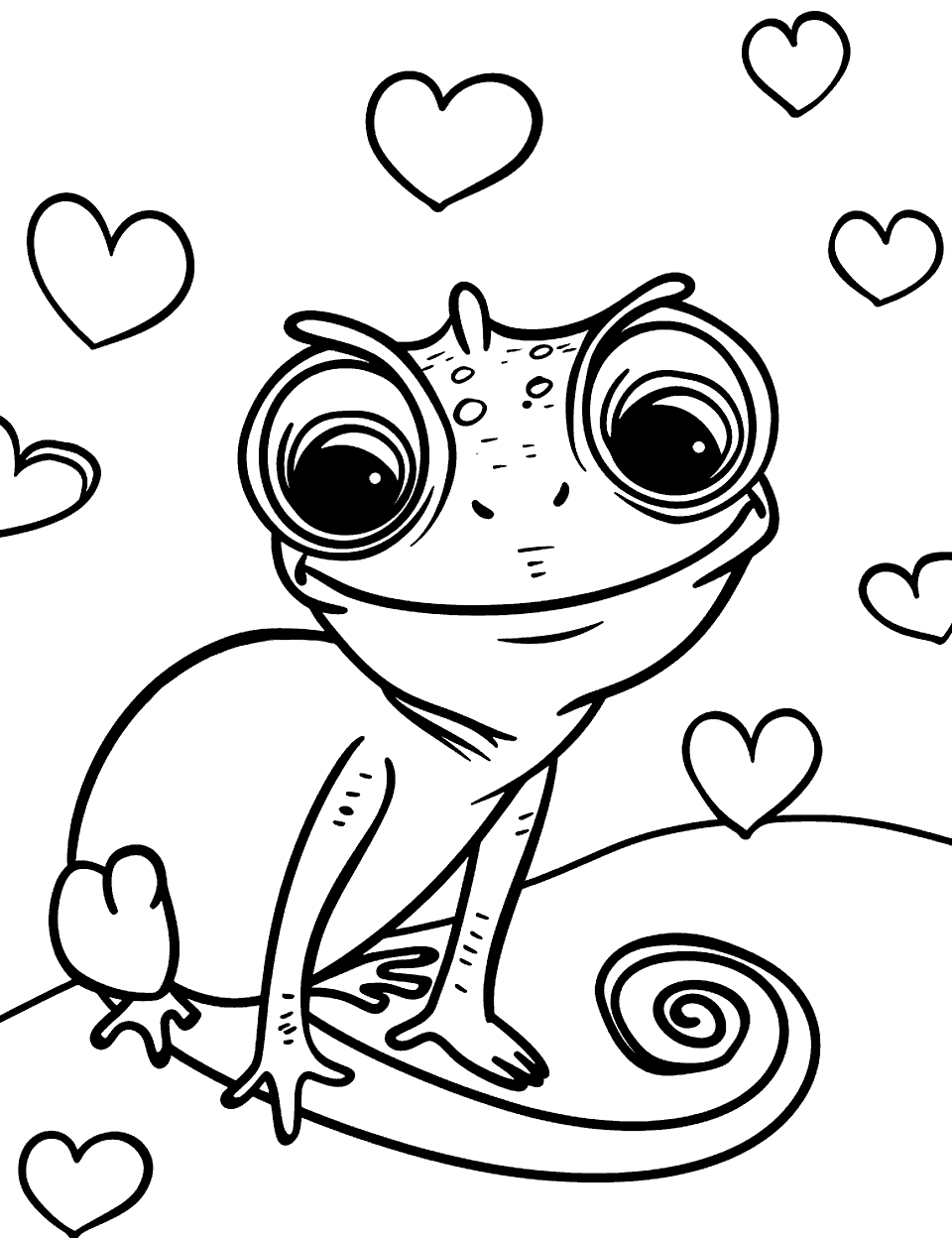
Kawaii Chameleon with Hearts
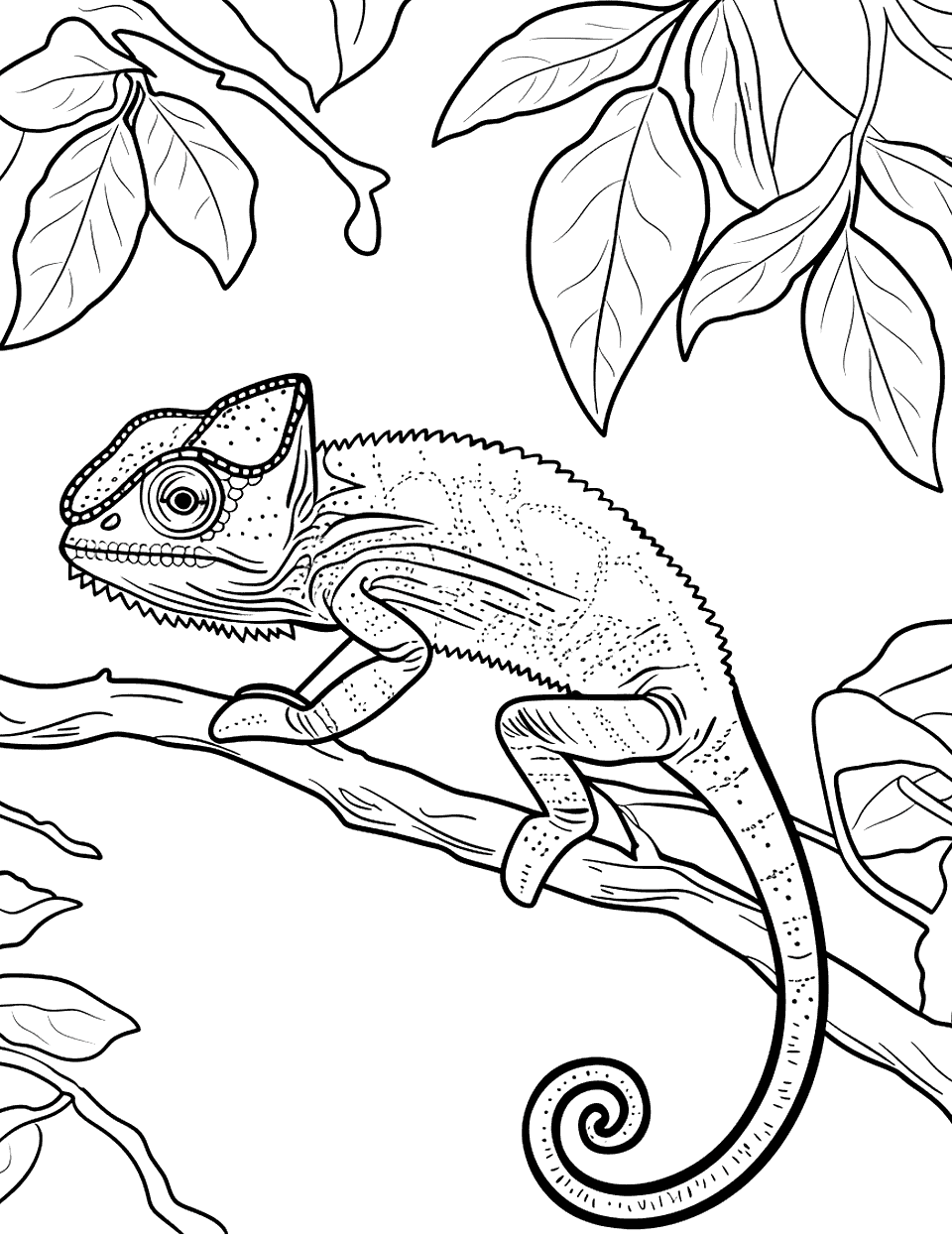
Chameleon Changing Colors
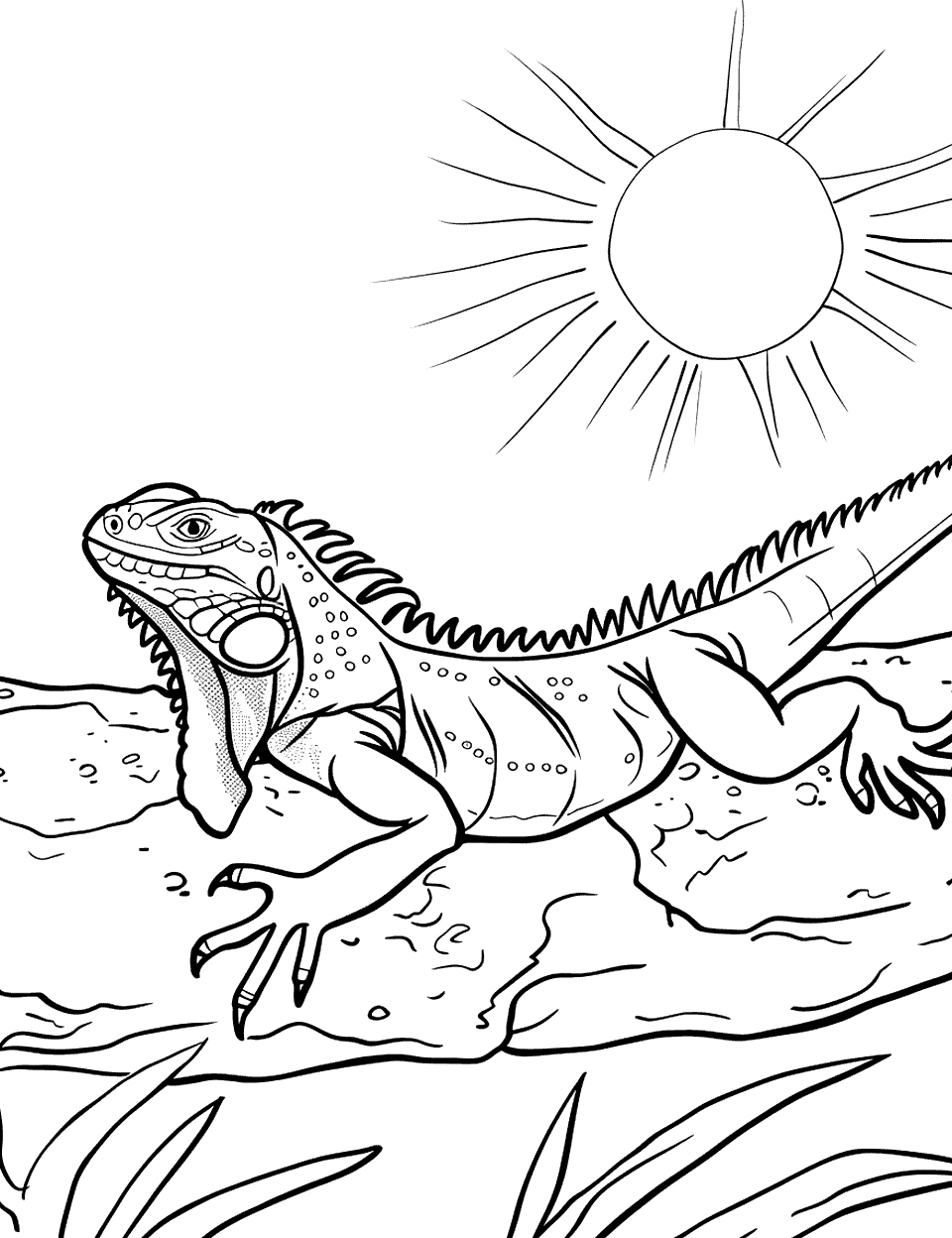
Iguana Sunbathing
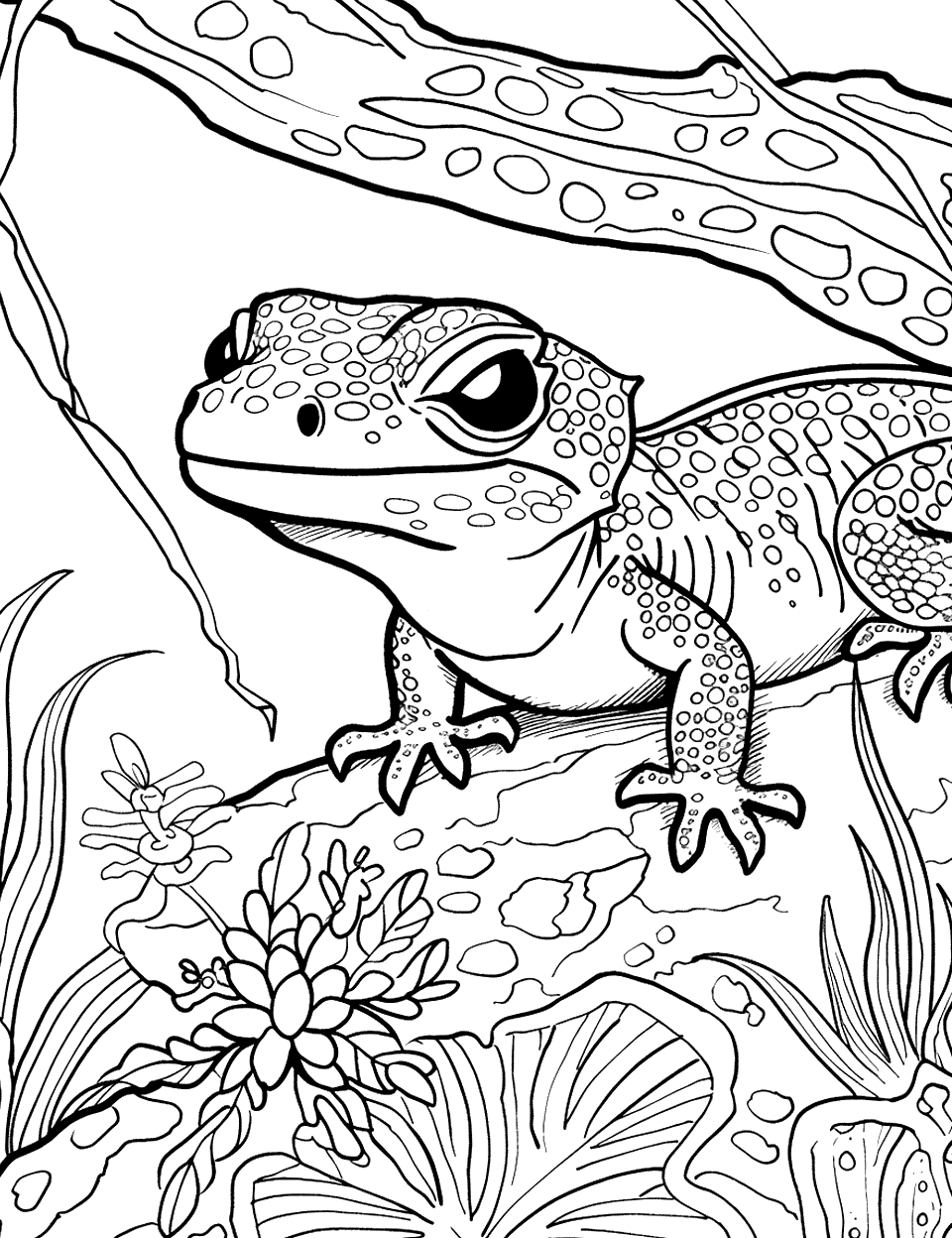
Leopard Gecko Night Adventure
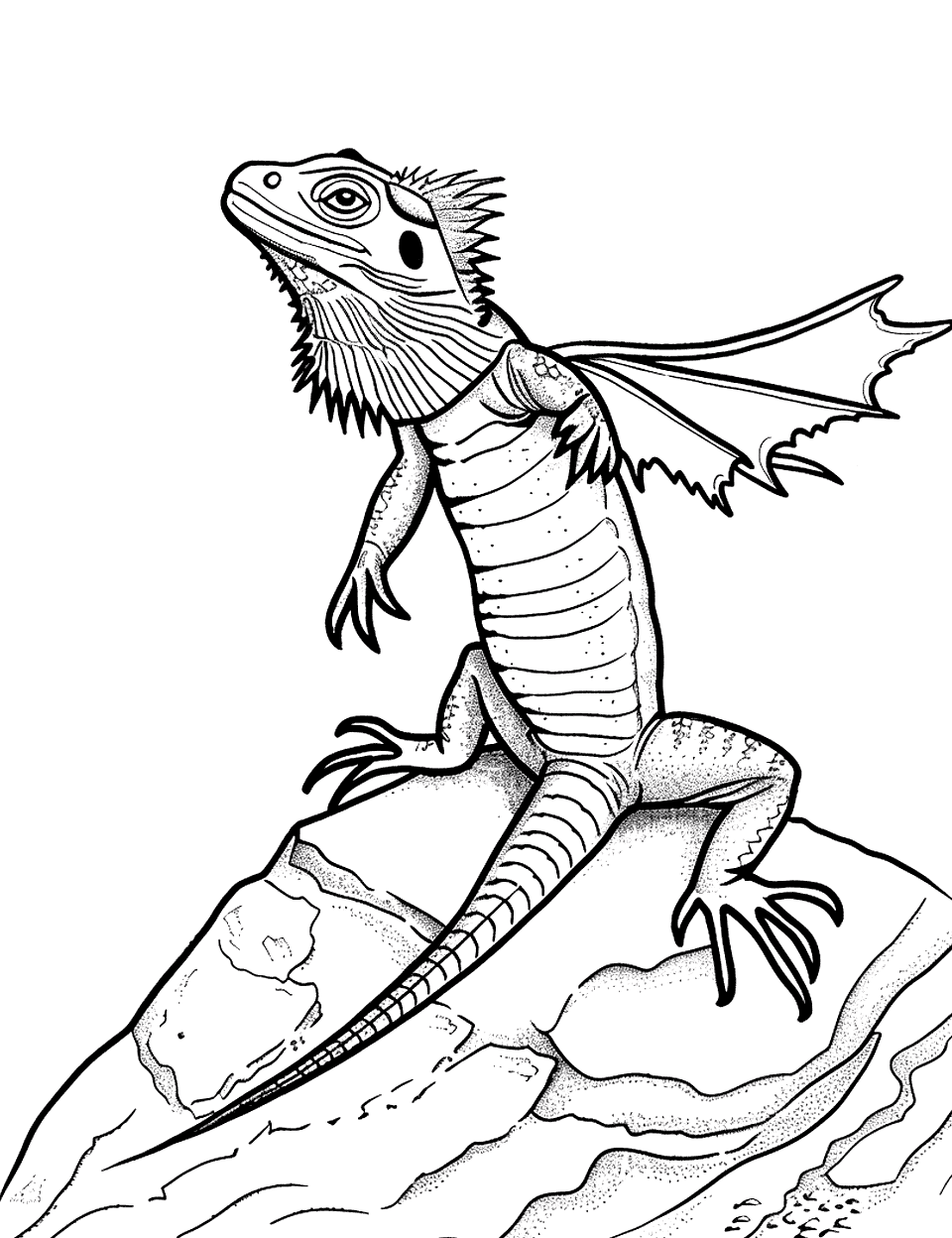
Frilled Lizard Display
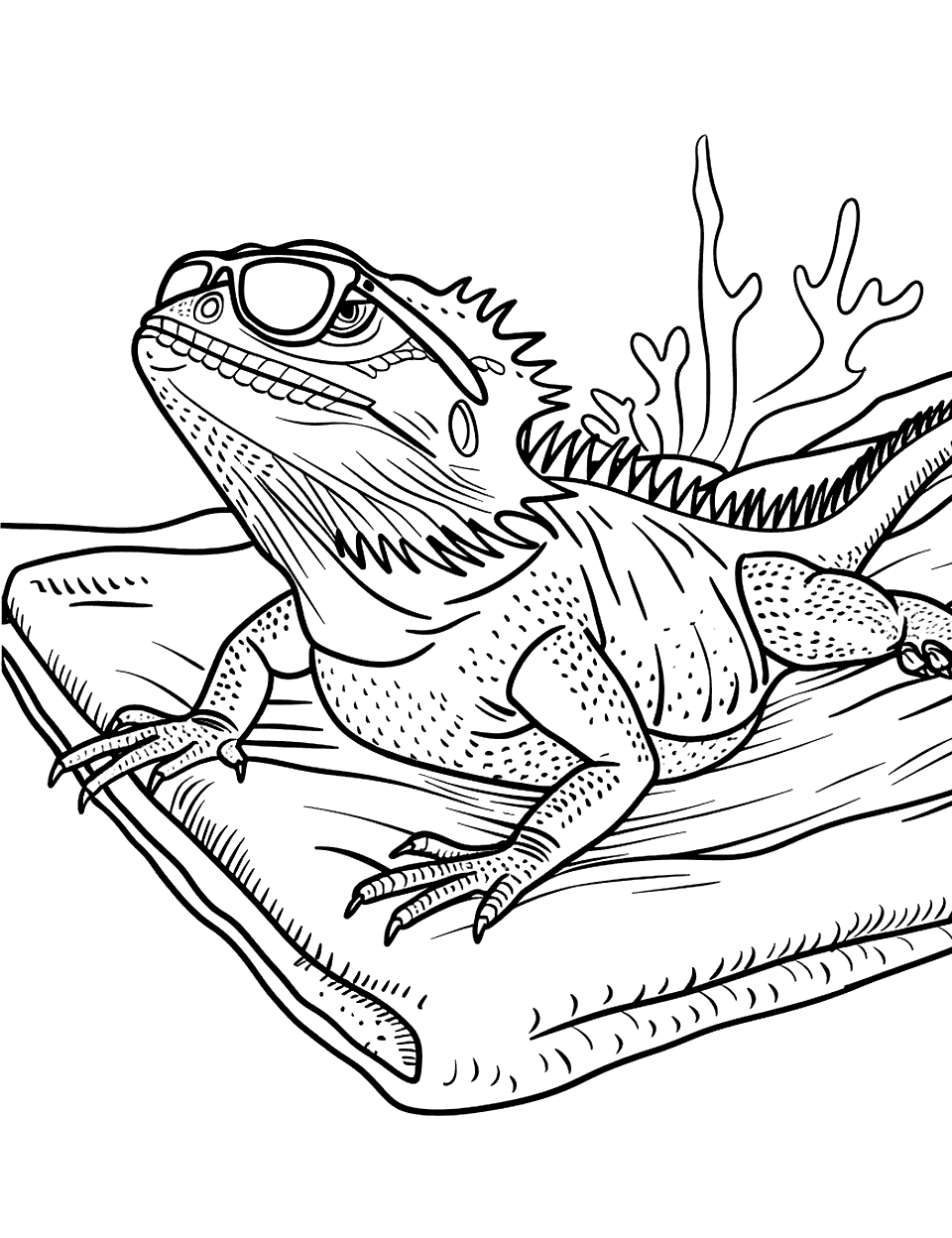
Bearded Dragon with Sunglasses
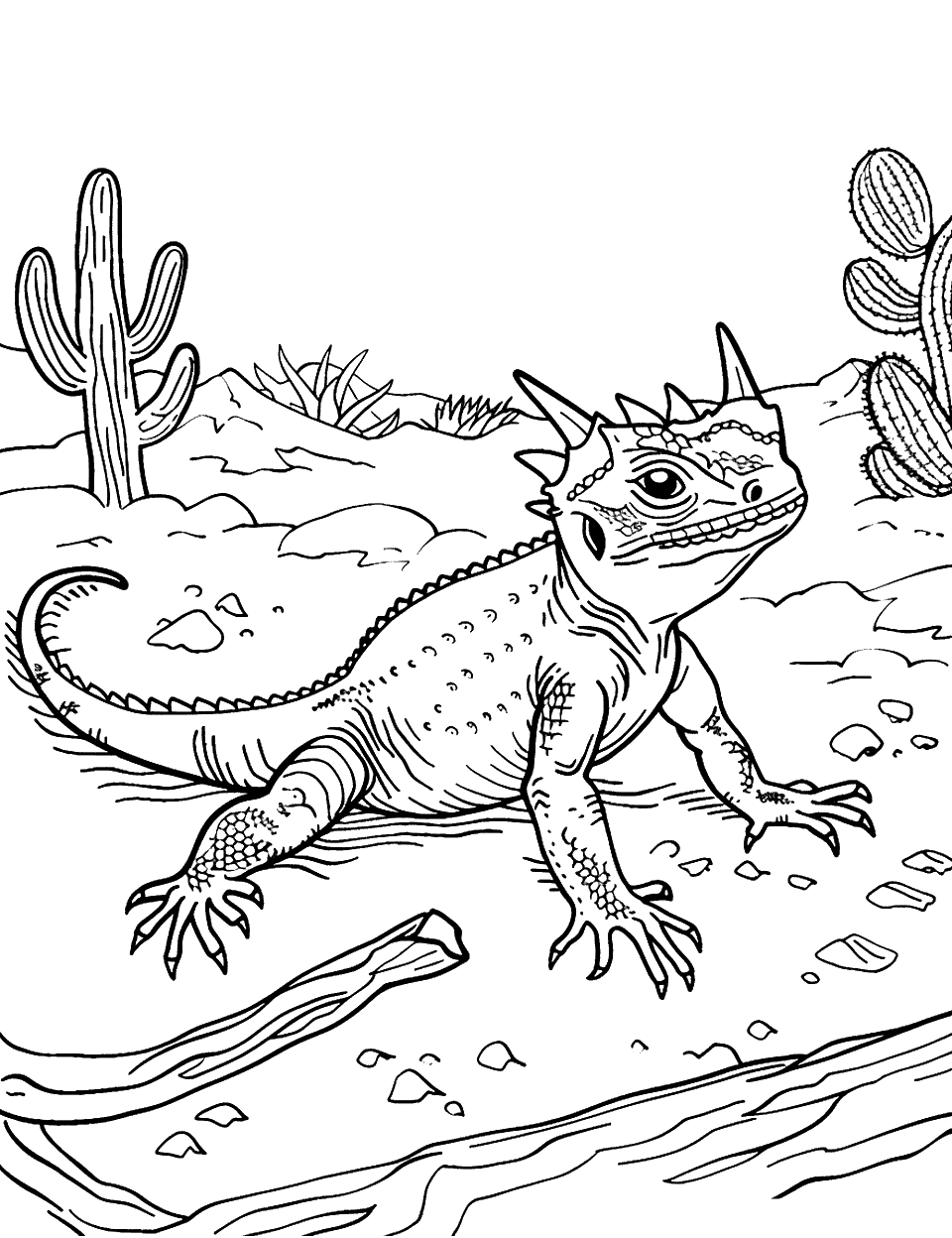
Horned Lizard in the Desert
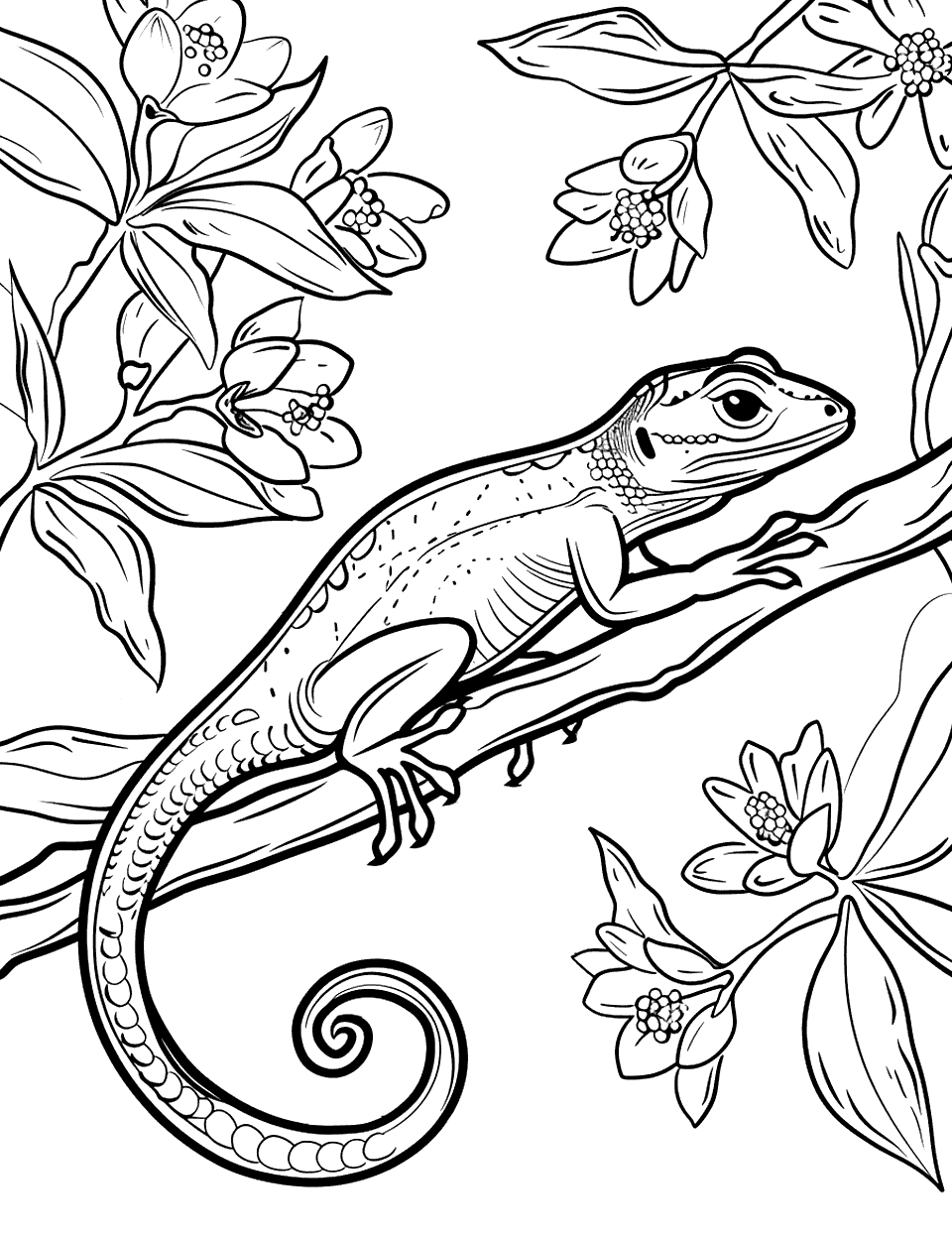
Anole on a Flowering Branch
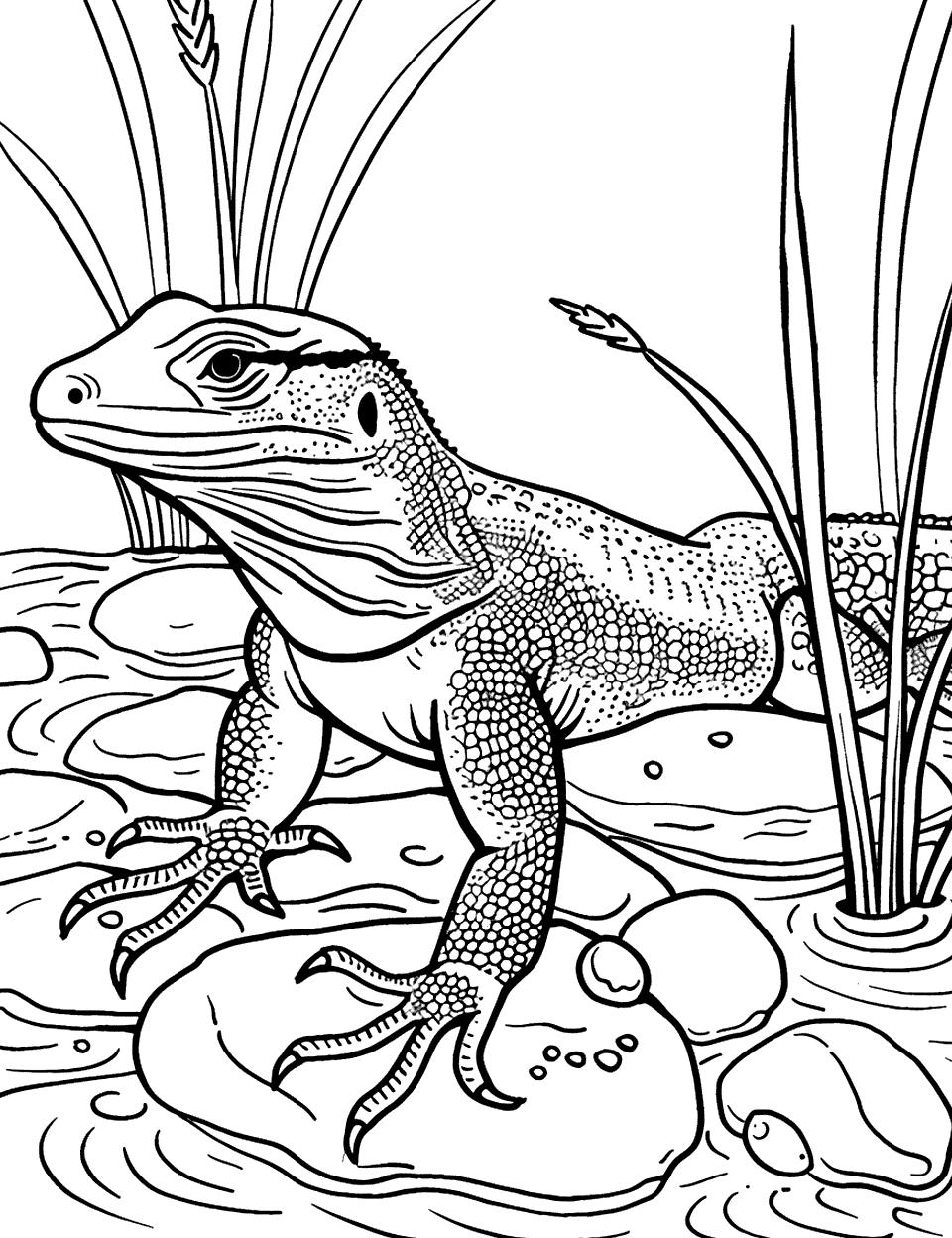
Monitor Lizard by the River
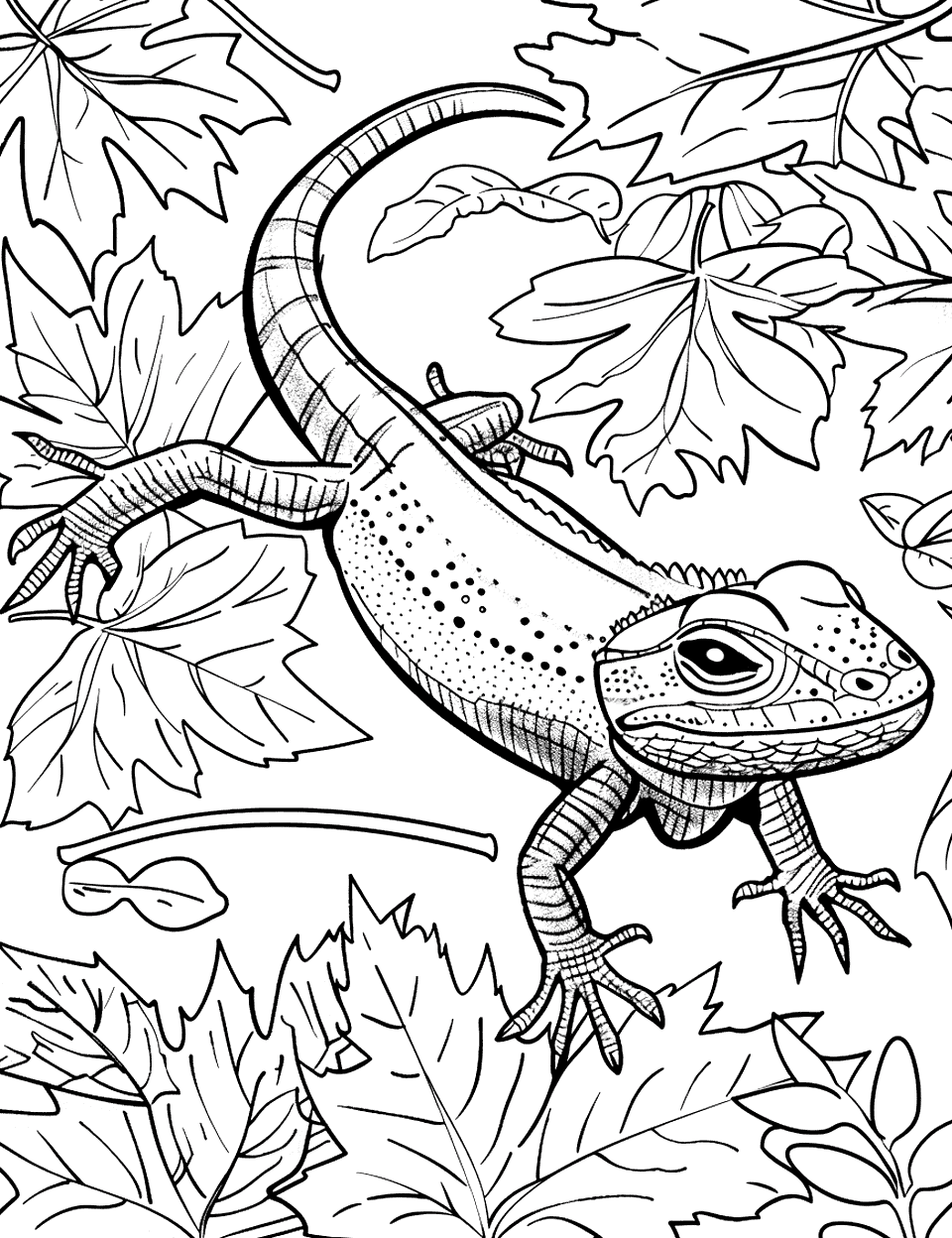
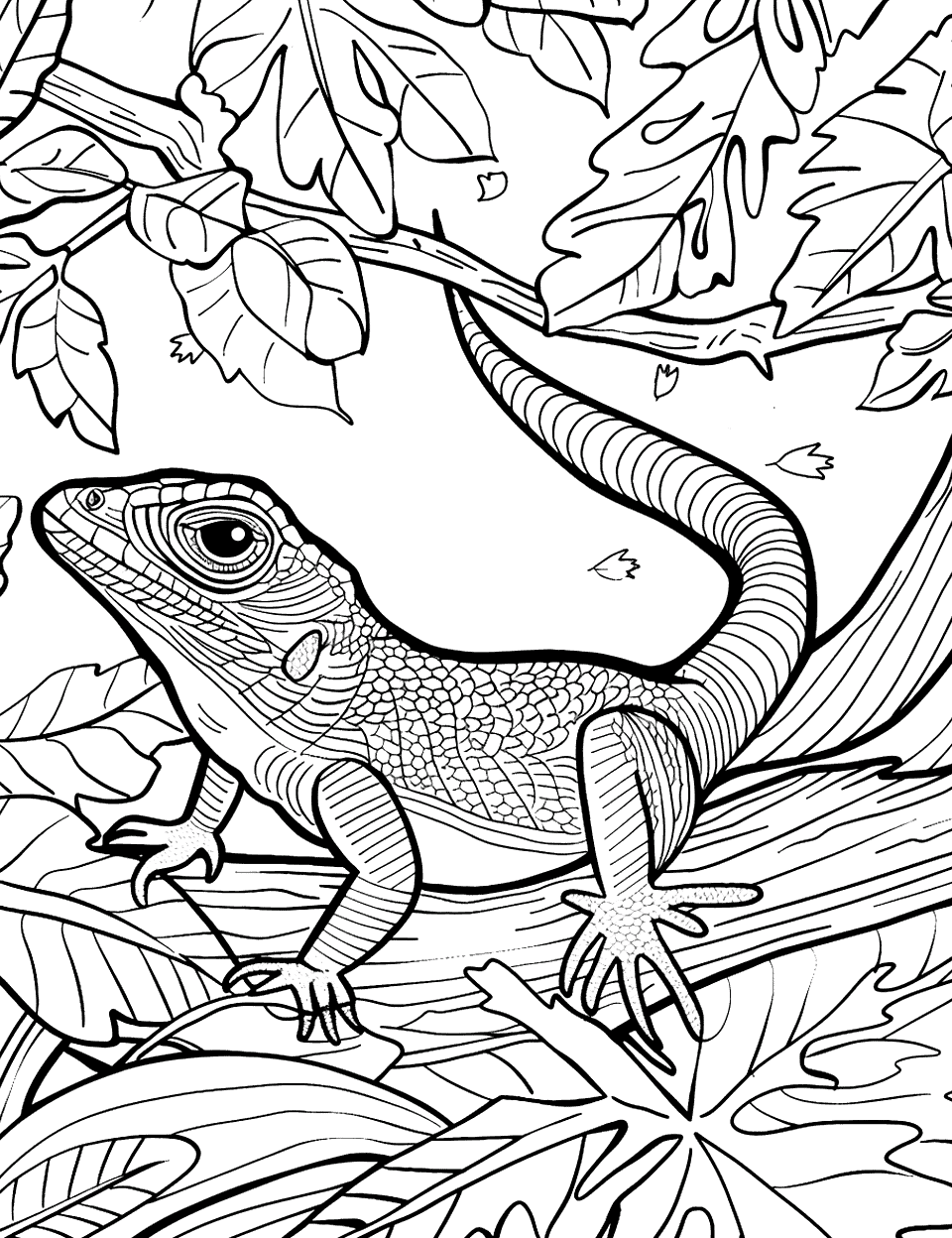
Alligator Lizard Among Leaves
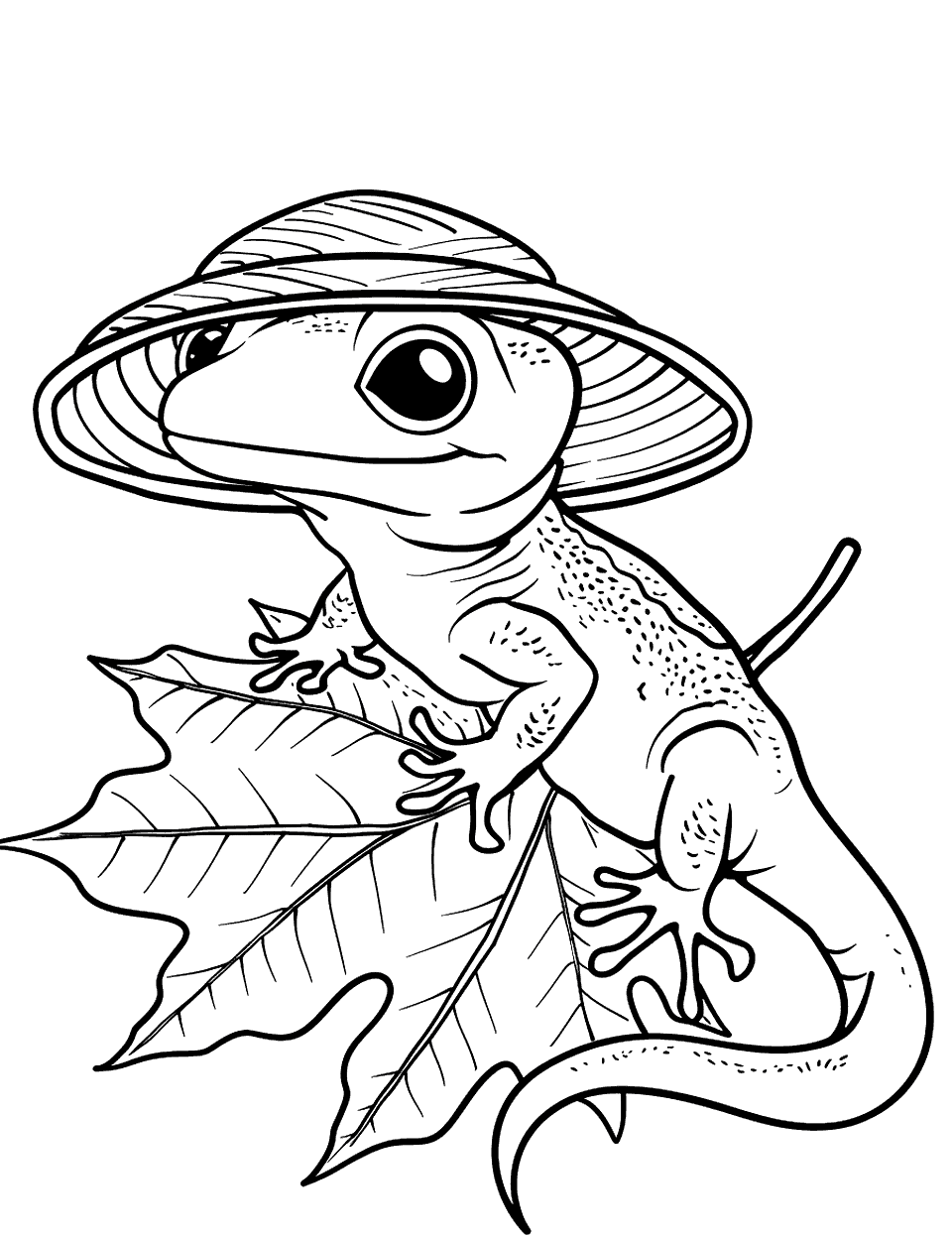
Gecko Wearing a Hat
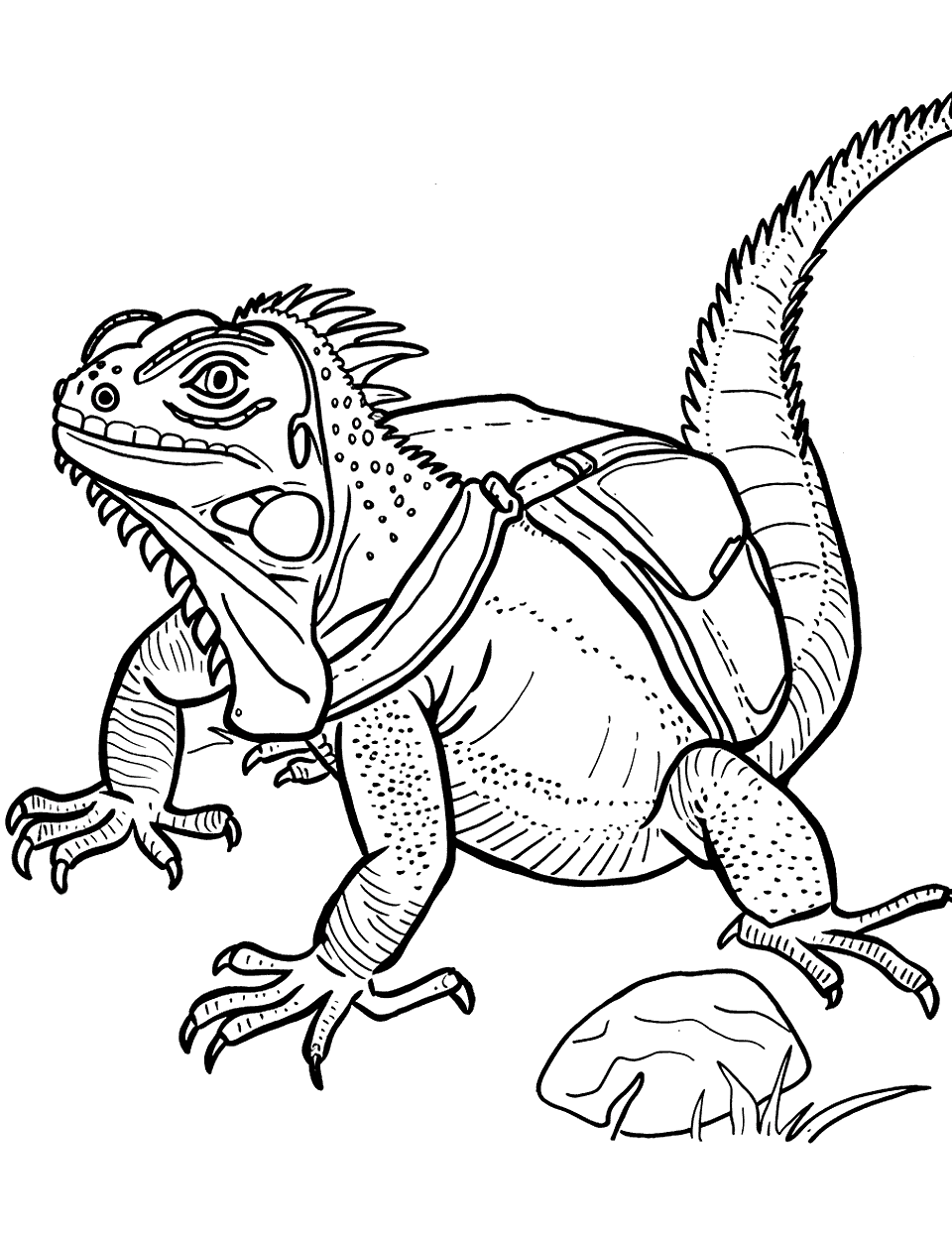
Traveling Iguana with a Backpack
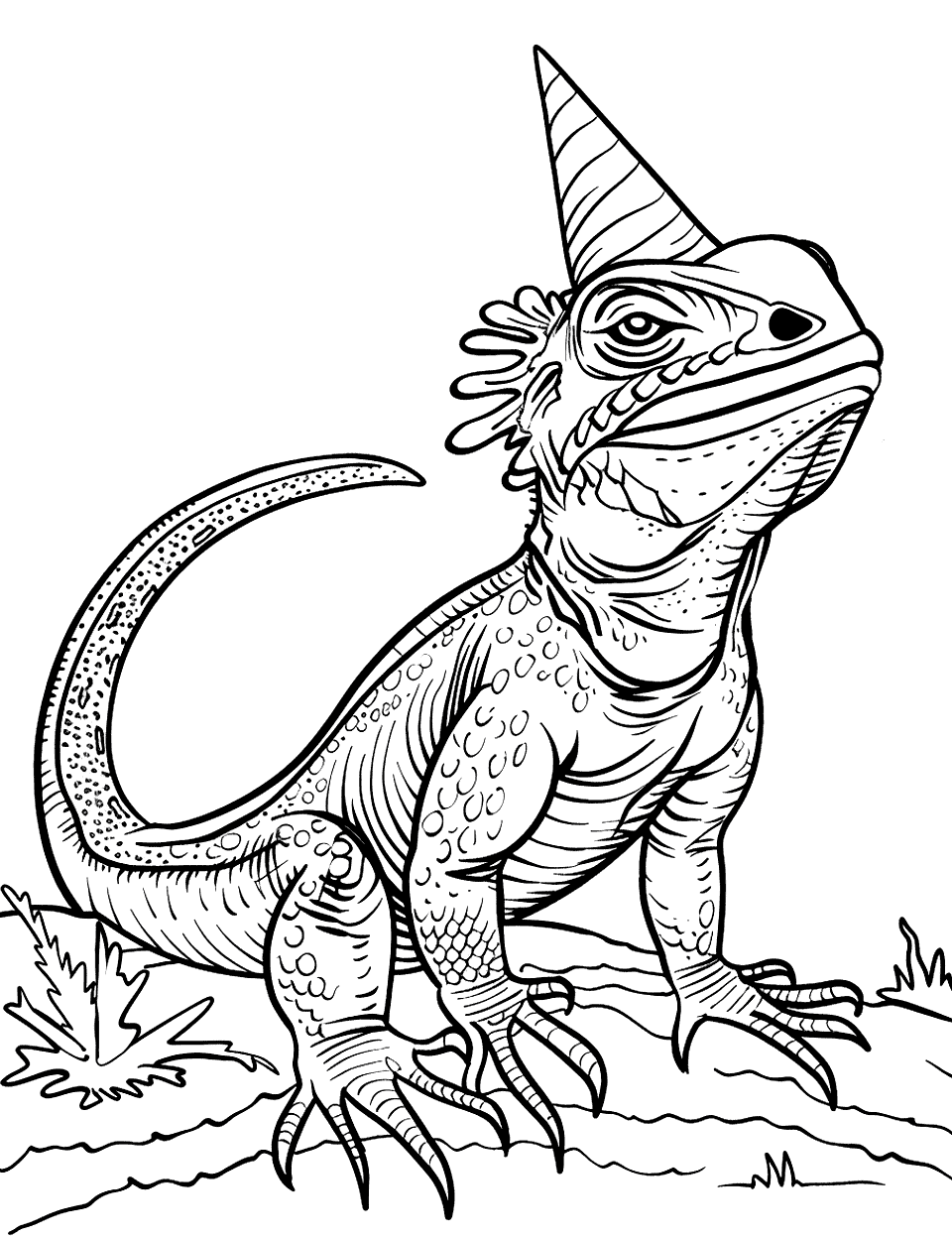
Frilled Lizard with a Party Hat
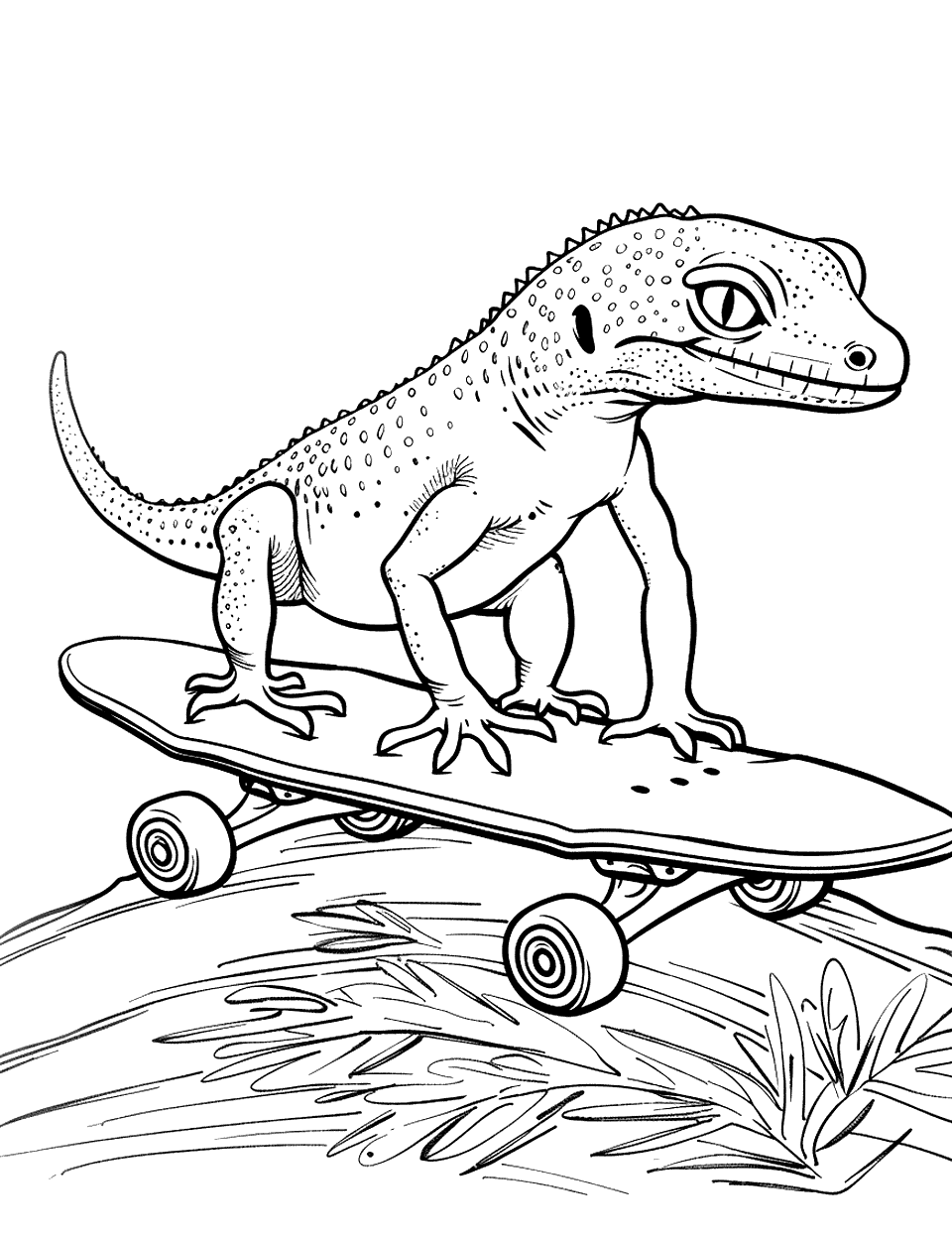
Leopard Gecko on a Skateboard
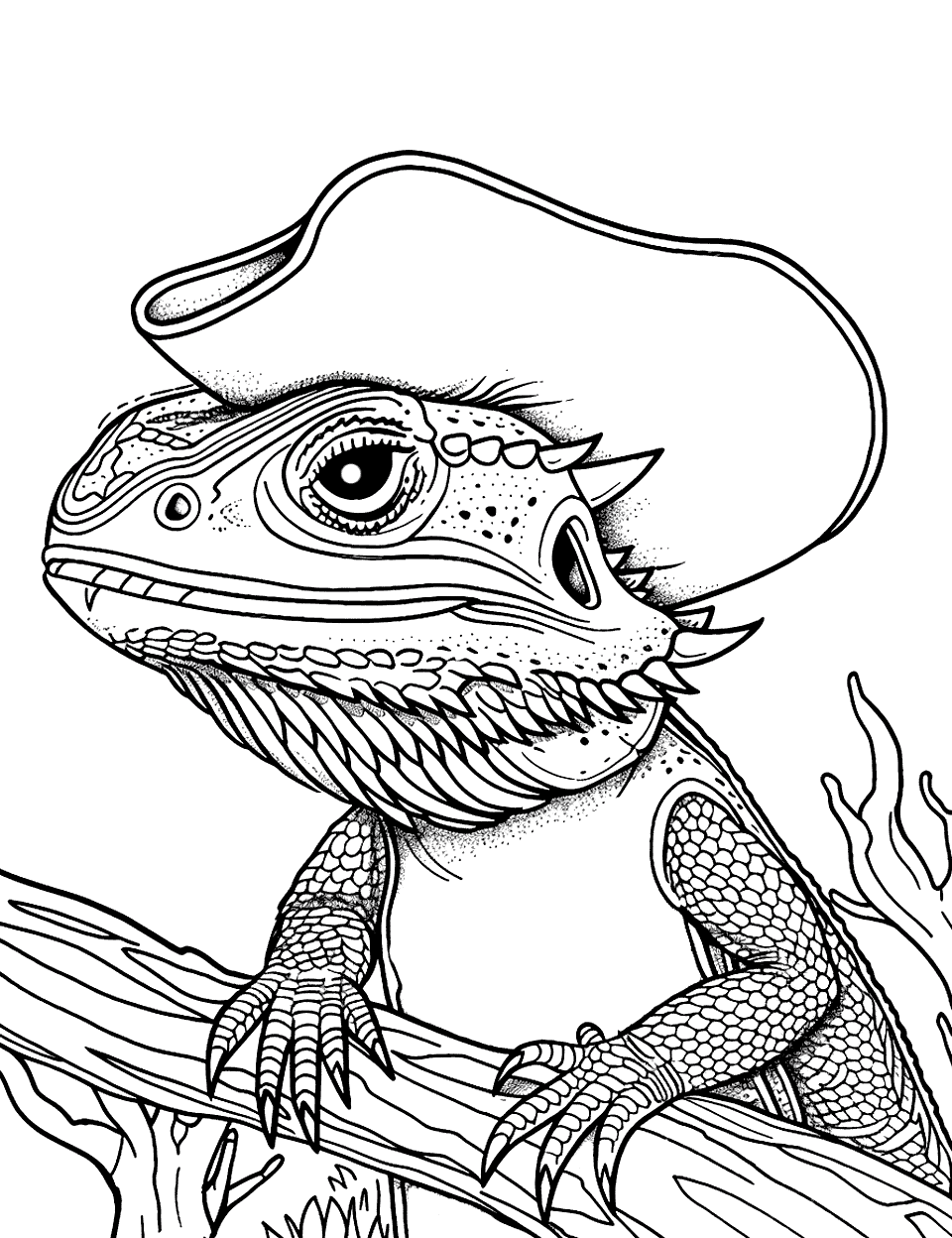
Bearded Dragon as a Pirate
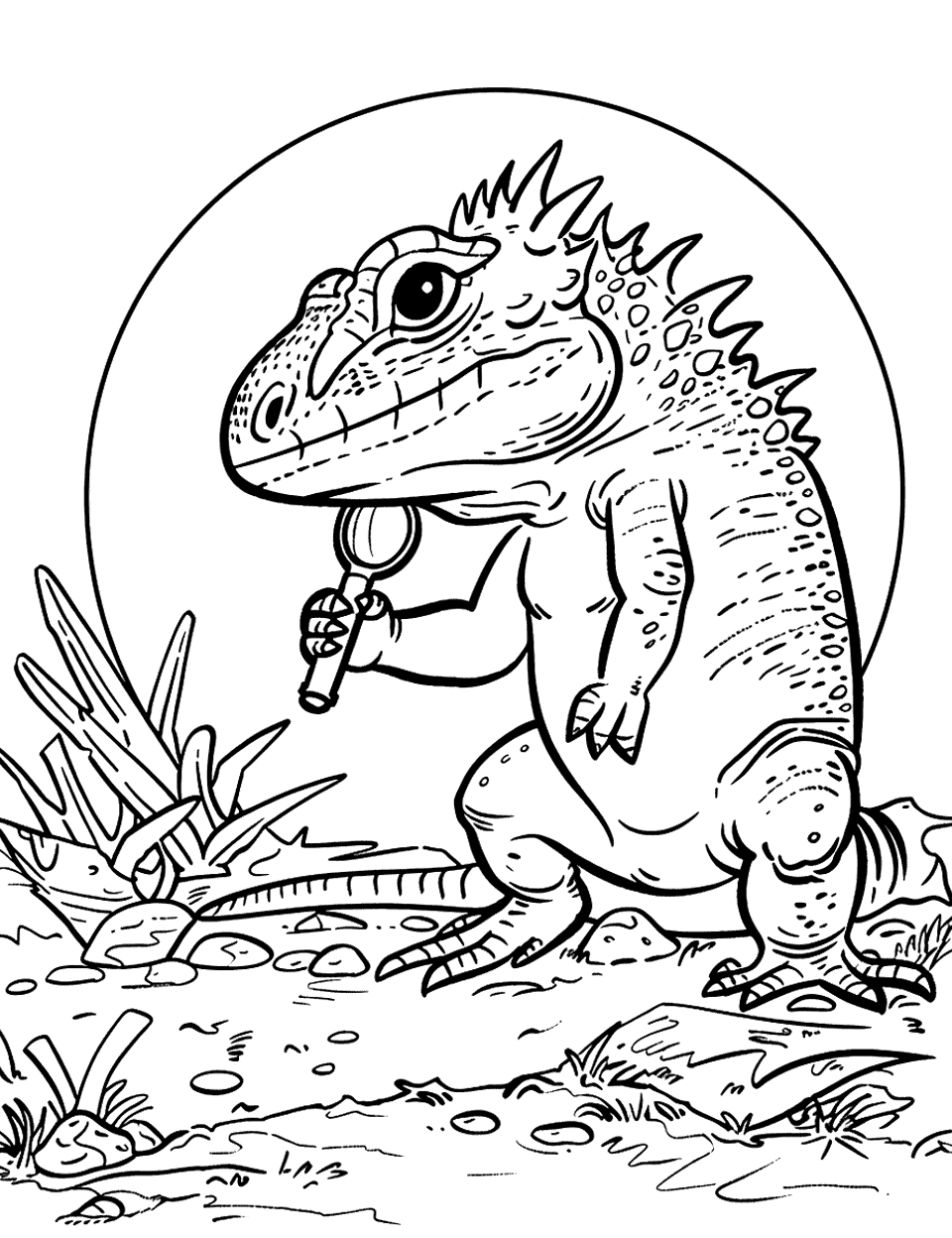
Horned Lizard with a Magnifying Glass
Anole During Autumn
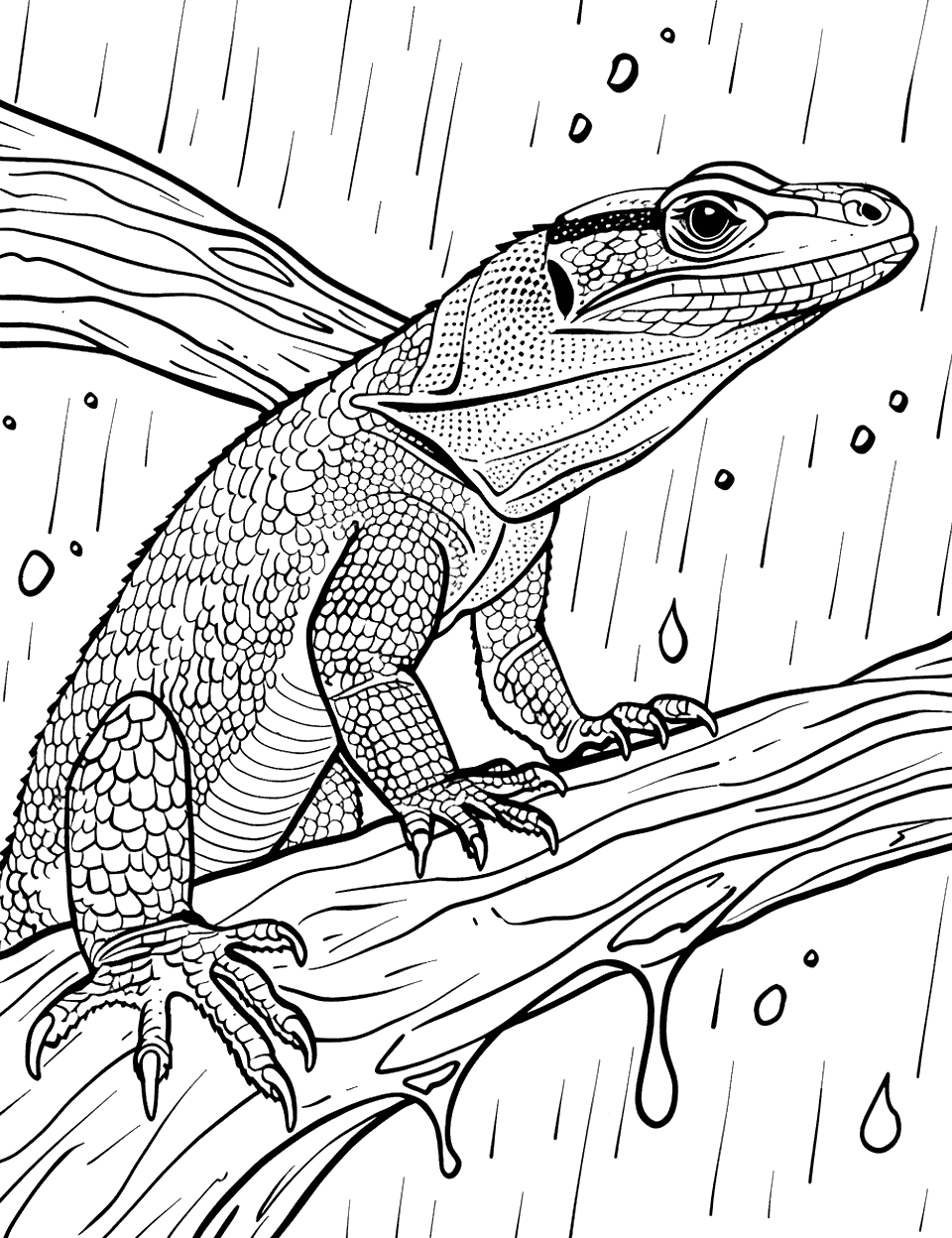
Monitor Lizard Enjoying Rain
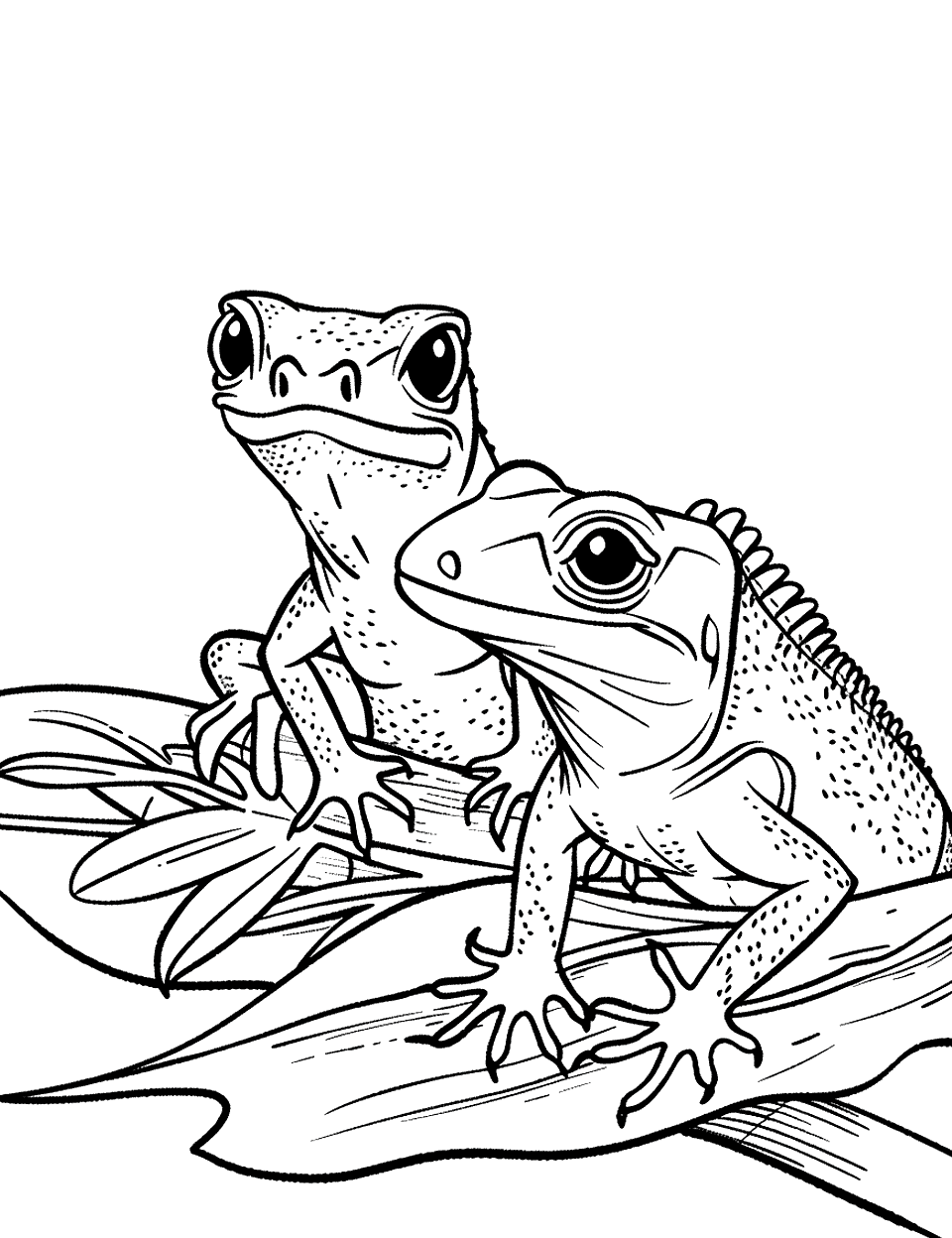
Gecko and Iguana Friends
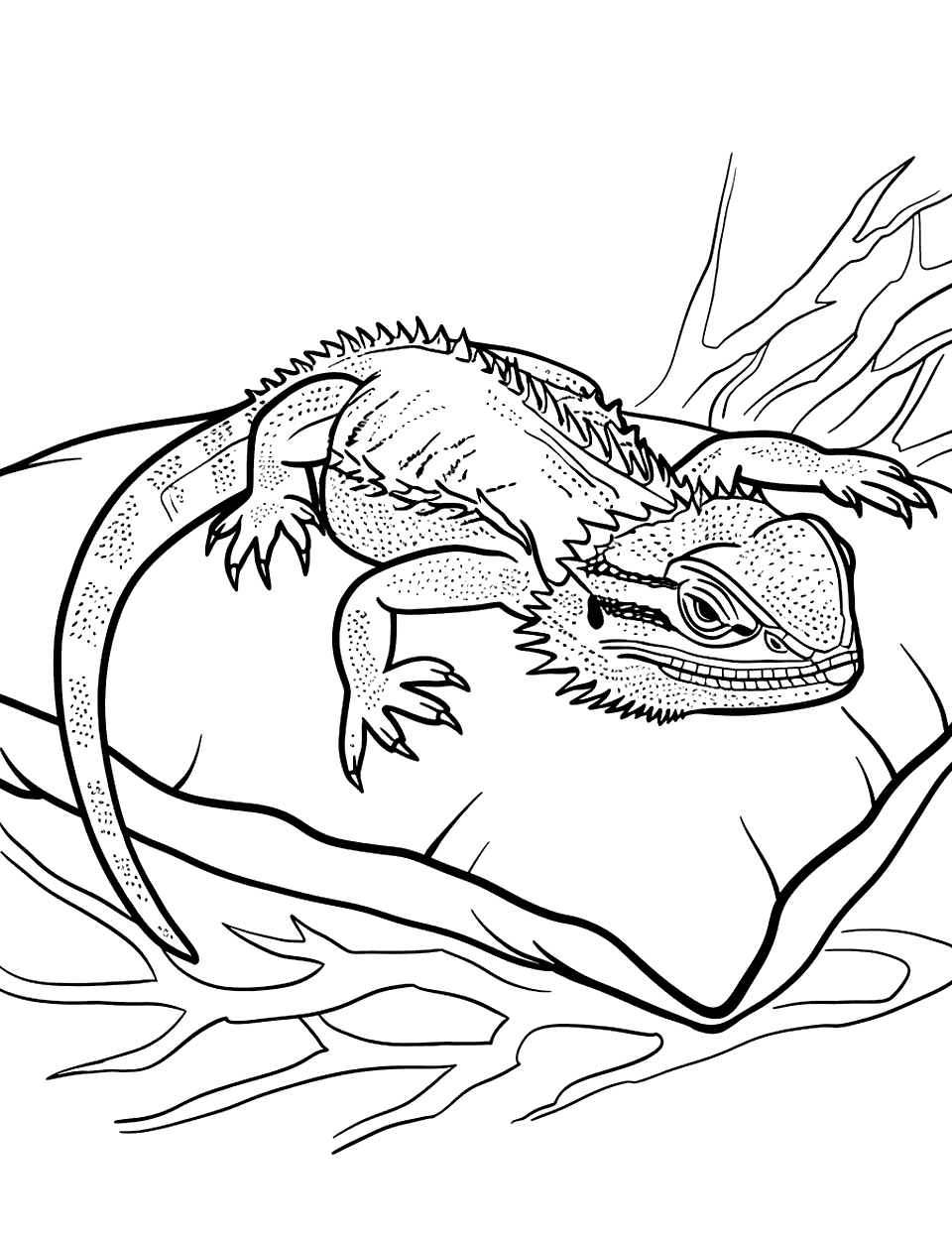
Sleepy Bearded Dragon on a Pillow
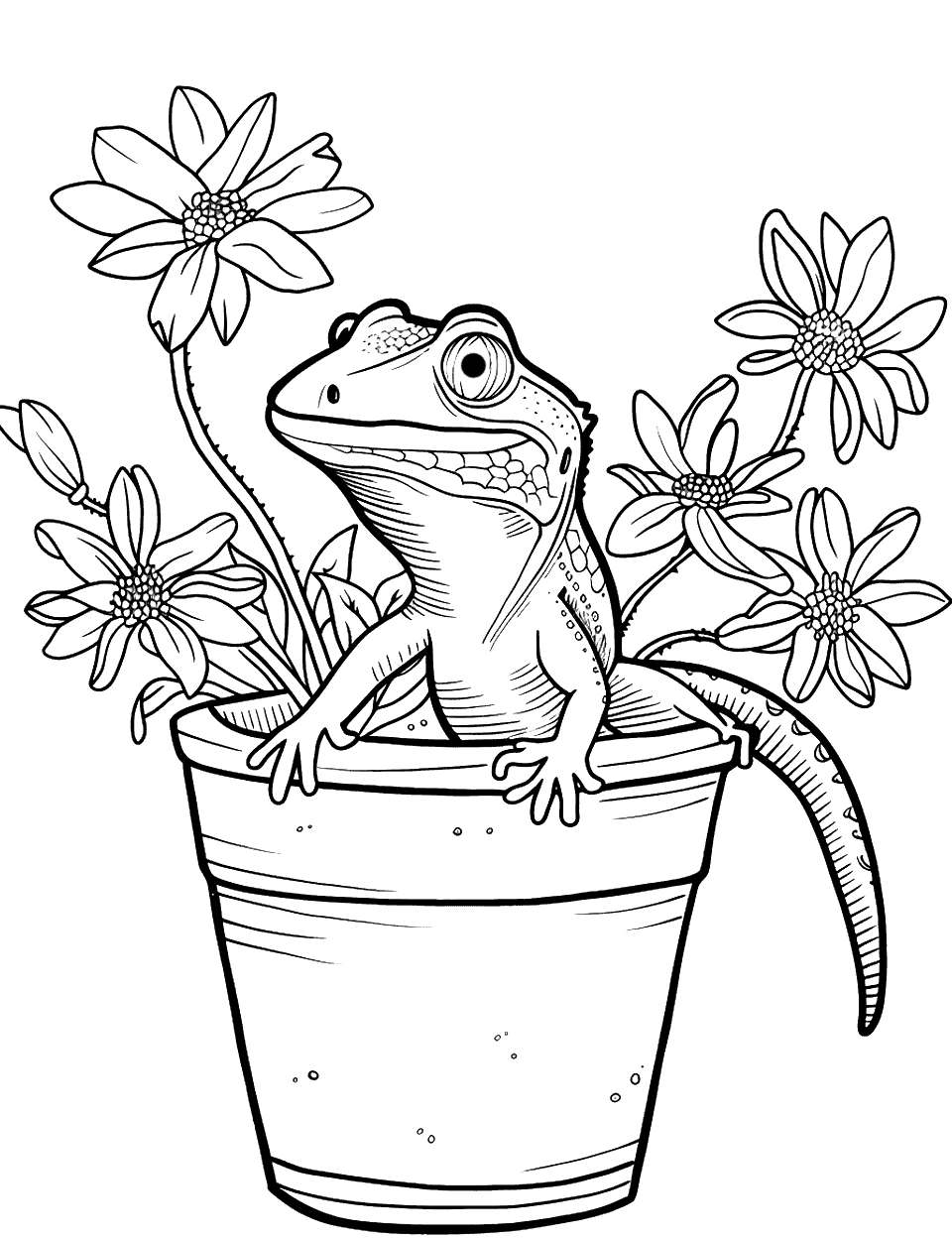
Gecko in a Flower Pot
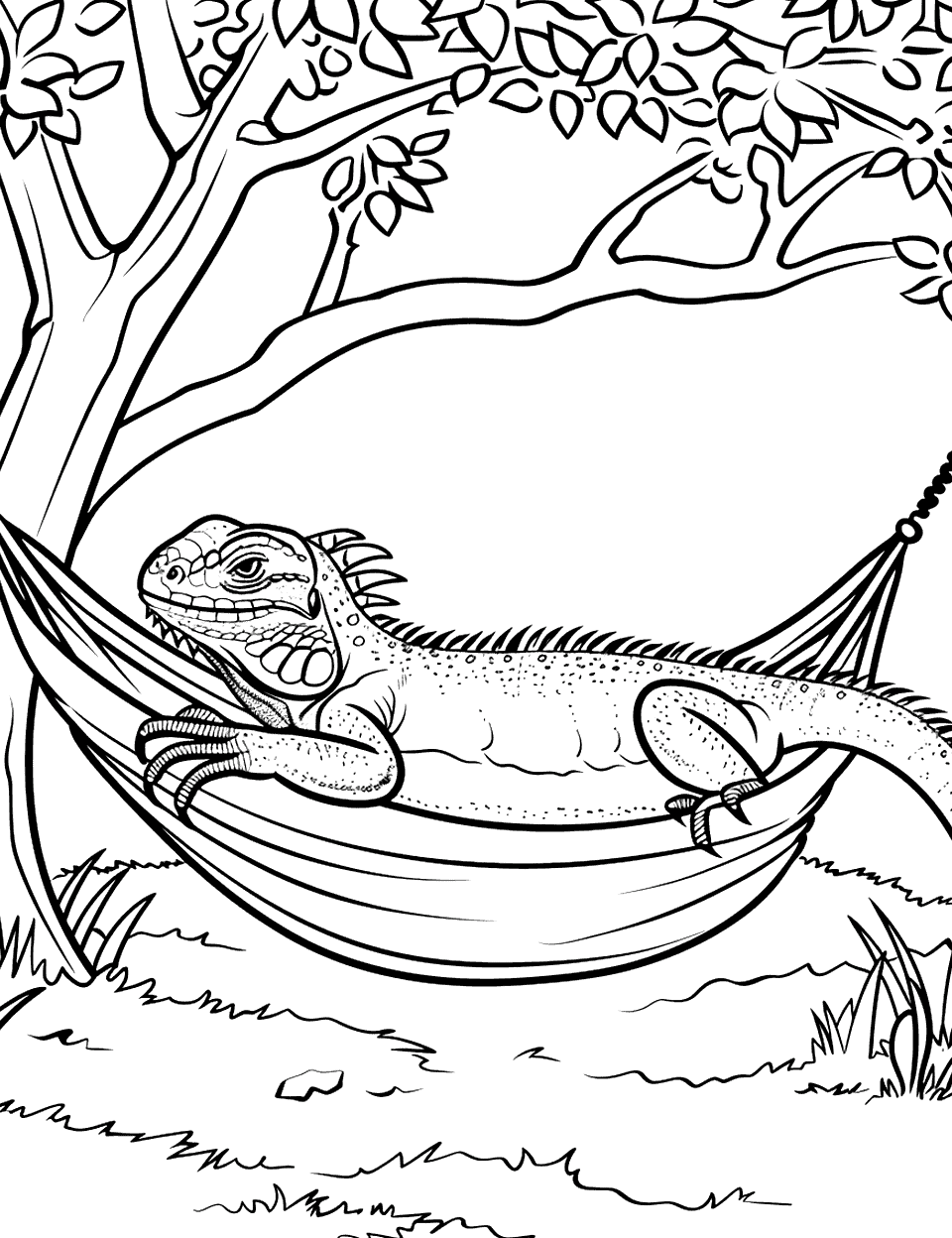
Iguana in a Hammock
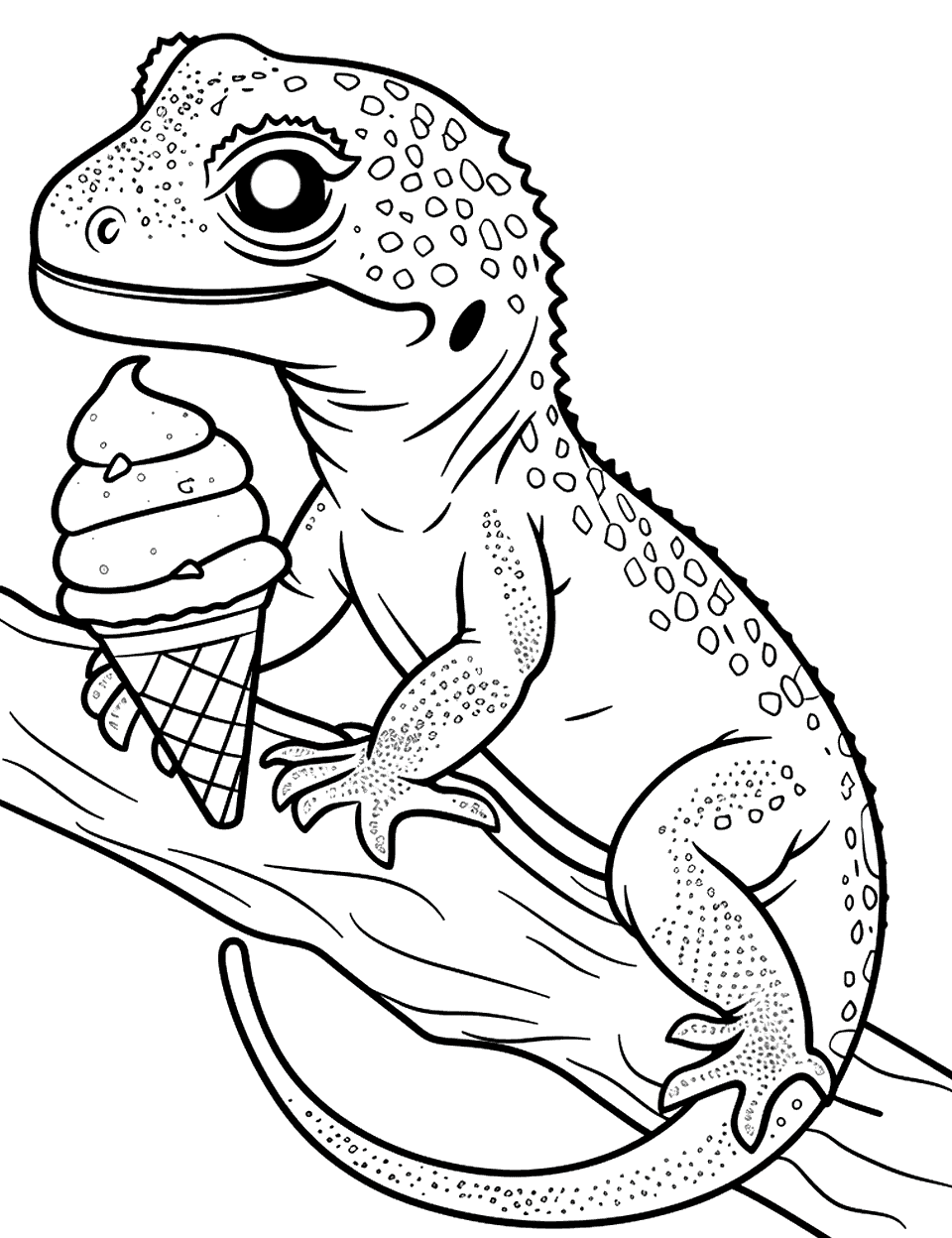
Leopard Gecko with Ice Cream
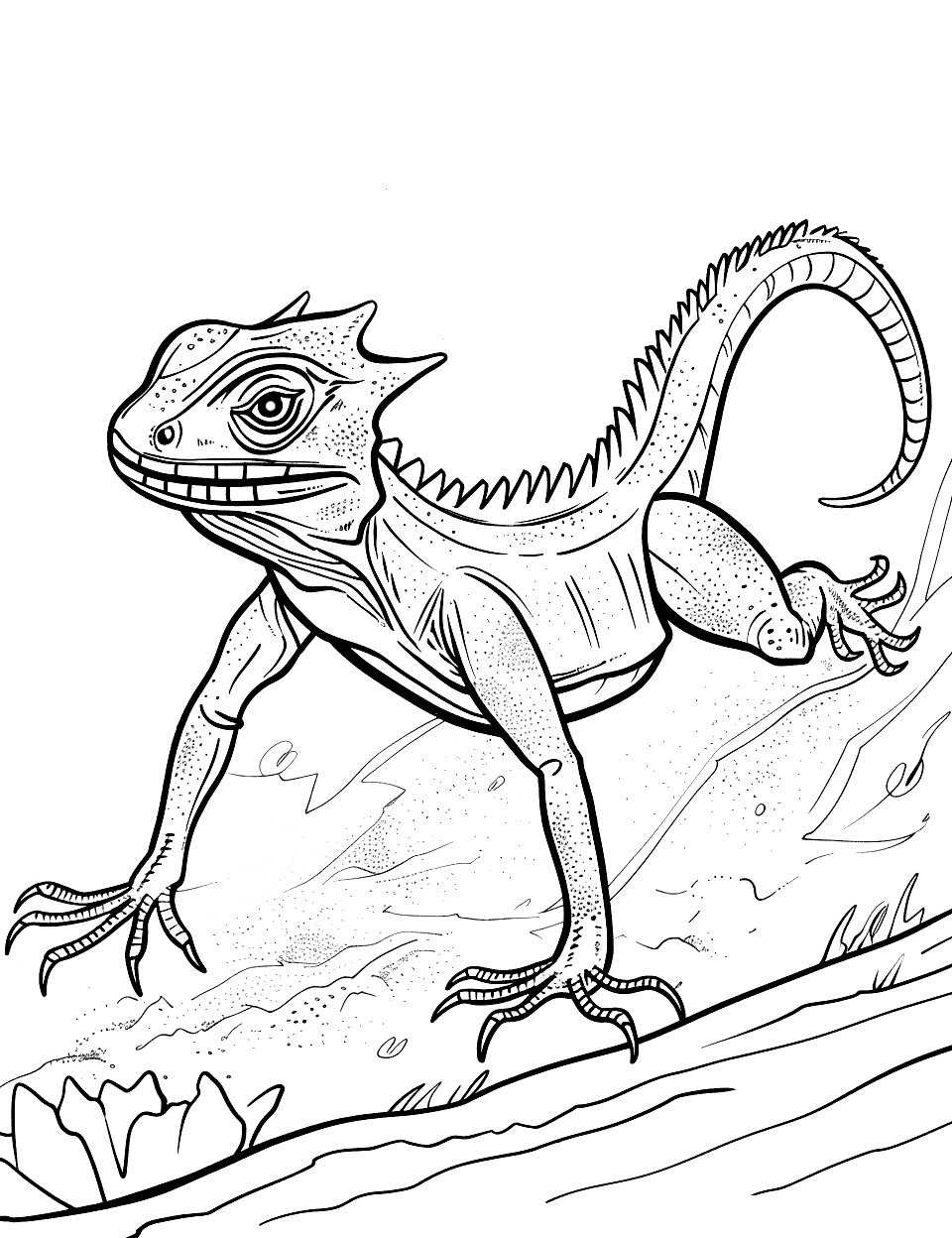
Frilled Lizard Running
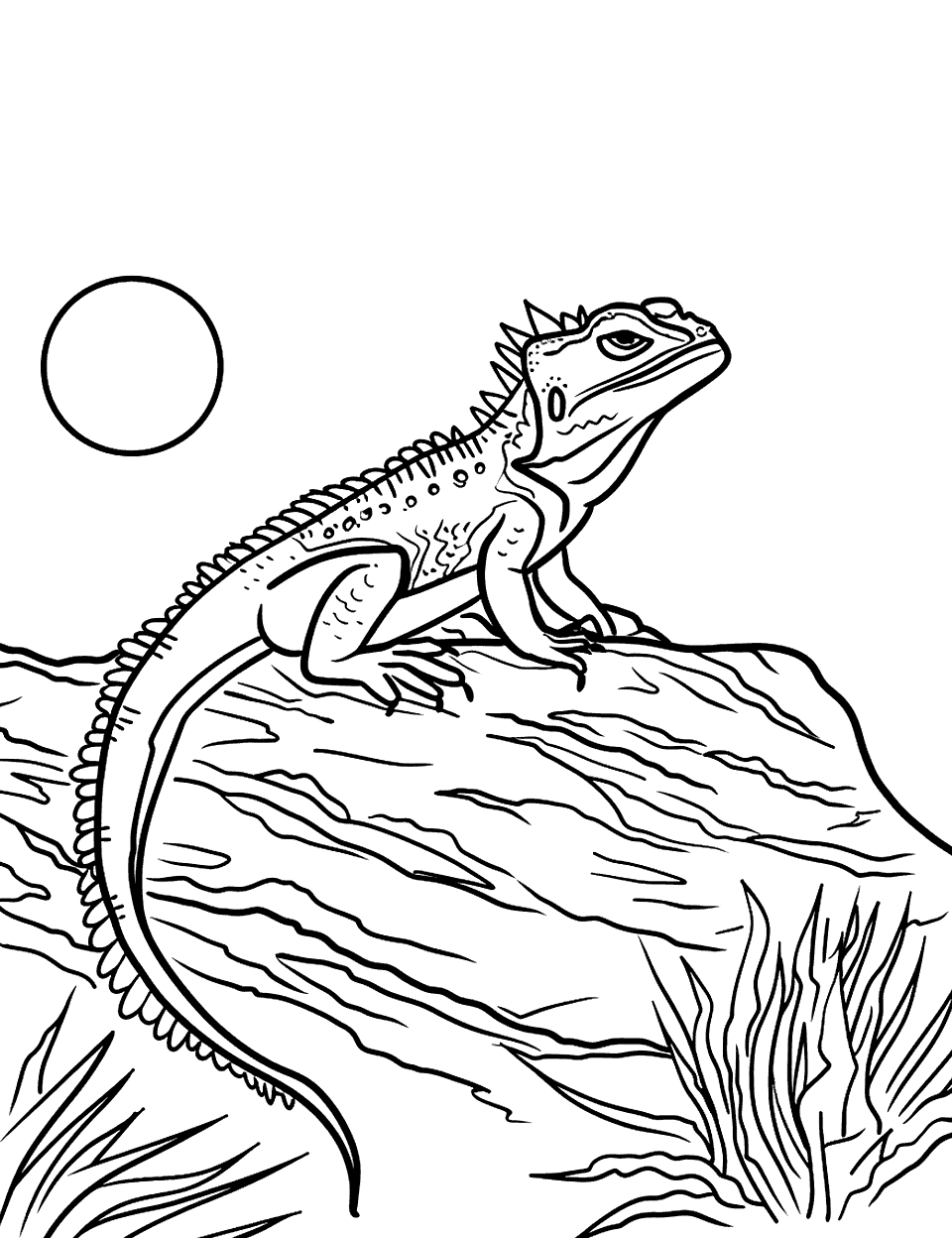
Horned Lizard Watching Sunrise
By using our free coloring pages, you acknowledge and agree to our full disclaimer. All materials are for personal, non-commercial use only and all rights belong to their respective license holders.
Activities to Do With Lizard Coloring Pages
Don’t let the fun stop once the coloring is done. You can use these reptile sheets for crafts, education, and imaginative play. Here are a few creative ideas to keep the kids entertained.
Create a Shoebox Habitat
Turn an old shoebox into a home for your colored lizards. Have your child paint the inside of the box to look like a desert, rainforest, or garden. Cut out the colored lizards and glue them onto cardstock so they stand up. Place them inside the box with real rocks, twigs, and sand to create a 3D diorama.
Lizard Texture Rubbings
Lizards are known for their bumpy scales. Before coloring, place a textured item (like a coin, a leaf, or sandpaper) underneath the coloring page. Have your child rub a crayon over the lizard’s body to create a cool, scaly texture on the paper.
Reptile Fact Cards
This is a great activity for school projects. Cut out the finished lizards and paste them onto index cards. On the back of each card, have your child write three interesting facts about that specific type of lizard. They can trade cards with friends or quiz family members.
Popsicle Stick Puppets
After coloring, carefully cut out the lizards. Tape a popsicle stick or a craft stick to the back of each one. Kids can use these puppets to put on a show, act out a story about the jungle, or chase each other around the yard.
The Camouflage Challenge
Lizards are masters of hide-and-seek. Color the lizards to match specific rooms in your house (e.g., blue for the bathroom, brown for the bookshelf). Cut them out and hide them in their matching environments. Challenge siblings or parents to find all the camouflaged critters.
Lizard Matching Game
Print two copies of each coloring page. Color the matching pairs exactly the same. Cut them into square cards and flip them face down. Turn this into a memory game where kids have to find the matching reptile pairs.
FAQs

What Colors Are Lizards?
Most lizards are green, brown, or gray to help them blend into their surroundings. However, some are very colorful! Chameleons can change colors, and geckos can be bright orange, yellow, or blue. Let your imagination run wild when coloring.
Why Do Lizards Sunbathe?
Lizards are cold-blooded, which means they cannot generate their own body heat. They lie on rocks in the sun to warm up their bodies so they have enough energy to move and hunt.
Are Lizards Dangerous?
Most small lizards, like the ones in these coloring pages (geckos and anoles), are harmless to humans. However, some large lizards like the Komodo dragon or the Gila monster can be dangerous. It is always best to observe wild animals from a distance.
What Do Lizards Eat?
It depends on the species. Many small lizards eat insects like crickets, flies, and worms. Larger lizards, like iguanas, are herbivores and eat plants, flowers, and fruits.
Do All Lizards Lay Eggs?
Most lizards lay eggs, but not all of them. Some species give birth to live young. For example, the Solomon Islands skink gives birth to live babies rather than laying eggs in a nest.
Why Do Lizards Stick Their Tongues Out?
Lizards stick out their tongues to smell their environment. Just like a snake, they use their tongue to pick up scent particles from the air to find food or detect predators.