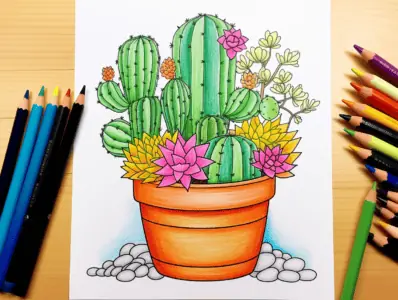
Bring the beauty of the desert into your home with these free cactus coloring pages. Whether you need cute succulents for preschoolers or intricate Saguaro landscapes for adults, we have a prickly plant for everyone. Grab your green crayons and get ready to create your own oasis.
Cute Cactus Garden
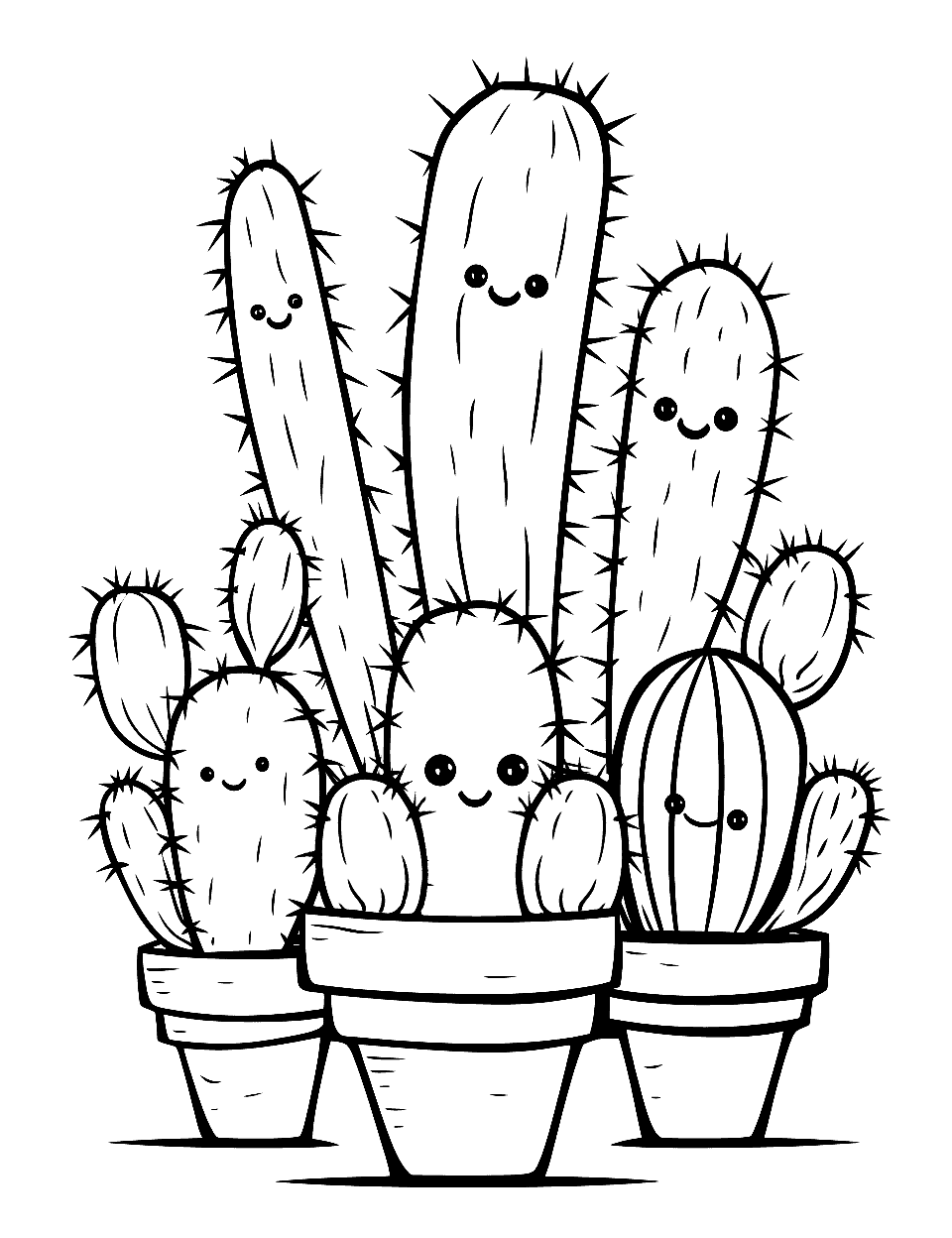
Simple Saguaro Silhouette
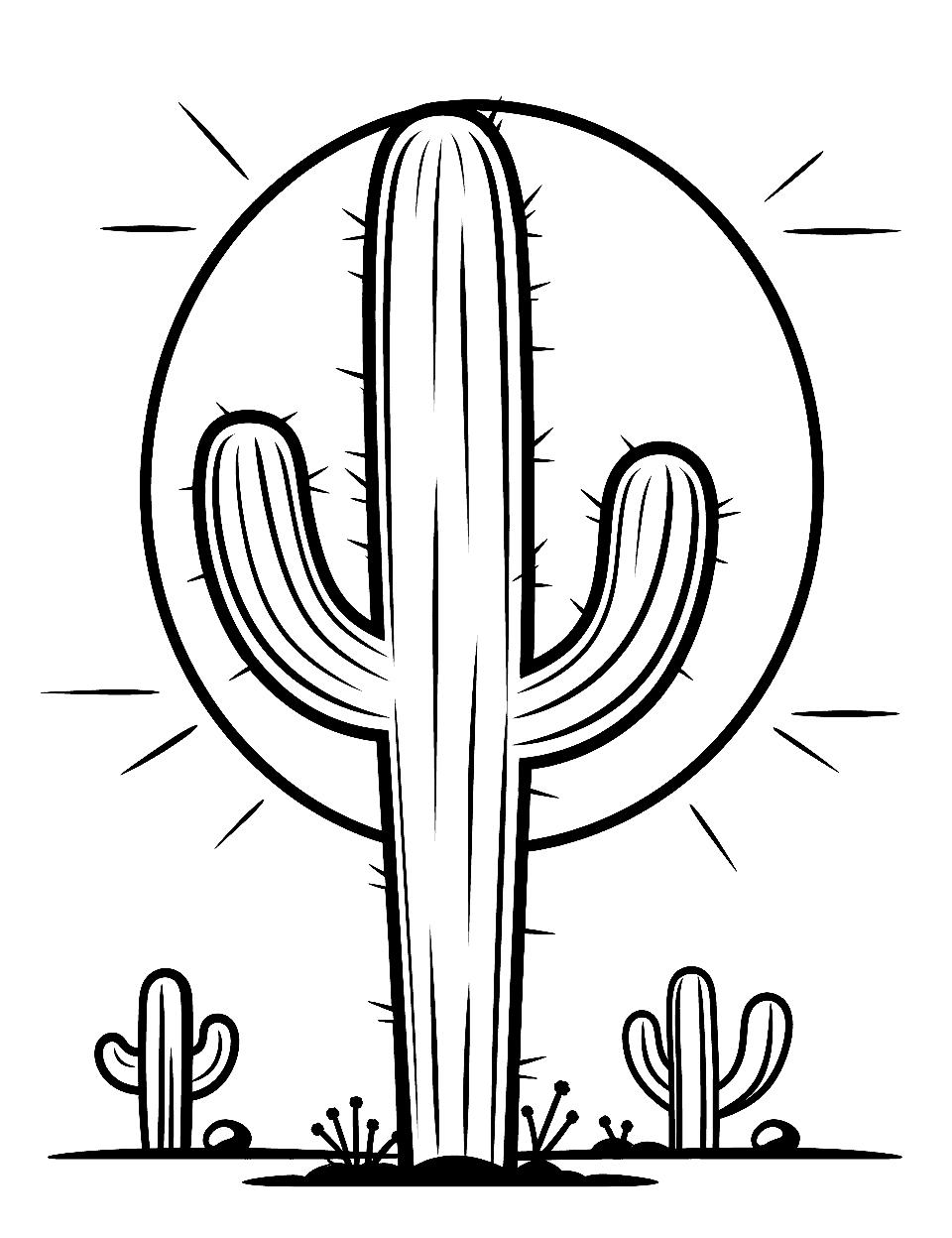
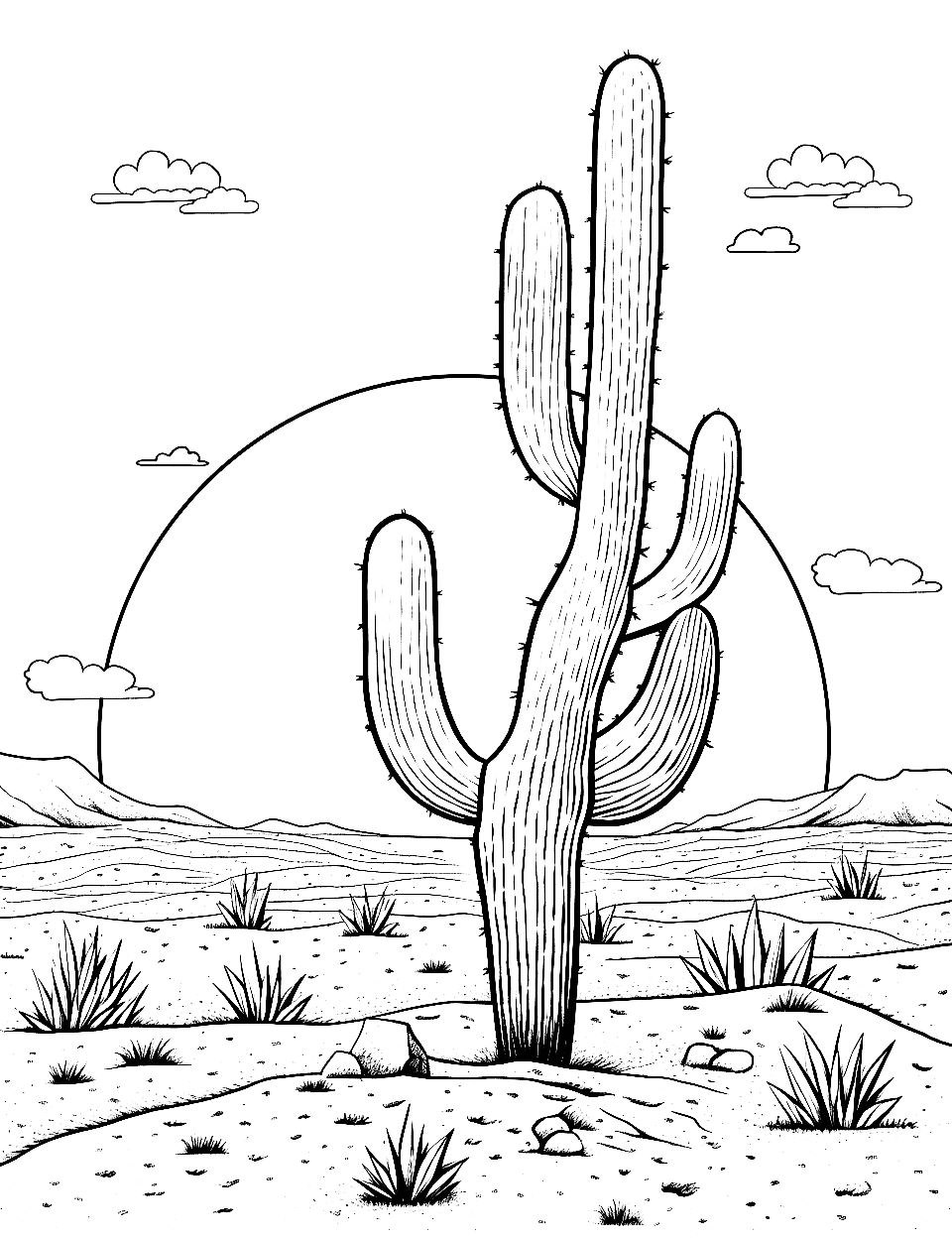
Aesthetic Desert Sunset
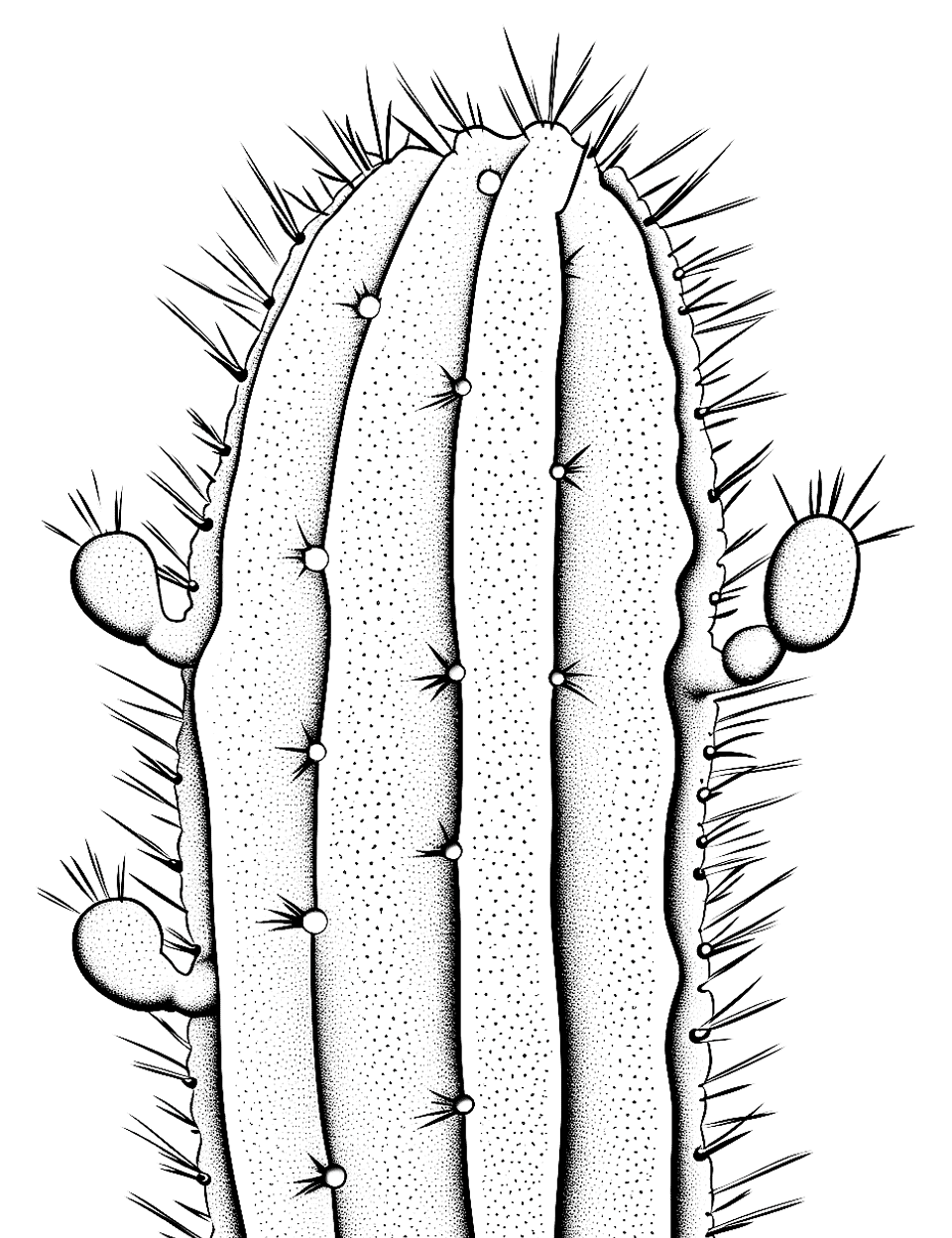
Realistic Cactus Close-Up
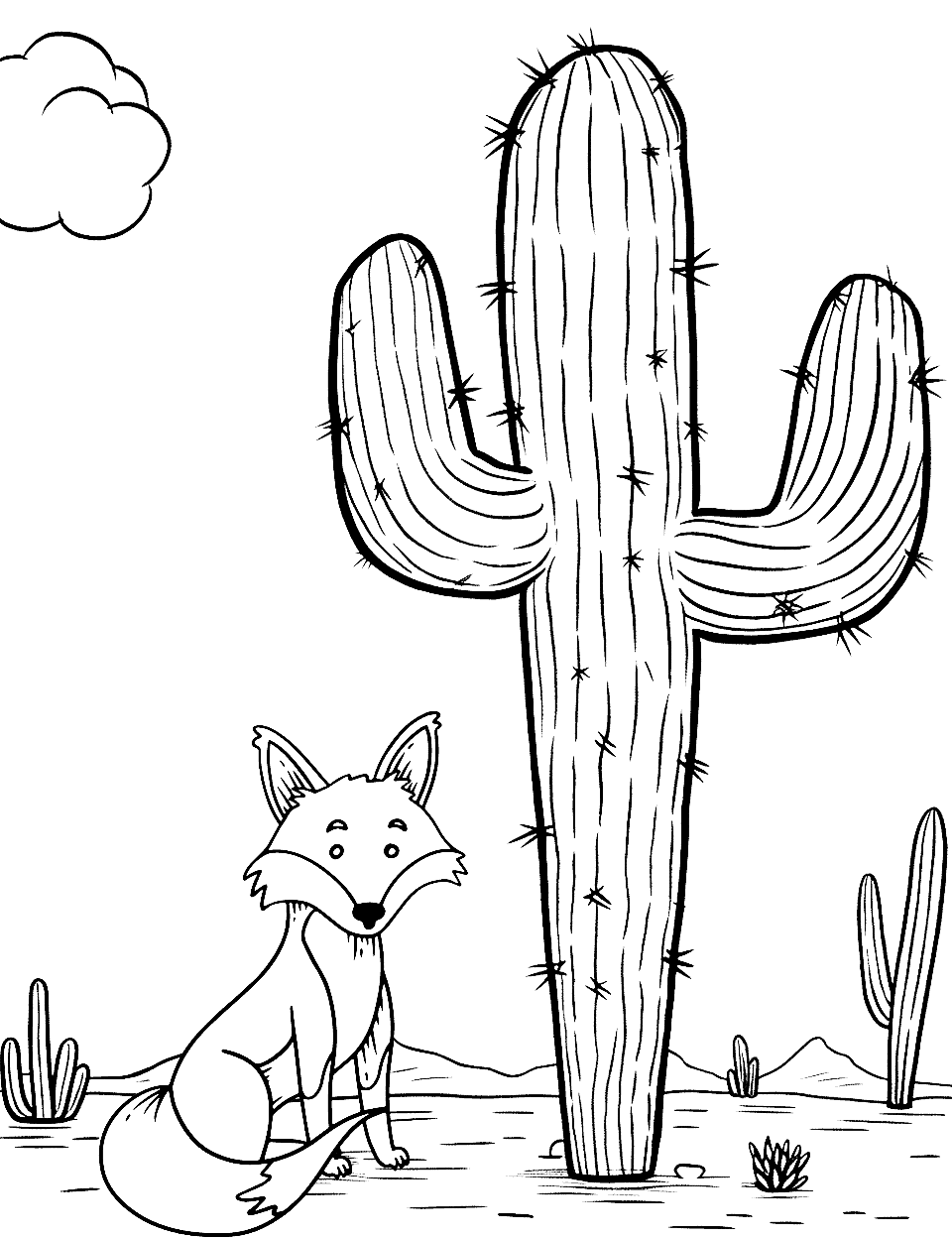
Desert Animal and Cactus
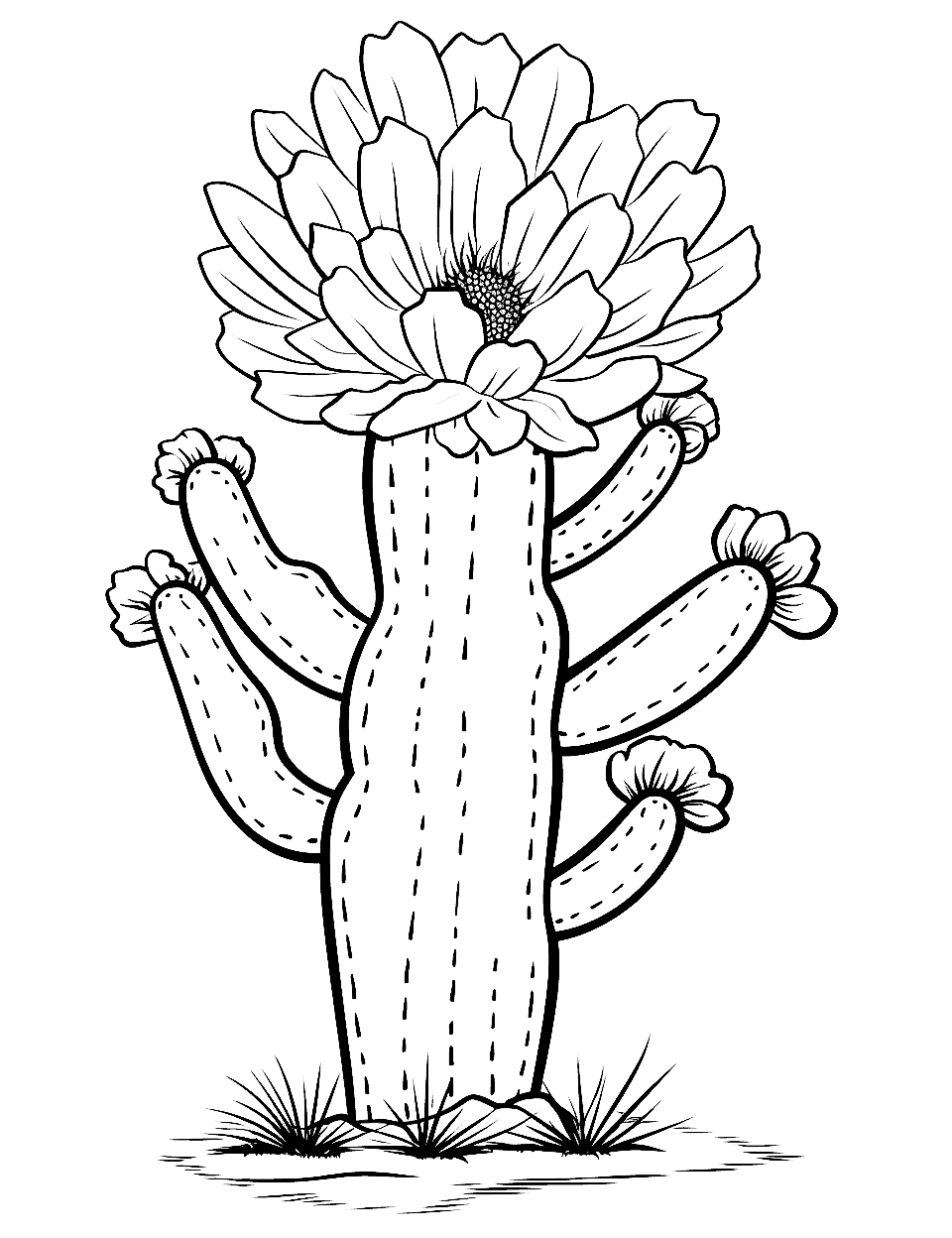
Cactus Flower Bloom
Easy Cactus Outline
Cactus with Intricate Details
Sonoran Desert Landscape
Small Cactus Collection
Pretty Cactus in a Pot
Cactus with Desert Decorations
Cactus Family
Cactus in a Rain Shower
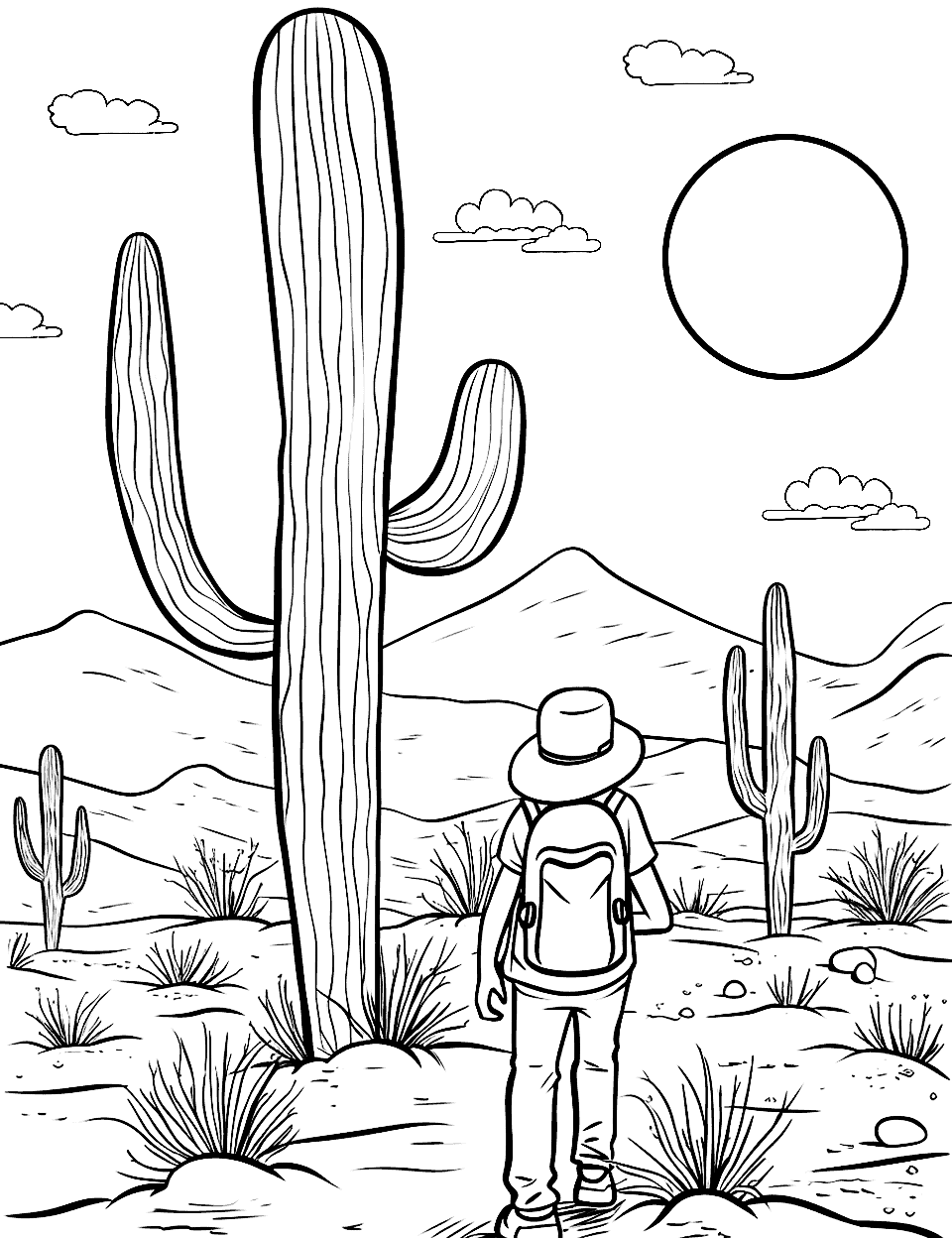
Cactus Adventure Scene
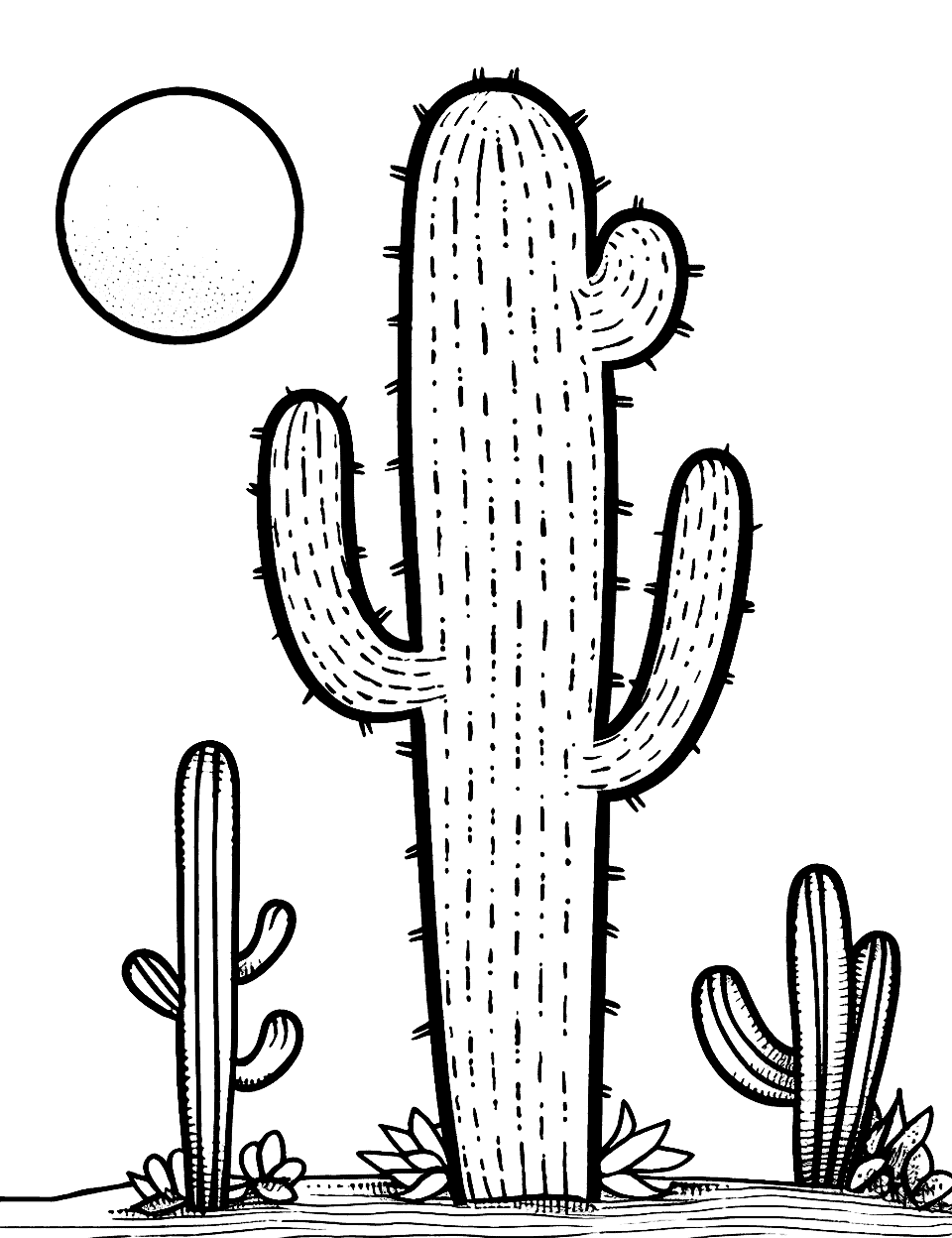
Cactus and Moonlit Night
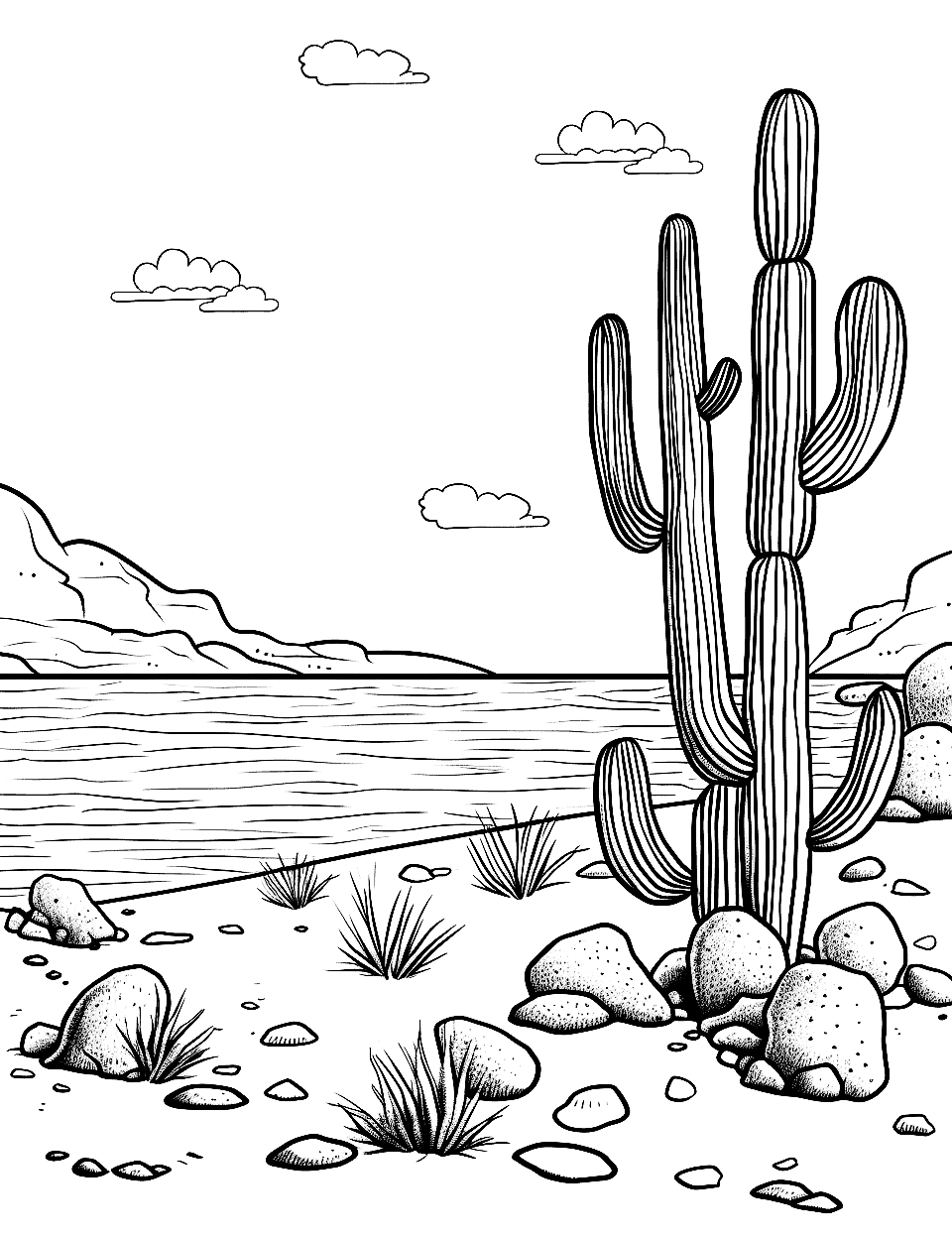
Ocean Meets Desert
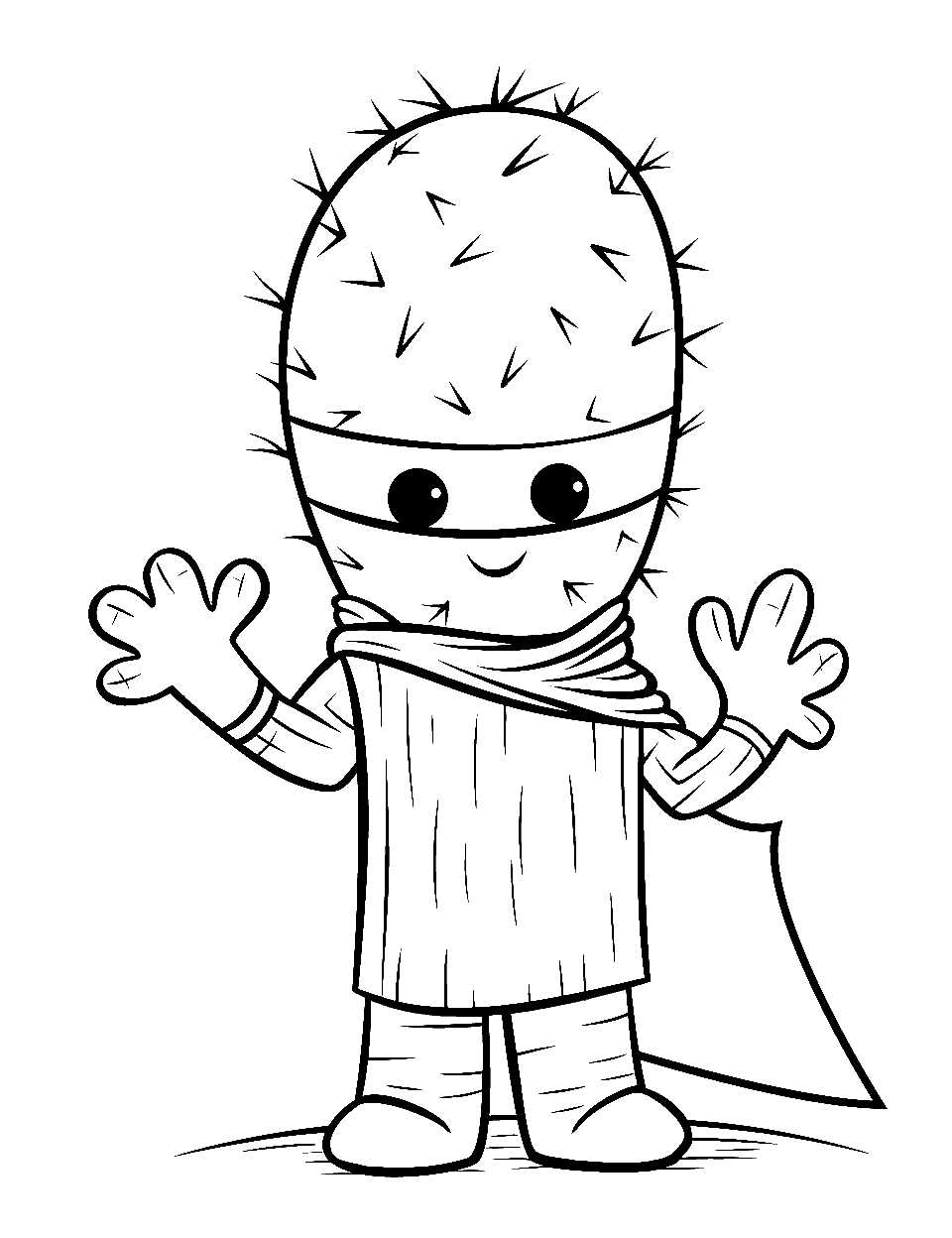
Cactus as a Superhero
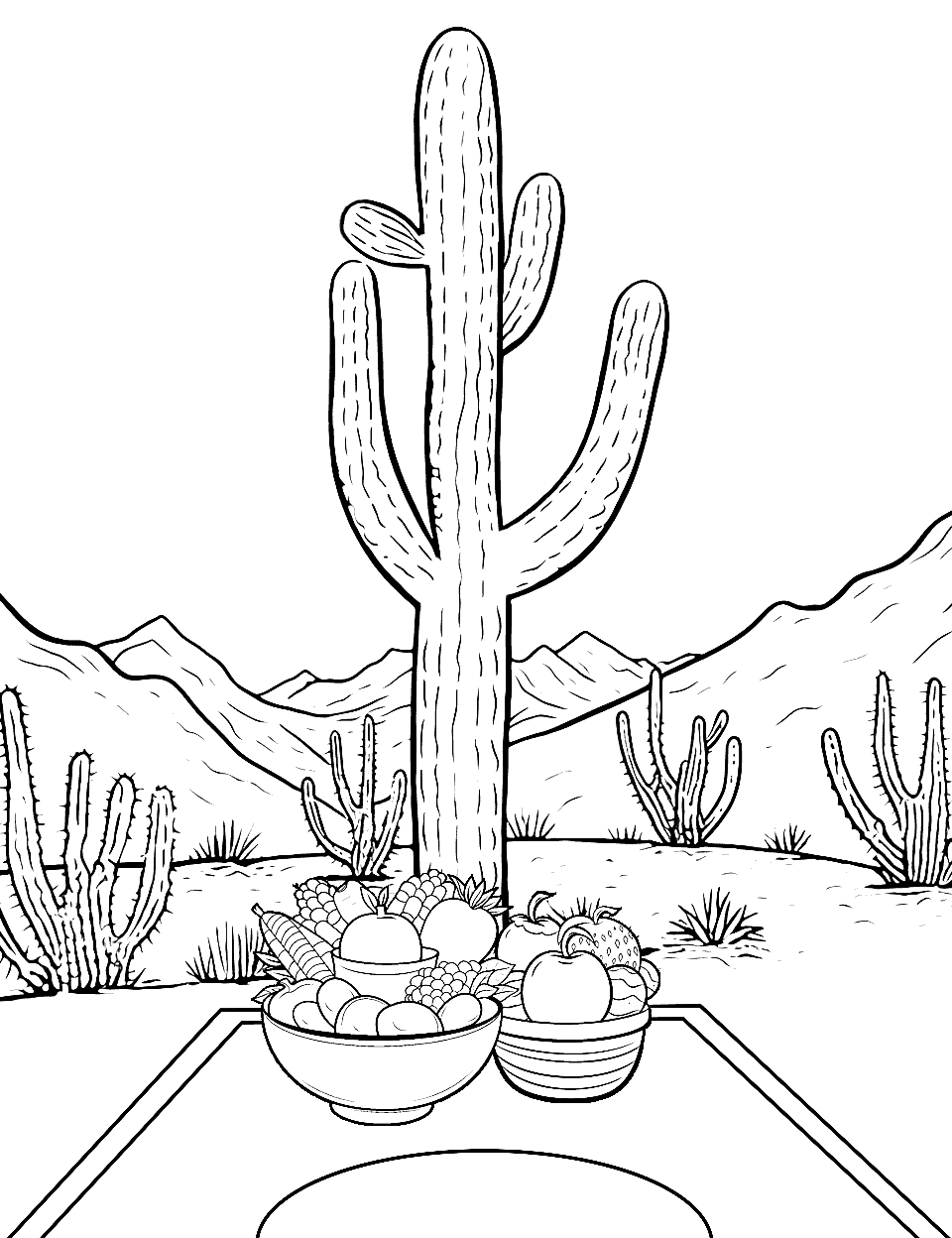
Picnic in the Desert
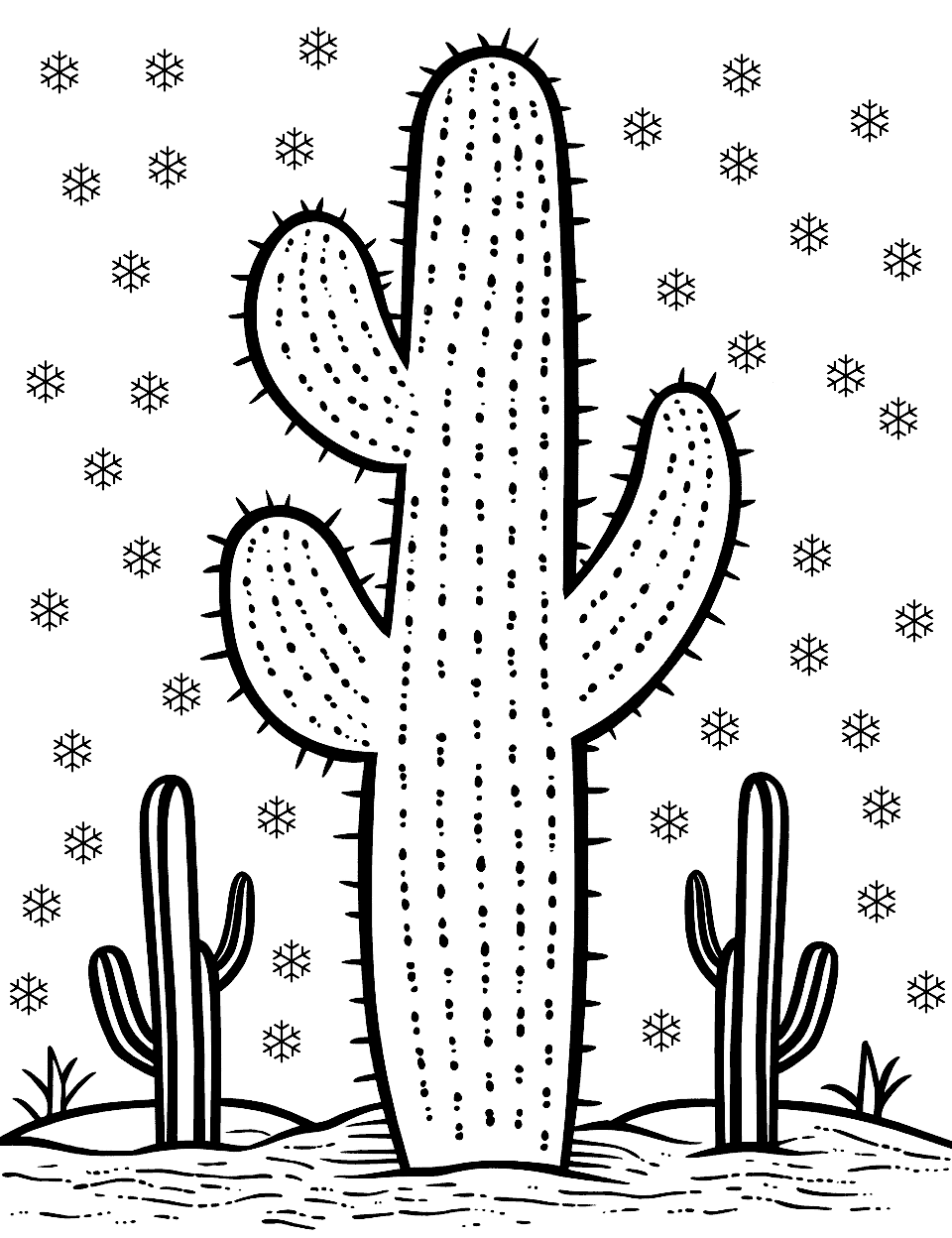
Cactus in a Winter Scene
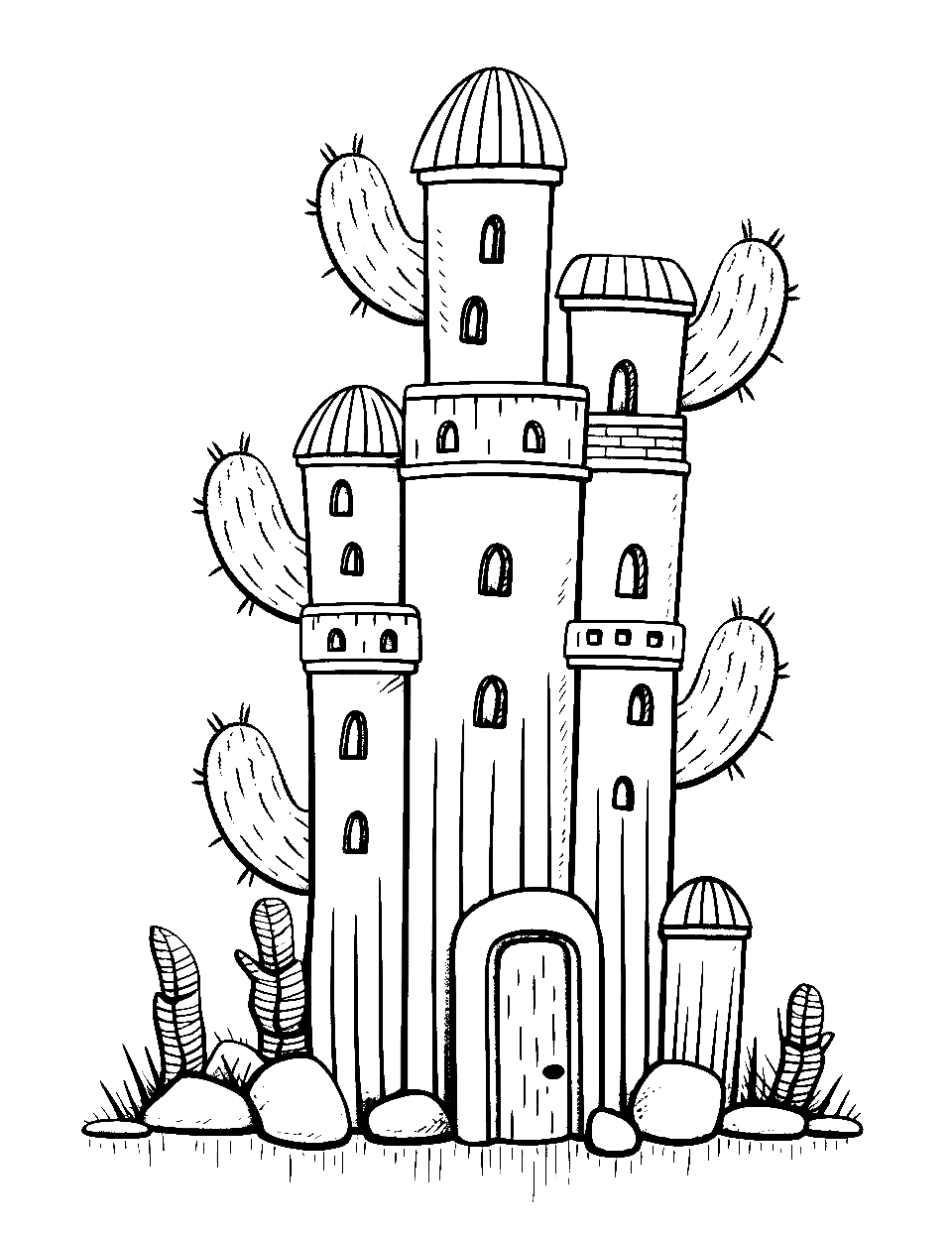
Cactus as a Castle
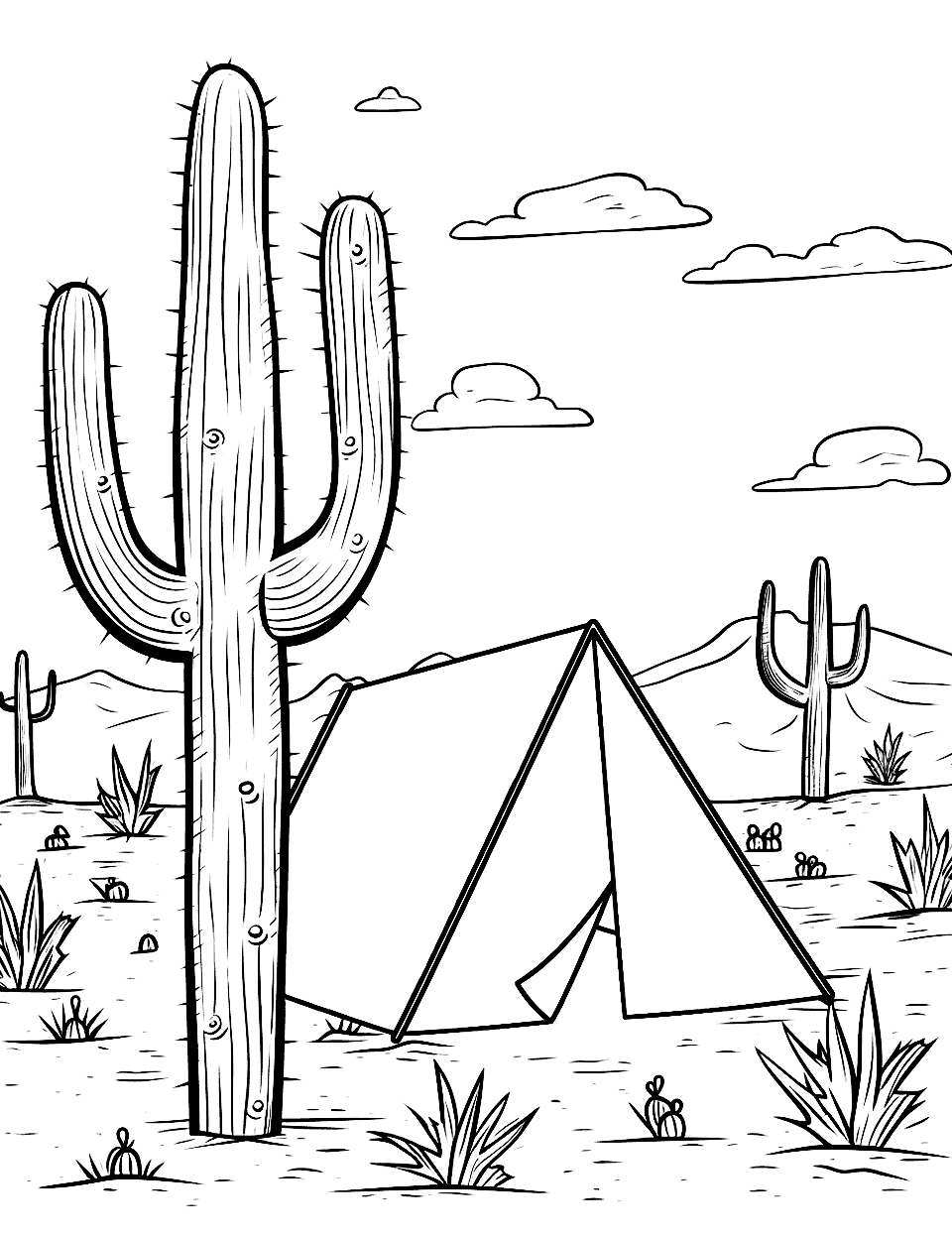
Desert Camping with Cacti
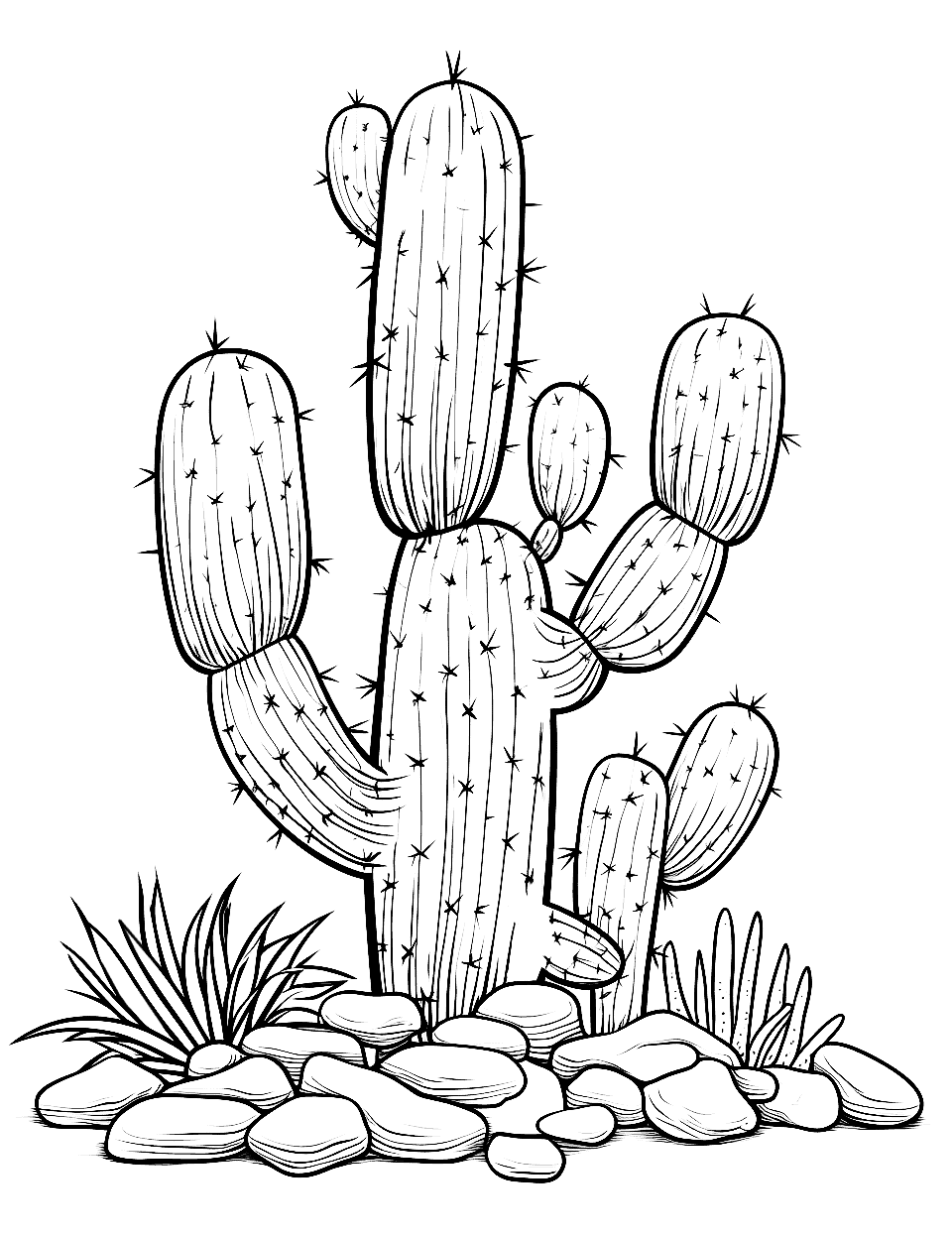
Cactus with Desert Rocks
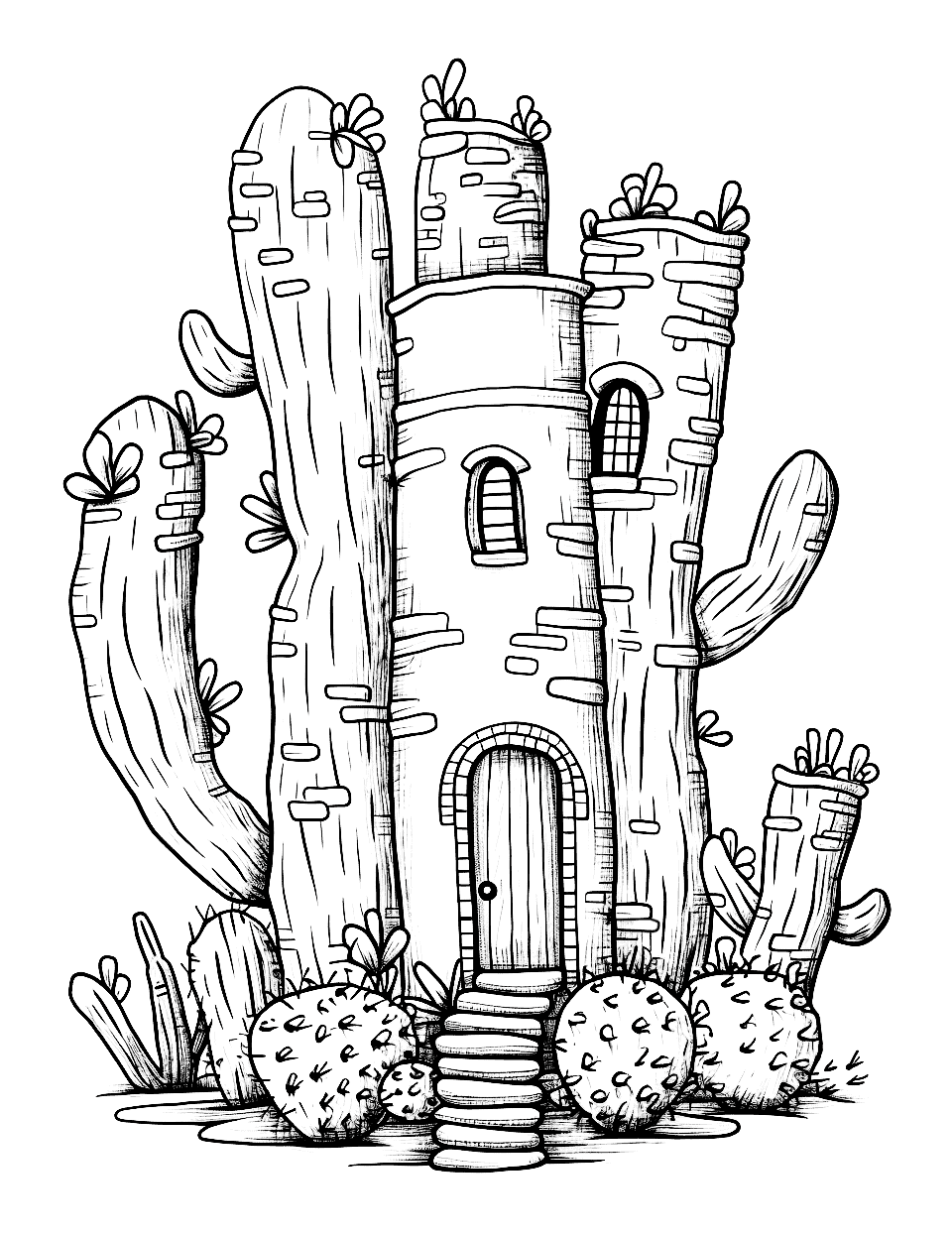
Fairytale Cactus Castle
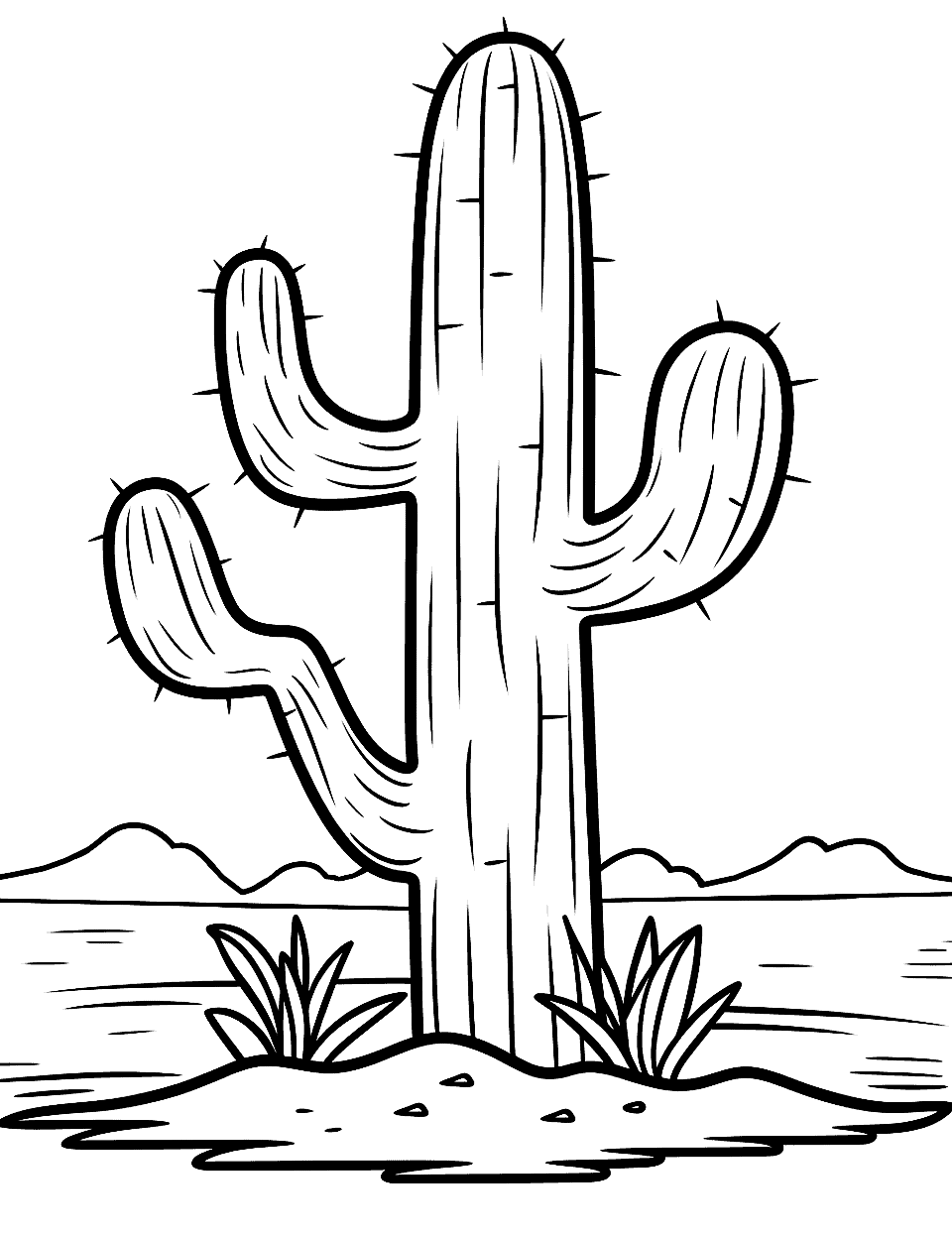
Cactus on a Desert Island
By using our free coloring pages, you acknowledge and agree to our full disclaimer. All materials are for personal, non-commercial use only and all rights belong to their respective license holders.
Activities to Do With Cactus Coloring Pages
Don’t let the fun stop once the coloring is done. These printable sheets can serve as the base for many engaging craft projects. Here are a few creative ways to use your finished masterpieces.
Create a 3D Paper Cactus Garden
Turn your flat coloring pages into a standing display. Color the cacti on cardstock for durability. Cut them out, leaving a small tab at the bottom. Fold the tab back and glue it to a piece of cardboard or a paper plate painted like sand. You can create a whole diorama with different sizes of cacti.
“Stuck on You” Greeting Cards
Cacti are perfect for punny greeting cards. Print a smaller version of a cute cactus coloring page. Color it in and paste it onto the front of a folded piece of cardstock. Write a fun message like “I’m stuck on you,” “Looking sharp,” or “Free Hugs” to make someone smile.
Texture Rubbing Art
Before coloring, place different textured items underneath the paper where the cactus body is. You can use sandpaper, coins, or leaves. Rub a crayon over the paper to pick up the texture. This gives your cactus a rough, prickly look that mimics real life.
Watercolor Resist Painting
Outline the spikes and the border of the cactus heavily with a white or yellow wax crayon. When you paint over the page with watercolors, the wax will resist the paint. This technique makes the spikes pop out and creates a cool artistic effect.
Stick Puppets
Cut out your colored cacti and tape a popsicle stick or a craft skewer to the back. Kids can use these puppets to act out stories about the desert. They can even create a puppet show explaining how camels and cacti survive without much water.
Cactus Collage
Instead of coloring with markers, use other materials to fill in the lines. Glue on green tissue paper, green buttons, or even dried split peas to fill the body of the cactus. Use toothpicks or pine needles for the spikes to add a 3D tactile element.
FAQs

What Are the Educational Benefits of Coloring Cacti?
Coloring these pages helps children learn about desert biomes and botany. It offers a chance to discuss how plants survive in hot climates, water conservation, and the difference between succulents and other plants. It also improves fine motor skills and focus.
Do I Have to Color Cacti Green?
Not at all. While most cacti are green due to chlorophyll, many have purple, red, or blue hues, especially when stressed by the sun or cold. Cacti flowers can be bright yellow, pink, red, or white. Encourage kids to use their imagination.
What Are the Best Art Supplies for These Pages?
Colored pencils are great for the intricate details of the spines. For the larger, simple outlines for younger kids, washable markers or crayons work best. If you print on cardstock, you can even use watercolors without the paper warping.
How Can I Print These Coloring Pages?
Simply click on the image or the link provided for the specific coloring page you want. This will usually open a PDF file. From there, you can click the print icon in your browser or viewer to send it to your home printer.
Are These Coloring Pages Free to Use?
Yes, these coloring pages are generally free for personal and educational use. You can print them for your children at home or for students in a classroom. However, they are usually not intended for commercial resale.
What Types of Cacti Are Featured?
Our collection includes a variety of species. You will find the iconic Saguaro with its arm-like branches, round Barrel cacti, Prickly Pears with their flat pads, and various small potted succulents suitable for indoor gardens.