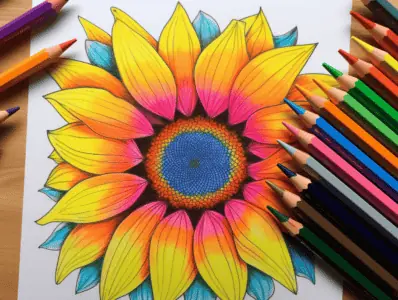
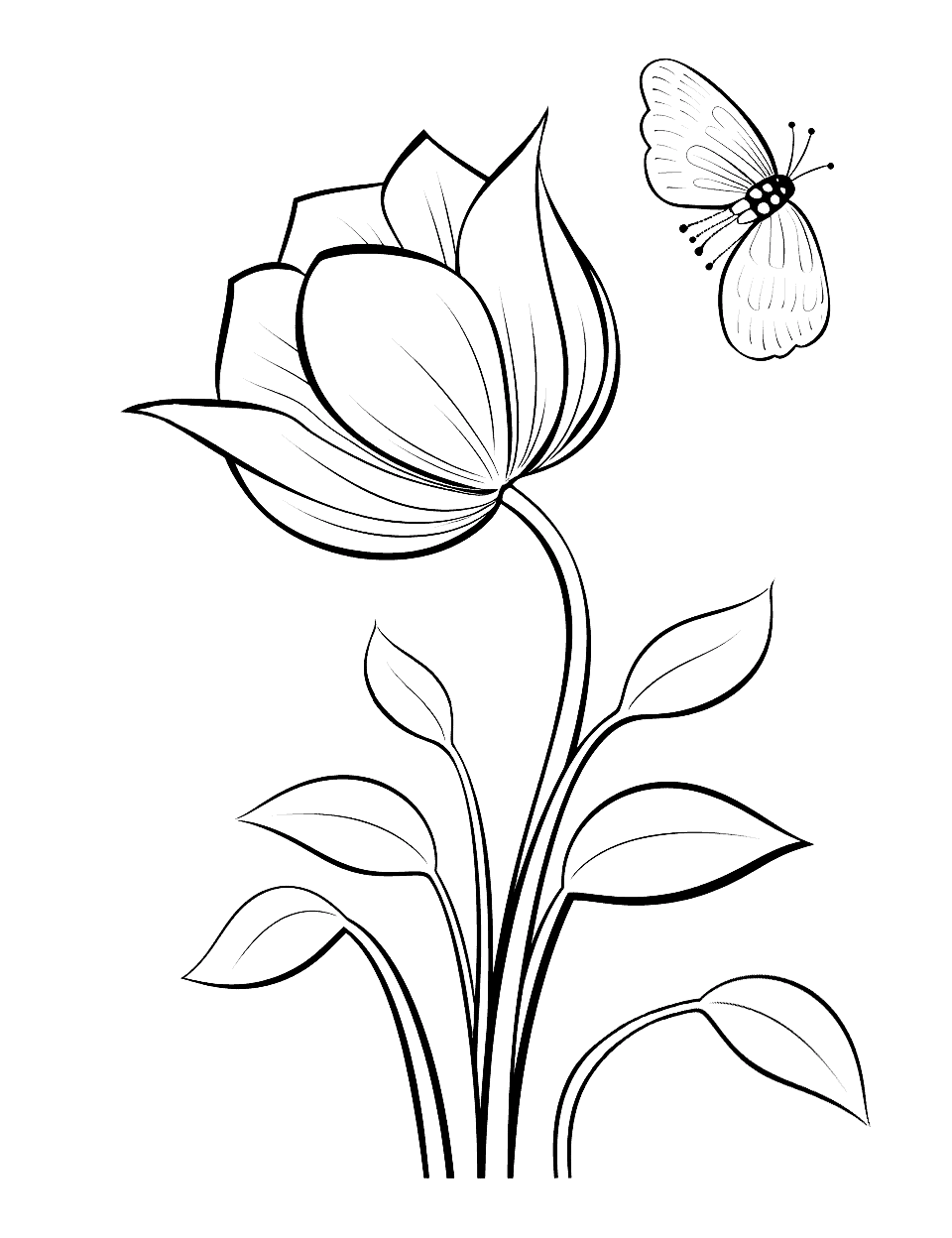
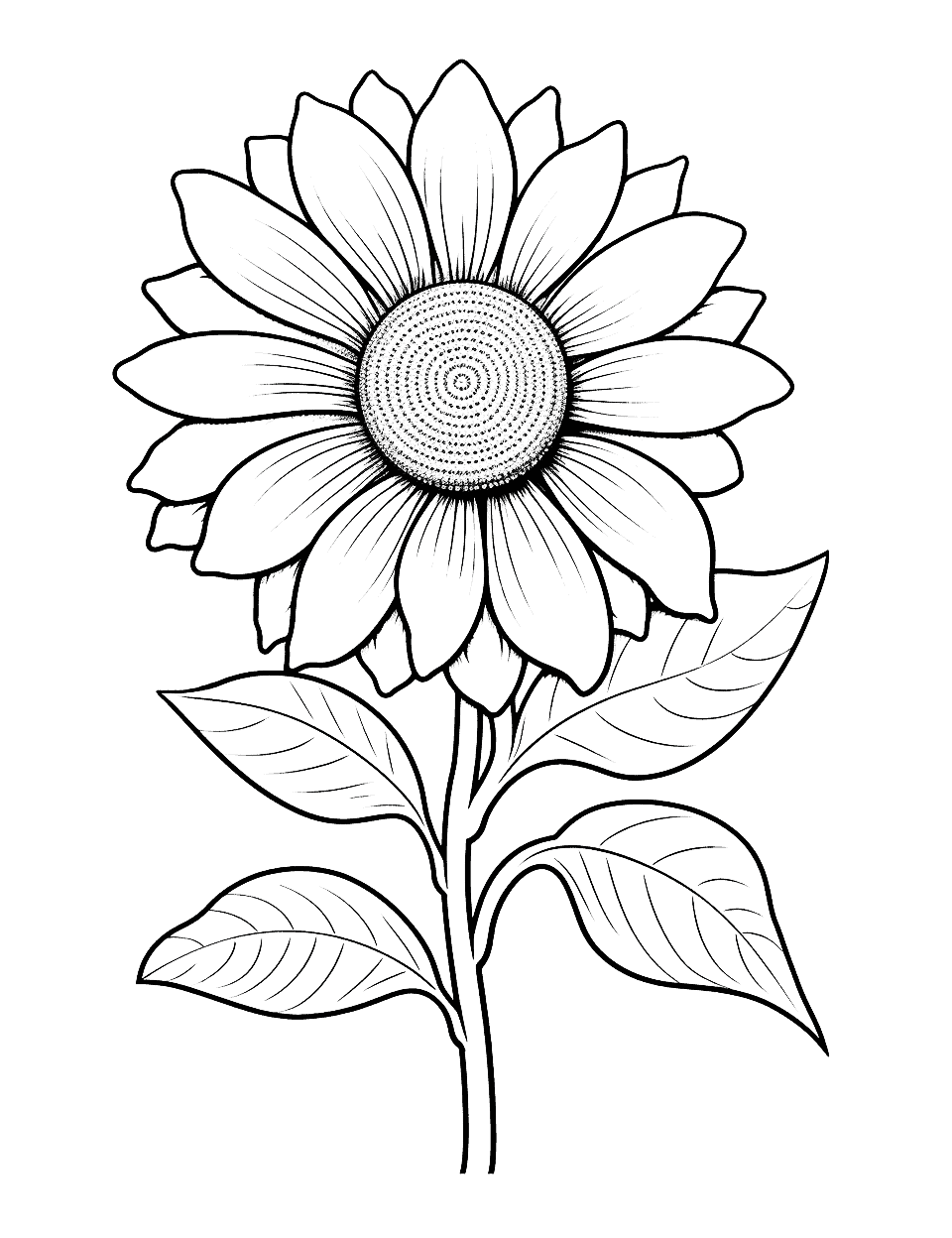
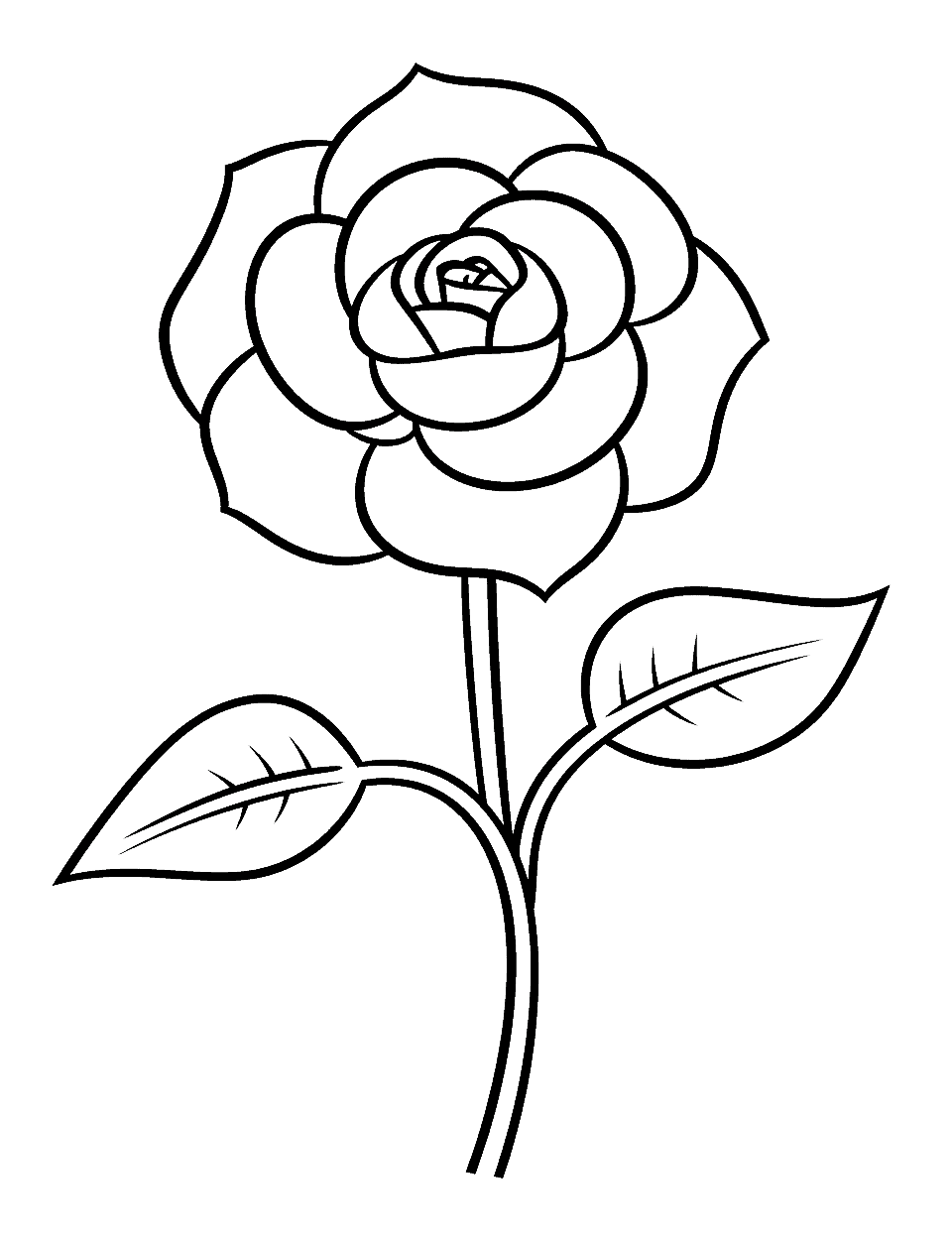
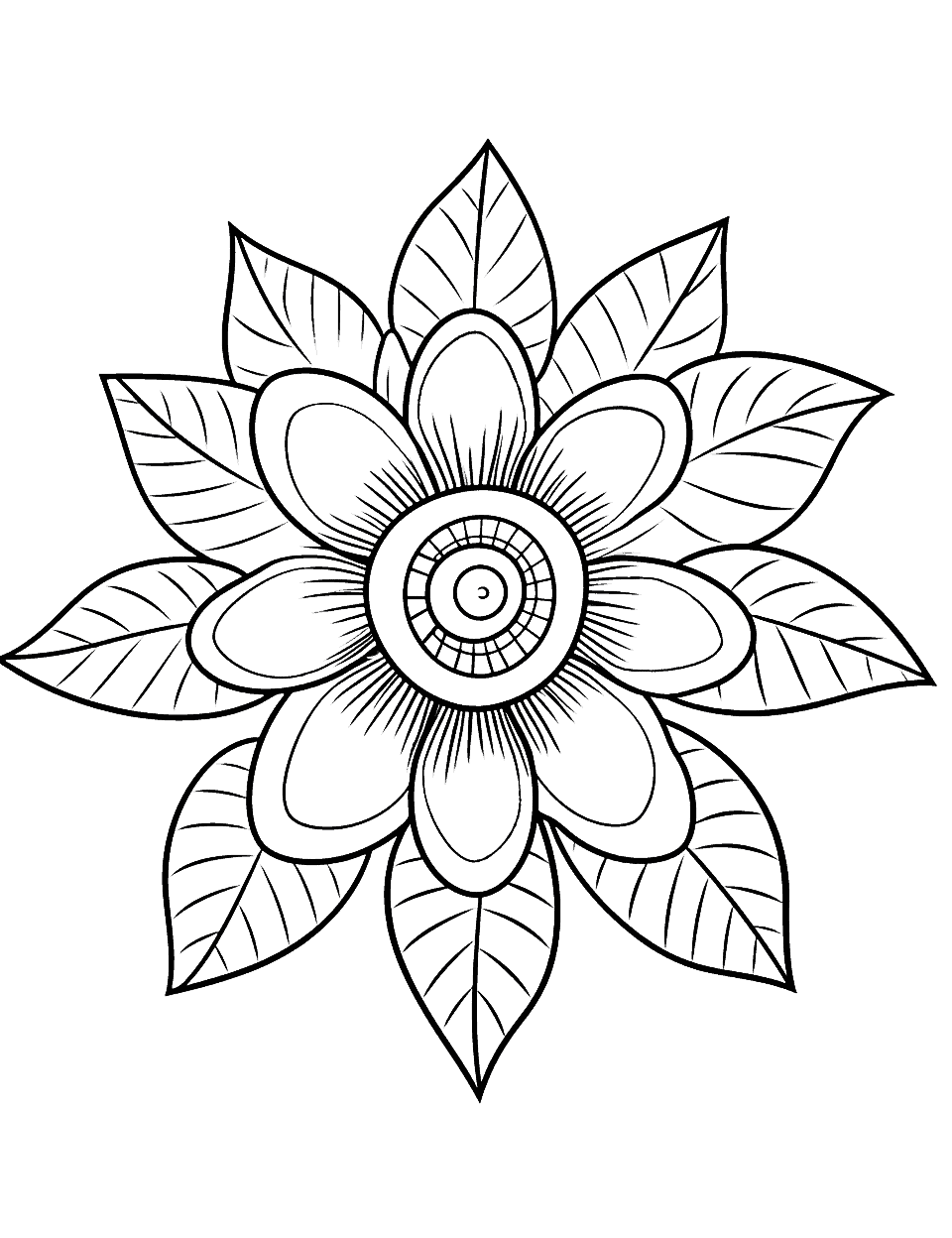
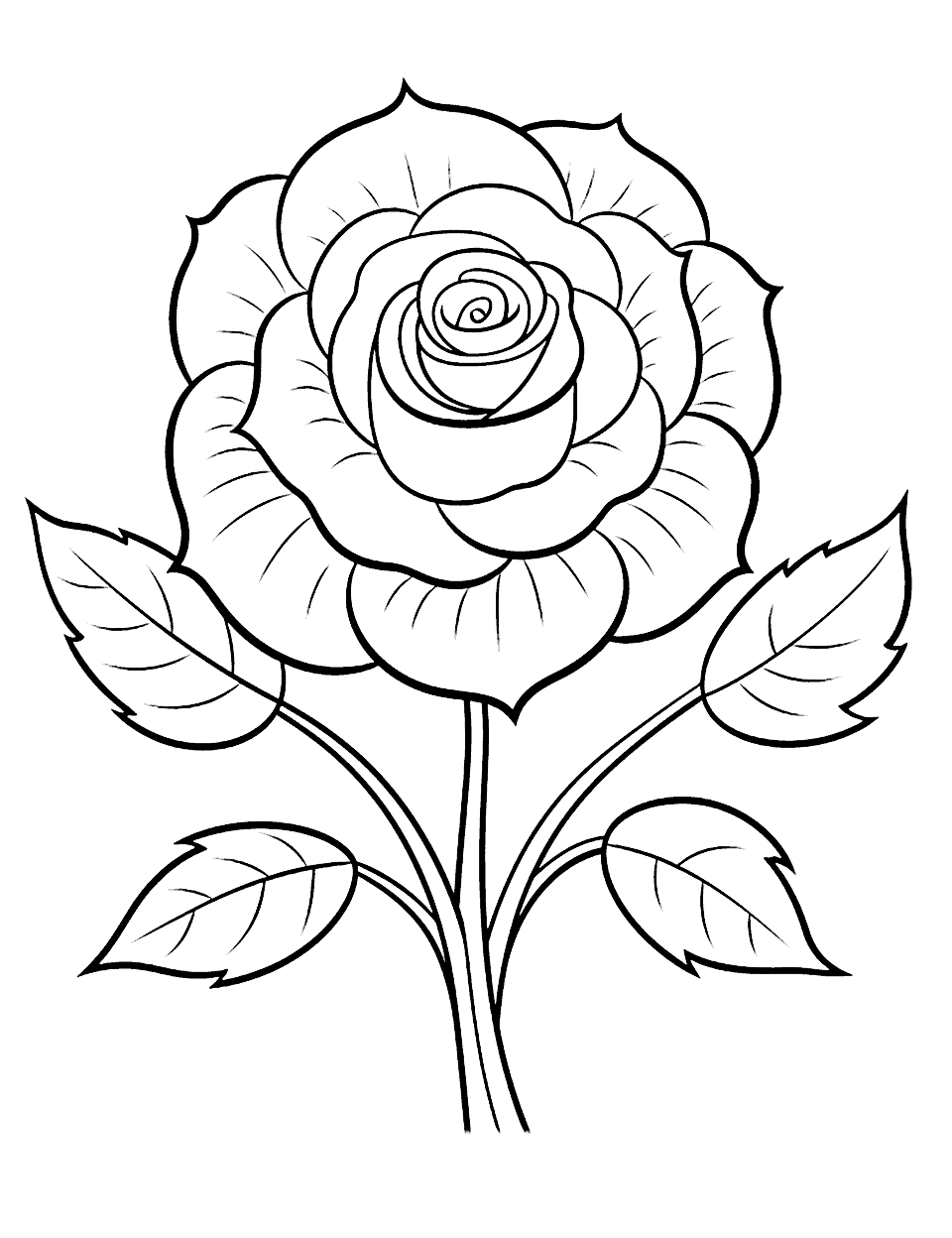
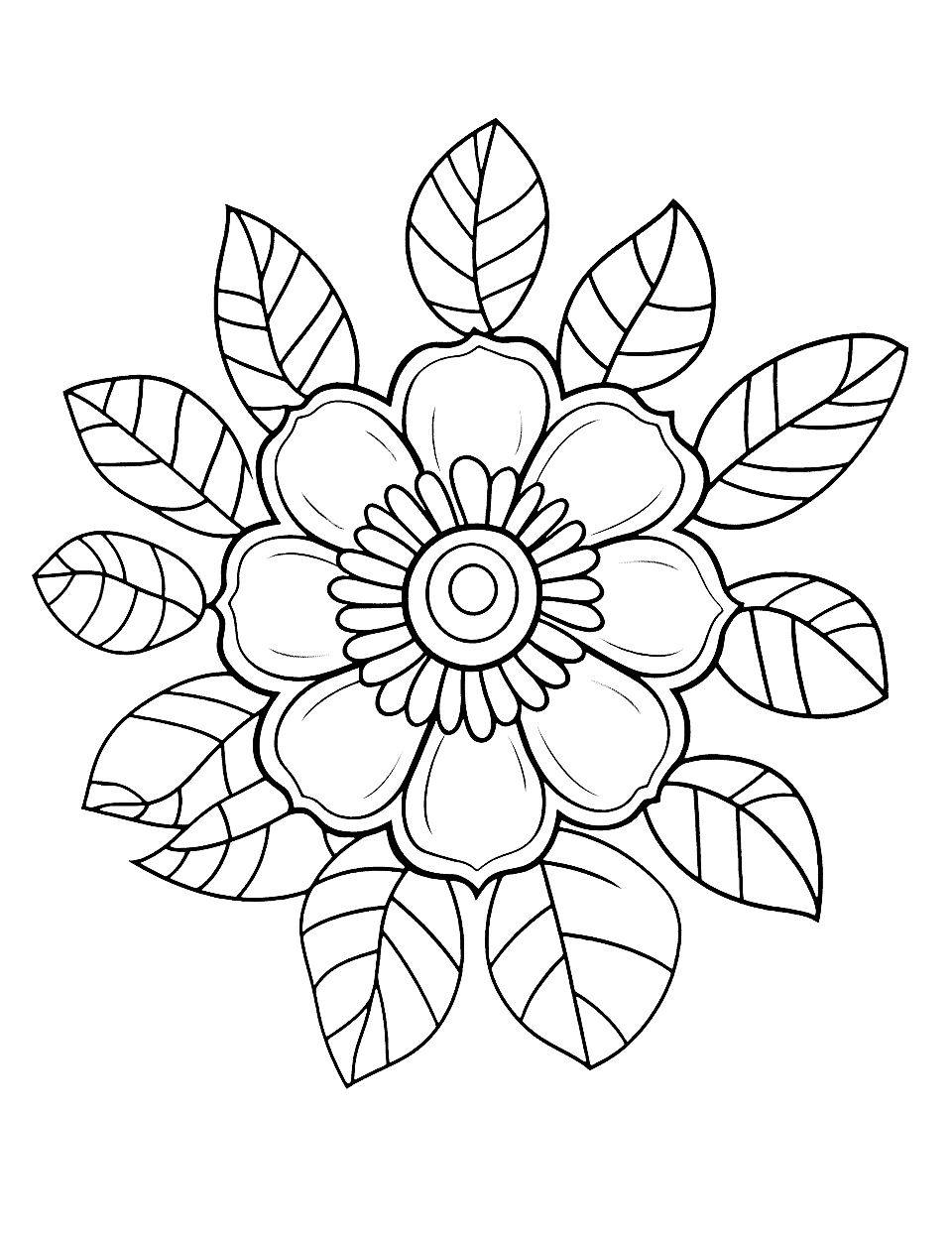
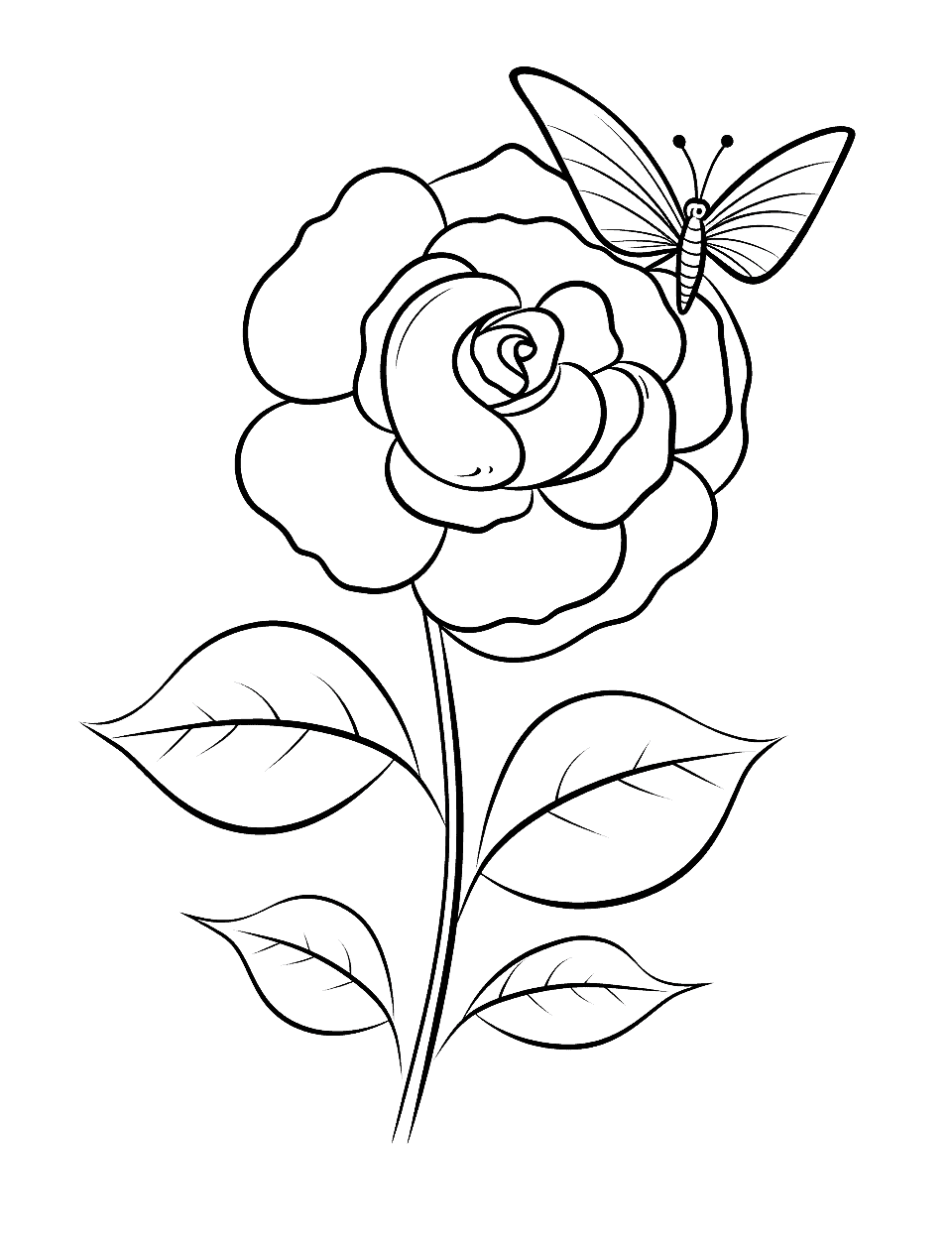
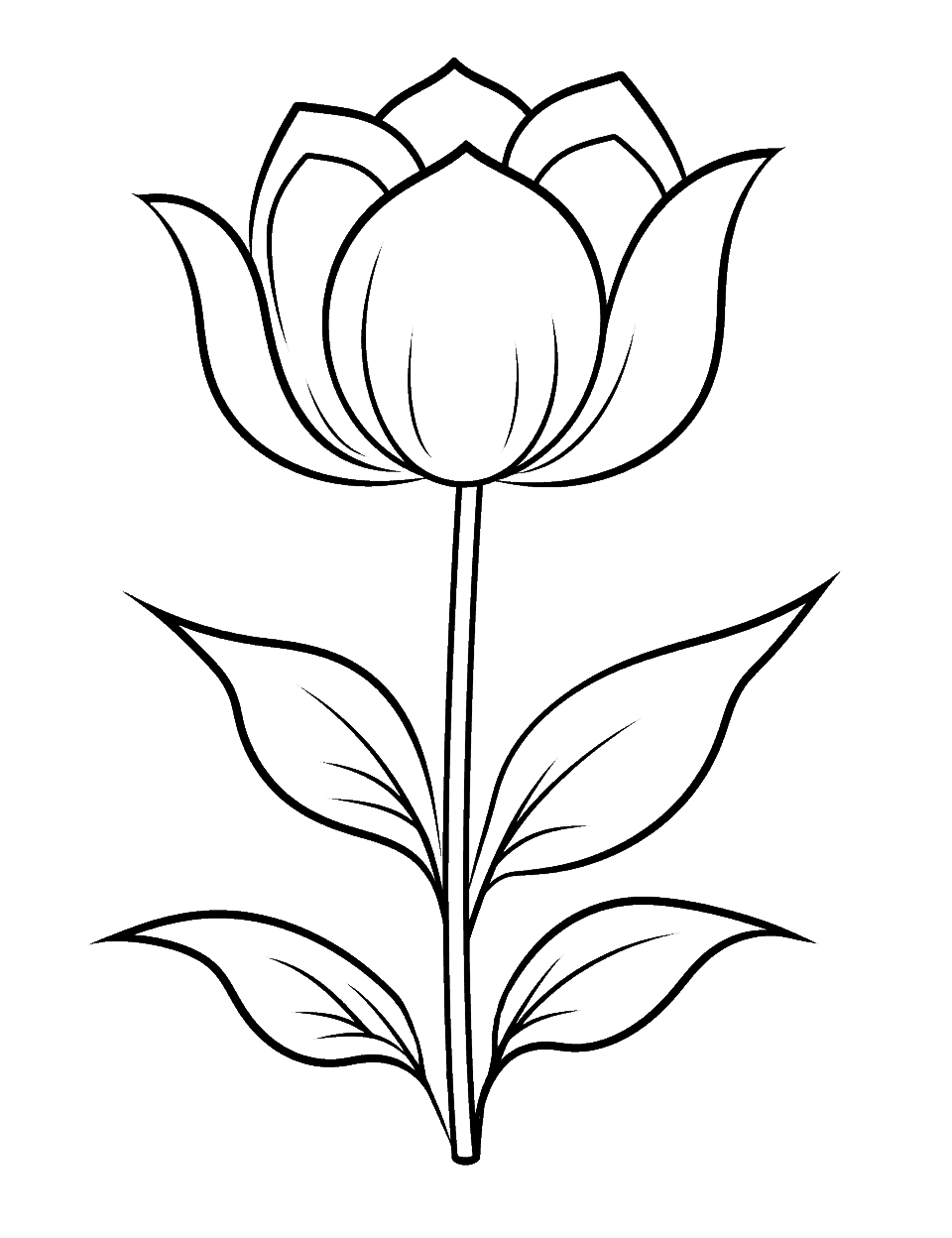
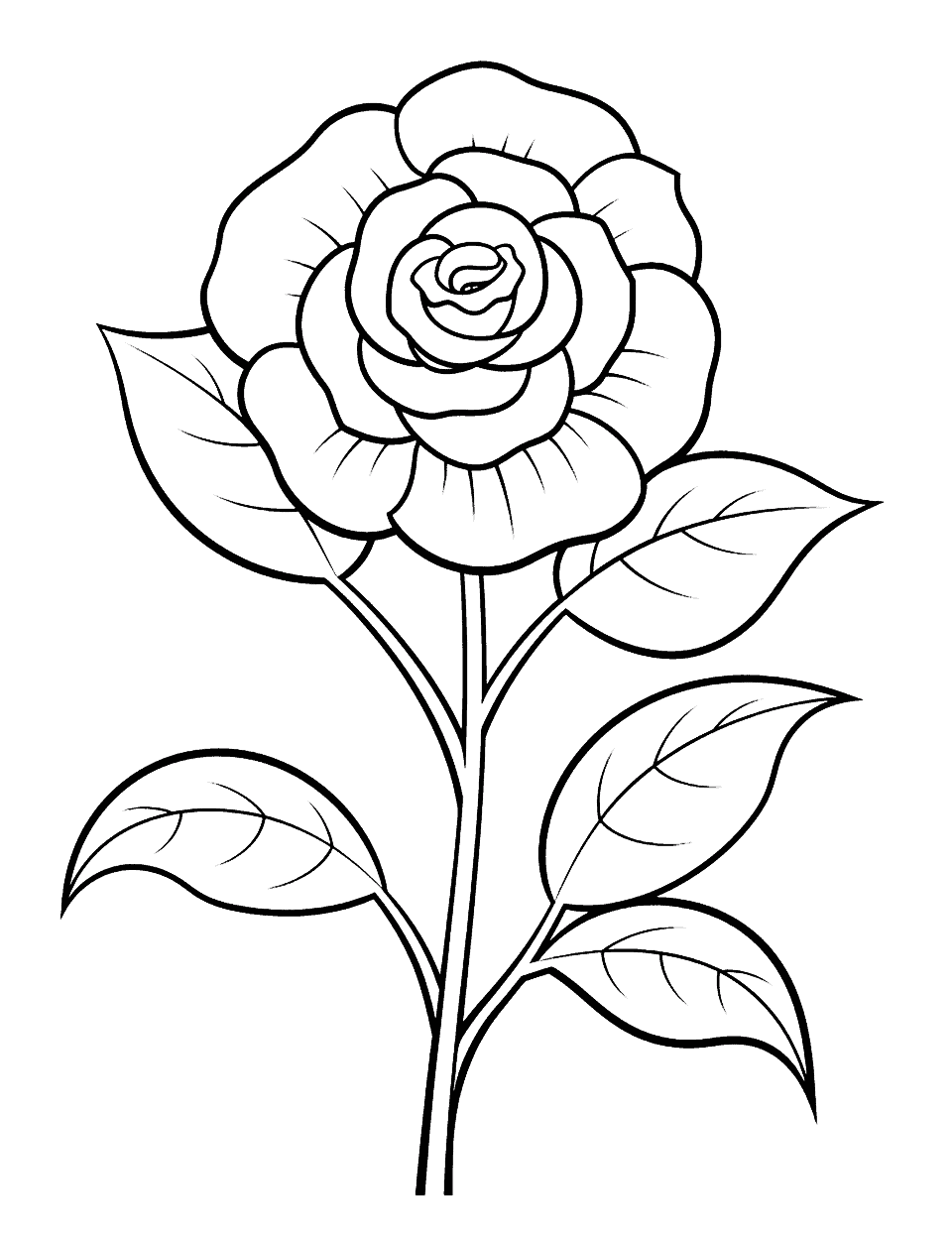
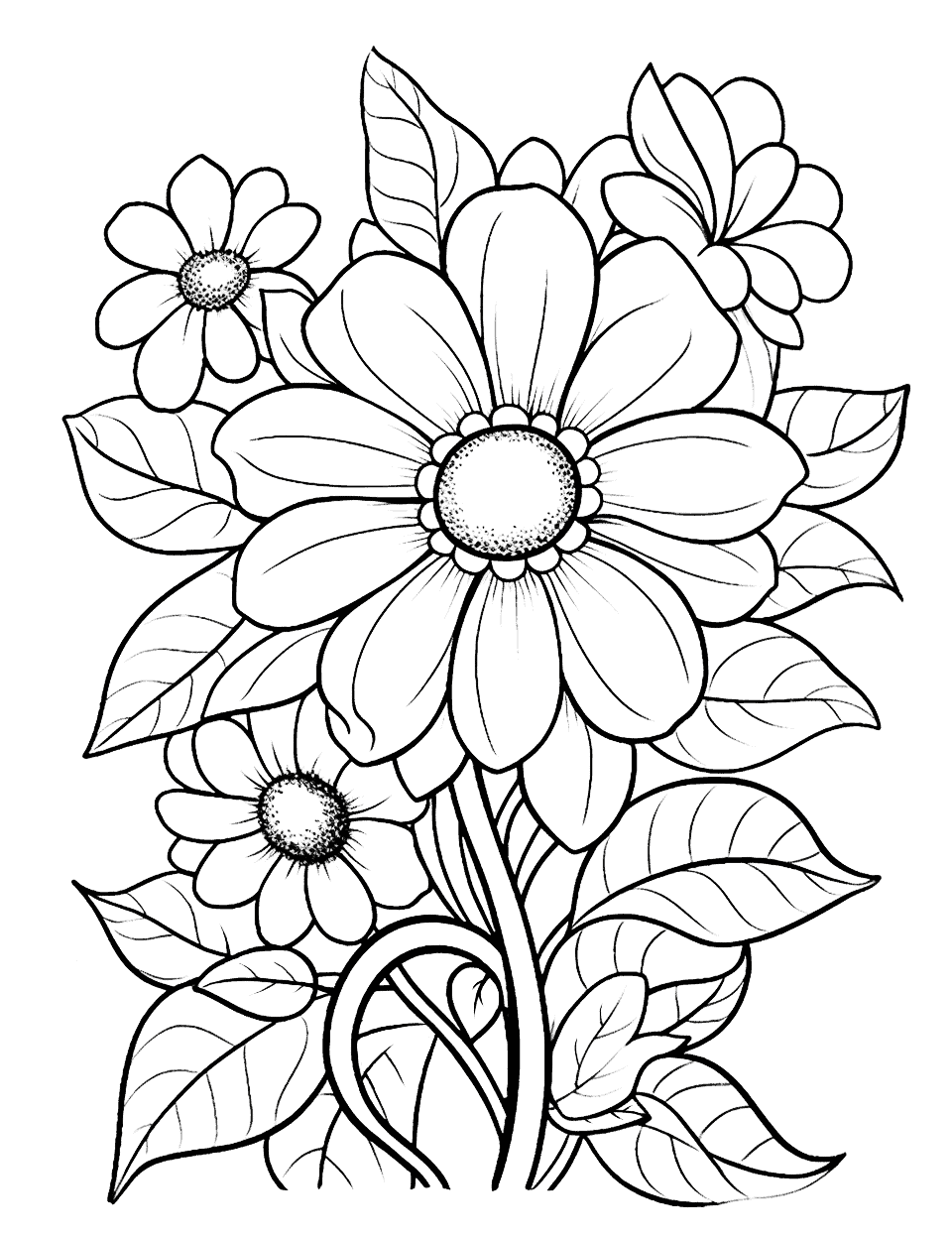
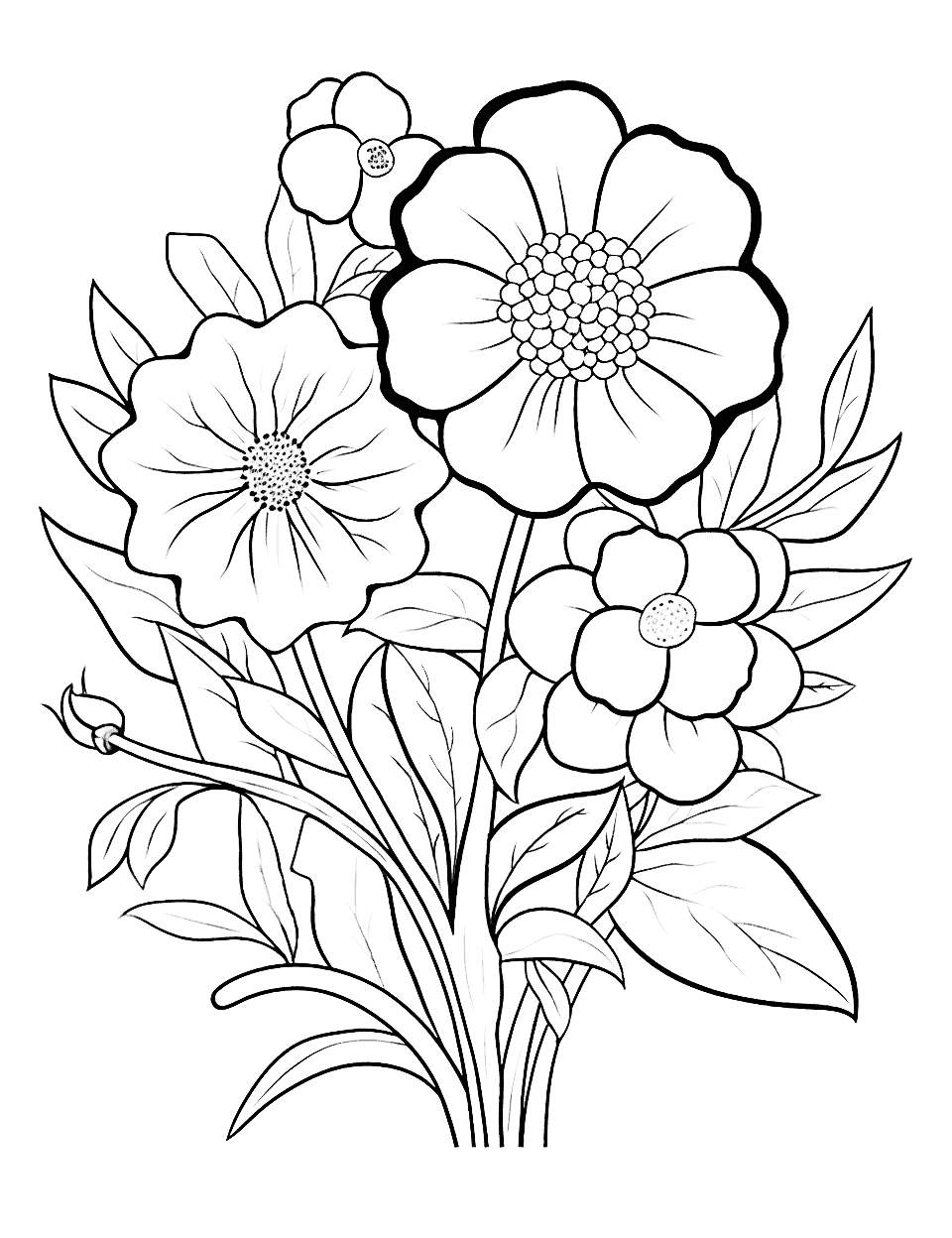
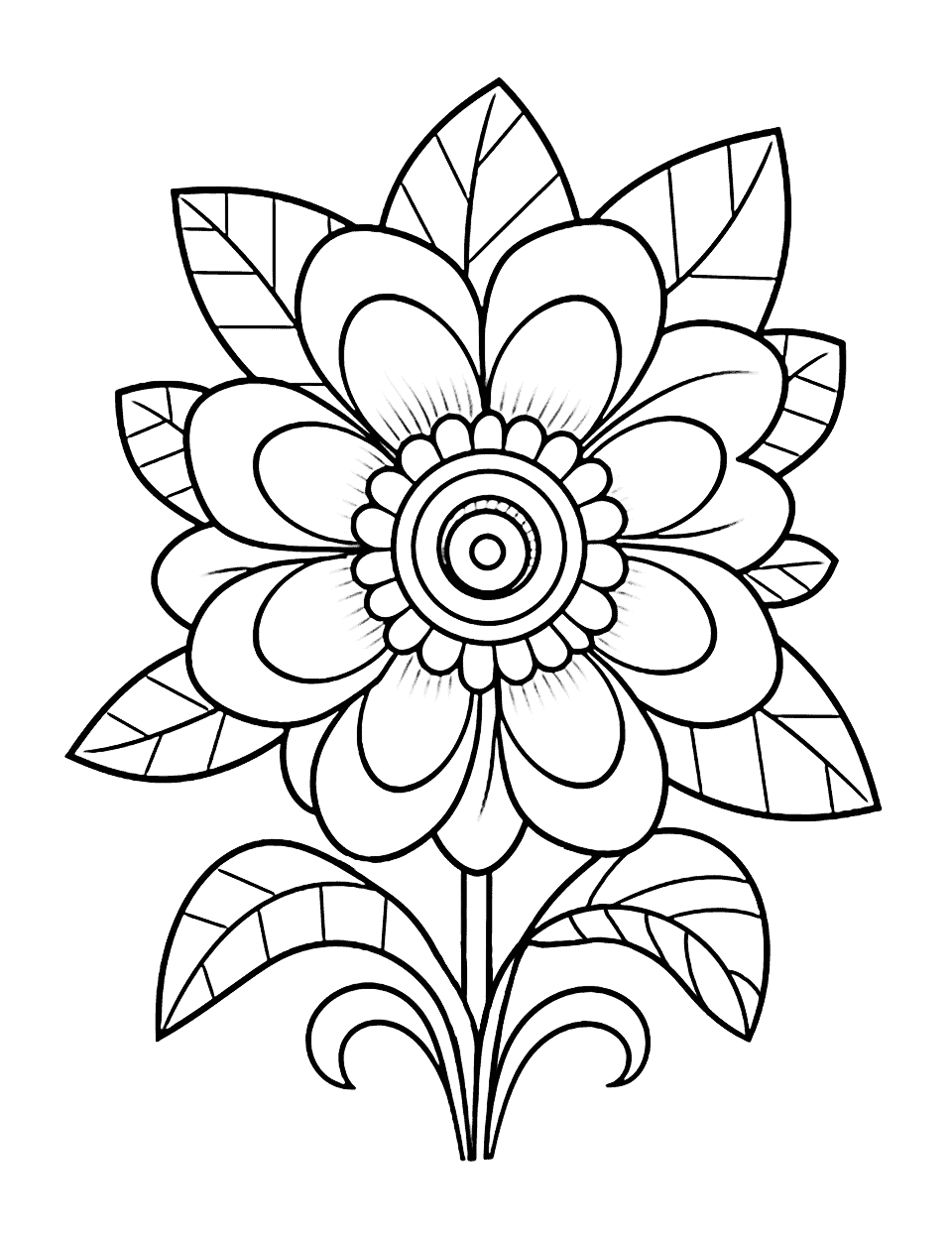
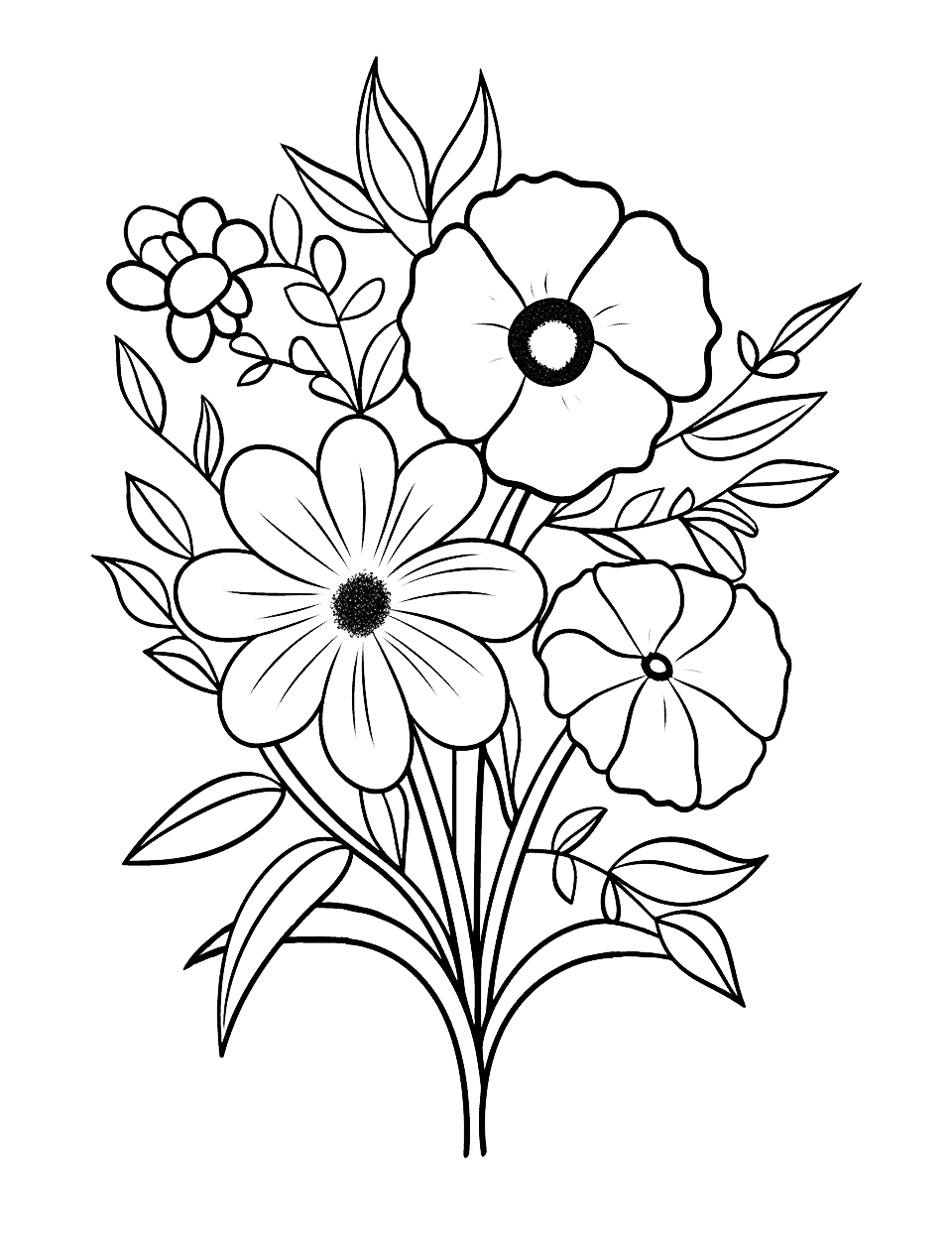
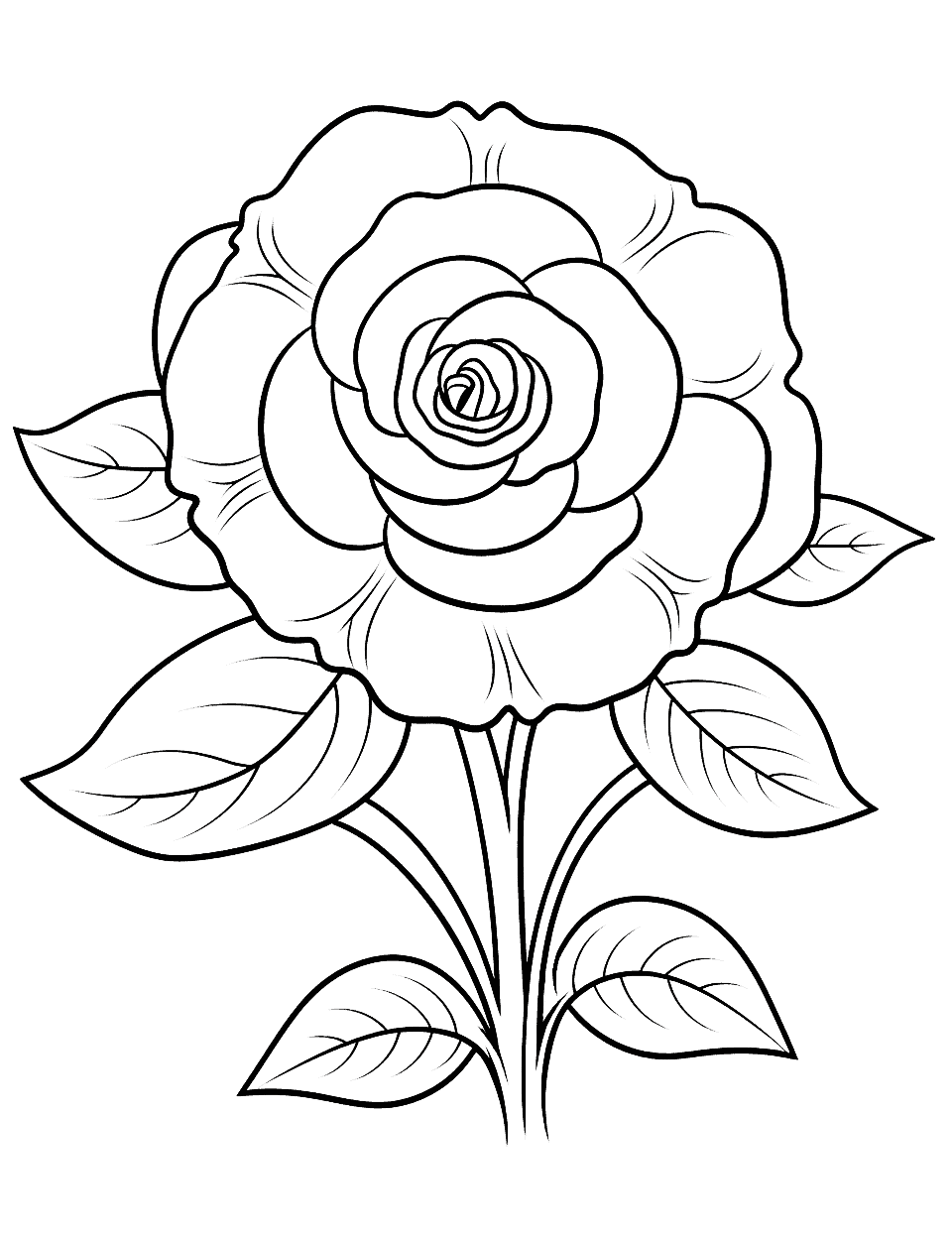
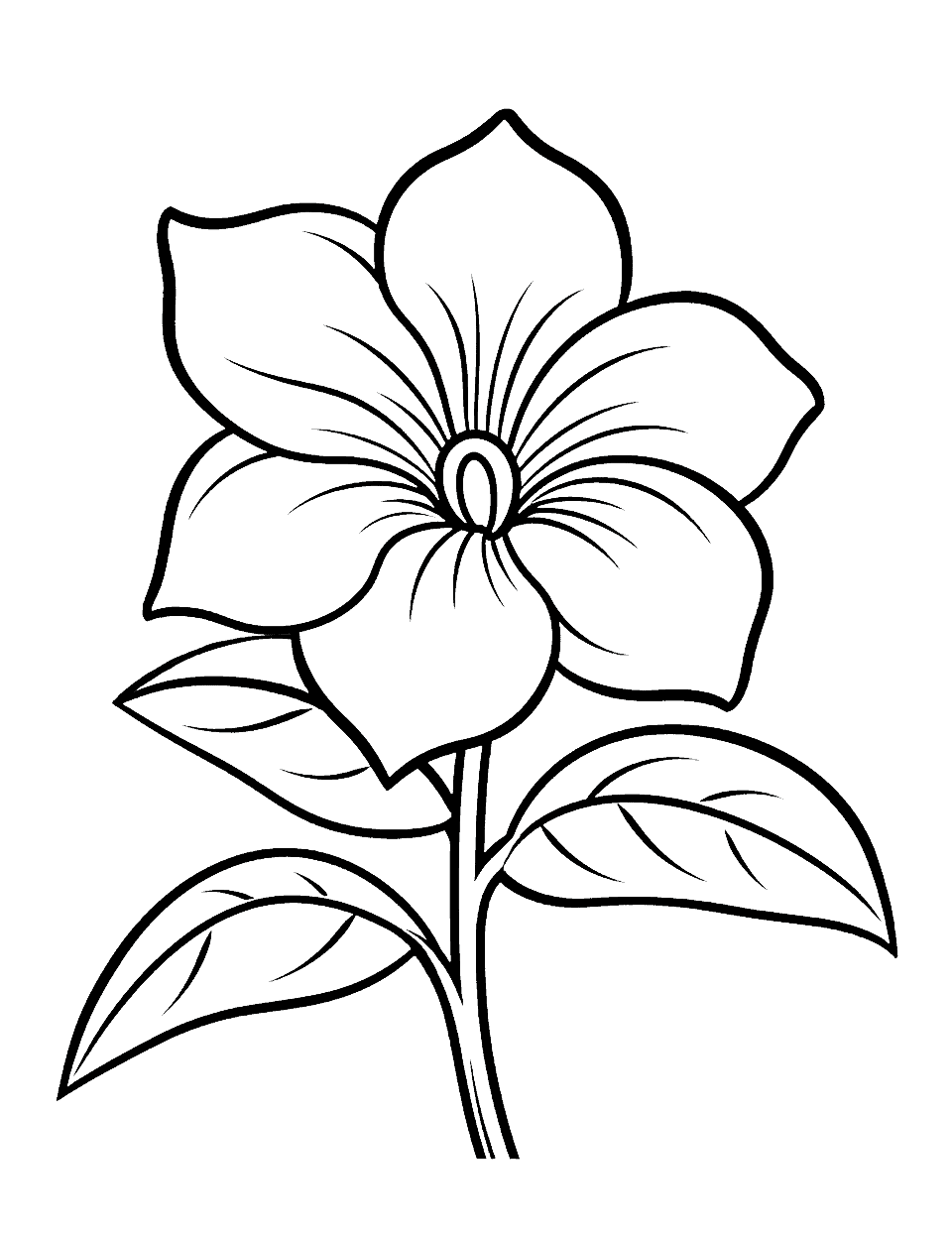
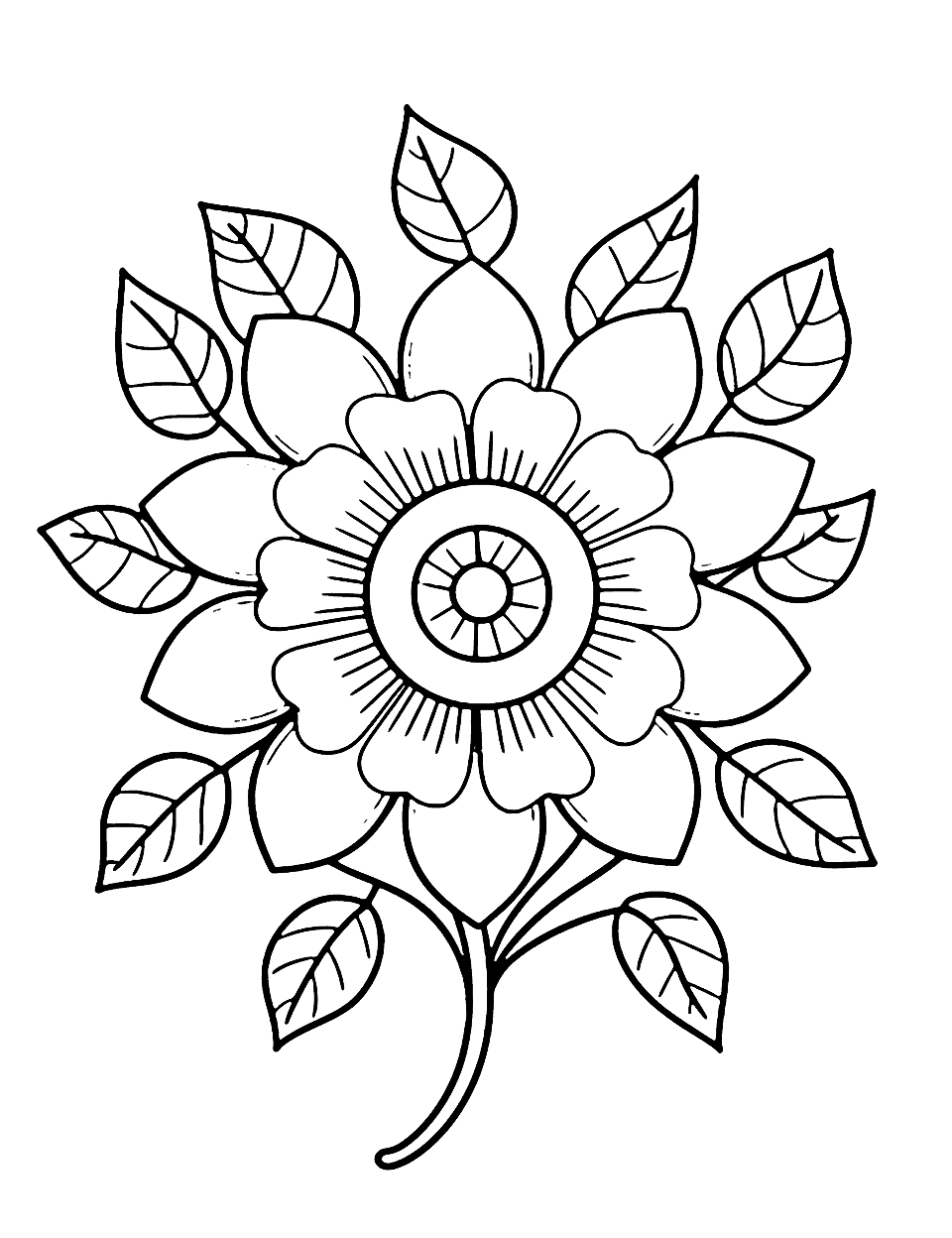
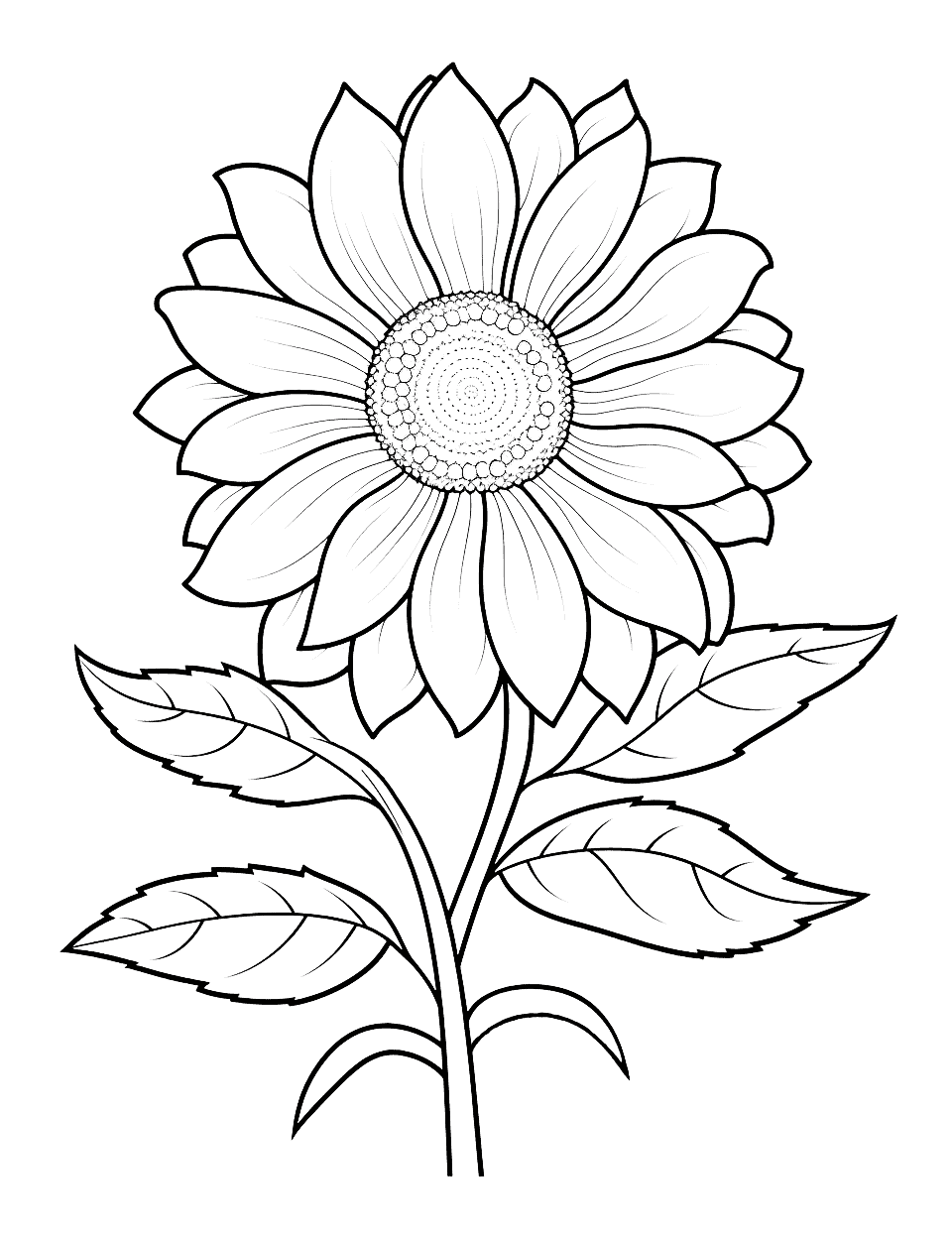
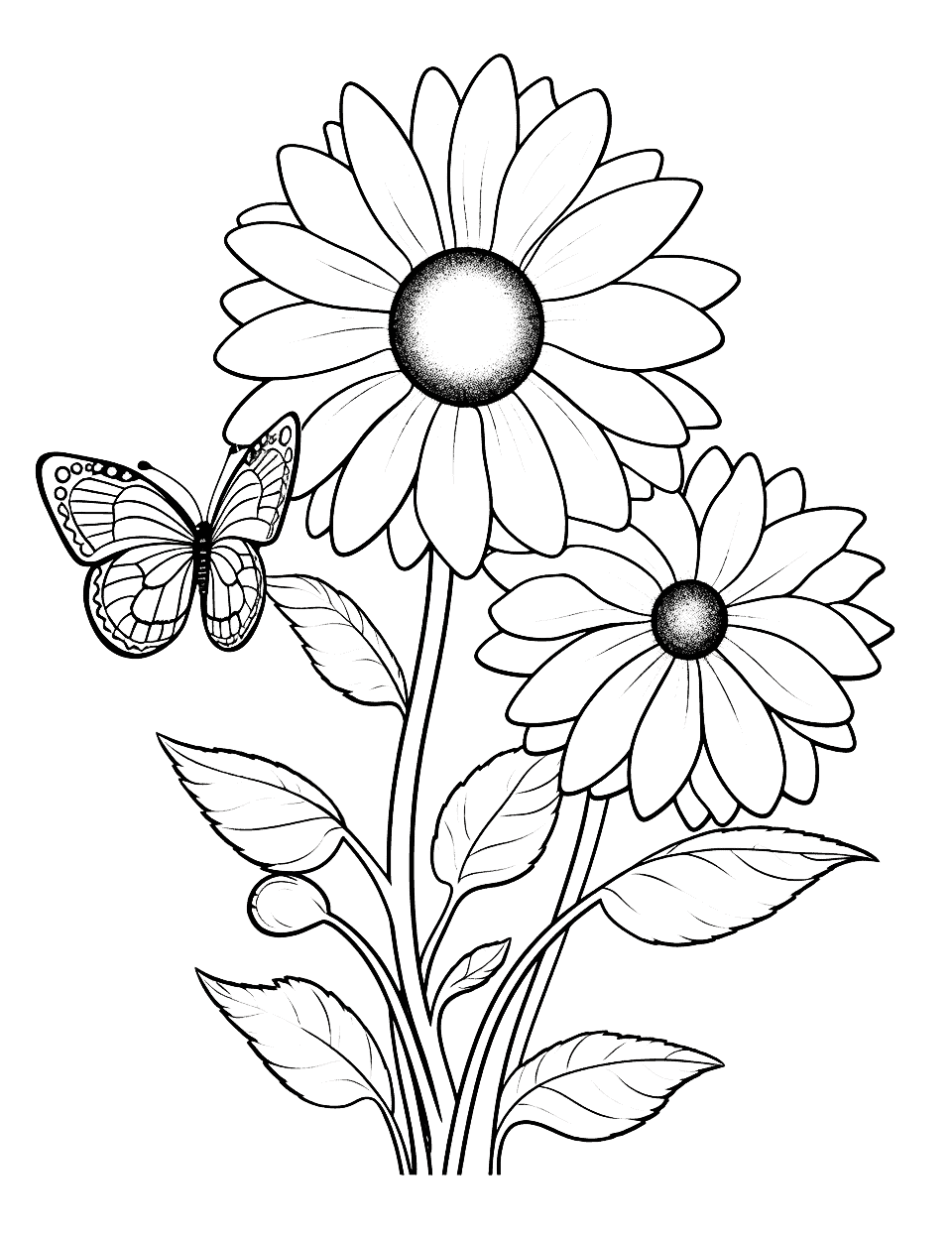
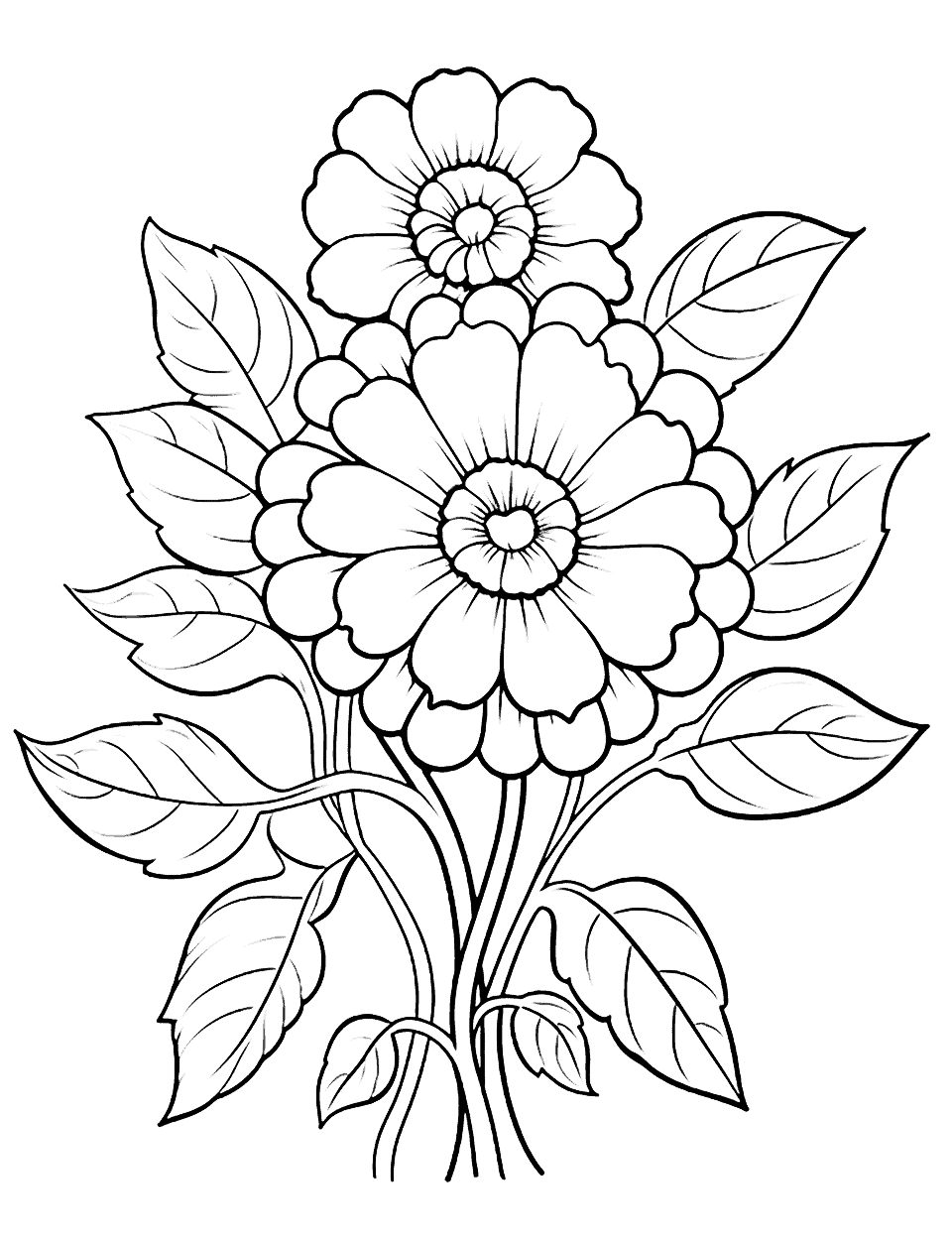
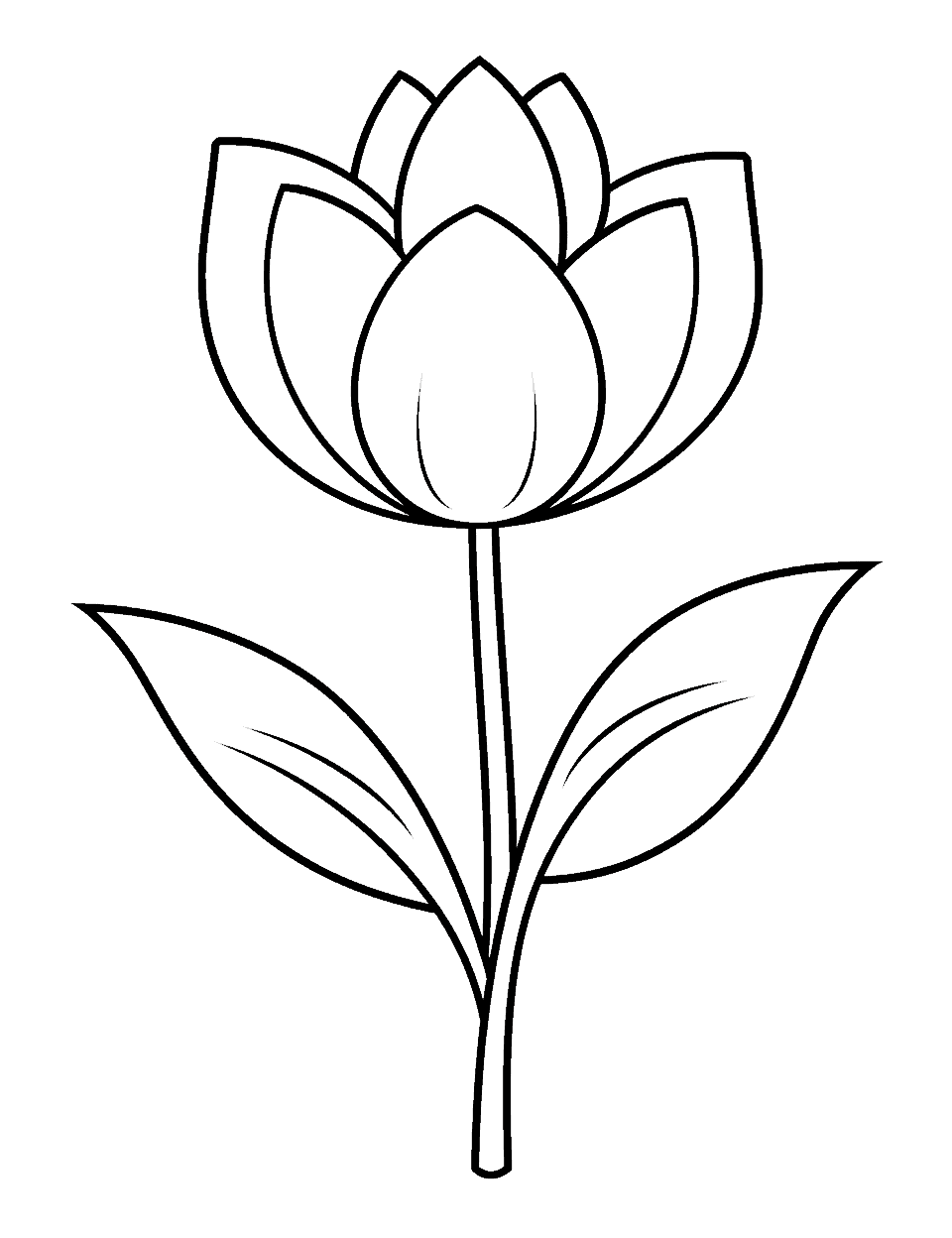
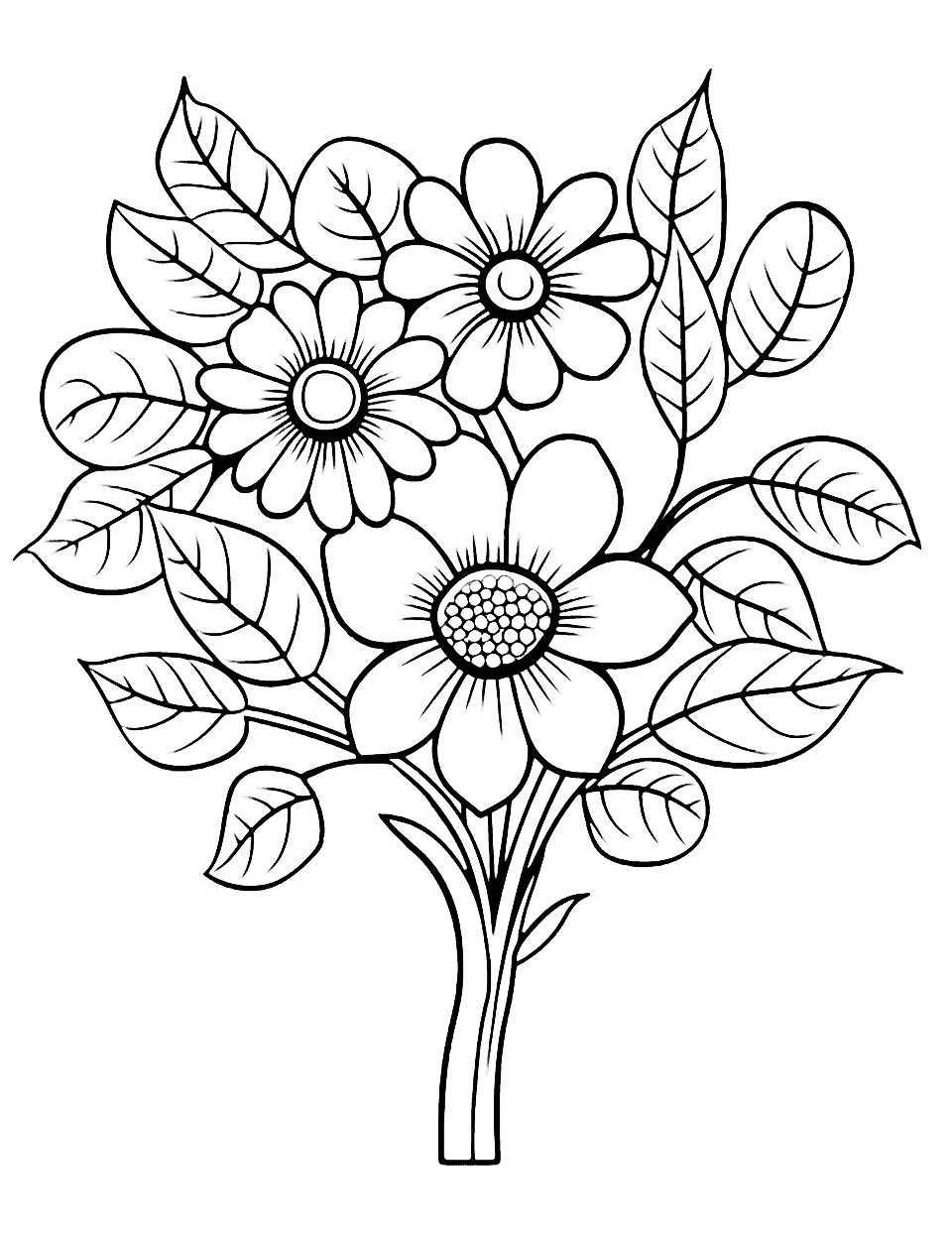
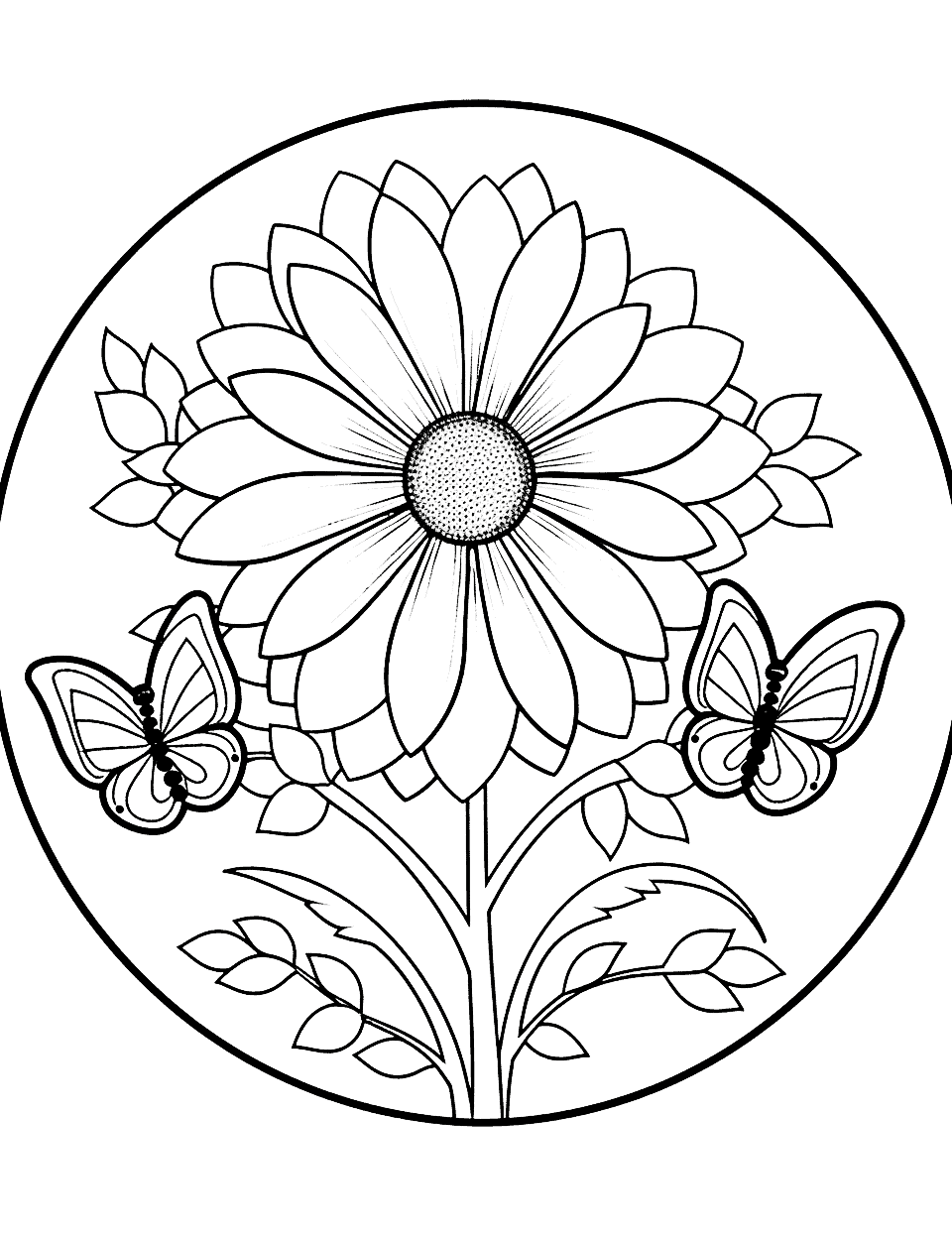
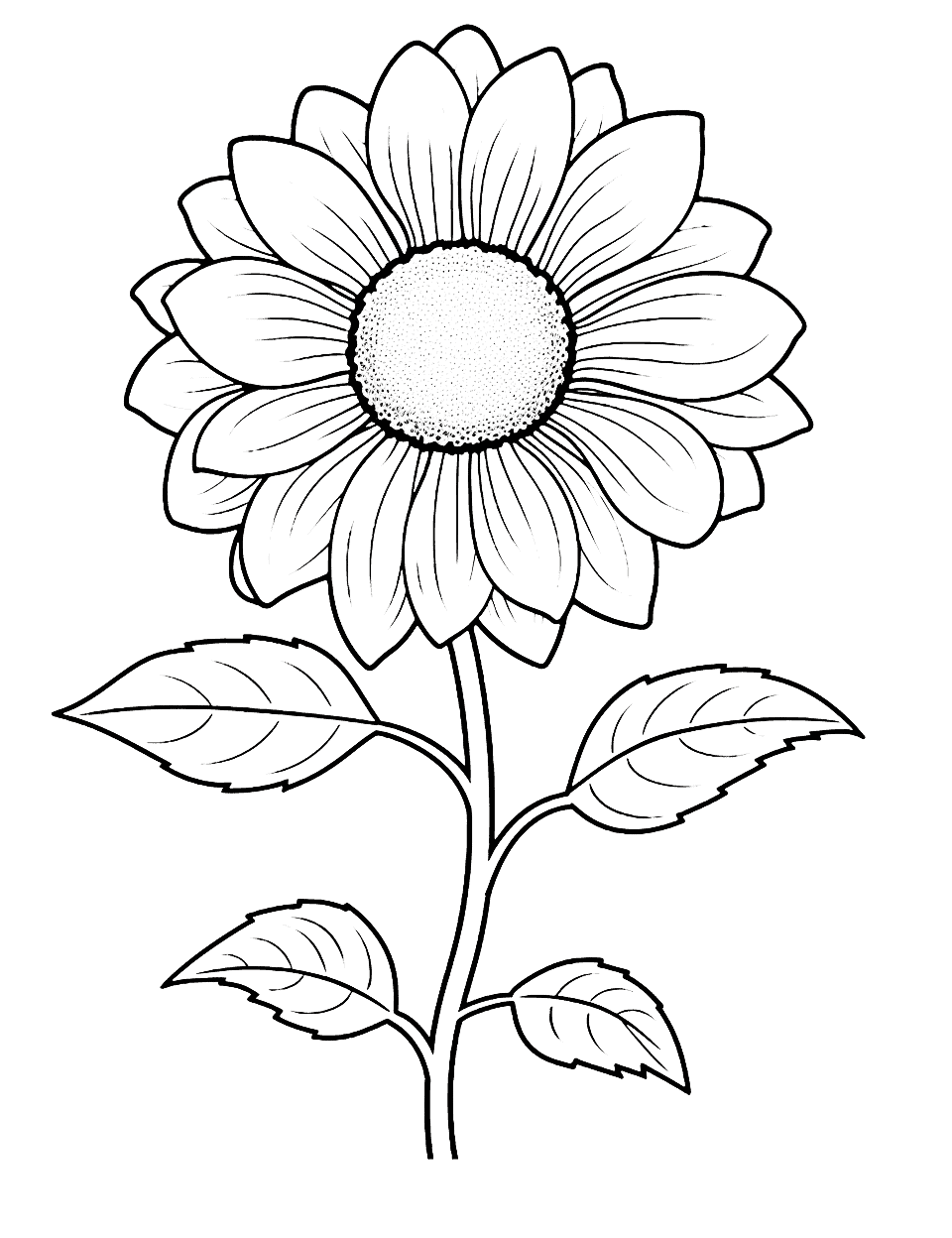
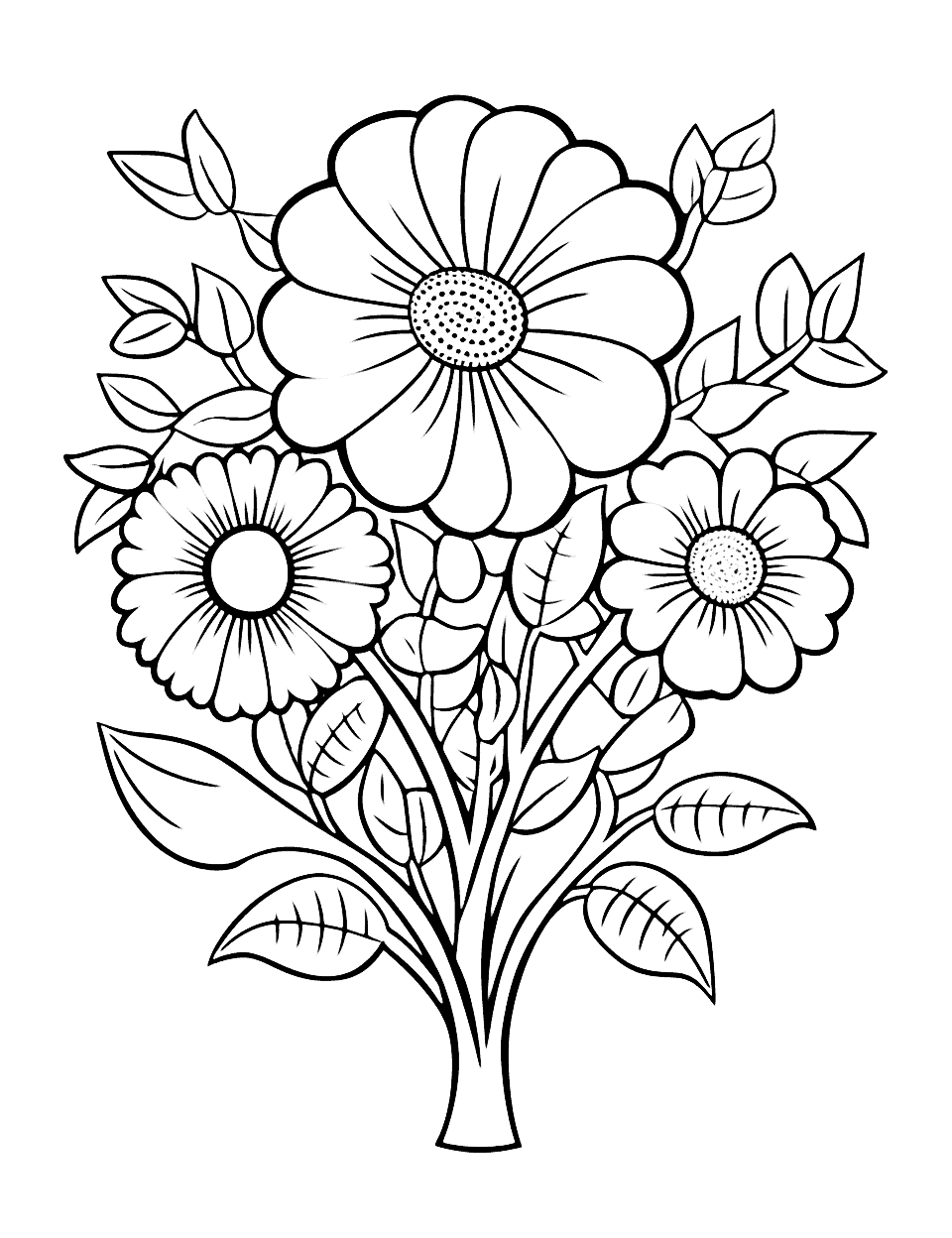
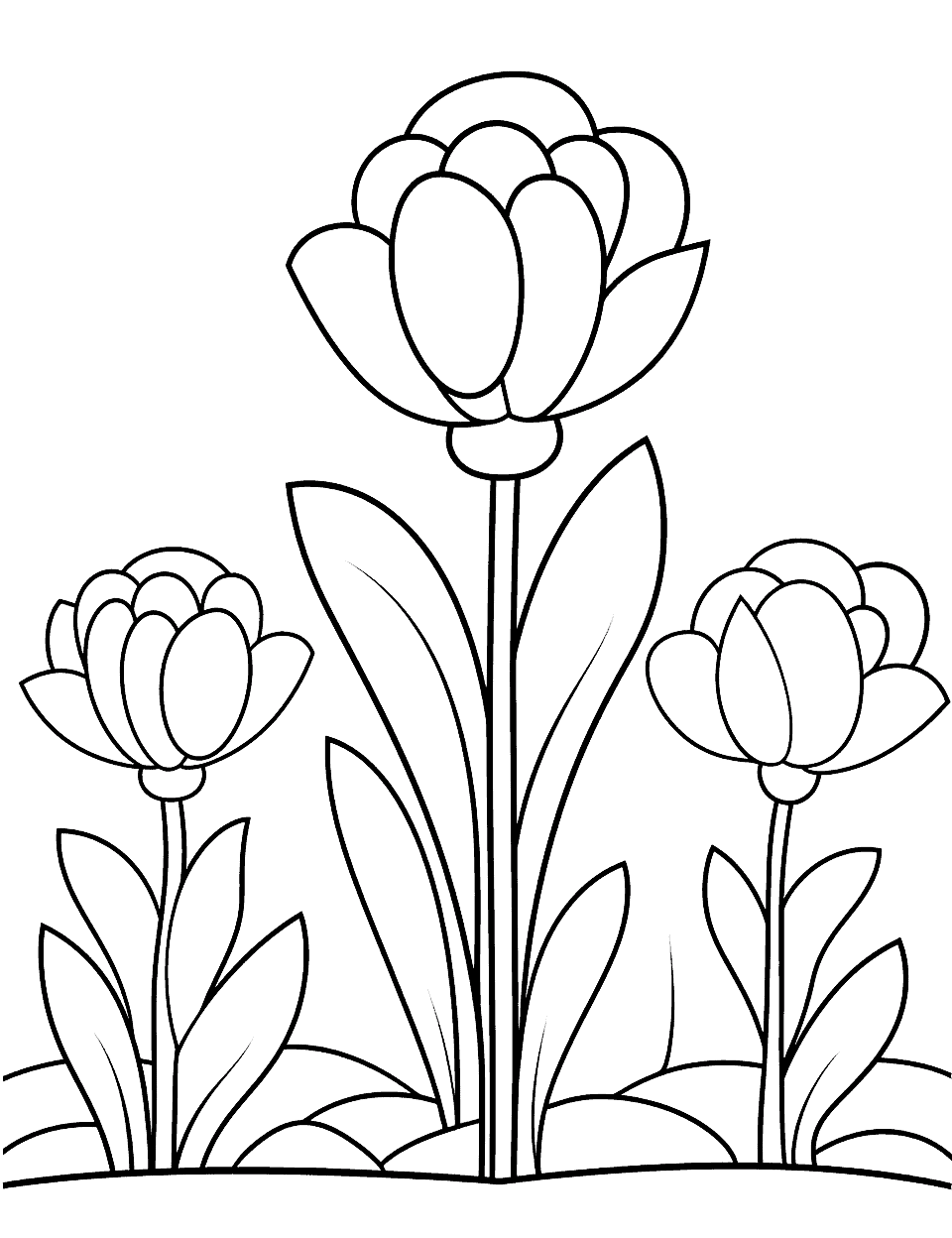
Bring your favorite flowers to life with these printable coloring sheets.
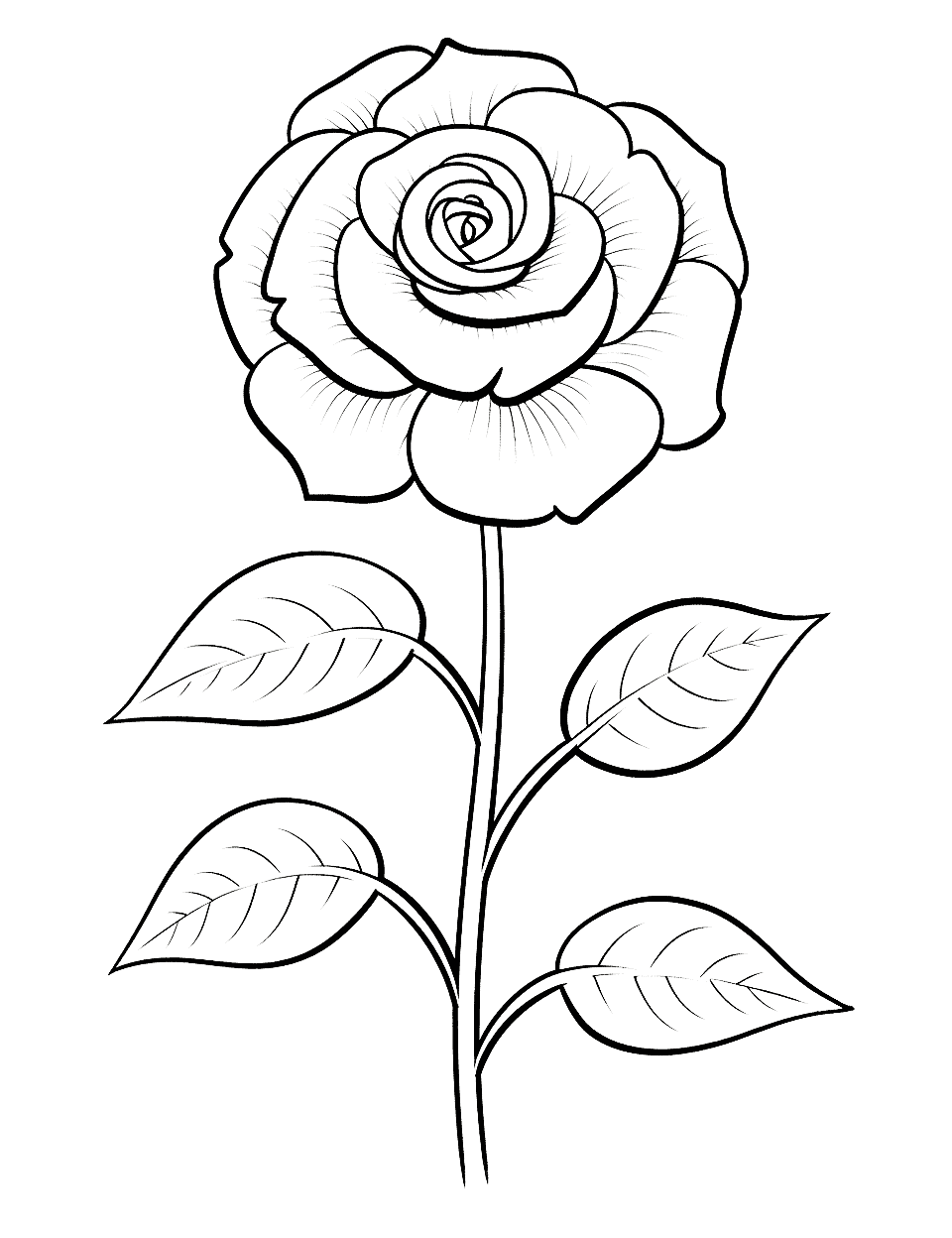
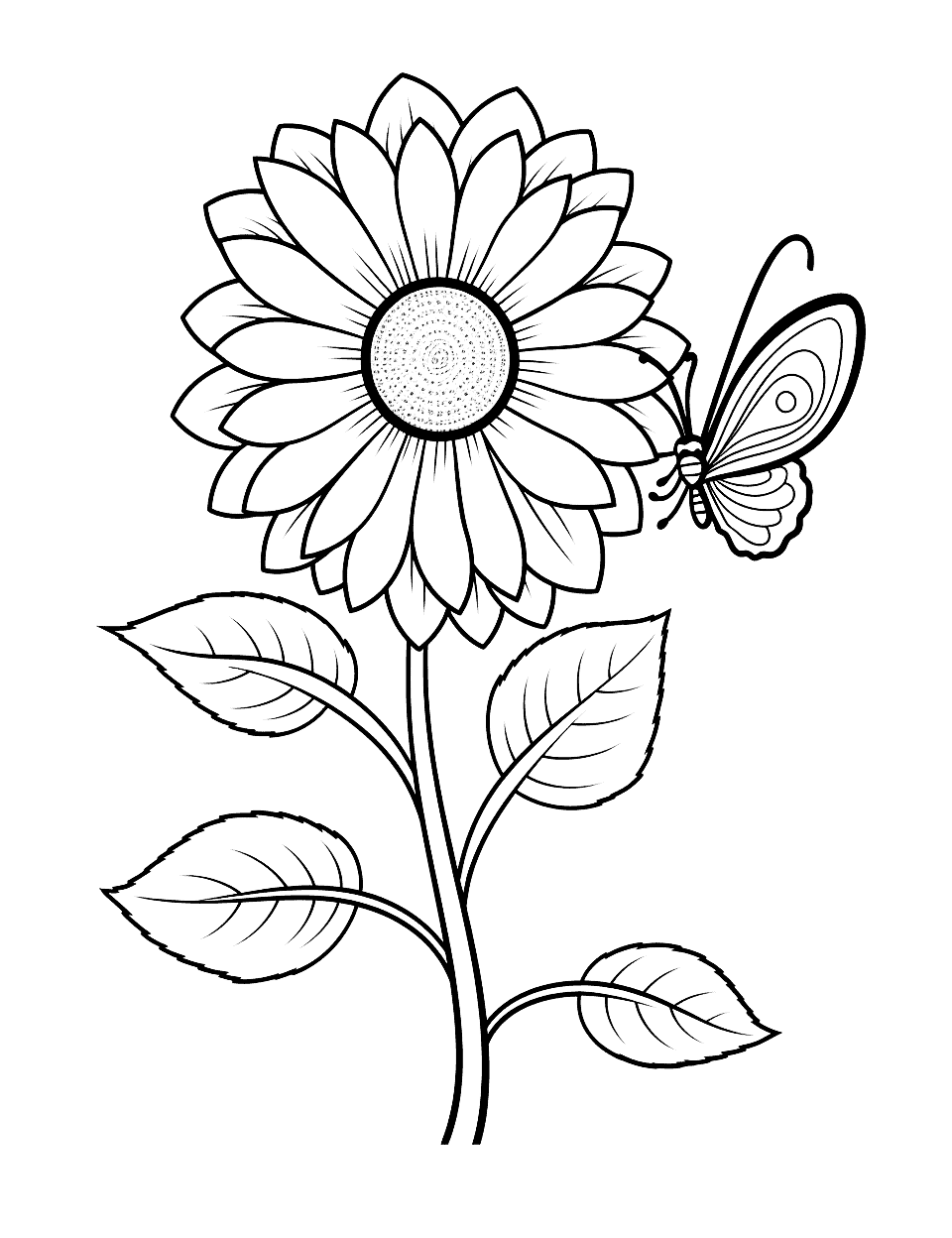
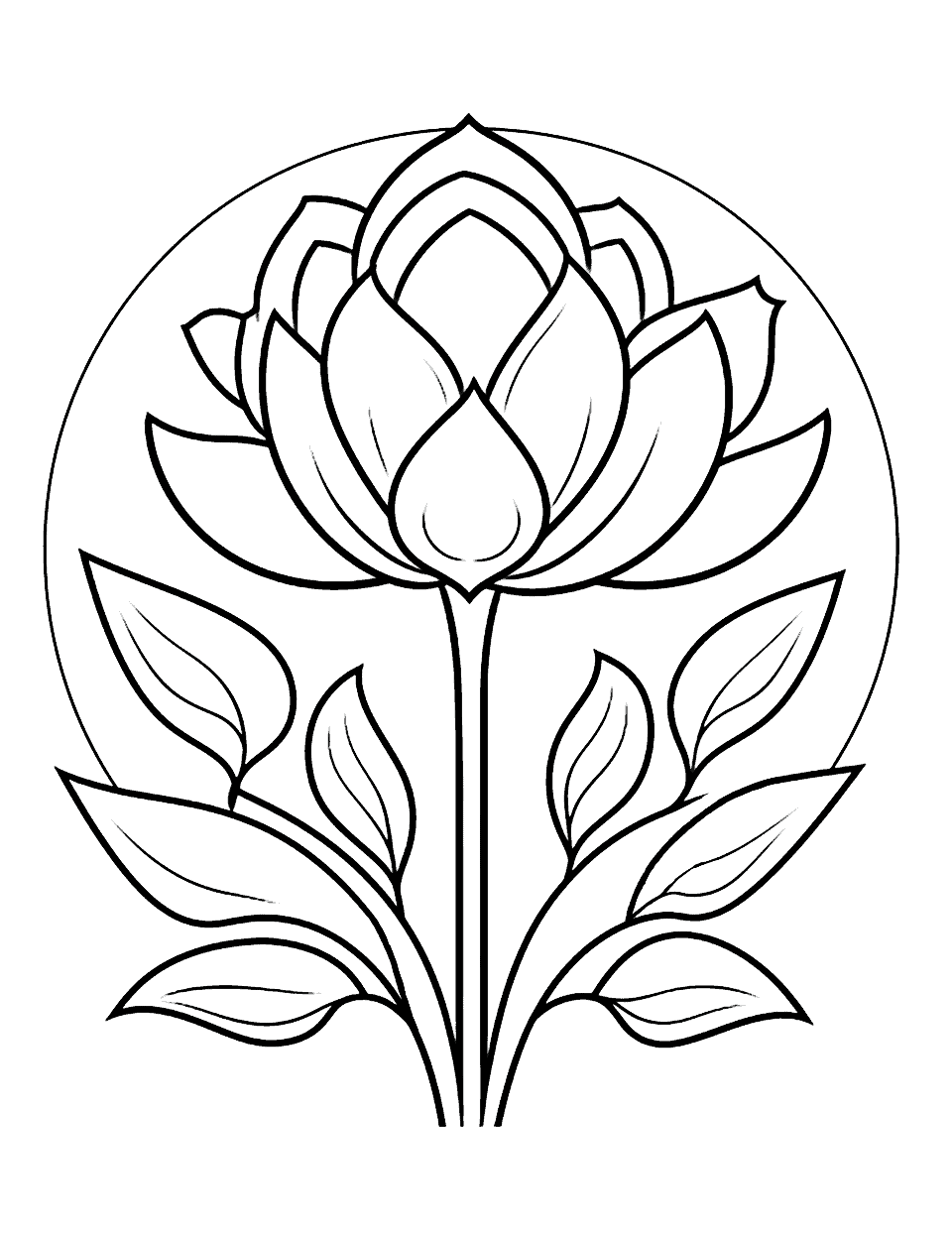
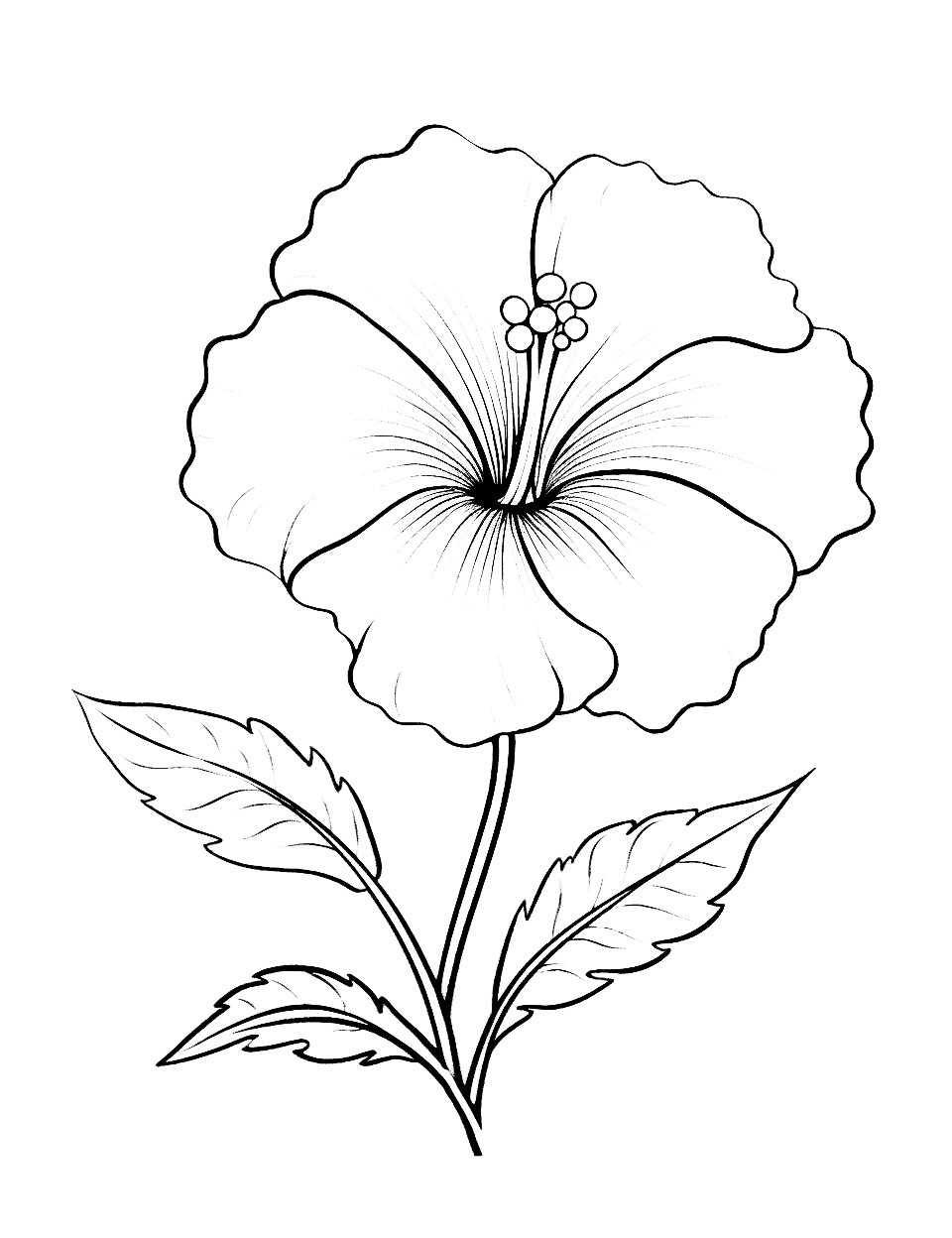
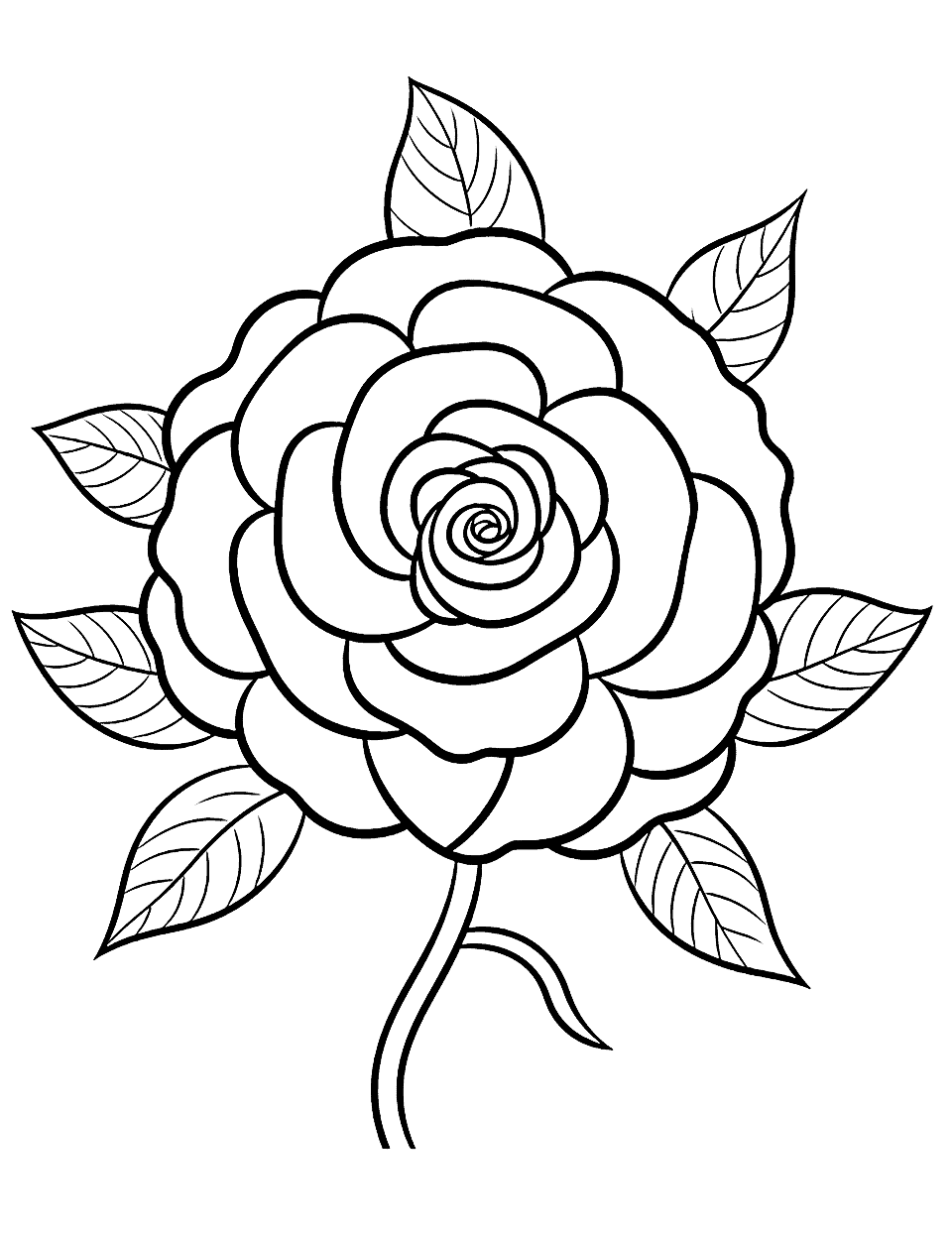
Welcome to your personal garden of creativity. Whether you want a relaxing afternoon activity or a way to teach your little ones about nature, these flower coloring pages are the perfect pick. We curated a blooming collection featuring everything from realistic roses and cheery sunflowers to intricate mandalas. Grab your crayons, download your favorites, and watch your colorful masterpieces come to life.
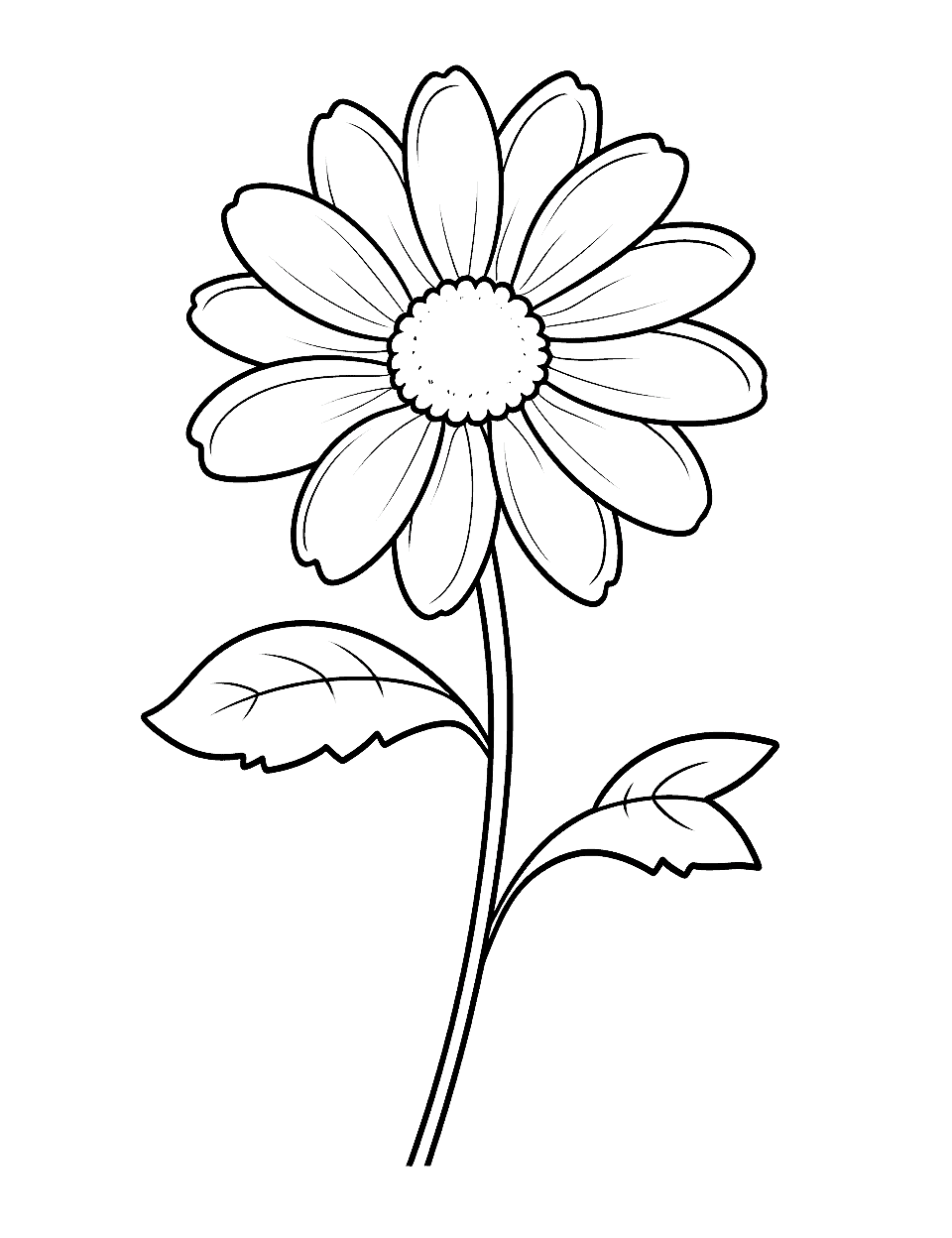
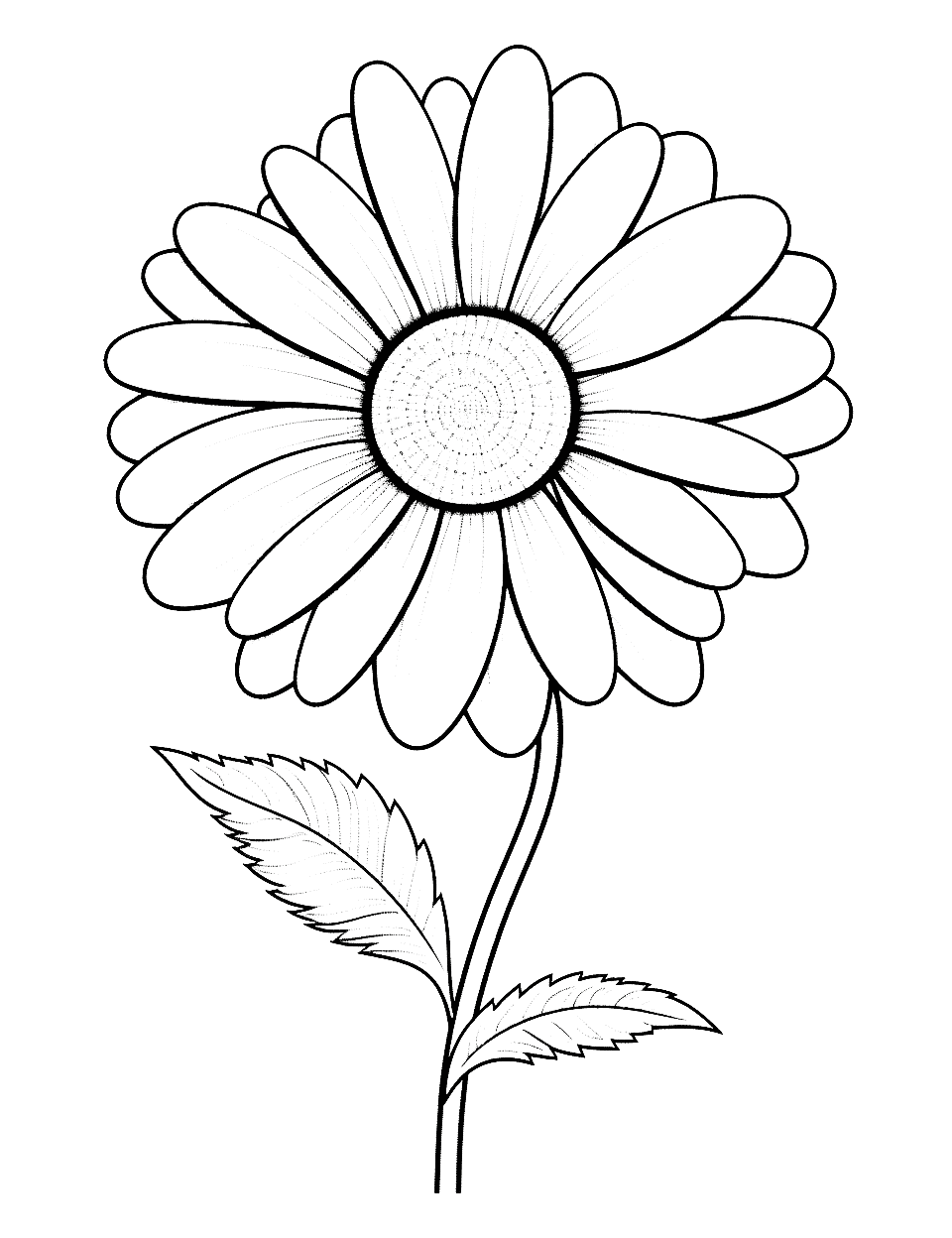
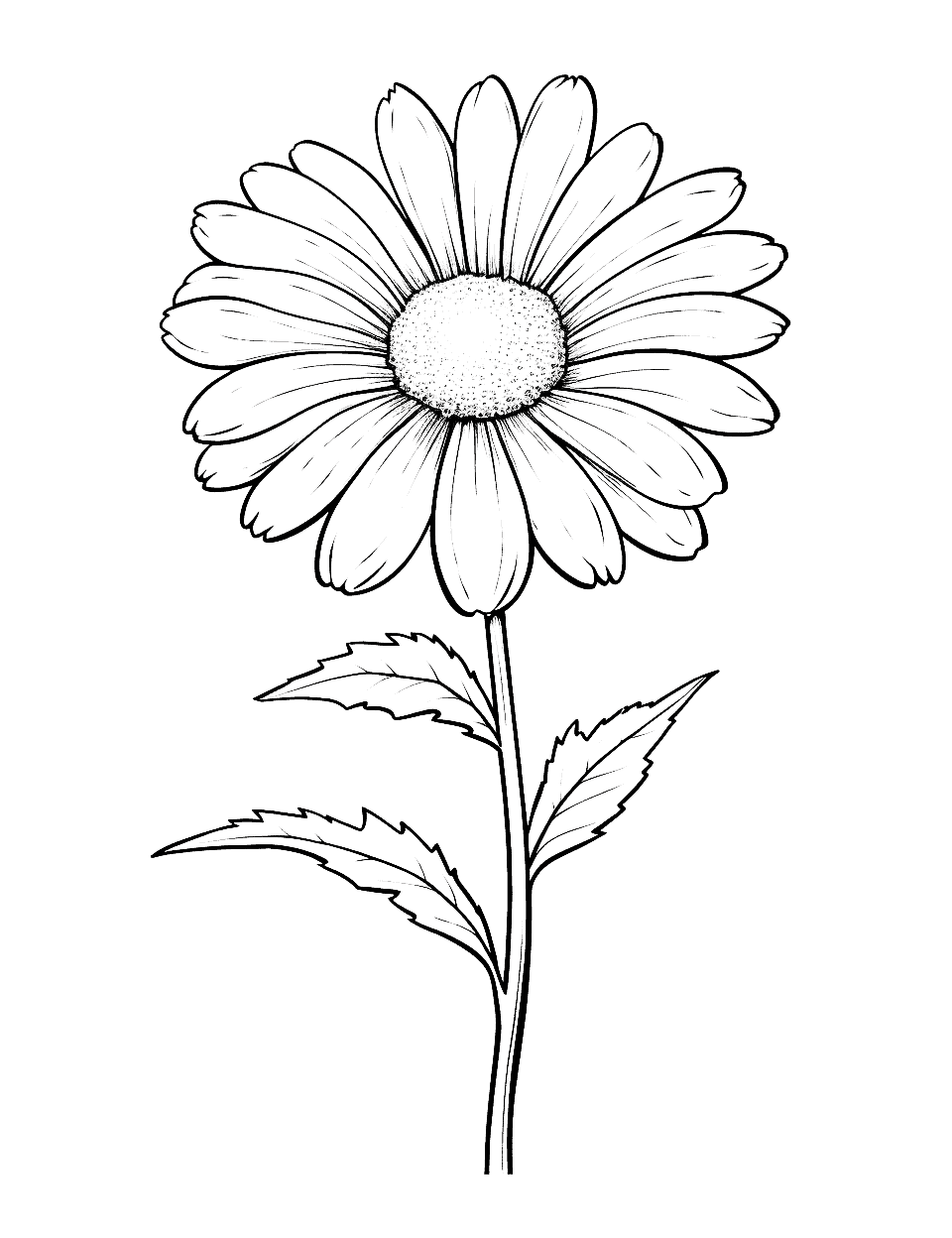
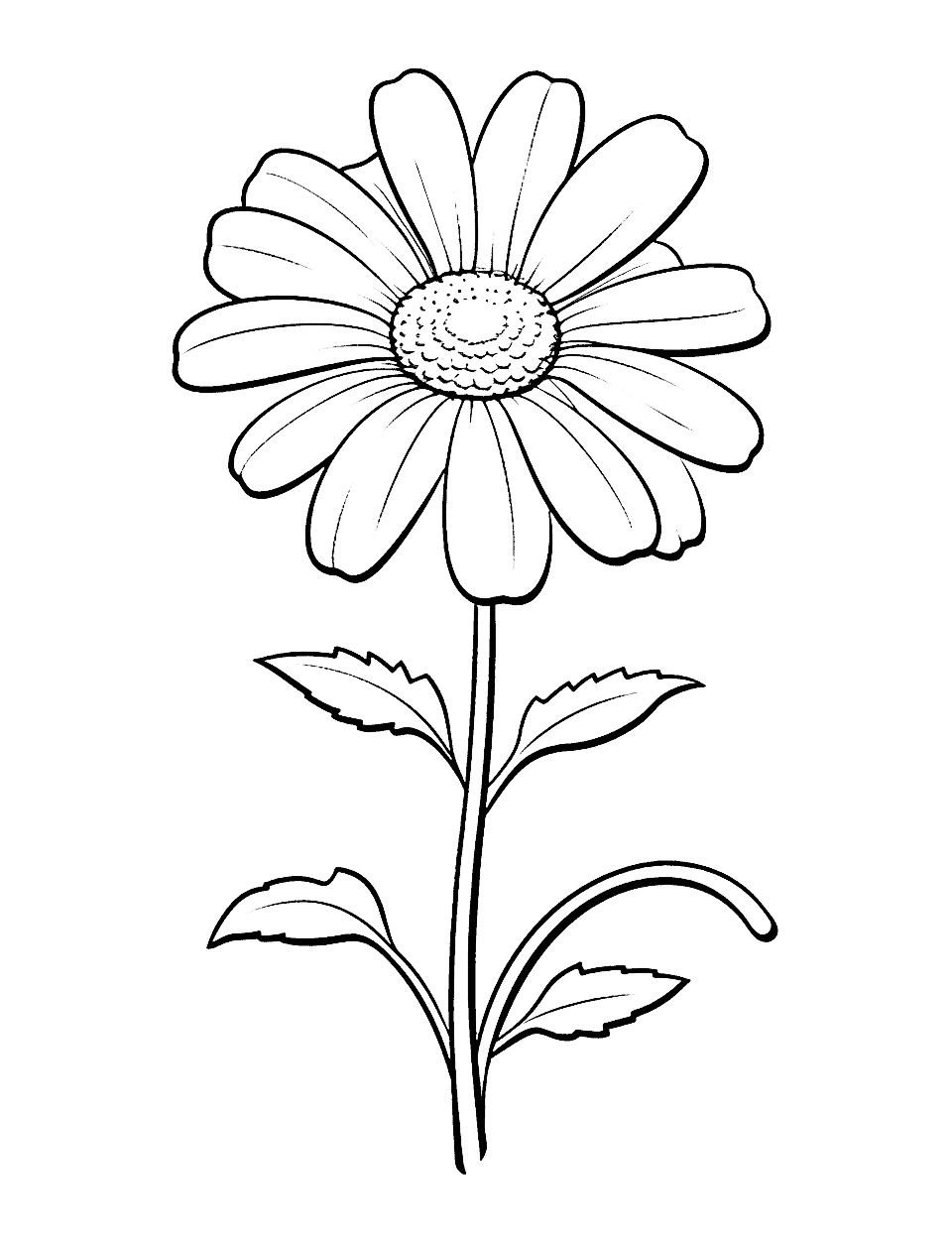
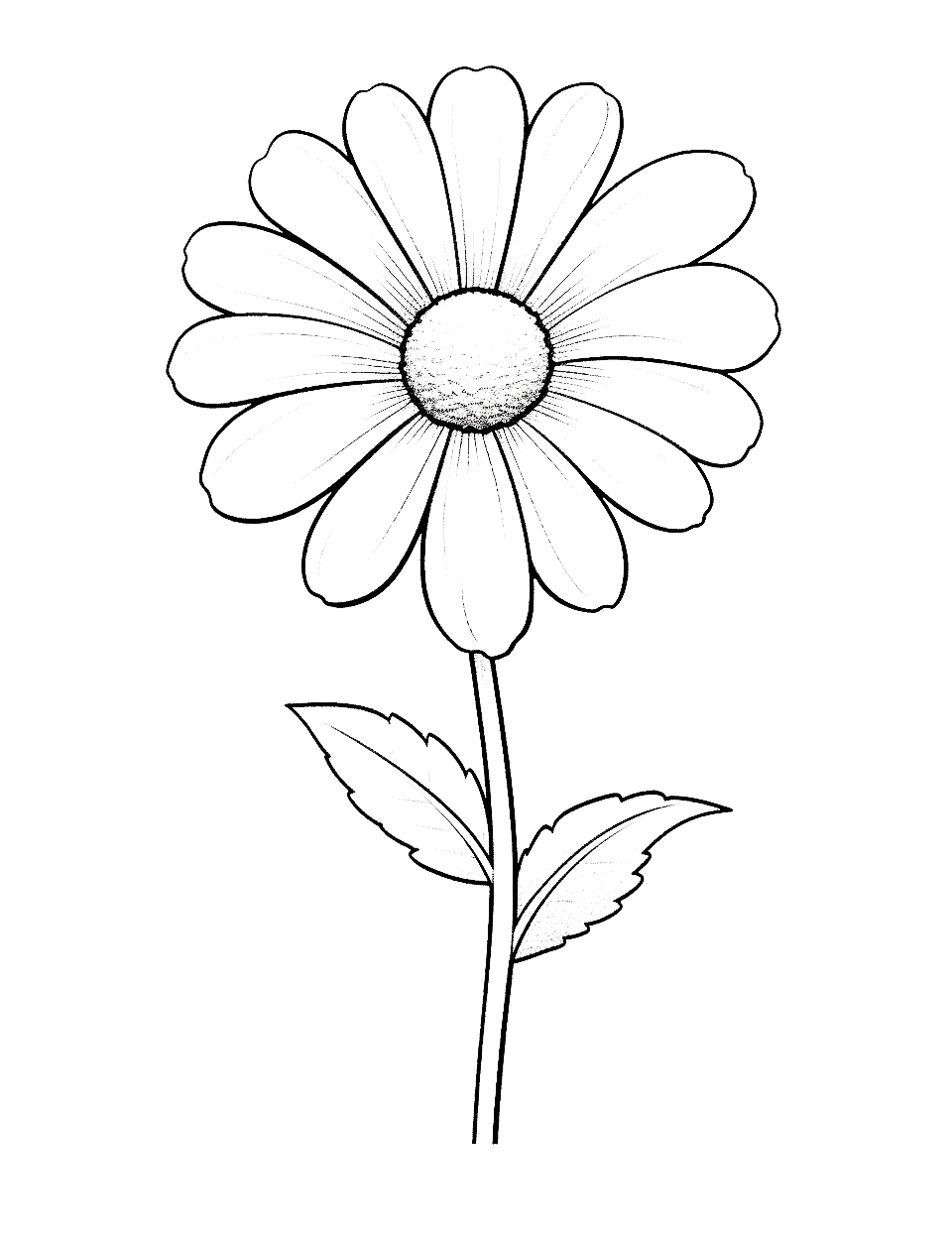
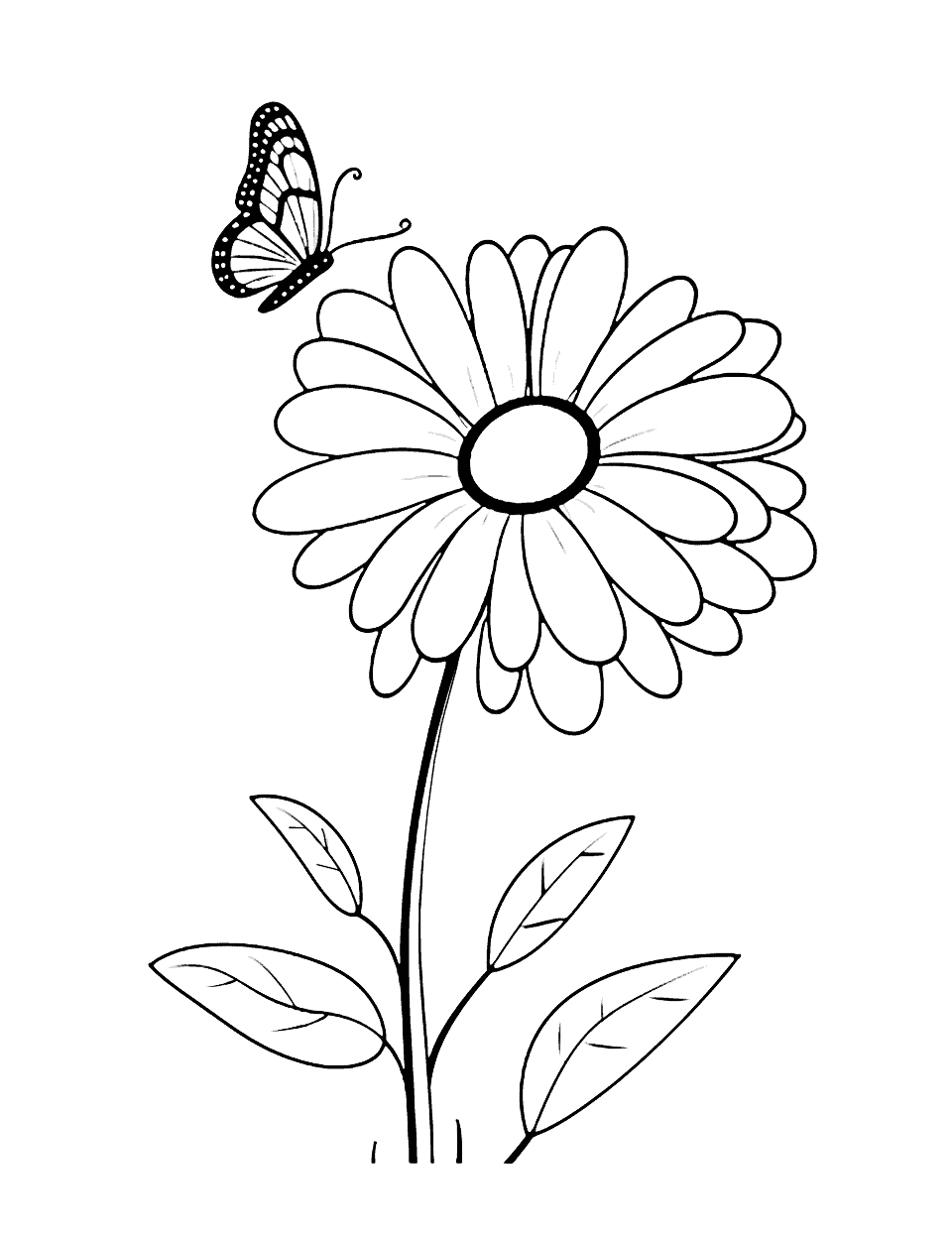
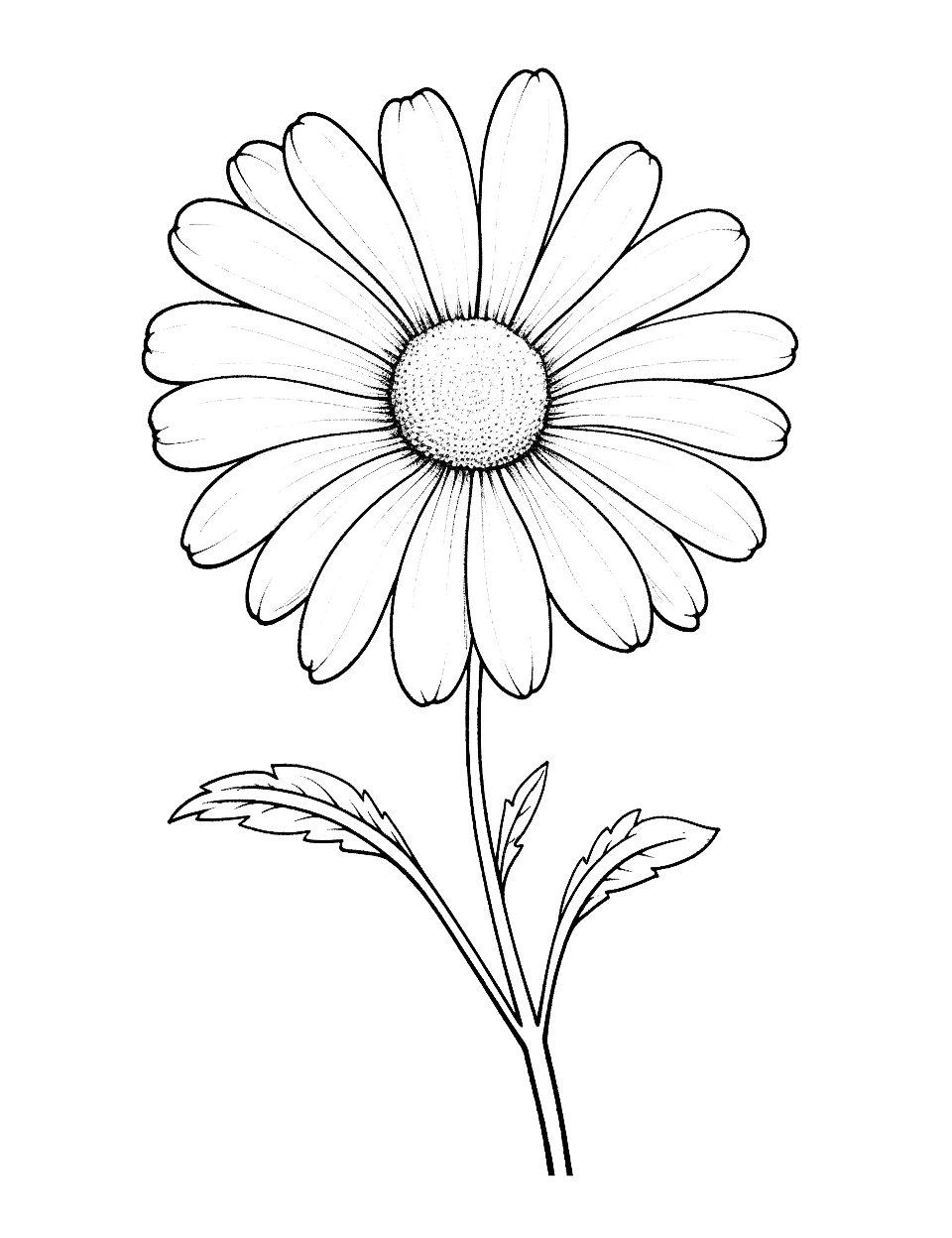
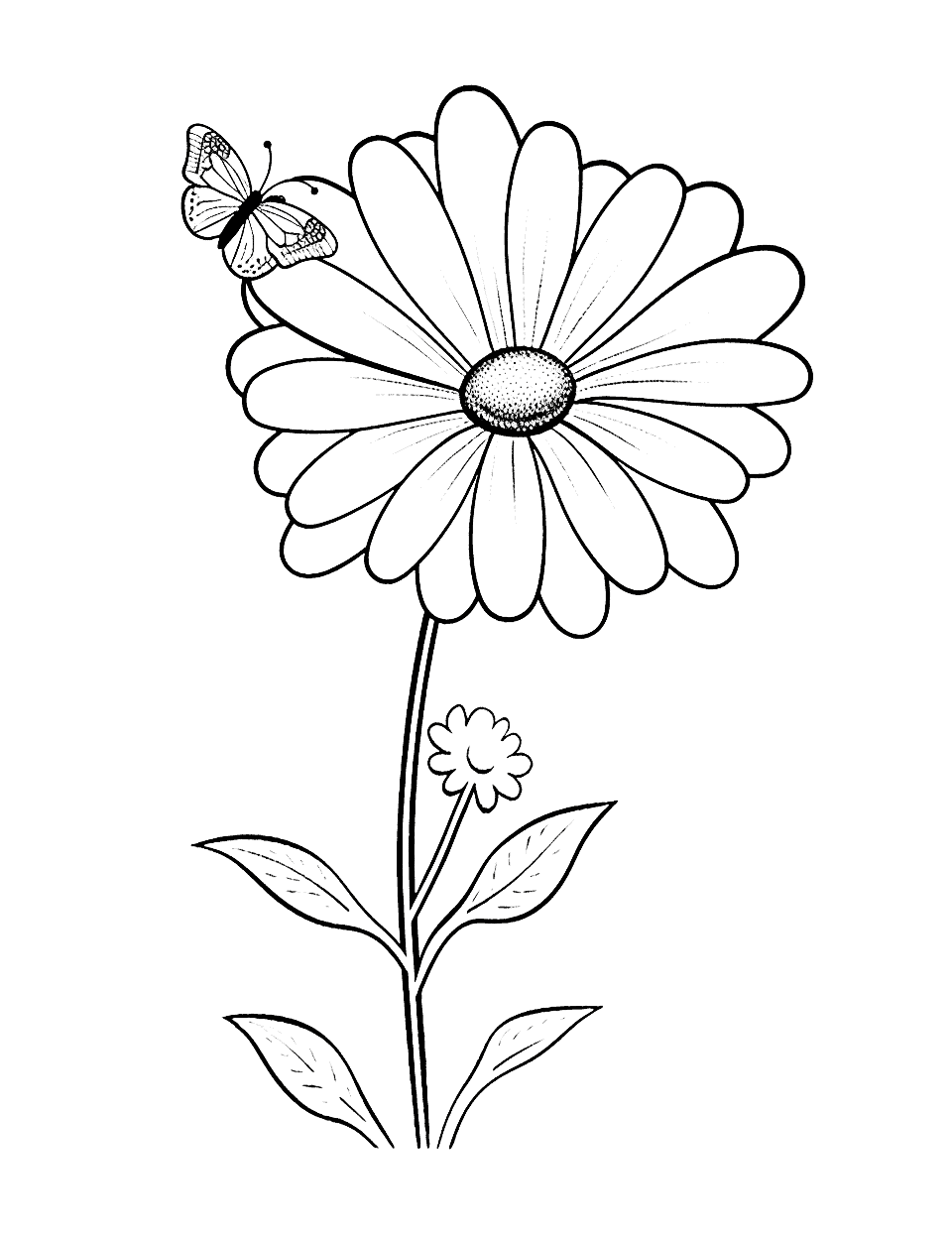
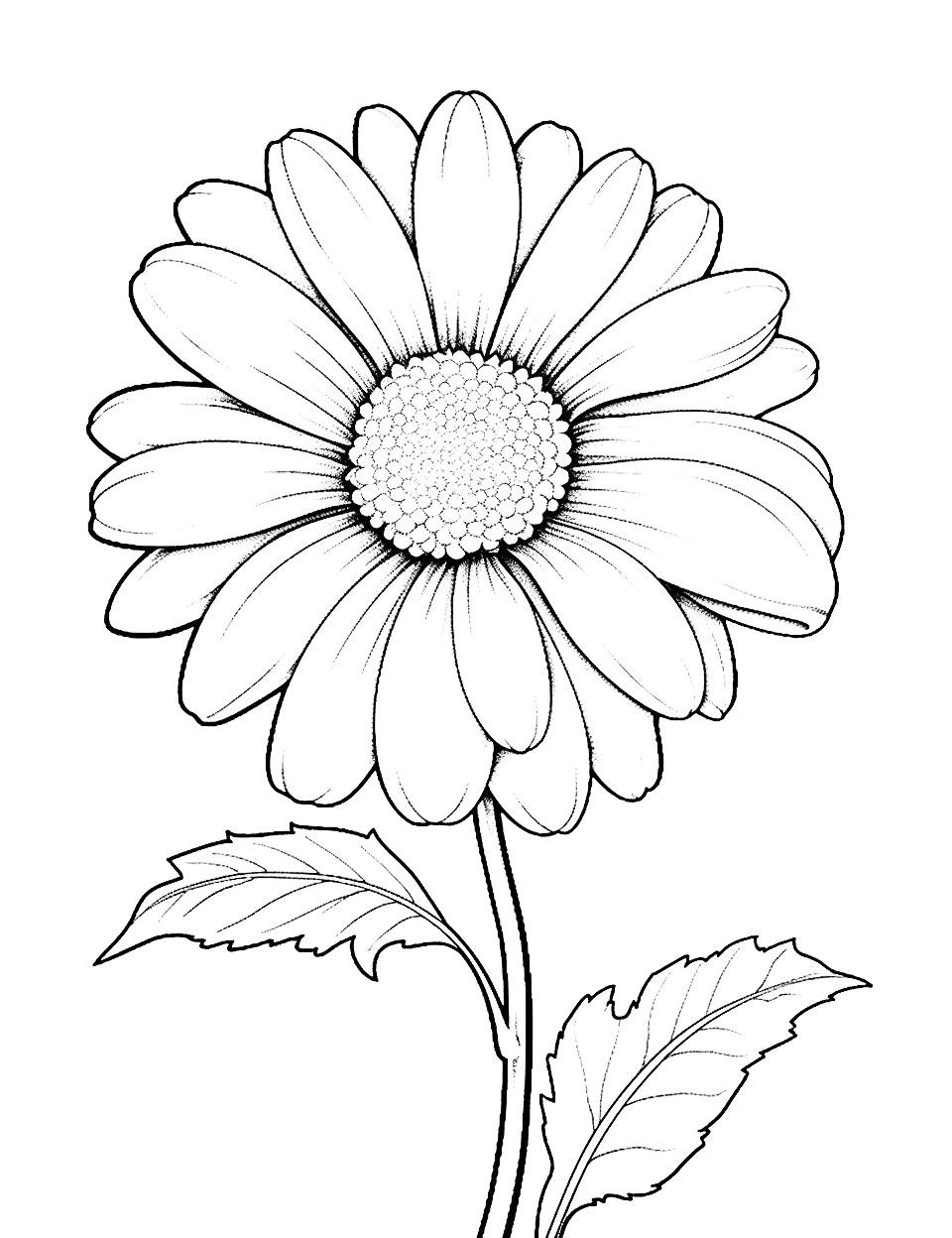
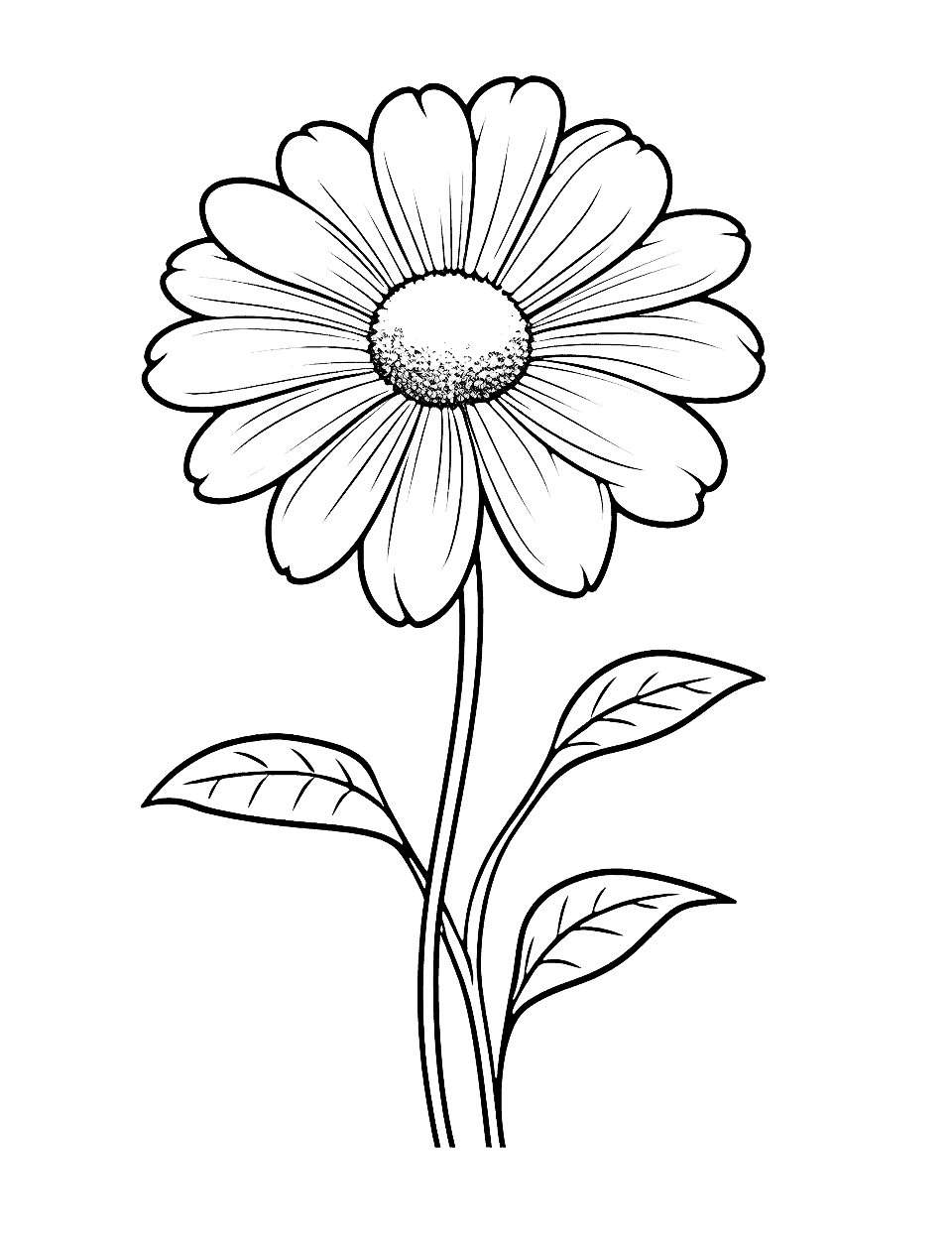
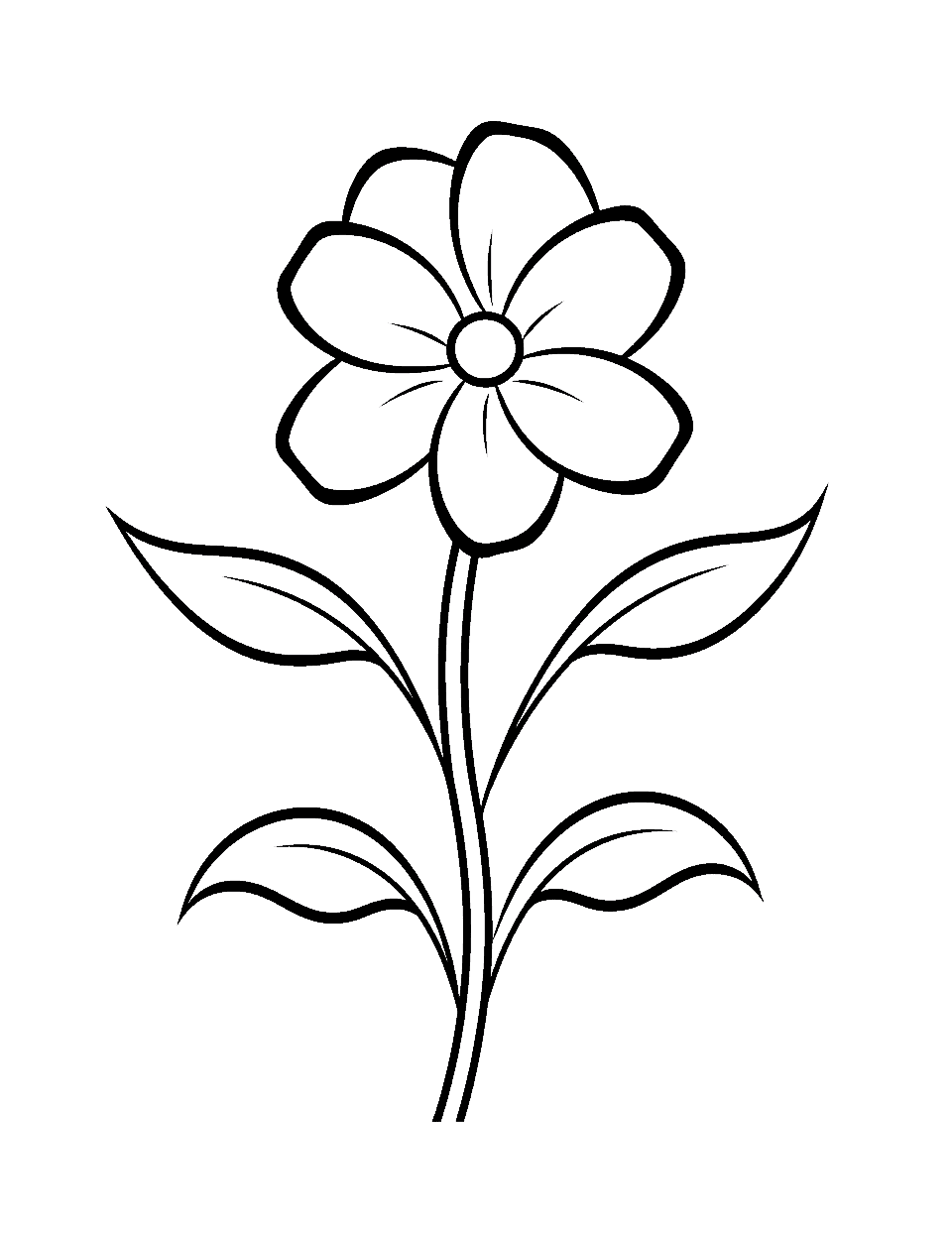
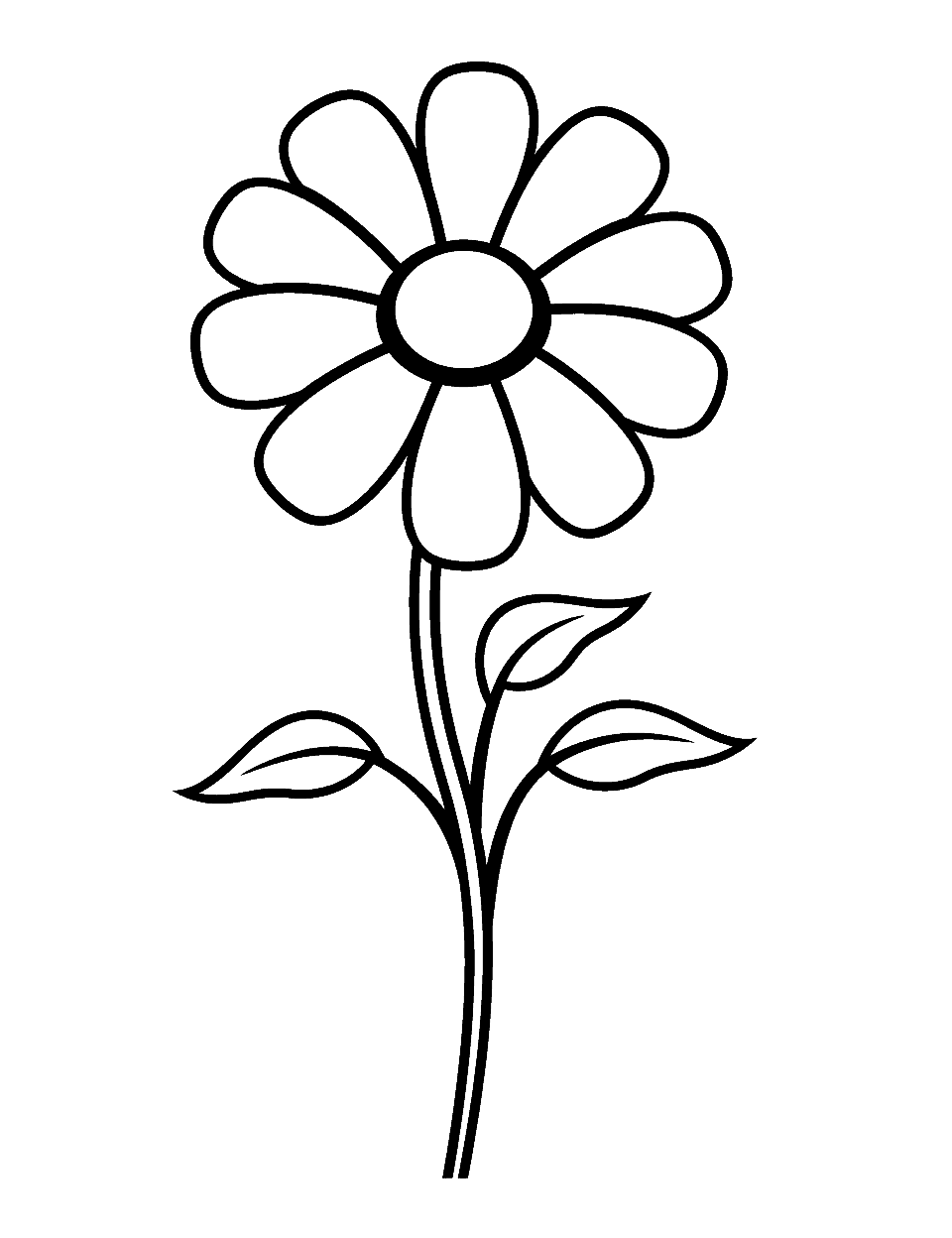
Easy Daisy
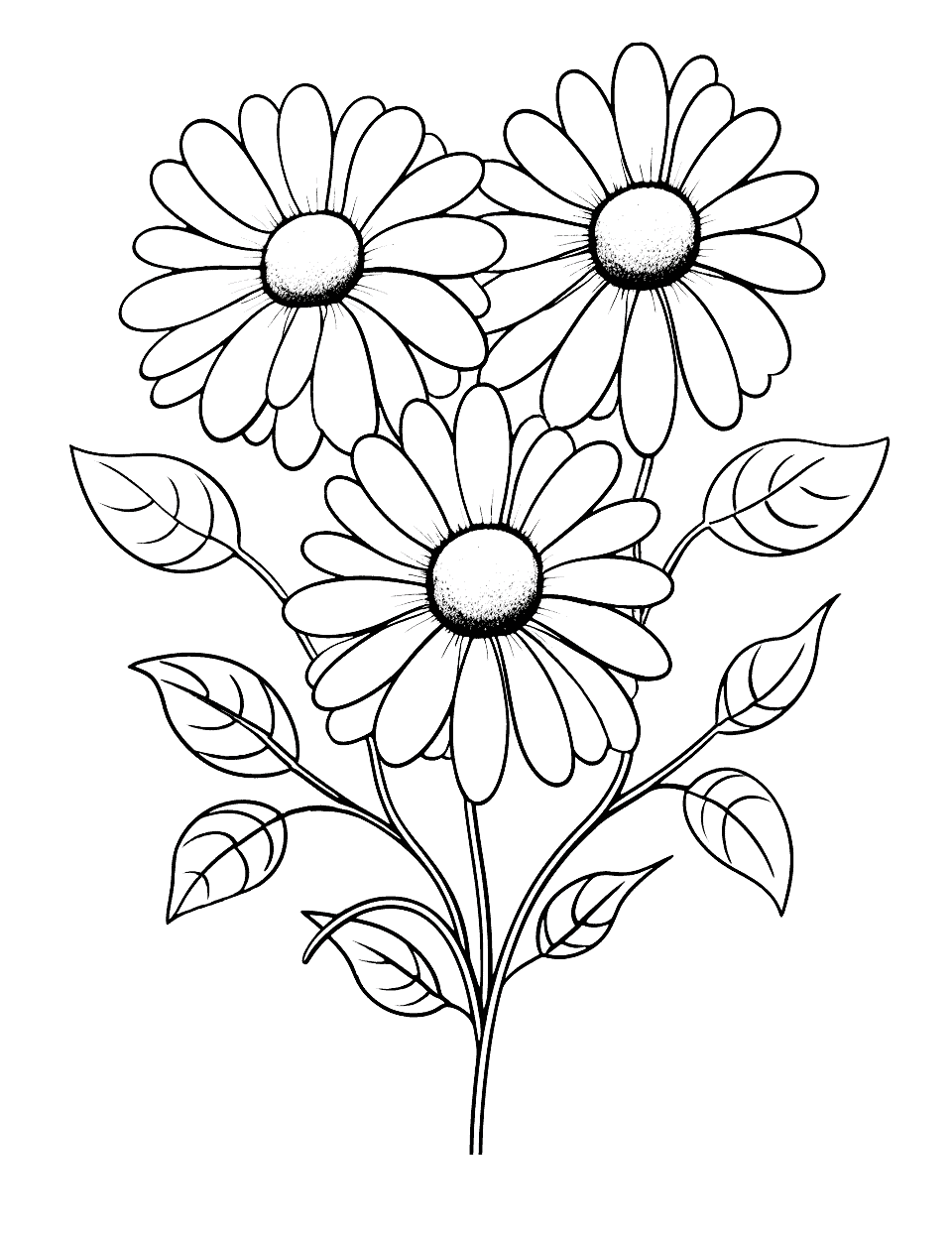
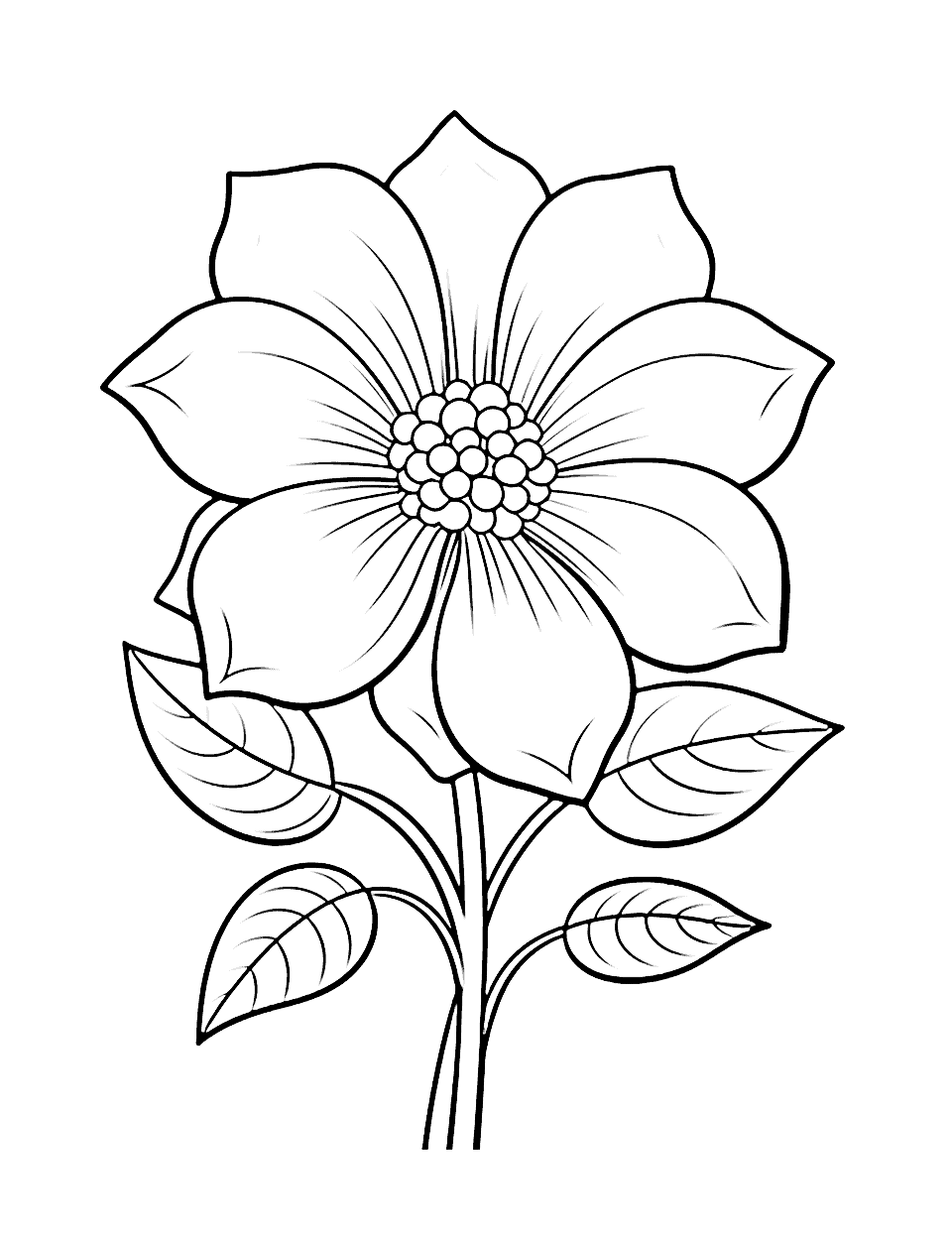
This simple daisy features large petals and clean lines. It is an ideal starting point for beginners and kindergarteners learning to color within the lines.
By using our free coloring pages, you acknowledge and agree to our full disclaimer. All materials are for personal, non-commercial use only and all rights belong to their respective license holders.
Activities to Do With Flower Coloring Pages
Don’t let the fun stop once the coloring is done. You can upcycle these printables into beautiful crafts and educational games. Here are a few creative ways to use your finished masterpieces.
Create a 3D Paper Bouquet
Transform your flat coloring pages into a forever bloom. Have your kids color several flower pages, then help them cut out the individual flowers. Glue the cutouts onto green pipe cleaners or craft sticks to create stems. Arrange them in a jar or vase for a vibrant centerpiece that never wilts.
Design Custom Greeting Cards
Nothing says “I care” like a handmade card. Print the coloring pages at half size or use the settings on your printer to scale them down. Once colored, cut out the flowers and paste them onto folded cardstock. Add a personal message, and you have a unique birthday or thank-you card ready to go.
Make a Floral Garland
Brighten up a bedroom or classroom with a flower garland. Color 5 to 10 different flowers, cut them out, and punch a small hole near the top of each bloom. String them together using twine, yarn, or ribbon. This makes for excellent spring decor or a festive party backdrop.
Botany Scavenger Hunt
Turn coloring time into a science lesson. Take your colored pages outside to a park or garden and try to find the real-life versions of the flowers. This helps children learn to identify different species like roses, tulips, and daisies while enjoying the outdoors.
Laminated Placemats
Preserve your child’s art by turning it into a functional placemat. After your child finishes coloring a page, run it through a laminator (or use clear contact paper). This protects the artwork from spills and makes cleanup easy, adding a cheerful touch to mealtime.
Mixed Media Masterpiece
Encourage your kids to think beyond crayons. Provide glue, glitter, tissue paper, and buttons to add texture to the flower pages. Crumbled tissue paper makes excellent 3D petals, while a button glued in the center of a sunflower adds a fun, tactile element.
FAQs
How Do I Print These Coloring Pages?
Click on the “Download” button under the image you want. This will save the PDF file to your device. Open the file and select “Print” from your browser or PDF viewer settings. Make sure your printer has enough paper and ink before you start.
What Is the Best Paper for Coloring?
For standard crayons and colored pencils, regular printer paper works perfectly. If you plan to use markers or watercolors, we recommend using cardstock or heavier heavyweight paper to prevent the colors from bleeding through to the other side.
Are These Coloring Pages Free to Use?
Yes, all the coloring pages in this collection are free for personal and educational use. You can print as many copies as you like for your home, classroom, or community group.
Can Adults Use These Pages Too?
Absolutely. While many pages are designed for kids, we included several intricate mandalas and realistic drawings specifically for adults. Coloring is a fantastic way for people of all ages to reduce stress and improve focus.
How Can I Help My Child Stay Within the Lines?
Start with the “Easy” or “Preschool” labeled pages, which have thicker outlines. You can also outline the inner edges of the shape with a thick marker before they start coloring; this creates a “bumper” that helps guide their crayon.