Are you dealing with itchy, uncomfortable nipples while breastfeeding?
You are definitely not alone. Thousands of moms go through this scratching phase. We have been there too, and we know how maddening it can be.
Breastfeeding should be a bonding experience, not an exercise in pain tolerance. Unfortunately, dry skin, fungal issues, or a poor latch can turn feeding time into a chore rather than a connection.
If you are experiencing itchy breasts, don’t panic. In this guide, we will break down the common culprits and give you practical, fast-acting solutions. Getting rid of the itch means a better latch for your baby and the comfort you deserve.
Key Takeaways
- Itchy breasts are often caused by dry skin, the let-down reflex, thrush, or skin stretching.
- Relieve the itch by air-drying nipples after feeds, using high-quality lanolin, and changing breast pads frequently.
- Persistent itching accompanied by pain or shiny skin could indicate an infection like thrush or mastitis; see a doctor if symptoms last.
- Don’t quit on a bad day! Consult a lactation consultant to fix latch issues that might be irritating your skin.
Causes of Breastfeeding Itchiness
Let’s figure out what is driving you crazy. Here are the most likely reasons for that nagging itch.
1. Dry Skin and Chafing
Sore breasts often come with the territory. Between milk flow, saliva, and constant cleaning, your sensitive skin takes a beating. The first few days of nursing are usually the hardest as your body adjusts.
Think of your nipples like your lips; if they are constantly wet and then exposed to dry air, they get chapped. This leads to cracking and an intense itching sensation.
Some babies also have a very powerful suck right from birth. If your nipples aren’t used to that kind of friction, it causes minor trauma to the skin. The good news? This “toughening up” period usually resolves within a couple of weeks.
2. Infections (Thrush)
This is the one most moms worry about. When your nipples crack, bacteria or fungi can sneak in. Thrush, a common yeast infection, is a frequent cause of severe itching.
Do a quick self-check. Do your nipples look bright pink or shiny? Do you feel sharp, shooting pains deep in the breast during or after feeding? If so, you might be dealing with thrush (1). This requires medical treatment for both you and your baby to stop passing it back and forth.
3. Poor Latch
If the itching and pain have lasted more than 10 days, it is likely a mechanical issue. Your baby might not be latching deeply enough.
If the baby is only sucking on the nipple rather than taking a mouthful of breast tissue, it creates friction and micro-trauma. This friction feels like a burn or an itch.
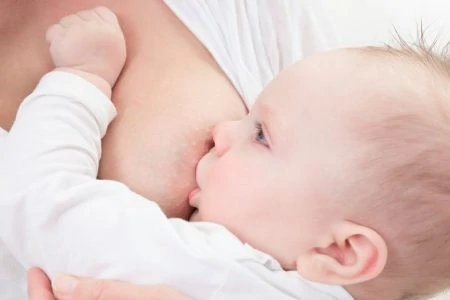
Aim for the “fish mouth” look. If your baby’s lips are flanged outward and covering a good portion of the areola, the latch is likely solid (2).
4. Stretchy Skin
Remember the stretch marks from pregnancy? Your skin itched as it expanded. The same thing happens during breastfeeding.
Your breasts are constantly filling with milk and emptying. This rapid fluctuation stretches the skin tight and then relaxes it, over and over. That continuous movement can make the skin feel tight and itchy.
Treating your breasts with safe moisturizers, just like you did for your belly, can provide major relief.
Safety First
Watch for an allergic reaction to any creams you use. And keep in mind your baby’s mouth goes there — so you may want to use a moisturizer that’s safe to ingest, like olive oil or coconut oil.

Editor's Note:
Michelle Roth, BA, IBCLC5. Blocked Ducts
While sharp pain is the hallmark of a clogged duct, itchiness is often an early warning sign. If you feel an urge to scratch deep inside the tissue and notice a tender lump, you likely have a blockage.
This is common, and you should continue breastfeeding on that side. Your milk is safe, and the flow helps clear the blockage (3).
Use warm compresses, massage the lump toward the nipple, and nurse frequently to drain the breast. If it doesn’t clear in 24 hours or you develop a fever, call your doctor to prevent infection.
6. The Let-Down Reflex
Sometimes the itch isn’t skin-deep; it’s internal. Many women describe their “let-down” (when the milk starts flowing) as a tingling, prickly, or itchy sensation.
This usually happens right as the baby starts to cry or feed, or even when you think about your baby. If the itching only lasts for a minute or two at the start of a feed, it is likely just your milk letting down.
How to Stop the Itch
Identifying the cause is step one. Now, let’s fix it. You don’t have to suffer through this or give up on nursing.
Many moms feel defeated around the two-week mark, but simple changes can turn things around. Here is how to soothe the irritation:
- Hydrate safely: Use purified lanolin cream or organic coconut oil on your nipples after every feed. These seal in moisture and are generally safe for the baby.
- Air dry is key: After your baby finishes eating, don’t button up immediately. Let your nipples air dry for 5 to 10 minutes. Trapping moisture against the skin breeds bacteria and causes chapping.
- Change pads often: If you use nursing pads, change them as soon as they get damp. Sitting in wet pads is a recipe for thrush and skin breakdown.
- Skip the soap: When showering, rinse your breasts with warm water only. Soaps can strip natural oils from the areola, making dryness and itching worse.
- Get a latch check: Even if you think you are doing it right, a lactation consultant can spot minor adjustments that save your skin. A nursing pillow can also help position the baby to reduce drag on your skin.
What if It’s an Infection?
If moisturizers and air-drying aren’t working, you might be dealing with something medical. Here is what to watch for.
1. Thrush (Yeast)
Thrush is a fungal infection that loves warm, moist environments. It is often passed between mom and baby (4).
Symptoms: Itchy, burning nipples that look pink or shiny; shooting breast pain; white patches in the baby’s mouth.
Treatment: You need an antifungal prescription from your doctor. Both you and your baby must be treated simultaneously, or you will keep reinfecting each other. You will also need to sanitize pacifiers and bottle nipples.
2. Mastitis
Mastitis is an inflammation of breast tissue that may involve an infection (5). It often starts as a blocked duct that doesn’t clear.
Symptoms: A hard, red, swollen wedge on the breast; fever; chills; flu-like body aches. The skin may feel hot and itchy as it swells.
Treatment: Rest, hydration, and frequent emptying of the breast are vital. If you have a fever, contact your doctor immediately; you may need antibiotics safe for breastfeeding.
3. Dermatitis and Eczema
Your skin might just be reacting to your environment. Contact dermatitis is an allergic reaction to something touching your skin.
Did you change laundry detergent? Are you using a new nipple cream? Are you wearing a bra with synthetic fabrics?
Red, itchy, scaly patches on the breast or nipple often point to dermatitis or eczema.
Rule Out The Irritant
Inflammatory breast cancer and Paget’s disease are rare conditions that can also cause breast itchiness but are typically accompanied by other symptoms as well. Working closely with your health care provider will help rule out these serious, though rare, conditions.
Editor's Note:
Michelle Roth, BA, IBCLCWill This Last Forever?
I asked myself this constantly during those sleepless first weeks. Between fussy babies and itchy skin, it feels impossible.
Here is the truth: It gets easier. For most women, nipple sensitivity and itchiness subside significantly after the first two weeks as the skin adjusts.
If you are at your breaking point, you have options. You can pump your breast milk and bottle feed for a day or two to give your nipples a “vacation.” Just make sure to use a slow-flow bottle to avoid nipple confusion.
Don’t suffer in silence. Reach out to a lactation professional or your doctor. With the right tweak to your routine, the itch stops, and you can get back to enjoying your baby.
FAQs

Can Nipples Be Itchy Without Thrush?
Absolutely. Itchy nipples are frequently caused by dry skin, healing cracks, hormonal changes, or the “let-down” reflex. While thrush is a common culprit, simple dryness or friction from a shallow latch are actually more common reasons for the itch.

What Can Be Mistaken for Mastitis?
Engorgement and plugged milk ducts mimic mastitis. They all cause swelling, redness, and tenderness. The key difference is systemic illness; mastitis usually brings a fever over 101.3°F (38.5°C) and flu-like body aches. If you feel like you have the flu, it is likely mastitis.

Why Do My Breasts Itch When Milk Comes In?
This is likely the “let-down” reflex. As oxytocin triggers the milk to flow through the ducts, many women feel a prickly, tingling, or itchy sensation. It typically happens at the very start of a feed and fades quickly once the milk is flowing freely.
Can I Use Hydrocortisone Cream on My Nipples?
Generally, low-potency hydrocortisone is used for severe dermatitis, but you must consult your doctor first. It should be applied sparingly after a feed and must be washed off completely before the baby nurses again to prevent ingestion.