Let’s be honest: finding those first red or purple streaks on your belly can be a bit of a shock.
While completely eliminating stretch marks during pregnancy is often out of your control due to genetics, you can take steps to minimize their appearance.
In this article, we will explore why stretch marks happen, where they appear, and practical ways to support your skin’s elasticity as your bump grows.
Causes of Stretch Marks During Pregnancy
To manage stretch marks, you first need to understand why they appear. If you know the root cause, you can set realistic expectations for your skin care routine.
At the very least, understanding the biology behind them helps you accept these changes. While they might be frustrating, remember that these marks are a testament to the incredible work your body is doing to grow your baby.
How Do Stretch Marks Form?
Stretch marks occur when your skin stretches or pulls beyond its comfortable limit, particularly during periods of rapid growth like pregnancy.
Your skin is naturally elastic, but stretching it too far or too fast can disrupt collagen production. Collagen is the vital protein that makes up your skin’s connective tissue.
Your skin consists of three distinct layers (1):
[list style=”info”]- The epidermis (the outer layer).
- The dermis (the middle layer containing connective tissue, sweat glands, and hair follicles).
- The hypodermis (the deepest layer made of connective tissue and fat).
Stretch marks form in the dermis layer. When rapid expansion causes a tear in the dermis, the deeper hypodermis layer becomes visible. This visibility is what creates the unique color and texture of a stretch mark (2).
Please do not feel bad if you get them. They are incredibly common. More than half of all pregnant women develop them, and some estimates suggest that number is closer to 90 percent.

Are Stretch Marks During Pregnancy Different?
Anyone can get stretch marks during rapid weight gain because the skin tears to accommodate the added size. However, pregnancy creates a unique environment for these marks to flourish.
Experts believe it is easier to form stretch marks while expecting.
This increased susceptibility is due to pregnancy hormones. These hormones attract more water into the skin, which relaxes the collagen fibers more than usual (3). Because the bonds are more relaxed, the skin tears more easily under tension.

What Do They Look Like?
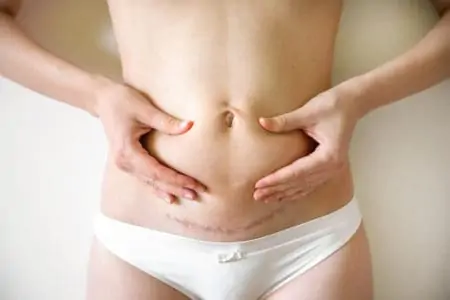
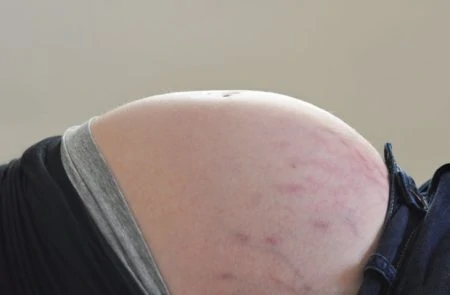
When stretch marks first arrive, they typically look pink, reddish, or purple. As they grow longer and wider, the color may deepen.
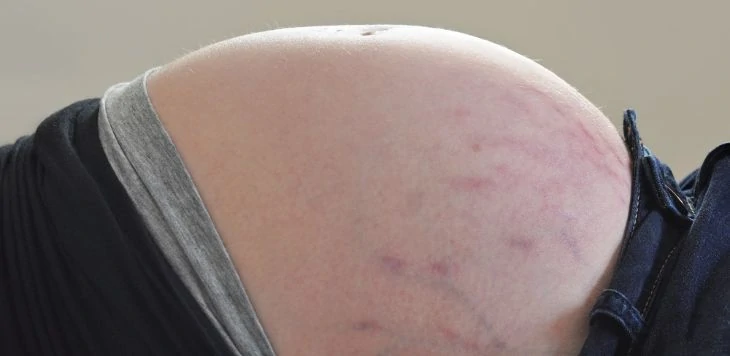
Months after you deliver your baby, the marks will begin to fade. They eventually turn white or silvery. They may also appear slightly sunken or textured compared to the surrounding skin.
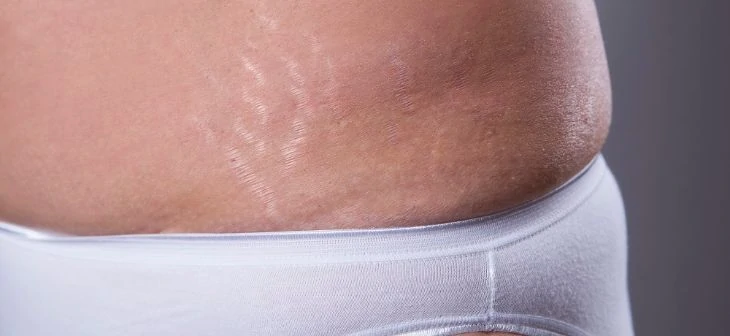
Your skin tone determines how they look. On lighter skin, fresh marks appear darker than the surrounding area. On darker skin, the marks often appear lighter than the nearby skin.
While they might make you feel self-conscious, keep in mind that you notice them far more than anyone else does.

When Do Stretch Marks Start?
For some women, marks appear in the first trimester, but this is less common. Early stretch marks often occur if a woman gains weight very quickly right after a positive pregnancy test.
Since rapid expansion triggers tearing, a steady and gradual weight gain is your best defense.
It is healthy and necessary to gain weight during pregnancy. Do not try to avoid it. However, you might minimize skin damage if you gain the weight slowly.
Doctors generally recommend an extra 340 calories per day in the second trimester and 450 calories in the third (4). Unless you were underweight to begin with, you typically do not need extra calories in the first trimester.
Sticking to these guidelines may help the skin adjust more gradually.
For the majority of women, stretch marks appear or worsen during the third trimester or the second half of the second trimester. This is when the baby does the most growing, stretching your skin to its max.

Which Areas Are Most Affected?
The belly is the most common site for stretch marks because it undergoes the most extreme expansion to accommodate your baby.
However, other areas are also prone to tearing. You might find marks on your thighs, hips, lower back, buttocks, and breasts. If you gain significant weight in your upper body, they may also appear on your upper arms.
Personally, most of mine appeared on my belly, hips, and lower back. This seems to be the standard experience for many moms.
The only areas that typically remain clear are places that do not accumulate fat deposits, such as the lower legs or forearms.

Are Stretch Marks Permanent?
Stretch marks will fade and become much less noticeable with time, but they do not disappear on their own. You should view them as scars, because that is exactly what they are.
If you cut your arm, the wound heals, but a faint line usually remains. Stretch marks work the same way; they are healed wounds in the dermis.
The only potential way to remove them entirely is through surgery, such as a tummy tuck where the skin is removed. Even then, surgery leaves its own scars. Most moms find that the marks fade enough over time to stop being a major concern.

Are Stretch Marks Genetic?
You inherited your eye color and hair texture from your parents, and you likely inherited their skin type too. Genetics play a massive role in whether you get stretch marks.
If your mother had them, you likely have the same genetic predisposition. This often relates to the natural strength of your collagen. If you inherited naturally weaker collagen bonds, you will experience more tearing than someone with stronger genetic elasticity.
Scientists have even identified specific gene mutations linked to stretch marks (5). Mutations in the elastin, SRPX, HMCN1, and TMEM18 genes can increase your risk by up to 40 percent.

Are Stretch Marks Itchy?
Stretch marks can get insanely itchy during pregnancy. In fact, your entire belly might itch simply because the skin is tight and dry.
If you feel like your belly is becoming extremely itchy, you should call your doctor, other conditions such as cholecystitis in pregnancy, which is inflammation of the gallbladder can also cause an itchy belly.

Editor's Note:
Jennifer Schlette, MSN, RNWhile annoying, itchiness is usually manageable compared to other pregnancy symptoms like heartburn or back pain.
To manage the itch, avoid hot showers. Hot water strips natural oils from your skin and makes the dryness worse. Stick to warm or cool water and keep your skin heavily moisturized with lotions or oils.
How to Prevent Pregnancy Stretch Marks
With so many women prone to stretch marks, the big question is: can you stop them? Is there a way to avoid this lifelong souvenir of pregnancy?
Can Stretch Marks Actually Be Prevented?
There is no magic wand that guarantees a mark-free belly. If your genetics dictate you will get them, you likely will. However, you can take steps to improve your skin’s elasticity and limit the severity of the tearing.
Here are the three pillars of skin health during pregnancy:
[list style=”arrow-green”]- Skin elasticity: This is largely genetic, but hydration helps maximize what you have.
- Nutrition: Eating whole foods rich in vitamins helps build stronger collagen. Choosing fruits and veggies over processed snacks also helps you manage weight gain, reducing stress on the skin.
- Hydration: Using the best stretch mark cream keeps the outer layer of skin supple and reduces itching. Internal hydration (drinking water) is equally important.
Keep In Mind

1. Stay Hydrated
Your hydration needs increase significantly during pregnancy. Drinking enough water benefits you internally and keeps your skin cells plump and elastic.
Aim for a minimum of 8 glasses of water a day. If plain water bores you, try sparkling water with a splash of fruit juice or add lemon slices.
You can also “eat” your water by snacking on high-water-content fruits like watermelon, cucumbers, and strawberries.
Pay close attention to signs of dehydration, especially if you are suffering from morning sickness or are pregnant during summer months.
Look For
2. Coconut Oil
Coconut oil is a favorite among natural-minded moms. It is safe, smells great, and provides deep moisture to dry skin.
You can apply pure coconut oil or a lotion containing it to your belly, hips, and thighs. It helps lock in moisture and soothes the “stretching” sensation.
Apply it in the morning and before bed. For the best results, apply it immediately after a shower while your skin is still slightly damp to trap the water in your pores.
3. Olive Oil
If you dislike the scent of coconut, olive oil is a fantastic alternative. Most people already have it in their kitchen, making it a cost-effective remedy. It is rich in Vitamin E and antioxidants.
Apply it exactly as you would coconut oil. Be careful not to use too much, as it can be heavy and might stain clothing if not rubbed in thoroughly.
4. Vitamin C
Vitamin C is famous for its role in immune health, but it is also a critical component in collagen production. Your body needs Vitamin C to repair tissues and build new skin cells.
Rather than taking a generic supplement (which is likely already in your prenatal vitamin), focus on your diet.
Load up on strawberries, bell peppers, citrus fruits, broccoli, and kale. These foods provide the building blocks your skin needs to stay strong.
5. Zinc
Zinc is a mineral that supports collagen formation and holds skin tissue together. A deficiency in zinc might make your skin more prone to tearing.
Check your prenatal vitamin to see if it includes zinc. Generally, you should not add a separate zinc supplement unless your doctor advises it.
Instead, look for dietary sources. Nuts, seeds, legumes, and whole grains are excellent ways to boost your zinc intake naturally.
6. Create Your Own Stretch Mark Cream
If you want to avoid preservatives and chemicals found in store-bought creams, you can whip up a batch of DIY belly butter.
A popular recipe involves mixing olive oil, coconut oil, and beeswax. You can also add Vitamin E oil for an extra boost.
To make it:
- Combine one cup of olive oil, one cup of coconut oil, and half a cup of beeswax in a glass jar.
- Place the jar in a pot of simmering water (like a double boiler) until the ingredients melt.
- Stir well, remove from heat, and let it cool.
Once solid, use this balm on your belly two or three times a day.
7. Shea or Cocoa Butter
While scientific studies on the effectiveness of cocoa butter for preventing stretch marks are mixed, generations of mothers swear by it.
At the very least, shea and cocoa butters are incredible emollients. They keep the skin soft, reduce dryness, and relieve itching. Massaging these butters into your skin is a great self-care ritual that connects you with your baby.
8. Manage Weight Gain
It is tempting to “eat for two,” but rapid weight gain is the number one trigger for stretch marks. When you gain weight faster than your skin can adapt, the dermis tears.
Focus on a slow, steady gain by managing your pregnancy cravings. Satisfy your hunger with nutrient-dense foods rather than empty calories.
9. Belly Rubs
Regular light massage improves blood circulation to the skin, which may help with elasticity.
Use gentle, circular strokes or long sweeping motions across your belly. This is also a wonderful way for your partner to bond with the baby and help you relax.
10. Exercise
Exercise supports healthy circulation and helps regulate weight gain.
By keeping your weight gain steady and your blood flowing, you give your skin a better fighting chance. You do not need to run marathons; a daily 30-minute walk or a prenatal yoga session is perfect.
FAQs

Who Is More Prone to Stretch Marks in Pregnancy?
Some mothers are more prone to stretch marks due to genetics, rapid weight gain, and the size of the baby. If your mother developed stretch marks during her pregnancies, there is a higher probability that you will too because skin elasticity is a hereditary trait.

What Goes First: Oil or Lotion for Stretch Marks?
If you use both, apply the oil first and follow up with the lotion. The oil penetrates deeper into the skin to hydrate, while the thicker lotion acts as a barrier to seal that moisture in.

What Do Purple Stretch Marks Mean?
Purple or red stretch marks are fresh marks. The color comes from the blood vessels showing through the tears in the dermis layer of the skin. Over time, these marks will heal and fade to a silver or white color.

Can Aquaphor Help Stretch Marks During Pregnancy?
Aquaphor is an excellent occlusive moisturizer that traps water in the skin. While it cannot repair torn collagen deep in the dermis, it effectively keeps the skin surface pliable and relieves the itching associated with rapid stretching.

Do Stretch Marks Go Away After Pregnancy?
Stretch marks generally do not disappear completely. However, they fade significantly over time, turning from angry red or purple lines to faint silvery streaks that are much less noticeable.

Is Retinol Safe for Stretch Marks During Pregnancy?
No, you should avoid retinol and retinoids while pregnant or breastfeeding. While they are effective for skin issues, high doses of Vitamin A can be harmful to a developing baby. Stick to safer alternatives like hyaluronic acid, cocoa butter, or Vitamin E during this time.