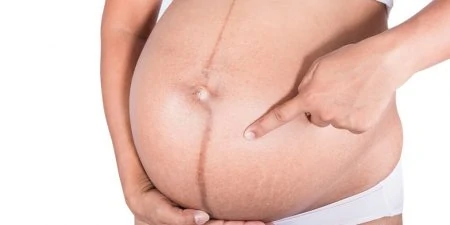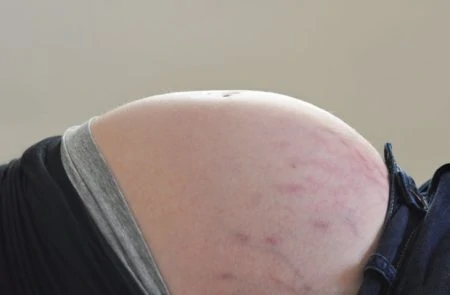
Pregnancy changes everything. Your heart grows, your family grows, and yes, your belly grows. But once your baby has been evicted, you might be shocked to discover that the vacant pouch stubbornly remains.
Loose skin is completely normal after pregnancy. We have all dealt with it. It is evidence of your body’s incredible strength and ability to adapt.
However, loose skin can be uncomfortable. It can make clothing fit poorly, and in severe cases, it can cause irritation or infection. Plus, let’s be honest, it can take a toll on your self-confidence.
While you cannot completely control genetics, we have compiled the most effective strategies to help tighten loose skin and help you feel like yourself again.
Key Takeaways
- It takes time: Loose skin is a normal part of postpartum recovery; patience is key.
- Inside out: Hydration and a protein-rich diet are essential for skin elasticity.
- Routine matters: Targeted exercise and skin massage can improve circulation and appearance.
- Medical options: Non-surgical treatments and tummy tucks offer solutions for severe cases.
What Causes Loose Skin After Pregnancy?
From the moment we are born, our skin is constantly growing, stretching, and changing. It is the largest organ in the body and does an incredible job of regulating temperature and renewing itself.
The average adult body contains about 8 pounds of skin (1). Collagen and elastin are the proteins that allow our skin to expand enough to accommodate a whole new person during pregnancy.
Think of it like a balloon. As your baby grows, your skin stretches to the limit. Once the baby is born, the “balloon” deflates. Just like a party balloon does not immediately snap back to its original size, your postpartum belly needs time and help to recover its shape.
Do not despair. While the “snap back” factor relies heavily on genetics and age, there are actionable steps you can take to tighten things up.
How to Tighten Loose Skin After Pregnancy
There is no single magic bullet for loose skin. Combining several of these methods usually yields the best results.
Prioritize a Skin-Friendly Diet
To help your skin regain elasticity, you need to feed it the right building blocks.
Eat a variety of foods rich in vitamins and antioxidants (2). Specifically, focus on two things: healthy fats and protein.
- Healthy Fats: Foods like avocados, nuts, seeds, and olive oil help keep skin pliable and moist.
- Protein: Collagen is a protein. To build it, you need adequate protein intake from lean meats, eggs, tofu, or legumes (3).
Hydrate Constantly
It sounds simple, but water is vital. Our skin consists of roughly 64 percent water (4). If you are dehydrated, your skin will look less plump and more wrinkled.
Drink plenty of water or herbal tea throughout the day. This helps your skin retain moisture and improves its natural elasticity.
Move Your Body
Exercise boosts circulation, which brings oxygen and nutrients to your skin. Cardio is great for overall health (5), but strength training is the real hero here.
Building muscle creates a firmer foundation underneath the skin. Think of it as filling out the loose space.
Pop your baby in the stroller for a walk, or try a home workout. Focus on full-body strength to improve posture and core stability.
Check For Diastasis Recti
Exfoliate and Massage
Show your belly some love. Massage improves blood flow and stimulates fibroblasts, the cells that produce collagen and elastin.
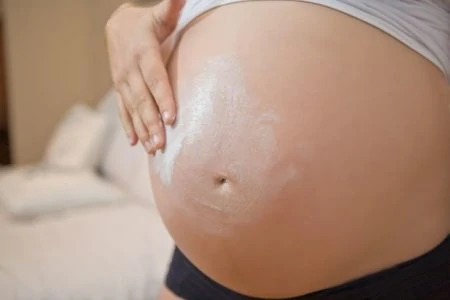
You can use a loofah or a dry brush before your shower to exfoliate dead skin cells. After the shower, apply a nourishing oil or lotion and massage it firmly into the skin.
Some studies suggest that using an anti-aging cream with a massaging device can improve results (6). Even if it just feels good, it is a great way to reconnect with your body.
Apply Firming Products
The skincare aisle is packed with promises. While no cream can replicate surgery, certain ingredients can help the surface appearance and texture of your skin. Look for:
- Retinoids: Vitamin A derivatives that speed up cell turnover. (Note: Check with your doctor if breastfeeding).
- Hyaluronic Acid: A powerhouse for holding moisture in the skin.
- Vitamin C: Helps with collagen production and brightens skin tone.
Many moms swear by affordable options like NIVEA Skin Firming & Toning Body Gel-Cream to help smooth out the texture over time.
Consider Non-Surgical Treatments
If you want more results than a lotion can offer but are not ready for surgery, dermatologists offer several in-office procedures.
These include radiofrequency treatments (like Thermage), ultrasound therapy (like Ultherapy), and laser resurfacing. These devices heat the deeper layers of skin to stimulate new collagen growth.
Be aware that these treatments can be pricey, often require multiple sessions, and the results are subtle compared to surgery.
Tummy Tuck (Abdominoplasty)
For significant loose skin or separated abdominal muscles that do not respond to exercise, surgery is the most effective option.
A tummy tuck removes excess skin and fat and tightens the abdominal wall. It offers permanent, dramatic results.
However, this is major surgery with significant downtime, scarring, and cost (7). It is generally recommended to wait until you are done having children before considering this procedure.
Can You Prevent Loose Skin?
You cannot stop your skin from stretching; that is how the baby fits! However, you can help your skin survive the stretch with less damage.
- Monitor weight gain: Gaining weight slowly and steadily allows skin to stretch gradually. Sudden, rapid weight gain can cause more damage to the elastin fibers.
- Stay nourished: Eat a nutrient-dense diet throughout your pregnancy to keep skin cells healthy (8).
- Keep it moisturized: While stretch mark creams are not miracle workers, keeping the skin hydrated can reduce itchiness and improve elasticity.
FAQs
Here are common questions regarding postpartum skin recovery.
How Long Does It Take for Skin to Tighten?
There is no set timeline. It depends on genetics, age, how much weight was gained, and how many pregnancies you have had. Generally, the most dramatic natural recovery happens in the first six months to a year. Be patient; remember it took nine months to stretch, so give it at least that long to recover.
Does Collagen Help with Loose Skin?
Yes, it can. Studies indicate that collagen supplements can improve skin elasticity and hydration (9). While you can get collagen from bone broth and chicken skin, hydrolyzed collagen supplements (peptides) are easier for your body to absorb.

What Vitamins Are Best for Skin Elasticity?
Vitamins C, A, and E are the trifecta for skin health (10). Vitamin C is particularly important because your body cannot synthesize collagen without it. Focus on getting these from whole foods like berries, citrus, nuts, and leafy greens for the best absorption.

Will Wearing a Postpartum Girdle Help?
A postpartum girdle or belly wrap can help support your core and back, making you feel more held together, but it does not technically “shrink” the skin. It acts as a splint for your muscles while they heal, but it will not permanently tighten loose skin on its own.
Is It Loose Skin or Stubborn Fat?
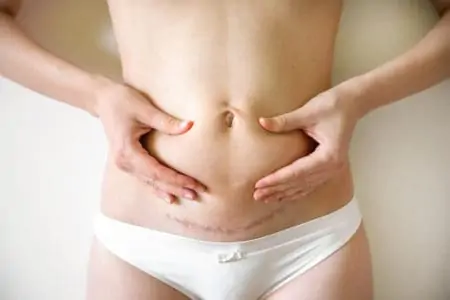
It is often a mix of both. Loose skin usually creates a crinkly texture and can be pinched easily between your fingers with very little thickness. Subcutaneous fat feels thicker and firmer. As you lose the remaining pregnancy weight, the fat layer will decrease, but the loose skin may remain.
The Bottom Line
You may never completely erase the evidence of pregnancy from your body, and that is okay. Your body did something amazing.
Focus on what you can control. Stay hydrated, eat nutrient-dense foods, and move your body in ways that make you feel strong. Whether you stick to natural methods or opt for medical treatments later on, give yourself grace during the process.
Your body grew a human being. It deserves a little extra time and a lot of love to bounce back.