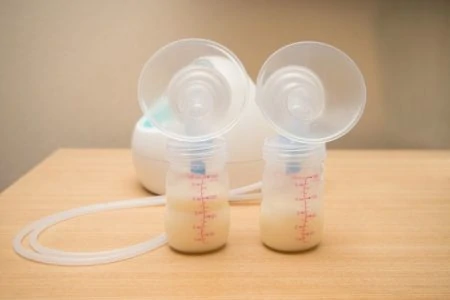
Let’s be real: breastfeeding is natural, but that doesn’t mean it comes naturally.
Are you looking for reliable advice without falling down a Google rabbit hole of conflicting forums? Do you want a physical guide you can keep on your nightstand for those 3 a.m. feeding struggles?
We’ve rounded up the best breastfeeding books to help you through the latching issues, supply worries, and pumping logistics. These picks are vetted by experts and loved by real moms who have been exactly where you are.
- Covers everything about pumping
- Entertaining content
- Axiom Business Book Award Winner
- Author is a midwife
- Includes health benefits of breastfeeding
- Includes information on twins
- Covers both breastfeeding & pumping
- Evidence-based insights
- Addresses baby’s milk needs by age
- Encourages you to pump longer
- Well-organized book
- Covers every aspect of exclusive pumping
Start Reading Before Baby Arrives
Trust us, you do not want to be reading a dense instruction manual while recovering from birth and running on zero sleep. The sweet spot for learning is during your third trimester.
This gives you plenty of time to understand the mechanics of milk production and order your essential gear. Grab your nursing pillow, nursing covers, and breast pump early. Don’t forget breastmilk storage containers and pump bags so you are fully prepped.
Ideally, you want to initiate breastfeeding within the first hour after birth. This kickstarts your supply and ensures your baby gets that liquid gold colostrum to build their immune system.
What Makes a Great Breastfeeding Guide
Any book you pick up should cover the basics of latching and positioning. But the best books go beyond the clinical facts. Here is what you should look for before hitting “add to cart.”

Engaging Writing Style
If you would rather scrub toilets than read a textbook, avoid dry medical guides. You need a book that keeps you awake during late-night feeds. Look for authors who use humor, personal anecdotes, and a conversational tone. If the writing feels like a chat with a wise friend, you are more likely to actually absorb the info.

Helpful Visuals
Breastfeeding is a physical skill, and sometimes words just don’t cut it. Diagrams, illustrations, or photos are crucial for understanding what a deep latch actually looks like versus a shallow one. Visual guides for different holding positions are also a huge plus.
Relatable Perspectives
If you are a working mom planning to pump, a book written by a stay-at-home purist might frustrate you. If you are focused on holistic parenting, a clinical hospital guide might feel cold. Choose an author whose philosophy aligns with your lifestyle.

Honest Support
Nursing can be hard. You might deal with cracked nipples, mastitis, or low supply. You need a book that validates those struggles rather than making you feel guilty. Look for resources that explain the benefits of breastfeeding while offering judgement-free solutions for when things go wrong.
Product Reviews
We read the top-rated guides to find the ones that offer the best mix of expert medical advice and practical mom-to-mom wisdom.
Work. Pump. Repeat.
Best Breastfeeding Book for Working Moms
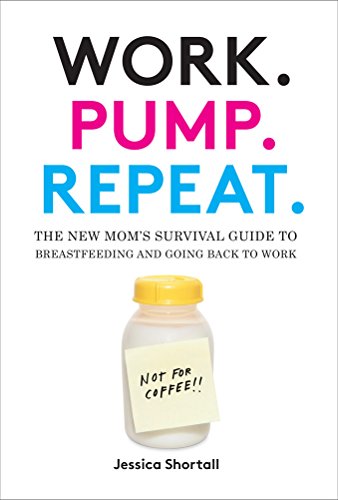
“Work. Pump. Repeat.” by Jessica Shortall is the survival guide for moms attempting the balancing act of a career and breastfeeding.
Shortall gets it because she lived it. She pumped for her two children while traveling globally for her corporate job, often in less-than-ideal sanitary conditions. This isn’t a preachy medical text; it’s a practical playbook for navigating the awkward reality of pumping at work.
The book covers the nitty-gritty logistics: building a freezer stash, cleaning parts in an office bathroom, and staring down coworkers who make weird comments. It acknowledges that pumping sucks (literally and figuratively) but empowers you to stick with it.
Shortall uses a hilarious, conversational tone that makes you feel like you are venting to a best friend over coffee. It is proof that you don’t have to choose between your career and your baby’s nutrition.
Pros
- Entertaining and humorous writing style.
- Addresses the specific logistics of working and pumping.
- Written by a mom with real-world experience, not just theory.
Cons
- Focuses heavily on anecdotes rather than strict medical data.
- At 208 pages, it is a quick read that might leave you wanting more technical details.
Our Ratings
The Nursing Mother’s Companion
Best Breastfeeding Book for New Moms
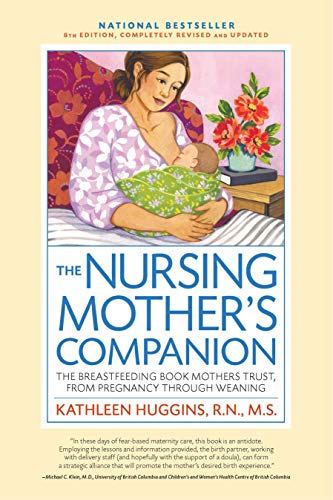
If you want the encyclopedic “bible” of breastfeeding, this is it. Kathleen Huggins validates a truth many people ignore: breastfeeding is natural, but it is a learned skill that takes practice.
“The Nursing Mother’s Companion” is excellent for troubleshooting. It breaks down potential problems by the age of the baby, so you can flip right to the section relevant to you. Dealing with a clogged duct? Worried about your baby’s weight gain? Huggins covers it all.
As a registered nurse and lactation consultant, Huggins provides evidence-based advice on everything from pump reviews to determining milk intake. She also touches on related topics like co-sleeping and SIDS risk.
It is a comprehensive resource that helps bridge the gap between hospital discharge and mastering the art of nursing at home.
Pros
- Extremely thorough at 368 pages.
- Written by a medical professional, offering high credibility.
- Excellent indexing makes it easy to find solutions to specific problems fast.
Cons
- Some sections feel repetitive.
- Certain medical advice (like fluoride supplements) may not align with all modern pediatric recommendations.
Our Ratings
Ina May’s Guide to Breastfeeding
Best Book for Breastfeeding Twins

Ina May Gaskin is a legendary midwife, and her approach to breastfeeding is holistic, empowering, and deeply reassuring. This book is particularly great for moms expecting multiples, as it includes a dedicated chapter on breastfeeding twins.
One standout section is “Problem-Solving During the First Week.” Many moms quit during those initial difficult days, but Gaskin provides the encouragement and tactics needed to push through the “learning curve” phase.
She covers the full spectrum: preparing to nurse, sleeping arrangements, navigating illness, and eventually weaning. Gaskin draws on over 30 years of experience to normalize the process and reduce fear.
The book leans heavily on positive birth and nursing stories, which can be a huge confidence booster for anxious first-time moms.
Pros
- Author is a world-renowned midwife with decades of experience.
- Strong focus on the health and emotional benefits of breastfeeding.
- Includes specific advice for nursing twins and multiples.
Cons
- The advice on returning to work is not as comprehensive as other guides.
- Includes a history of breastfeeding that might not interest readers looking for quick tips.
Our Ratings
Working and Breastfeeding Made Simple
Best Book for Breastfeeding and Pumping

If you need a strategy guide for maintaining a nursing relationship while away from your baby, Nancy Mohrbacher delivers. She breaks down the “magic number” concept regarding milk storage capacity, helping you understand exactly how often you need to pump to maintain supply.
This book is versatile; it covers breastfeeding and pumping whether you are returning to a 9-to-5, working part-time, or going back to school.
Mohrbacher helps manage expectations, which is vital for mental health. She explains how milk needs change (or don’t change) as the baby grows, preventing the common panic that you aren’t producing enough.
With over 10 years of experience running a lactation practice, the author provides solutions that are technically sound and logistically possible.
Pros
- Comprehensive coverage of the biology of milk supply.
- Great for understanding your specific breast storage capacity.
- Helpful breakdown of milk needs by age.
Cons
- Can feel dense and very detailed for a casual reader.
- Focuses more on technical information than emotional support.
Our Ratings
Exclusively Pumping Breast Milk
Best Book for Exclusively Pumping

Exclusive pumping (EP) is often overlooked in general breastfeeding books, but Stephanie Casemore gives it the attention it deserves. This is the manual for moms who want to provide breast milk without nursing at the breast.
Casemore tackles the unique emotional hurdles of EPing, validating the feelings of loss or frustration some moms experience. On the practical side, she offers actionable tips for increasing milk supply with a pump and creating a sustainable schedule.
There is specific advice for moms of preemies, who often start their journey exclusively pumping. The detailed storage and handling guidelines are essential for keeping your stash safe.
Casemore writes from personal experience, making this a supportive guide for anyone tethered to a pump.
Pros
- Validation and support for the exclusive pumping choice.
- Organized clearly with sample schedules.
- Covers the emotional side of not nursing directly.
Cons
- A bit repetitive in certain chapters.
- The tone is functional but less “fun” than other modern parenting books.
Our Ratings
FAQs

Can I Just Learn to Breastfeed from the Internet?
You can, but it is risky. The internet is full of conflicting advice, old wives’ tales, and unverified forums that can increase your anxiety. A vetted book provides a consistent, medically accurate philosophy to follow, which is much less overwhelming than 50 different browser tabs open at 3 a.m.
When Is the Best Time to Read a Breastfeeding Book?
Aim to read your guide during the third trimester. Once the baby arrives, you will be exhausted and busy recovering. having the knowledge beforehand helps you identify a good latch immediately and troubleshoot issues in those critical first few days.
Are There Breastfeeding Books for Partners?
Yes, many comprehensive guides include chapters specifically for partners. These sections explain how they can support the nursing mom, handle bottle feeding once breastfeeding is established, and bond with the baby in other ways. Having a supportive partner who understands the process significantly increases breastfeeding success rates.
What If the Advice in the Book Doesn’t Work?
Books are fantastic resources, but they cannot replace hands-on help. If you are reading the tips and still struggling with pain or weight gain issues, seek help from an International Board Certified Lactation Consultant (IBCLC). They can observe a feeding session and provide personalized adjustments that a book cannot.
The Bottom Line
Half the battle with breastfeeding is simply refusing to quit on a bad day. To stay motivated, you need a resource that offers both technical solutions and emotional support. That is why Work. Pump. Repeat. is our top pick for the modern mom.
It acknowledges the reality that many of us are juggling jobs and nursing simultaneously. It is written by someone who has walked the walk, and it delivers the advice with enough humor to keep you smiling through the exhaustion.
Whatever book you choose, remember that you are learning a new skill. Be patient with yourself and your baby.