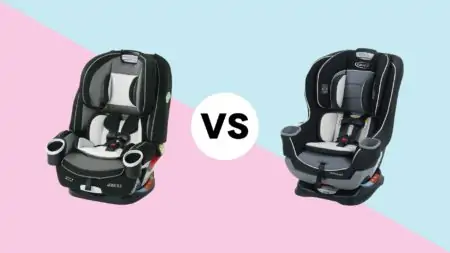
Bringing a preemie home is a massive milestone, but it often comes with a unique set of worries. Since standard infant seats are typically designed for full-term babies, they don’t always provide a safe fit for infants under 5 pounds. You need specific features to keep your little one secure.
We understand the stress of leaving the NICU. The last thing you need is a struggle with car seat installation or fit. We analyzed safety ratings, harness heights, and inserts to find options that truly accommodate smaller newborns.
Below, we break down the critical safety features required for preemies and share our top recommendations to help you get your baby home safely.
- Ergonomic handle
- Machine-washable fabric
- Four recline positions
- Easy-to-adjust harness
- Removable inserts
- Uses EPS foam in the shell
- Offers great protection
- Short and compact handle design
- Super lightweight
How to Choose a Car Seat for a Preemie
The hospital won’t discharge your baby until they are stable, but they also check your car seat to ensure it fits properly. Since many standard seats are too loose for a 4-pound baby, you need to look at specific specs before buying.
Here are the non-negotiable features for a preemie-friendly car seat.

Minimum Weight Rating
This is the most critical factor. Many standard infant carriers have a minimum weight limit of 5 pounds. If your baby is discharged at 4 pounds, a 5-pound seat is not safe to use.
Always verify the manufacturer’s minimum weight limit. Look for seats rated for 4 pounds. Even a single pound difference changes the harness geometry significantly, which impacts crash protection.

Infant Positioning Inserts
Preemies lack the muscle tone to hold their heads up or keep their bodies straight. Without proper support, they can slump, which restricts their airway.
Look for seats that include substantial infant inserts. These “body pillows” push the baby’s body up so the straps fit correctly and provide lateral support to keep them centered. Ensure the head insert doesn’t push the chin down onto the chest; it should support the sides of the head instead.

Harness Slot Height
For a rear-facing seat, the harness straps must come from at or below the baby’s shoulders. If the lowest slot is above their shoulders, the seat is unsafe for them.
Preemies have very short torsos. You need a seat with a low bottom harness slot (around 5 to 6 inches is ideal). Additionally, look for a crotch buckle that can be shortened or has an inner slot setting. This prevents your baby from sliding forward and slouching.

Product Reviews
We selected these three car seats because they offer a 4-pound minimum weight limit, low harness slots, and supportive inserts specifically designed for smaller bodies.
Evenflo LiteMax 35 Car Seat
Designed for Comfort
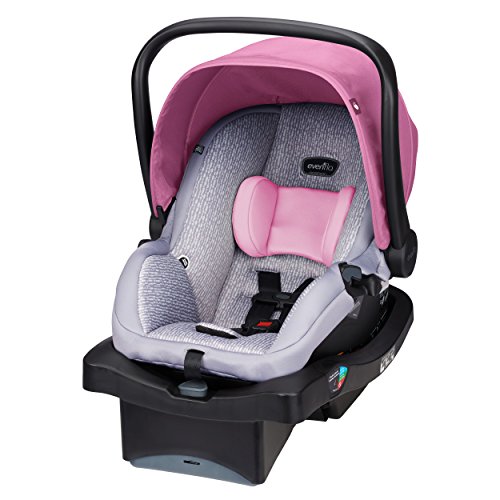
The Evenflo LiteMax 35 is a budget-friendly option that doesn’t skimp on preemie-specific features. It is rated for infants as small as 4 pounds and includes a plush body pillow and head insert to help with proper positioning.
We appreciate the ergonomic handle design. Since you will likely carry your baby in the seat for doctor’s appointments, the uniquely shaped handle makes it easier to grip near the balance point. The seat is also incredibly lightweight, which reduces strain on your arm.
For installation, the base features a belt lock-off system that helps secure the vehicle belt tightly. It includes four recline options, allowing you to find the correct angle to keep your newborn’s airway open. The harness adjustment is located at the front of the seat, making it easy to tighten the straps snugly against a small chest.
What We Like
Low Harness Slots
This seat offers harness slots that are low enough to fit preemies effectively. When combined with the included infant insert, it achieves a secure fit that keeps the straps at or below the shoulder line.
Lightweight Carrier
NICU graduates often have many follow-up appointments. This carrier is lighter than many competitors, making it much easier to transport your baby from the car to the pediatrician’s office without fatigue.
Belt Lock-Off Base
A tight installation is non-negotiable. The integrated belt lock-off clamps down on the seatbelt, preventing the base from sliding side-to-side. This simplifies the installation process for tired parents.
Machine-Washable Pads
Babies are messy, and preemies with reflux are even messier. The seat pad removes easily and is machine washable, saving you time on spot cleaning.
What We Don't Like
Requires Space
Like many infant carriers, this seat takes up a decent amount of room front-to-back. If you have a compact car, you may need to move the front passenger seat forward to accommodate the proper recline angle.
Product Specs
| Weight Restrictions | 4 to 35 pounds |
| Height Restrictions | 17 to 32 inches |
| Additional Add-Ons | Removable inserts |
| Care Instructions | Machine washable pad, dry on low |
| Recline Positions | Four |
Our Ratings
Chicco KeyFit 30 Infant Car Seat
Easiest Seat to Install
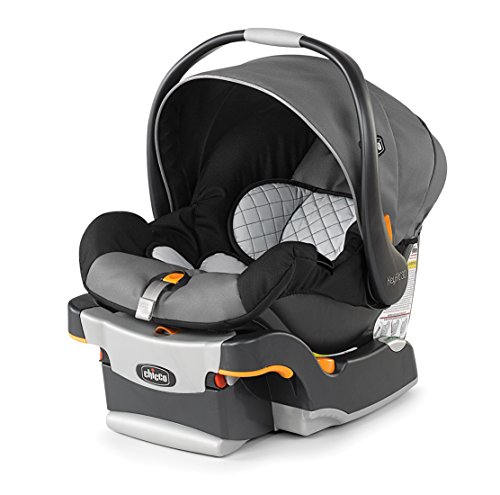
The Chicco KeyFit 30 is widely considered the gold standard for ease of installation. It is rated for babies starting at 4 pounds and includes a heavily padded infant insert specifically designed to boost smaller babies up to the proper harness height.
The standout feature here is the “SuperCinch” LATCH tightener. It uses a force-multiplying pulley system that allows you to get a rock-solid install with minimal effort. The base also features a spring-loaded leveling foot (“ReclineSure”) and two clear bubble level indicators. These tools ensure you achieve the precise angle needed to keep a preemie’s head from falling forward.
The harness tightens with a single pull, and the shell is lined with EPS energy-absorbing foam for impact protection. It clicks seamlessly into compatible strollers, making it a versatile choice for travel.
What We Like
SuperCinch Tightener
We love how little effort it takes to install this base securely. The pulley system does the heavy lifting, ensuring the seat doesn’t move more than an inch at the belt path.
Excellent Newborn Insert
The included insert creates a snug nest for babies between 4 and 11 pounds. It provides necessary body support and helps position the baby so the straps fit correctly over the shoulders and hips.
Bubble Level Indicators
Guesswork is dangerous when installing a car seat. The dual bubble levels show you exactly when the seat is at the correct angle, which is vital for maintaining an open airway for a preemie.
Stroller Compatibility
This seat is compatible with a vast array of strollers, both from the same brand and others (with adapters). This makes it easy to build a travel system that fits your lifestyle.
What We Don't Like
Canopy Coverage
While functional, the canopy doesn’t extend as far as some other models. If you are taking a walk in bright sunlight, you might need an extra shade to keep the sun off your baby’s face.
Product Specs
| Weight Restrictions | 4 to 30 pounds |
| Height Restrictions | Up to 30 inches |
| Additional Add-Ons | Sunshade |
| Care Instructions | Machine washable fabrics, air dry |
| Recline Positions | Five |
Our Ratings
Peg Perego Primo Viaggio Car Seat
Lightest Car Seat for Preemies
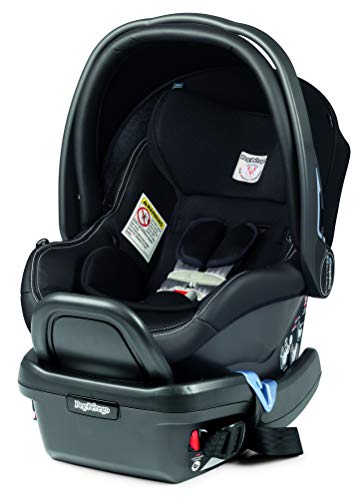
The Peg Perego Primo Viaggio 4-35 is a premium seat designed with a deep shell and a 4-pound minimum weight limit. It features a “Right Tight” system for the base, which acts as a lock-off for secure installation using either LATCH or the vehicle belt.
Safety is a priority here; the base includes a built-in anti-rebound bar. In the event of a crash, this bar minimizes the rotational forces acting on the seat, providing extra stability. The carrier itself is lined with perforated EPS foam to absorb energy while allowing for air circulation.
The seat includes a dual-stage cushion system. Stage one is specifically for infants 4 pounds and up, offering extra support for the neck and bottom. As your baby grows, you can adjust the Side Impact Protection (SIP) to six different positions without rethreading the harness, ensuring a custom fit at every stage.
What We Like
Anti-Rebound Bar
The integrated anti-rebound bar on the base is a fantastic safety feature. It reduces the movement of the car seat towards the back of the vehicle seat during an impact, offering superior protection.
Dual-Stage Cushion System
The two-stage insert system is excellent for preemies. The first stage is designed specifically to support the smallest infants, ensuring their head and neck are stabilized and their airways remain open.
No-Rethread Harness
As your preemie catches up on growth, you will need to adjust the harness height frequently. The adjustable side impact wings allow you to change the height without having to uninstall the straps, reducing the risk of error.
Narrow Base
The base is relatively narrow, which can be helpful if you need to fit multiple passengers or car seats in the back row. The rounded bottom also helps protect your vehicle’s upholstery.
What We Don't Like
Price Point
This is a higher-end seat with a price tag to match. However, the premium fabrics, Italian construction, and advanced safety features like the anti-rebound bar justify the investment for many parents.
Product Specs
| Weight Restrictions | 4 to 35 pounds |
| Height Restrictions | Up to 32 inches |
| Additional Add-Ons | Anti-rebound bar |
| Care Instructions | Spot clean only |
| Recline Positions | Turning knob for infinite recline |
Our Ratings
| Product | Award | Weight Restrictions | Height Restrictions | Add-Ons | Instructions | Recline Positions |
|---|---|---|---|---|---|---|
| Evenflo LiteMax 35 | Designed For Your Comfort | 4 to 35 pounds | 17″ to 32″ | Removable inserts | Machine washable pad, dry on low | 4 |
| Chicco KeyFit 30 | Easiest Seat to Install | 4 to 30 pounds | Up to 30″ | Sunshade | Machine washable fabrics, air dry | 5 |
| Peg Perego Primo | Super Lightweight | 4 to 35 pounds | Up to 32″ | Anti-rebound bar | Spot clean only | Infinite recline |
The NICU Car Seat Challenge
Before a preemie is discharged, most hospitals require a “Car Seat Tolerance Screen” (often called the car seat test). Since premature babies can have lower muscle tone and immature respiratory systems, sitting semi-upright in a car seat can sometimes compress their chest and restrict breathing.
The American Academy of Pediatrics (AAP) recommends monitoring infants born before 37 weeks in their car seat for 90 to 120 minutes. The medical team watches for apnea (pauses in breathing), bradycardia (slow heart rate), or drops in oxygen levels.
If your baby does not pass, you may need to repeat the test after a few days of growth, or your doctor might prescribe a car bed for travel until they are bigger.
Tips for the Car Seat Test
You want your baby to be comfortable and safe during the screen. Here is how to prepare.
- Bring the seat early: Bring your car seat to the NICU a few days before discharge so the nurses can inspect it and ensure the harness fits your baby correctly.
- Use the correct insert: Ensure you are using the newborn insert provided by the manufacturer. Do not use aftermarket products (head huggers or sleeping bags) that didn’t come in the box; they are unsafe and will cause the baby to fail the test.
- Check the level line: The seat must be at the correct recline angle (usually 45 degrees) during the test. If the seat is too upright, the baby’s head may flop forward.
- Time the feeding: Try to feed your baby about an hour before the test. This ensures they aren’t hungry but also allows time for digestion to prevent reflux while strapped in.
FAQs

How Do You Travel Safely With a Preemie?
To travel safely, ensure your car seat is rated for your baby’s weight (usually 4 pounds) and installed at the correct recline angle to keep their airway open. Use the manufacturer’s infant insert to prevent slouching and avoid using bulky clothing or aftermarket accessories that interfere with the harness.

Do Premature Babies Need Special Car Seats?
Yes, they often require seats with a 4-pound minimum weight limit and lower harness slots (around 5 to 6 inches). Standard seats may be too wide or have harness slots that are too high, preventing a secure fit for a small or low-birth-weight infant.

How Should a Preemie Sit In a Car Seat?
The baby should be centered with their bottom and back flat against the seat. The harness straps must be at or below their shoulders and snug enough that you cannot pinch any webbing. Their head should be turned to the side slightly to help keep the airway open, but the chin should not be touching the chest.

How Long Should a Preemie Sit In a Car Seat?
Limit car seat time to essential travel only. Because preemies are at higher risk for breathing difficulties in a semi-upright position, try to keep trips under 90 minutes. If you have a long drive, take breaks so you can take the baby out of the seat to stretch and breathe freely.

Can I Use a Convertible Car Seat for a Preemie?
It depends on the specific seat. While some convertible seats are rated for 5 pounds, they often lack the reclining angle and low harness slots needed for a tiny preemie. An infant bucket seat is generally the safer and more convenient choice for the first few months.
What Is the Rolled Blanket Trick?
If your preemie fits the weight requirements but still has a gap between their body and the crotch buckle, or needs side support, most manufacturers allow you to place a tightly rolled receiving blanket along the sides of the baby (outside the harness) or between the crotch strap and the diaper. Always check your manual first.