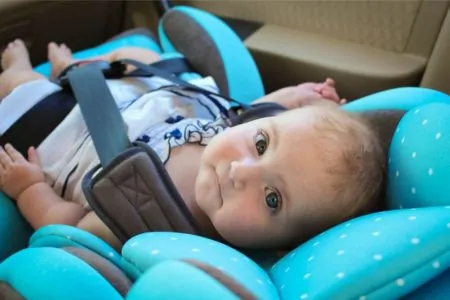
Sweaty babies are slippery, cranky, and uncomfortable. It is tough to watch your little one overheat in a car seat, especially when they are rear-facing and airflow is limited.
Whether you use high-tech ventilation gadgets or simple shade tricks, keeping your passenger cool is a priority for safety and sanity.
We will explain why babies get so hot and share the best hacks to keep your child cool in their car seat this summer.
Key Takeaways
- Check internal temp: Feel the nape of your baby’s neck or their chest to gauge warmth; hands and feet are poor indicators.
- Pre-cool the car: Run the AC or use ice packs to cool the hot car seat surface before buckling your baby in.
- Prioritize airflow: Use gadgets like the Noggle or back seat fans to direct cool air to rear-facing seats.
- Safety first: Never leave a child unattended in a vehicle, and avoid aftermarket products that go under the baby inside the harness.
Why Overheating Matters
Overheating is not just about comfort; it is a safety issue. It can happen even during cooler months if a child is overdressed (1). A baby’s internal temperature should hover between 98 and 100 degrees Fahrenheit (2).
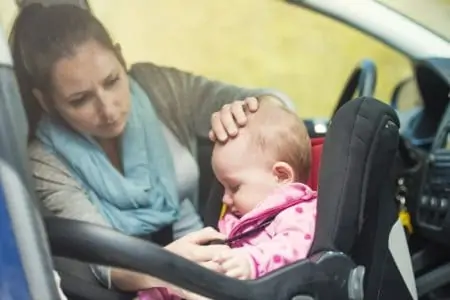
Because babies cannot regulate their body temperature as efficiently as adults, they are more susceptible to heat exhaustion. The best way to check their status is to touch the nape of their neck or their chest. If it feels hot and sweaty, they are overheating.
Red, flushed cheeks and rapid breathing are also warning signs. A good rule of thumb: if the car feels stuffy to you, it is likely double the trouble for your baby in the back.
Ways To Keep Your Baby Cool In The Car Seat
Do not panic. While car seats are essentially foam-lined buckets that trap heat, you have plenty of options to improve airflow and reduce the temperature (3). Here are the most effective strategies:
- Pre-cool the car: If you have remote start, use it. If not, open all doors to let the trapped hot air escape before you load the baby. Blasting the AC for five minutes prior to departure makes a massive difference.
- Dress for success: Skip the layers. Cotton and muslin are breathable fabrics that wick moisture. If it is 75 degrees or higher, a single layer is usually sufficient. Ignore well-meaning relatives who insist on hats or blankets inside a hot car; dressing appropriately prevents heat rash.
- Use cooling towels correctly: Cooling towels are a great tool. Wet them and snap them to activate the cooling effect. However, only drape them over the baby’s legs after they are buckled in. Never place towels underneath the harness straps, as this creates unsafe slack.
Never put anything behind a baby’s head or neck because anything that causes the baby’s head to be pushed forward can compromise their airway
Editor's Note:
Kristen Gardiner, CPST - Hydrate often: If your baby is old enough for water, keep a sippy cup handy. For infants, offer more frequent nursing or bottle feeds to prevent dehydration during long, hot rides.

1. Blocking the Sun
Direct sunlight turns a car into a greenhouse. Blocking those UV rays is your first line of defense against a cranky, sweaty passenger.
Window Tint
Window tinting does more than look sleek; it significantly reduces the heat entering your vehicle. High-quality ceramic tints can block UV rays and lower internal temperatures by keeping solar energy out.
It also adds a layer of safety by holding shattered glass together in an accident. Just be sure to check your local state laws regarding how dark you are legally allowed to tint your windows.
Reflective Sunshades
If tinting is not in the budget, sunshades are the next best thing. They are portable and effective. Here are the common types of sunshades:
- Windshield shades: These are the large, accordion-style barriers you put up when parked. They reflect the sun outward, keeping the dashboard and steering wheel from becoming scorching hot.
- Cling or roller shades: These attach to the rear side windows. They filter out light and heat while you are driving. Look for “see-through” mesh versions so the driver still has visibility for lane changes.
- Car covers: If you lack a garage, a reflective exterior car cover works wonders. It is labor-intensive to put on and take off, but it keeps the entire vehicle temperature lower while parked.
2. Choose Lighter Car Seats
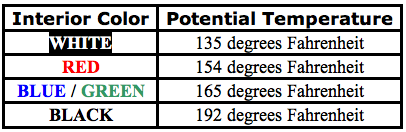
If you are currently shopping for your child’s car seat, color matters. Just like wearing a black t-shirt in July is a bad idea, black car seat fabric absorbs heat rapidly.
Dark car seat interiors can reach upwards of 192 degrees Fahrenheit in the sun (4). Whenever possible, choose light greys, champagnes, or other neutral tones.
Many manufacturers now offer seats with specific moisture-wicking technology (often labeled as “CoolFlow” or similar), which is designed to pull sweat away from the baby’s skin and increase airflow.
3. The Noggle
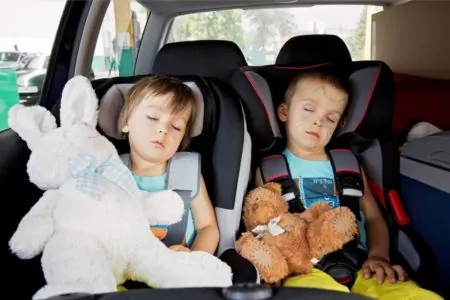
Rear-facing car seats block the airflow coming from the front dashboard. The Noggle solves this problem. It is a flexible tube that hooks into your front air vent and funnels the AC directly to the back seat.
It is available in various lengths (6 to 10 feet) to suit different vehicle sizes. This ensures your rear-facing baby gets the same cool breeze you do in the front seat. It is easy to install and remove, though it can look a bit bulky running through the center of the car.
4. Cool the Seat Before Boarding
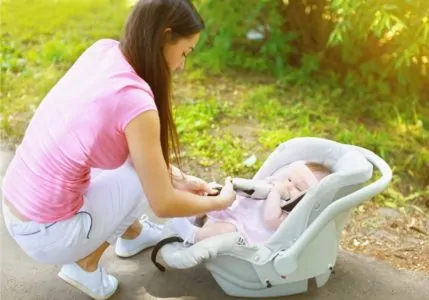
The metal buckles and plastic chest clips on a car seat can get hot enough to burn delicate skin. Always touch-test the hardware before putting your baby in.
To keep the empty seat cool while you are shopping, use a “Sun shade” specifically for the car seat, or drape a light-colored towel over it. You can also use freezable cooling mats or ice packs. Place them in the empty car seat while you run errands. Just remember to remove them before putting the baby in; never buckle a child on top of an ice pack or thick mat.
5. Look Before You Lock
This is the most critical rule. Heatstroke is a leading cause of non-crash vehicle deaths for children. A car’s interior temperature can rise nearly 20 degrees in just 10 minutes (5).
Never leave a child alone in a car, not even for a minute. Establish a routine to check the back seat every time you park. Some parents put their left shoe, phone, or purse in the back seat to force themselves to open the rear door before walking away.
FAQs

Can You Drive With The Windows Down With A Newborn?
Yes, driving with windows down is generally safe, but avoid creating a strong wind tunnel effect directly on the newborn’s face, as it can make breathing difficult. Using window shades helps buffer the wind while keeping air moving.

How Do You Prevent A Heat Rash In Car Seats?
Prevent heat rash by keeping the skin dry and cool. Dress the baby in loose cotton clothing, avoid synthetic fabrics, and ensure the car is cool before they get in. If the rash appears, keep the area dry and let the skin breathe.

Are Car Seat Coolers Safe?
Cooling mats or ice packs are safe to use only when the car seat is empty to cool the surface down. You should never buckle a child on top of a cooling mat or pad, as it adds unsafe bulk and interferes with the harness fit.

How Quickly Can A Child Overheat In A Car?
It happens dangerously fast. A child’s body temperature rises three to five times faster than an adult’s. In hot weather, a car can reach lethal temperatures in as little as 10 to 20 minutes.

How Do I Know If My Baby Is Too Hot In The Car Seat?
Check for a hot or sweaty chest and neck. Flushed skin, rapid breathing, lethargy, or vomiting are signs of heat exhaustion. If your baby seems unusually fussy or drowsy, pull over and check their temperature immediately.

Are Portable Fans Safe For Car Seats?
Yes, portable stroller fans that clip onto the headrest or grab handle can help circulate air. However, ensure they are securely fastened so they do not become a projectile in a crash, and keep them out of the baby’s reach.