Carrying a car seat shouldn’t feel like a wrestling match. Do you have that awkward, lopsided stride? If so, you might be carrying your seat the wrong way, which puts unnecessary strain on your body.
We have felt that pain before.
Fortunately, there are better ways to haul that heavy gear. If you dread taking your baby on outings because of the weight, read on. We will show you the most comfortable, ergonomic techniques to carry a car seat without hurting your back.
Key Takeaways
- The problem: Carrying a car seat on one side strains ligaments, muscles, and joints like carrying heavy paint cans.
- The solution: The “Bridge Method” involves looping your arm and turning your palm to shift the weight distribution.
- The alternative: A two-handed center carry keeps the weight close to your core and protects your posture.
- The backup: If the seat is too heavy, switch to a wearable baby carrier or travel system.
Why the “Picnic Carry” Hurts
I never learned proper carrying techniques until my kids were out of car seats. This advice would have saved my wrists, hips, and back.
Most parents default to hooking the handle over their elbow like a picnic basket. This is actually the most stressful way to carry the seat.
When you carry the seat in the crook of your arm, the weight is far from your center of gravity. This puts immense stress on your shoulder, hip, and lower back. Experts compare this leverage to carrying four full cans of paint in one hand (1).
If you try to cradle the seat with both hands, you lose the ability to hold anything else. This makes it tricky if you have a toddler who needs to hold hands. By the time you reach your destination, your arm aches and your patience is thin.
How to Carry a Car Seat: The Bridge Method
Dr. Emily Puente, a chiropractor from Bridge Family Chiropractic in Mansfield, Texas, shared a viral technique that changed the game. As a mom herself, she found a way to use body mechanics to reduce the strain.
Follow these steps to try the “Bridge Method” yourself:
- Get close: Stand next to the car seat with the baby facing you.
- Loop your arm: Slide the arm closest to the seat through the handle.
- Rotate your hand: Turn your palm downward so it faces the floor.
- Grab the seat: Firmly grip the side of the car seat shell (under the handle hinge) to support the weight.
- Lift: Stand up straight.
This method locks your shoulder and keeps the seat close to your body. It distributes the weight more evenly rather than pulling on your elbow joint.
Note that this might not work for everyone. It depends on your height, the width of the car seat, and the flexibility of your wrist.
Know Your Limits
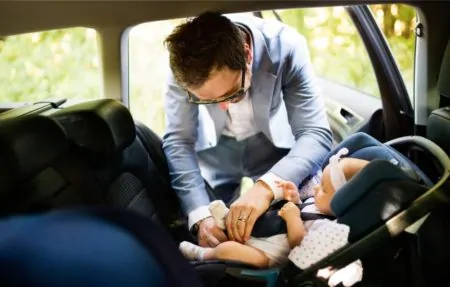
Any time you are carrying your baby in the car seat, be sure they are properly strapped in. Keeping your child unbuckled or with loosened straps allows the baby to move into unsafe positions that put the baby at risk of strangulation or asphyxiation.

Editor's Note:
Kristen Gardiner, CPSTThe Center Carry Method
If the Bridge Method feels awkward or hurts your wrist, try the center carry. You hold the car seat in front of you with both hands, clasping the handle or the bottom of the seat.
By keeping the weight directly in front of your core, you maintain better posture. The downside is that both hands are occupied, making it hard to carry diaper bags or open doors.
Alternatives to Carrying the Seat
If these techniques still cause discomfort, stop lugging the seat. There is no shame in using gear to do the heavy lifting for you.
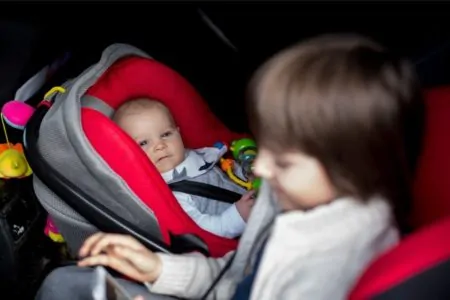
- Wear the baby: Leave the car seat in the vehicle and use a baby carrier. They are designed to distribute weight across your shoulders and hips.
- Use a travel system: Snap the car seat directly into a compatible stroller frame.
- Get a “caddy”: Lightweight stroller frames (like the Baby Trend Snap-N-Go) are inexpensive and saved my back when I had to travel with kids.
While car seats are convenient for restaurants or sleeping babies, your physical health is a priority.
FAQs

Can You Carry a Car Seat After Giving Birth?
This depends on your delivery and recovery speed. Doctors often advise against lifting anything heavier than your baby (roughly 10 pounds) for the first few weeks, especially after a C-section. Always consult your healthcare provider before lifting a heavy car seat.

How Do You Walk Through an Airport With a Car Seat?
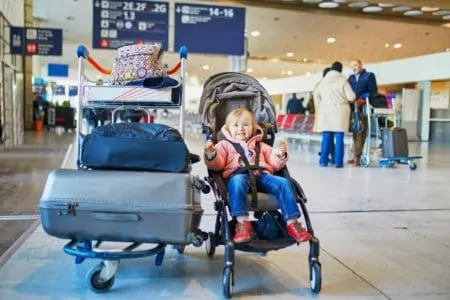
The easiest way is to use a car seat travel cart or strap it to your rolling luggage. You can also wear the car seat like a backpack using a specialized travel bag or check it at the ticket counter to avoid carrying it entirely.

Where Should the Handle Be While Driving?
Check your car seat manual for the correct handle position while the vehicle is in motion. Many manufacturers require the handle to be locked in the upright carrying position, while others require it to be pushed back behind the shell.