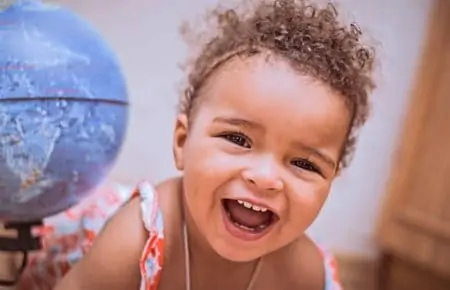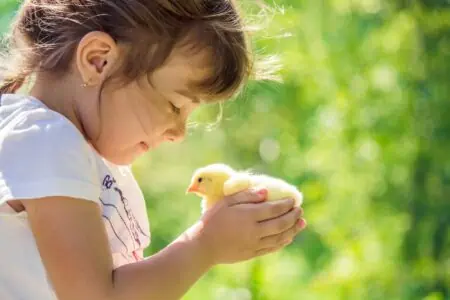
There is an extraordinary world full of inspiring bird names for girls and boys alike. Whether you’re looking for traditional bird names or obscure names that reference the avian world, you could easily lose your way.
Well, there’s no need to ruffle any feathers. Our guide to the coolest bird names for babies has everything you need, from meanings and origins to name variations. Have fun flying high with these sweet names that mean bird below.
100 Cool Bird Names for Babies
Spread your wings to discover unforgettable bird names for girls and boys here.
Aghavni
Aghavni is a rare Armenian bird-inspired name, which has an Armenian village named after it in the Syunik province. If Aghavni feels too complex, you can always call your little dove Aggie for a nickname.
- Origin: Armenian
- Meaning: Dove
- Pronunciation: Ah-GAAHAEV-Niy
- Popularity: Aghavni is very rare worldwide and is used most in Armenia, where it’s ranked 54th.
Ákos
In Turkish, Ákos means “white eagle.” It refers to a Hungarian clan in medieval times but brings a strong avian aura to your little babe.
- Origin: Hungarian
- Meaning: Falcon
- Pronunciation: AH-Kohsh
- Variations: Ákosh
- Namesakes: Ákos Elek, a Hungarian footballer in the Nemzeti Bajnokság I. Ákos Kovács, a Hungarian singer-songwriter and member of the group Bonanza Banzai.
- Popularity: Ákos is rare worldwide, used mostly in Ghana, and ranked 286th in Hungary.
Alouette
Alouette originally came from the Latin “alauda,” meaning “skylark.” It’s also a famous children’s song with the words “Alouette, gentile alouette,” meaning “Lark, sweet lark,” which you could sing to your little bird very soon.
- Origin: French, Gaelic
- Meaning: Lark
- Pronunciation: AHL-aw-Eht
- Variations: Allouette, Alouett, Alowette
- Popularity: In 2014, 120 people were named Alouette worldwide, mostly in the Netherlands.
Altair
Altair also means “flying bird” and “flying eagle.” It refers to the brightest star in the northern constellation Aquila, which is an impressive height for any famous bird to reach.
- Origin: Arabic
- Meaning: Falcon
- Pronunciation: Aal-TEHR
- Variations: Alltair, Alltare, Alltayr, Altayre
- Namesakes: Altaír Tejeda de Tamez, a Mexican journalist who wrote for the El Diario de Ciudad Victoria newspaper. Altair Gomes de Figueiredo, a Brazilian footballer, and 1962 World Cup Champion.
- Popularity: Altair is uncommon worldwide and used mostly in Brazil, where it’s ranked 630th.
Aquila
Aquila names a constellation that appears in the shape of an eagle. It may derive from the Latin “aquilus,” meaning “dark in color,” and can inspire your little one to fly to the stars.
- Origin: Latin
- Meaning: Eagle
- Pronunciation: Ah-KWIHL-ah
- Variations: Acquila, Acquilla, Aquilla
- Namesakes: Aquila Emil, a Papua New Guinean rugby player who captained Papua New Guinea at the 1994 World Sevens.
- Popularity: Aquila is rare worldwide, used mostly in Brazil, and ranked 1,491st in Peru.
Arden
Arden is the name of various locations in the UK, including the Forest of Arden in Warwickshire. By using “earn,” meaning “eagle” and “denu,” meaning “valley,” Arden keeps Old English nature traditions alive.
- Origin: English
- Meaning: Valley of the eagle
- Pronunciation: AAR-Dehn
- Variations: Ardan, Ardin, Ardyn, Arrden
- Namesakes: Arden Cho, an American actress known for the 2011 Teen Wolf series. Arden Key Jr., an American football player for the Jacksonville Jaguars of the National Football League.
- Popularity: Arden is very uncommon worldwide, used mostly in the U.S., and ranked 1,670th in Jamaica.
Arvid
Arvid also means “brave warrior” in Scandinavian culture. It’s based on the Old Norse Arnviðr, meaning “forest of eagles,” so Arvid has a virtual bird army behind it.
- Origin: Scandinavian
- Meaning: Eagle of the woods
- Pronunciation: AAR-Vahd
- Variations: Arved, Arvad, Arvyd
- Namesakes: Arvid Järnefelt, a Finnish writer who founded the newspaper Päivälehti in 1889. Arvid Carlsson, a Swedish neuropharmacologist awarded the Nobel Prize in Physiology or Medicine in 2000.
- Popularity: Arvid is very uncommon worldwide and used most in Norway, where it’s ranked 159th.
Ava
Ava also means “water,” “life,” and “island.” It’s a medieval Germanic diminutive of names starting with “Av.” Ava can be a nickname for everything from Aveline to Avis, so it’s pre-packaged to be pretty and cute.
- Origin: Germanic
- Meaning: Bird-like
- Pronunciation: EY-Vaa
- Variations: Avie, Avah
- Namesakes: Ava Gardner, an American actress known for the Golden Globe Award-winning film The Night of the Iguana (1964). Ava Ohlgren, an American swimmer and gold medalist at the 2009 World University Games.
- Popularity: Ava is uncommon worldwide, used mostly in the U.S., and ranked 717th in Jamaica.
Avis
Avis may be a Latin version of the Germanic Aveza, from “avi,” meaning “desired.” It may have even sprung from the Old German Hedwig, which is a long way to go for this beautiful example among names that mean bird.
- Origin: Latin
- Meaning: Bird
- Pronunciation: AAE-Vihs
- Variations: Avice, Avais, Aveis
- Namesakes: Avis Gray, a member of the Legislative Assembly of Manitoba from 1988 to 1990 and 1992 to 1995. Avis Dry, a New Zealand author on the psychology of Carl Jung.
- Popularity: Avis is uncommon worldwide, used mostly in the U.S., and ranked 333rd in Jamaica.
Aya
Aya has many international meanings, from “sword” in German to “goodness” in Turkish. It also means “to fly swiftly” in Hebrew, so it’s ready to make the long journey home to name the baby girl you’re expecting.
- Origin: Hebrew
- Meaning: Bird
- Variations: Aia, Aiah, Aiya, Ayah
- Namesakes: Aya Kawai, a Japanese ice dancer, and two-time Japanese national champion. Aya Cash, an American actress known for the FX series You’re the Worst (2014–2019).
- Popularity: Aya ranked 593rd worldwide, is most popular in Egypt, and ranked 10th in Ivory Coast.
Bird
Bird was originally an English surname from the Old English “bridde,” meaning “bird.” It was a nickname for anyone with bird-like qualities, so whether your little one eats, walks, or sings like a bird, they’ll be all set with this cool name.
- Origin: English
- Meaning: Bird (animal)
- Variations: Byrd
- Namesakes: Bird Smith, a Malaysian co-founder of the Scouting movement in 1926. Bird McGuire, the last U.S. Representative from Oklahoma Territory.
- Popularity: Bird is extremely rare worldwide, used mostly in the U.S., and featuring in the top 10,000 names in Morocco.
Birdie
Birdie comes from the Old English surname Byrd, meaning “bright” and “famous.” It once referred to Ladies’ Club members who wore bird-decorated hats. Birdie is a diminutive of Bird, so it’s one of the cutest little bird names for girls and boys.
- Origin: Old English
- Meaning: Bird (animal)
- Pronunciation: BEHR-Diy
- Variations: Bird, Birdi, Birdy, Byrdey, Byrdie
- Namesakes: Birdie Draper, an American parachutist known as the “Queen of the Daredevils.” Birdie Amsterdam, the first woman to serve as the New York State Supreme Court justice.
- Popularity: Birdie is rare worldwide, used mostly in the U.S., and ranked 739th in the Bahamas.
Blythe
Blythe is an Old English surname, also meaning “cheerful” and “joyous.” It comes from the German “blithiz,” meaning “kind” and “gentle.” “Carefree” could perfectly summarize this lighthearted, gender-neutral name for your little one.
- Origin: English, Germanic
- Meaning: Pleasant
- Pronunciation: BLIHDH
- Variations: Blighthe, Blithe, Blyth
- Namesakes: Blythe Danner, an award-winning American actress, and mother of actress Gwenyth Paltrow. Blythe Hartley, a Canadian diver and gold medalist at the 2005 World Aquatics Championships.
- Popularity: Blythe is rare worldwide, used mostly in the U.S., and ranked 3,108th in Scotland.
Branwen
Branwen derives from the Welsh “bran,” meaning “raven” and “gwen,” meaning “fair/white.” In early British prose, Branwen was the heroine in one of the old tales and can be the starring name for the baby girl you’re expecting.
- Origin: Celtic
- Meaning: Blessed raven
- Pronunciation: BRAEN-Wehn
- Variations: Branwenne, Branwyn, Branwynn, Branwynne
- Namesakes: Branwen Gwyn, a Welsh TV presenter for the S4C program Planed Plant.
- Popularity: In 2014, 328 people were named Branwen worldwide, mostly in Wales, where it’s ranked 1,162nd.
Celandine
Celandine also refers to a small yellow flower. It comes from “chelidon,” meaning “a swallow bird.” The lesser-known yellow flower it represents can meet the common swallow bird for the perfect organic match.
- Origin: English, Greek
- Meaning: Swallow
- Pronunciation: SAHL-aen-Diyn
- Variations: Celandyne
- Popularity: In 2014, 17 people were named Celandine worldwide, mostly in the U.S.
Chelidon
Chelidon is the Latin version of the Greek “khelidoni,” meaning “swallow.” The swallow bird is known for being a songbird, making this rarest bird name for babies even more special.
- Origin: Latin, Greek
- Meaning: Swallow (bird)
- Pronunciation: CHEH-lie-Don
- Popularity: In 2014, only one person was named Chelidon worldwide, in Greece.
Chenoa
Chenoa names a famous river in Kentucky in the U.S. It comes from the Algonquian and Wakashan tribes and has the beauty of nature all over it for young girls to enjoy.
- Origin: Hebrew, Native American
- Meaning: White dove
- Pronunciation: CHIY-Now-ah
- Variations: Chenee, Chenna
- Namesakes: María Falomir (known as Chenoa), an Argentine-Spanish contestant on reality TV series Operación Triunfo. Chenoa Maxwell, an American actress, known for the 1997 romantic comedy Hav Plenty.
- Popularity: Chenoa is very rare worldwide, used mostly in the U.S., and ranked in the top 5,000 names in Spain.
Cholena
Very little is known about the Native American Cholena. It originated in Delaware in the U.S., making Cholena an extremely rare mystery you can call upon for your birdie.
- Origin: Native American
- Meaning: Bird
- Pronunciation: Chow-LEY-naa
- Variations: Choleena, Cholenah, Cholina, Cholyna
- Popularity: In 2014, 50 people were named Cholena worldwide, mostly in the U.S.
Circe
Circe comes from the Greek “kirke,” meaning “hawk.” In Greek mythology, Circe was a sorceress. This daughter of the sun character with hawk-like eyes is the perfect symbol of birds who worship the sun all day long.
- Origin: Greek
- Meaning: Bird
- Pronunciation: SAHR-Siy
- Variations: Circee, Circey, Circie
- Popularity: Circe is very rare worldwide, used mostly in Brazil, and ranked 2,399th in Uruguay.
Colm
Colm is an informal version of Calum. It comes from the Latin Columba, also meaning “dove.” Colm is still used in Ireland today and provides a simple, classic male name for modern boys.
- Origin: Irish, Latin
- Meaning: Dove
- Pronunciation: KOWLM
- Variations: Calum
- Namesakes: Colm Meaney, an Irish actor known for Star Trek: The Next Generation (1987–1994). Colm Ó Cíosóig, an Irish musician and drummer for the alternative rock band My Bloody Valentine.
- Popularity: Colm is uncommon worldwide, used mostly in Ireland, and ranked 88th in Northern Ireland.
Columba
St. Columba, a.k.a. Colmcille, was a 6th-century Irish missionary who spread Christianity throughout Scotland. It’s the oldest version of both Calum and Colm yet works wonders in its original form for baby girls.
- Origin: Latin
- Meaning: Dove
- Pronunciation: Kah-LAHM-Bah
- Variations: Columbe
- Namesakes: Columba Blango, a British para sports runner at the 2020 Summer Paralympics. Columba McDyer, a Gaelic footballer for Cavan and Donegal.
- Popularity: Columba is uncommon worldwide and used most in Mexico, where it ranked 786th.
Corbin
Corbin derives from the Anglo-Norman “corb,” meaning “crow.” It was a nickname for anyone having dark hair, but your little boy won’t need nicknames when he’s the Corbin you cherish.
- Origin: Old English
- Meaning: Crow
- Pronunciation: KAOR-Bihn
- Variations: Corben, Corbyn, Corbon
- Namesakes: Corbin Bernsen, an American actor first known for the NBC series L.A. Law. Corbin Tomaszeski, a Canadian celebrity chef, known for the Food Network show Restaurant Makeover.
- Popularity: Corbin is rare worldwide, used mostly in the U.S., and ranked 1,590th in the U.S. Virgin Islands.
Corvis
Corvis comes from the Latin Corvinus, from “corvus,” meaning “raven.” Today, Corvis refers to the entire raven family, including crows, so whichever bird is your favorite can name your little guy.
- Origin: Latin
- Meaning: Raven
- Pronunciation: COHR-vis
- Variations: Corvus
- Popularity: In 2014, 20 people were named Corvis worldwide, mostly in the U.S.
Covey
Covey also means “herdsman.” It’s from the Old English “cuhyrde,” made up of “cu,” meaning “cow” and “hierde,” meaning “herdsman.” Covey connects to birds by describing a mother bird and her babies, which you can honor with this unique name.
- Origin: English, Scottish
- Meaning: Brood of birds
- Pronunciation: KAH-Viy
- Variations: Covi, Covie, Covy
- Popularity: Covey is extremely rare worldwide and used most in the U.S.
Crane
Cranes are birds well-known for their long, arched necks. Crane derives from the Old English “cron,” meaning “crown.” It may have originated from the Greek “geranos,” and could easily crown your little boy on the way.
- Origin: Old English
- Meaning: Crane (bird)
- Pronunciation: KREYN
- Variations: Craen, Craene, Crain, Craine, Crayne
- Namesakes: Crane Wilbur, an American writer best known for the silent film The Perils of Pauline. Crane Kenney, an American Major League Baseball President of Business for the Chicago Cubs.
- Popularity: In 2014, less than 800 people were named Crane worldwide, mostly in the U.S.
Cranford
Cranford was originally a place name in Bedfordshire in the UK named Cranfield. It’s from Old English “cran,” meaning “open,” and “feld,” meaning “field.” Cranford is a river crossing where Crane birds fly high, just like your little boy.
- Origin: Old English
- Meaning: Ford with the crane
- Pronunciation: KRAEN-Ferd
- Variations: Cranferd, Cranferde, Cranforde, Cranfurd
- Popularity: In 2014, 195 people were named Cranford worldwide, mostly in the U.S., while ranking 1,349th in the Cook Islands.
Crow
Crow was an Anglo-Saxon surname originally given to people who resembled a crow. This may refer to someone with dark hair or a long memory of a crow, but neither is needed to name your boy the coolest of names that mean bird.
- Origin: Old English
- Meaning: Crow (bird)
- Variations: Crowe
- Popularity: Crow is extremely rare worldwide, used mostly in the U.S., and ranked 5,521st in Israel.
Culver
Culver comes from the Old English “culufre,” based on the Latin “columba,” meaning “pigeon” or “dove.” It can mean “little pigeon,” which makes Culver even sweeter among bird-related name for boys.
- Origin: Old English, Latin
- Meaning: Dove
- Pronunciation: KUHL-ver
- Popularity: In 2014, 372 people were named Culver worldwide, mostly in the U.S.
Daya
Daya also means “compassionate” and “kind.” As a Sanskrit name, it’s a diminutive of Diana or Dayana. Daya refers to a hawk called a Kite and is as exotic as they come for your birdie girl.
- Origin: Hebrew, Hindi
- Meaning: Bird of prey
- Pronunciation: DAHY-ah
- Variations: Dayah
- Namesakes: Daya Pawar, an Indian poet known for themes of atrocity under the Hindu caste system. Grace Tandon (known as Daya), an American singer/songwriter whose song Hide Away peaked at 23 on the Billboard Hot 100.
- Popularity: Daya ranked 4,543rd worldwide, is most popular in India, and ranked 403rd in Sri Lanka.
Deryn
Deryn is derived from the Welsh Aderyn, also meaning “bird.” Deryn also means “gift” in Greek, which makes this little bird name the perfect present for your young lady or lad.
- Origin: Welsh
- Meaning: Bird
- Pronunciation: DEH-Rihn
- Variations: Deryne, Darryn
- Namesakes: Deryn Brace, a Welsh football player-manager of Carmarthen in 2007. Deryn Lake (pseudonym of Dinah Lampitt), a British writer of historical novels.
- Popularity: Deryn is extremely rare worldwide, used mainly in England, and ranked 1,650th in Wales.
Dove
Interestingly, when Dove, a bird that symbolizes peace, is spelled Dov, it becomes a Hebrew name for boys, meaning “bear.” The Old English meaning is “wood pigeon,” but whichever way you see Dove is the best for your peaceful baby.
- Origin: English
- Meaning: Dove, bird of peace
- Pronunciation: DUWV
- Variations: Dov, Duv
- Namesakes: Dove Attia, a Tunisian documentary filmmaker who was General Director of the French TV station TF1’s international operations. Dove Gregory, an English cricketer for Derbyshire in 1871 and 1872.
- Popularity: In 2014, 1,809 people were named Dove worldwide, mostly in the U.S., while ranked 4,146th in Congo.
Drake
Drake is a Middle English word given to boy ducks. It may also be from the Old English “andraca.” “Andraca” also means “dragon” and “snake,” but you might agree a “male duck” is a cuter bird-themed name for baby boys.
- Origin: English
- Meaning: Male duck
- Variations: Draek, Draeke
- Namesakes: Drake Graham (known as Drake), a Canadian musician with a #1 hit on the Billboard charts for 13 weeks. Drake Berehowsky, a Canadian ice hockey player for the Toronto Maple Leafs.
- Popularity: Drake is rare worldwide, used mostly in the U.S., and ranked 1,849th in Uganda.
Dror
Dror also means “freedom” in Hebrew, along with “sparrow” and “swallow.” Drora is the feminine form of Dror, but this free bird name could be perfect for your young guy.
- Origin: Hebrew
- Meaning: Bird
- Pronunciation: DRAOR
- Namesakes: Dror Biran, an Israeli pianist, and winner of the Spring Competition in Tel Aviv (2000). Dror Hagag, a Turkish-Jewish Israeli basketball player for the Israeli National Team.
- Popularity: Dror is rare worldwide and used mainly in Israel, where it’s ranked 256th.
Dunlin
Dunlin comes from the English “dunling,” made up of “dun,” meaning “gray-brown,” and “ling,” meaning “little.” Dunlins are small brown birds that like to hang around Arctic areas, but your Dunlin can live anywhere he likes.
- Origin: English
- Meaning: Dunlin (bird)
- Pronunciation: DUHN-Lin
- Popularity: Dunin is very rare worldwide and is used mostly in China.
Eagle
Eagle comes from the Old French “egle,” originally the Latin “aquila,” meaning “black eagle.” It’s often referred to as the “dark-colored eagle,” but your handsome boy can have any color hair.
- Origin: French, Latin
- Meaning: Eagle (bird of prey)
- Pronunciation: IY-Gahl
- Variations: Eagel, Eegle, Egill, Egyl
- Namesakes: William Weatherford (known as Red Eagle), a chief in the Creek War (1813–1814) against U.S. forces. Eagle Pennell, an American director whose film The Whole Shootin’ Match (1978) inspired Robert Redford to start the Sundance Institute.
- Popularity: Eagle is very rare worldwide and used mainly in the U.S.
Effron
Effron was once called Ephron in the Hebrew Bible and was a Hittite connected to Abraham. It specifically means “singing bird,” making this ancient name a modern reality for your baby boy.
- Origin: Hebrew
- Meaning: Bird, lark
- Pronunciation: Eh-FRAHN
- Variations: Efron, Ephron
- Popularity: In 2014, 52 people were named Effron worldwide, mostly in the U.S.
Eileen
Eileen is an Anglo version of the Gaelic “Eibhlin,” meaning “little bird.” It also means “strength” and “desired.” Eileen may derive from the French Aveline, meaning “beautiful bird,” for the prettiest bird you love.
- Origin: Gaelic
- Meaning: Little bird
- Pronunciation: Ay-LIYIYN
- Variations: Eilene, Eilin, Eilleen, Eilene
- Namesakes: Eileen Brennan, an American actress known for the film Private Benjamin. Eileen Bell, a member of the Northern Ireland Assembly from 1998 to 2007.
- Popularity: Eileen ranked 2,125th worldwide, is most popular in the U.S., and ranked 27th in Ireland.
Enda
Enda is taken from the Gaelic “Éan dála,” meaning “similar to a bird.” Saint Enda was a 6th-century warrior king who founded monasteries in the Aran Isles. Enda is used more for boys but can name any little one who reminds you of a bird.
- Origin: Irish
- Meaning: Like a bird
- Pronunciation: EHN-Daa
- Variations: Endah, Endeh
- Namesakes: Enda Kenny, an Irish Fine Gael politician and Taoiseach from 2011 to 2017. Enda Walsh, an Irish playwright who co-wrote the screenplay of the film Hunger.
- Popularity: Enda is uncommon worldwide, used most in Indonesia, and ranked 126th in Ireland.
Evelyn
Some consider Evelyn a combination of the names Eve and Lynn. It also means “mother of life,” based on Eva, and “little bird,” based on Aveline. Whether from Eve, Ava, or Eveline, Evelyn is a traditionally pretty name for memorable bird girls.
- Origin: English, Hebrew
- Meaning: Beautiful bird
- Pronunciation: EHV-ah-Lihn
- Variations: Evalin, Evaline, Eveline, Evelynn
- Namesakes: Evelyn Mora (born Kimia Moradzadeh), a Finnish entrepreneur and founder of Helsinki Fashion Week. Evelyn Fornet, the Chilean Minister of Labor and Social Security under President Sebastián Piñera.
- Popularity: Evelyn ranked 457th worldwide, is most popular in the U.S. and ranked 21st in the Philippines.
Ezio
Ezio is based on the Latin name Aetius, possibly referring to Flavius Aetius, a well-known 5th-century Roman general. It also came from the Greek “a(i)etos,” meaning “eagle,” and is likely the strongest among names that mean bird for your majestic boy.
- Origin: Italian, Latin
- Meaning: Eagle
- Pronunciation: EH-ziy-Ow
- Variations: Ezeo, Ezeyo, Eziyo
- Namesakes: Ézio Filho (known as Super-Ézio), a Brazilian footballer for Fluminense who won the Rio de Janeiro State Championship in 1995. Ezio Vigorelli, the Italian minister of labor and social welfare between 1954 and 1959.
- Popularity: Ezio is uncommon worldwide and used most in Italy, where it’s ranked 227th.
Faigel
Faigel comes from the Yiddish “foigl,” meaning “bird,” another form of Zipporah. It can refer to a very young girl but will work just as well when your little bird becomes a woman.
- Origin: Hebrew
- Meaning: Bird
- Pronunciation: FAYJ-Hehl
- Variations: Feigel, Faiga
- Popularity: In 2014, eight people were named Faigel worldwide, mostly in the U.S. and Mexico.
Falcon
Falcon originally came from the Latin “falx,” meaning “curved blade.” It’s based on the French “falcun,” as given to a falconer or a falcon-like person. Falcon is a derivative of the English Faulker and can honor this powerful bird for your baby boy.
- Origin: English, French
- Meaning: Falcon (bird of prey)
- Pronunciation: FAHL-Kaan
- Variations: Falcó
- Popularity: Falcon is rare worldwide and used most in Saudi Arabia, where it’s ranked 4,029th.
Faulkner
Faulkner is based on the English “fauconer,”’ referring to a person who trained falcons. In the Middle Ages, a falconer would take care of the Lord’s falcons, but your young Faulkner can be the sharpest bird whisperer you love.
- Origin: English
- Meaning: Falconer
- Pronunciation: FAALK-Ner
- Variations: Falconer, Falconner, Falkner
- Popularity: In 2014, 282 people were named Faulkner worldwide, mostly in Australia, where it’s ranked 3,988th.
Fechine
Fechine comes from the Gaelic “Fiach,” also meaning “raven.” It’s a mystery how this extremely rare bird name is primarily used in Brazil, but it seems to have made the trip using its raven’s wings.
- Origin: Irish
- Meaning: Raven
- Pronunciation: FECH-Ayne
- Popularity: Fechine is extremely rare worldwide and is used mostly in Brazil.
Finch
Finch derives from the Old English “finc,” referring to the Finch songbird. It also means “to swindle” and started as a surname. Finch was associated with those raising Finches, allowing you to be the one to raise an adorable baby named Finch.
- Origin: English
- Meaning: Songbird
- Pronunciation: FIHNCH
- Variations: Finche, Fynche
- Popularity: In 2014, 288 people were named Finch worldwide, mostly in the U.S.
Fukuro
Fukuro comes from the Japanese “fukurou,” meaning “owl.” It refers to the Ural owl, found between Japan and the Ural Mountains of Russia. Fukuro (Fukuruo) is often used as a popular anime character your little one will likely love one day.
- Origin: Japanese
- Meaning: Owl
- Pronunciation: FOO-koo-Row
- Variations: Fukuruo
- Popularity: Fukuro is extremely rare worldwide and is used mostly in Japan.
Gavin
Gavin is a Scottish version of the Gaelic Gawain. A white hawk symbolizes a constant love that lasts. It’s famously used for Sir Gawain of the Arthurian Knights of the Round Table, so the fantasy world is perfectly represented by the classic Gavin.
- Origin: Celtic
- Meaning: White hawk
- Pronunciation: GAEV-ihn
- Variations: Gavn, Gavun, Gavinn
- Namesakes: Gavin Claxton, a British filmmaker known for The All Together comedy. Gavin Rossdale, a British musician and member of the rock band Bush.
- Popularity: Gavin is uncommon worldwide, used most in England, and ranked 124th in Scotland.
Gawain
Gawain comes from the Welsh “gwalch,” meaning “hawk.” It also means “May hawk” and “little hawk.” Gawain was known as the courteous Knight of the Round Table, the nephew of King Arthur, and now your young knight in the making.
- Origin: Welsh
- Meaning: Battle hawk
- Pronunciation: Gah-WEYN
- Variations: Gavin
- Namesakes: Gawain Vincent, a British handball player who competed at the 2012 Summer Olympics. Gawain Bell, the British colonial Governor of Northern Nigeria from 1957 to 1962.
- Popularity: Gawain is very rare worldwide, used most in the U.S., and ranked 1,060th in Northern Ireland.
Griffin
Griffin comes from the French “grifon,” meaning “bird of prey.” In Roman myth, a Griffin is a creature with an eagle’s head and wings and a lion’s body. Griffin also means “fighting chief” and “fierce” for your young one to wear with pride.
- Origin: French, Latin
- Meaning: Mythological Eagle
- Pronunciation: GRIH-Fahn
- Variations: Griffen, Griffon, Griffyn, Gryffin, Gryffyn
- Namesakes: Griffin Sabatini, a Swiss footballer for Gretna 2008. Griffin Newman, an American comedian, known for the Amazon TV series The Tick.
- Popularity: Griffin is uncommon worldwide, used mostly in the U.S., and ranked 675th in Malawi.
Gufo
Gufo comes from the Latin “gūfus,” a variation of the Vulgar Latin “būfus.” It represents the Eurasian Eagle-Owl found in mountainous regions, but this rare name can name the baby you’re expecting no matter where you are.
- Origin: Italian
- Meaning: Eagle Owl
- Pronunciation: GOO-Foh
- Popularity: In 2014, 12 people were named Gufo worldwide, mostly in Indonesia.
Gwylan
Gwylan derives from the Breton “gwelan” and the Cornish “guilan,” meaning “gull.” This Welsh name might even connect to the French Guilleume, but this beautiful seagull can fly straight into your little girl’s arms with grace.
- Origin: Welsh
- Meaning: Seagull
- Pronunciation: GWIHL-aen
- Variations: Gallyne
- Popularity: Gwylan is extremely rare worldwide and used most in Wales, where it’s ranked 8,486th.
Halcyon
Halcyon means “calm” and is used in the phrase “Halcyon days,” meaning an “idyllic time.” In Greek mythology, Halycyone was a bird with the power to calm the raging seas, so surely bird names for babies like Halcyon can help keep them at peace.
- Origin: Greek
- Meaning: Kingfisher bird
- Pronunciation: HHAEL-siy-Ahn
- Variations: Halcyone, Halcion, Halcionne
- Popularity: In 2014, 382 people were named Halcyon worldwide, mostly in the U.S., while ranked 3,714th in Trinidad and Tobago.
Hawk
Hawk is based on the Middle English “hauk” and from the Old English “hafoc.” Hawks are often found in the Americas, which is why they’re commonly associated with American lore.
- Origin: English
- Meaning: Hawk (bird of prey)
- Pronunciation: HHAOK
- Variations: Hauk, Hauke, Hawke
- Namesakes: Ralph “Hawk” Branca, an American baseball player for the Brooklyn Dodgers (1944–1953). Coleman “Hawk” Hawkins, an American jazz saxophonist and influence on bebop in the 1940s.
- Popularity: Hawk is very rare worldwide, used mainly in the U.S., and ranked 3,918th in Somalia.
Hula
Hula is a rare and mysterious name without any info on its origins. In Hungary, Hula is a nickname for Holly. Hula refers to a Polynesian dance and means “dancing” in Hawaiian, but it can bring all things eagle-eyed to your little one.
- Origin: Native American
- Meaning: Eagle
- Pronunciation: HOO-lah
- Namesakes: Sean Yoro (known as HULA), an American artist known for his murals near or in bodies of water.
- Popularity: Hula is very rare worldwide, used mostly in India, and ranked 1,818th in Lebanon.
Ibis
Ibis comes from the Latin “ibes,” defining a group of “long-legged birds.” The scientific name Bubulcus ibis is the name of the Egret bird, but you can call your long-necked child Ibis more easily.
- Origin: Latin
- Meaning: Long-legged bird
- Pronunciation: IH-Bihs
- Namesakes: Ibis Gómez-Vega, a Cuban-American professor of 20th-Century American literature at Northern Illinois University. Ibis Nieves, an American contestant on Road Rules X-treme Season 13.
- Popularity: Ibis is rare worldwide and used most in Cuba, where it’s ranked 522nd.
Jaritta
In Indian culture, Jaritta represents any bird of wisdom like an eagle or phoenix. It’s associated with the Hindu king of birds, Garuda, and also means “mother” for the queen of birds known as your baby girl.
- Origin: Hindi
- Meaning: Legendary bird
- Pronunciation: Yaa-RIY-taa
- Variations: Jareeta, Jareita, Jarieta, Jaritah, Jarytah
- Popularity: In 2014, three people were named Jaritta worldwide, in the U.S.
Jay
Jay also means “to rejoice” and is a diminutive for many names beginning with J. It can refer to a person who talks a lot, like a singing Jaybird, which makes it perfect for the chatty little guy you adore.
- Origin: English
- Meaning: Jaybird
- Pronunciation: JHEY
- Variations: Jey, Jhey, Jaye
- Namesakes: Jay Abdo, a Syrian actor known for the film Queen of the Desert. Jay Idzes, a Dutch footballer for Eerste Divisie club Go Ahead Eagles.
- Popularity: Jay ranked 687th worldwide, is most popular in India and ranked 127th in the Philippines.
Jonah
Jonah comes from the Hebrew Yonā, meaning “dove.” It belonged to a Biblical prophet in the Old Testament featured in the famous story, “Jonah and the Whale.” It can mean “pigeon,” but you might prefer a peaceful dove for your baby boy.
- Origin: Hebrew
- Meaning: Dove
- Pronunciation: JHOW-Nah
- Variations: Joenah, Jona
- Namesakes: Jonah Frankel, an Israeli writer and Israel Prize laureate. Jonah Peretti, the American co-founder of BuzzFeed and The Huffington Post.
- Popularity: Jonah is uncommon worldwide, used most in Nigeria, and ranked 218th in Papua New Guinea.
Jonas
Jonas also means “sign” in Greek. Birds in ancient Greece were thought to be sent by gods as a sign of peace, which is a lovely way to consider the baby boy you’re expecting.
- Origin: Greek, Hebrew
- Meaning: Peaceful dove
- Pronunciation: JOW-Naas
- Variations: Jonah
- Namesakes: Jonas Åkerlund, a Swedish director known for the Grammy-winning music video for Madonna’s “Ray of Light.” Jonas Støre, the 36th prime minister of Norway since 2021.
- Popularity: Jonas ranked 1,290th worldwide, is most popular in Brazil and ranked #1 in Lithuania.
Kestrel
Kestrel derives from the Old French “cressele,” meaning “rattle.” A kestrel bird is also called a sparrow-hawk and is the smallest falcon around, just like your falcon-in-training can be.
- Origin: English, French
- Meaning: Bird of prey
- Pronunciation: Kehs-TRAHL
- Variations: Kestral, Kestril, Kestryl
- Namesakes: Kestrel Lehrman, an American actress known for the horror film Room 13 Part 2 (2012). Kestrel Martin, an American actress, known for the short film Fragments (2011).
- Popularity: In 2014, 125 people were named Kestrel worldwide, mostly in the U.S.
Laraline
Laraline is based on the Latin “larum.” “Larus” refers to the family of gulls, including seagulls that fly overhead while your little girl named Laraline plays on the beach.
- Origin: Latin
- Meaning: Seagull
- Pronunciation: Leh-rah-LIYN
- Variations: Laralyn
- Popularity: Laraline is extremely rare worldwide and used most in Brazil.
Lark
Lark comes from the Middle English “laverke.” Larks are one of the few birds that sing as they fly, which makes them ideal as one of the most lighthearted bird names for girls and boys.
- Origin: English
- Meaning: Songbird
- Pronunciation: LAAHRK
- Variations: Larke
- Namesakes: Lark Pien, the American creator of the mini-comics Stories from the Ward. Lark Voorhies (born Lark Holloway), an American actress known for the NBC sitcom Saved by the Bell (1989–1993).
- Popularity: Lark is very rare worldwide and used mostly in the U.S., where it’s ranked 6,259th.
Lonan
Lonan derives from the Old Irish “lon,” meaning “blackbird,” along with the diminutive suffix, “-an.” Several early Irish saints were named Lonan, but this Irish birdie is unique among bird names for babies that become cute young boys.
- Origin: Irish
- Meaning: Little blackbird
- Pronunciation: LOH-nan
- Variations: Lonin, Lonann, Lonyn
- Popularity: Lonan is very rare worldwide and used most in the Ivory Coast, where it ranks 1,856th.
Luscinia
The expanded meaning for Luscinia is “little-seen twilight songster.” It derives from the Latin “luscus,” meaning “one-eyed” and “canō,” meaning “sing.” Nightingales’ songs symbolize the cycle of life for girls who love to sing.
- Origin: Latin
- Meaning: Nightingale
- Pronunciation: Luu-SYN-nee-Ah
- Popularity: Luscinia is extremely rare worldwide and used most in Brazil and England.
Lynet
Lynet means everything from “little lake” in Old English to “beautiful” in Latin and “grace” in Gaelic. Lynet is also a noble lady in Arthurian legend, but she can transform into the noblest baby girl you expect.
- Origin: English
- Meaning: Bird
- Pronunciation: Lihn-EHT
- Variations: Lynette
- Namesakes: Linette, Lynette, Linet, Lynnet
- Popularity: Lynet is rare worldwide, used most in Kenya, and ranked 1,194th in the Solomon Islands.
Manu
Manu also means “famous” and “man” in Polynesian. Birds are a staple in Polynesian legend. They include “The Great Bird of Tāne,” a bird from the heavens, allowing Manu to bring some Polynesian lore back home to your little one.
- Origin: Polynesian
- Meaning: Bird
- Pronunciation: MAA-Nuw
- Variations: Manoo, Manou, Manue
- Namesakes: Manu Intiraymi, an American actor known for the TV series Star Trek: Voyager. Manu Honkanen, a Finnish ice hockey player with Tappara in the Finnish Liiga.
- Popularity: Manu ranked 3,347th worldwide, is most popular in India, and ranked 212th in the United Arab Emirates.
Mavis
Mavis was a term for the Old World Thrush songbird. Mavis may also be connected to the ancient Celtic Queen Maeve- so fairies and singing birds come together as one for the young lady you love best.
- Origin: French
- Meaning: Songbird
- Pronunciation: MEY-Vihs
- Variations: Mavise, Maviss, Mavus, Mavys
- Namesakes: Mavis Staples, an American singer, and member of the family band, The Staple Singers. Mavis Wilson, a member of the Legislative Assembly of Ontario from 1987 to 1990.
- Popularity: Mavis ranked 3,604th worldwide, is most popular in Ghana, and ranked 36th in Zimbabwe.
Merle
Merle is a version of Merrill and Muriel. It comes from the French “merle” and the Latin “merula,” both meaning “blackbird.” It was often given to someone who loved to sing, making it an adorable bird name for your warbling baby boy or girl.
- Origin: French, Latin
- Meaning: Blackbird
- Variations: Myrle, Merl, Mearl
- Namesakes: Merle Haggard, an American country musician, and recipient of a Kennedy Center Honor (2010). Merle Park, a British prima ballerina with the Royal Ballet during the 1960s and 1970s.
- Popularity: Merle is uncommon worldwide, used mostly in the U.S., and ranked 64th in Estonia.
Minerva
Minerva also means “mind” in Latin (from “mens”) and is the name of the Roman goddess of wisdom. She is represented by an owl, which allows this bird of wisdom to stay close by your young girl’s side.
- Origin: Latin
- Meaning: Owl goddess
- Pronunciation: Mih-NAHR-Vah
- Variations: Minervah, Minirva, Minerve
- Namesakes: Minerva (the Internet username), a Korean internet activist who wrote about the Korean economy. Minerva Urecal (born Florence Minerva Dunnuck), an American actress known for playing frontiers women in TV westerns.
- Popularity: Minerva is uncommon worldwide, is used most in Mexico, and ranked 100th in Puerto Rico.
Myna
Myna comes from the Hindi “maina,” meaning “delightful.” The myna is a type of starling bird found throughout India and other regions. In Hindu mythology, the myna symbolizes “undying love,” which is a thoughtful way to name your baby girl.
- Origin: Hindi, Sanskrit
- Meaning: Myna (bird)
- Pronunciation: MAY-Nah
- Variations: Mynah, Mina
- Popularity: Myna is rare worldwide and used most in Ukraine, where it’s ranked 711th.
Nestor
Nestor derives from the Greek “neomai,” meaning “go back,” and “nostos,” meaning “one who returns from travels.” Nestor is the name of a parrot family (Nestoridae), known for their brilliant colors and ability to repeat sounds to entertain all.
- Origin: Greek
- Meaning: Parrot
- Pronunciation: NEHS-Towr
- Variations: Nestar, Nester, Nestir, Nestur
- Namesakes: Nestor Serrano, an American actor known for the TV series 24. Nestor Kukolnik, a Russian playwright who contributed to the first Russian opera, A Life for the Tsar.
- Popularity: Nestor ranked 906th worldwide, is most popular in Argentina and ranked 29th in Burundi.
Oriole
Oriole comes from the Latin “oriolus,” meaning “the golden one.” Orioles are part of the blackbird family and can vary greatly from continent to continent, just like young girls named Oriole are each unique.
- Origin: Latin
- Meaning: Oriole (blackbird)
- Pronunciation: AO-riy-OWL
- Variations: Oriel
- Popularity: In 2014, 334 people were named Oriole worldwide, mostly in Congo, where it’s ranked 3,789th.
Paco
Paco is a nickname for the Spanish Francisco and an alternate version of Pascal. The Spanish version means “free” but refers to a bald eagle in Native American culture, making this Paco able to fly high for your little guy.
- Origin: Spanish, Native American
- Meaning: Eagle
- Pronunciation: PAE-Kow
- Variations: Pako, Packo
- Namesakes: Paco Dècina, an Italian choreographer who won the Ménagerie de Verre choreography prize in 1987. Paco Gallegos, an Ecuadorian politician and the Metropolitan Mayor of Quito from 2000 to 2009.
- Popularity: Paco is uncommon worldwide and used most in Bolivia, where it ranks 246th.
Palila
The Hawaiian Palila bird is in the finch family, known for its golden head and greenish wings. The Palila feeds on all the nectar it can find, just like your young one can drink up everything they discover.
- Origin: Hawaiian
- Meaning: Bird
- Pronunciation: Pae-LIY-lah
- Variations: Palilah, Palilla, Pallila
- Popularity: In 2014, 387 people were named Palila worldwide, mainly in DR Congo.
Paloma
Paloma is derived from the Latin “palumbus,” meaning “dove.” The dove is a symbol of peace and the Holy Spirit in the Christian trinity. The Feast of Paloma is a Catholic festival in Italy celebrated on Easter, making Paloma easy to enjoy.
- Origin: Latin
- Meaning: Dove
- Pronunciation: Pae-LOW-maa
- Variations: Palomah
- Namesakes: Paloma Artiñano, a Spanish pianist and founder of the Reina Sofía School of Music. Paloma Herrera, the director of the Argentine Colon Theater Ballet from 2017 until 2022.
- Popularity: Paloma is uncommon worldwide, used most in Brazil, and ranked 204th in Spain.
Parastoo
Parastoo is very uncommon outside of Iran, where it’s given as a Muslim name for girls. It means “swallow” and refers to a turtle dove, but you can enjoy this cool name however your little girl interprets it.
- Origin: Persian
- Meaning: Swallow bird
- Pronunciation: Pae-Raa-STUW
- Variations: Parasto
- Namesakes: Parastoo Golestani, an Iranian actress known for the comedy TV series Man of Many Faces. Parastoo, an Iranian actress known for the film Ajal-e moallagh (1970).
- Popularity: Parastoo is uncommon worldwide and used most in Iran, where it’s ranked 284th.
Phoebe
Phoebe comes from the Greek “phoibos,” meaning “pure.” It’s also another name for the Roman moon goddess Diana. The phoebe bird represents “hidden knowledge” and “wisdom,” making this one of the coolest names that mean bird.
- Origin: English, Latin
- Meaning: Phoebe (bird)
- Pronunciation: FIY-Biy
- Variations: Phoeby, Phoebie, Phebie, Pheebe
- Namesakes: Phoebe Snow (born Phoebe Laub), an American singer-songwriter known for her hit 1975 song “Poetry Man.” Phoebe Watson, a British tennis player who reached the final of the U.S. Championships in 1929.
- Popularity: Phoebe is uncommon worldwide, used most in Kenya, and ranked 445th in Uganda.
Phoenix
Phoenix comes from the Greek “phoinix,” meaning “crimson.” In Greek mythology, a Phoenix was a mythological bird symbolizing immortality. The image of a colorful Phoenix rising from the flames is a great symbol to start your little one’s life.
- Origin: Greek
- Meaning: Mythological bird
- Pronunciation: FIY-Nihks
- Variations: Phenix, Pheonix, Phoenyx
- Popularity: Phoenix is rare worldwide, used most in the U.S., and ranked 2,713rd in Hong Kong.
Piper
Piper comes from the Old English “pípere,” meaning “one who plays the pipe.” It may be a version of the Irish “Peppard.” Sandpipers are known for running near the water’s edge, which is where your little one can also have fun.
- Origin: English, Scandinavian
- Meaning: Sandpiper (bird)
- Variations: Pyper, Pypere
- Namesakes: Piper Laurie (born Rosetta Jacobs), an American actress best known for the horror film Carrie (1976). Piper Gilles, an American-Canadian ice dancer and the 2019 Skate Canada International champion.
- Popularity: Piper is rare worldwide and used most in the U.S., where it’s ranked 3,977th.
Raven
Raven derives from the Old English “hræfn” and the Old Norse “Hrafn,” both meaning “raven.” Ravens are associated with Gothic literature through Edgar Allan Poe’s most famous poem, “The Raven,” but your Raven won’t be afraid of the dark.
- Origin: English, Norse
- Meaning: Raven (bird)
- Pronunciation: REY-Vahn
- Variations: Raeven, Raevin, Ravenne, Ravinn, Rayven
- Namesakes: Raven Klaasen, a South African tennis player, ranked 7th in the world for doubles in 2019. Raven-Symoné, an American actress who started as a child actor on The Cosby Show.
- Popularity: Raven is uncommon worldwide and used most in the U.S., where it’s ranked 2,045th.
Robin
Robin was once used as a nickname for boys named Robert but is commonly unisex today. Robins are known for their beautiful song representing “hope” and “rebirth,” which is a perfect scenario to welcome your little bird into the world.
- Origin: English
- Meaning: Robin (bird)
- Pronunciation: RAA-Bihn
- Variations: Robyn
- Namesakes: Robin Williams, an American actor/comedian who debuted on the ABC sitcom Mork & Mindy (1978–1982). Robin Chase, the American co-founder of Zipcar.
- Popularity: Robin ranked 771st worldwide, is most popular in the U.S., and ranked 66th in the Netherlands.
Sarika
Sarika is also a Hungarian form of Sara, meaning “princess.” The Sarika bird in India is known for its melodious song that could find its way to your sweet baby girl in no time.
- Origin: Indian
- Meaning: Myna bird
- Pronunciation: Sae-RIH-kah
- Namesakes: Sarika Bahroliya, an Indian actress known for the TV show Gudiya Hamari Sabhi Pe Bhari. Sarika Sabrin, a Bangladeshi actress and brand ambassador of BanglaLink Telecommunication.
- Popularity: Sarika ranked 4,253rd worldwide and is most popular in India, where it ranked 601st.
Sephora
Sephora is another spelling of Tzipora, based on Zipporah, known as Moses’s wife in the Bible. It comes from the Greek “sephos,” meaning “beauty.” Sephora is best known as a makeup franchise, but this old-world name also symbolizes a timeless, pretty bird.
- Origin: Greek, Hebrew
- Meaning: Bird
- Pronunciation: Seh-FOR-ah
- Variations: Sefora
- Namesakes: Sephora Venites, a Brazilian multidisciplinary artist who participated in the 2019 Biennale Art Festival.
- Popularity: Sephora is uncommon worldwide and mostly used in Congo, where it ranked 52nd.
Shahaf
Shahaf has many other meanings in Hebrew, from “being free” and “dreamer” to “power” and “love of the sea.” Its “seagull” meaning has plenty of company for the sea-bound young man you love.
- Origin: Hebrew
- Meaning: Seagull
- Pronunciation: Sha-HAAF
- Popularity: In 2014, 2,620 people were named Shahaf worldwide, mainly in Israel where it’s ranked 622nd.
Sora
A Sora is a water bird who loves marshes. It also means “sky” in Japanese and “conch-shell” in Korean. Sora is a variation on both Soraya and Zora, but this Native American name can sing your baby girl’s favorite song.
- Origin: Native American
- Meaning: Warbling songbird
- Pronunciation: SOW-Raa
- Variations: Sorah, Sorra, Sorrah
- Namesakes: Sora Jung (born as Kim Seo-ra), a South Korean actress known for the film Mayumi (1990). Sora Amamiya, a Japanese voice actress appearing in the 2014 anime TV series One Week Friends.
- Popularity: Sora is uncommon worldwide and used mostly in Japan, where it ranked 814th.
Soren
Soren means “stern” or “severe” in Danish. Soren is a male barn owl who is a character in the 2010 Fantasy film series, Legend of the Guardians: The Owls of Ga’Hoole. He is the hero of the 3D films and books, so your little guy will likely be a fan!
- Origin: Scandinavian
- Meaning: Male barn owl character
- Pronunciation: SAOR-ehn
- Variations: Soran, Sorren, Sorun
- Namesakes: Soren Thompson, an American fencer who competed in the 2004 Olympics. Søren Jensen, a Danish Member of the European Parliament since 2019.
- Popularity: Soren is rare worldwide, used most in India, and ranked 682nd in Denmark.
Sparrow
Sparrow means “resembling a small songbird.” Sparrows are the birds who love being fed from your birdfeeder, so invite a few over to celebrate your little one’s arrival.
- Origin: English
- Meaning: Sparrow (bird)
- Pronunciation: SPEH-Row
- Variations: Sparow, Sparowe, Sparro, Sparroe
- Popularity: In 2014, 1,309 people were named Sparrow worldwide, mostly in Egypt, where it ranked in the top 5,000 names.
Suzume
A Japanese Suzume is a tree-sparrow common to the region. In the Pokemon video game, one of the sparrow characters is named Suzume, which makes it perfect for your baby girl about to sweep into your lives.
- Origin: Japanese
- Meaning: Sparrow
- Pronunciation: SUW-zuw-Meh
- Popularity: In 2014, 45 people were named Suzume worldwide, mostly in Japan, while it ranked 8,883rd in Estonia.
Swan
Swan is from the Old English “swān,” and was given to a “swineherd” or “male servant.” It may also be related to the Norse surname Swein brought from the Vikings. Swans have always symbolized grace – ideal for your elegant baby girl.
- Origin: English
- Meaning: Swan (bird)
- Pronunciation: SWAAN
- Variations: Swann
- Popularity: Swan is rare worldwide, used most in the U.S., and ranked 3,043rd in Malaysia.
Talon
Talon is based on the English “talon,” from “talus,” meaning “ankle bone.” A talon is a bird’s claw, but don’t be put off by the power of the literal meaning since it’s very popular these days on its own accord.
- Origin: English
- Meaning: Bird claw
- Pronunciation: TAAL-ahn
- Variations: Talan, Tallon, Talyn
- Popularity: In 2014, 1,013 people were named Talon worldwide, mostly in the U.S.
Teal
Teal also means a “greenish blue color” in English, where it began as a surname. The Eurasian Teal is a duck known for its blue-green markings, making it a beautiful combination of color and bird names for your little one.
- Origin: English
- Meaning: Duck
- Pronunciation: TIYL
- Variations: Teale, Teele, Teil, Teile
- Namesakes: Teal Sherer, an American actress known for the web series The Guild. Teal Swan (born Mary Teal Bosworth), an American spiritual influencer and the subject of the Hulu documentary series The Deep End.
- Popularity: Teal is very rare worldwide and used most in the U.S.
Tori
Tori means “winner” and “conqueror” in Latin. It’s also a modern nickname for girls named Victoria. Birds in Japan symbolize hope, which makes this adorable and simple bird name stand out.
- Origin: Japanese
- Meaning: Bird
- Pronunciation: TAOR-iy
- Variations: Torri, Tory, Torrey
- Namesakes: Tori Spelling, an American actress best known for the 90’s TV series Beverly Hills, 90210. Tori Koana, a Japanese curler and member of Team Fujikyu.
- Popularity: Tori is uncommon worldwide, used most in the U.S., and ranked 1,258th in Australia.
Torrio
Torrio is also a Spanish nickname for Victor. When a Japanese Tori bird shakes its tail feathers (“torrio”) at you, it may be a sign to give this super rare name to the baby boy you’re expecting.
- Origin: Japanese
- Meaning: Bird’s tail
- Pronunciation: TAOR-iy-Ow
- Variations: Torio, Torriyo, Toriyo
- Popularity: In 2014, 10 people were named Torrio worldwide, all in the U.S.
Usoa
Usoa is typically an African nickname for boys named Usoah. Since the white dove symbolizes worldwide peace, this African find is a lovely choice for a thoughtful little boy named Usoa.
- Origin: African
- Meaning: Dove
- Pronunciation: UH-Sow-ah
- Variations: Usoah
- Popularity: In 2014, 229 people were named Usoa worldwide, mostly in Spain where it ranked 4,272nd.
Vireo
Vireo comes from the Latin “virēre,” meaning “green,” which may aptly refer to a greenfinch. The Vireos are a family of birds, while your family can welcome a handsome Vireo into the fold.
- Origin: Latin
- Meaning: A small bird
- Pronunciation: VEER-ee-Oh
- Popularity: Vireo is extremely rare worldwide and used most in the Philippines.
Wren
Bird names for girls and boys don’t get more literal than Wren. A Wren is a tiny perching bird known for being clever and quick-thinking, despite its size, which could inspire your little Wren to do great things.
- Origin: English
- Meaning: Small bird
- Pronunciation: REHN
- Variations: Wrene, Wrenn
- Namesakes: Wren Blackberry, an American children’s fiction author known for the Métrico Mesh series. Wren Blair, the Canadian ice hockey general manager of the Minneapolis Bruins from 1963 to 1965.
- Popularity: Wren is rare worldwide and used most in the U.S.
Wolfram
Wolfram was once a German surname, made up of “wulf,” meaning “wolf” and “hraban,” meaning “raven.” In Norse mythology, the wolfram accompanies the God Odin, making this fantastical name well-suited for magical boys.
- Origin: Germanic, Norse
- Meaning: Wolf-raven
- Pronunciation: WUHL-Fraem
- Variations: Wulfram
- Namesakes: Wolfram Waibel, an Austrian sport shooter and gold medalist at the 1996 Summer Olympics. Wolfram Wuttke, a German footballer for Bundesliga.
- Popularity: Wolfram is uncommon worldwide and is used mostly in Germany, where it ranks 383rd.
Yonina
Yonina is a biblical name made up of the Hebrew “yonah,” meaning “dove.” It may even mean “little dove,” which makes this Yonina the most lovable one for baby girls.
- Origin: Hebrew
- Meaning: Dove
- Pronunciation: Yow-NIY-naa
- Variations: Yoneena, Yoninah, Yonyna
- Popularity: Yonina is rare worldwide and used most in Uganda, where it ranked 3,392nd.
Zippora
Zippora comes from Tzipora, based on the Hebrew “sīpōrā,” meaning “bird.” In the Hebrew Bible, Zipporah was the wife of Moses, but she can also be your modern-day bird.
- Origin: Hebrew
- Meaning: Bird
- Pronunciation: Ziy-PAOR-ah
- Variations: Zipporah
- Popularity: Zippora is rare worldwide and used most in Kenya, where it ranked 2,919th.
Zitkaduta
Almost nothing is known about Zitkaduta, other than it likely being a Sioux name. No popularity data is available on this name either, making it a super unique choice for your awesome little red bird on the way.
- Origin: Native American
- Meaning: Redbird
- Pronunciation: ZIT-kah-DOO-tah