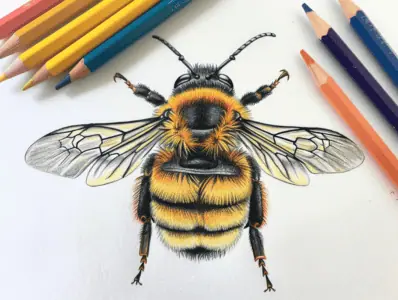
Looking for a fun way to keep little hands busy? You have landed in the right hive. We curated a sweet collection of bee coloring pages for kids of all ages. You will find fuzzy bumblebees, intricate honeycombs, and queen bees ruling the roost. These free printables are perfect for a rainy afternoon or a quick science lesson. Just click, print, and let the creativity flow.
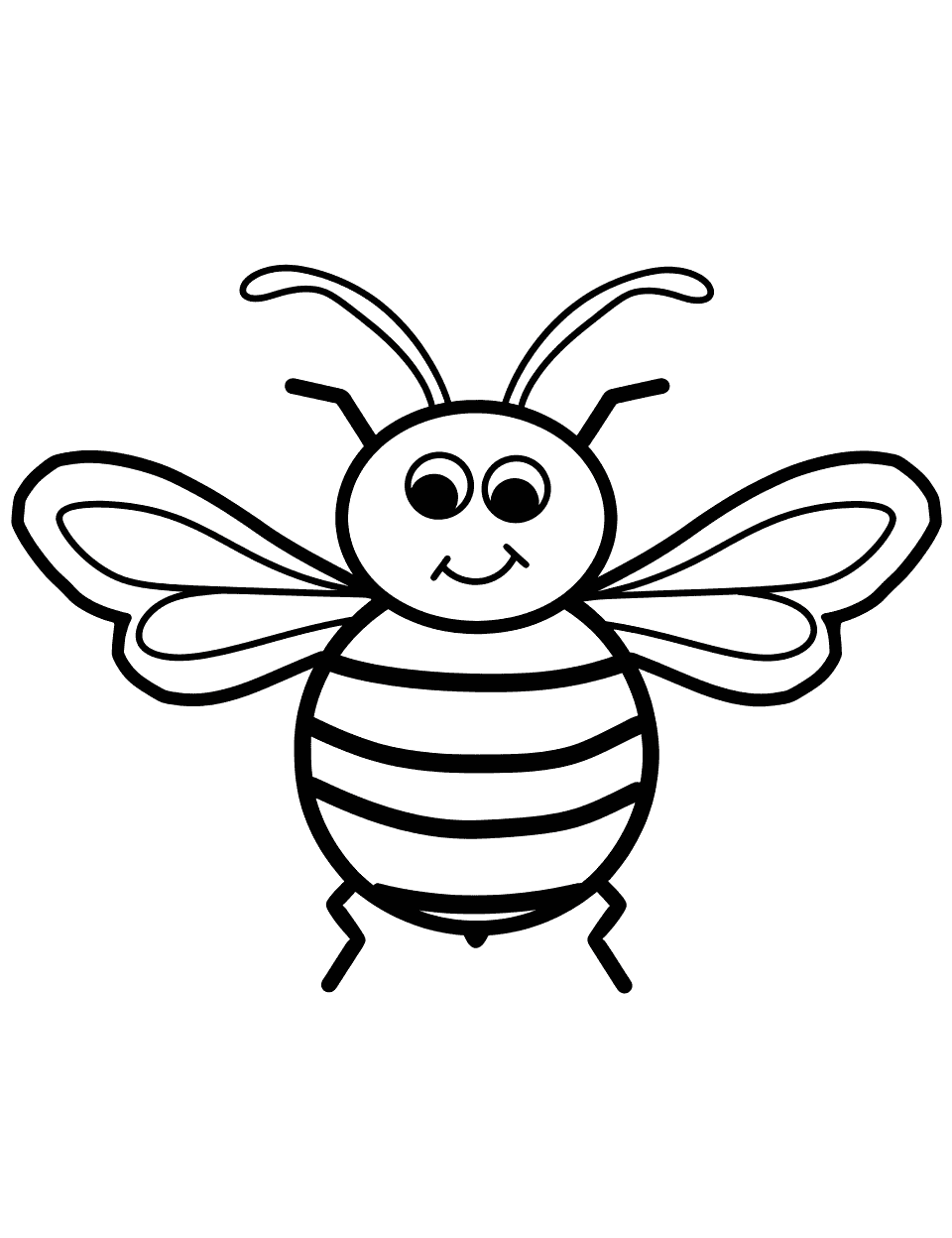
Simple Bee Outline
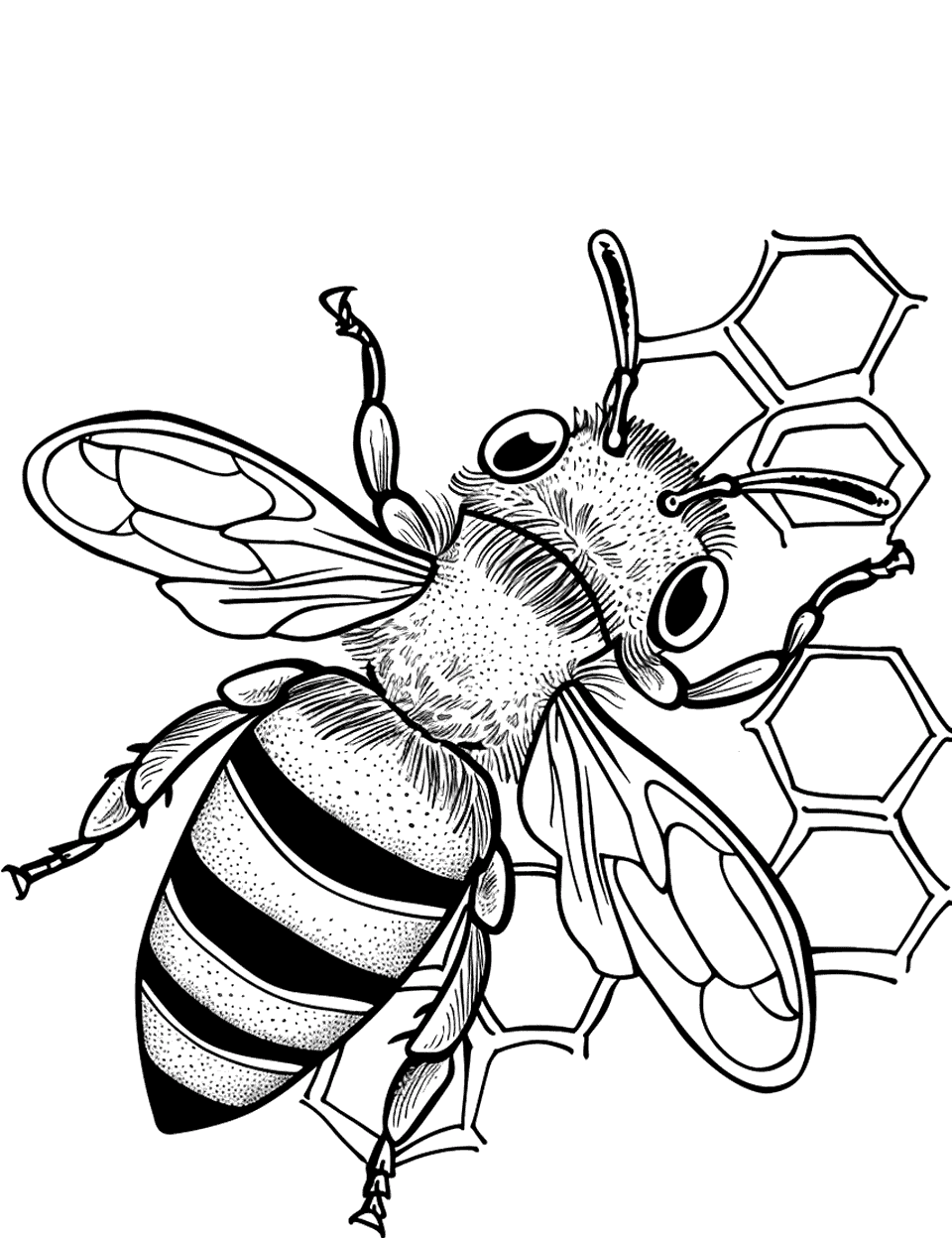
Honey Bee Returning to Hive
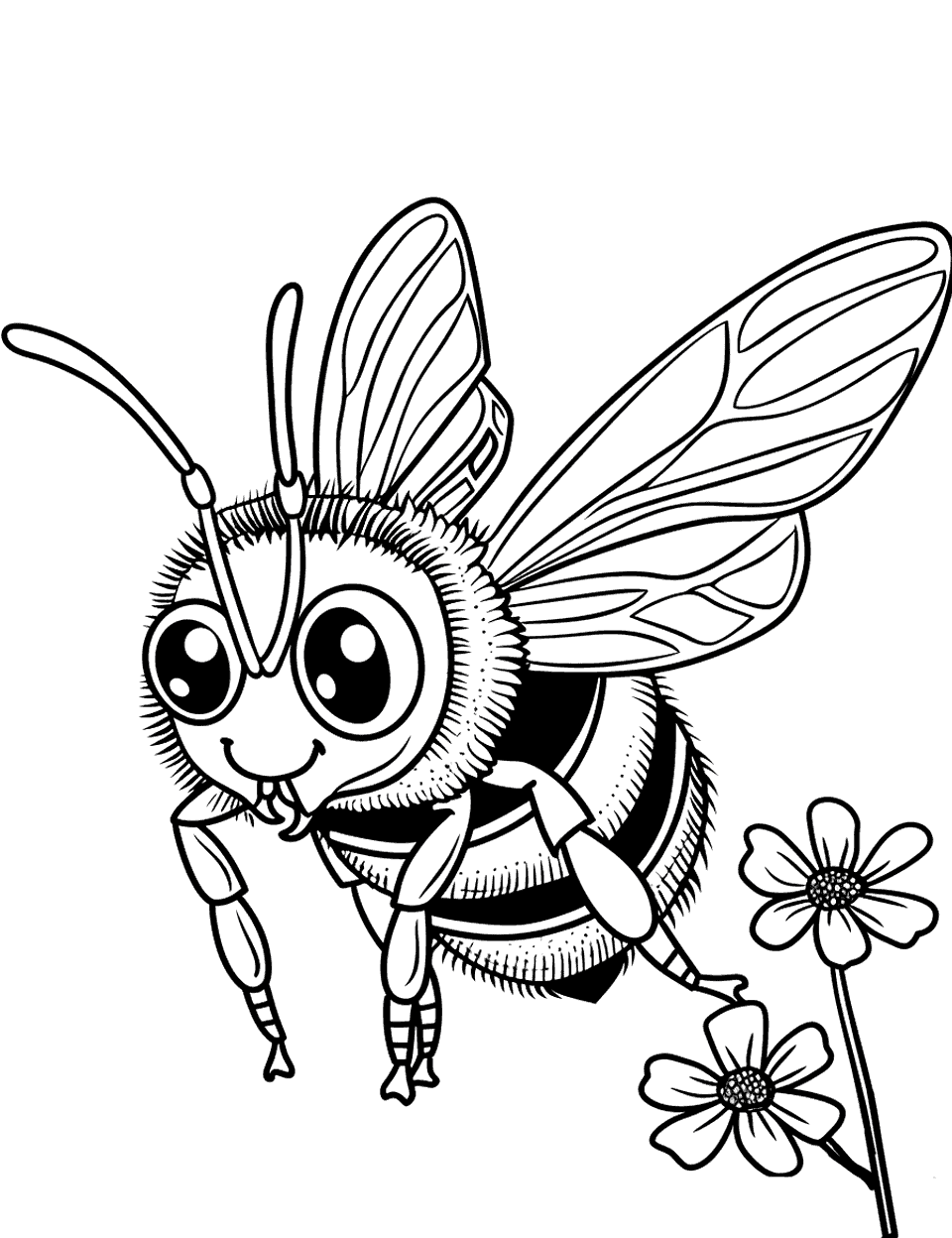
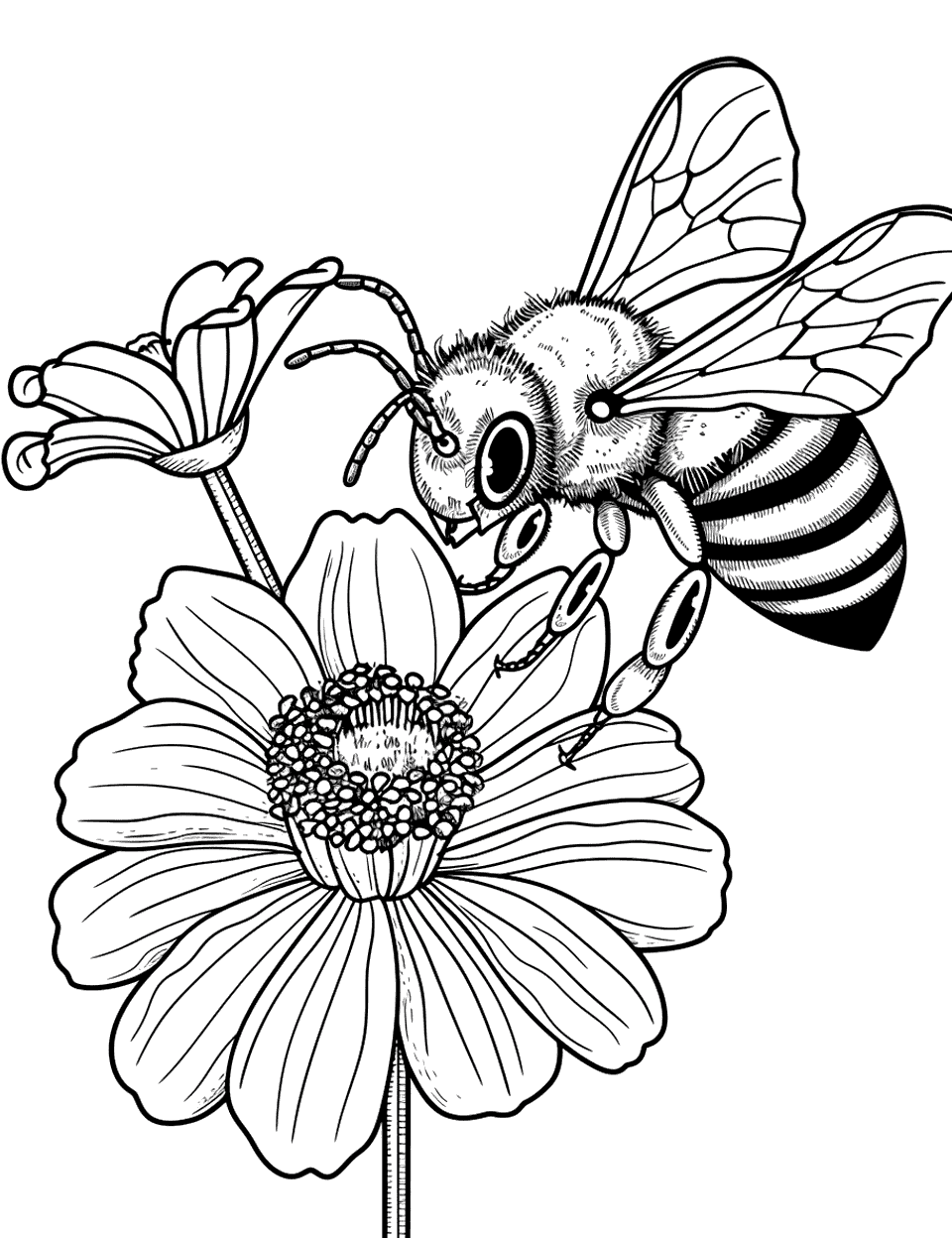
Bumble Bee on a Daisy
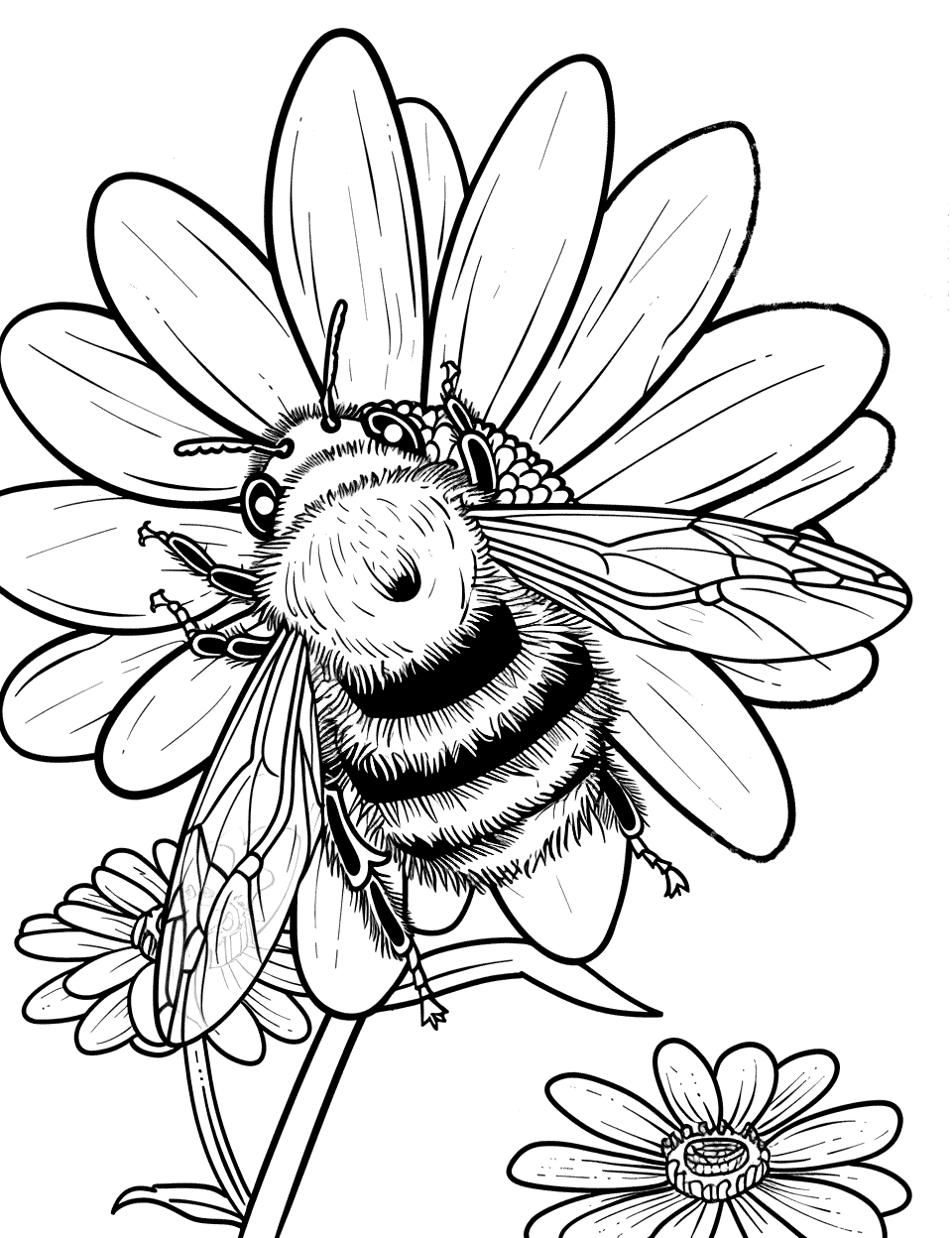
Queen Bee in the Hive
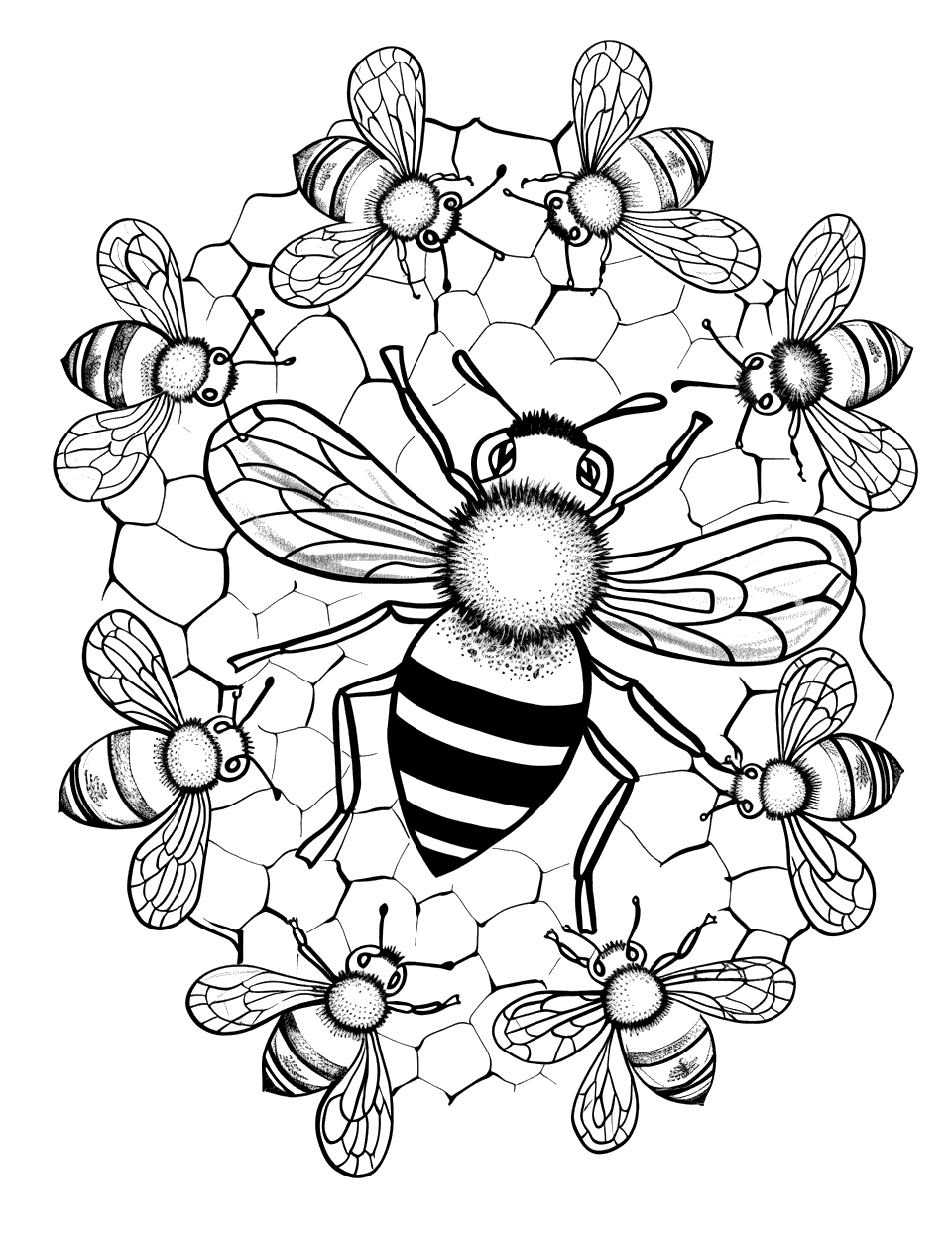
Bee on a Sunflower
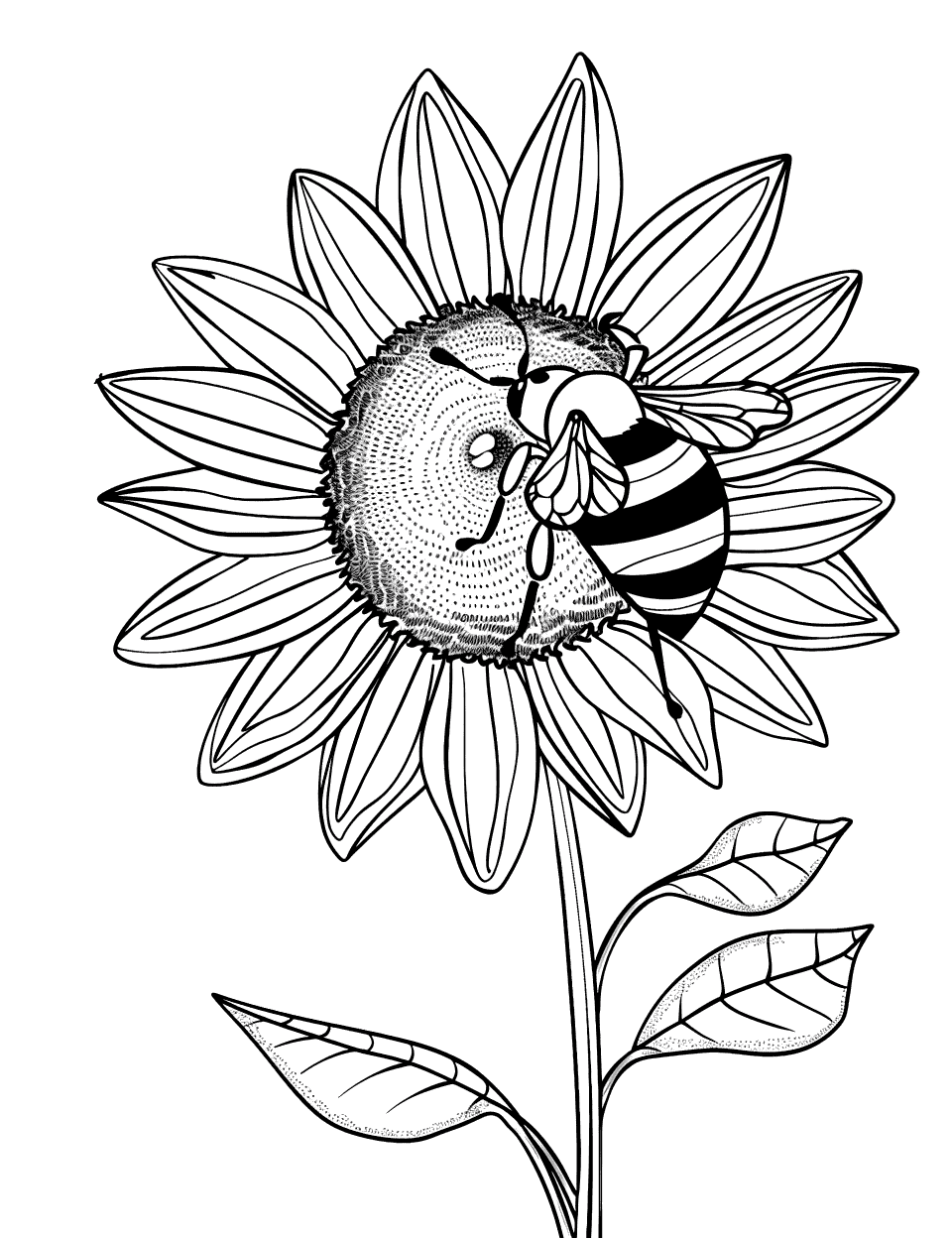
Beekeeper at Work
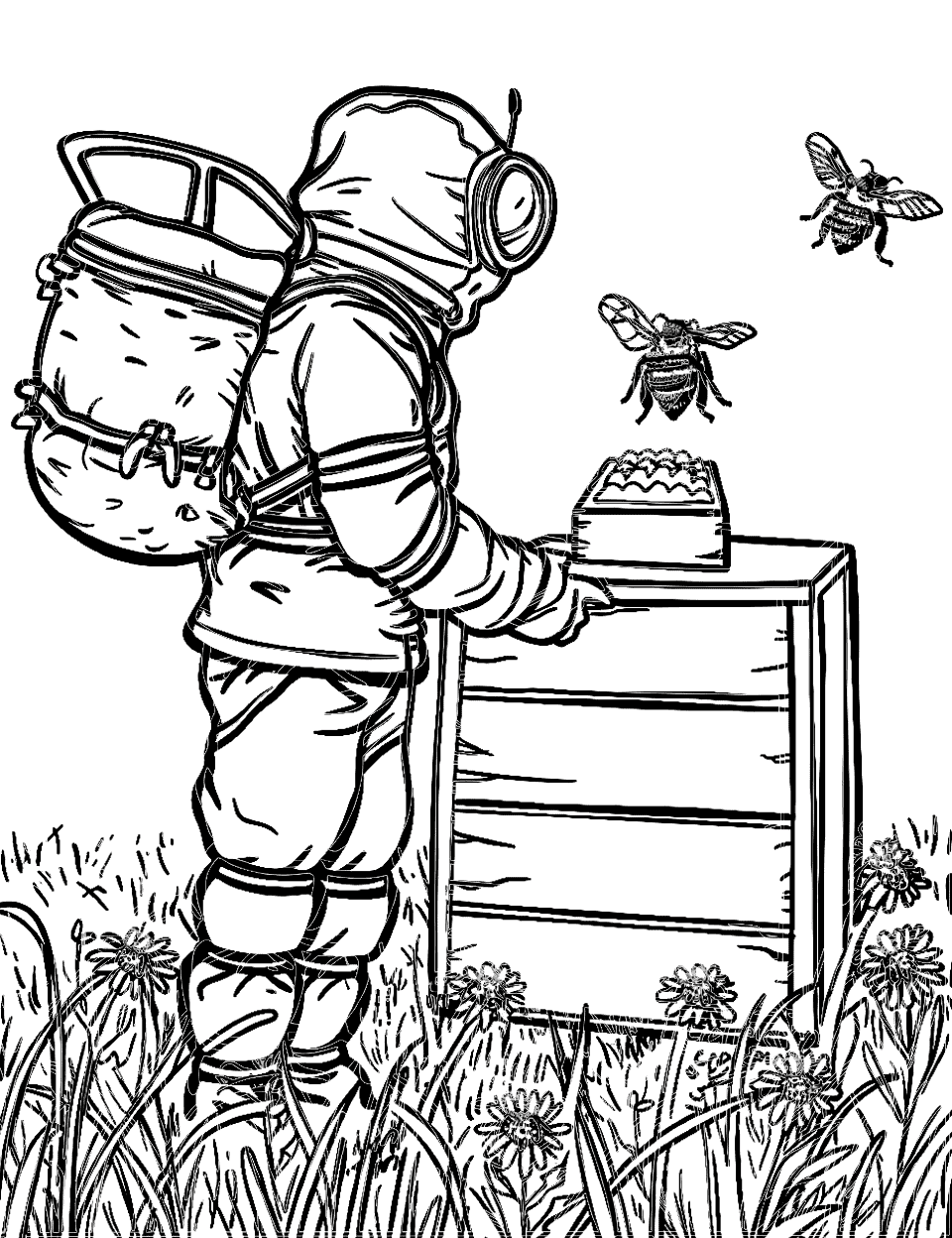
Carpenter Bee Drilling Wood
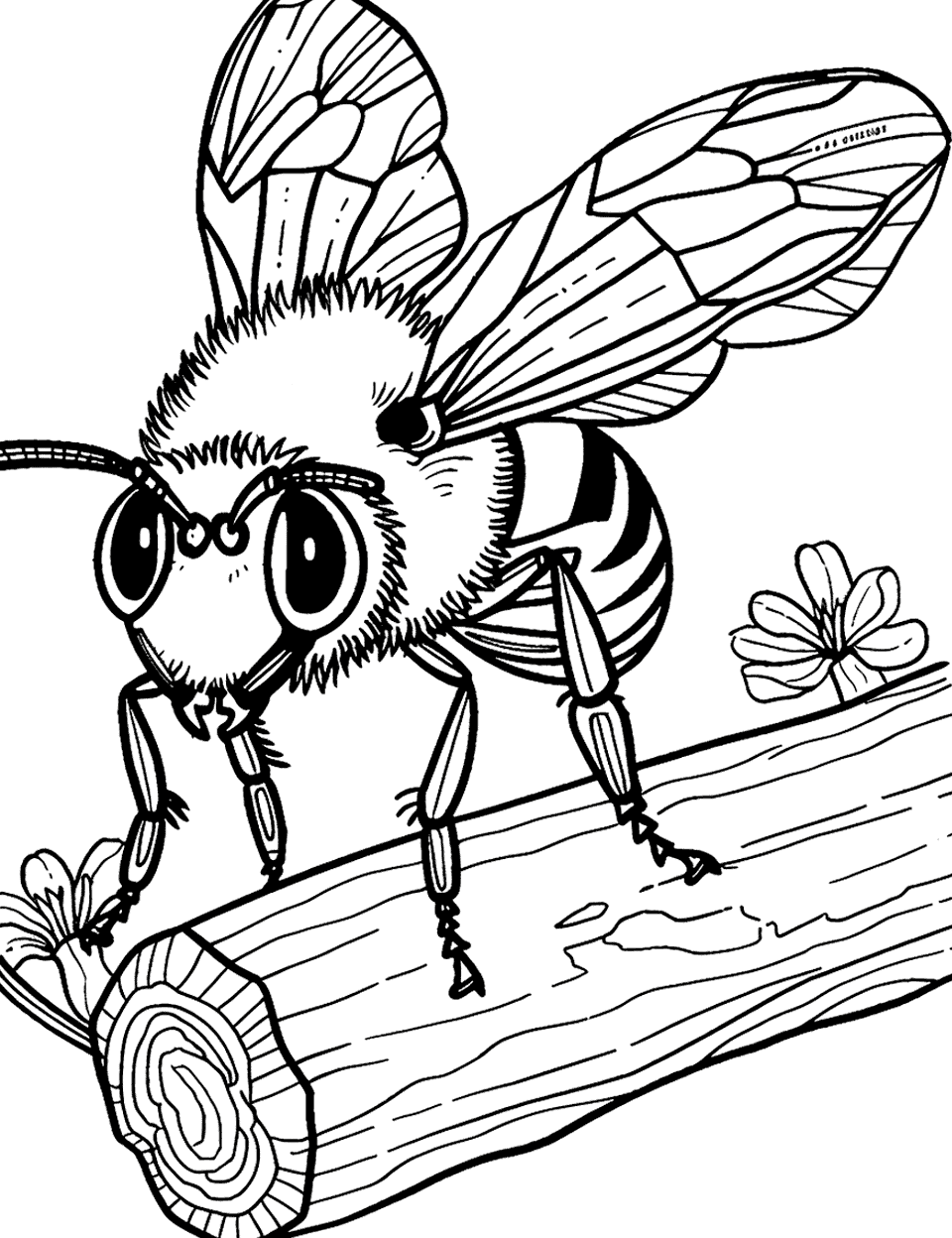
Spring Bees and Blossoms
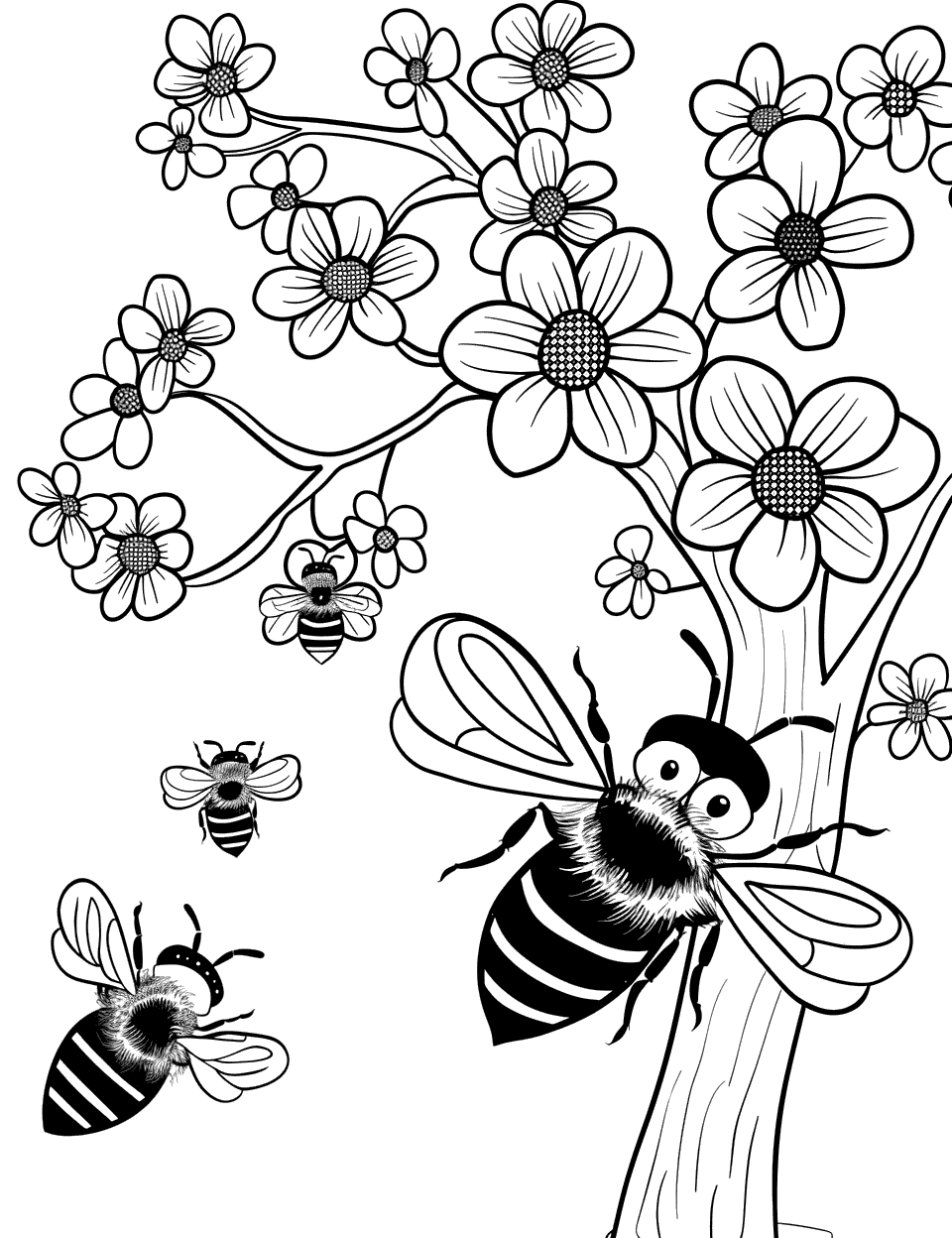
Bee and Honeycomb
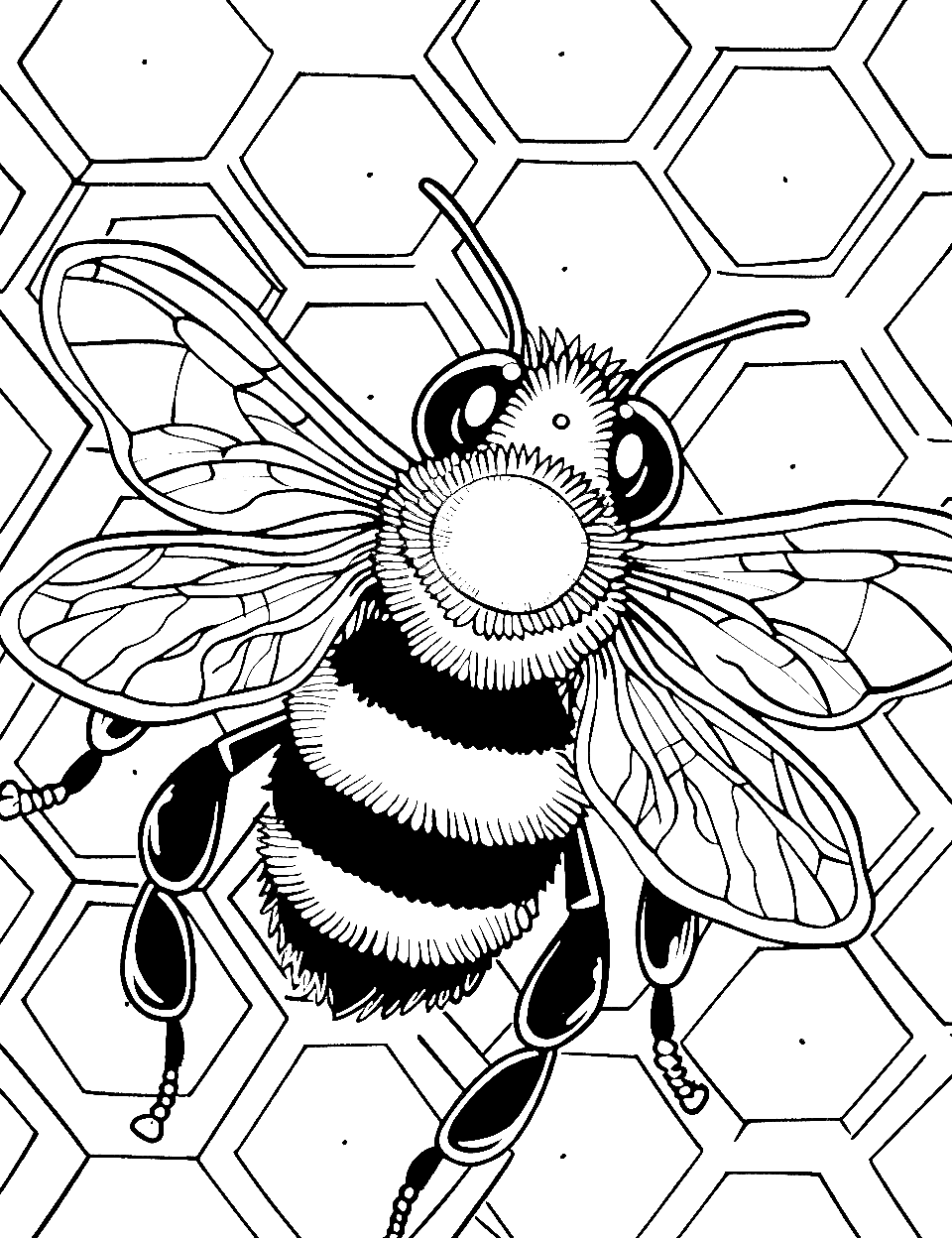
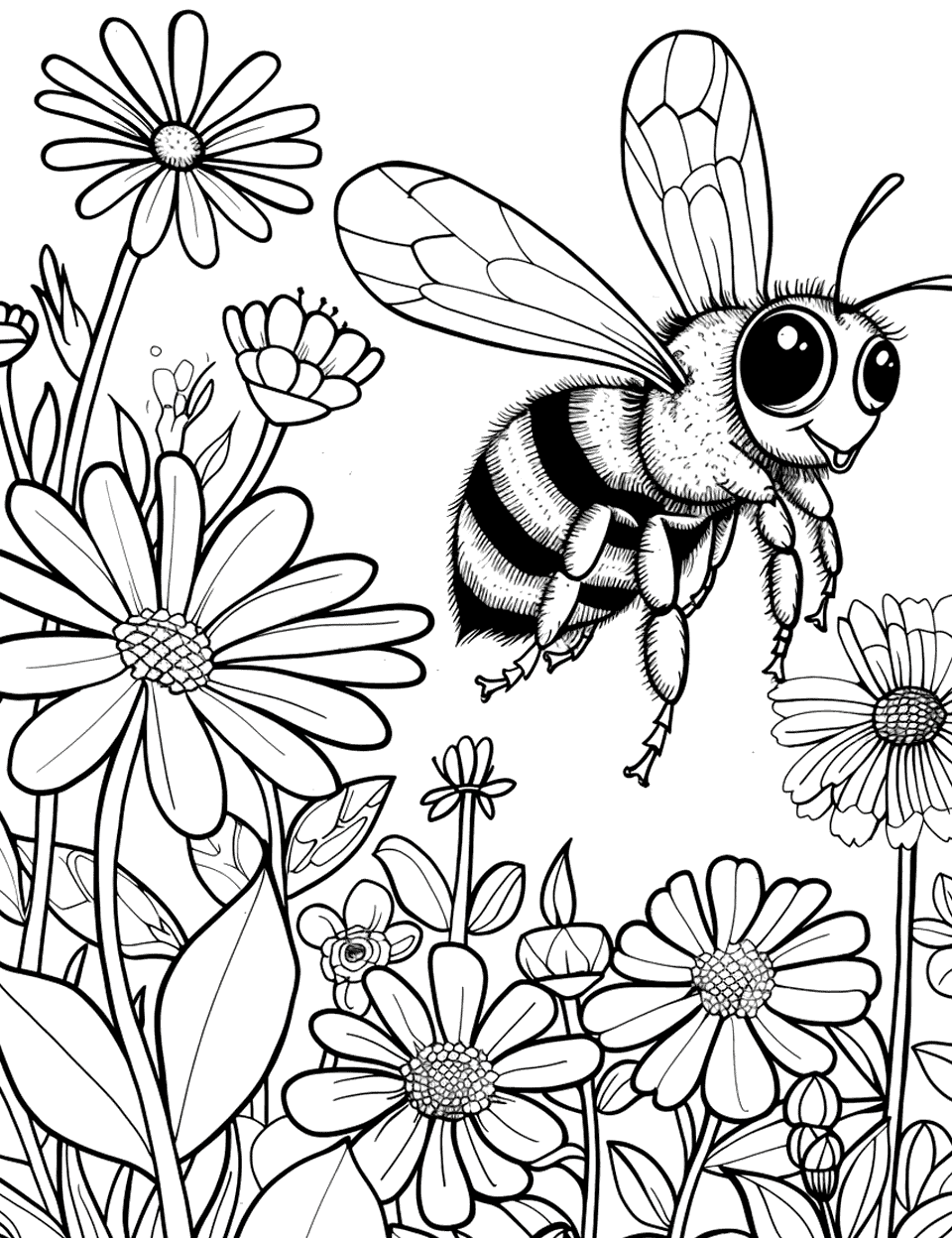
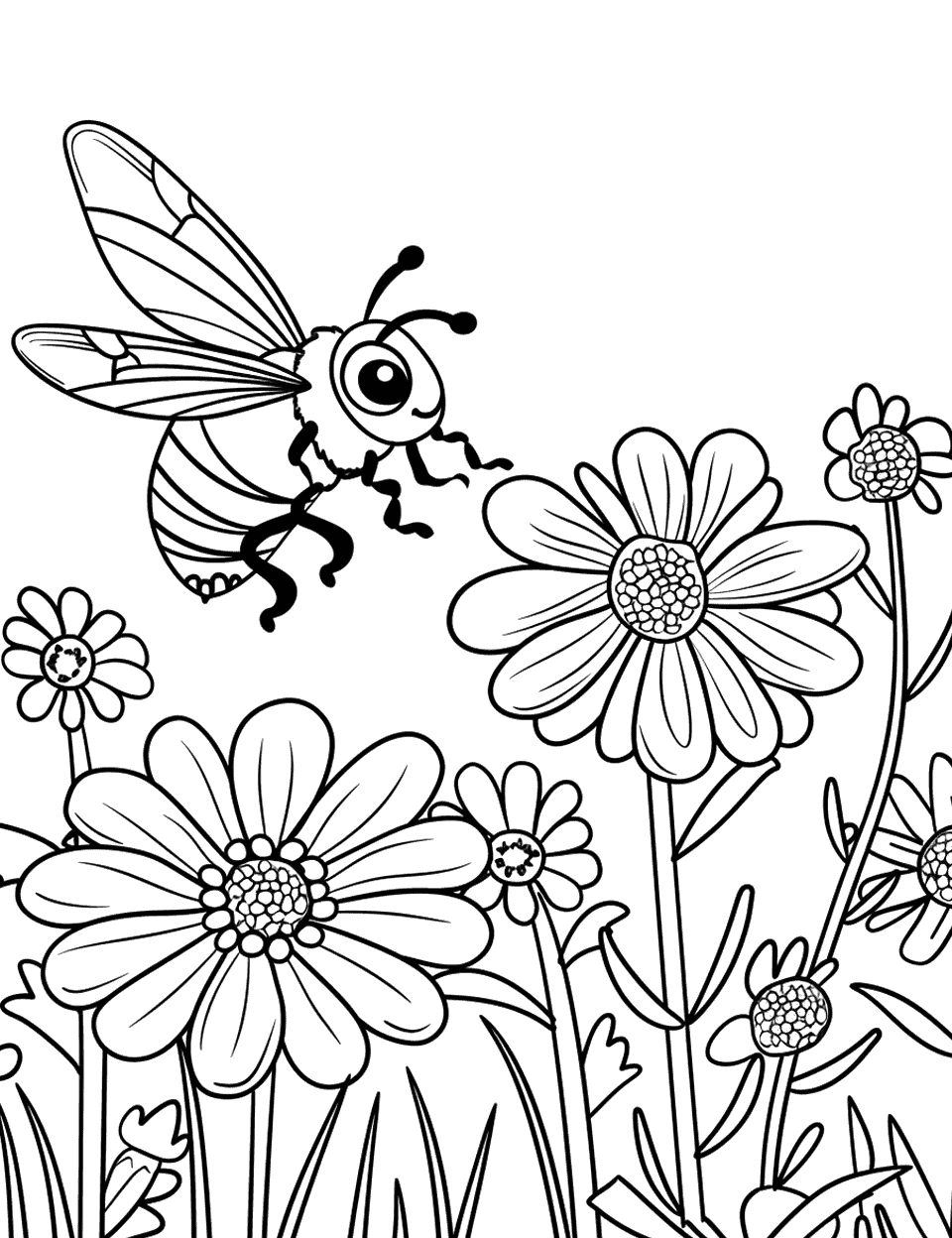
Busy Bee Over Garden
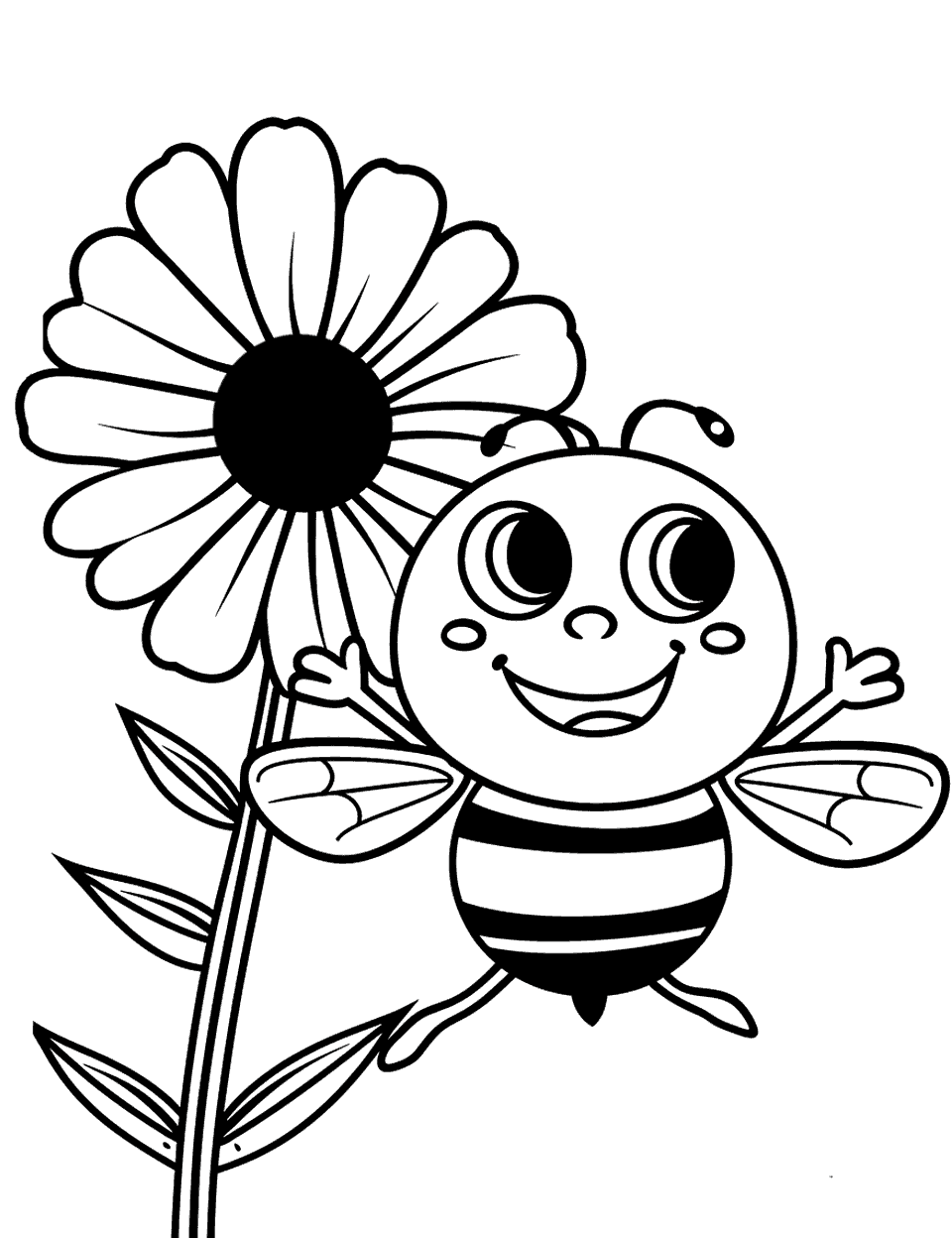
Kawaii Bee and Flower
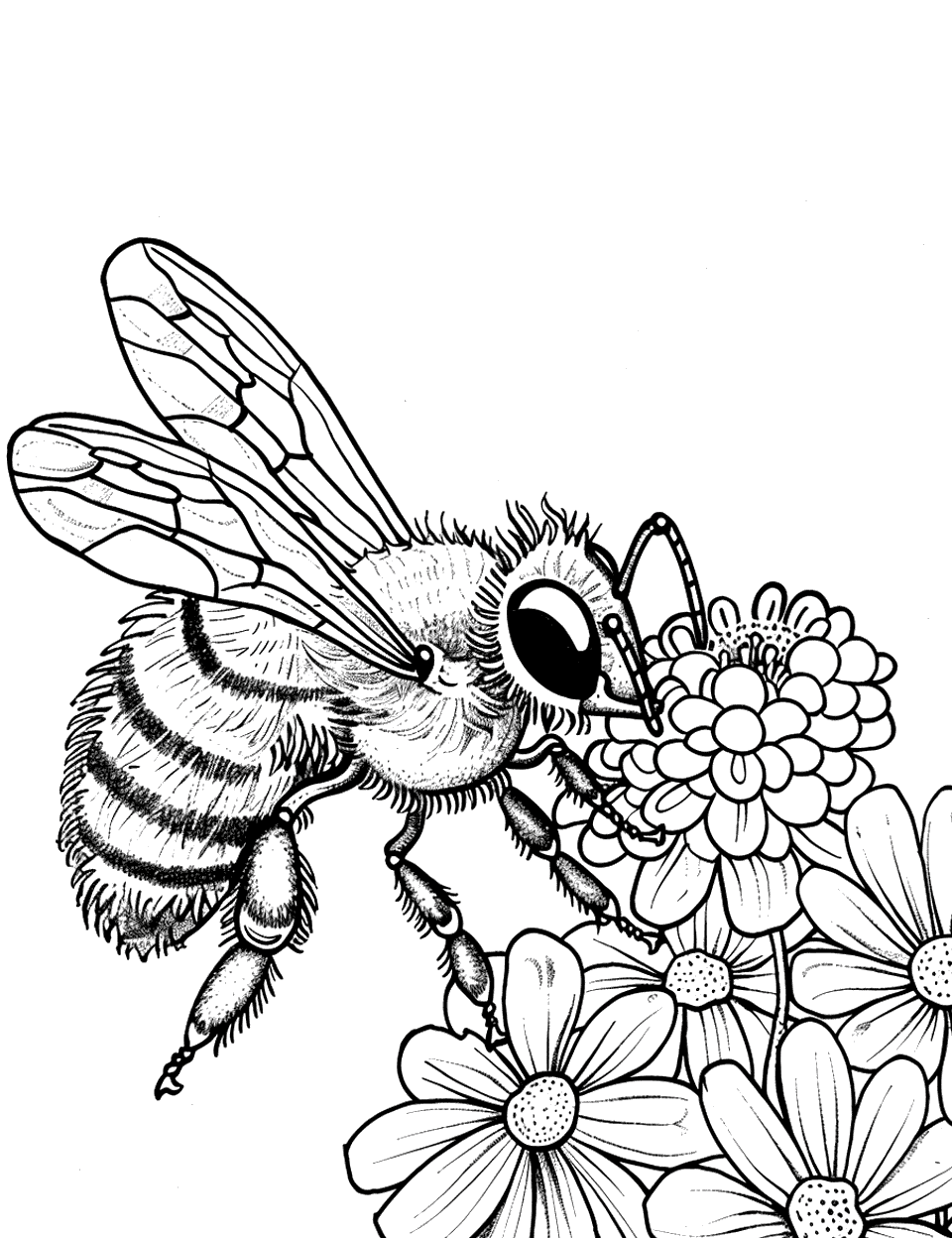
Bee Collecting Nectar
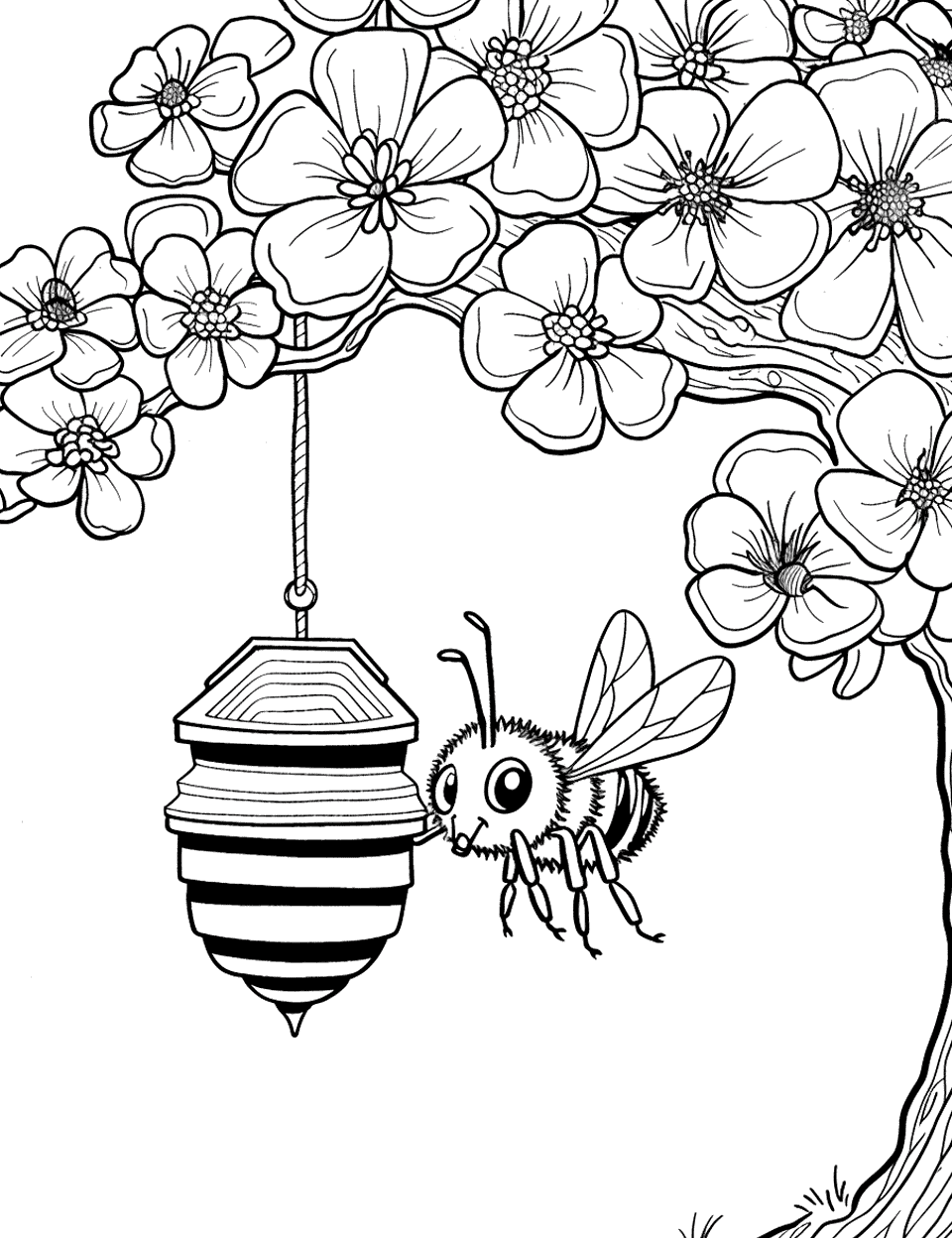
Bee and Beehive Under Tree
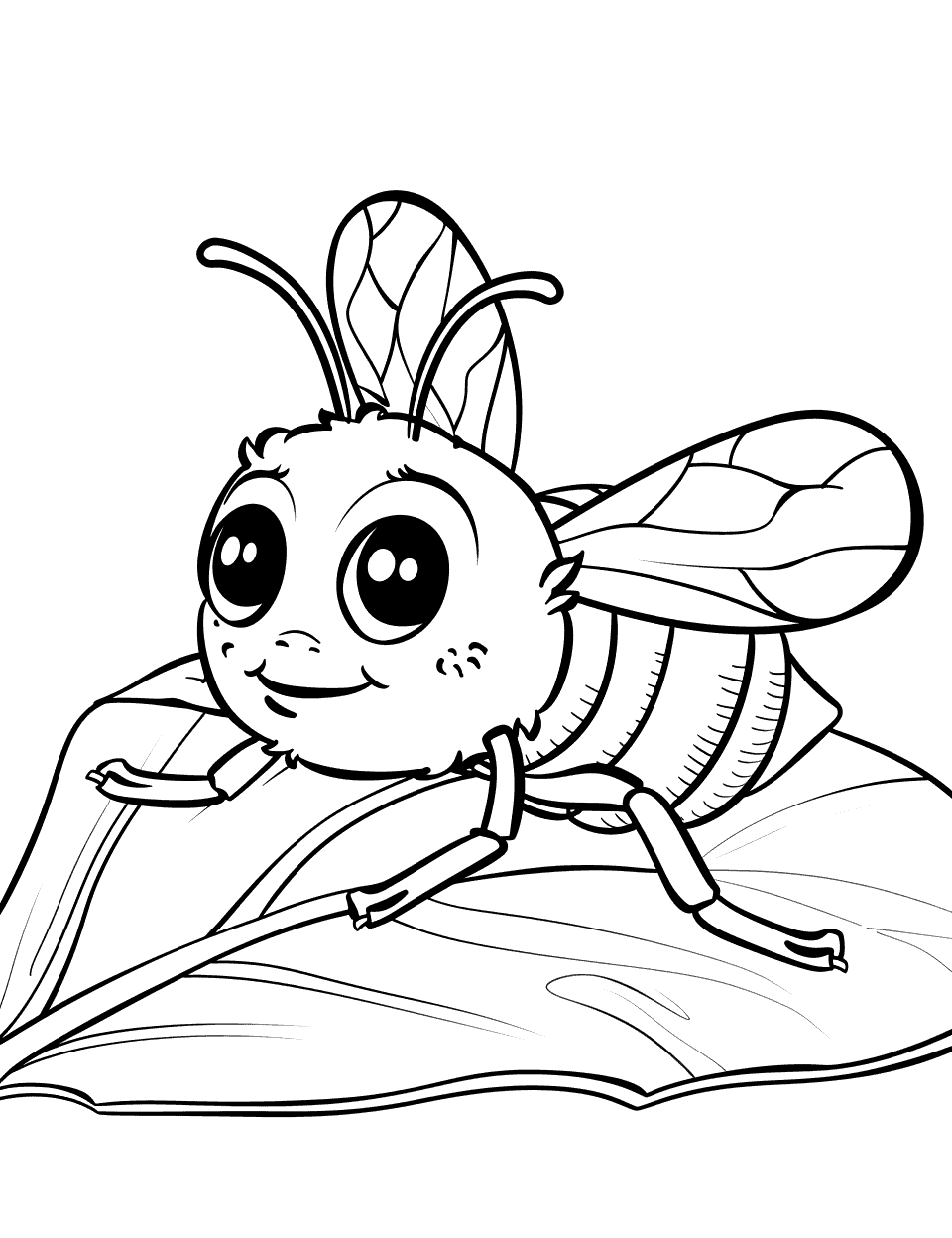
Stingless Bee on a Leaf
Honey Bee and Beeswax
Bee Flying Among Flowers
Insect Friends
Bee and Clover Flower
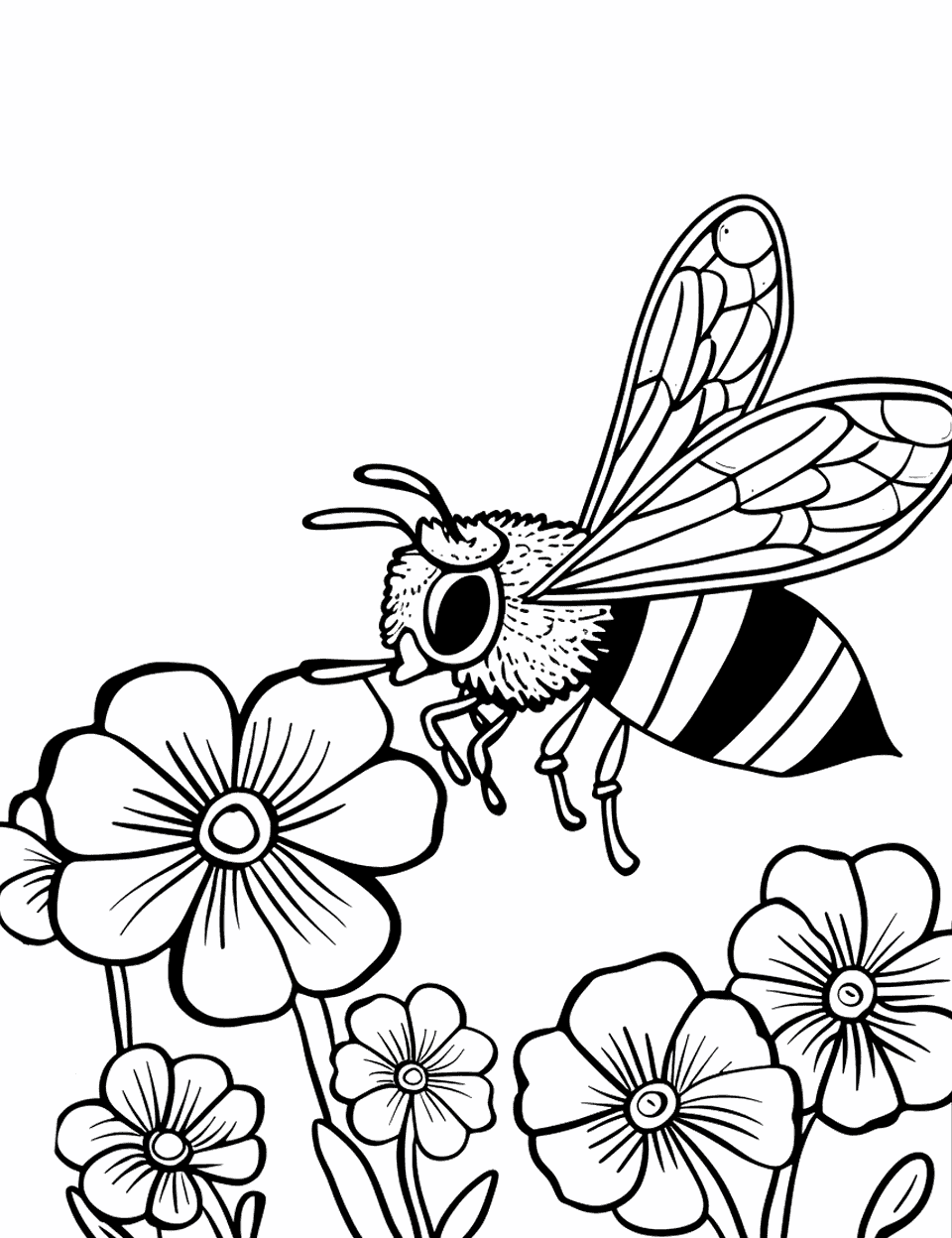
Killer Bee Alert
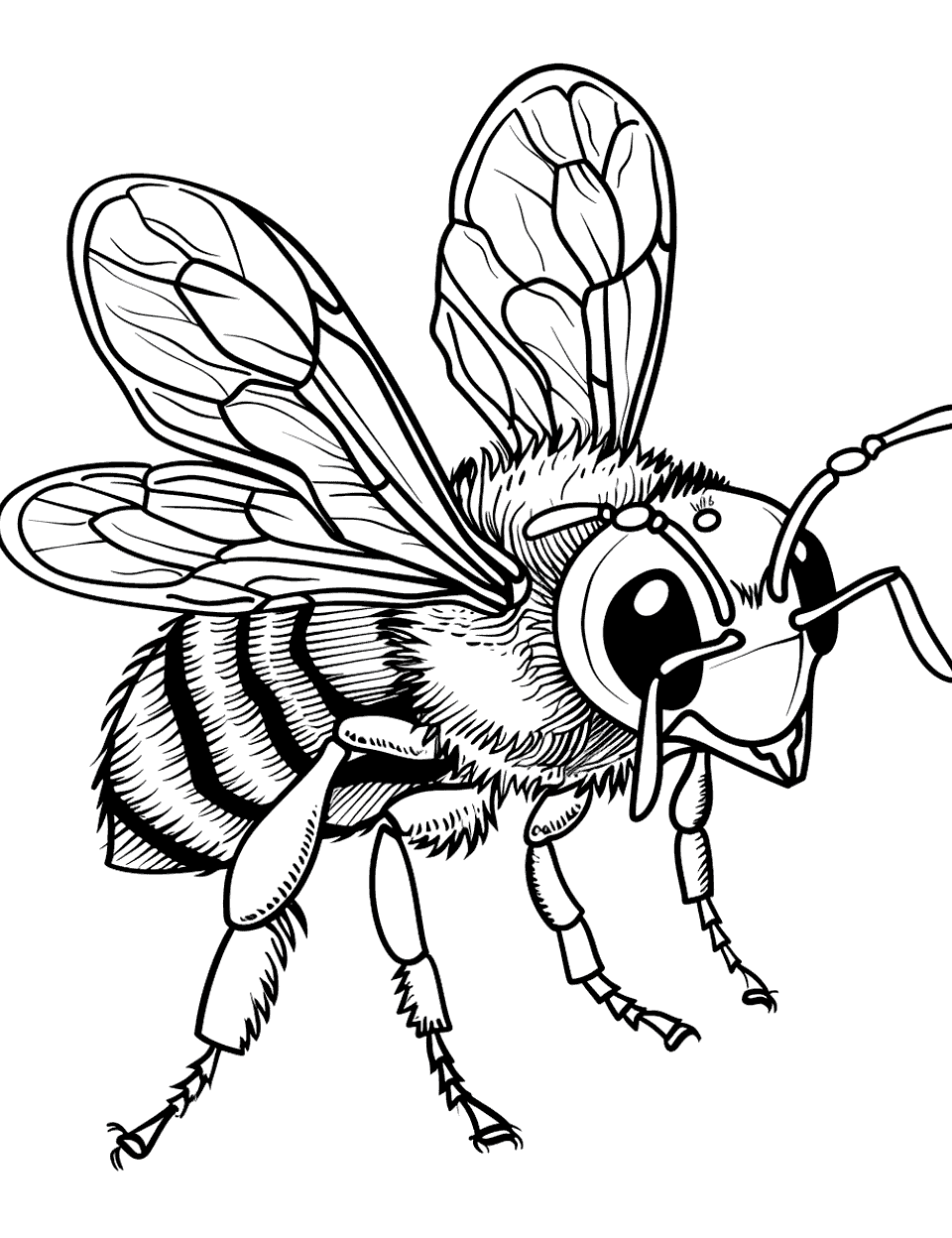
Cartoon Bee and Honey Pot
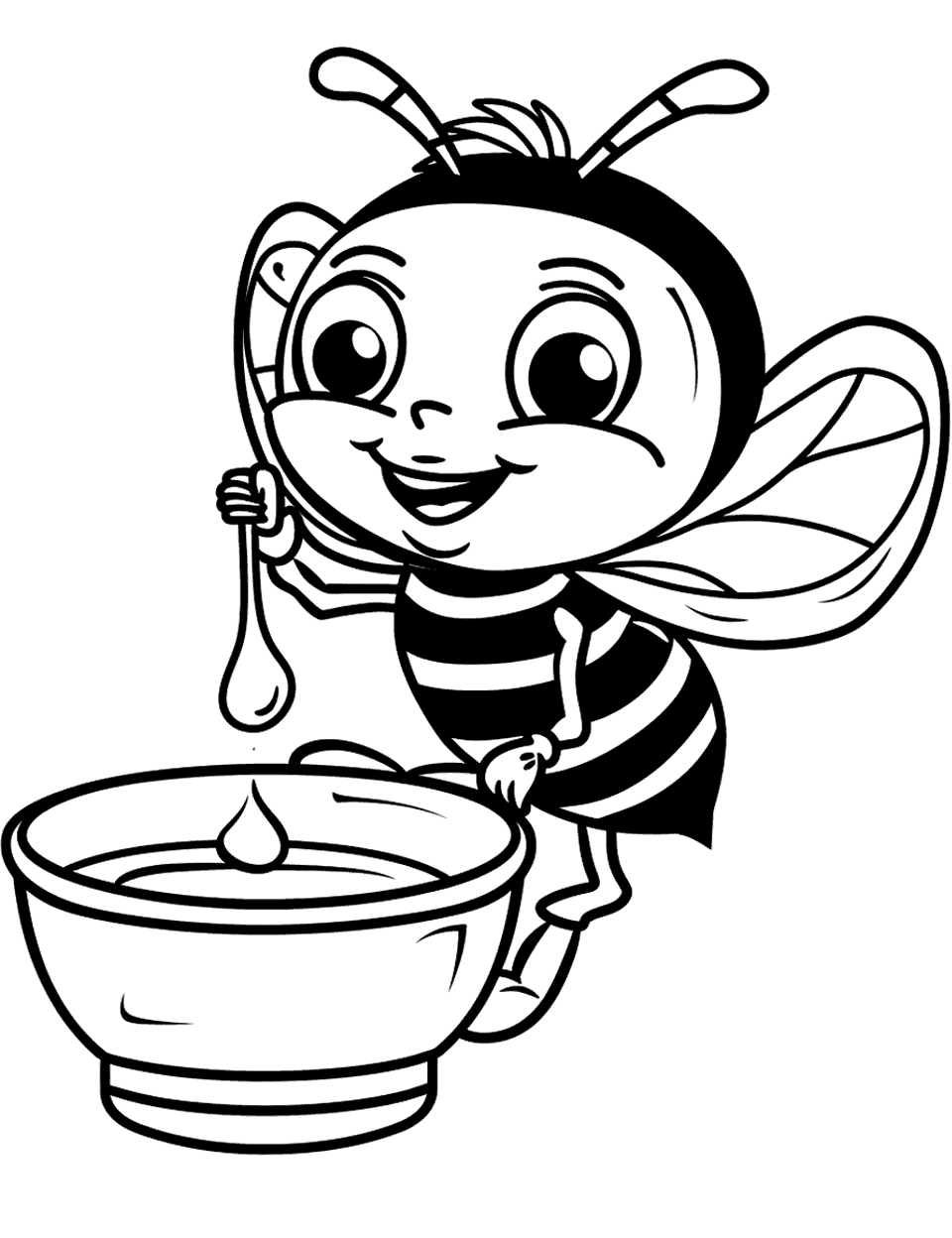
Bee in a Field of Wildflowers
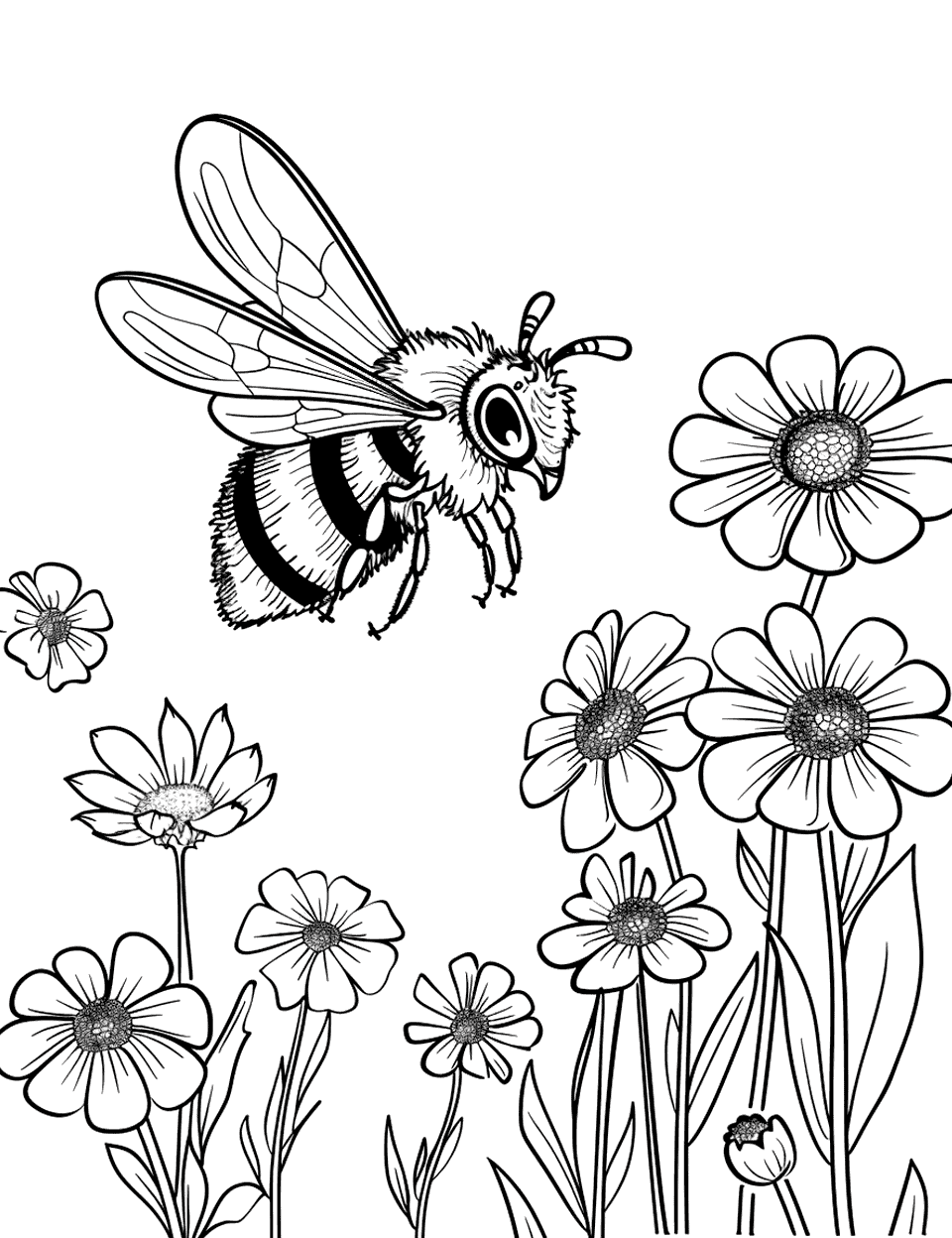
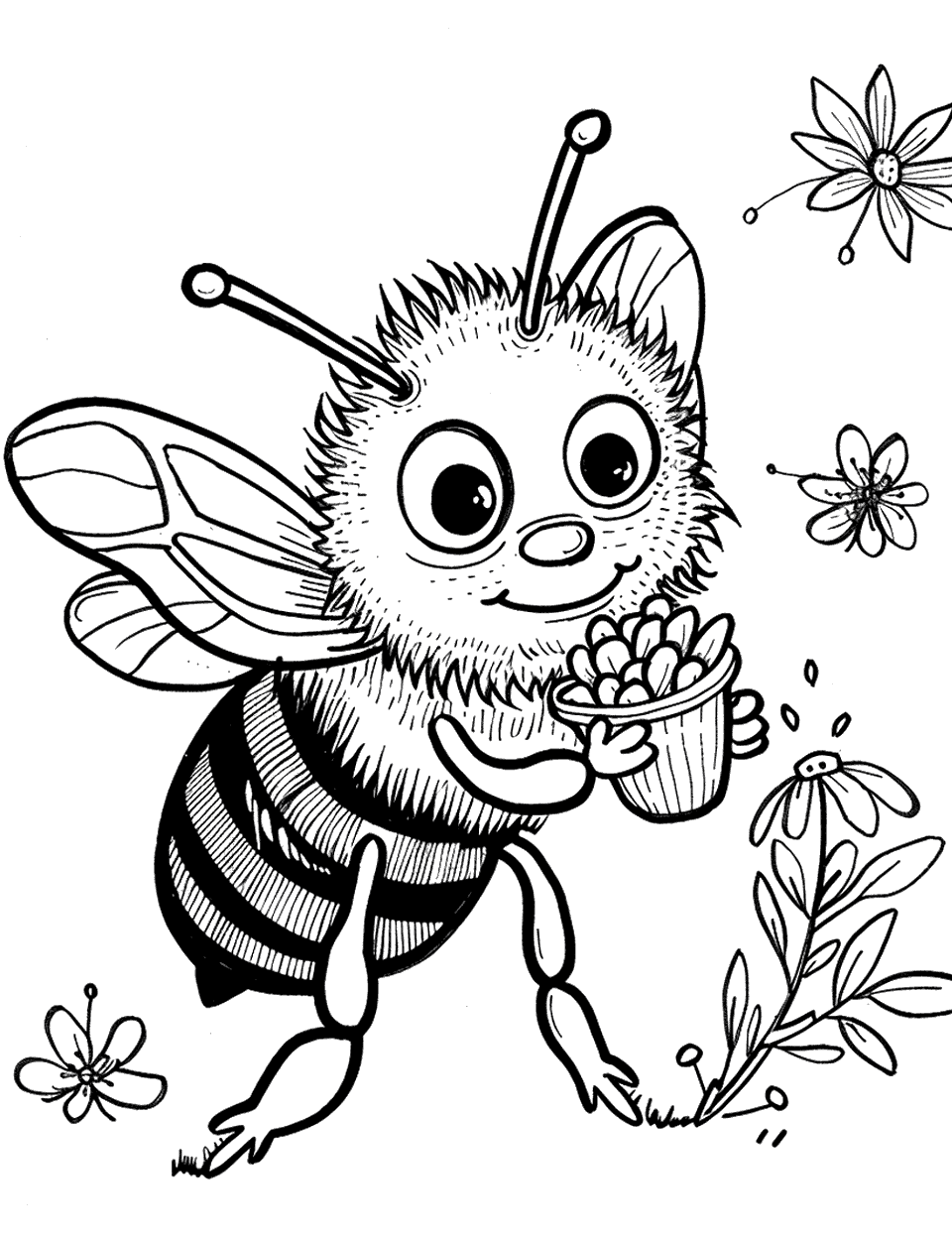
Happy Bee with Pollen Baskets
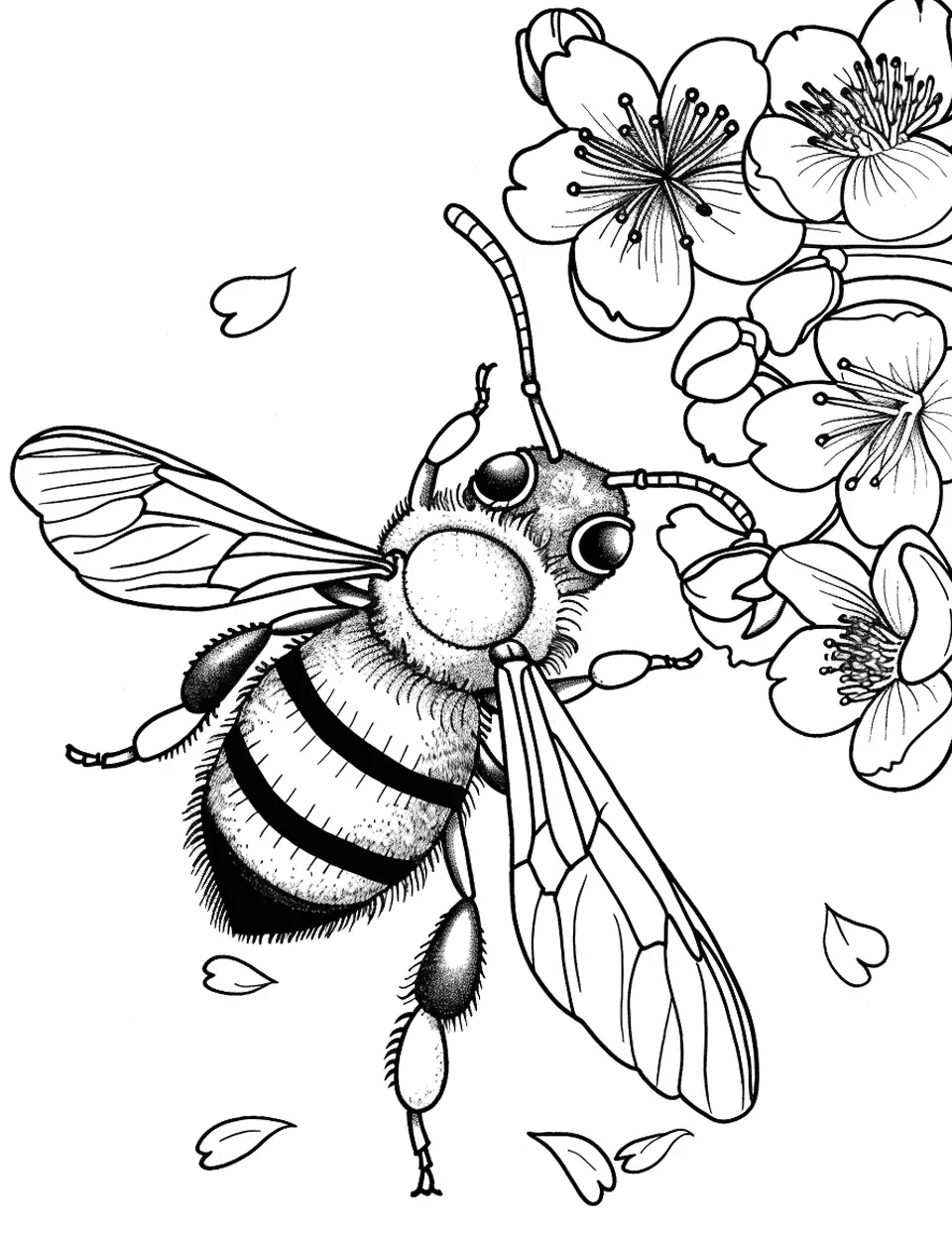
Bee on a Cherry Blossom
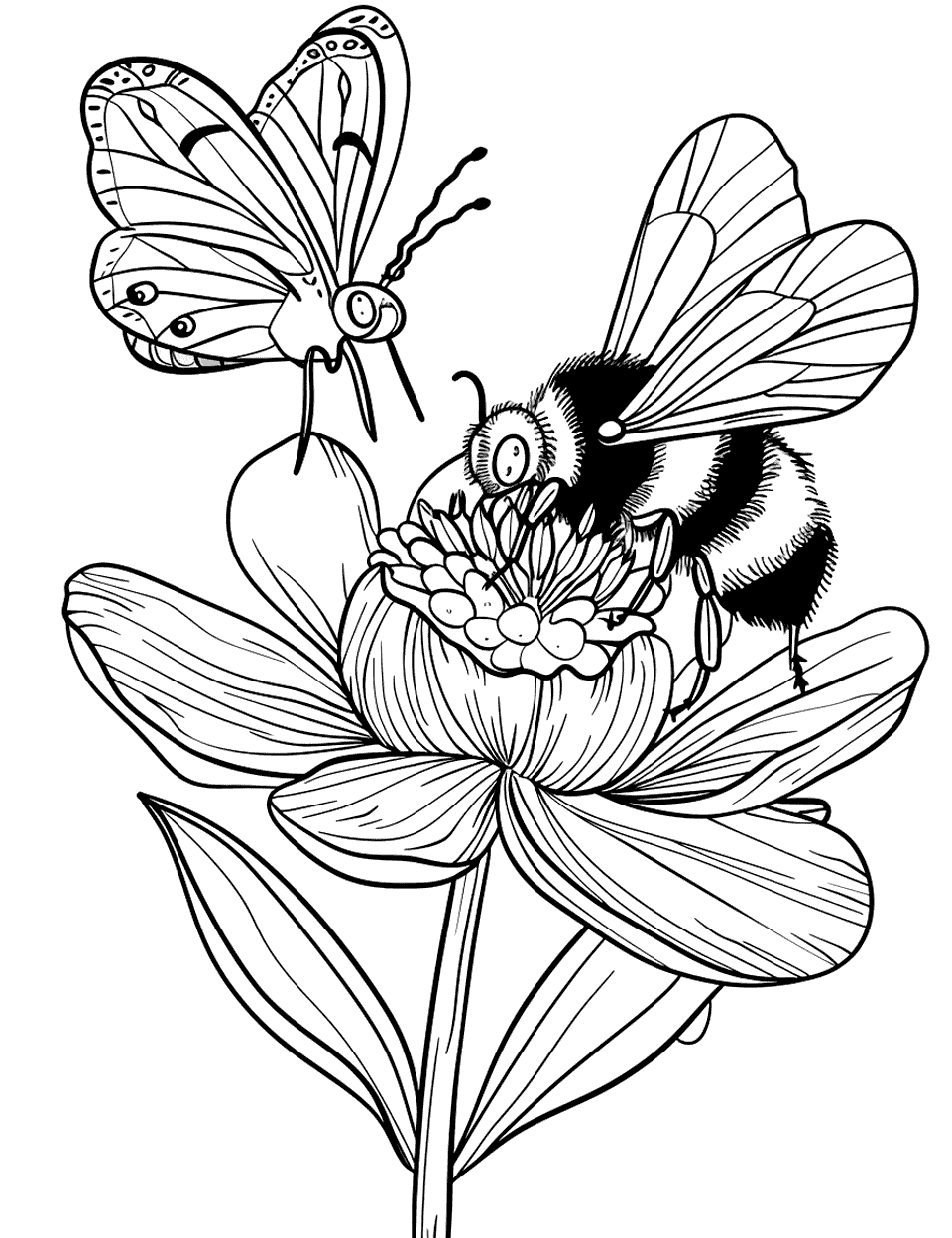
Bee and Butterfly on a Flower
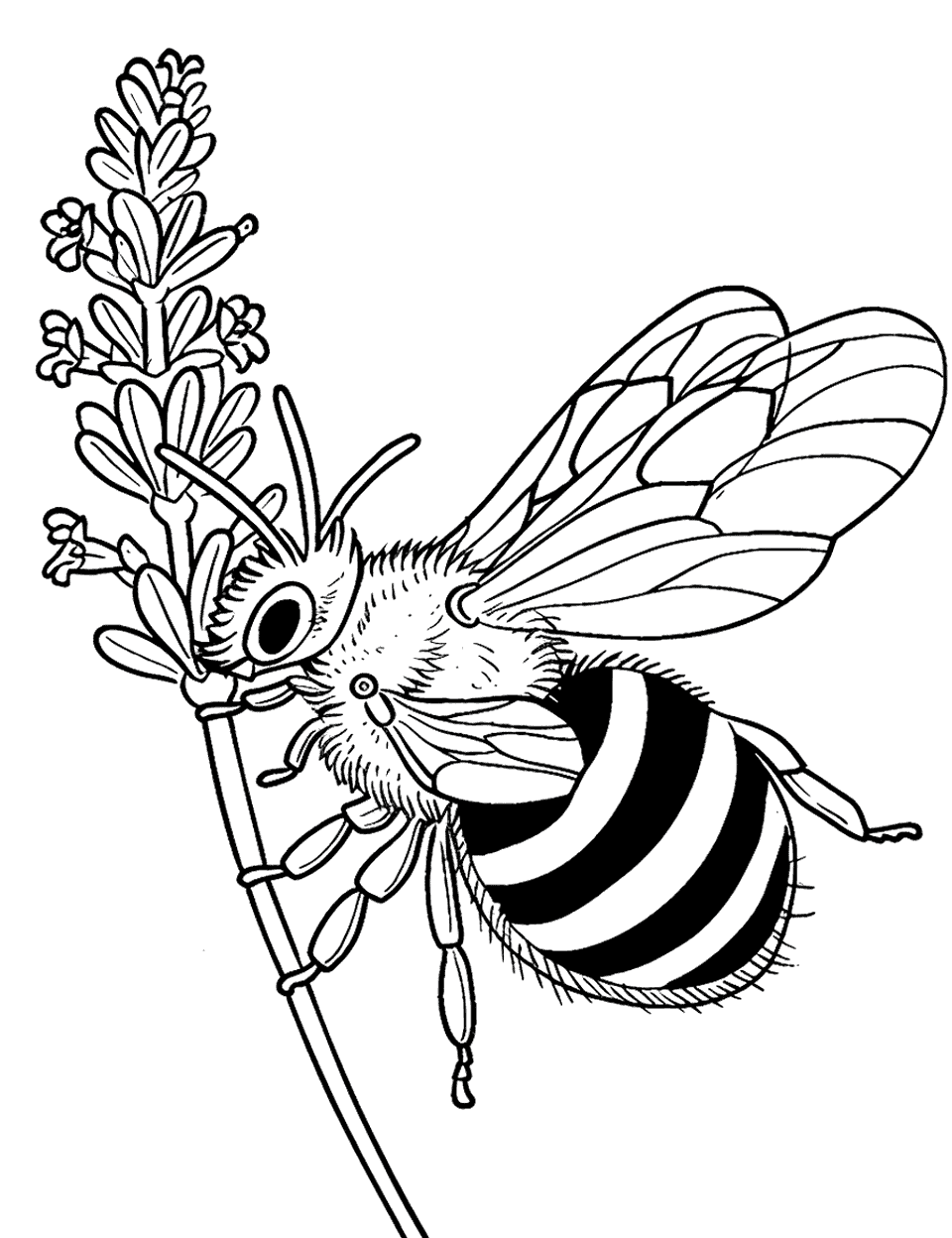
Bee on a Lavender Sprig
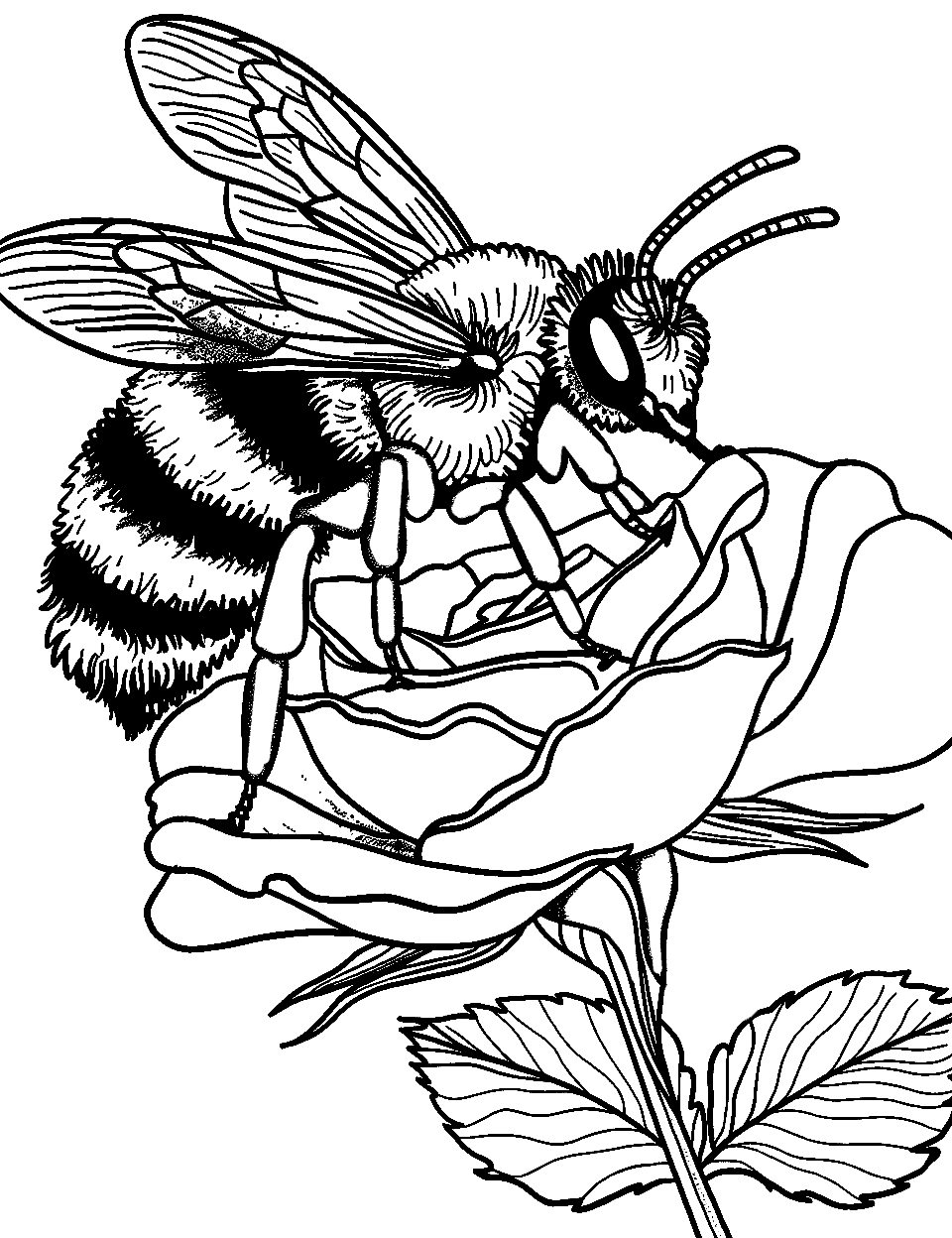
Garden Bee on a Rose
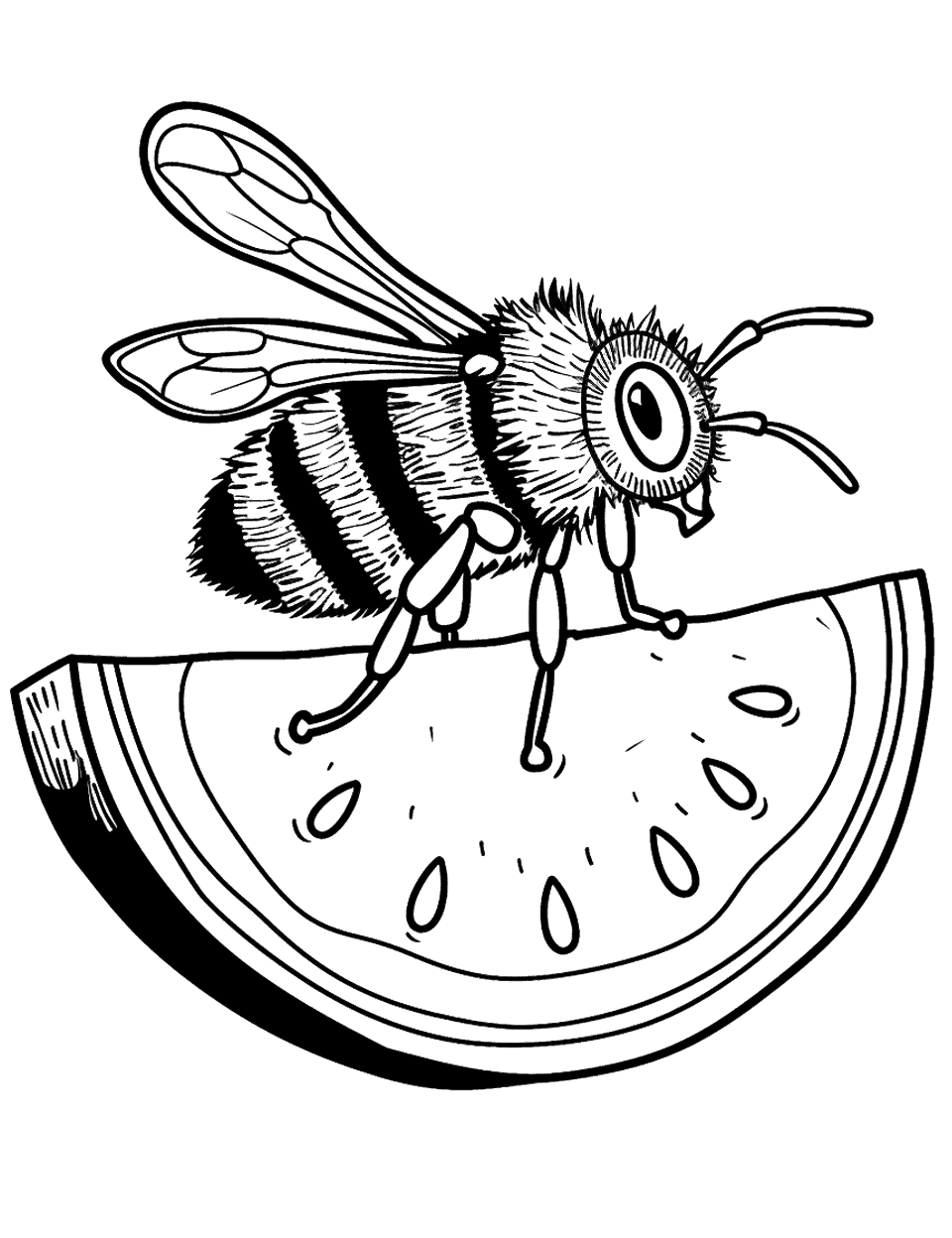
Bee and Watermelon
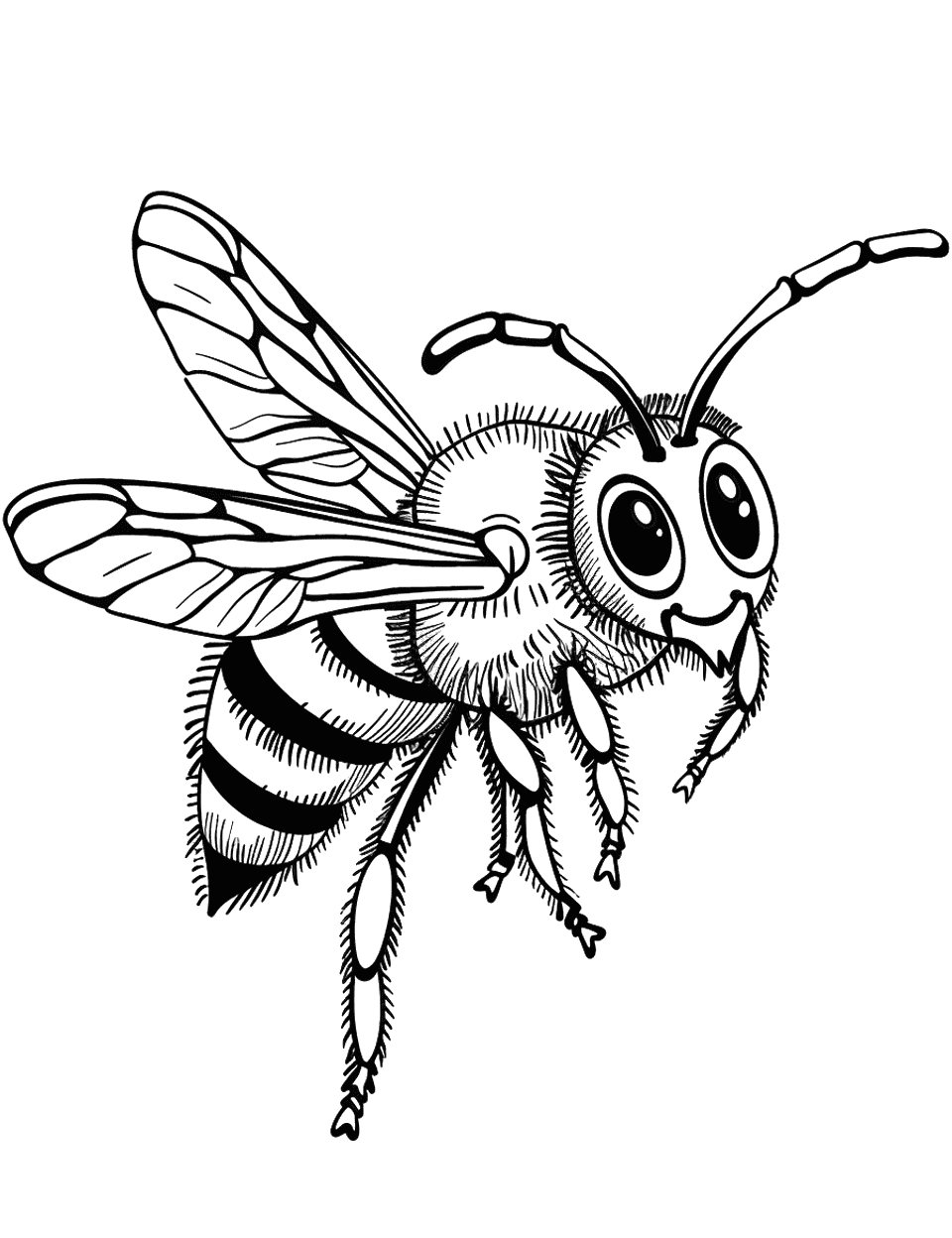
First Flight
Bee on a Flower
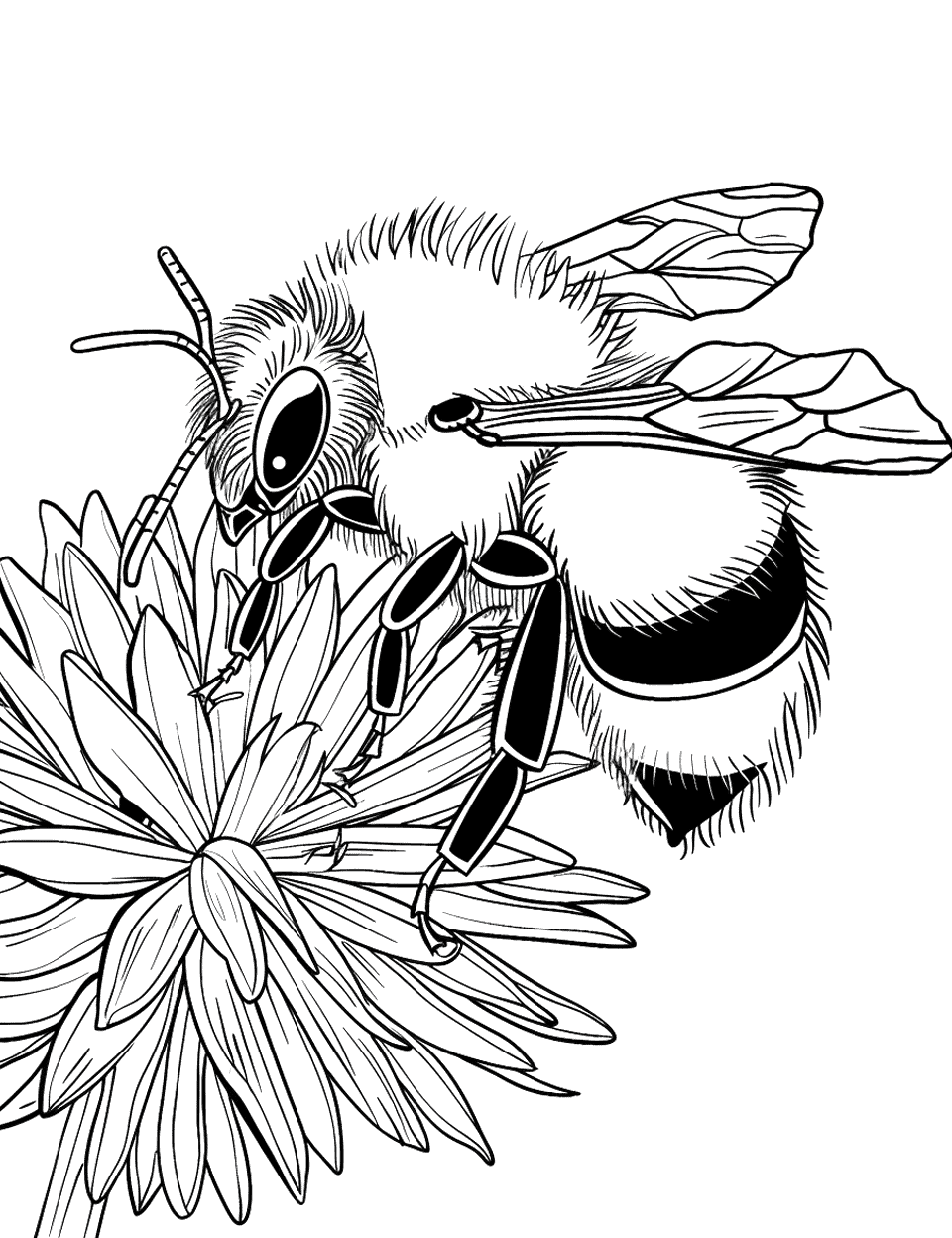
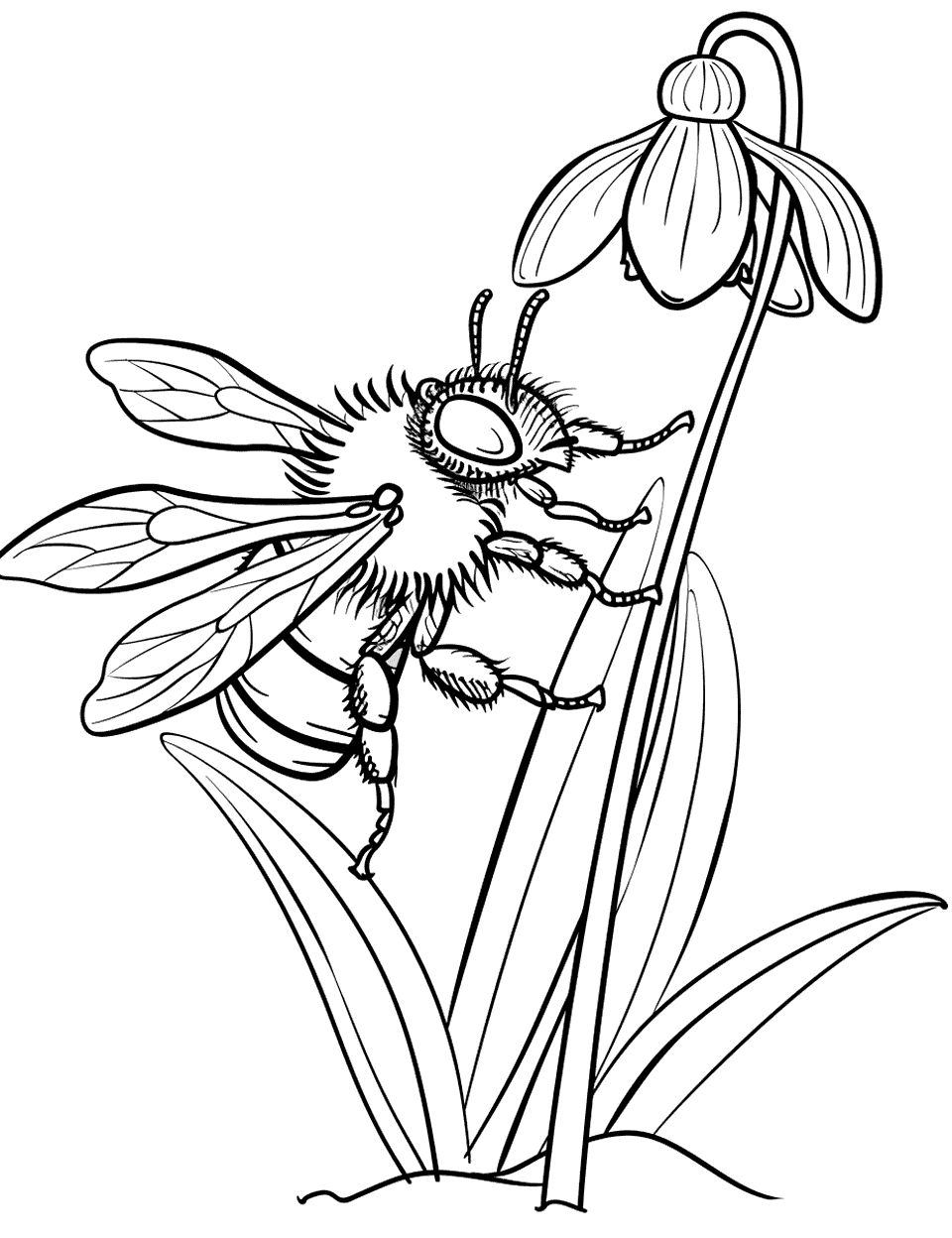
Winter Bee on Snowdrop
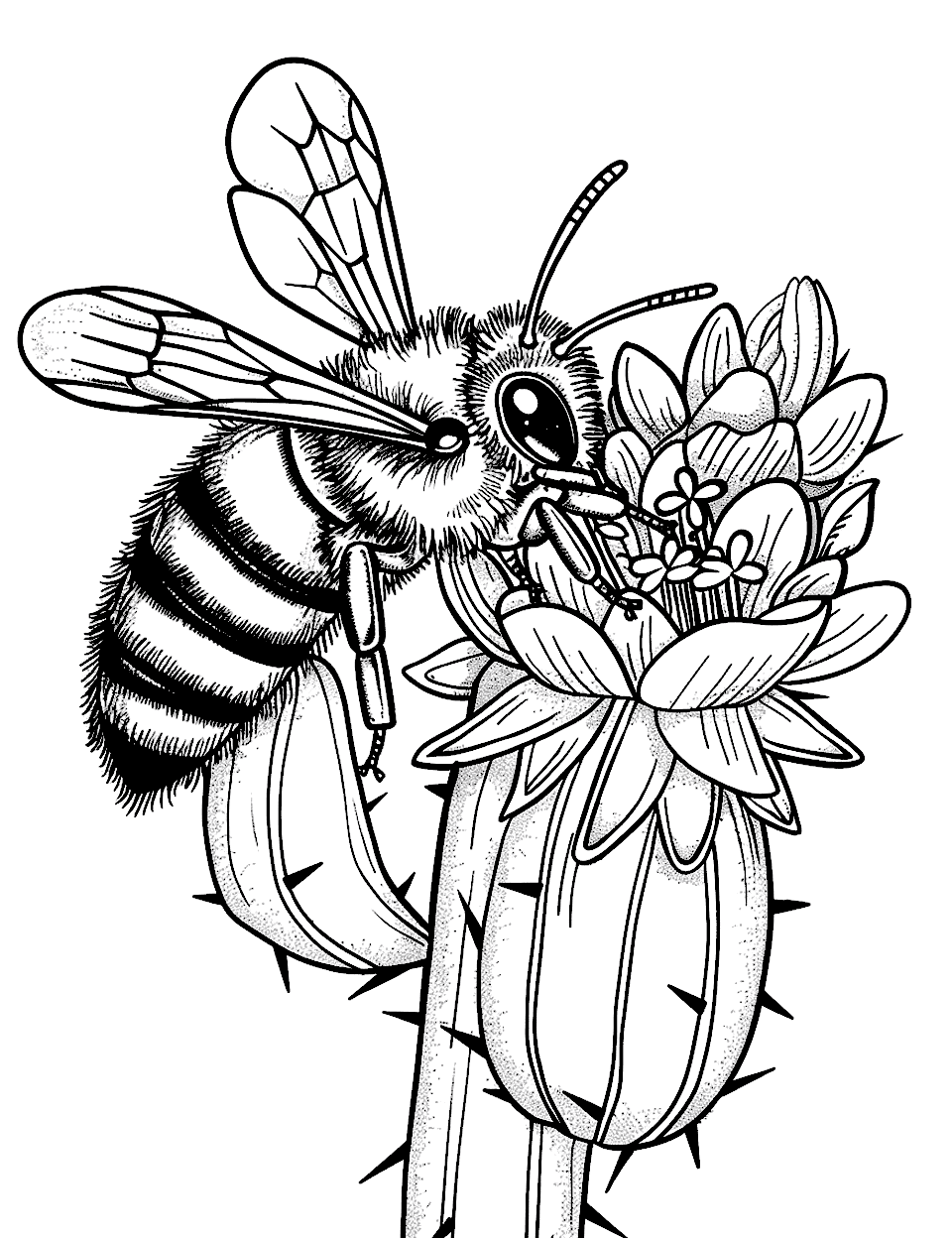
Honey Bee and Cactus Flower
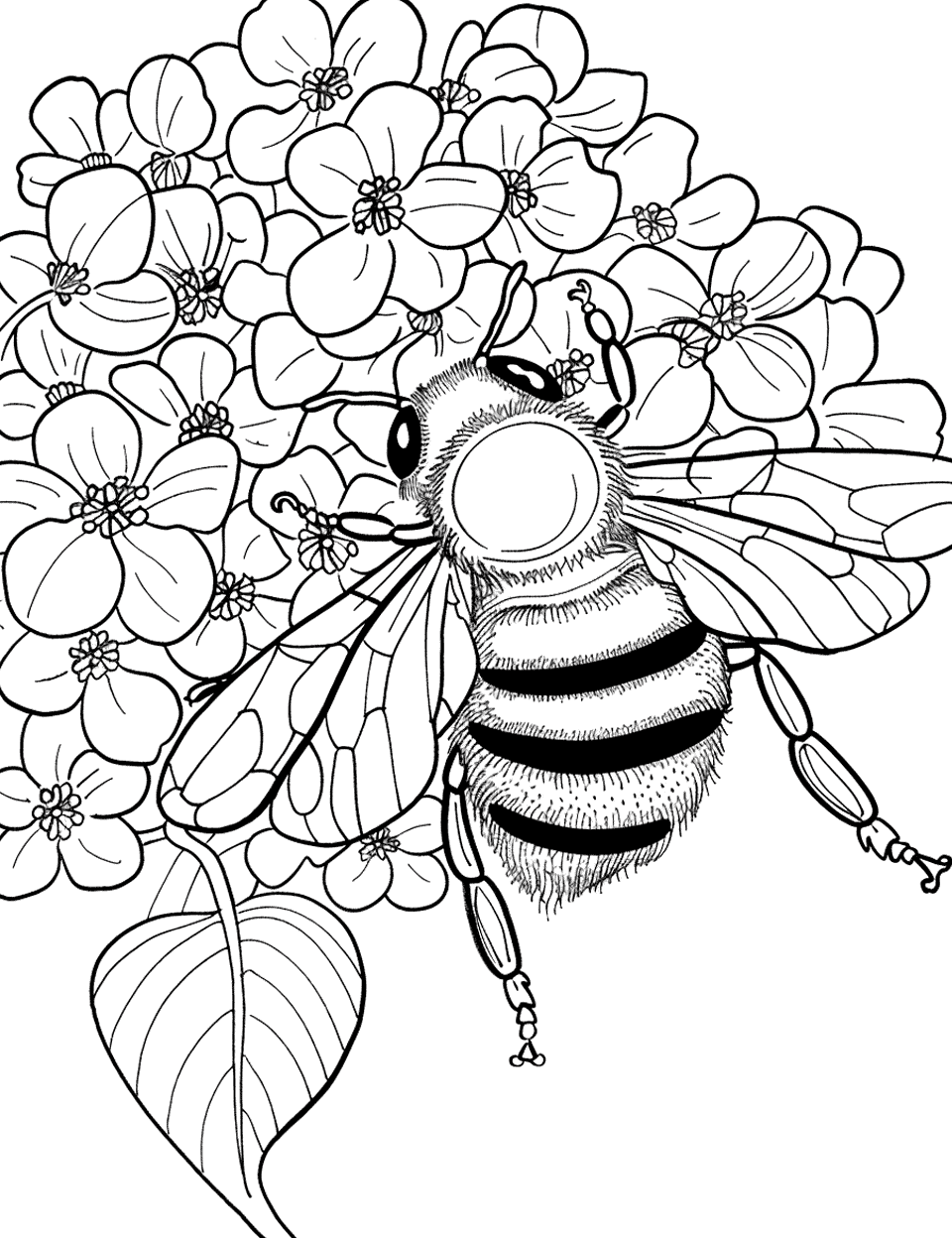
Bee on a Hydrangea Cluster
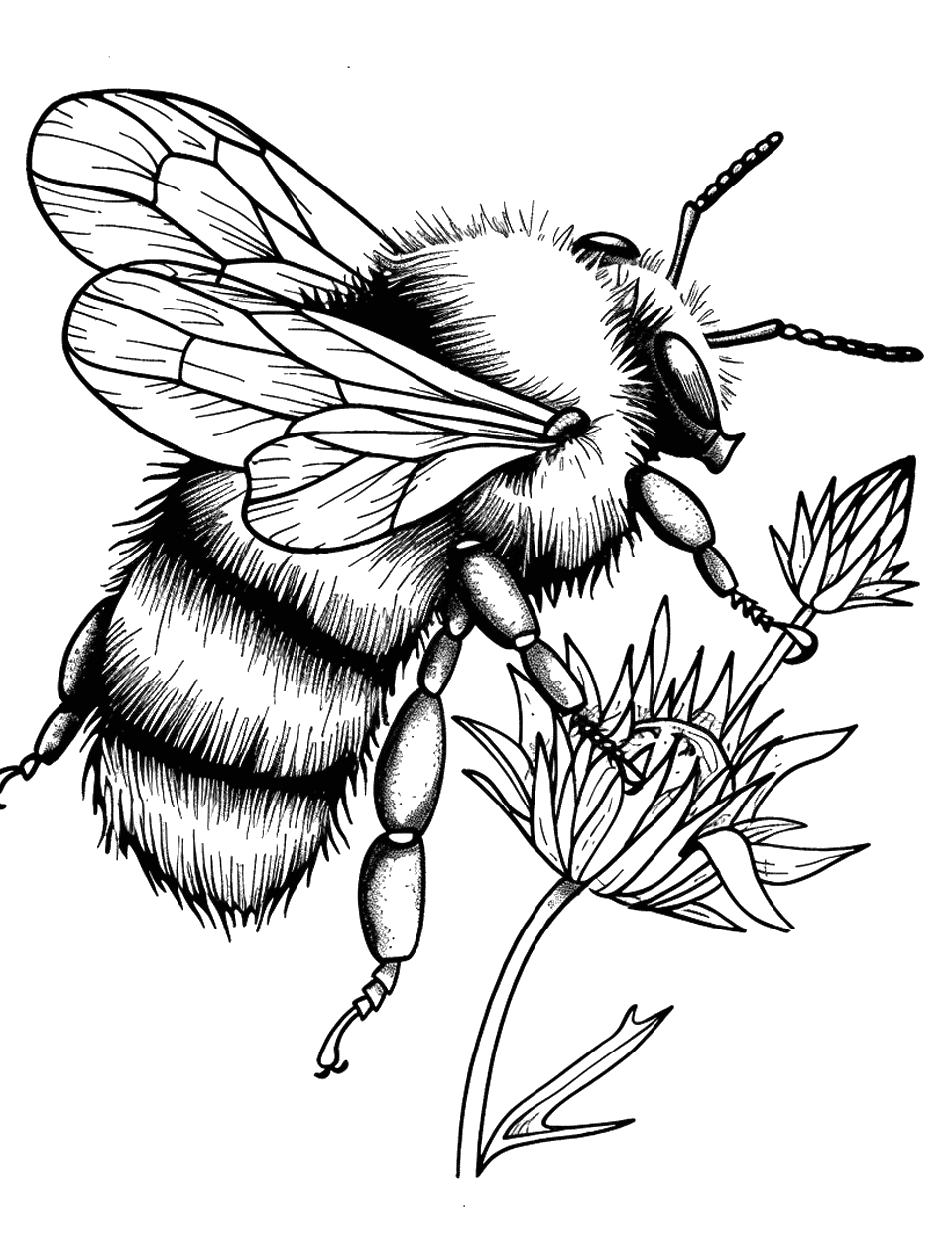
Fuzzy Bumble Bee on a Thistle
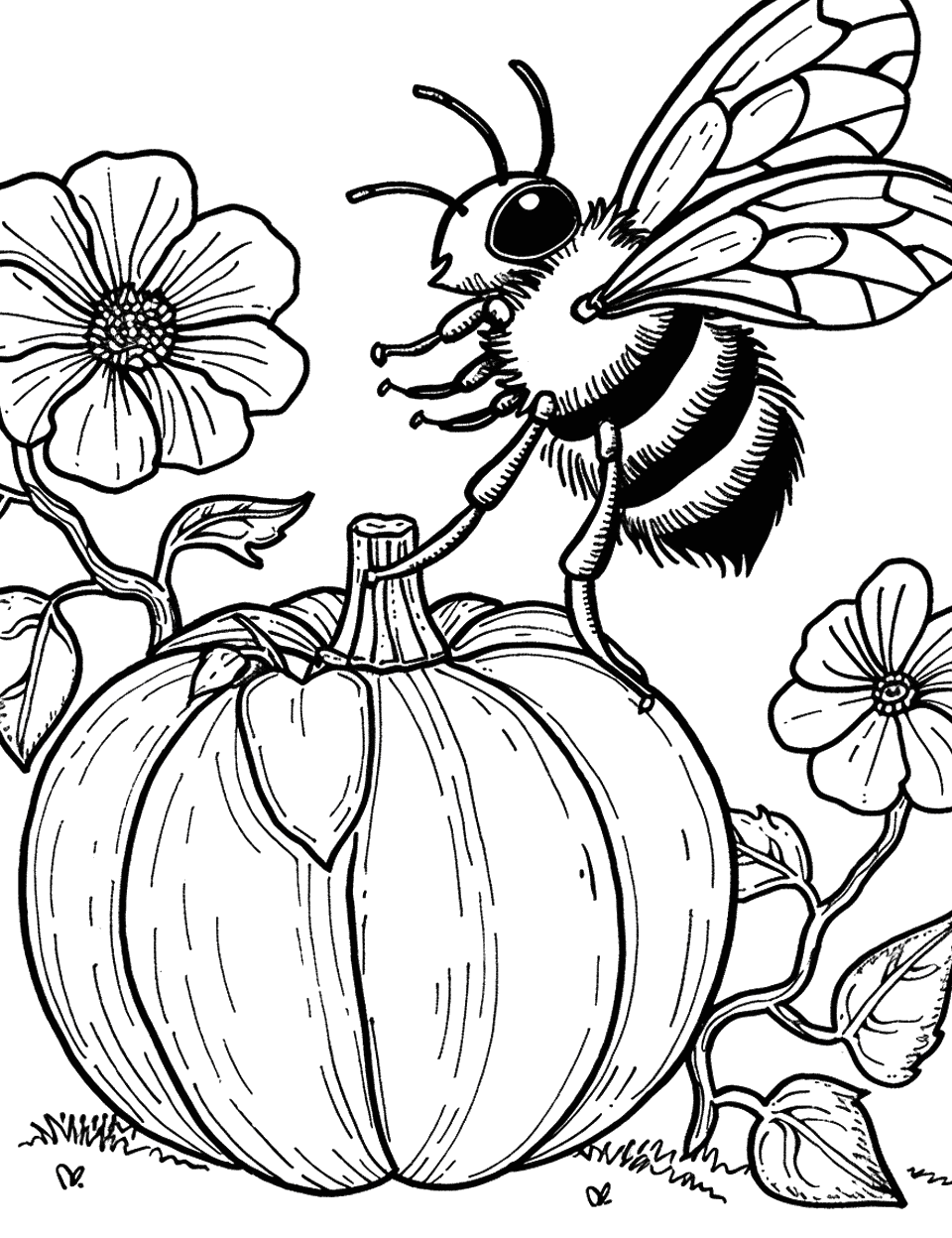
Bee and Pumpkin Blossom
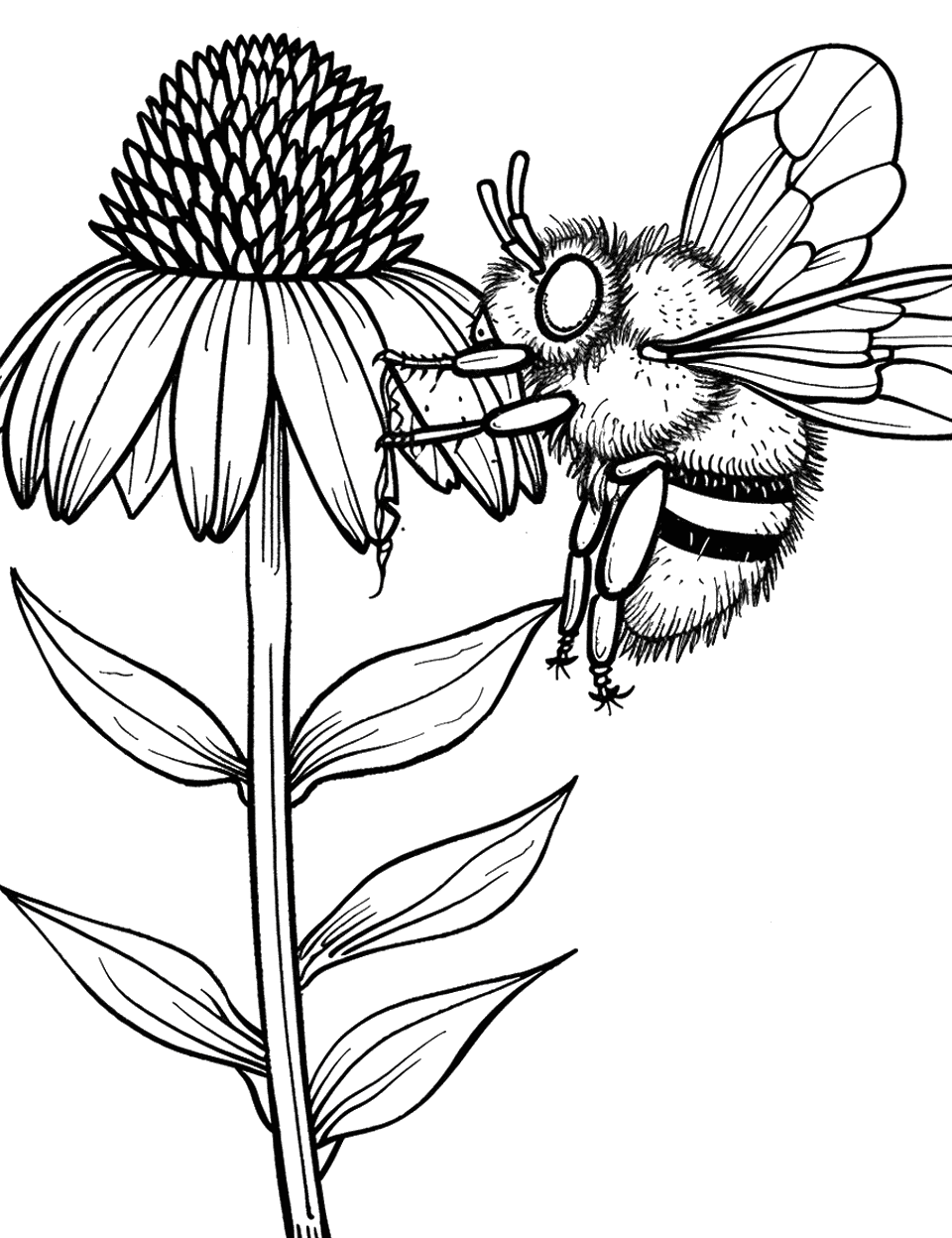
Bee and Echinacea
By using our free coloring pages, you acknowledge and agree to our full disclaimer. All materials are for personal, non-commercial use only and all rights belong to their respective license holders.
Activities to Do With Bee Coloring Pages
Create a Fuzzy Texture Bee
Bring the bumblebees to life by adding texture. After coloring the yellow stripes, have your child glue small strips of black yarn, black felt, or even dried coffee grounds onto the black stripes. This tactile activity helps toddlers practice fine motor skills while making the art pop off the page.
DIY Bee Stick Puppets
Turn your coloring pages into a puppet show. Print the bees on cardstock or glue the finished page onto a cereal box for stability. Cut out the bee shapes and tape a popsicle stick to the back. Kids can fly their puppets around the garden or the living room to act out a day in the life of a pollinator.
Pollination Station Learning Game
Use the bee puppets from the previous activity to teach pollination. Color and cut out several flower pages and place them around the room. Have your child fly their bee from flower to flower. You can glue small yellow pom-poms to the flowers and let the child move the “pollen” from one bloom to another to visualize how nature works.
“Bee” Mine Greeting Cards
These sheets make adorable cards for friends or family. Print the images at 50% scale (two per page) and fold the paper to make a card. Have your child color the front and write a punny message inside, such as “You’re un-bee-lievable” or “Bee Mine.” It is a sweet, personalized gesture for Valentine’s Day or birthdays.
Label the Anatomy
Turn a coloring session into a science lesson for older kids. Choose a realistic bee outline and have your child identify and label the body parts. Draw arrows pointing to the head, thorax, abdomen, antennae, wings, and pollen baskets. It is a fantastic way to combine art with STEM learning.
Honey Tasting Party Décor
Host a honey-tasting party with different types of honey (clover, wildflower, orange blossom). Use the coloring pages as placemats or cut them out to create a festive banner. Kids can color the bees while they taste the sweet treat, connecting the insect directly to the food on their table.
FAQs

Why Are Bees Important for the Earth?
Bees are essential pollinators. They travel from flower to flower to collect nectar, and in the process, they move pollen around. This helps plants grow fruits, vegetables, and seeds. Without bees, we would not have many of our favorite foods like apples, almonds, or strawberries.
What Colors Should I Use for a Realistic Bee?
While we often think of bees as bright yellow and black, real honey bees are usually golden-brown or amber with black stripes. Bumblebees are fuzzier and have distinct black and yellow bands. You can also use white or light blue for the wings to make them look transparent.
How Many Eyes Does a Bee Have?
Bees actually have five eyes. They have two large compound eyes on the side of their head for seeing colors and movement, and three small simple eyes (ocelli) on top of their head to detect light intensity.
What Is the Difference Between a Honey Bee and a Bumblebee?
Honey bees live in large colonies with thousands of bees and produce a lot of honey to survive the winter. They are slender and less fuzzy. Bumblebees live in much smaller groups, have rounder, fuzzier bodies, and are excellent at pollinating flowers in cooler weather.
Can Bees See Color?
Yes, bees have excellent color vision, but it is different from ours. They see blue, green, and ultraviolet light very well, which helps them find flowers. However, they cannot see the color red; to a bee, red looks like black.
What Are the Best Markers for These Coloring Pages?
For the detailed bee drawings, fine-tip markers or colored pencils work best to stay inside the lines. For the simpler outlines designed for toddlers, washable broad-tip markers or chunky crayons are the best choice.