
It is the one thing almost every new parent worries about in the quiet hours of the night. SIDS is scary, but knowledge is power.
We are here to help you breathe easier (literally and figuratively) by breaking down exactly what you need to know to keep your little one safe. Let’s look at the facts, the risks, and the actionable steps you can take today.
What Is SIDS?
You likely already know the basics because it is a major concern for families everywhere. Sudden Infant Death Syndrome (SIDS) refers to the unexplained death of a seemingly healthy baby less than a year old, usually during sleep.
It often happens without warning. A baby goes to sleep and simply doesn’t wake up. It is heartbreaking, and because there is no immediate explanation, it leaves families searching for answers.
Most SIDS deaths (about 90 percent) occur before a baby reaches 6 months of age (1). The risk peaks between 1 and 4 months old.
It is important to note that SIDS is a diagnosis of exclusion. This means doctors only label a death as SIDS after ruling out every other possible cause.
What Causes SIDS?
Researchers use the “Triple Risk Model” to explain SIDS. This suggests SIDS happens when an infant with an underlying vulnerability (like a brain defect) is exposed to an external stressor (like sleeping on their stomach) during a critical development period.
While you cannot control every factor, knowing the risks helps you mitigate them. Here are the factors believed to increase the risk for SIDS and SUID (Sudden Unexpected Infant Death) (2):
Premature Birth
Babies born early or with low birth weight often have brains that haven’t fully matured. This can make it harder for them to control automatic processes like breathing and heart rate.
Prevention: Follow your doctor’s instructions carefully during pregnancy. If your baby is born early, be extra vigilant about safe sleep practices once they come home.

Unsafe Sleep Environments
This is the big one. Parents often try to make babies “comfortable” with soft bedding, but this actually puts them in danger. Items like pillows, bumpers, and plush toys block airflow.
Prevention: Keep the crib bare. Remove pillows, bumpers, loose blankets, and stuffed animals.

Tobacco Smoke Exposure
Babies exposed to secondhand smoke have impaired respiratory function. This makes it harder for their lungs to work correctly during sleep (3).
Prevention: Do not smoke during pregnancy. Keep your home and car smoke-free, and avoid places where people are smoking around your child.
Inadequate Prenatal Care
Regular doctor visits during pregnancy are vital. They allow doctors to spot and manage conditions that might lead to premature birth or low birth weight, both of which are SIDS risk factors.
Prevention: Attend all scheduled prenatal check-ups and follow your healthcare provider’s advice.

Alcohol and Substance Use
Drinking alcohol or using drugs during pregnancy significantly increases the risk of SIDS. These substances affect the baby’s brain development (4).
Prevention: Avoid alcohol and illegal drugs completely while pregnant or breastfeeding. Always check with your doctor before taking prescription or over-the-counter medications.

Sex of the Baby
Statistics show that boys are slightly more likely to die from SIDS than girls. Roughly 60 percent of SIDS cases occur in male infants (5).
Prevention: You cannot control this factor. Focus on the environmental risks you can change, like sleep position and crib safety.
Recent Respiratory Infection
Many babies who succumb to SIDS had a recent cold or respiratory virus. This may contribute to breathing difficulties. SIDS rates often rise in winter when these bugs are circulating (6).
Prevention: Practice good hygiene. Wash hands frequently and limit your newborn’s exposure to sick individuals.
Young Maternal Age
Babies born to mothers under the age of 20 have a statistically higher risk of SIDS. The risk increases if the mother has had limited prenatal care.
Prevention: If you are a young mom, don’t panic. Focus on following safe sleep guidelines strictly and keeping up with pediatric appointments.

Not Breastfeeding
Breastfeeding is a protective factor. Studies show that breastfed babies are easier to arouse from sleep and have fewer infections, lowering the SIDS risk.
Prevention: If possible, breastfeed your baby. Even partial breastfeeding provides protection. Aim to breastfeed for at least the first six months.
Being a Multiple
Twins and triplets are often born earlier and smaller than singletons. This places them in a higher risk category for SIDS.
Prevention: Follow safe sleep rules religiously. Ensure each baby has their own separate sleep surface; do not let them sleep together in the same crib.

Brain Abnormalities
Some SIDS victims have defects in the brainstem, the area that controls breathing, heart rate, and temperature regulation (7). This prevents them from waking up if they aren’t getting enough oxygen.
Prevention: While you cannot fix a brain defect, you can avoid stressors (like stomach sleeping) that trigger the problem.

Overheating
A room that is too hot or a baby bundled in too many layers can increase the metabolic rate. This causes a loss of breathing control.
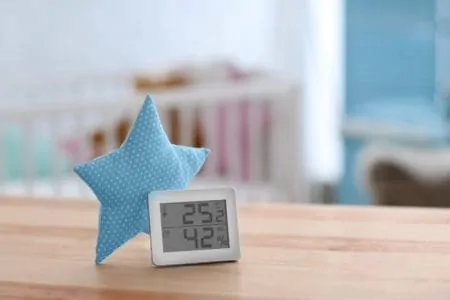
Prevention: Keep the room comfortable (around 68 to 72 degrees Fahrenheit). Dress baby in light layers and avoid heavy blankets.
Skipping Immunizations
Vaccines protect babies from serious illnesses that stress their bodies. Evidence shows that vaccinated babies have a lower risk of SIDS compared to unvaccinated babies.
Prevention: Stick to the recommended vaccination schedule provided by your pediatrician.
What Doesn’t Cause SIDS
Because SIDS is so mysterious, it is easy to blame everything. Parents often wonder if a specific medication or a change in routine caused the tragedy.
While we don’t know everything, research allows us to rule out several factors. These things do not cause SIDS (8):
- Medication: Standard medications given to infants (like fever reducers) are not linked to SIDS.
- Contagions: You cannot “catch” SIDS from another baby. While respiratory viruses are a risk factor, SIDS itself is not a contagious disease.
- Vaccines: This is a common myth. Since SIDS peaks at the same age babies get their first shots (2 to 4 months), people often link them. However, extensive studies show no causal link. In fact, vaccines are protective (9).
- Vomiting on the back: Parents worry babies will choke on spit-up if they sleep on their backs. Anatomy proves otherwise; the airway sits above the esophagus when on the back, making it harder to choke.
How to Prevent SIDS
We cannot wrap our children in bubble wrap, but we can make their sleep environment as safe as possible.
The American Academy of Pediatrics (AAP) provides clear guidelines to reduce the risk of SIDS and other sleep-related deaths. Following these rules is the single most effective way to protect your baby.
1. Back to Sleep (Every Time)
This is the golden rule. Since the “Back to Sleep” campaign launched in the 1990s, SIDS rates have dropped by over 50 percent. Always place your baby on their back for naps and nighttime sleep. This position allows for the best airflow.
Side sleeping is not safe, as babies can easily roll onto their stomachs. Once your baby is strong enough to roll over on their own (usually around 4 to 6 months), you do not need to flip them back if they roll over in the night. However, you should still start them on their back.
Remember
2. Keep the Crib Empty
A cute crib is not always a safe crib. Bare is best. Loose bedding, thick quilts, pillows, and bumpers block fresh air circulation. If a baby burrows their face into these soft items, they can rebreathe their own carbon dioxide, which leads to oxygen deprivation.
3. Use a Safe Sleep Surface
Babies can fall asleep anywhere, but that doesn’t mean they should stay there. Here is where your baby should (and shouldn’t) sleep:
- Cribs: A crib meeting current safety standards is the safest spot.
- Bassinets: Bassinets are great for the first few months. Stop using them once your baby hits the weight limit or starts rolling over.
- Pack ‘n Plays: These are safe for sleep provided you use the firm mattress pad that comes with them.
- Swings and Bouncers: Babies shouldn’t sleep sitting up. If they nod off in a swing, move them to a flat surface. Their heavy heads can flop forward and block their airway.
- Hammocks: These are unsafe for unsupervised sleep as babies can roll into compromised positions (10).
- Couches and Armchairs: These are extremely dangerous. Babies can get wedged between cushions or the parent and the frame.
4. Share a Room, Not a Bed
The AAP recommends room-sharing for at least the first 6 months, and ideally up to a year. Keep the baby’s crib or bassinet within arm’s reach of your bed. This reduces SIDS risk by as much as 50 percent and makes breastfeeding easier.
5. Avoid Bed Sharing
We know it is tempting to pull the baby into bed for cuddles, but adult beds are fraught with hazards. Adult mattresses are too soft, and heavy blankets or pillows can easily cover a baby’s face.
There is also the risk of a parent rolling over onto the infant, especially if the parent is exhausted or has consumed alcohol or sedatives.

6. Check Your Gear
When buying a crib or bassinet, buy new if possible. Safety standards change frequently. If you must use a secondhand crib, ensure it hasn’t been recalled and is not missing hardware.
Check the slats. They should be no more than 2-3/8 inches apart (about the width of a soda can) so a baby cannot get their head stuck. Avoid cribs with drop-sides, which have been banned in the US due to safety risks.
7. Use a Firm Mattress
The mattress should be very firm. It might feel like a rock to you, but that is exactly what a baby needs for spinal support and safety. If the mattress is soft enough to leave an indentation when the baby lies on it, it is too soft.
Use a tightly fitted sheet specifically designed for that mattress size. No loose fabric should bunch up.
8. Ditch the Toys
Stuffed animals are adorable, but they are suffocation hazards for infants. Keep Teddy on the shelf, not in the crib. The crib should contain the mattress, the fitted sheet, and the baby. That is it.
9. Watch the Temperature
Overheating is a major risk factor. Keep the nursery at a temperature that feels comfortable to a lightly dressed adult. If you are sweating, your baby is definitely too hot.
Check your baby’s chest or the back of their neck to gauge their temperature. Hands and feet are often cool to the touch and aren’t a good indicator of core body temperature.
10. Use Sleep Sacks
Loose blankets are a no-go because they can get kicked up over a baby’s face. Instead, use a sleep sack (wearable blanket). They keep baby warm without the suffocation risk.
11. Stop Swaddling When Baby Rolls
Swaddling soothes newborns, but it becomes dangerous once a baby becomes mobile. If a swaddled baby rolls onto their stomach, they cannot use their arms to push up or turn their head to breathe.
You must stop swaddling as soon as your baby shows signs of trying to roll over, which usually happens around 8 weeks or 2 months.
12. Offer a Pacifier
Studies show that pacifiers have a protective effect against SIDS. Offer one at nap time and bedtime.
Do not force it if the baby rejects it, and if it falls out during sleep, you don’t need to put it back in. Never attach a pacifier to a string or a stuffed animal while the baby is sleeping.
13. Avoid “Positioners” and Wedges
Store shelves are full of products claiming to prevent SIDS, like sleep wedges or positioners. The FDA and AAP warn against these. They are unnecessary and can actually cause suffocation if the baby slides against them.
Similarly, home cardiorespiratory monitors do not prevent SIDS and can give parents a false sense of security (or anxiety due to false alarms).
14. Separate Sleep for Multiples
If you have twins, they should not share a crib. While they may have shared a womb, sharing a crib increases the risk of overheating and accidental suffocation. Give each baby their own safe sleep space.

15. Educate All Caregivers
This is crucial. Grandparents, babysitters, and daycare providers need to be on the same page. Safety guidelines have changed drastically in the last 30 years.
Grandma might think “back to sleep” causes flat heads or isn’t comfortable, but you must insist on it. Anyone watching your child needs to follow these rules every single time.
Pro Tip
Sudden Infant Death Syndrome FAQs
Here are answers to common questions parents have about SIDS and safe sleep.
What is the Difference Between SIDS and SUID?
Think of SUID (Sudden Unexpected Infant Death) as the umbrella category. It covers all unexpected deaths in babies under 1 year old.
SUID includes three main types:
- SIDS: The death remains unexplained even after a thorough investigation.
- Accidental Suffocation/Strangulation in Bed (ASSB): The cause is identified as suffocation by bedding, entrapment, or overlay.
- Unknown Causes: A cause cannot be determined because the investigation was incomplete.
While SIDS rates have dropped since the 1990s, rates of accidental suffocation have unfortunately risen.

Does SIDS Run in Families?
Doctors have not identified a single “SIDS gene,” so having a family history does not guarantee it will happen again. However, if a sibling died of SIDS, the risk is slightly higher for subsequent children. This could be due to shared genetic factors or shared environmental conditions (like smoking in the home).
Stay Informed

Do Certain Ethnicities Have Higher SIDS Rates?
Yes, disparities exist. In the U.S., American Indian/Alaska Native and Non-Hispanic Black infants have significantly higher rates of SIDS compared to White, Hispanic, and Asian/Pacific Islander infants.
These disparities are likely linked to broader systemic factors, access to prenatal care, and the prevalence of safe sleep practices within communities.

How Can I Soothe My Baby Without Unsafe Habits?
You can stroke your baby’s head or back while they are in their crib to help them settle. White noise machines are also excellent for soothing babies without creating a physical hazard.
Avoid letting them fall asleep on you and then transferring them, as this often leads to waking up. The goal is “drowsy but awake” in their own safe space.

Is It Safe to Fall Asleep With Baby on My Chest?
No, this is very dangerous. It is widely known as “sofa sharing” or sleeping on a parent. If you fall asleep, your muscles relax, and the baby can slip into a position where their airway is blocked by your body, clothing, or the cushions.
If you feel yourself drifting off while holding the baby, move them to their crib immediately.

Will My Baby Choke If They Sleep on Their Back?
This is a major fear for parents, but the anatomy proves otherwise. When a baby is on their back, the trachea (airway) sits above the esophagus (food tube).
If a baby spits up while on their back, gravity pulls the fluid back down into the stomach, not the lungs. When a baby is on their stomach, fluid can pool at the airway opening, actually increasing the choking risk.

What is the Safest Way to Co-Sleep With a Newborn?
The safest form of co-sleeping is room-sharing, not bed-sharing. Place the baby’s crib, bassinet, or a bedside sleeper (co-sleeper) right next to your bed.
This gives you the closeness you want for bonding and breastfeeding, but ensures the baby has a flat, firm, separate surface free of adult blankets and pillows.

When Is the Risk of SIDS the Highest?
The majority of SIDS deaths occur within the first 6 months of life. The absolute peak risk period is between 1 month and 4 months of age.
While the risk drops significantly after 6 months, you should continue following safe sleep practices (like keeping the crib empty) until your child is at least 1 year old.
In Conclusion
We know this is a heavy topic. It is hard to think about, but taking these precautions allows you to take control of your baby’s safety.Clear the crib, put them on their back, and trust your instincts. You are doing a great job. Now, go get some rest yourself, you definitely need it.