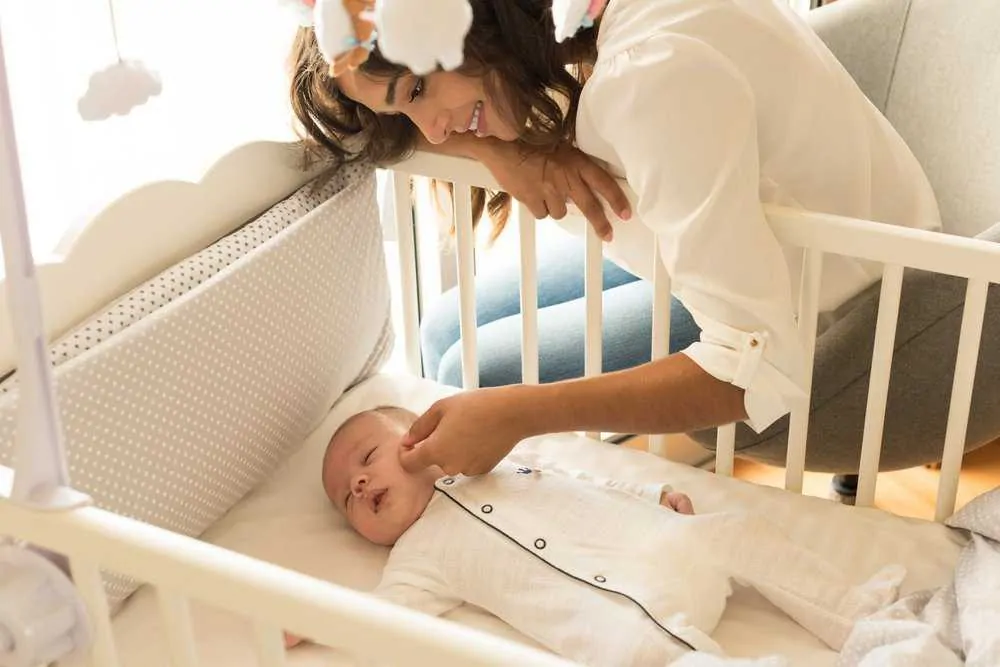
Sleep Strategies: Tips for Better Nights
It is 2 a.m., the baby has slept forty minutes at a stretch all night, and she finally goes down in your arms while you do the math on whether to try the bassinet again or sit up until morning.
Safe sleep comes first because it is the part with actual rules rather than preferences. Back to sleep every time, a firm flat surface with nothing else in it, and room-sharing without bed-sharing for the first six months are the recommendations that reduce SIDS risk, and they are the reason side sleeping, loose blankets, and inclined seats are not options for a newborn. Blankets and pillows have an age, and it is later than most nurseries suggest. Talk to your pediatrician about anything specific to your baby, especially prematurity or reflux.
After that it is genuinely your call. A bassinet, a bedside co-sleeper, and a crib all work; so do gradual methods, timed checks, and full extinction, and families mostly pick based on what they can stand at 3 a.m. Twins add a coordination problem that single-baby advice ignores. A baby who cries out mid-sleep is often not awake at all.
Toddler sleep is a different animal. Night terrors look frightening and are not nightmares, the move from crib to bed usually goes better later than parents expect, and a predictable wind-down with the same few books does more than any single technique.