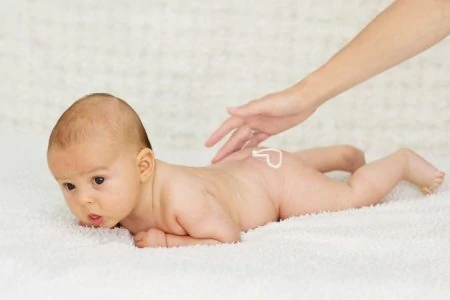
Newborn skin is incredibly soft, but it is also sensitive. Because babies wear diapers around the clock, their bottoms are constantly exposed to moisture, friction, and bacteria.
That is why diaper cream is a non-negotiable part of your nursery kit. It is the first line of defense against the dreaded diaper rash.
However, slathering it on isn’t always straightforward. From application techniques to knowing when to use it, here is everything you need to know about using diaper cream correctly.
Key Takeaways
- Diaper cream acts as a protective shield to prevent irritation and heal existing rashes.
- Apply a thick layer to the buttocks, anal area, and genital folds; avoid putting cream inside the vagina.
- Dry the skin completely before applying cream to avoid trapping moisture against the skin.
- Use a clean diaper underneath the baby during application to catch any mess or sudden leaks.
What Does Diaper Cream Do?
Think of diaper cream as a shield. Its purpose is twofold.
- Prevents diaper rash: Creams, especially those with zinc oxide or petroleum, form a physical barrier on top of the skin. This stops pee, poop, and chemical irritants from touching the sensitive dermis.
- Treats irritation: If a rash already exists, the cream seals the skin off from moisture, allowing it to heal. Many formulas also contain soothing ingredients like aloe or calendula to reduce redness.
Where Should I Put Diaper Cream?
Focus on the “danger zones” where the diaper rubs or where waste sits against the skin. Primarily, you want to cover the cheeks of the buttocks and around the anus.
If your baby has deep thigh rolls or creases where skin rubs against skin, you can apply a thin layer there to prevent chafing.
Take Note
Be aware that thick creams, especially those with high zinc oxide content, stain clothing easily. If you are applying it to thigh creases, be careful when snapping up that cute onesie.

Should I Apply Diaper Cream at Every Change?
This is the most common question parents ask. The answer depends on your baby’s skin sensitivity.
Some parents use a thin layer at every diaper change as a preventative habit. Others only grab the tube when they see the first sign of pink skin.
Consider applying cream proactively in these situations:
- Overnight: If your baby sleeps for long stretches, that is a long time for wetness to sit on the skin. A thick barrier cream is essential for overnight protection (1).
- During illness: If your baby is taking antibiotics or has diarrhea, their stool becomes more acidic and irritating.
- Newborn stage: Meconium (the sticky, tar-like newborn poop) is notoriously hard to wipe off. A layer of ointment (like petroleum jelly) makes cleanup much easier.
- Starting solids: New foods change the pH of your baby’s waste, which can trigger surprise rashes.
How to Apply Diaper Cream

1. Remove the Dirty Diaper
Take off the soiled diaper. Use a baby wipe or a warm washcloth to clean the entire area. Be gentle; scrubbing can damage irritated skin.
2. Dry the Skin Completely
This is the most important step parents forget. If you apply cream over damp skin, you trap that moisture against the bottom, which breeds bacteria and fungus. Pat the bum dry with a clean cloth or let it air dry for a minute.
3. Place a Clean Diaper Underneath
Slide a fresh diaper under your baby’s bottom before you start the cream application. Do not fasten it yet. This acts as a safety net for leaks and keeps the cream off your changing pad cover.
4. Get the Cream Ready
Squeeze a dime-sized amount onto your finger. If you hate having messy hands, you can use a silicone diaper cream spatula (a “bum brush”) to keep your fingers clean.
5. Apply the Barrier
Spread the cream generously. You are not rubbing it in like lotion; you are frosting a cake. You want a visible white layer sitting on top of the skin. Target the cheeks, around the anus, and any red areas.
6. Clean Up and Close Up
Wipe excess cream off your finger onto the inside of the clean diaper (waste not, want not) or use a wipe. Fasten the diaper securely.
7. Wash Your Hands
Even if you used wipes, wash your hands with soap and warm water immediately after leaving the changing table. Wipes do not kill fecal bacteria effectively (2).
Safety Considerations and Cloth Diapers
While generally safe, there are a few rules to follow to keep your baby healthy and your gear in good condition.
Skip the Powder
Avoid using baby powder. Doctors generally advise against it because babies can easily inhale the fine particles, which causes lung damage. If you must use a drying agent, look for non-talc, cornstarch-based powders, but use them sparingly and keep them away from the baby’s face.
Watch for Allergens
If your baby has sensitive skin or eczema, check the ingredient label. Natural does not always mean hypoallergenic. Common triggers include:
- Lanolin (derived from sheep’s wool).
- Beeswax.
- Essential oils or fragrances.
Cloth Diaper Warning
How to Make Your Tube Last
Diaper cream costs add up. Here is how to stretch your supply.
- Use Vaseline for prevention: Petroleum jelly is incredibly cheap and works great as a daily barrier for healthy skin. Save the expensive zinc oxide creams for when you actually see redness.
- Don’t overdo it: You need a thick layer for a rash, but for daily prevention, a thin sheen is sufficient.
- Get every drop: Cut the tube open with scissors when it seems empty. You will likely find enough product inside for another dozen changes.
FAQs

Can You Put Too Much Diaper Cream on a Baby?
Generally, no. It is difficult to “overdose” on diaper cream since it sits on the skin rather than absorbing into the bloodstream. However, applying a massive amount is wasteful and can make cleaning up messy. A layer thick enough to hide the skin color is plenty.

How Fast Does Diaper Rash Cream Work?
You should see improvement within 12 to 24 hours. The redness should decrease, and the baby should seem more comfortable. If the rash persists for more than three days or starts to look like raw meat, blister, or bleed, call your pediatrician immediately.

What Should You Not Do With a Diaper Rash?
Do not scrub the skin. When cleaning a poopy diaper on a rashy bum, use a squirt bottle of water or dab gently with a wet cloth. Avoid wipes with alcohol or heavy fragrances, as these sting and dry out the skin further.

What Soothes Diaper Rash Naturally?
Air is the best natural healer. “Diaper free time” allows the skin to dry out and heal without friction. Lay your baby on a towel or waterproof mat for 10 to 15 minutes a few times a day. Breast milk is also sometimes used for minor irritation, though a barrier cream is usually more effective for wetness protection.

Do You Wipe Off Diaper Rash Cream?
You do not need to scrub off every bit of cream during a pee diaper change. If the cream is clean, you can just apply a fresh layer over it. For poop diapers, you must wipe everything away to ensure no bacteria is trapped, then reapply fresh cream.

Does Diaper Cream Expire?
Yes, diaper cream expires. Most tubes have an expiration date printed on the crimp of the tube. While using expired zinc oxide is unlikely to hurt the baby, the ingredients may separate or lose their effectiveness.