Let’s be honest: changing a diaper blowout with a flimsy wipe is a nightmare you don’t want to experience twice. When the mess hits the fan, you need a cleanup crew that actually works.
We explain the real differences between cloth and disposable options, what to look for on the label, and answer the burning questions parents ask most. We also tested and reviewed the top brands to help you keep your hands clean and your baby’s skin happy.
- Award-winning baby wipes
- All-natural ingredients
- Eczema friendly design
- Best bang for your buck
- Free of harsh chemical irritants
- Made with 99% purified water
- Chemical-free ingredients
- Over 600 wipes
- pH balanced formula
- Best value for price
- Thick and hypoallergenic
- Soft, non-sudsy feel
- Don't tear on the job
- No harsh ingredients or scents
- Gentle enough for faces
Disposable Wipes vs. Cloth Wipes
Standard baby wipes are significant contributors to landfill waste, representing nearly 30% of non-biodegradable trash. Flushing them down the toilet is a major issue for plumbing systems, even if the package claims they are “flushable” (1).
Many parents don’t realize cloth wet wipes are an option until they dive into eco-friendly parenting. Cloth wipes are reusable, washable, and generally much cheaper over the lifetime of a child.
Disposable wipes are undeniably convenient for travel or quick changes. However, even using cloth wipes just while at home makes a massive difference in your budget and your environmental footprint.
Beyond the money and waste, cloth wipes lack the preservatives found in disposables. They are usually textured and thicker, meaning they grab mess faster with fewer passes.
Factors To Consider When Buying
Before you stock the nursery, consider these specific features to ensure you get the best wipe for your baby’s needs.

Container Type
Packaging matters more than you think. You can buy giant refill tubs or compact travel packs, but the dispensing mechanism is key. Look for “pop-top” lids that keep moisture in and packages that dispense one wipe at a time rather than a clump. This prevents frustration during a messy change.

Wipe Thickness
You generally want to avoid overly thin baby wipes. You will regret it the moment you tackle a messy diaper. Thicker wipes provide a barrier between your hand and the mess, and textured options grab solids much better than smooth ones.

Sensitive Skin Formulas
Newborn skin is delicate, and many babies develop sensitivities. Look for wipes specifically formulated for sensitive skin. These usually contain fewer ingredients and avoid common irritants to keep rashes at bay.

Store Brand vs. Name Brand
A higher price tag does not always equal a better clean. We have found that some store-brand wipes perform just as well as premium brands. Keep an open mind and test a small pack of generic wipes; you might find a budget-friendly favorite.

Scented vs. Unscented
Your baby does not care if their bottom smells like a meadow. Scented products often contain phthalates or other fragrance agents that can irritate broken skin or cause allergic reactions. Unscented is almost always the safer bet for infants.

Ingredient Safety
If you are worried about parabens, phthalates, or phenoxyethanol, look for “clean” labels. There are plenty of organic and natural alternatives on the market that use water and fruit extracts instead of harsh preservatives.
Product Reviews
We tested and analyzed the top contenders to help you find the perfect match for your diapering routine.
WaterWipes Sensitive Baby Wipes
Best All Around Baby Wipes
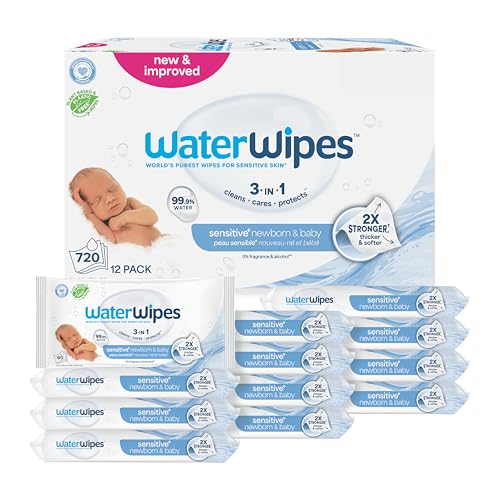
WaterWipes are widely considered the gold standard for purity. They have earned the National Eczema Association of America Seal of Acceptance, making them a fantastic choice if you have a baby with eczema.
These are excellent for highly sensitive skin because they are hypoallergenic and free from common agitators like chlorine, formaldehyde, and phthalates. The ingredient list is incredibly short: 99.9 percent purified water and a drop of grapefruit seed extract acting as a natural skin conditioner.
The wipe material is a mix of viscose and polyester, which feels distinctively wet and cool. While they don’t have the texture of some other brands, the high water content cleans sticky messes effectively without scrubbing.
Pros
- Ideally suited for eczema-prone or allergy-prone skin.
- Minimalist formula with only two ingredients.
- Safe for preemies and newborns.
Cons
- Higher price point than standard wipes.
- Packaging does not always reseal perfectly, risking dryness.
Our Ratings
Aleva Naturals Bamboo BabyWipes
Best Natural Baby Wipes

Aleva Naturals offers a biodegradable option made entirely from bamboo. The bamboo fibers make these wipes incredibly strong yet soft, allowing you to tackle significant messes without the wipe disintegrating.
They skip the irritating chemicals like parabens, phenoxyethanol, and chlorine bleaches. Instead, the formula includes organic aloe vera, chamomile, and green tea extract.
It also features lavender and tea tree oil, which provide a natural scent and potential antimicrobial properties. Because they are unbleached and biodegradable, you can feel better about their environmental impact compared to synthetic alternatives.
Pros
- Plant-based ingredients offer a gentle, natural clean.
- Bamboo is durable, hypoallergenic, and eco-friendly.
- Enriched with soothing oils for irritated skin.
Cons
- Significantly more expensive than bulk brands.
- The herbal scent from essential oils might be strong for some.
Our Ratings
Pampers Sensitive Baby Wipes
Best Baby Wipes for Sensitive Skin
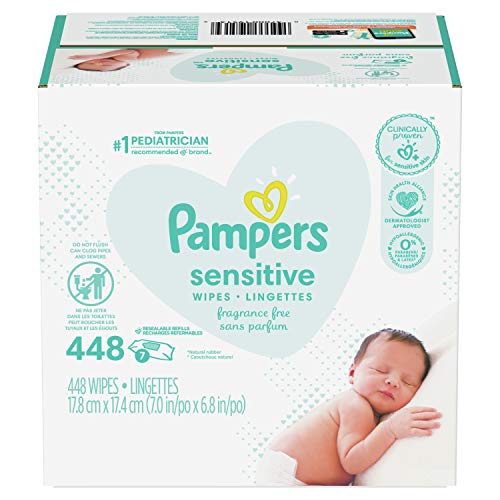
Pampers Sensitive wipes are a staple in many nurseries for a reason. They are dermatologist-tested and hypoallergenic, skipping the perfumes that often trigger rashes.
The standout feature is the unique “Softgrip” texture. It feels more like a soft cloth than a paper product, which helps lift mess off the skin rather than smearing it around.
They are thicker than many budget options, so they won’t shred during a heavy-duty change. While they aren’t “natural” in the ingredient sense, they balance performance and gentleness at a very accessible price point.
Pros
- Widely available and affordable.
- Thick, textured design cleans effectively.
- Restores natural pH of the skin.
Cons
- Some parents find the lotion leaves a slightly oily residue.
- Wipes can occasionally dispense in clumps.
Our Ratings
Amazon Mama Bear Baby Wipes
Best Budget Baby Wipes

Mama Bear wipes prove you do not need to overspend for quality. Formulated with purified water and soothing botanicals like cucumber and aloe, they offer a gentle clean that rivals big-name competitors.
The wipes are textured and sturdy, suitable for full-body use, from sticky hands to messy bottoms. The flip-top packs are practical, keeping the wipes moist down to the last one.
Ordering through Amazon gives you the convenience of bulk delivery, and the price per wipe is hard to beat. They are free from alcohol, dyes, parabens, and phthalates, making them a safe bet for a baby’s sensitive skin.
Pros
- Subscribe and Save options make them very economical.
- Free of harsh chemical irritants.
- Strong texture handles tough messes well.
Cons
- Texture can feel slightly thinner than premium brands.
Our Ratings
Babyganics Face & Hand Baby Wipes
Best Baby Wipes for Diaper Rash

Infused with chamomile and a unique seed oil blend (tomato, sunflower, cranberry, black cumin, and raspberry), Babyganics wipes are designed to nourish skin while they clean. This makes them a smart pick if you are battling diaper rash.
They are hypoallergenic and tested by pediatricians, ensuring they are safe for irritated skin. The formula is non-allergenic and does not rely on artificial fragrances or dyes.
These wipes are slightly larger and thicker than average, providing good coverage for your hand. They leave minimal residue, so you don’t feel like you need to rinse your baby off after a change.
Pros
- Seed oil blend helps condition skin.
- Larger surface area protects hands from messes.
- Fragrance-free and gentle.
Cons
- Moisture level is lower; they can feel a bit “dry” compared to water wipes.
- Higher price per wipe.
Our Ratings
Huggies Natural Care Unscented Baby Wipes
Best Bulk Natural Baby Wipes
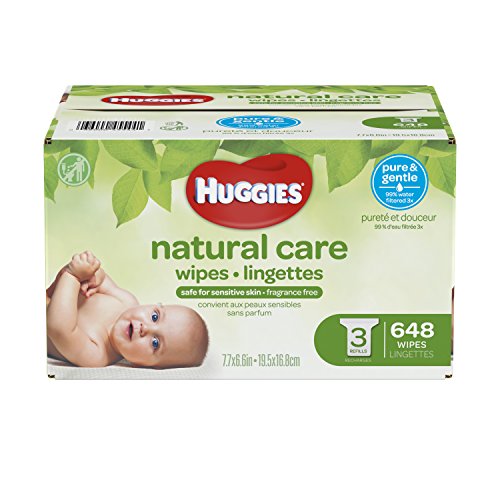
Huggies Natural Care wipes are a fantastic middle ground between premium natural wipes and affordable bulk options. They feature 99% water and are free from parabens, fragrances, and alcohol.
Enriched with aloe and vitamin E, they help maintain healthy skin pH. The “TripleClean” layers make them thick enough to handle newborn poop without tearing.
The refillable clutch and large bulk boxes make this a convenient system for the nursery. You can buy huge boxes to keep cost down and simply refill your main tub.
Pros
- Balances natural ingredients with affordability.
- Thick layers prevent tearing during use.
- Widely available in various bulk sizes.
Cons
- The perforation isn’t always perfect; multiple wipes may pull out at once.
Natracare Organic Cotton BabyWipes
Best Organic Baby Wipes
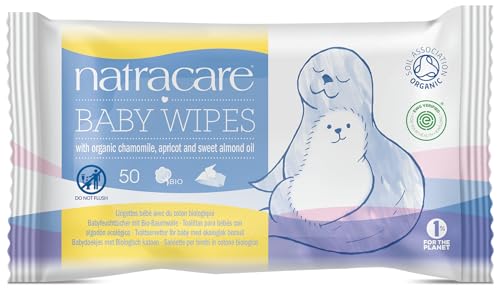
If plastic pollution keeps you up at night, Natracare is the solution. These are made from 100 percent certified organic cotton, not synthetic fibers.
They are infused with apricot, linden, and chamomile oils and are completely chlorine-free. Because they are compostable and biodegradable, they break down much faster than standard polyester wipes.
These are also vegan-certified and cruelty-free. The formulation is extremely gentle, making them suitable for everyday use on faces and hands as well as bottoms.
Pros
- 100% organic cotton is soft and compostable.
- Free from synthetic preservatives and SLS.
- Soothing formula for sensitive skin.
Cons
- Premium pricing reflects the organic materials.
- Smaller pack size (50 wipes) means frequent restocking.
Pampers Complete Clean Baby Wipes
Best Wipes for Newborns
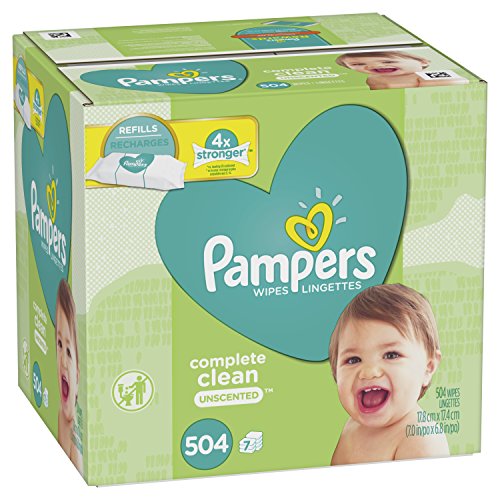
Pampers Complete Clean (formerly Baby Fresh) offers a classic clean scent that many parents associate with a freshly changed baby. They are robust and reliable, holding up well against rigorous wiping.
They are designed to be 4x stronger than the leading sub-brand, meaning fewer rips and less mess on your hands. While they do have a scent, they remain hypoallergenic and free from alcohol, parabens, and phenoxyethanol.
The lotion-infused formula helps glide over the skin, reducing friction on delicate newborn bottoms.
Pros
- Strong material resists tearing.
- Refreshing scent covers diaper odors.
- Soft touch is gentle on newborns.
Cons
- Contains fragrance, which some parents prefer to avoid.
- Slightly lower moisture content than water-based wipes.
Pampers Baby Fresh Baby Wipes
Best Wipes for Camping

These wipes are workhorses. Pampers Baby Fresh features a soft grip texture that scrubs away dried mud or stubborn messes efficiently. They are exceptionally durable, making them great for “bathing” a baby (or yourself) when a shower isn’t an option.
Despite their strength, they are hypoallergenic and include a touch of lotion to prevent skin from drying out in the elements.
This bulk option usually comes in refill packs, so you will want a travel tub or a ziplock bag to keep them fresh in your camping gear.
Pros
- Excellent durability for scrubbing.
- Refreshing scent helps when you can’t bathe.
- Non-greasy feel.
Cons
- Requires a separate container for storage.
- Scent can be overpowering in small spaces (like a tent).
Huggies Simply Clean Unscented Baby Wipes
Best Fragrance-Free Baby Wipes
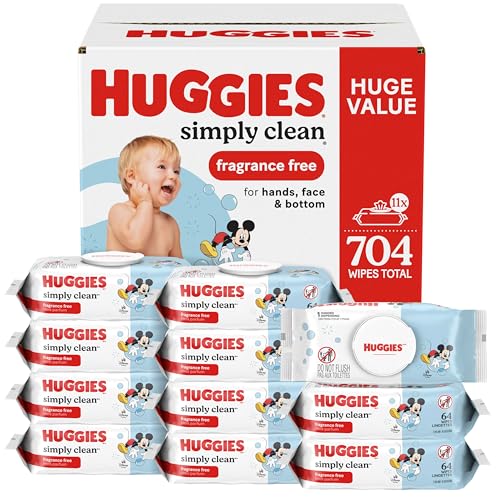
Huggies Simply Clean is a versatile wipe featuring the signature Mickey Mouse print. They are great for multi-purpose use: hands, face, and surfaces.
They are fragrance-free, alcohol-free, and paraben-free. While not as specialized as “Natural Care,” they get the job done reliably and affordably.
The packaging is a highlight; the flip-top soft packs are easy to stack in a diaper bag and generally keep the wipes moist better than sticker-top packs. However, note that they do not always “pop up” continuously, so you might have to dig for the next wipe.
Pros
- Versatile for all kinds of messes.
- Flip-top lids preserve moisture well.
- Good balance of price and performance.
Cons
- Can create suds during use.
- Material is slightly stiffer than premium lines.
Estimating Your Wipe Count
Prepare for sticker shock: your baby will likely use between 2,500 and 3,000 diapers in the first year (2).
Calculating wipe usage is tricky because every change is different. A pee diaper might need one wipe; a blowout might need ten. Generally, budget for 1,000 wipes per month for the first six months. Once solids start and poop consistency changes, usage might actually increase to 2,000 per month for cleanups (3).
Remember, you won’t just use them for bottoms. You will use them for sticky hands in the car, wiping down restaurant high chairs, and cleaning your own shirt after a spit-up incident.
We recommend keeping a pack in the diaper bag, one in the car, one in the living room, and a stash at grandma’s house.
Should I Buy Baby Wipes in Bulk?
Remember
Once you confirm the brand works for your baby’s skin, bulk buying is the smartest financial move.
Check The Expiration Date
Yes, baby wipes expire. If they contain lotions or oils, they generally last three months after opening and up to two years unopened.
Pure water wipes may have shorter shelf lives because they lack strong preservatives. Always store packages upside down to keep the liquid distributed, and ensure the lid is snapped tight. If they dry out, you can usually revive them with a splash of water, but check for mold first.
Baby Wipes FAQs

Which Baby Wipes Are Best?
We recommend WaterWipes Sensitive Baby Wipes. They are incredibly gentle, hypoallergenic, and accepted by the National Eczema Association. With only water and fruit extract, they avoid the chemicals that worry many parents.

What Baby Wipes Do Hospitals Use?
Hospitals typically use dry wipes that they wet with water at the sink immediately before use. While hygienic, this isn’t practical for on-the-go parents. Some hospitals also use standard brand-name sensitive wipes, like Pampers or Huggies.

Is It Better To Use Baby Wipes Or Toilet Paper?
Wipes are far superior for babies. Toilet paper is dry and abrasive, which can irritate sensitive skin and doesn’t remove sticky residue effectively. Wipes hydrate the area and lift mess away without scrubbing.

Are Baby Wipes Flushable?
Generally, no. Even wipes labeled “flushable” do not break down like toilet paper and can cause massive clogs in home plumbing and municipal sewer systems. Always throw baby wipes in the trash bin.
Can I Use Baby Wipes On My Baby’s Face?
Yes, most baby wipes are safe for the face, but be careful around the eyes. If your baby has very sensitive skin, stick to fragrance-free or water-based wipes to avoid irritation or stinging on chapped cheeks.