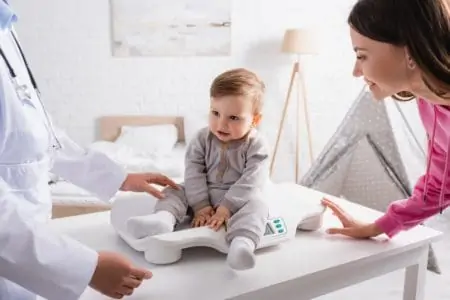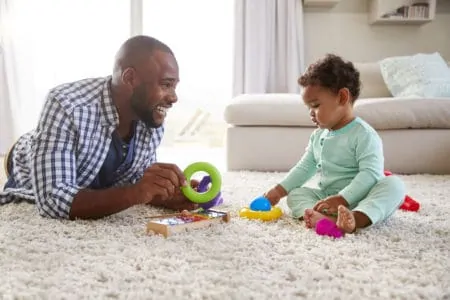
After months of carrying your little one or watching them wiggle on their back, you are probably eager for a change of pace. Parents often ask us, “When do babies sit up?” It is a huge milestone that changes how your child plays, eats, and interacts with the world.
Sitting up independently opens a new world of discovery. It frees up your baby’s hands to grab toys, allows them to see across the room, and prepares their body for crawling and walking.
We have compiled the research and our personal experiences to guide you through this exciting phase. We will cover the timeline for sitting, signs of readiness, how to help build their core strength, and when to chat with your pediatrician about delays.
Key Takeaways
- Most babies learn to sit independently between 6 and 9 months of age.
- Key signs of readiness include strong head control, rolling over, and pushing up during tummy time.
- You can help by prioritizing floor play, practicing supported sitting, and using engaging toys.
- Consult your doctor if your baby cannot support their head by 4 months or sit unsupported by 9 months.
When Do Babies Sit Up?
While every child develops on their own unique timeline, there is a general progression you can expect. Most babies master independent sitting between 6 and 7 months (1).
Here is a quick breakdown of the timeline:
- 3 to 4 Months: Your baby strengthens neck muscles and may lift their head while on their tummy. They might sit with significant support from you or a seat, but they cannot stay upright alone.
- 5 to 6 Months: Many babies begin “tripod sitting.” This is where they lean forward and place their hands on the floor to balance. They still topple easily.
- 7 to 9 Months: Most infants can sit unsupported for longer periods. Their hands are free to play, and they can pivot to reach toys without falling.
Preemie parents should adjust expectations based on their child’s corrected age. If your little one arrived early, they might reach this milestone a month or two later than full-term peers (2).
Signs Your Baby Is Ready
Before your baby can sit, they need to develop specific muscle groups. The biggest indicator of readiness is head control.
To check their progress, try this gentle test:
- Lay your baby on their back.
- Grasp their hands and slowly pull them toward a sitting position.
- Watch their head. If it lags back or flops, their neck is not strong enough yet. If they tuck their chin and keep their head in line with their body, they are getting close.
Other signs include pushing their chest off the floor during tummy time, rolling over, and controlling their wobbles when you prop them up in the corner of a couch.
How Babies Learn to Sit Up
Independent sitting is all about core strength and balance. It starts from day one, even if you do not realize it.
Around 4 months, neck muscles strengthen rapidly. You will see your baby lifting their head high during tummy time and looking around. They will likely start rolling from belly to back first, then back to belly closer to 6 months.
Once they figure out how to push up with their arms (baby push-ups), they are building the upper body strength required for stability. By 5 months, they may sit momentarily if you position them, but you must stay close to catch them.
The “tripod sit” usually happens next. This is when the baby sits while leaning forward, resting on their hands like a three-legged stool. It is a cute but unstable phase.
Finally, around 7 to 8 months, the back and abdominal muscles take over. Your baby will sit tall, look around, and grab toys with both hands. By 9 months, they will likely be able to move from their tummy into a sitting position all on their own (3).
How to Help Your Baby Sit Up
You do not need fancy equipment to teach your baby to sit. The best tools are you, the floor, and some patience.
1. Prioritize Tummy Time
Tummy time is the absolute best exercise for infant development. It strengthens the neck, shoulders, and back extensors needed for upright posture.
Aim for short bursts of 3 to 5 minutes, two or three times a day, when your baby is awake and happy. Avoid doing this right after a feeding to prevent spit-ups. As they get stronger, increase the duration.
This practice also helps prevent flat spots on the head and reduces the risk of SIDS by encouraging safe physical development (4).
In my medical practice, I begin recommending tummy time at the 2-week-old well visit. Many parents do not realize that it is OK to start this young. Doing so improves neck muscle strength significantly. I also remind parents to continue the routine of tummy time at the 2- and 4-month-old visits.Parents often complain to me that their baby “hates tummy time.” As soon as the infant is placed on their belly, they cry. To prevent long periods of crying and stressed-out parents, I recommend doing belly time for only 1 minute but at every diaper change. In this way, the baby gets some belly time but doesn’t have to stay in this position for very long. Also, I find that associating belly time with diaper changes prevents parents from forgetting to do it.

Editor's Note:
Dr. Leah Alexander, MD, FAAP2. Practice Supported Sitting
Once your baby has good head control, you can help them feel what it is like to be upright.
- Lap Sitting: Sit on the floor with your legs crossed and place your baby between them. Your torso provides back support while they observe the room.
- Pillow Props: Use a breastfeeding pillow or a specific Boppy pillow around their hips to cushion them if they tip over.
Always keep these sessions supervised and on the floor. Avoid propping young babies up in strollers or car seats for long periods. These “containers” restrict movement and do not engage the core muscles required for independent sitting (5).
3. Play “Pull-Up” Games
This is a fun way to strengthen abs and neck muscles. While your baby is on their back, hold their hands and gently pull them slowly toward you into a sitting position. Make funny faces or sounds as they come up.
If their head drops back, stop and try again in a few weeks. If they keep their head steady, lower them back down and repeat. This helps them understand the motion of sitting up.
4. Use Engaging Toys
Motivate your baby to look up and reach out.
- During Tummy Time: Place a favorite toy or a mirror just out of reach. This encourages them to push up and extend their arms.
- During Sitting Practice: If your baby is tripod sitting, place a toy at eye level so they have to lift one hand to bat at it.
Stationary play centers or activity jumpers can be fun for short periods, but they do not teach sitting mechanics. The best way to learn is on a play mat where they can correct their own balance.
For gear, consider pull toys or stacking cups that require two hands. This forces the baby to balance with their core rather than their arms (6).
What Comes Next?
Sitting is the gateway to mobility. Once your baby feels confident on their bottom, they will start experimenting.
You will see them reach further for toys, often transitioning onto their hands and knees. This rocking motion on all fours is the precursor to crawling, which usually starts between 7 and 10 months.
Some babies skip crawling entirely and go straight to pulling themselves up on furniture. By 9 or 10 months, your baby might be “cruising” (walking while holding onto the couch).
This is your cue to babyproof your home. Check for outlets, loose cords, and small objects on the floor (7). A sitting baby has a much longer reach than a lying baby.
When to Be Concerned
While variability is normal, significant delays can indicate a need for support. Talk to your pediatrician if your baby:
- Cannot hold their head steady by 4 months.
- Does not push up with their arms during tummy time by 5 or 6 months.
- Cannot sit unsupported by 9 months.
- Favors one side of the body significantly more than the other.
Early intervention is highly effective, so trust your gut and ask questions if you are worried.
Preemies
FAQs

Can Babies Sit Up At 3 Months?
It is very rare for a baby to sit independently at 3 months. However, they may be able to sit with assistance or support from a parent or specialized pillow.

When Can You Stop Supporting a Baby’s Head?
Most babies develop strong head control between 3 and 4 months of age. Once they can hold their head steady without wobbling while upright, you can stop providing constant support.

Is Sitting Up Bad For a Baby’s Spine?
Sitting is not bad for the spine if the baby is developmentally ready. However, forcing a baby to sit before they have neck control can slump their spine and compress the chest, making breathing difficult.

Do Floor Seats Help Babies Learn to Sit?
Not really. While foam floor seats contain the baby safely, they do the work of balancing for them. This means the baby is not actively using their core muscles. Limit their use and prioritize floor play for skill building.