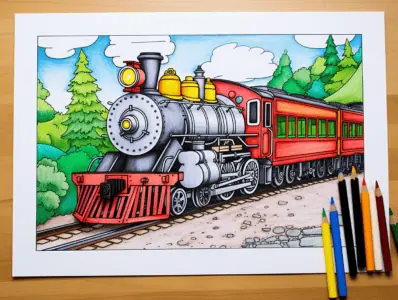
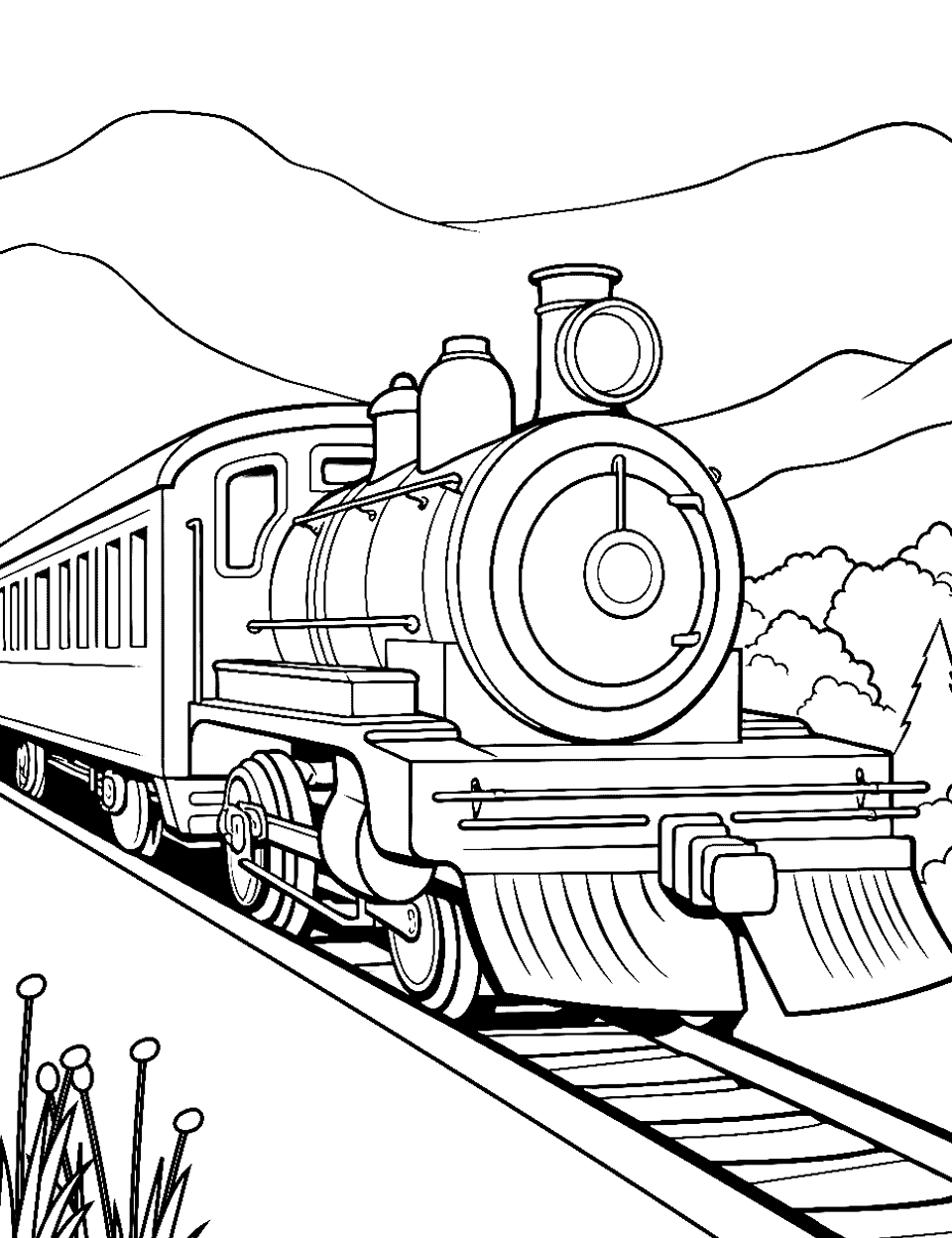
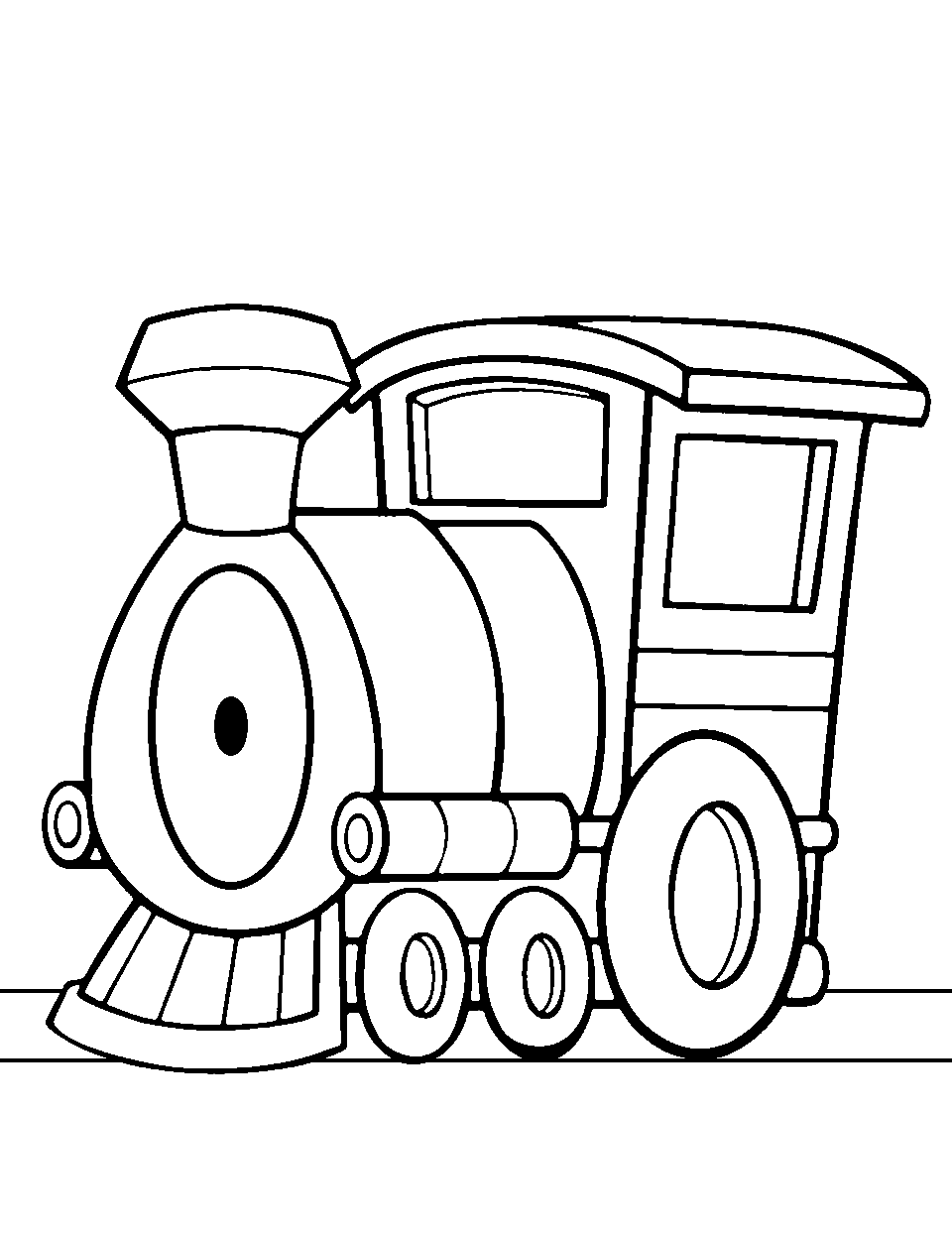
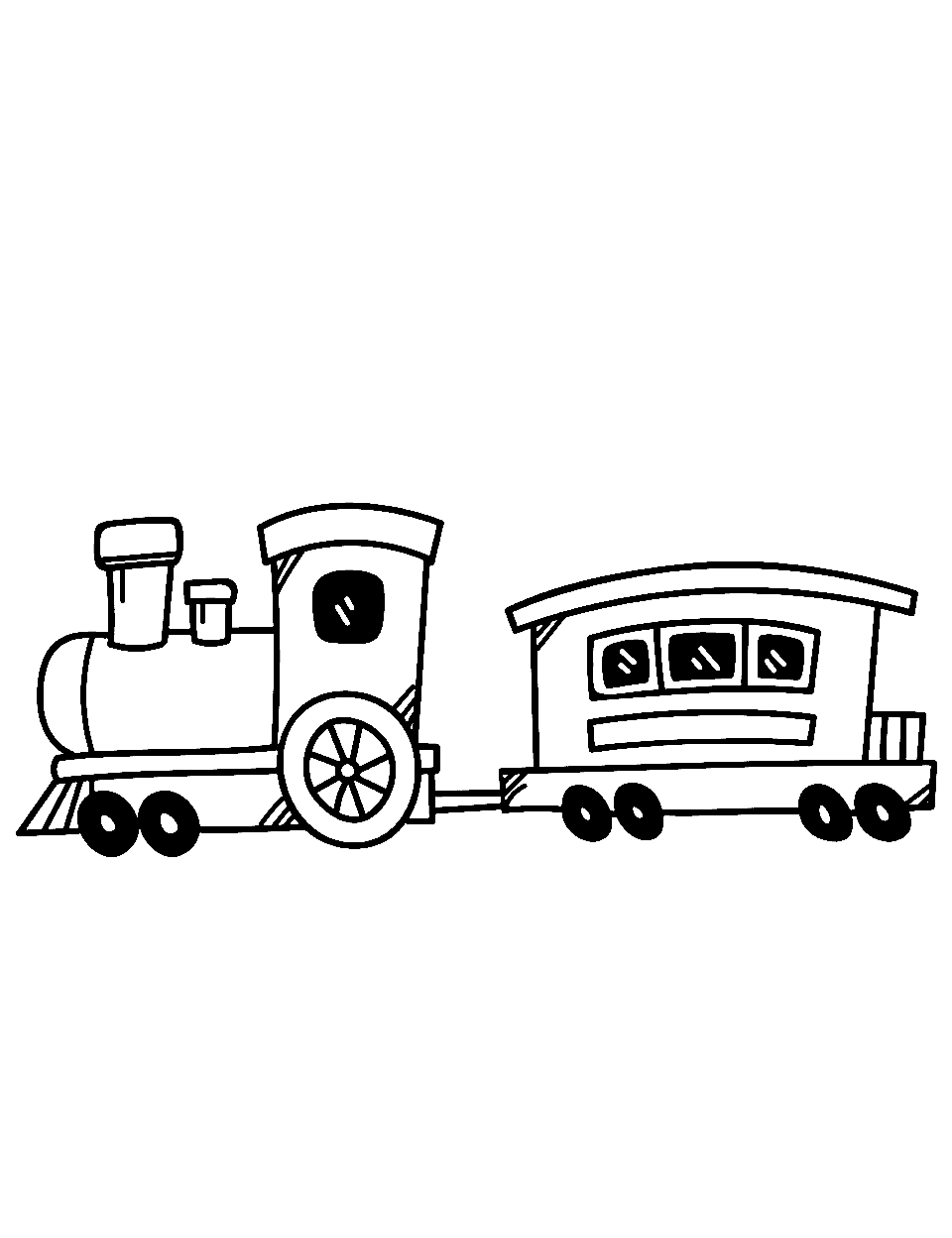
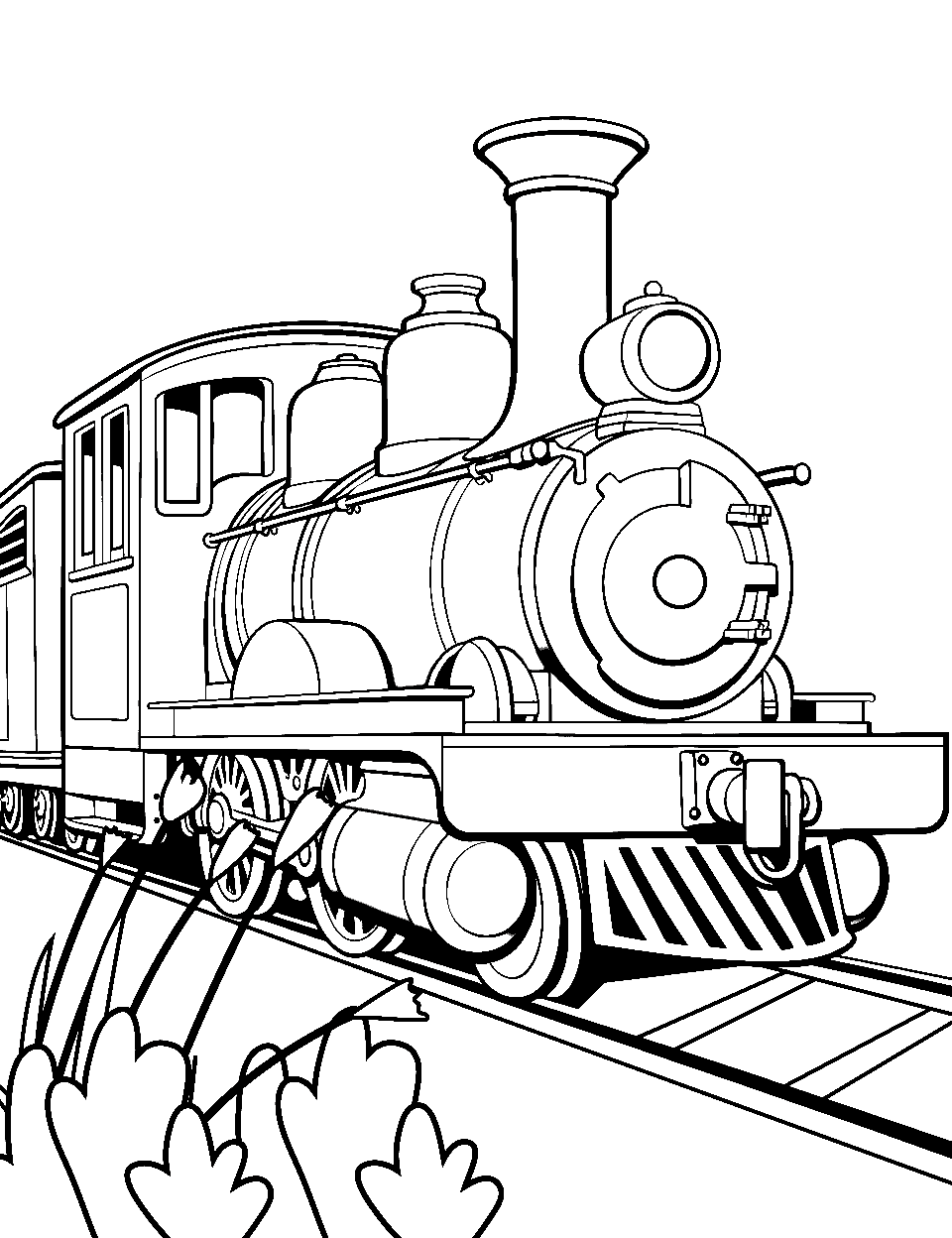
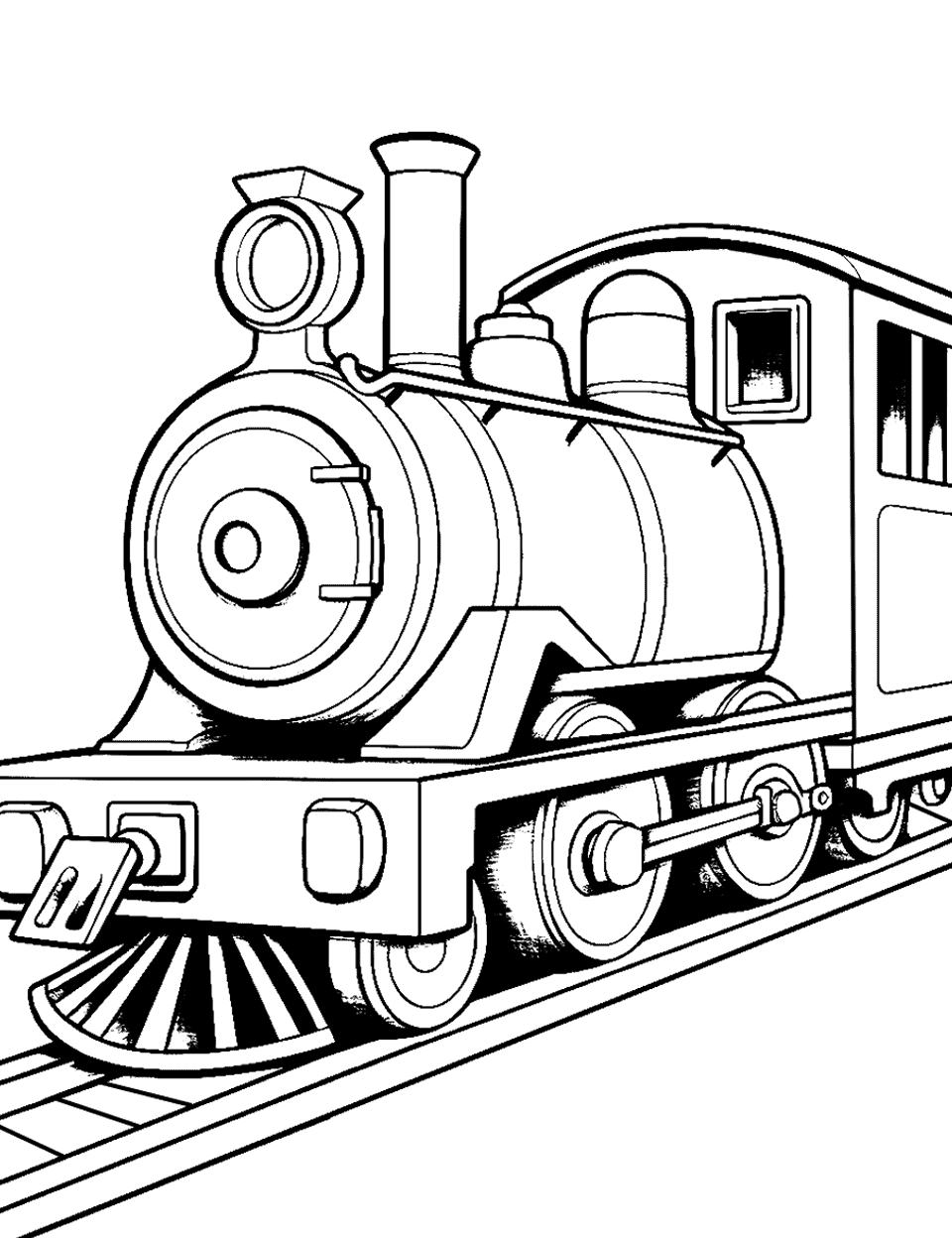
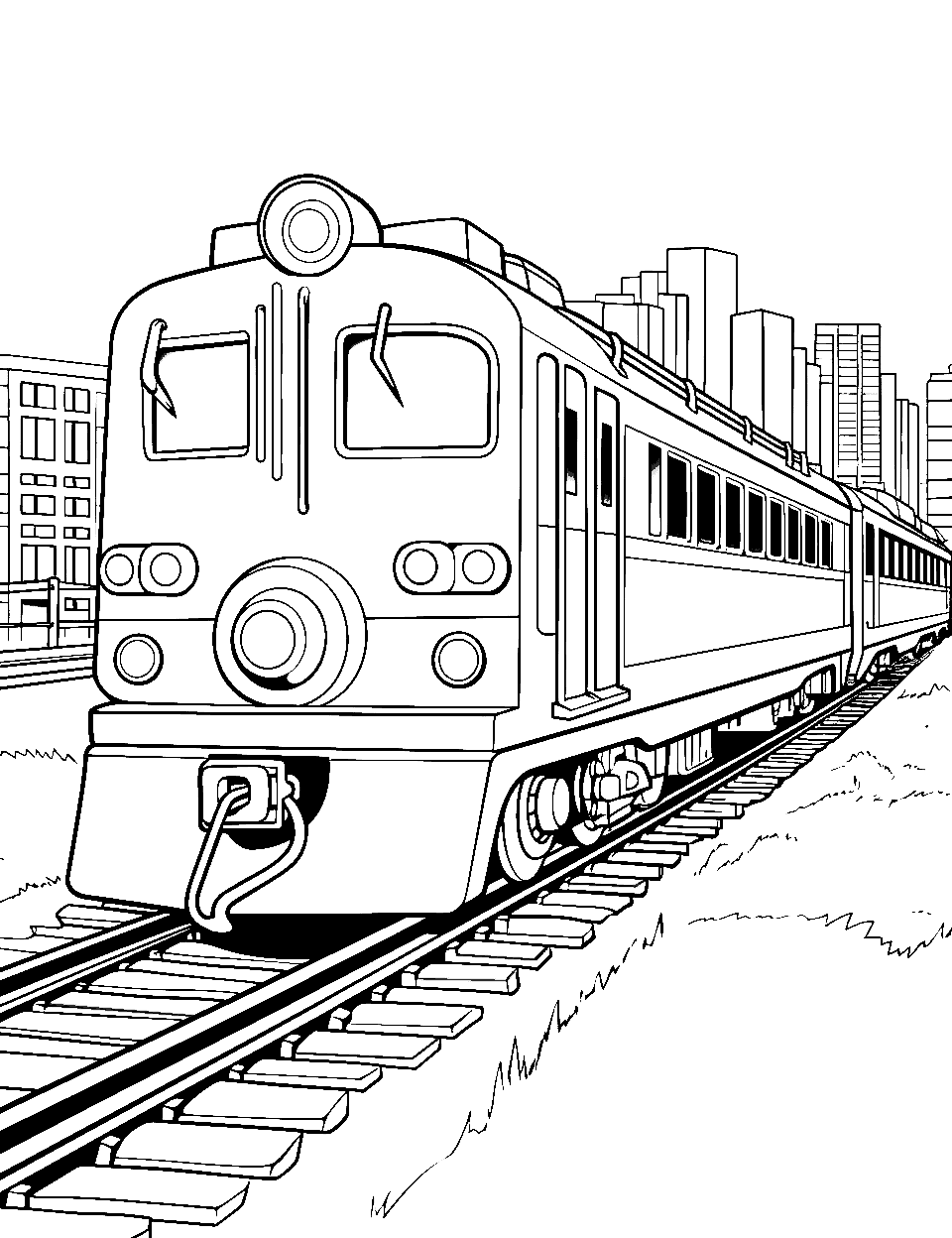
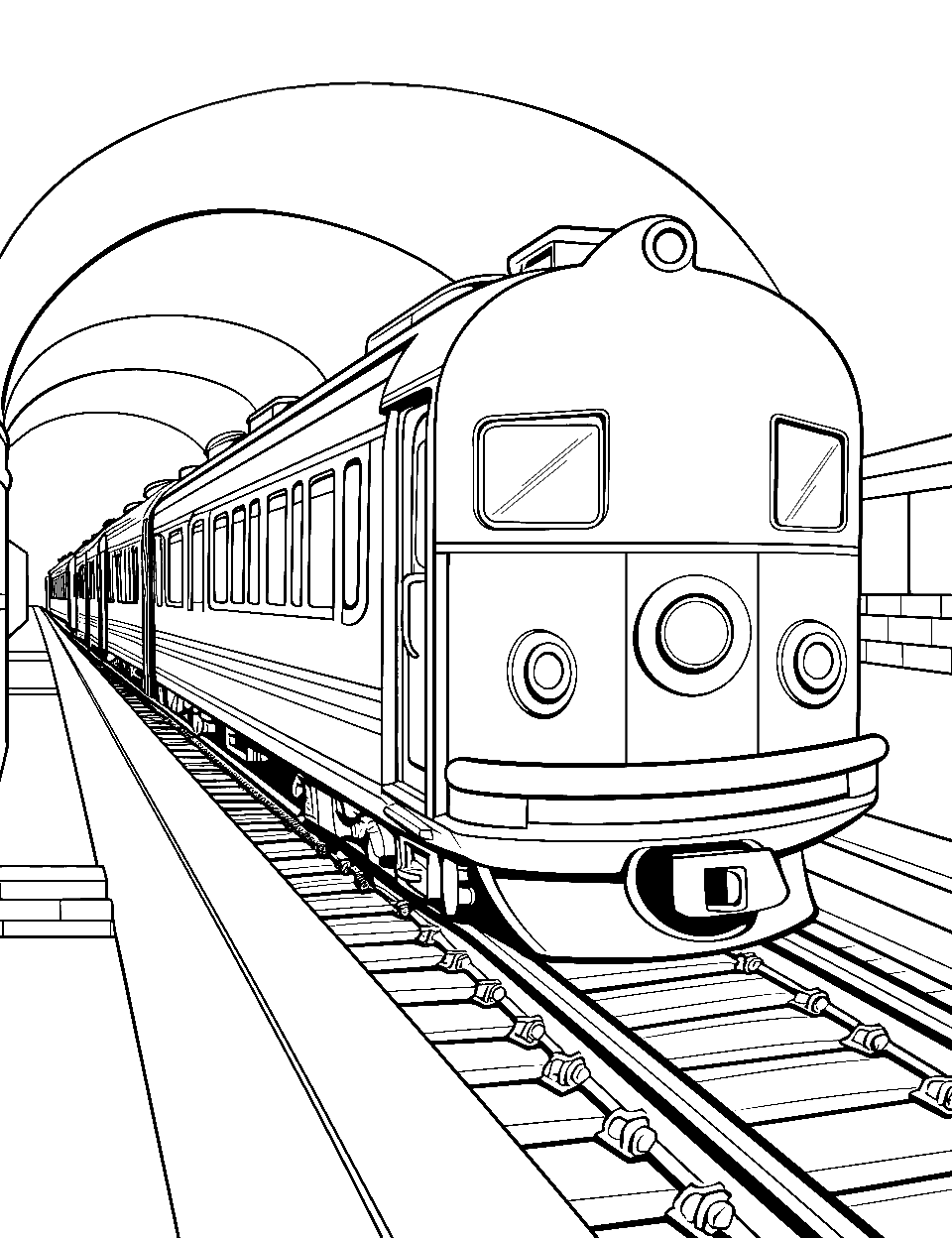
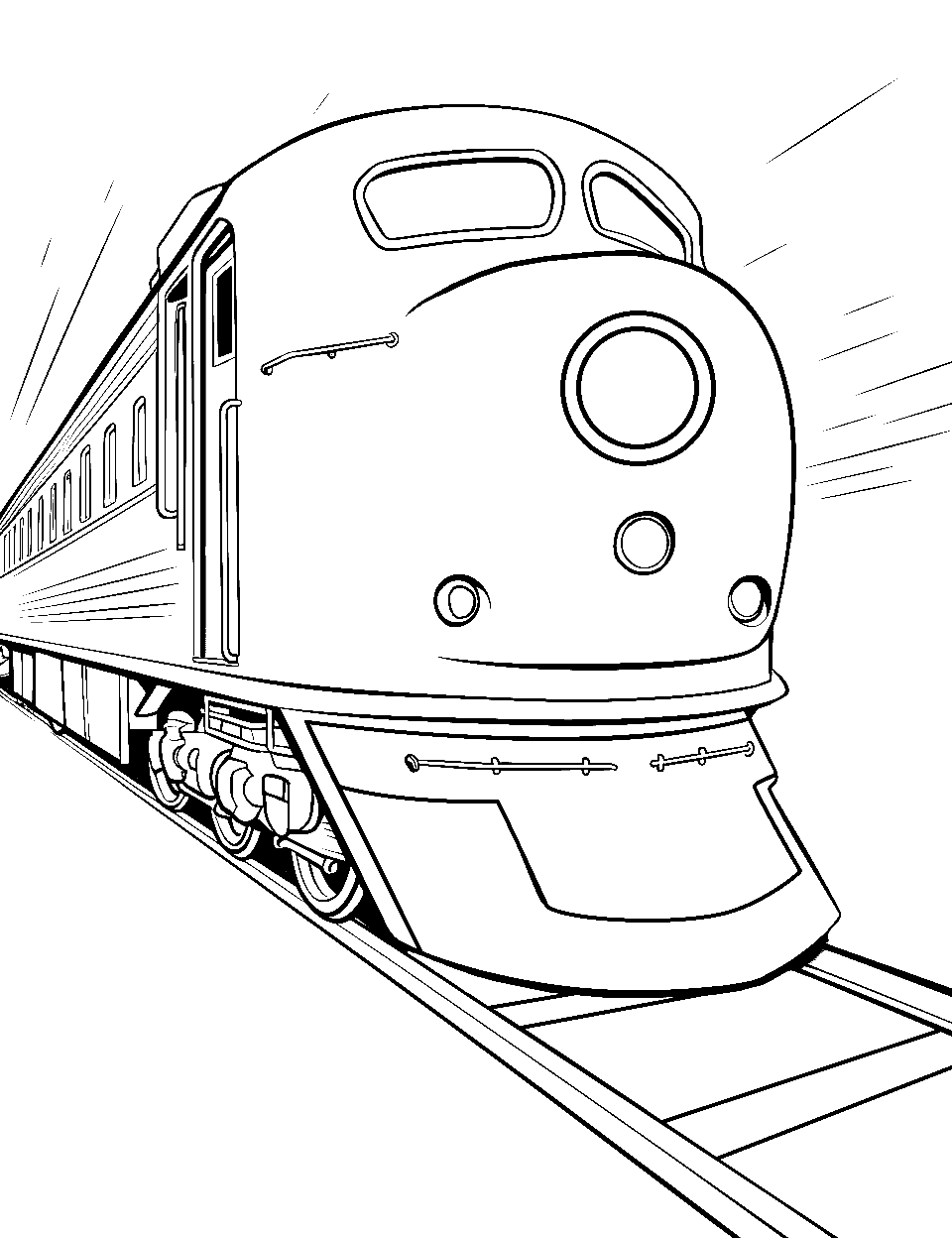
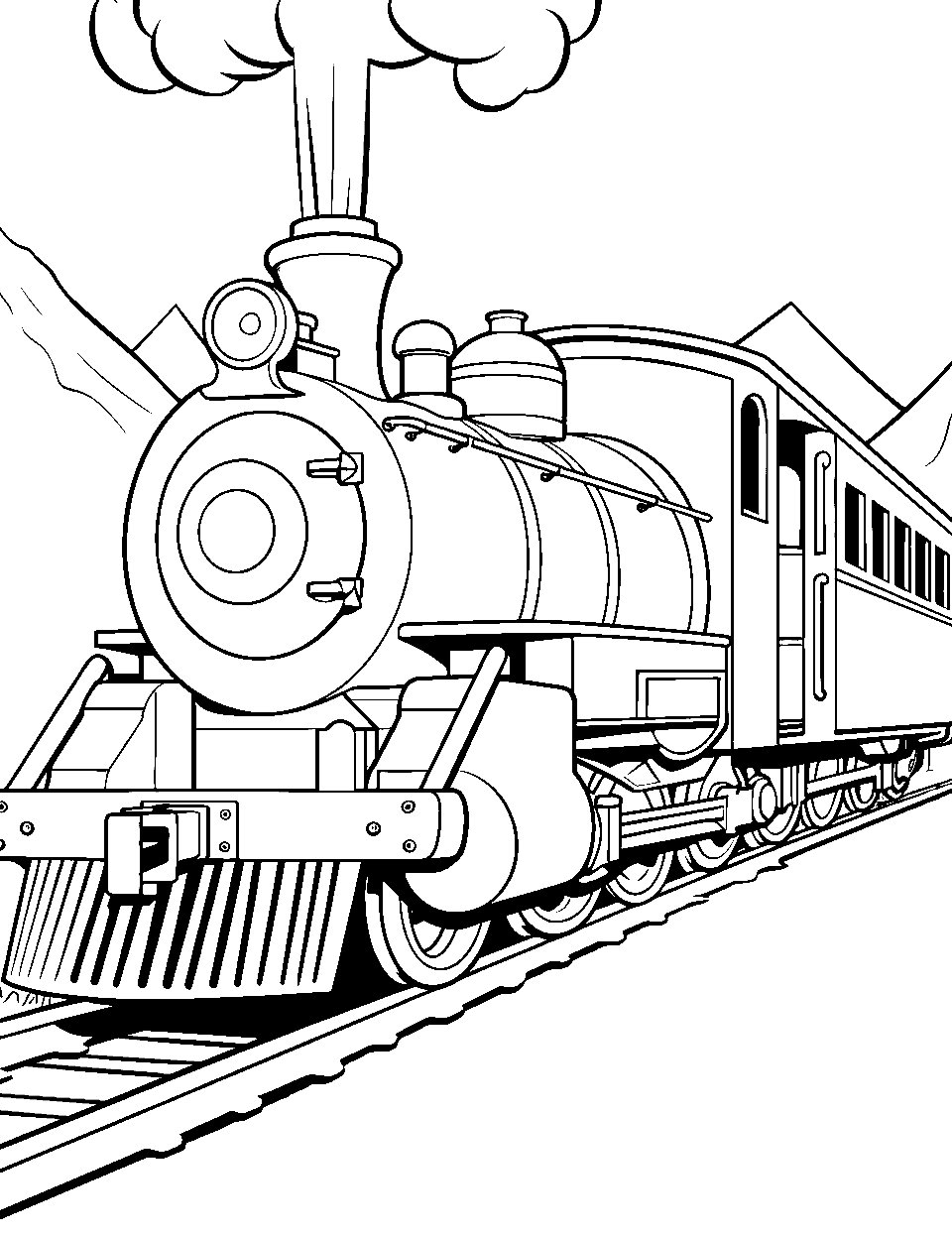
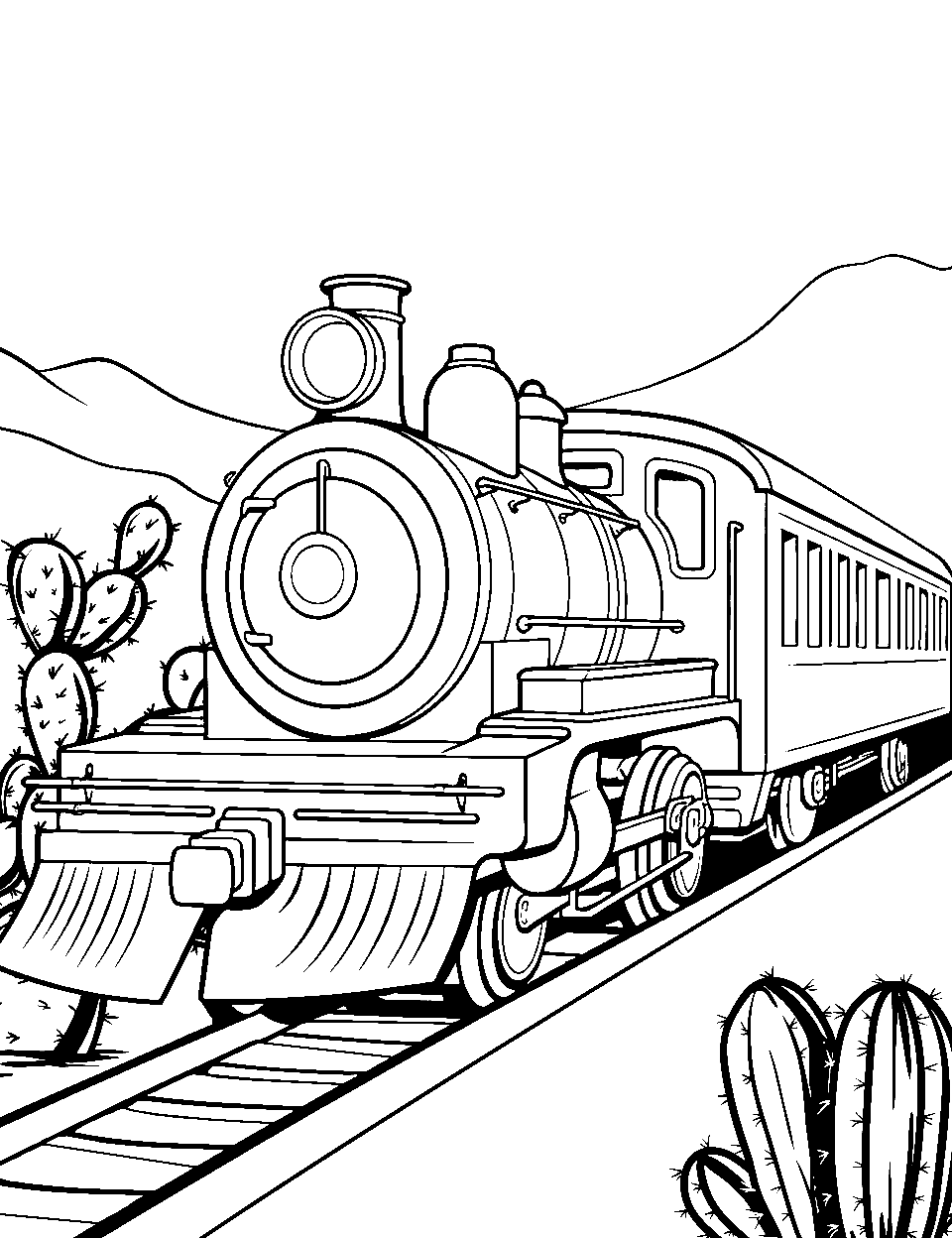
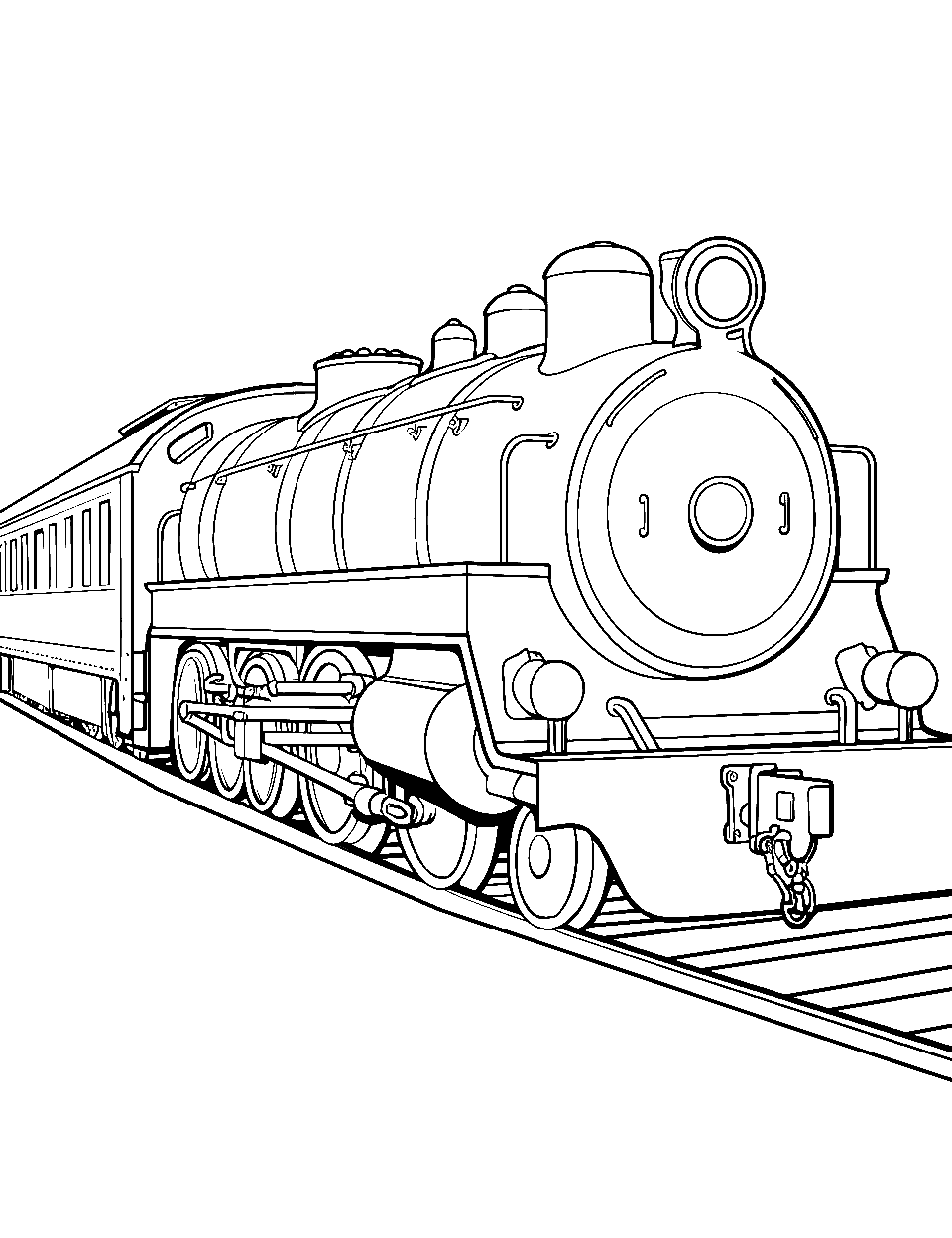
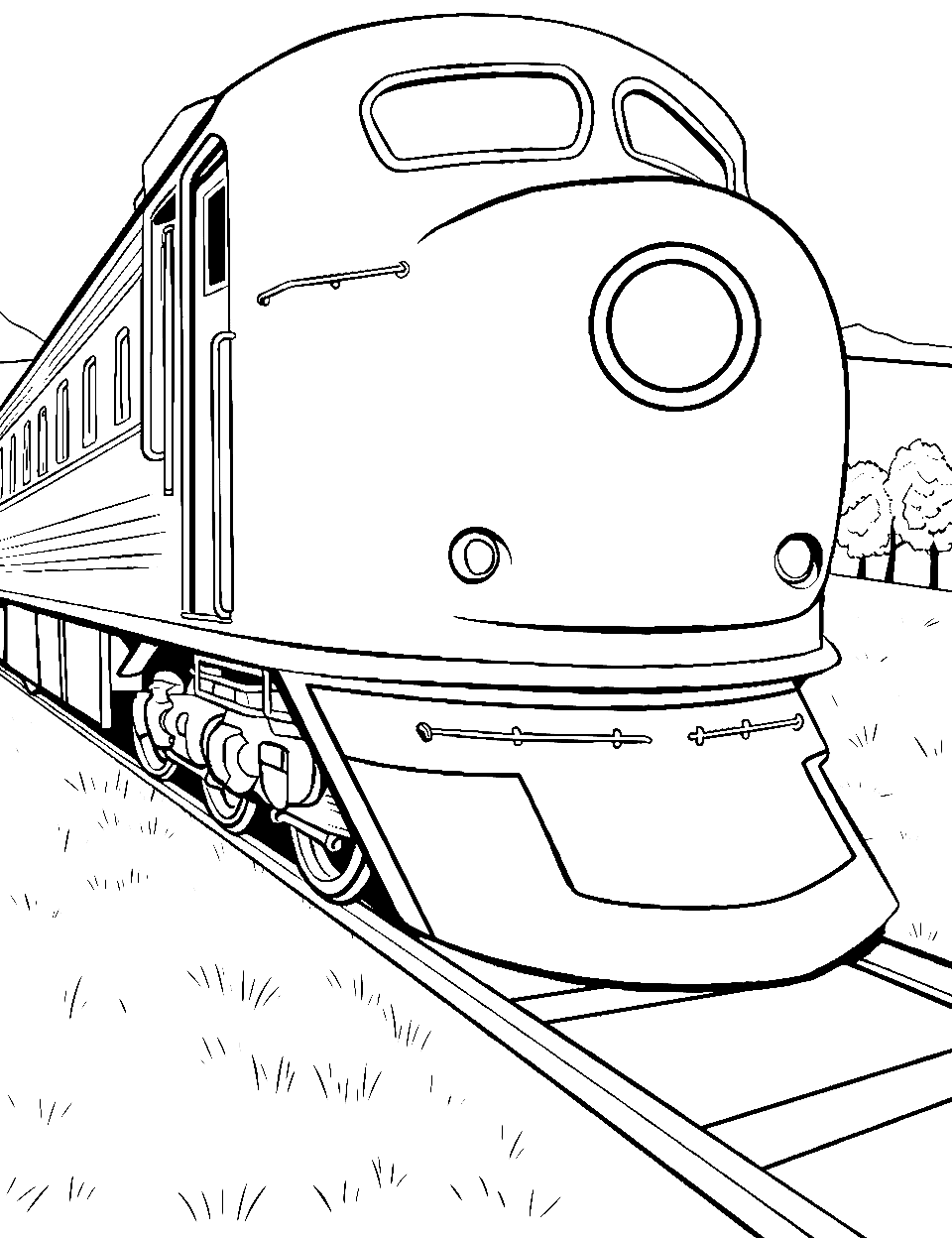
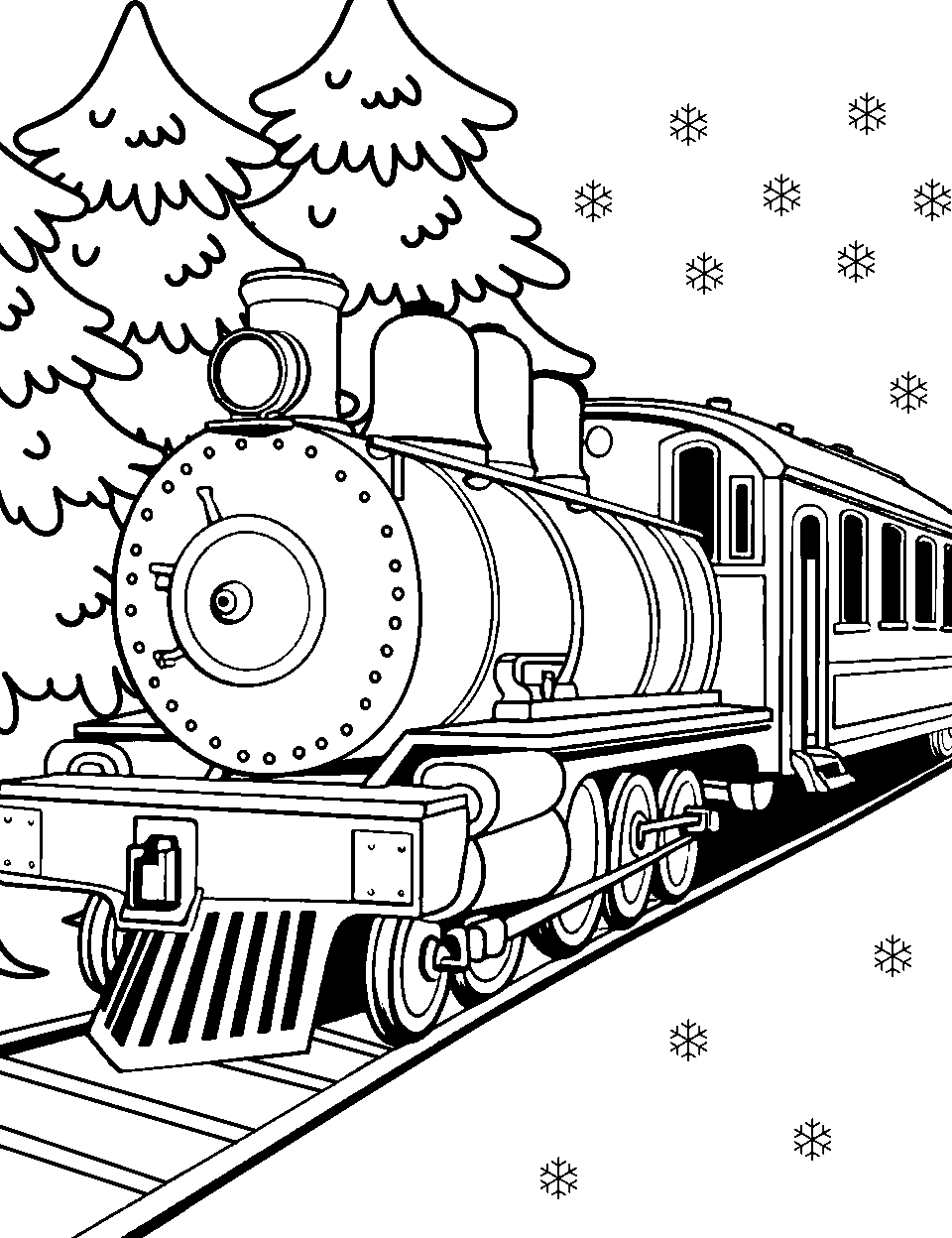
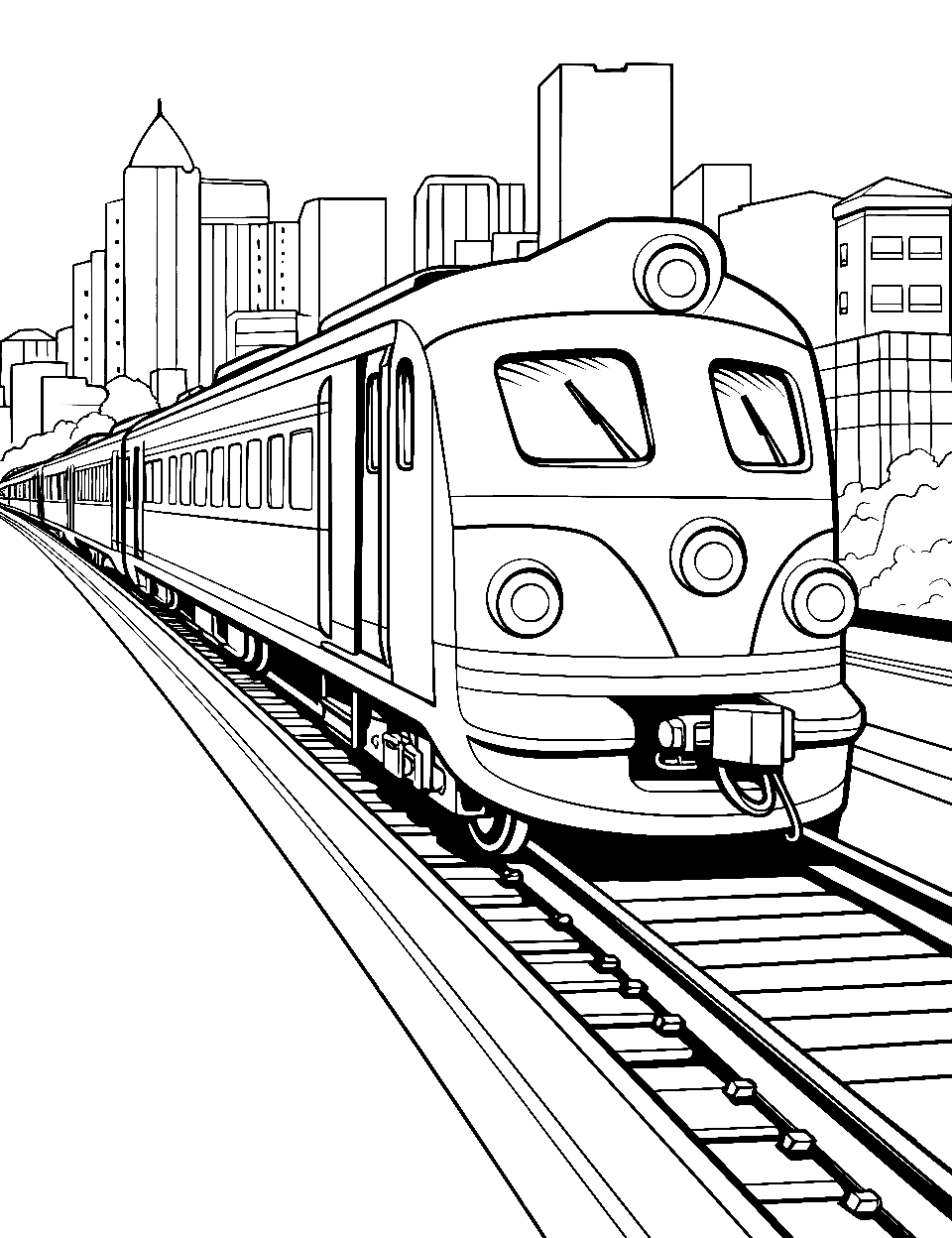
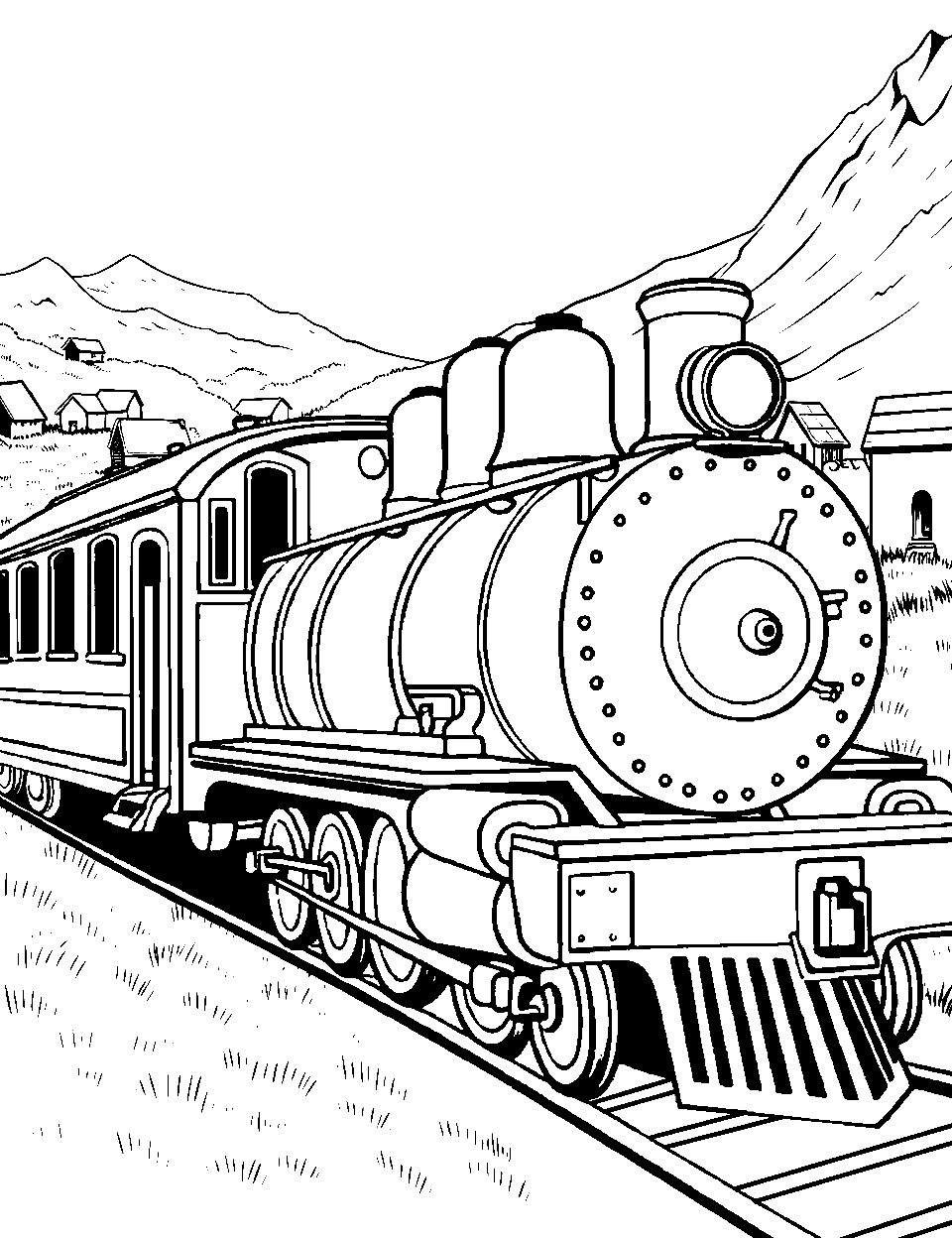
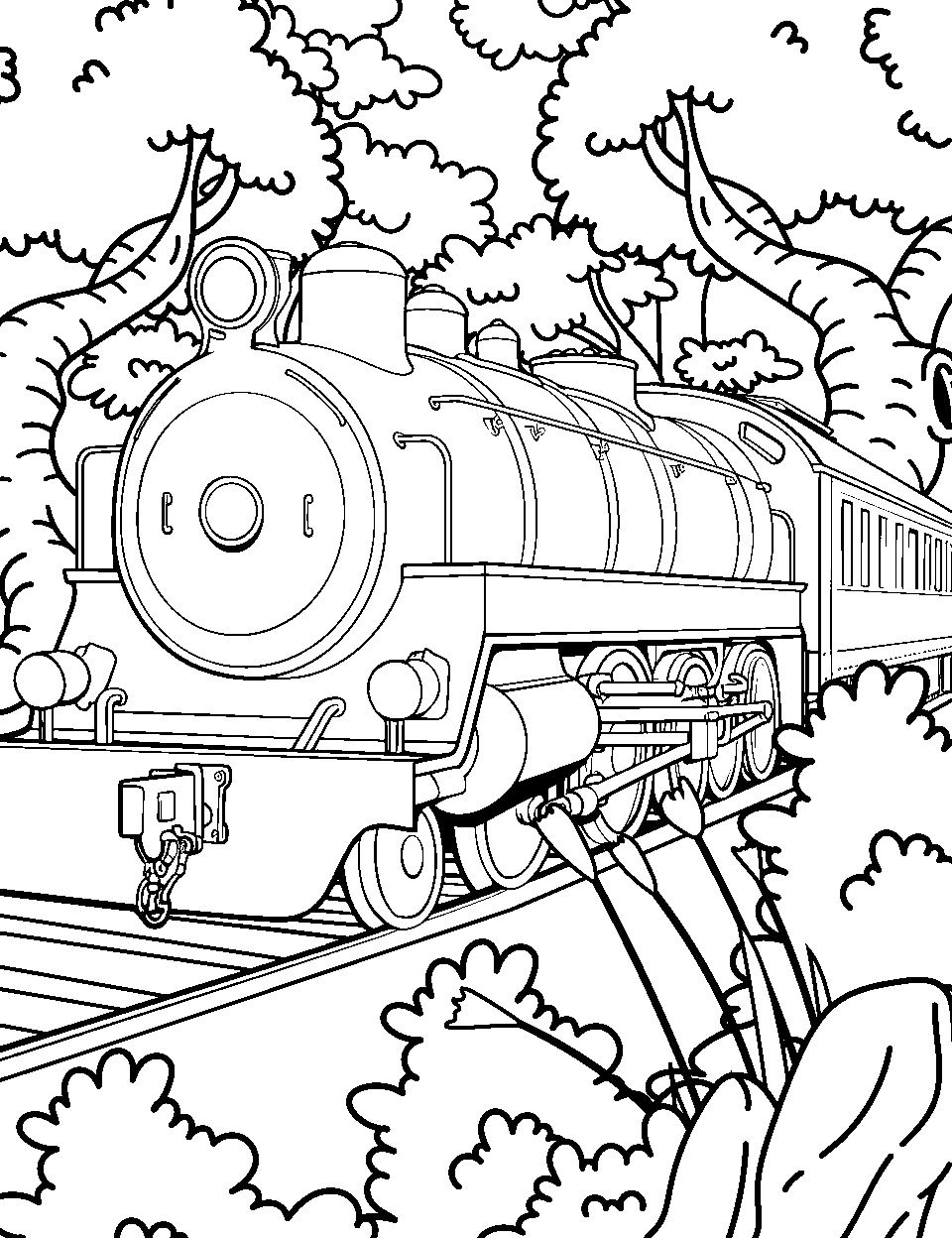
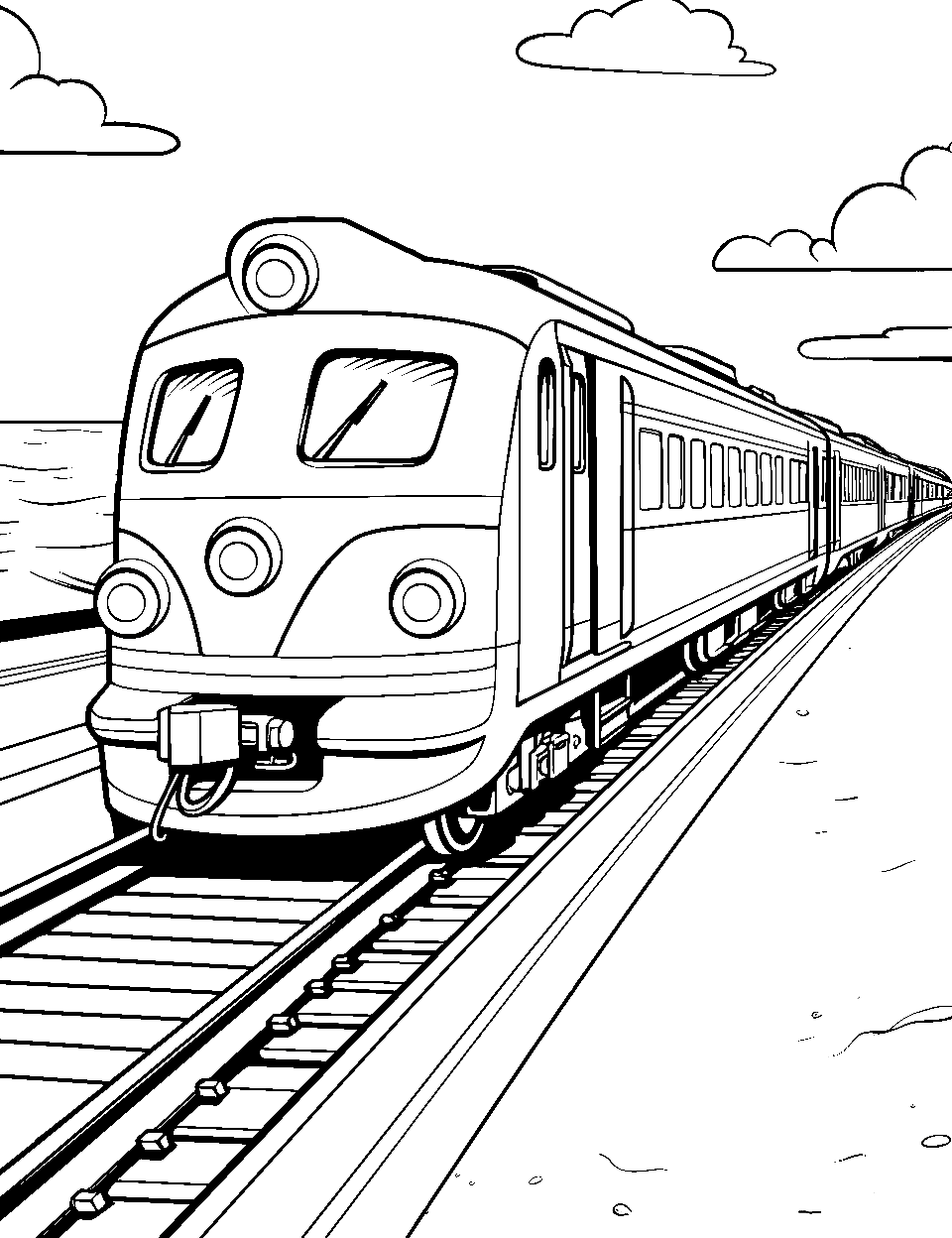
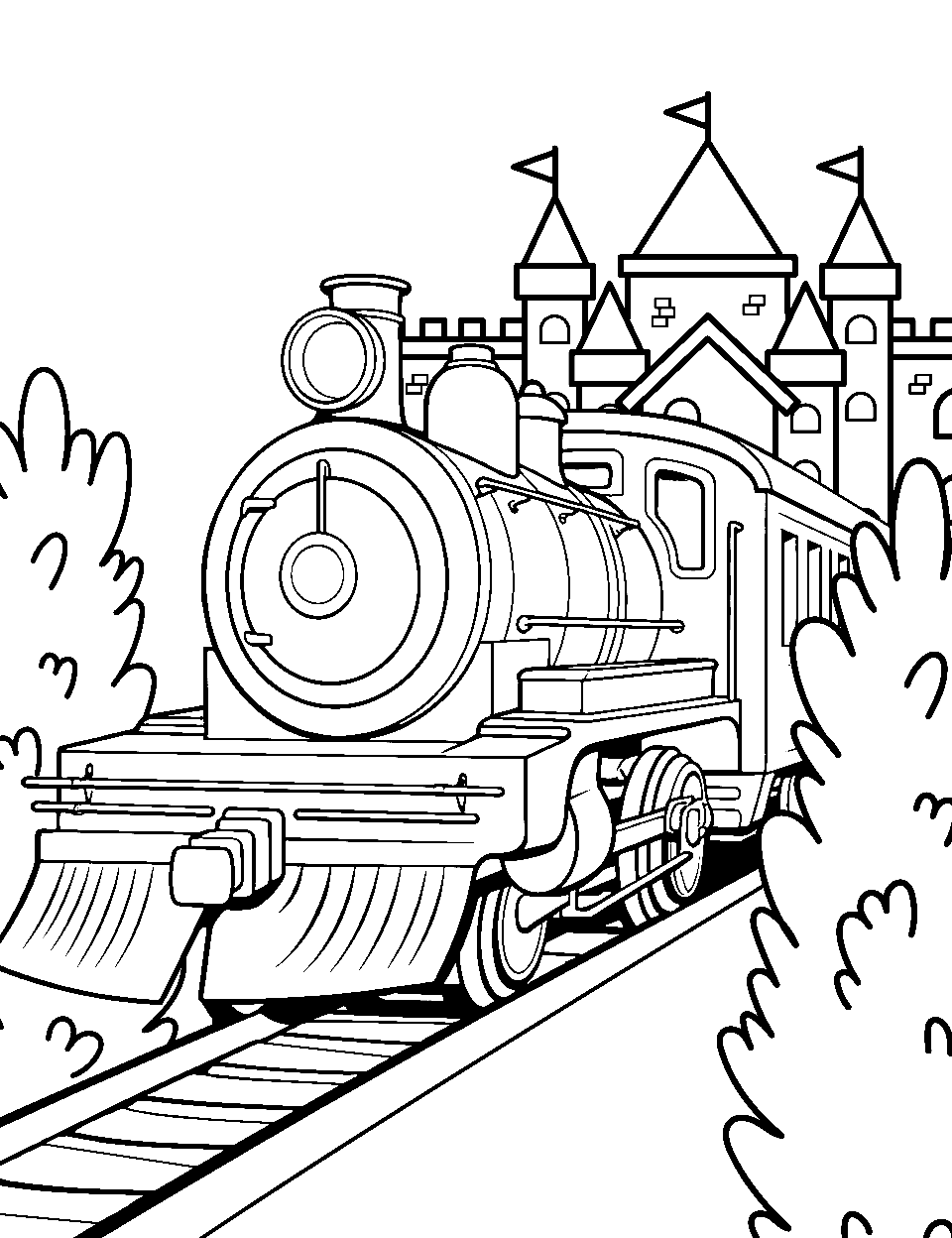
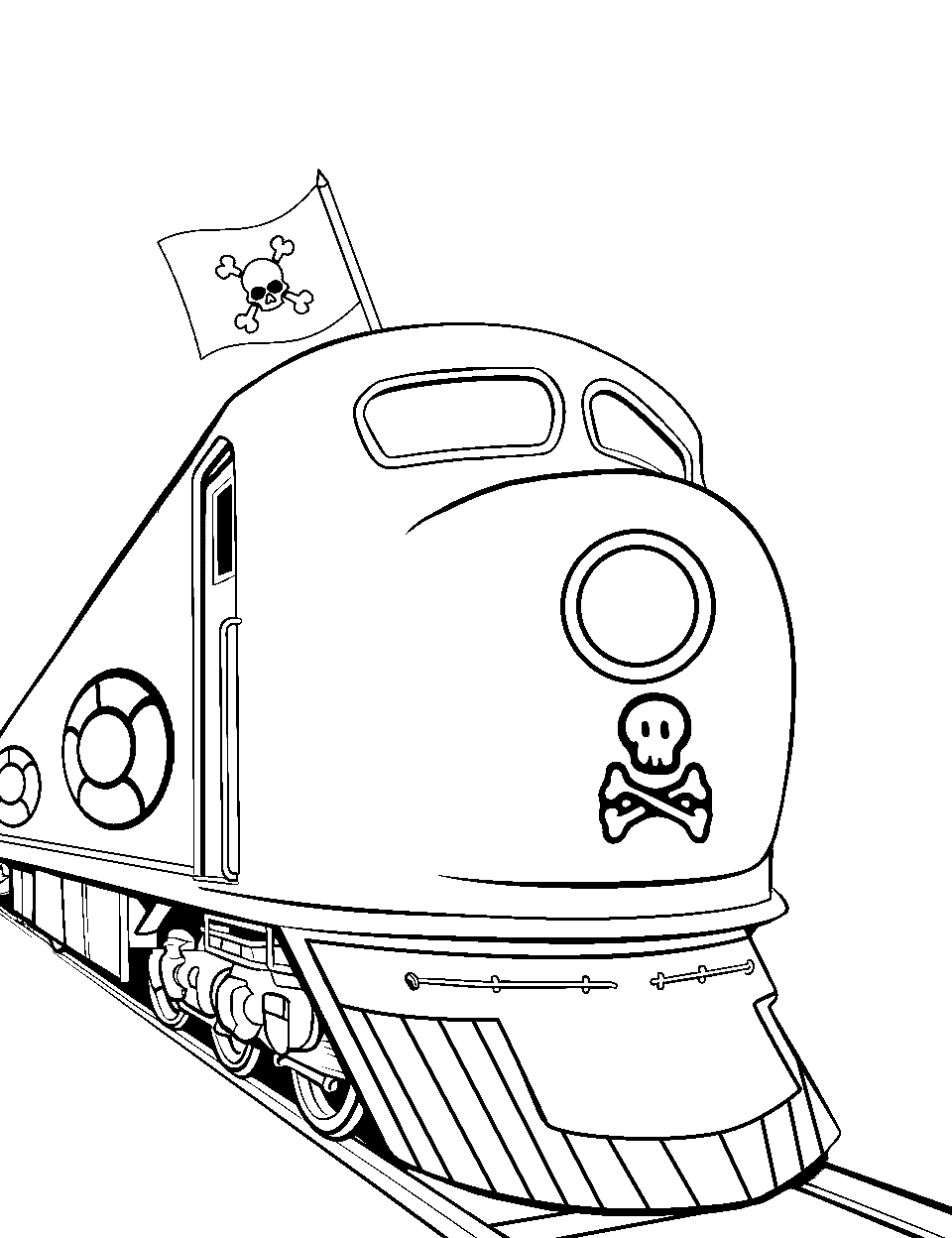
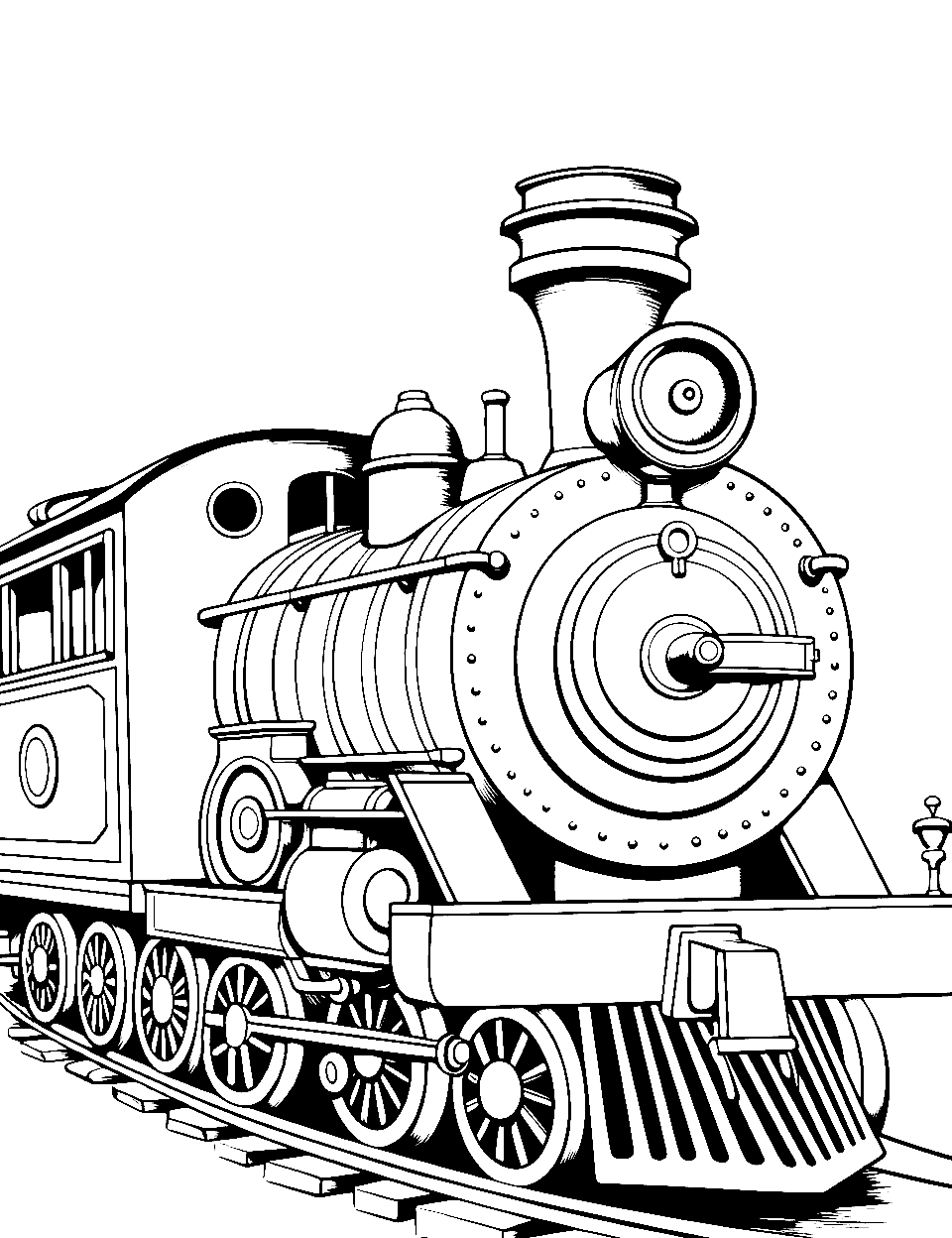
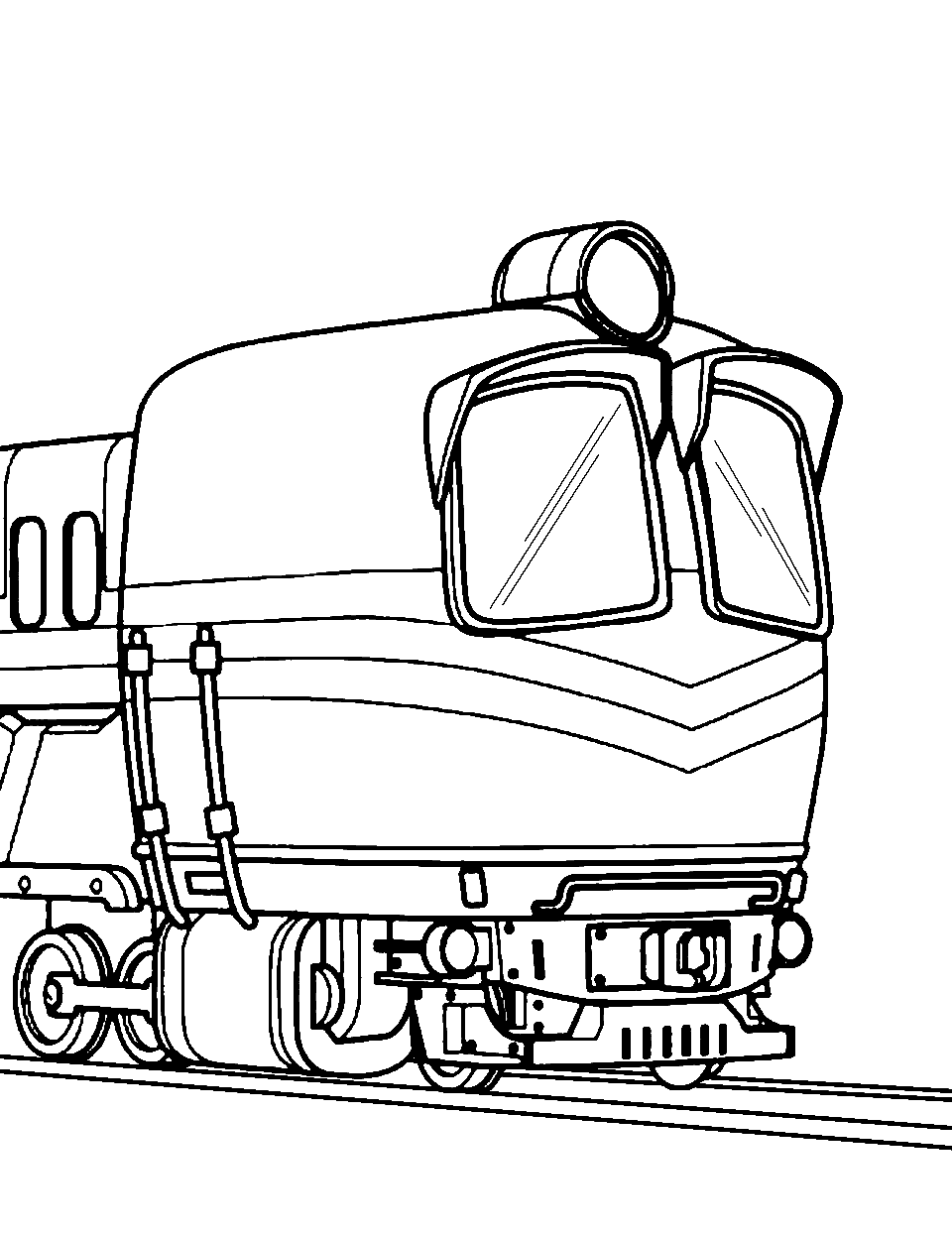
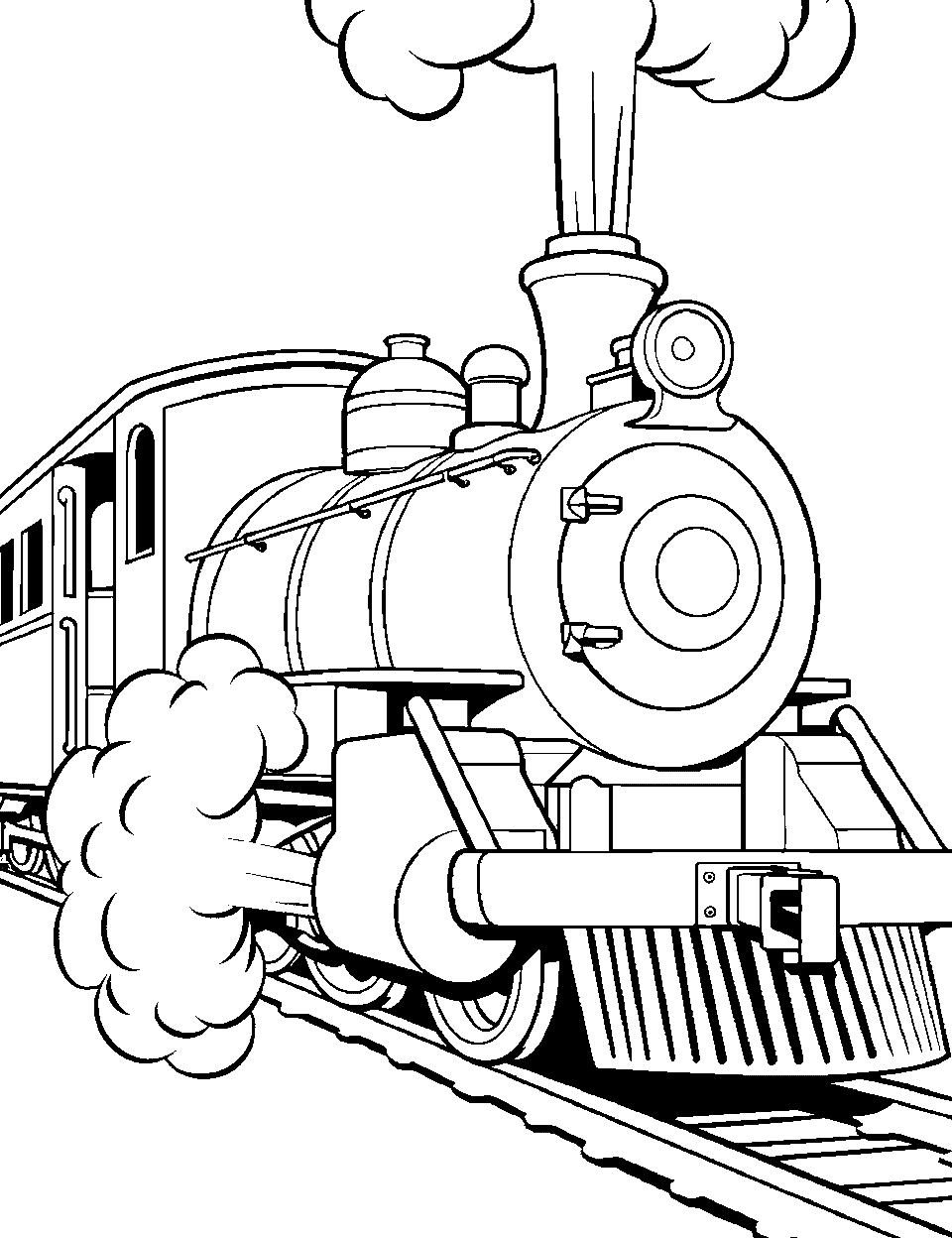
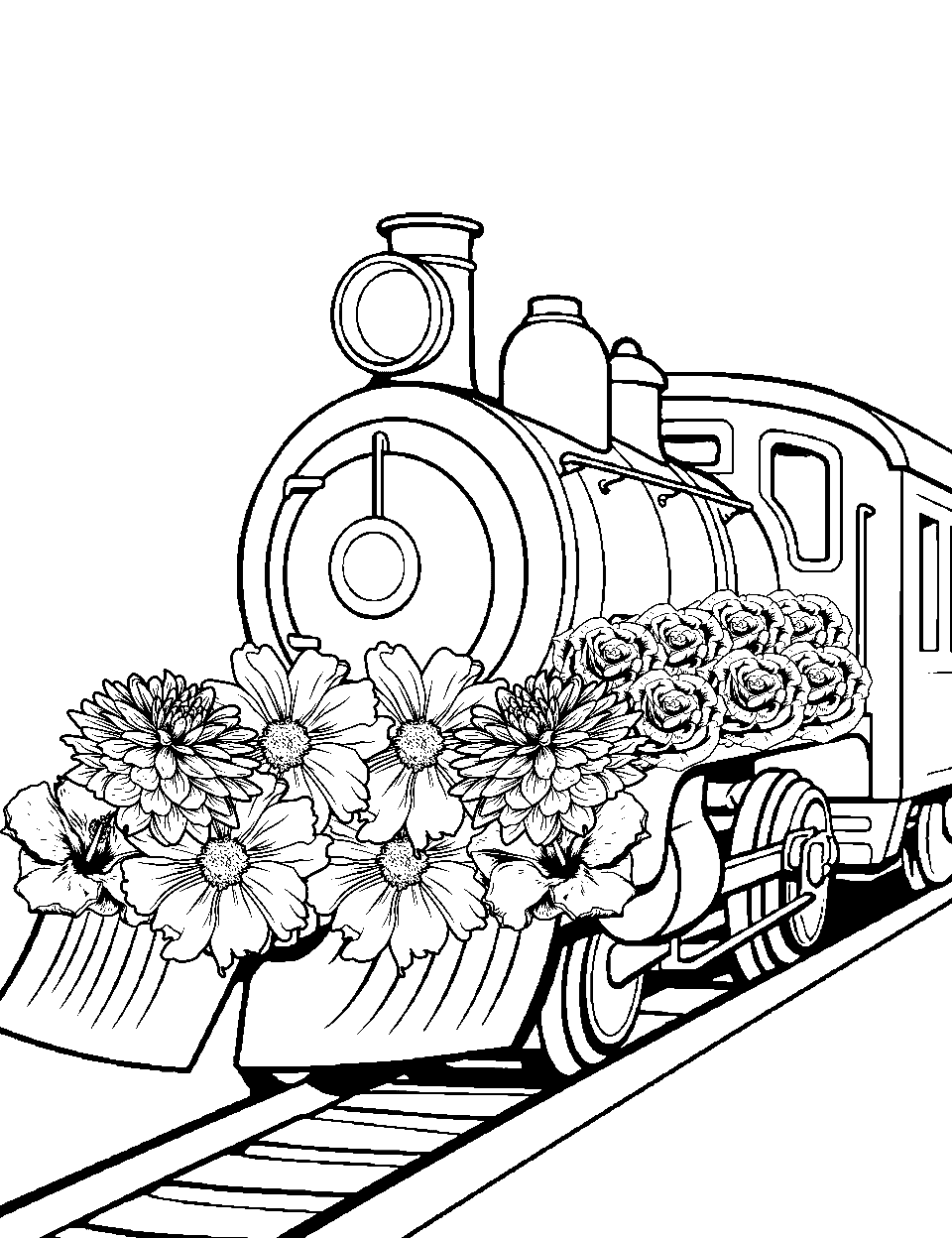
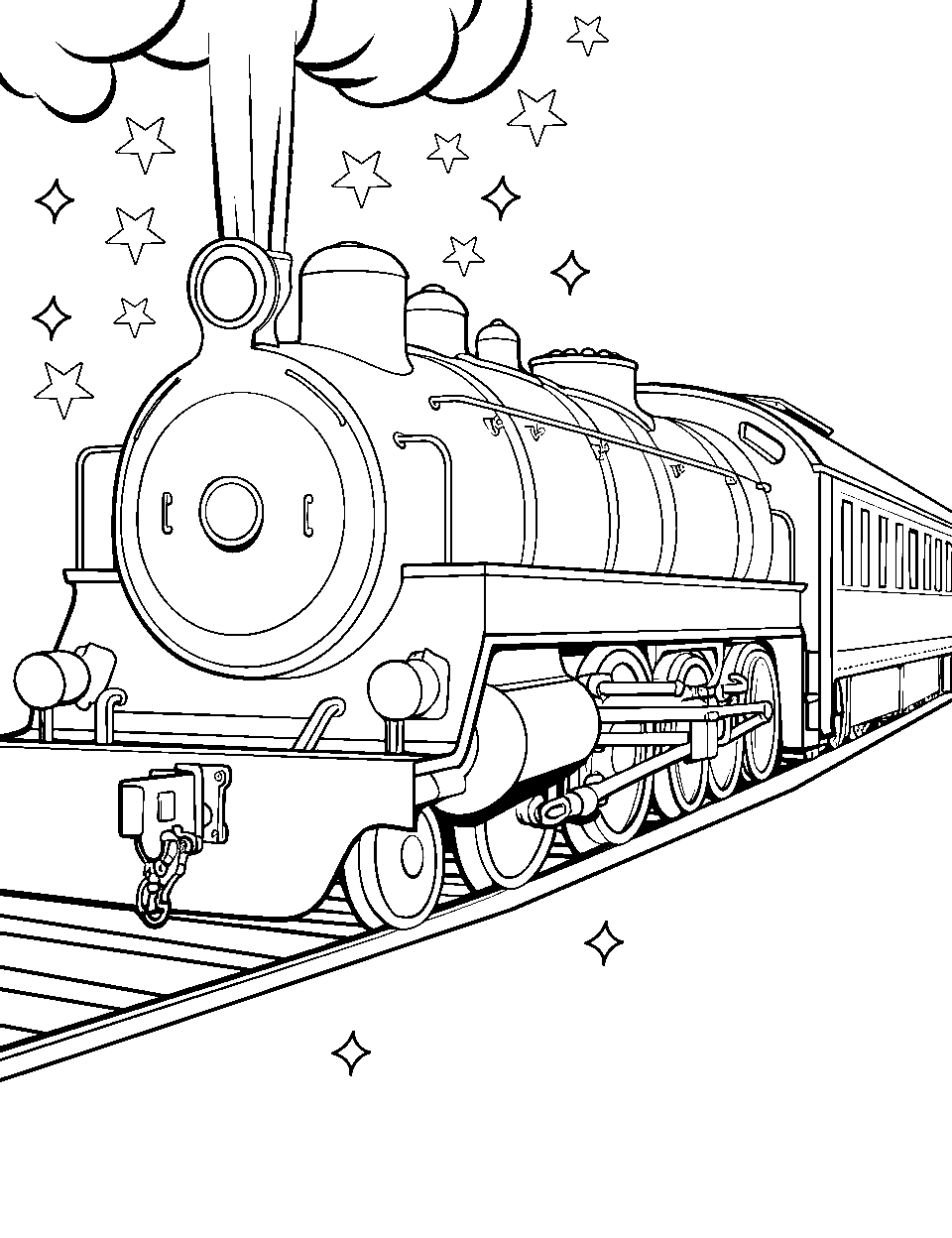
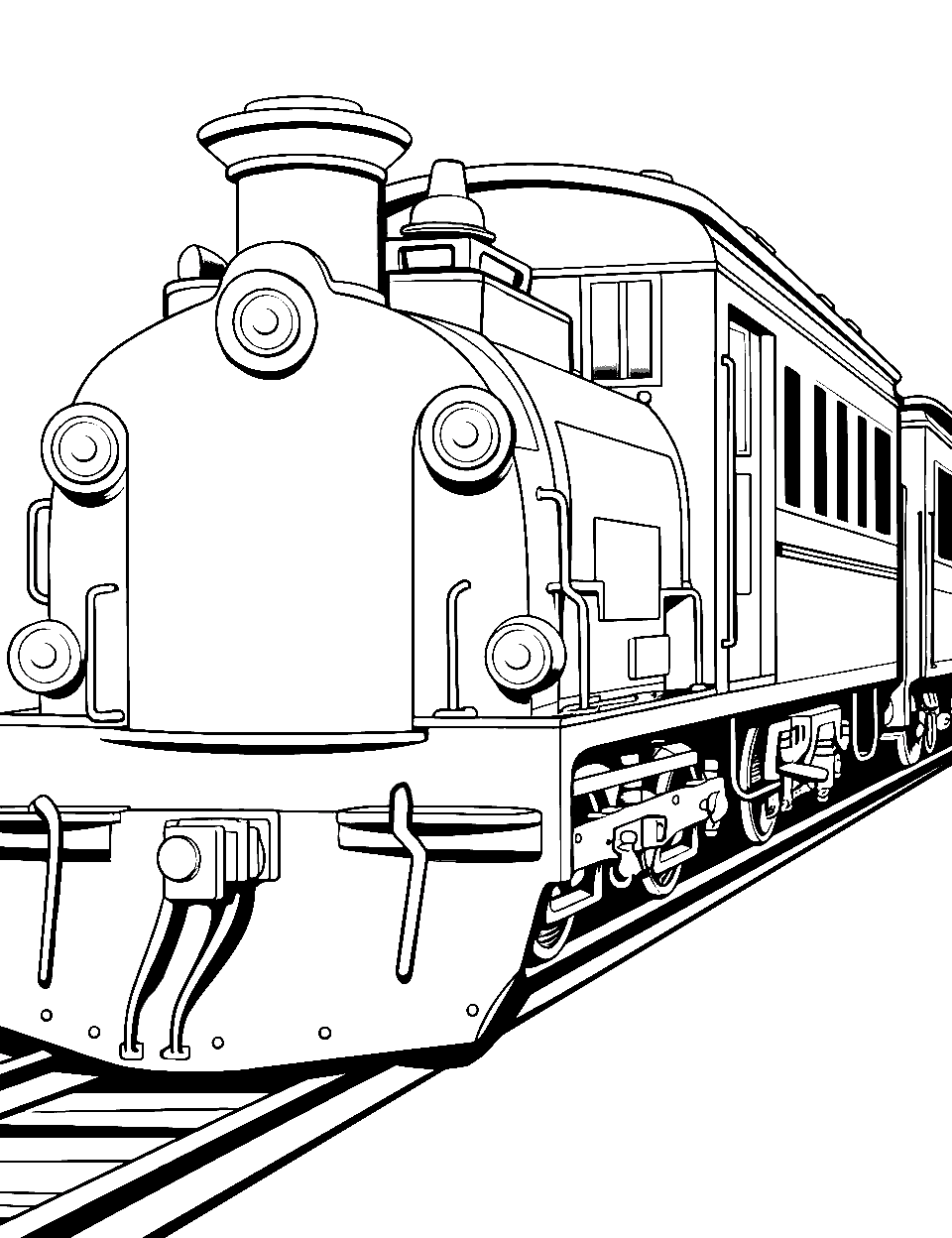
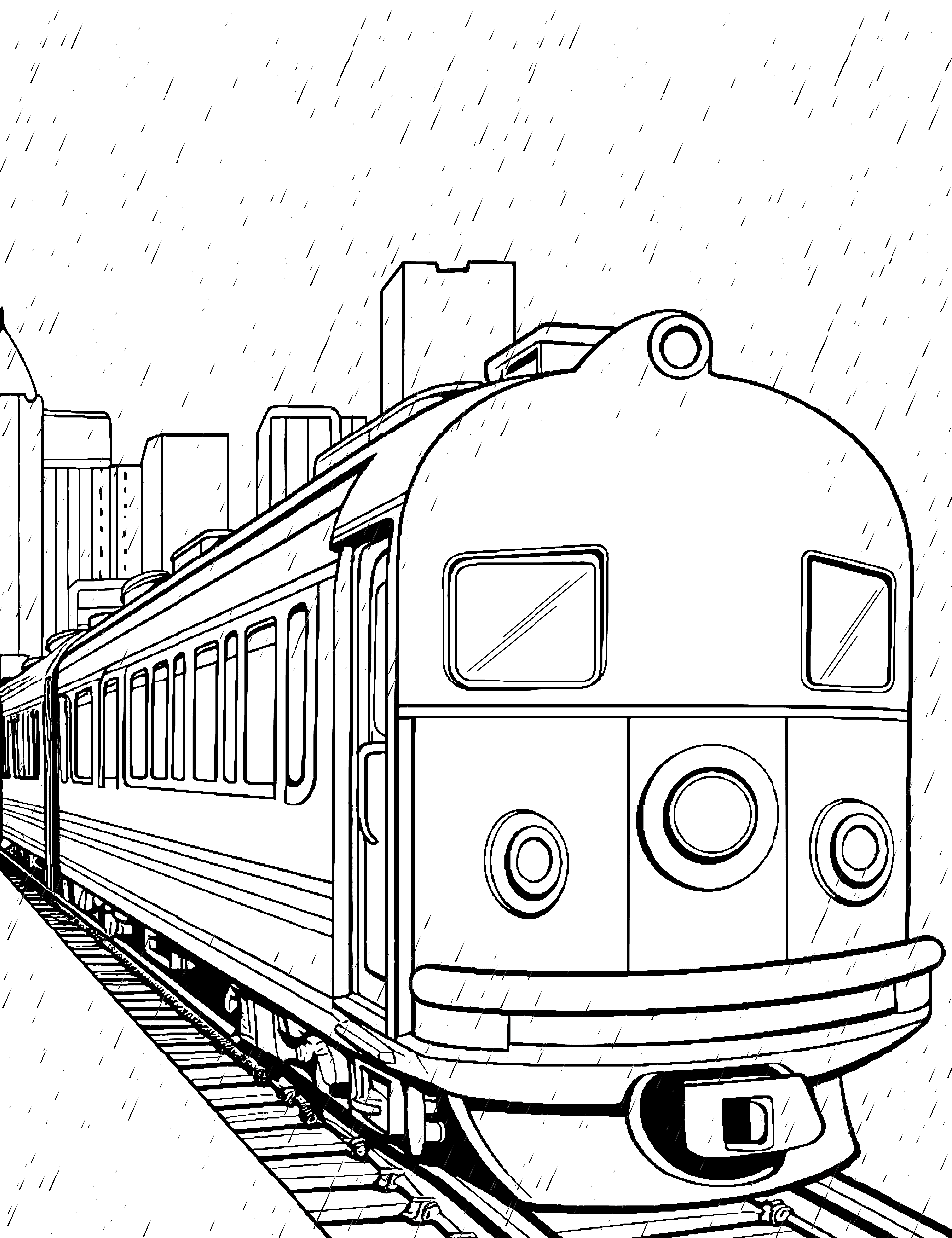
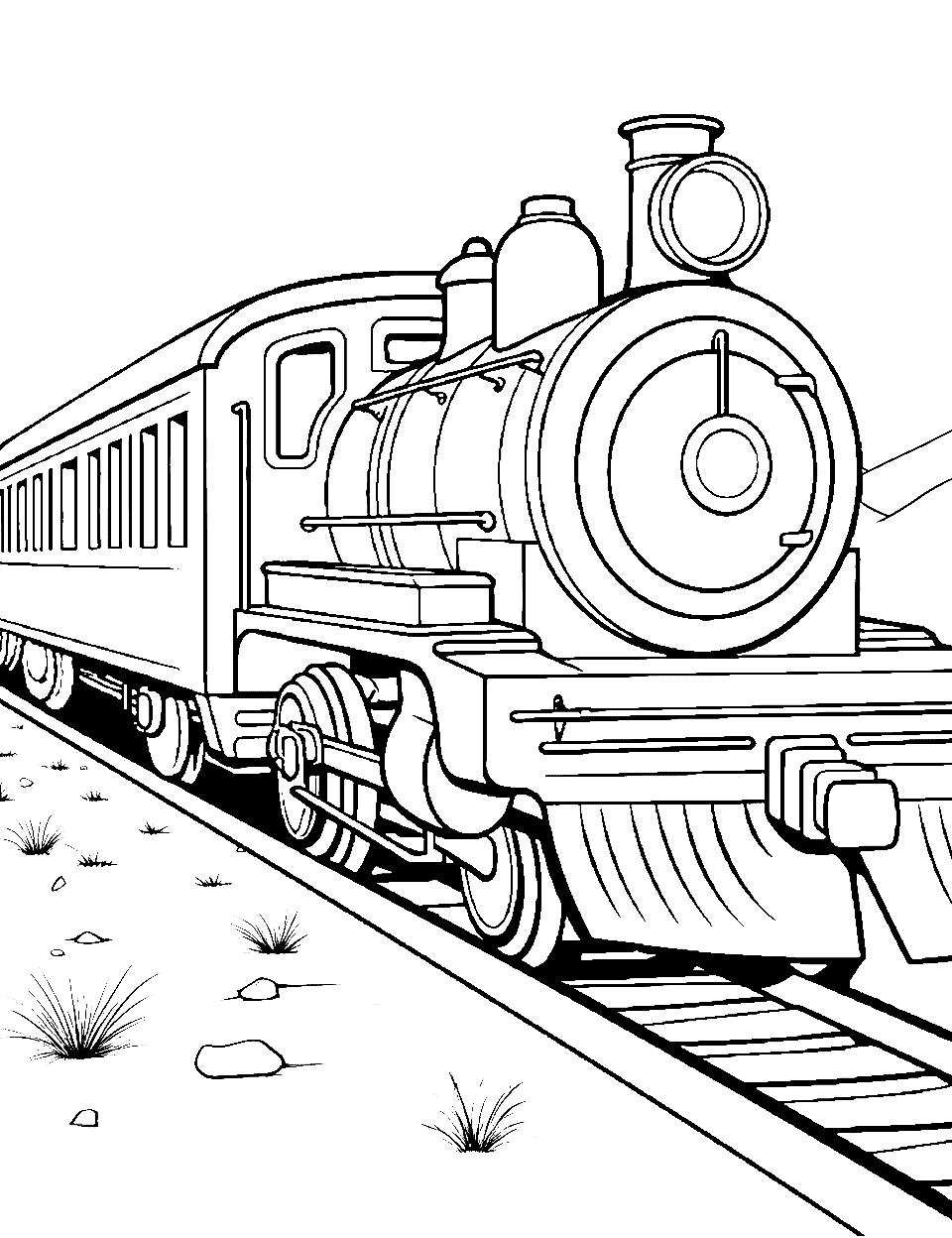
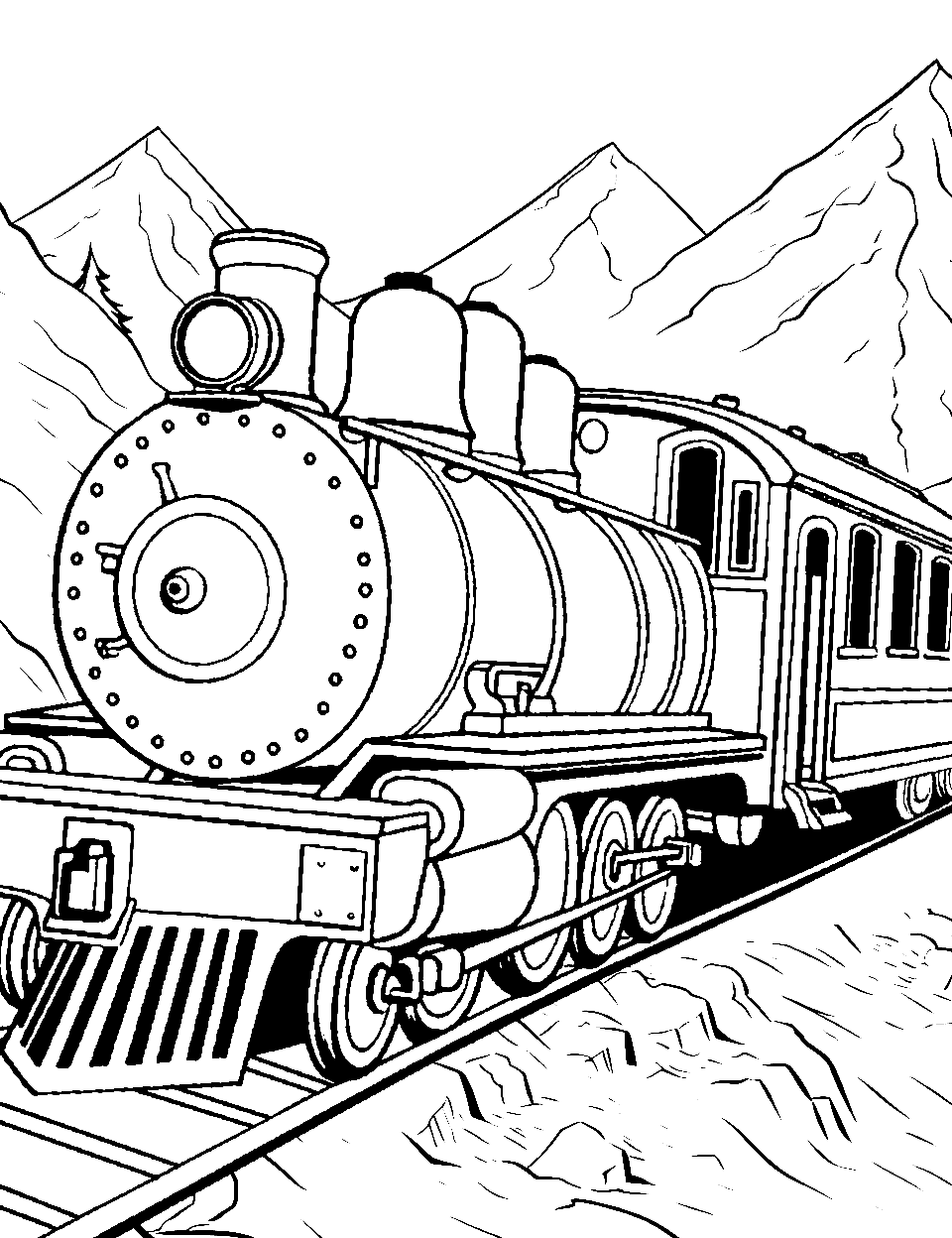
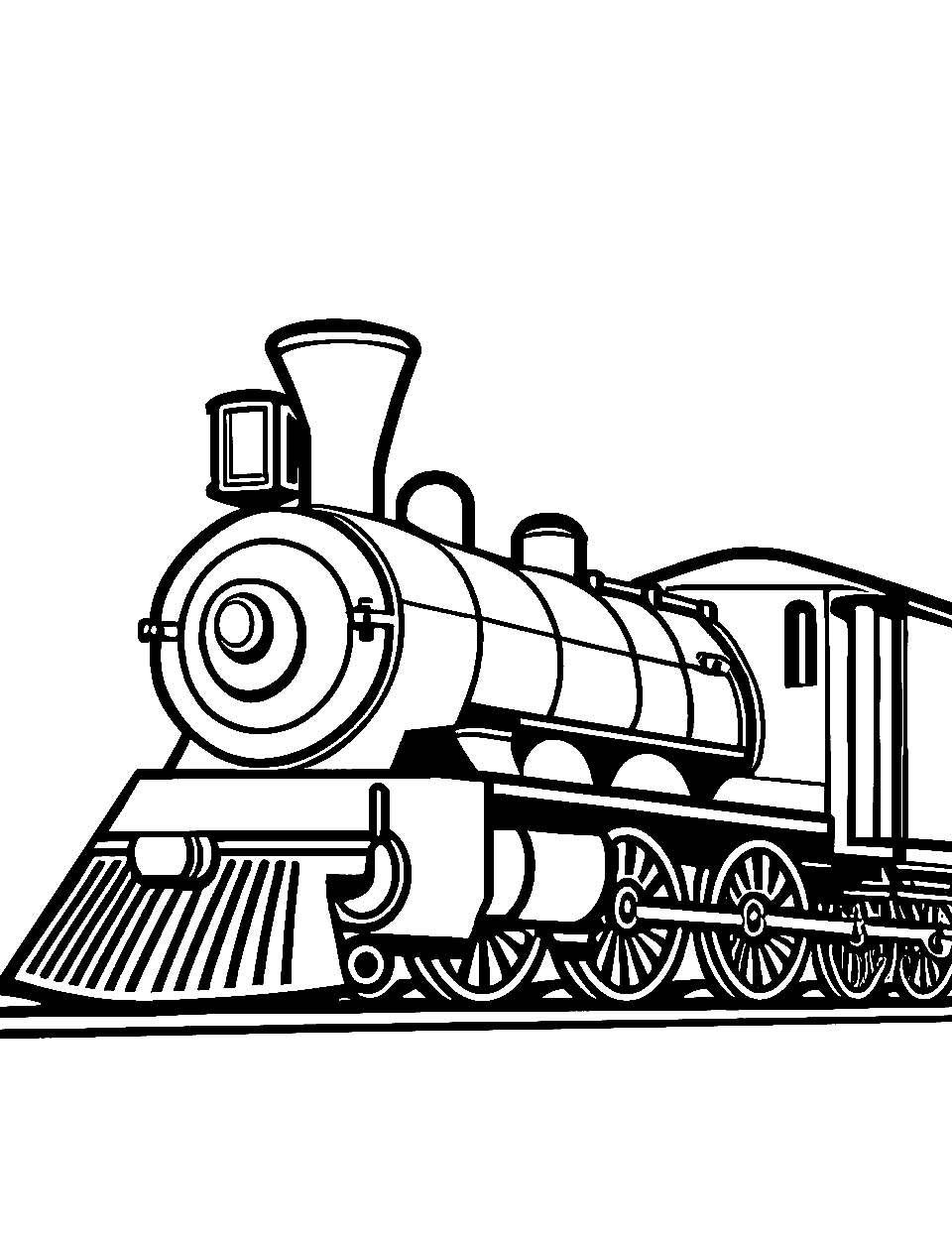
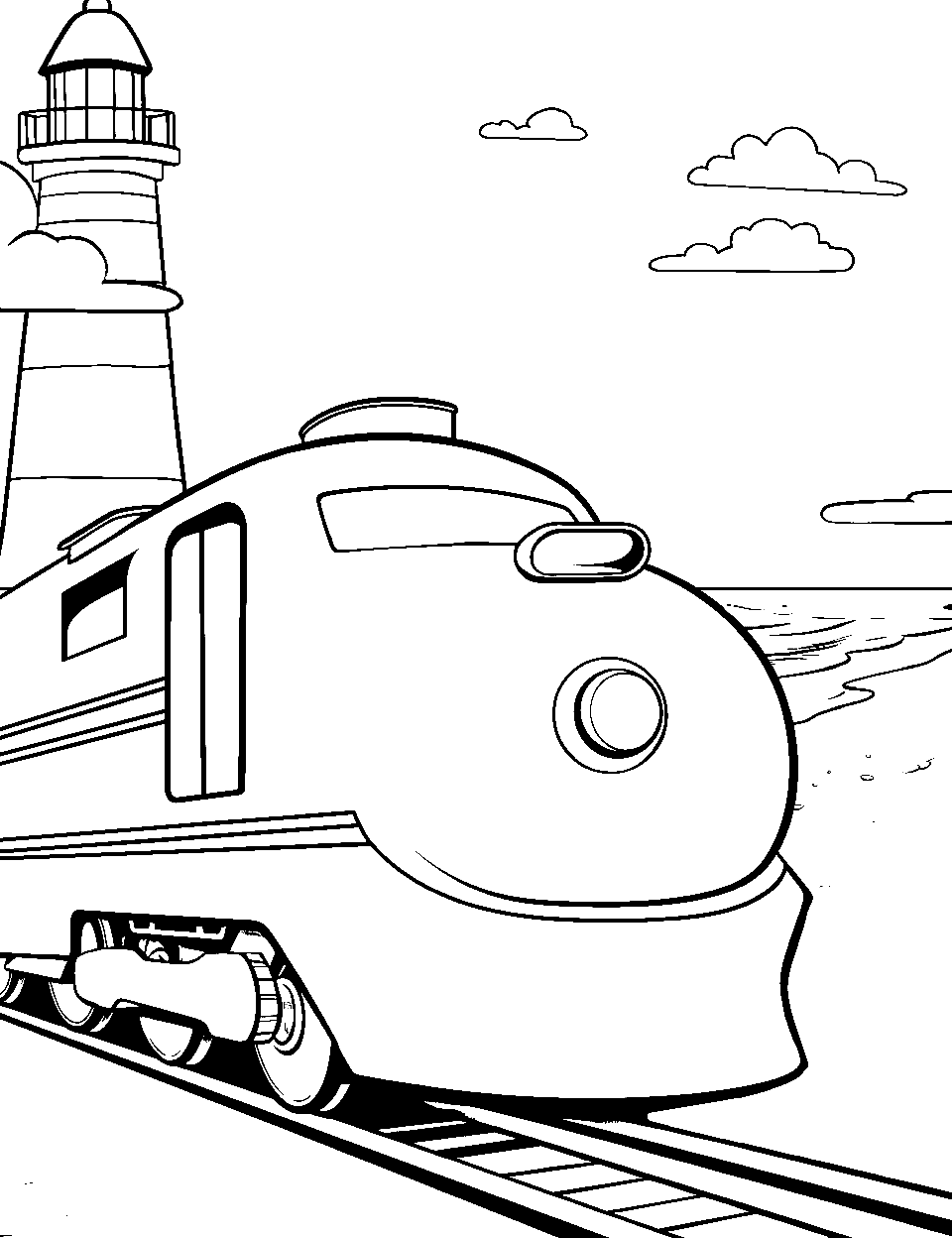
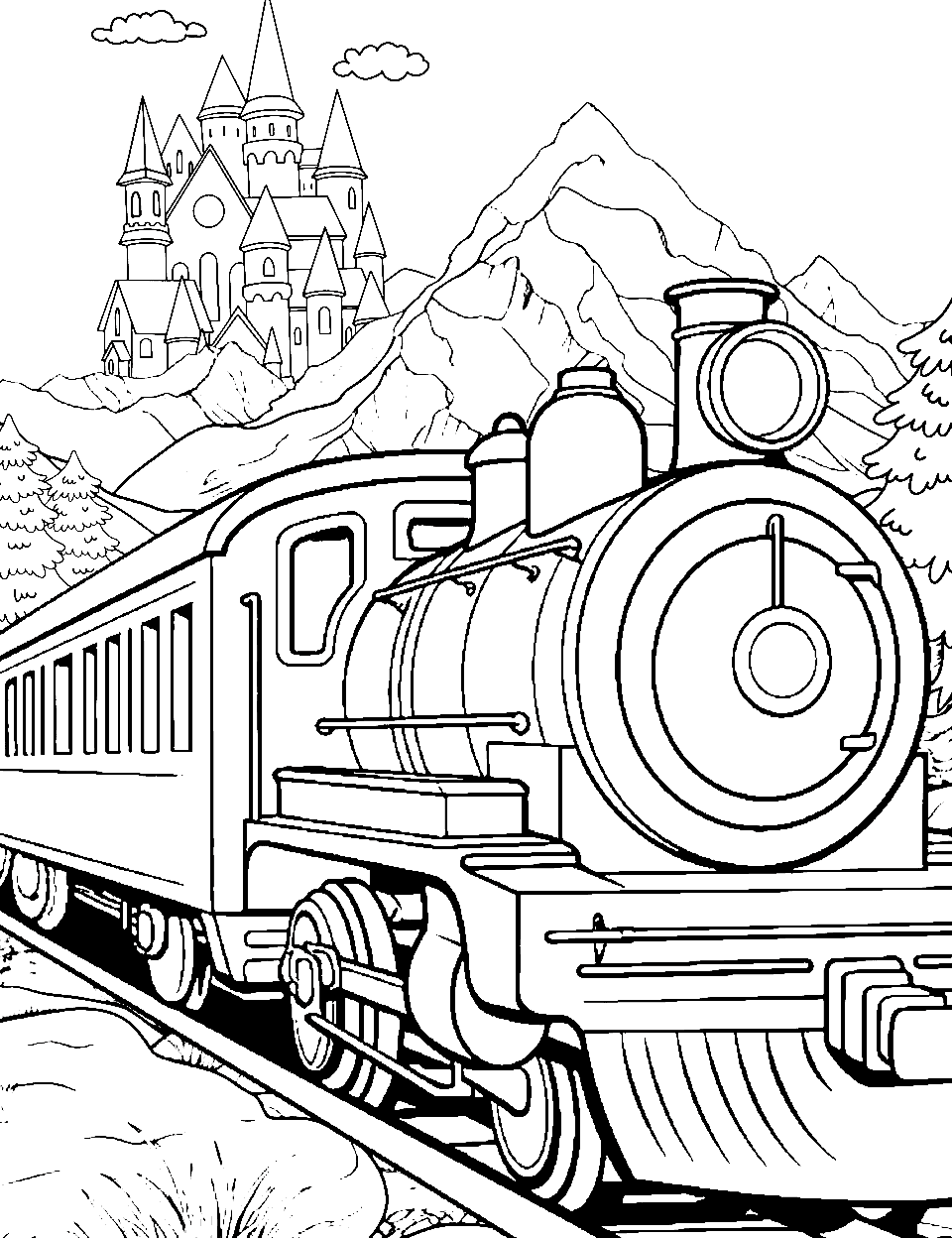
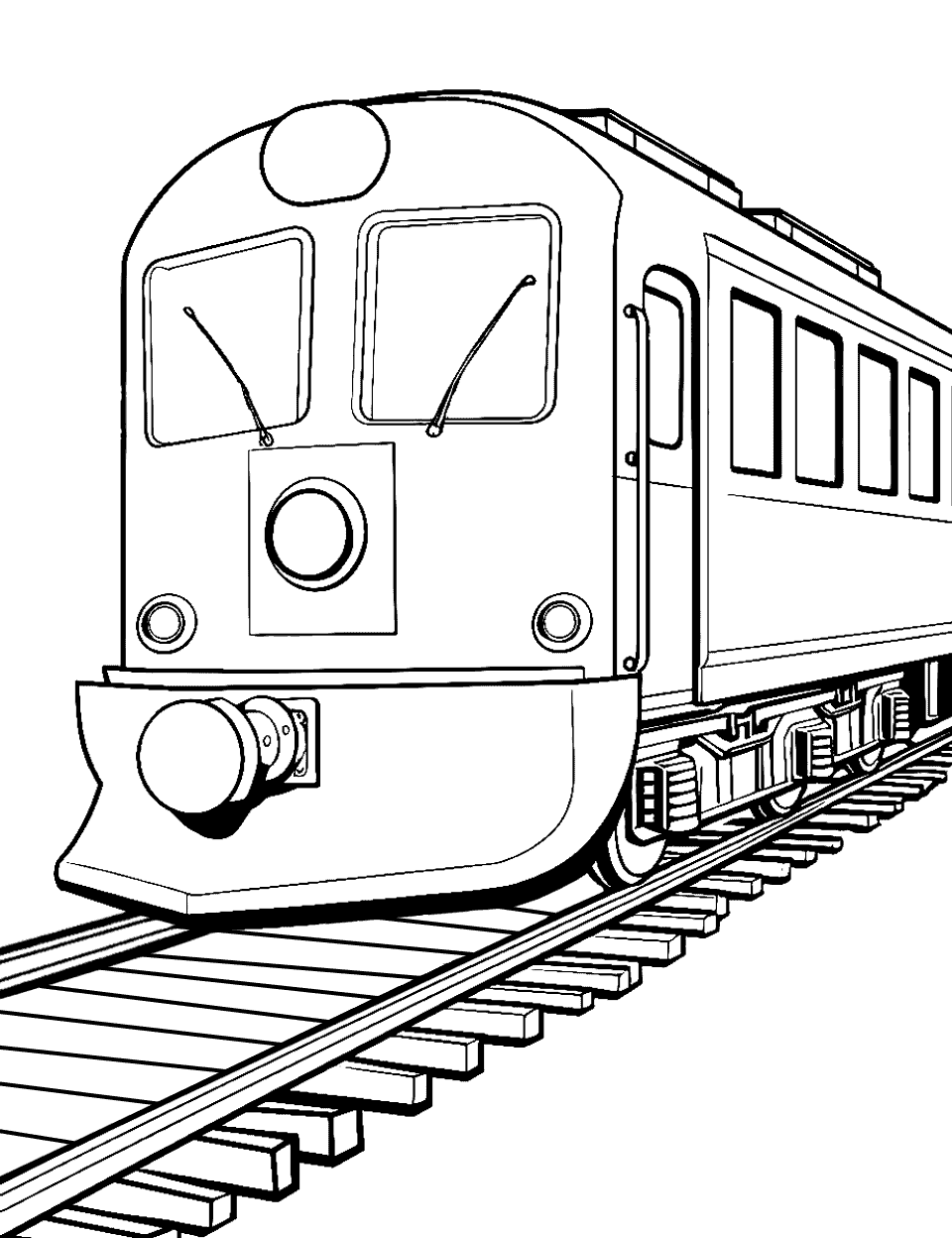
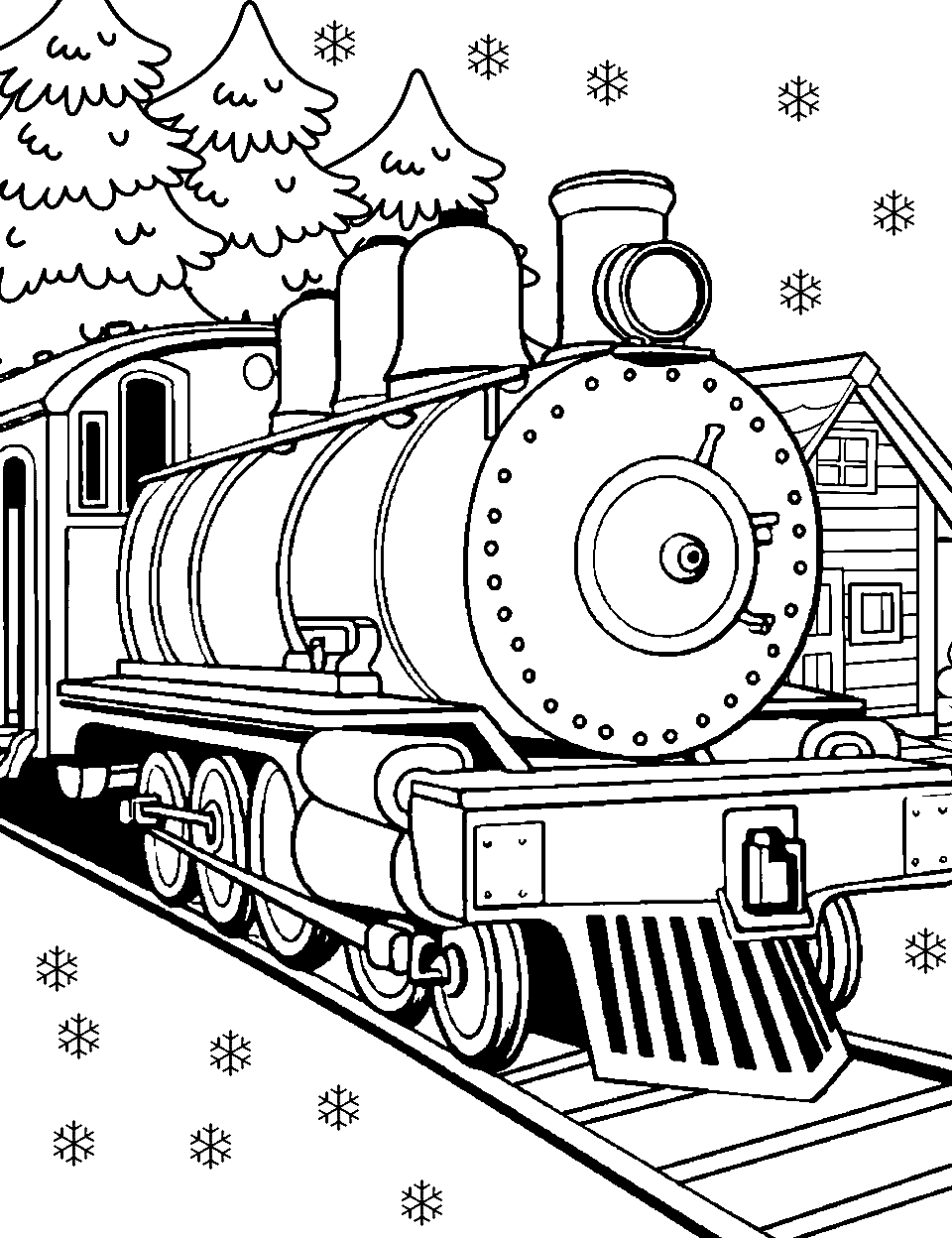
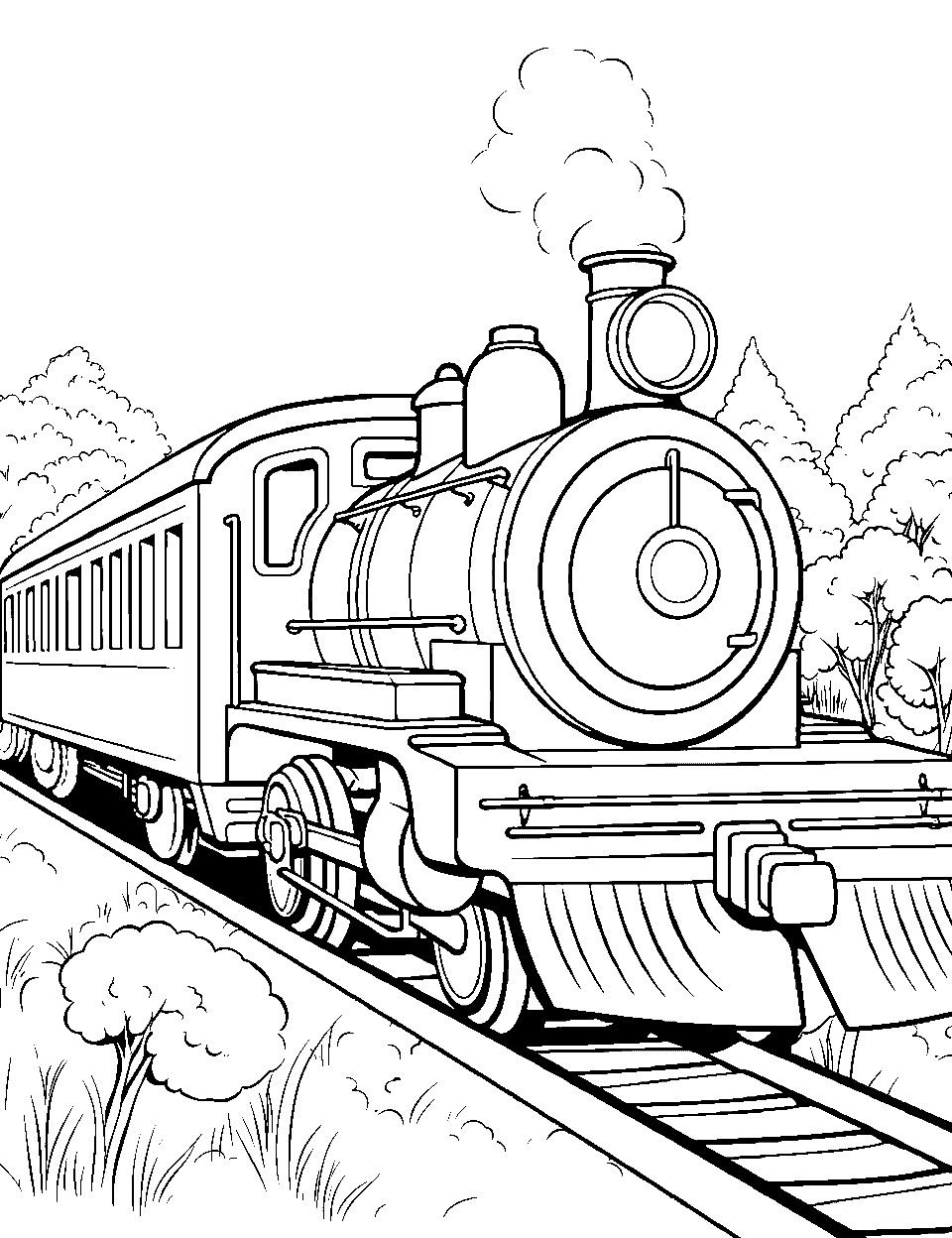
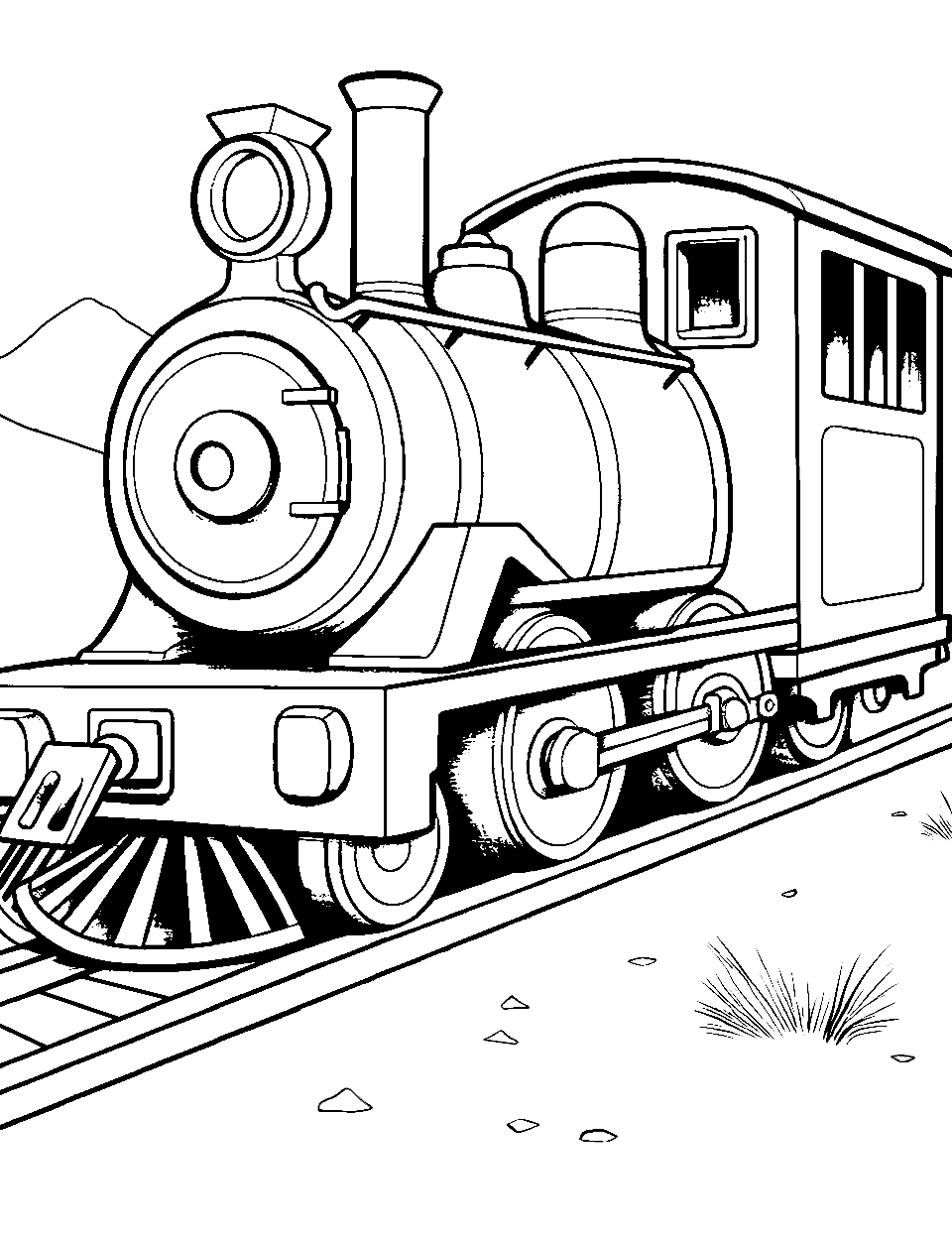
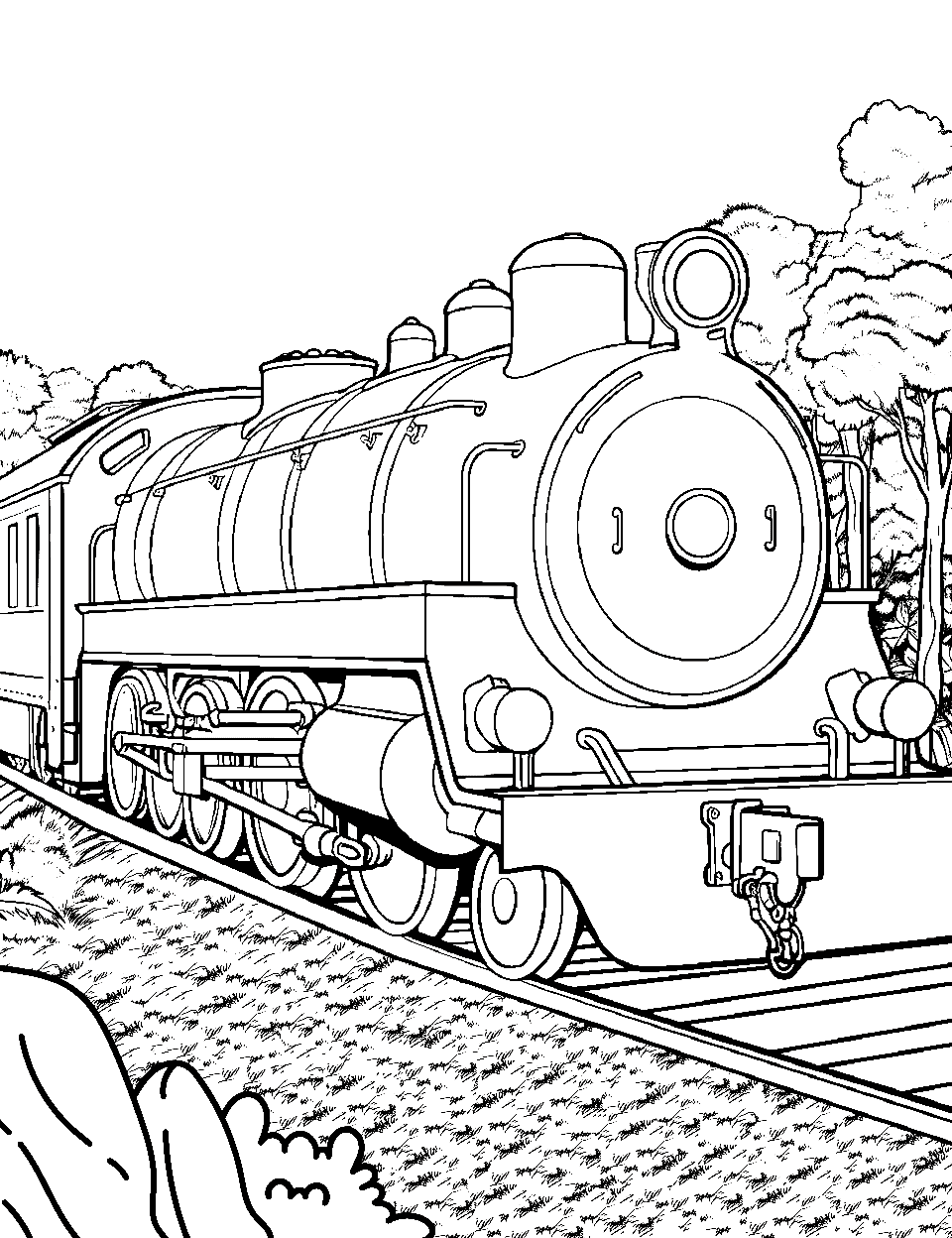
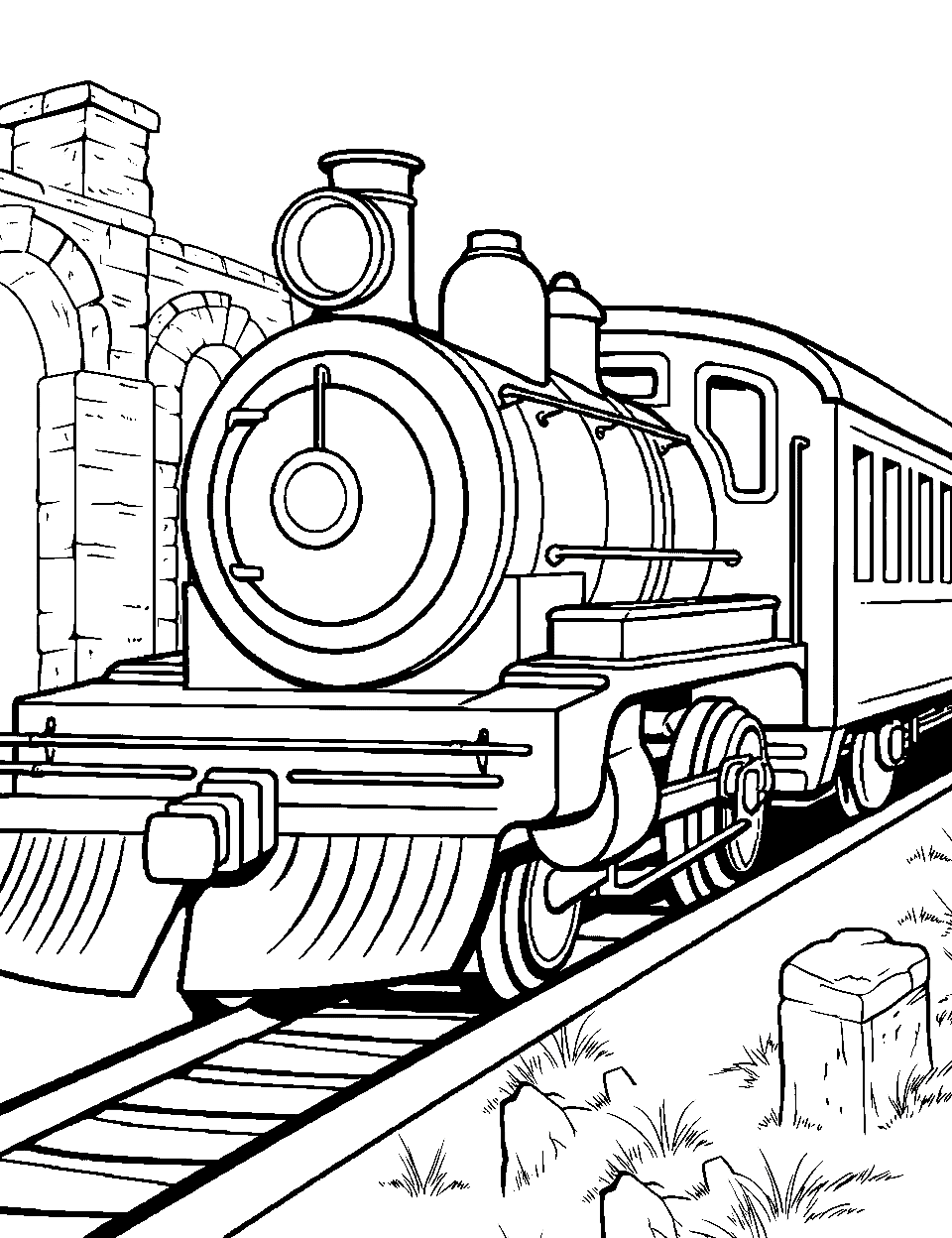
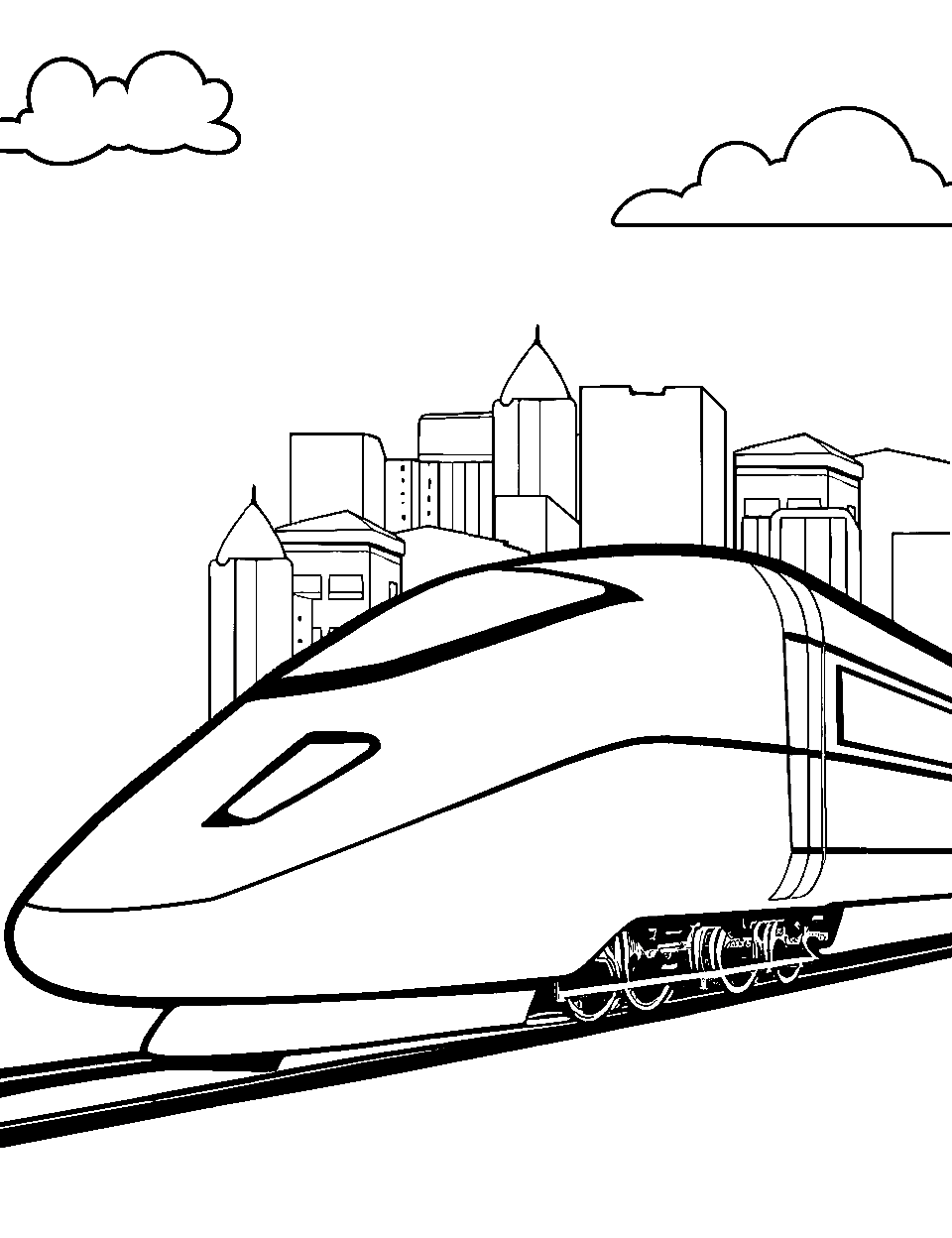
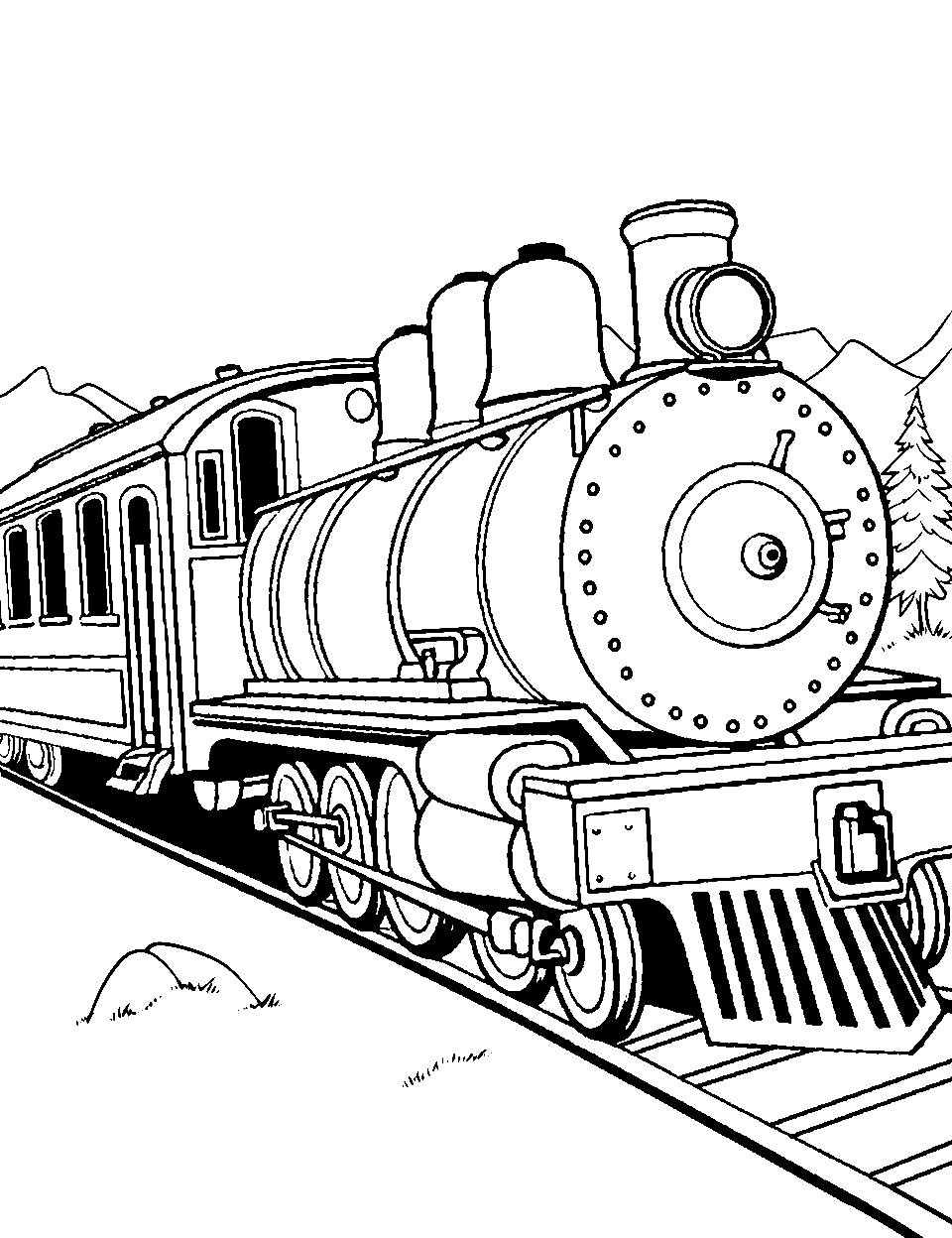
Hop on board and color your way through the tracks with these fun train sheets.
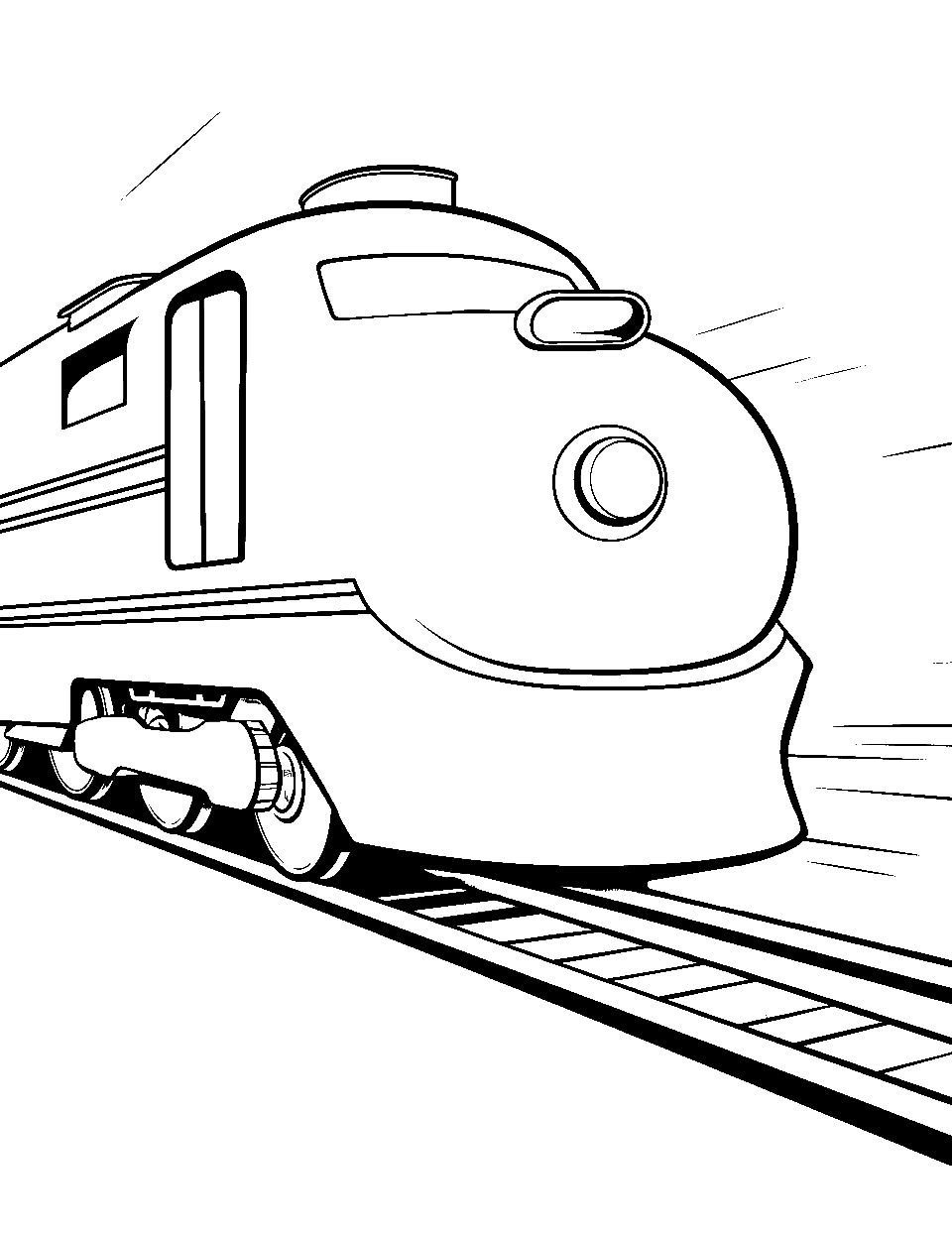
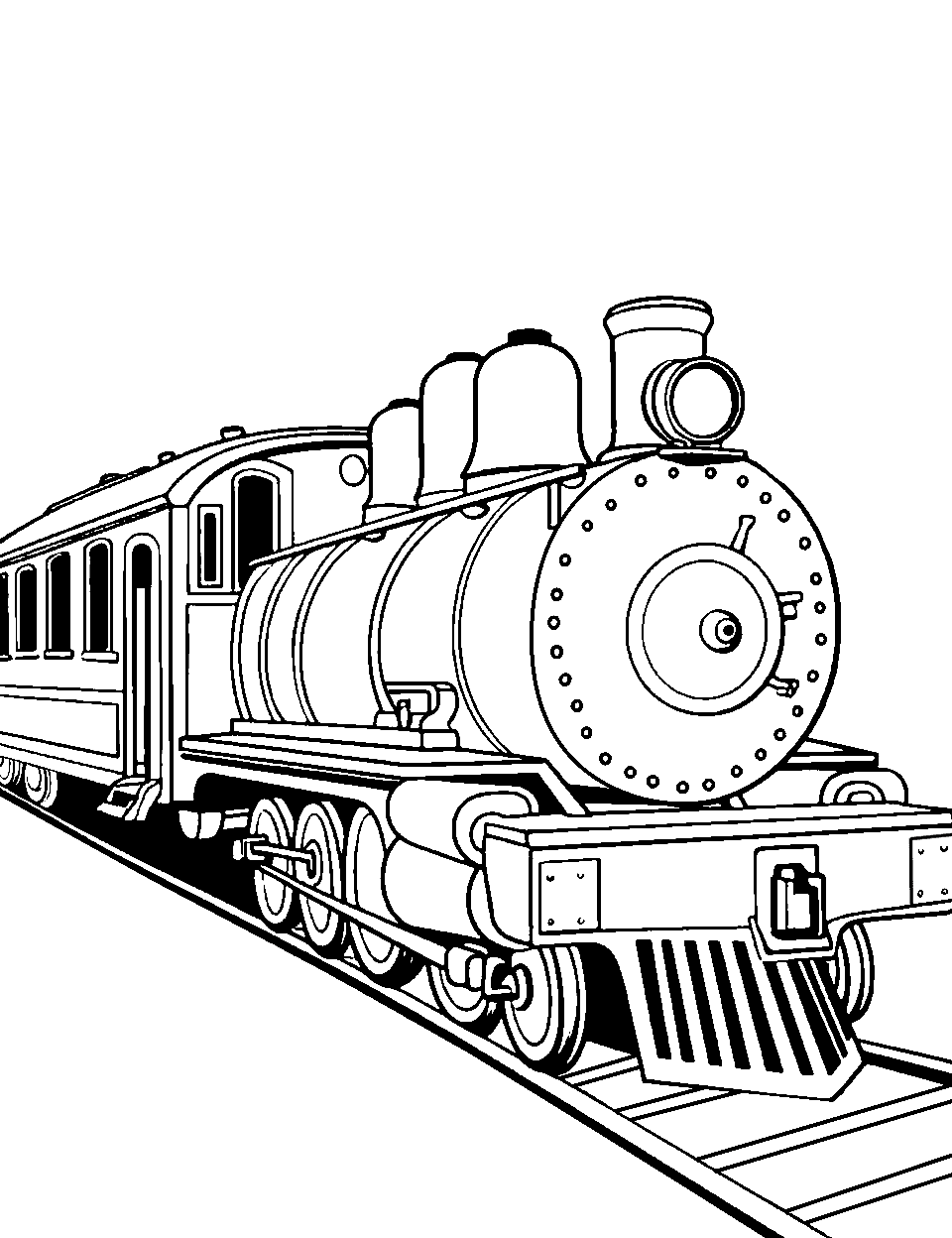
All aboard the creativity express! Whether your little conductor loves Thomas the Tank Engine, futuristic bullet trains, or classic steam locomotives, we have the perfect sheet for them. These free train coloring pages are great for rainy afternoons or teaching kids about different modes of transport. Just download, print, and start coloring your way down the tracks.
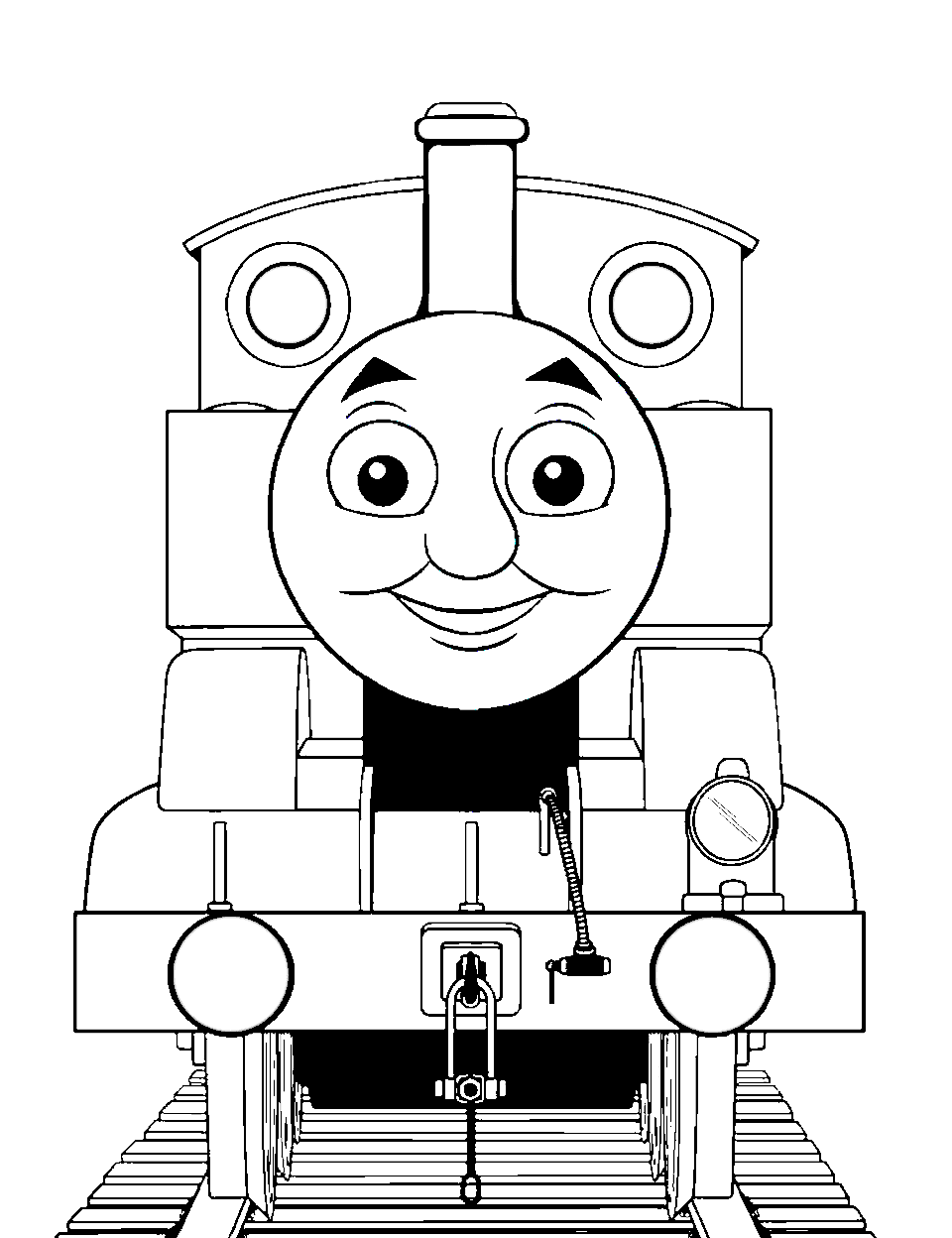
Thomas the Tank Engine
This famous blue steam locomotive smiles happily on the tracks. It is perfect for fans of the classic TV show who want to bring Sodor to life.
By using our free coloring pages, you acknowledge and agree to our full disclaimer. All materials are for personal, non-commercial use only and all rights belong to their respective license holders.
Activities to Do With Train Coloring Pages
Don’t just color and quit! There are plenty of ways to turn these sheets into interactive play. Here are a few creative ideas to keep the fun rolling after the crayons are put away.
Create a Giant Train Wall Banner
Print out several different train cars from our collection. Have your child color them all, cut them out carefully, and tape them together on a hallway wall. You can create a super-long train that stretches from one end of the room to the other.
Design Your Own Tickets
Use the back of the coloring pages or a separate sheet to design train tickets. Kids can write the “destination” (like Grandma’s House or The Moon) and the “price” (one hug). Use the colored train pages as the conductor’s station where passengers must present their tickets.
Make Paper Stick Puppets
After coloring, glue the page onto a piece of cardstock for durability. Cut out the train shape and tape a popsicle stick or a straw to the back. Now your child has a handheld puppet they can “drive” around the furniture, making train noises as they go.
Build a Train Station Collage
Print out a background scene, or have your child draw a large train station on a poster board. Cut out the colored trains and glue them onto the tracks of the station. You can even cut out people from magazines to act as passengers waiting on the platform.
Map the Route
Encourage geography skills by drawing a simple map on a large piece of paper. Place the colored train page on the map and have your child trace a route. They can decide where the train stops, what obstacles it faces, and where the final destination is.
Storytelling Time
Pick a specific train, like the “Magical School Train” or the “Pirate Train.” Ask your child to write or tell a short story about where that specific train is going. Who is driving it? What are they carrying? This builds vocabulary and narrative skills.
FAQs
What Is the Best Paper for Coloring Pages?
Standard printer paper works well for crayons and colored pencils. However, if your child prefers markers or watercolors, use cardstock or heavy-weight paper to prevent the ink from bleeding through to the table.
How Do Train Coloring Pages Help Child Development?
Coloring trains helps improve fine motor skills and hand-eye coordination as children try to stay within the lines of the tracks and wheels. It also provides an opportunity to learn about mechanics, transportation, and geography.
Are These Coloring Sheets Free to Use?
Yes, these coloring pages are completely free for personal and educational use. You can print as many copies as you need for a classroom, a rainy day activity at home, or a train-themed birthday party.
Can I Use Paint on These Coloring Pages?
You can use paint, but you should print the designs on thicker paper like cardstock or watercolor paper. Standard copy paper will crinkle and tear if it gets too wet.
What Colors Are Best for Steam Engines?
Real steam engines were often black, grey, or dark green to hide the soot. However, famous cartoon trains have taught us that engines can be bright blue, red, or green. Let your child’s imagination decide the color scheme!
Do You Have Trains for Toddlers?
Yes, we have several designs specifically for toddlers. Look for the “Toddler’s Toy Train” or simple outlines with thick lines, as these are easier for small hands to color successfully.