Laundry feels like a never-ending cycle when you have a newborn. You might be tempted to grab the cheapest detergent on the shelf to save a few bucks, but your baby’s skin tells a different story. Infants have thin, sensitive skin barriers, and the slightest chemical irritant can lead to rashes and tears.
To save you from that misery, we compared top brands to find the best baby laundry detergents for your child’s unique needs.
We tested these products on real messes and listened to hundreds of parents. We are confident that any of these gentle detergents will be a safe, effective choice for your little one’s laundry.
- Plant-based, vegan ingredients
- Super affordable
- Developed by doctors
- For use in hot or cold water
- No harsh chemicals
- “A” rating from the EWG
- Recommended by pediatricians
- Hypoallergenic
- Developed specifically for babies
- Plant based
- Manufactured using green energy
- Fully biodegradable
- 97% natural ingredients
- Tested by dermatologists
- Concentrated formula
- Removes 99% of stains
- Most recommended by pediatricians
- Hypoallergenic
- Biodegradable
- Safe & effective for cloth diapers
- Rinses out completely
- Certified USDA organic
- No added chemicals
- Safe for delicate skin
- Ultra cheap and fragrant
- Washing machine safe
- Hypoallergenic and gentle
Why Do I Need Baby Laundry Detergent?
Baby laundry detergents contain fewer harsh chemicals than traditional laundry soaps.
Your baby’s skin is sensitive. It hasn’t toughened up against the environmental irritants adults face daily. While regular soaps will clean baby clothes, they often leave a chemical residue behind.
This residue usually doesn’t bother adults, but it can cause skin irritation or allergic reactions in infants.
The skin is the body’s largest organ. Your baby constantly touches laundered fabrics, which increases their exposure to these residues.
Common fabrics your baby touches include:
- Clothing and onesies.
- Crib sheets and blankets.
- Baby towels and washcloths.
- Swaddle blankets.
- Burp cloths.
- Cloth diapers.
If fabrics hold onto harmful irritants, your baby’s skin absorbs them easily. Choosing a laundry detergent designed for babies reduces the chance of chemical exposure and painful breakouts. If you enjoy DIY projects, you can even make your own homemade baby laundry detergent.
Can My Baby Have a Reaction to Detergent?
Yes, babies can react to laundry products. There are two main types of skin reactions (1):
- Skin Irritation: This happens immediately after exposure. It usually looks like a red, itchy rash that disappears shortly after you remove the irritant.
- Allergic Contact Dermatitis: This is a true immune response. It presents as a red, itchy rash, but it doesn’t appear right away. Symptoms can take up to a week to develop as exposure builds up over time.
Types of Baby Laundry Detergents
You can buy laundry detergents in three main forms: liquid, powder, or packs (pods).
Here is how they stack up:
Liquid
Liquid detergent is the most popular type and makes up about 75 percent of sales. It usually comes in a bottle with a spout or tap.
Pros
- Convenient to pre-treat stains.
- Great performance on grease and oil.
- Easy to measure and pour.
Cons
- Can get messy.
- Plastic jugs are not eco-friendly.
- Heavy to carry.
Pro Tip

Powder
Powder detergents typically come in a cardboard box with a scoop. They are great for general stain removal.
Pros
- Generally cheaper per load.
- Cardboard packaging is more eco-friendly.
- Better performance on ground-in dirt.
- Effective in hard water.
Cons
- Messy if spilled.
- Difficult to use for spot-treatment.
- Boxes can tear or get wet.
Packs
Detergent packs, or pods, are pre-measured doses. You toss them directly into the washer drum before adding clothes.
Pros
- Zero measuring error.
- Highly convenient.
- Concentrated cleaning power.
- Easy to transport.
Cons
- More expensive per load.
- High poisoning risk for children.
Safety First
How to Choose Laundry Detergent for Baby
Keep these factors in mind when shopping for a safe detergent:
Regular or High Efficiency
If you own a high-efficiency (HE) washing machine, you must use a detergent approved for it. Look for the “HE” symbol on the packaging. These formulas create fewer suds, rinse cleaner, and prevent damage to your machine’s sensors.

Fragrance- and Dye-Free
Skip the added dyes and fragrances to eliminate potential irritants. These additives do not help clean your baby’s clothes; they only add color or smell. A cleaner rinse is better than a floral scent.

No Brighteners
Optical brighteners are chemicals that stay on the fabric to absorb UV light and make colors appear “brighter.” This is purely a visual trick and does not clean the fabric. Skip these to minimize chemical exposure.

Plant-Based
Choose a plant-based product for a lower environmental impact. While natural ingredients can still cause allergies, they generally carry a lower risk of irritation compared to synthetic petrochemicals.
Liquid or Powder
We recommend avoiding pods due to safety risks. Between liquid and powder, it comes down to preference. Powders are cost-effective and tough on mud, while liquids are easy to pour and great for oil stains.
Product Reviews
We tested top-rated brands to find the safest, most effective baby laundry detergents for your nursery.
Puracy Natural Liquid Baby Laundry Detergent
Best Baby Laundry Detergent for Sensitive Skin
This detergent cleans clothes without harsh additives. Doctors developed the formula, so you know it is safe for allergies and eczema. It is free from sulfates, chlorine, animal byproducts, and optical brighteners.
The plant-based formula is biodegradable and safe for septic systems. It is also compatible with high-efficiency washing machines.
We love that this detergent is ultra-concentrated. The pump bottle makes dosing easy, and the 48-ounce refill pouch covers 192 loads. This brings the price-per-load down significantly compared to other natural brands.
Pros
- Plant-based and vegan.
- Free from common allergens.
- Cost-effective refills.
- Developed by doctors.
Cons
- Plastic pump container is not fully eco-friendly.
Our Ratings
Molly’s Suds Laundry Powder
Best Baby Laundry Detergent for Hard Water
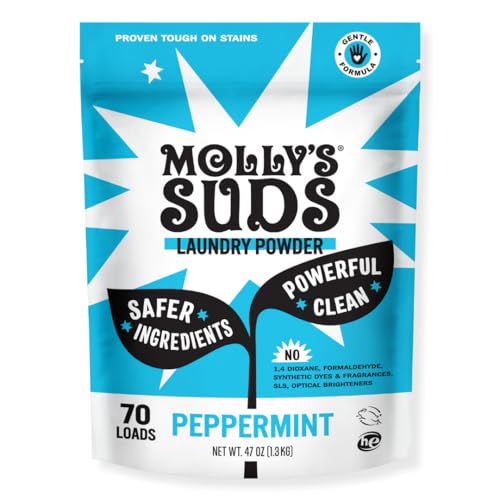
This detergent proves that simple is often better. It uses only five ingredients and skips the harmful chemicals found in standard soaps.
It is certified vegan and uses organic peppermint essential oil for a fresh scent. Don’t worry about the smell lingering; it rinses out completely, leaving clothes neutral and clean.
You can use it in HE or traditional machines, and it works in hot or cold water. We found it exceptionally effective in hard water, where other natural soaps struggle. You only need one tablespoon per load to get the job done.
Pros
- Works in hard or soft water.
- Effective at all temperatures.
- No harsh chemicals.
- Rated “A” by the EWG.
Cons
- Peppermint oil can irritate some sensitive noses.
- Powder packaging can be messy.
Our Ratings
Dreft Stage 1 Hypoallergenic Laundry Detergent
Best Hypoallergenic Baby Laundry Detergent
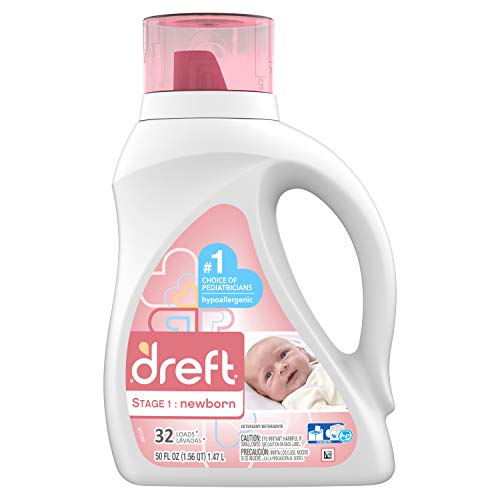
Dreft has been a nursery staple for 80 years and is frequently recommended by pediatricians. The brand formulated this Stage 1 detergent specifically for newborn skin, which differs from adult skin.
It is hypoallergenic and dye-free. While it has a light scent, it is clinically tested to be gentle. It is safe for most baby items, including cotton cloth diapers.
Pros
- #1 Pediatrician-recommended brand.
- Hypoallergenic formula.
- Targeted for newborn needs.
Cons
- High price per load.
- Contains some synthetic surfactants.
- Includes a fragrance.
Our Ratings
ECOS Liquid Laundry Detergent
Best Natural Laundry Detergent for Baby
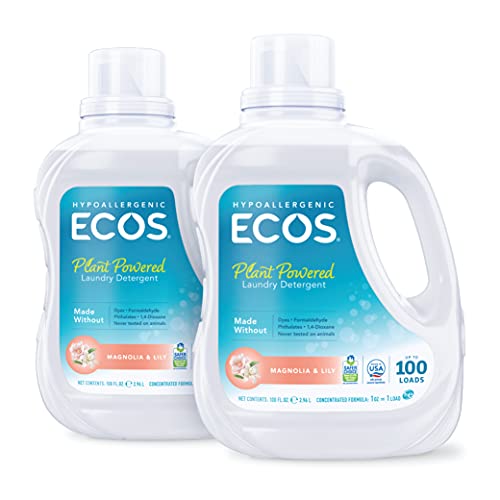
You can feel good about using ECOS. It is manufactured with 100 percent green energy, and the bottle is recyclable.
This plant-based detergent works in both HE and standard machines. The ingredients are cruelty-free, sustainable, and biodegradable.
A built-in fabric softener saves you time and money. Your baby’s clothes come out soft without needing a separate additive in the rinse cycle.
Pros
- Plant-based ingredients.
- Biodegradable formula.
- Made with green energy.
- Built-in softener.
Cons
- Softeners are not safe for cloth diapers (repels moisture).
- Contains a fragrance.
- Plastic bottle packaging.
Our Ratings
Mrs. Meyer’s Baby Laundry Detergent
Best Liquid Laundry Detergent for Baby

Mrs. Meyer’s uses 97 percent natural ingredients. The bottle contains 25 percent recycled materials, which helps reduce waste. The mild scent comes from essential oils rather than synthetic perfumes, reducing the risk of irritation.
Dermatologists tested this formula and confirmed it is gentle on skin. It is highly concentrated; you only need one fluid ounce per load. This listing includes two bottles, so you won’t need to restock for months.
Pros
- 97 percent natural ingredients.
- Dermatologist tested.
- Highly concentrated.
Cons
- Price per load is higher than average.
- Contains scent (essential oils).
Our Ratings
Dreft Pure Gentleness Baby Liquid Laundry Detergent
Best Baby Laundry Detergent for Eczema
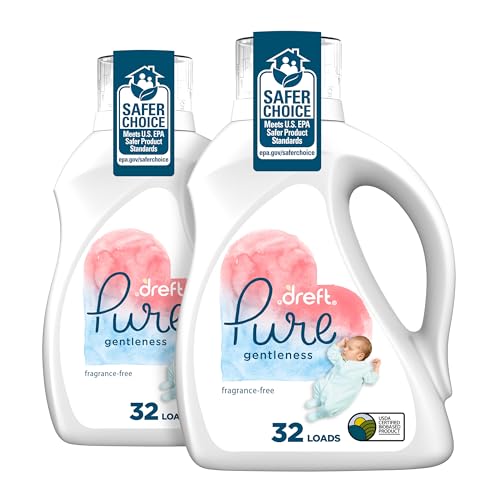
Dreft recognized the need for a plant-based option for highly sensitive babies. This “Pure Gentleness” version is hypoallergenic and contains no dyes that could aggravate eczema.
Dreft claims this formula removes 99 percent of food stains. This is great news for parents starting solids. It works in HE or regular machines, but be sure to measure carefully to get the full cleaning benefit.
Pros
- Strong stain removal.
- Free from dyes.
- Trusted brand history.
- Hypoallergenic for eczema.
Cons
- Only 65 percent plant-based.
- Diluted formula creates more plastic waste.
- Expensive per load.
Our Ratings
Rockin’ Green Classic Rock Detergent
Best Baby Laundry Detergent for Diapers

Choosing the best detergent for cloth diapers is tricky, but Rockin’ Green nails it. It rinses out completely, which prevents “repelling” issues where diapers stop absorbing liquid.
You can use it in hot or cold water. It is biodegradable and free from fillers, dyes, and brighteners. This reduces the risk of diaper rash. It is also plant-based and cruelty-free.
Pros
- Biodegradable.
- Designed for cloth diapers.
- Rinses clean with no residue.
- No optical brighteners.
Cons
- Struggles in very hard water.
- Bag closure can be faulty.
Our Ratings
Grab Green Natural 3-in-1 Laundry Detergent
Best Powdered Baby Laundry Detergent
This hypoallergenic powder is safe for septic systems and works in any machine. It cleans effectively in both hot and cold cycles.
It is non-toxic and skips phosphates, chlorine, and brighteners. It is cruelty-free, biodegradable, and eco-friendly. The formula relies entirely on plant and mineral ingredients to lift stains.
Pros
- Biodegradable.
- Eco-friendly.
- Hypoallergenic.
- Septic safe.
Cons
- Strong fragrance.
- Packaging tears easily.
Our Ratings
Seventh Generation Concentrated Baby Laundry Detergent
Best Organic Baby Laundry Detergent
This is a great choice for parents who want to go as natural as possible. The botanical formula is 96 percent biobased and hypoallergenic, making it safe for delicate skin.
The concentrated liquid contains no harsh additives, making it safe for cloth diapers. Seventh Generation uses recyclable materials for its packaging. It works in HE and regular machines, and one bottle lasts up to 53 loads.
Pros
- High biobased content.
- No hidden chemicals.
- Works in all machines.
- Recyclable packaging.
Cons
- Natural scent is polarizing for some.
Our Ratings
Purex Liquid Laundry Detergent for Baby
Best Smelling Laundry Detergent for Babies

Dermatologists tested this Purex detergent to ensure safety. It is hypoallergenic and dye-free, so it is less likely to cause rashes despite having a fragrance.
You can use it in any machine. The low price makes it an exceptional value for families on a budget who still want a baby-specific product.
Pros
- Very affordable.
- Pleasant baby scent.
- Compatible with all machines.
- Hypoallergenic.
Cons
- Contains synthetic surfactants.
- Measuring cap can be messy.
- Not a natural product.
Our Ratings
Types of Irritants in Laundry Detergent
Manufacturers do not always list every ingredient, which makes it hard to identify toxins. Unless you have a chemistry degree, reading the label is confusing.
This happens because:
- Ingredients are often “trade secrets” and stay off the label.
- Some hazards build up over time in the environment.
- Chemical interactions create new byproducts.
- One chemical can have dozens of different names.
Even “natural” advice is conflicting. Many DIY recipes use borax, but the Environmental Working Group advises against it (3).
To play it safe, look for these traits:
- Dye-free and fragrance-free.
- No “optical brighteners.”
- Plant-based ingredients.
- Biodegradable formulas.
Baby Laundry Detergent FAQs

What Ingredients Should Not Be in Baby Detergent?
Avoid sulfates, parabens, and optical brighteners. These harsh chemicals can strip the skin of natural oils. Also, be wary of fabric softeners included in detergents; they coat fabrics and can trap irritants against your baby’s skin.

Is Powder or Liquid Detergent Better for Babies?
Liquid detergent is usually better because it rinses out easier. However, if you have hard water, Molly’s Suds Powder is a great choice because it dissolves well. If you prefer powder, Grab Green is a solid hypoallergenic option.

Is It Ok to Use Regular Laundry Detergent for Baby Clothes?
We generally advise against it. Regular detergents use harsher enzymes and stronger fragrances than baby formulas. These can trigger allergic reactions or rashes on newborn skin. Stick to a gentle, free-and-clear detergent for the first year.

What Can I Use Instead of Baby Laundry Detergent?
You can make a DIY version, though it is often messy. You will need a bar of sensitive-skin soap (grated), washing soda, and baking soda. Mix them in a food processor to create a powder. Note that this might not clean heavy stains as well as commercial enzymes.

What Detergent Is Best for Baby Clothes?
For most babies, we recommend Puracy Natural Liquid because it is plant-based and extremely gentle. If you want a strictly organic option, ECOS Laundry Detergent is a top contender.

Do I Need to Wash New Baby Clothes?
Yes, always wash new clothes before your baby wears them. Manufacturers often treat fabrics with chemicals to prevent wrinkles or mildew during shipping. Washing removes these residues and ensures the fabric is safe for your baby’s skin.