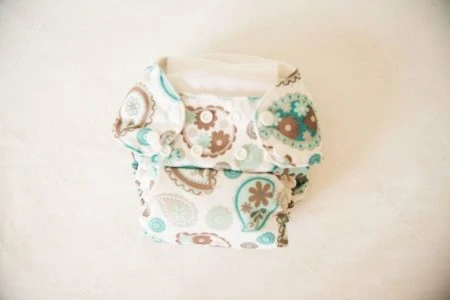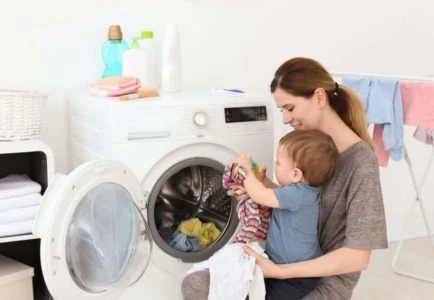
We realized we wanted total control over what touched our baby’s skin. The solution? Making our own safe, effective, and surprisingly cheap laundry detergent.
We will walk you through why baby-specific detergent matters, share our favorite simple DIY recipe, and review the best store-bought alternatives for when life gets too busy to grate soap.
Key Takeaways
- Sensitive skin priority: Baby detergents lack optical brighteners and harsh enzymes that trigger eczema or rashes.
- DIY control: Making your own detergent ensures you know exactly what ingredients touch your baby, often for a fraction of the cost.
- Label literacy: Look for “hypoallergenic,” “plant-based,” and “fragrance-free” labels on store-bought options.
- Top brands: If you aren’t DIYing, brands like Seventh Generation and Babyganics offer safer, bio-based alternatives to standard soaps.
What’s Different About Baby Detergent?
If you glance at a standard detergent bottle, you will see complex chemical names like sodium dodecyl benzenesulfonate or optical brighteners. Unfortunately, you might find similar ingredients in some commercial baby laundry detergent brands too.
So, do you really need a separate bottle for the baby? The short answer is: not necessarily, but the formulation matters.
Your baby will snuggle against your shirt constantly. It is unnecessary to wash your clothes separately from your baby’s clothes, but it is smart to switch the whole family to a gentler option.
Detergents formulated for babies are milder. They generally skip the harsh stain-lifters, synthetic fragrances, and dyes found in “regular” tide-style pods. These changes protect your baby’s delicate skin barrier, and honestly, your skin will probably prefer it too.
The 3 Keys to Making a Good Baby Laundry Detergent
You can read countless reviews, but the “best” detergent usually depends on your specific water type and washing machine. However, there are three non-negotiable factors to look for:
- Gentle formula: Babies are prone to skin allergies or eczema (1). You need a detergent specifically designed to be hypoallergenic to avoid causing flare-ups.
- Natural, non-toxic ingredients: Always verify the back label. You want plant-based surfactants rather than petroleum-based ones. You can use databases like the EWG to decode the ingredient list (2).
- Cleaning power: Your baby will produce an impressive amount of mess on their clothes. From spit-up to poop blowouts, the detergent needs actual cleaning enzymes to break down biological stains.
If you are using cloth diapers, the stakes are higher. Detergents with too many additives or oils can cause buildup, causing the diapers to repel liquid rather than absorb it.
How to Make Your Own Baby Laundry Detergent
The only way to know 100% of the ingredients in your wash is to mix them yourself. Homemade detergent allows you to control the pH levels and scent, making it a top choice for families with severe allergies or chemical sensitivities.
Finding a recipe isn’t difficult. A quick search online provides endless variations. However, we tested them to find the one that actually works.
Beyond safety, the biggest benefit is the price tag. Making a five-gallon bucket of detergent often costs less than a single small bottle of the premium store-bought stuff.
Common DIY Ingredients (and Where to Find Them)
Most homemade recipes rely on a few staple ingredients to boost alkalinity and scrub away dirt. Here is what you need and where to grab it:
- Washing soda: This is chemically known as soda ash (sodium carbonate). It cuts grease effectively. You can find it at hardware stores or in the laundry aisle.
- Pure castile soap: This olive-oil-based soap comes in bars or liquid form. It is ultra-gentle. Look for Dr. Bronner’s or similar brands at Target or Whole Foods.
- Borax: A naturally occurring mineral, borax acts as a laundry booster and water softener. You can find it at almost any big-box store.
- Baking soda: Good old sodium bicarbonate helps deodorize clothes. You can grab bulk baking soda at the grocery store.
- Essential oils: If you want a scent without synthetic chemicals, add a few drops of lavender or chamomile. Just ensure they are pure and safe for infants.
Best Homemade Baby Laundry Detergent Recipe
This recipe strikes the perfect balance: it is tough enough to handle spit-up stains but gentle enough to leave no irritating residue.
Ingredients:
- 15 ounces bar soap (we recommend pure castile soap, Zote, or Sunlight)
- 1 1/2 cups borax
- 2 3/4 cups of washing soda
- 1 cup baking soda
Instructions:
- Chop the bar soap into small cubes. Alternatively, use a standard cheese grater to shred it.
- Place the soap pieces and some of the washing soda into a food processor. Pulse until you have a fine, crumbly powder.
- Pour the mixture into a large bowl. Stir in the remaining washing soda, borax, and baking soda.
- Store the finished detergent in a sealed, dry container (like a mason jar or old coffee tub).
Using Your Homemade Detergent
Use two tablespoons of powder per standard load. If the clothes are heavily soiled (hello, diaper leaks), bump it up to three tablespoons.
Pro tip: If you have a High-Efficiency (HE) washer or wash exclusively in cold water, dissolve the powder in a cup of hot water before tossing it into the drum. This prevents grainy residue on your clothes.
If you prefer a liquid version, check out this tutorial:
What to Purchase if You Don’t Want to DIY
Parenting is exhausting. Sometimes you barely have time to shower, let alone grate soap bars in the kitchen. There is no shame in buying pre-made detergent; just make sure you pick the right one.
Here are the best commercial options that mimic the safety profile of homemade versions.
1. Dreft

Dreft is the “classic” baby detergent choice. It has been a staple in nurseries since 1933 and is likely what your grandmother used.
Why buy it: It cleans effectively and is widely available. It is hypoallergenic, but note that it does contain fragrance. If you love that “new baby smell,” this is the detergent that provides it. However, if your baby has eczema, the added fragrance might be a trigger.
2. Babyganics

Babyganics focuses on plant-based cleaning power. Their 3x concentrated formula goes a long way.
Why buy it: It is formulated without optical brighteners, chlorine, or phthalates. It is also safe for cloth diapers, which is a huge plus. The “fragrance-free” label is genuine here; it smells like nothing, which is exactly what you want for sensitive skin.
3. Seventh Generation

Seventh Generation is a powerhouse in the natural cleaning world. This detergent is a USDA-certified biobased product (97% plant-based).
Why buy it: It utilizes triple-enzyme technology to fight stains, which is rare for “natural” detergents. While the one linked here has a mild scent derived from essential oils, they also offer a “Free & Clear” version that is arguably the gold standard for eczema-prone skin.
4. Mrs. Meyer’s Clean Day
Mrs. Meyer’s baby laundry detergent is a favorite for parents who want natural ingredients but still want their laundry to smell nice.
Why buy it: It uses biodegradable surfactants derived from plants. The scent comes from essential oils rather than synthetic perfumes. It effectively removes dirt, though it may struggle slightly with heavy protein stains compared to enzymatic cleaners like Seventh Generation.
FAQs

How Long Do Babies Need Their Own Detergent?
Babies typically benefit from their own mild detergent for the first 6 to 12 months. This period is when their skin barrier is still developing and is most susceptible to irritation. If your child has no skin issues by their first birthday, you can slowly transition them to the family detergent.

Can I Use Normal Detergent for Baby Clothes?
Yes, but you must be selective. You can use “normal” family detergent if it is free of dyes, optical brighteners, and synthetic fragrances. Many dermatologists recommend brands like “All Free Clear” or “Tide Free & Gentle” for the whole family, including newborns.

What Is the Best Laundry Detergent for Babies?
The best detergent depends on your baby’s skin sensitivity. For pure safety and zero irritation, Seventh Generation Free & Clear is a top contender. If you prefer a classic baby scent and strong stain removal, Dreft is popular, though it is not fragrance-free.

Is Borax Safe to Use in Baby Laundry Detergent?
Borax is generally safe for laundry when rinsed out thoroughly. It is a natural mineral that boosts cleaning power. However, it can be a skin irritant in high concentrations. Ensure your washing machine runs a full rinse cycle so no powder residue remains on the baby clothes.
How Do I Get Poop Stains Out of Baby Clothes Naturally?
The sun is your best friend for natural stain removal. Wash the item with your gentle detergent, and then hang it wet in direct sunlight. The UV rays break down the bilirubin in the poop, bleaching the stain naturally without chemicals.