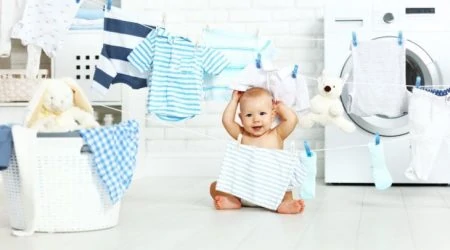
Finding a detergent that tackles dirty cloth diapers without irritating your baby’s skin is a challenge. You need something strong enough to clean human waste but gentle enough to preserve the fabric’s absorbency.
The wrong choice can lead to repelling issues, rashes, or the dreaded “barnyard smell.” We’ve analyzed ingredients, scoured forums, and tested top contenders to bring you the best cloth diaper detergents on the market. These picks are effective, safe for your washing machine, and ready to handle the messiest jobs.
- A little goes a long way
- Exceptional cleaning power
- Great option for hard water
- Eco-friendly, non-toxic formula
- Super concentrated
- Won’t leave residue
Do I Need Special Cloth Diaper Detergent?
You definitely need a detergent safe for cloth diapers, but you don’t necessarily need a “specialty” brand.
In fact, many boutique detergents marketed specifically for cloth diapers are too weak. They often fail to clean deep fibers, leading to bacterial buildup and ammonia issues.
For most families, a strong, conventional baby laundry detergent found at the grocery store works best. The key is finding one free of fabric softeners and heavy additives that coat fibers.

What Do I Need to Know?
Your wash routine depends heavily on your home’s water type and your machine. Consider these factors before stocking up.

Type of Washing Machine
High-efficiency (HE) machines use less water, so they rely on mechanical agitation and specific detergents. If you have an HE loader, you must use an HE-safe detergent. Regular detergents create too many suds, which cushions the diapers and prevents them from rubbing against each other to get clean.

Plant-Based or Synthetic
Synthetic detergents (like Tide) contain powerful surfactants that lift heavy soils easily. Plant-based options are eco-friendly and gentler on skin, but they often require hot water and a larger dose to clean human waste effectively.
If Your Baby Has Sensitive Skin
If your baby has sensitive skin, look for “Free & Clear” versions. These remove dyes and perfumes which are common allergens. However, you might need to use more detergent to get the same cleaning power as the scented versions.

How Much You Want to Spend
Cloth diapering saves money, but detergent adds up. Powders are generally cheaper per load than liquids or pods. Since you wash diapers every 2 to 3 days, bulk buying is usually the smartest financial move.

Hard or Soft Water
This is the most critical factor. Mineral deposits from hard water trap bacteria in the fabric. Test your water with test strips. If your water hardness is over 120 ppm, you need a powder detergent or a liquid detergent paired with a water softener like Borax or Calgon.
How to Choose a Cloth Diaper Detergent
Scan the ingredient label for these three cleaning powerhouses to ensure your diapers actually get clean.
- Enzymes: These proteins “eat” stains. Protease targets protein (poop), and amylase targets starches. Detergents with enzymes are superior at breaking down organic messes.
- Surfactants: These are the cleaning agents that lift dirt from the fabric and suspend it in the water. Look for a high concentration of surfactants to ensure waste flushes away completely.
- Water Softeners: Ingredients like sodium carbonate help the detergent work in hard water. Powder detergents usually contain more built-in softeners than liquids.
Product Reviews
We’ve rounded up the top performers to help you tackle the toughest messes without ruining your stash.
Seventh Generation Ultra Power Plus
Best Natural Detergent for Cloth Diapers

Seventh Generation Ultra Power Plus proves you don’t need harsh chemicals to get a deep clean. This plant-based formula uses a triple-enzyme blend to break down starch, protein, and grease, making it surprisingly effective against diaper messes.
It is free from dyes, artificial fragrances, and optical brighteners. This makes it a fantastic choice for parents worried about chemical residue sitting against their baby’s skin. It’s also biodegradable and greywater safe.
Because it is plant-based, it works best in hot water wash cycles. You may also need to use slightly more than the recommended cap line to handle a full load of soiled diapers properly.
We found it rinses out cleanly, leaving no soap scum behind. This helps prevent the need to strip cloth diapers down the road.
Pros
- Contains stain-fighting enzymes.
- Hypoallergenic and fragrance-free options available.
- EPA Safer Choice Certified.
- Plastic-efficient packaging.
Cons
- More expensive than generic brands.
- Harder to find in standard grocery stores.
Our Ratings
Tide Powder Detergent
Best Tide Detergent for Cloth Diapers

Tide Original Powder is widely considered the gold standard in the cloth diaper community. Its formulation is incredibly robust, tackling heavy soils and preventing ammonia buildup better than almost any other commercial detergent.
It works well in both hot and cold water, though warm-to-hot is best for diapers. The powder format includes water softening ingredients, which makes it forgiving if you have moderately hard water (up to 180 ppm) without needing extra additives.
This detergent is readily available and relatively affordable. It rinses out easily, which prevents the residue that causes leaks.
If you are struggling with “stink issues” or persistent stains, switching to Tide Powder is often the quickest fix.
Pros
- Superior stain removal.
- Handles hard water well.
- Widely available in stores.
- Prevents barnyard smells.
Cons
- Strong scent might irritate sensitive noses.
- Heavy box is hard to carry.
Our Ratings
Rockin' Green Natural Laundry Detergent Powder
Best Bulk Pick

Rockin’ Green is formulated specifically for the unique challenges of cloth diapering. This “Classic Rock” version is designed for those with soft-to-moderate water.
It is highly concentrated, meaning you only need a tablespoon or two per load. This reduces packaging waste and makes the bag last much longer than you’d expect. The formula is free from phosphates, parabens, and optical brighteners, making it very gentle on baby skin.
Because it leaves virtually no residue, it is excellent for preserving the absorbency of microfiber and bamboo inserts. It rinses strictly clean, which helps reduce the risk of rashes.
However, if you have very hard water, you should look for their “Hard Rock” version instead to prevent mineral buildup.
Pros
- Specifically made for cloth diapers.
- Rinses extremely clean.
- Vegan and biodegradable.
- No fillers or dyes.
Cons
- Price per load is higher than grocery store brands.
- Scoop not always included.
Our Ratings
Charlie’s Soap Laundry Detergent
Best for Large Loads

Charlie’s Soap is a cult favorite for parents who want a no-nonsense, minimalist detergent. It contains no lye, phosphates, bleach, or dyes. The formula relies on natural mineral ingredients to clean deep into fabric fibers.
One bag covers up to 100 loads, making it very economical. It is famous for being residue-free, which is vital for preventing leaks in pocket diapers and all-in-ones.
It is also septic-safe and biodegradable. Because it doesn’t use artificial fragrances, your diapers come out smelling like nothing at all, clean and neutral.
Note that because it is so efficient at stripping oils, some babies with extremely sensitive skin may need an extra rinse cycle to ensure every trace is gone.
Pros
- Hypoallergenic formula.
- Dissolves completely in cold water.
- Concentrated powder saves space.
- Safe for high-tech fabrics.
Cons
- Can cause rashes in rare cases if not rinsed thoroughly.
Our Ratings
Tide Free & Gentle Detergent
Best for Sensitive Skin
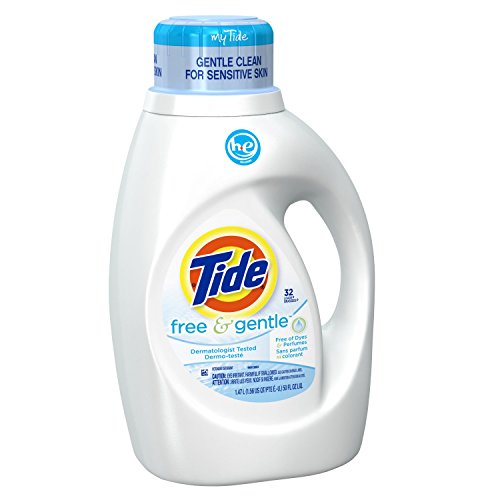
If you want the cleaning power of a major brand without the heavy perfumes, Tide Free & Gentle is the top contender. It is dermatologist-recommended and free from dyes and phosphates.
This detergent maintains a high level of surfactants and enzymes, allowing it to break down biological messes effectively. It is much stronger than most “natural” free-and-clear alternatives.
It is HE-compatible and works in all water temperatures. Because it lacks some of the harsh chemical softeners found in standard Tide, it is safer for babies prone to eczema or contact dermatitis.
Keep in mind you may need to use line 4 or 5 on the cup for a main diaper wash to ensure sufficient cleaning power.
Pros
- No perfumes or dyes.
- Recognized by the National Eczema Association.
- Strong cleaning agents.
- Widely available.
Cons
- Synthetic formula.
- Slightly more expensive than standard Tide.
Our Ratings
Tide Liquid HE Turbo Clean
Best Regular Detergent for Cloth Diapers
Tide Liquid HE Turbo Clean is designed to prevent over-sudsing in modern washing machines. This is crucial for cloth diapers because excess suds cushion the fabric, preventing the friction needed to scrub out poop.
This formula collapses suds quickly, ensuring a thorough rinse. It saves time and water compared to cheaper detergents that require multiple extra rinse cycles.
It works exceptionally well on stains and general grime. You can use it for the whole family’s laundry, simplifying your shopping list.
However, unlike the powder version, liquid Tide does not contain built-in water softeners. If you have hard water, you will likely need to add a separate water softener to your load.
Pros
- Quick-collapsing suds.
- Excellent stain removal.
- Works well in cold water.
Cons
- Requires water softener additive in hard water.
- Plastic jug waste.
Our Ratings
Arm & Hammer Plus OxiClean
Best with Enzymes

Arm & Hammer Plus OxiClean combines baking soda with oxygen boosters to tackle odors and stains simultaneously. It is a powerhouse against the ammonia smell that can plague cloth diapers.
The addition of enzymes targets protein-based stains (like poop) and starches. It acts as a whitener without using chlorine bleach, which can damage diaper elastics and waterproofing (PUL) over time.
This detergent is budget-friendly and effective in standard and HE machines. The scent is noticeable, so it keeps diapers smelling fresh, though it might be too strong for some.
It is a great middle-ground option for parents who want more power than a budget brand but don’t want to pay premium prices.
Pros
- Brightens dull fabrics.
- Fights odors effectively.
- Affordable price point.
- Contains stain-fighting enzymes.
Cons
- Not fragrance-free.
- Contains sodium lauryl sulfate (SLS).
Our Ratings
Gain Liquid Original Scent Detergent
Best for Soft Water
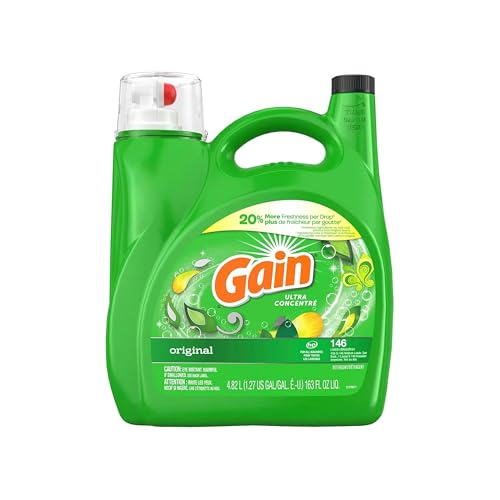
If you love scented laundry, Gain is the go-to. It cleans effectively and leaves a lasting, fresh aroma. For cloth diapers, this can be a bonus if you are sensitive to any lingering “dirty” smells.
Gain Liquid is particularly good for families with soft water. It rinses relatively clean and doesn’t create uncontrollable suds in HE machines. It effectively removes solids and oils, preventing repelling issues.
However, the high fragrance content is a double-edged sword. While it smells great, it can cause irritation on very sensitive baby skin. Watch for any redness in the diaper area when first switching to this brand.
Pros
- Long-lasting fresh scent.
- Controls suds well in soft water.
- Lift-and-lock stain technology.
Cons
- High fragrance load can irritate skin.
- Not eco-friendly.
Our Ratings
Foca Powder Biodegradeable Laundry Detergent
Best for Hard Water
Foca is a hidden gem for those with hard water. It contains a high amount of phosphates and water-softening agents, meaning it can clean effectively in hard water without needing extra additives like Borax.
It is incredibly cheap and biodegradable. The enzymes in Foca eat through biological messes, making it a favorite in the cloth diaper community for budget-conscious parents.
The downside? It creates massive amounts of suds. It is generally not recommended for HE machines because it can confuse the sensors and prevent proper rinsing. If you have a standard top-loader and hard water, however, Foca is a miracle worker.
Pros
- Extremely affordable.
- Biodegradable.
- Softens hard water naturally.
Cons
- Not HE Safe (too many suds).
- Plastic bag packaging is flimsy.
Our Ratings
Purex Mountain Breeze Detergent
Best Budget Detergent for Cloth Diapers

Purex proves you don’t need to spend a fortune to cloth diaper. It gets the job done for a fraction of the cost of premium brands. It is safe for HE machines and septic systems.
While it is a decent cleaner, standard Purex lacks the strong enzymes found in Tide or Seventh Generation. This means it might struggle with very set-in stains or older toddler messes.
To make it work for cloth diapers, we recommend adding a stain booster or ensuring you do a heavy duty pre-wash. Purex is a solid “maintenance” detergent for lighter soils or families on a strict budget.
Pros
- Very inexpensive.
- HE compatible.
- Widely available.
Cons
- Lacks stain-fighting enzymes.
- Fragrance can be strong.
Our Ratings
What Should I Avoid?
Cloth diapers are durable, but certain additives can ruin them by clogging the fibers or degrading the waterproofing.
- Fabric Softeners: Never use liquid softener or dryer sheets. They coat the fabric in wax/oil, making the diaper repel pee instead of absorbing it.
- Sodium Cocoate: This is a coconut oil-based soap found in some “natural” detergents. It can build up on fibers and cause leaking.
- Laundry Pods: Pods are convenient but dangerous for babies if ingested. Also, you cannot customize the dose for your specific load size and water hardness.
- Sanitizers: Avoid routine use of sanitizers like Lysol Laundry Sanitizer unless medically necessary, as they can irritate sensitive areas.
- Chlorine Bleach: Use bleach sparingly. While it kills yeast and bacteria, frequent use breaks down elastics and the waterproof PUL layer. Never use bleach if you have iron-heavy water, as it causes rust stains (1).
Can I Use Homemade Laundry Detergent?
We strongly advise against using homemade detergent for cloth diapers.
Why Homemade Doesn't Work
Using “laundry soup” often voids washing machine warranties and leads to severe mineral and bacterial buildup in diapers. This results in rashes, leaks, and nasty odors. Stick to a formulated commercial detergent to keep your baby safe and your diapers clean.
FAQs

Can I Use Regular Laundry Detergent on Cloth Diapers?
Yes. Mainstream detergents like Tide or Gain are often more effective than boutique cloth diaper detergents because they contain stronger surfactants and enzymes. Just avoid fabric softeners and limit optical brighteners if your baby has sensitive skin.

Is Powder or Liquid Detergent Better for Cloth Diapers?
Powder is generally preferred for cloth diapers, especially in hard water, because it dissolves more easily and usually contains built-in water softeners. However, modern liquid detergents are also very effective, provided you add a water softener if needed.

Is Hello Bello Detergent Safe for Cloth Diapers?
Yes, Hello Bello is safe. It uses plant-based ingredients and avoids common irritants. However, like many plant-based options, you may need to use warm water and a heavy-duty cycle to ensure it fully cleans soiled diapers.

How Many Times Should I Wash Cloth Diapers Before Using Them?
New natural fiber diapers (hemp, cotton, bamboo) need 4-6 washes to strip natural oils and reach full absorbency. Synthetic microfiber inserts usually only need one wash before use.

What Detergent is Best for Cloth Diapers In Hard Water?
Powdered detergents like Tide Powder or Foca are best for hard water. If you prefer liquid, or if your water is extremely hard (over 180 ppm), you must add a water softener like Borax or Calgon to the main wash cycle.

Why Do My Cloth Diapers Smell Like a Barnyard?
A “barnyard” smell usually indicates ammonia buildup. This happens when the detergent isn’t strong enough to fully remove urine, or you aren’t using enough water. To fix it, you may need to strip your diapers and then increase the amount of detergent in your routine.
Can I Use Vinegar in My Cloth Diaper Wash?
You can use vinegar occasionally as a fabric softener in the rinse cycle, but be careful. Frequent use can degrade the rubber elastics in your diapers and may damage the seals in your washing machine over time.
The Bottom Line
Washing cloth diapers doesn’t have to be complicated. Our top pick, Seventh Generation Ultra Power Plus, strikes the perfect balance between eco-friendly safety and heavy-duty cleaning power.
If you are battling hard water or tough stains, you can’t go wrong with the classic cleaning power of Tide Powder.
Ultimately, the best detergent is the one that fits your budget, your water type, and your baby’s skin sensitivities. Don’t be afraid to experiment until you find the perfect match for your laundry routine.