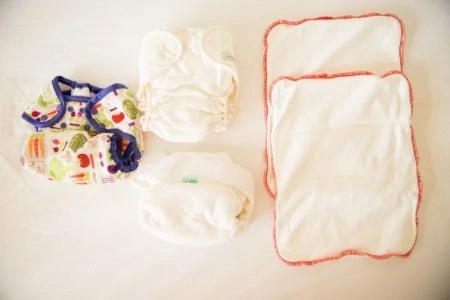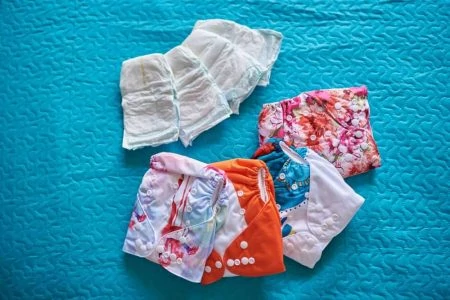
Let’s face it: clean cloth diapers should not smell like a barnyard. If your diapers stink the second they get wet, or if liquids bead up and roll right off the fabric, you have a problem.
It sounds like it is time to strip your diapers. While the process might sound intimidating, it is actually the golden ticket to resetting your stash and eliminating funky buildup.
In this guide, we will break down exactly how to strip cloth diapers, which method is best for your specific issue, and how to prevent buildup from coming back.
Key Takeaways
- Purpose: Stripping removes deep-set buildup from minerals, untreated water, improper detergent, or diaper creams.
- Frequency: This is a troubleshooting task, not a routine chore; only strip when you have repelling or odor issues.
- Diagnosis: Test your water hardness first, as minerals are the most common cause of stink and leaks.
- Methods: Use Blue Dawn for grease buildup, or RLR, GroVia Mighty Bubbles, and DIY mixes for mineral buildup.
What Is Stripping?
Stripping is an aggressive cleaning treatment designed to remove residue and mineral buildup from the fibers of your cloth diapers.
Buildup happens for several reasons. You might be washing your cloth diapers in untreated hard water, using too much detergent, or using a weak detergent that isn’t cleaning deeply enough. Using a diaper cream that isn’t safe for cloth diapers also creates a water-repellent coating.
Think of stripping as a deep exfoliation for your fabrics. It opens up the pores of the diaper so it can absorb liquid again.
How Often Should You Strip Your Diapers?
Stripping is not a monthly maintenance task. In fact, aggressive stripping can wear down fibers and elastics if done too often.
Unlike bleaching your diapers (sanitizing), which is often done monthly or when buying used, stripping is only for specific problems. If you have a solid wash routine and soft water, you may never need to strip your diapers at all.
Why Strip Your Cloth Diapers?
You generally need to strip your diapers to solve two specific problems: stink and repelling.
If your diapers smell like ammonia or a barnyard immediately after your baby pees, you likely have trapped bacteria hiding under mineral buildup. If water beads up on the diaper surface instead of soaking in, you have a repelling issue.
You should also strip pre-owned diapers before using them. You have no way of knowing if the previous owner had hard water or used non-compliant creams. Stripping gives you a clean slate.
Do You Have Hard Water?
Before you start the process, you must identify the culprit. Hard water is the number one cause of diaper troubles.
Hard water contains high levels of calcium and magnesium. These minerals get trapped in the fabric fibers, holding onto bacteria and urine. This creates that “barnyard” smell that detergent alone cannot fix.
Ideally, test your water hardness before you prep your diapers. If you haven’t, buy simple testing strips online. It takes less than a minute.
If the test confirms you have hard water, a mineral strip will fix your current stash. Moving forward, you must add a water softener to every wash cycle to prevent the buildup from returning.
The Hard Water Solution
How to Strip Cloth Diapers
Always start with clean diapers. Run them through a normal wash cycle first. Stripping works best when the agent can focus on the deep buildup rather than surface dirt.
Important Note: After stripping, you must sanitize your diapers with bleach. Stripping pulls bacteria to the surface, but it doesn’t kill it. A bleach wash afterward ensures the bacteria is destroyed.
Here are the most effective methods to strip your stash.
1. Blue Dawn (For Grease/Cream Buildup)

If your diapers are repelling because of petroleum-based diaper creams or fabric softeners, Blue Dawn is the answer. It is a degreaser, not a mineral remover.
Warning: Never put dish soap in your washing machine. It creates massive amounts of suds that can break your machine and void your warranty. Always do this in a tub or sink.
Follow these steps for a grease strip:
- Fill the tub: Fill your bathtub or a large sink with hot water. Add one tablespoon of Blue Dawn for a sink, or up to half a cup for a half-full bathtub.
- Agitate: Add your clean diapers and stir them vigorously by hand to work the bubbles into the fabric.
- Soak: Let the diapers soak for at least one hour until the water cools.
- Scrub: If you see visible white stains from diaper cream, use a toothbrush to gently scrub the fabric lining.
- Rinse thoroughly: Drain the tub and rinse the diapers under warm running water until the suds are gone.
- Wash: Transfer the diapers to your washing machine and run a hot wash with no detergent to ensure all soap residue is gone.
2. RLR (For Mineral Buildup)
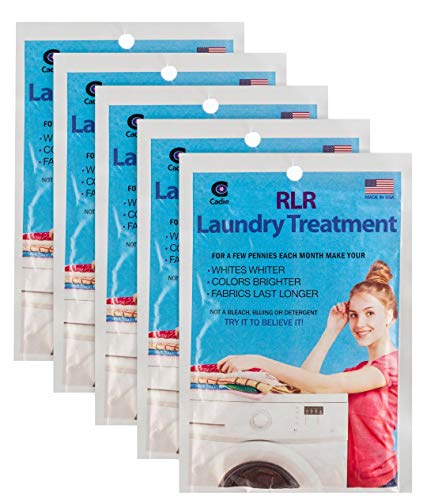
RLR is a laundry treatment specifically designed to break the bond between minerals and fabric (1). It is excellent for reviving diapers damaged by hard water. Note that RLR does not create suds, which is normal.
Follow these steps for an RLR strip:
- Prep the load: You need one packet of RLR per 30 diapers. Strip only the absorbent parts (inserts, prefolds, fitteds); you generally do not need to strip waterproof covers unless they smell.
- Fill the water: Fill your bathtub or top-loading washing machine with hot water. Add the RLR and a small amount of your regular detergent. Dissolve well.
- Add diapers: Throw in your clean diapers. If using a tub, stir them with a handle to saturate them.
- Soak: Let them soak for 4 to 6 hours. Do not soak longer than that, as the water cools and minerals can redeposit.
- Rinse and Wash: Drain the water and run a rinse cycle. Follow this immediately with a hot wash cycle using detergent and bleach to sanitize.
3. GroVia Mighty Bubbles
GroVia Mighty Bubbles is a popular choice because it is pre-measured and easy to use. These pods are formulated to remove buildup without the hassle of a bathtub soak (2).
Here is how to use Mighty Bubbles:
- Load the machine: Place one pod in your washing machine with up to 24 clean diapers. Do not add other detergent or bleach during this cycle.
- Run the cycle: Select a heavy-duty cycle with hot water. Ensure the rinse cycle is set to warm or hot.
- Repeat if needed: If the diapers still feel slimy or smell after the cycle, you may need to repeat the process up to three times for severe buildup.
- Final Wash: Once the treatment is done, run a regular wash cycle to ensure everything is rinsed out.
4. The DIY Mineral Strip
If you are on a budget or have a very large stash, you can make your own effective stripping solution. This mixture mimics the ingredients found in RLR and is highly effective for hard water issues.
To make the solution, mix the following into a bathtub of hot water:
- 3 tablespoons of Washing Soda (Sodium Carbonate)
- 3 tablespoons of Borax
- 3 tablespoons of Calgon (Water Softener)
Dissolve the powders completely, then add your clean diapers. Follow the soaking and rinsing instructions listed in the RLR method above (3).
Remember to follow this soak with a water-only wash cycle, and then a bleach sanitize cycle to kill any bacteria released from the minerals.
FAQs

Do I Strip or Sanitize Cloth Diapers First?
You must strip the diapers first to pull the buildup out of the fibers. Once the buildup is removed, follow up immediately with a sanitize (bleach) cycle to kill the bacteria that was trapped underneath.

Can You Strip Cloth Diapers in OxiClean?
No, OxiClean is a stain remover and laundry booster, not a stripping agent. While it helps brighten fabrics, it does not have the chemical composition required to dissolve mineral buildup or heavy grease.

How Do You Strip Cloth Diapers With Hydrogen Peroxide?
Hydrogen peroxide is a sanitizer, not a stripping agent. It can help kill bacteria and brighten fabrics, similar to bleach, but it will not remove mineral or detergent buildup.

Can I Use Vinegar to Strip Cloth Diapers?
Vinegar is generally not recommended for stripping. While it can soften water slightly, it is not strong enough to remove deep mineral buildup. Furthermore, frequent vinegar use can damage the elastic and waterproof seals of your diapers.

How Do You Strip Cloth Diapers in Hard Water?
It Is Not as Complicated as It Seems
Stripping diapers can feel like a major chemistry experiment, but it is actually a straightforward process. Think of it like a spa day for your laundry; sometimes you just need a deep clean to get things back to normal.
Remember, you do not need to do this often. If you find yourself needing to strip diapers every month, check your wash routine. You likely need to adjust your detergent amount or add a water softener to your regular cycle.
Choose the method that fits your situation, Dawn for grease, or RLR/Mighty Bubbles for minerals, and you will have fresh, absorbent diapers again in no time.