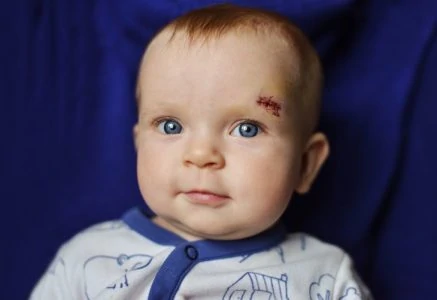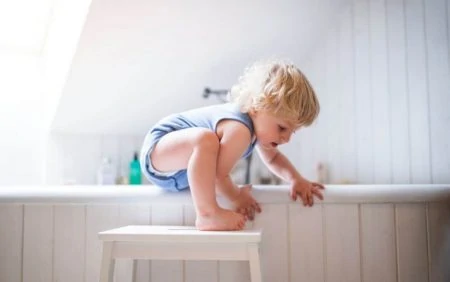
Your little bundle of joy has suddenly transformed into a mobile explorer. It happens seemingly overnight, doesn’t it?
While this milestone is exciting, it brings a fresh wave of anxiety. You start seeing risks in every corner, wondering how you will keep your child safe without wrapping them in bubble wrap.
The living room is the heart of the home, but it is also one of the most dangerous rooms for a toddler. From unstable heavy furniture to hidden electrical hazards, there is a lot to manage.
We looked at this challenge from every angle to create this guide. Here is exactly what you need to do to babyproof your living room effectively.
Key Takeaways
- Secure heavy items: Anchor furniture like bookshelves and TV stands to the wall to prevent tip-overs.
- Soften the impact: Use corner guards and edge bumpers on coffee tables and hearths to prevent injuries.
- Manage electronics: Mount TVs on the wall, hide cords with covers, and secure remotes containing button batteries.
- Create safe zones: Use baby gates to block off fireplaces, stairways, or areas with fragile decor.
How to Safety Test Your Furniture
The average living room is packed with potential hazards like couches, desks, bookshelves, and coffee tables. These everyday objects can cause falls, scrapes, and serious impact injuries to a tiny explorer.
To understand the safety situation in your living room, you need to test your furniture thoroughly.
1. Feel for Edges and Corners
If you have ever banged your knee on the coffee table, you know how much it hurts. Now imagine that impact on a toddler’s forehead.
Run your hand over every edge and corner in the room. Make notes of anything sharp or protruding. When your little one is learning to crawl or walk, they will wobble and tumble frequently.
Identifying these “impact zones” now helps you prioritize where to put padding.
2. Change Your Perspective
Get down on your hands and knees to look at your living room from a toddler’s eye level. Things that look safe from above might be teeming with danger down low.
From this angle, you might spot:
- Small objects under the couch (choking hazards).
- Exposed outlets hidden behind side tables.
- Sharp hardware or staples on the underside of chairs.
3. The Wobble Test
Toddlers use furniture to pull themselves up. Unfortunately, they don’t know which pieces are stable and which ones will tip.
Gently shake your furniture to test its stability. This includes bookcases, floor lamps, and even side tables. If a piece wobbles, leans, or slides easily, it is a significant tip-over risk.
You must anchor or remove anything that fails this test.
7 Tips for Babyproofing Your Furniture
Once you have identified the danger zones, it is time to take action. Babyproofing is a big job, but it doesn’t have to ruin your home’s aesthetic or drain your bank account.
Here are the most effective ways to secure your living room furniture.
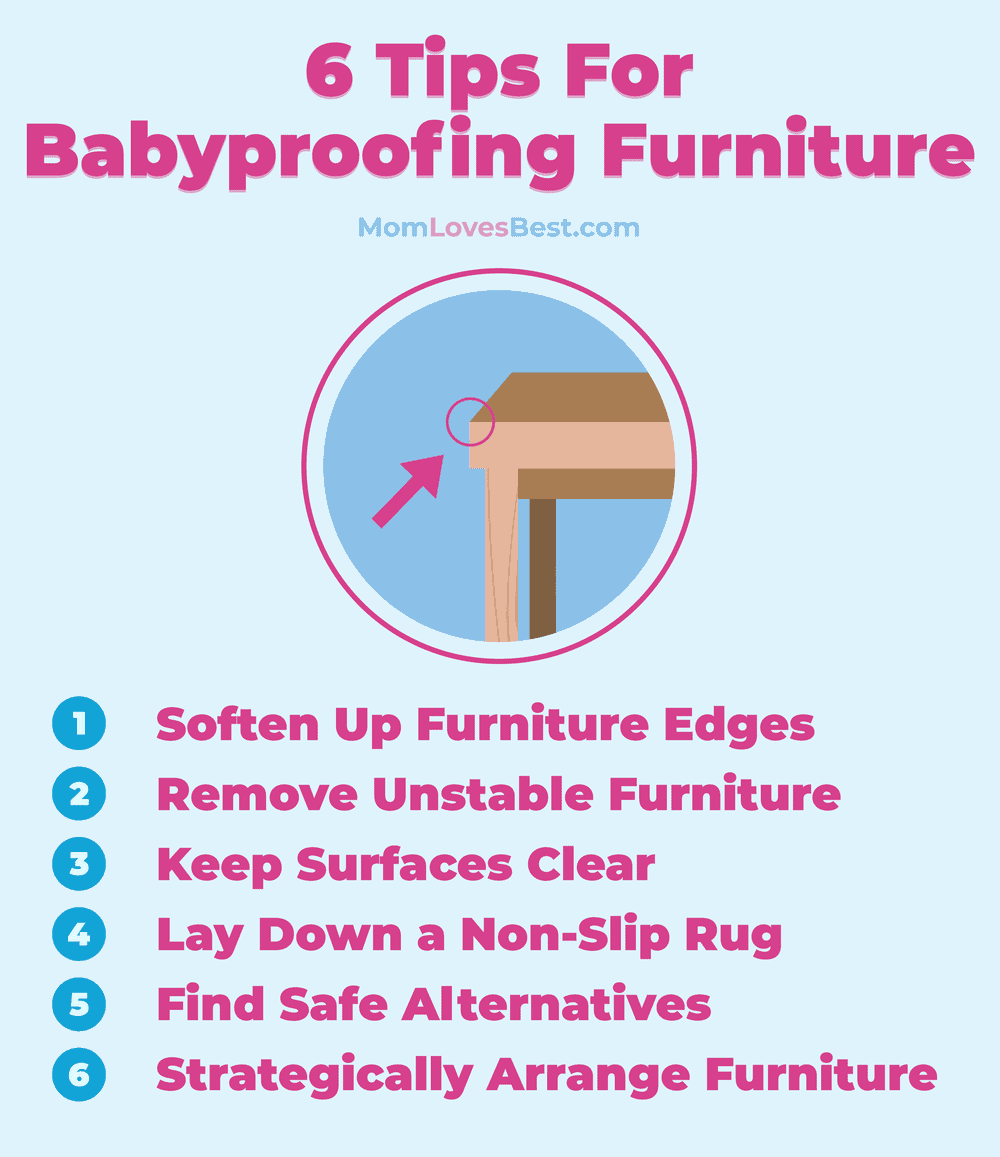
1. Soften Sharp Edges
Remember those sharp corners you found? It is time to cushion them. You can use stick-on corner guards for a quick fix or get creative with DIY solutions.
Every decor style requires a different remedy, but the goal is the same: soften the blow.
- Buy clear or foam corner protectors.
- Invest in full-length edge guards.
- Use plumbing foam pipe for a cheap DIY fix.
- Use hollow pool noodles for temporary protection.
2. Anchor Unstable Furniture
Tip-overs are a leading cause of injury in the home. You cannot rely on a child “learning” not to climb; you must physically secure heavy items.
Use furniture straps or metal L-brackets to anchor bookcases, dressers, and entertainment centers to the studs in your wall. If you cannot anchor a piece (like a heavy floor lamp), move it to a room the baby cannot access or place it behind a barrier.
3. Check for Toxic Plants
Many common house plants are toxic if ingested. Since babies explore the world with their mouths, your greenery poses a risk.
Research your specific plants to ensure they are pet and baby-safe. Move toxic plants to high shelves or hang them from the ceiling. If a plant is heavy and sits on the floor, ensure the soil is covered so your little one doesn’t dig in it.
4. Keep Surfaces Clear
Clutter on flat surfaces attracts curious hands. Coffee tables with hot mugs, heavy coasters, or remote controls are accidents waiting to happen.
Adopt a “clean sweep” policy. Keep coffee tables bare or only display soft items like books. Move breakables to higher shelves or into locked cabinets.
5. Lay Down a Non-Slip Rug

Hardwood and tile floors are unforgiving when a toddler takes a spill. A thick area rug provides a soft landing pad and creates a cozy play space.
Ensure the rug has a non-slip backing or use a high-quality rug pad underneath. A sliding rug can cause trips and falls for both you and the baby, especially when carrying them.
Budgeting Tip
6. Swap Dangerous Tables
Some furniture is inherently risky. Glass-topped coffee tables can shatter, and sharp metal legs can cause deep cuts.
Consider swapping your coffee table for a large, upholstered ottoman. It provides storage, serves as a soft table, and eliminates sharp edges entirely. If you must keep a hard table, use edge bumpers on all sides.
7. Secure Window Blinds
Dangling cords from blinds and curtains are a major strangulation hazard.
Install cleats high up on the wall to wrap cords around, or switch to cordless window treatments. Never place a crib, playpen, or climbing furniture near a window with accessible cords.
Safety Testing Your TV
Electronic devices are like magnets for children. The flashing lights and buttons are irresistible.
Modern flat-screen TVs are front-heavy and can tip over easily if bumped or pulled. You need to assess this area carefully during your babyproofing adventure.
1. The Cord Check
Get down low and look behind the TV stand. Are there wires dangling? Exposed plugs?
Toddlers will pull on cords to see what happens. This can bring heavy electronics crashing down on top of them. Tidy up the cables using zip ties or cord concealers attached to the wall or furniture legs.
2. The Stability Check
Gently tap your TV. Does it wobble on its stand? Most flat-screen bases are not designed to withstand a toddler’s push or pull.
If your TV sits on furniture, it is a tipping hazard. Even if the furniture is anchored, the TV itself needs to be secured.
4 Tips For Babyproofing Your TV
The best strategy for the entertainment center is “out of sight, out of mind.” If your child cannot reach the buttons or wires, they will lose interest.
Here are four ways to lock down your electronics.
1. Enclose Your Devices
Open shelving looks great, but it invites trouble. A TV stand with closing cabinet doors is the safest option. It keeps DVD players, gaming consoles, and cable boxes hidden.
Use child-proof locks on these doors to prevent your toddler from redecorating your media collection.
2. Anchor the TV
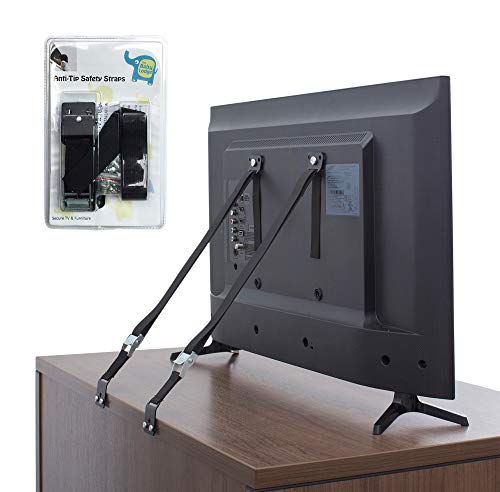
Securing the television is non-negotiable. The safest method is mounting the TV directly to the wall, well out of reach.
If you must keep the TV on a stand, use anti-tip straps. These straps bolt into the VESA holes on the back of the TV and anchor to the furniture or the wall studs. They are affordable, easy to install, and essential for preventing crushing injuries.
3. Secure the Remotes
Remote controls are often overlooked, but they are dangerous. The battery compartment often pops open easily.
Button batteries (lithium coin batteries) are deadly if swallowed. They can burn through the esophagus in as little as two hours. Tape the battery cover shut or keep remotes on a high shelf when not in use.
4. Conceal the Cords
Use cord covers (raceways) that stick to the wall to hide cables running from the TV to the outlet.
For the nest of wires behind the stand, use a cable management box. This plastic box houses the power strip and excess cords, making them inaccessible to little fingers.
3 Tips For Babyproofing Your Fireplace
Fireplaces are cozy, but they are full of hazards: heat, hard stone, and sharp tools. Even if you never light a fire, the hearth itself is a risk. Here is how to babyproof your fireplace effectively.
1. Install a Configurable Gate

A standard doorway gate won’t work here. You need a hardware-mounted, configurable gate that surrounds the entire hearth area.
These gates typically feature a door for adult access and are heat-resistant. This is the only way to prevent burns when the fire is lit and keeps your baby away from the sharp stone hearth year-round.
2. Pad the Hearth
If you rarely use the fireplace, the sharp corners of the brick or stone hearth are the primary danger.
Cover the edges with heavy-duty foam padding. For a more stylish look, you can build or buy a custom cushion that covers the entire top of the hearth, turning it into a soft bench.
- Clamp-on cushions.
- Hearth edge guards.
- Interlocking foam mats.
Safety Tip
3. Remove Tools and Keys
Heavy iron pokers and shovels are sharp and can crush toes if pulled over. Store these tools in a locked closet or garage.
If you have a gas fireplace, remove the gas key from the wall valve and store it up high. Toddlers love turning keys, and a gas leak is a serious emergency.
5 Babyproofing Living Room Essentials
Beyond the big furniture, several small gadgets make a huge difference in safety.
Stock up on these essentials to handle the little details.
1. Sliding Outlet Covers
Electrical outlets are right at eye level for a crawling baby. Avoid the small plastic plugs, which can become choking hazards. Instead, install sliding outlet plates. They automatically snap shut when a cord is unplugged.
2. Door Knob Covers
To keep your toddler out of the hallway or basement, pop covers on your round door knobs. If you have lever handles, look for lever locks that prevent the handle from being pulled down.
3. Baby Gates
Gates are your best friend. Use pressure-mounted gates for doorways between rooms and hardware-mounted gates for the top of stairs. They allow you to contain the mess and the baby in one safe zone.
4. Magnetic Cabinet Locks
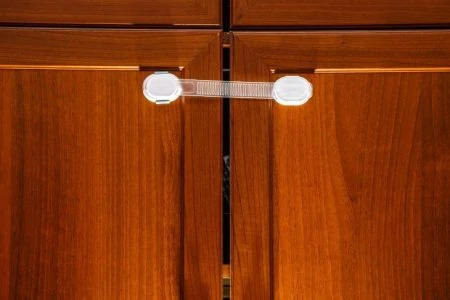
Toddlers can open cabinets in seconds. Babyproof cabinets and drawers containing electronics, DVDs, or heavy items. Magnetic locks are invisible from the outside and are generally harder for toddlers to defeat than traditional plastic latches.
5. A “Yes” Space
Constant restriction is frustrating for a child. Create a “yes” space with a children’s sofa or a low bin of safe toys. This distracts them from the “no” items (like the TV) and gives them ownership of their environment.
5 Ways To Tackle Cleaning
A tidy home is safer. Small objects on the floor are choking hazards, and clutter creates tripping risks.
As moms who have navigated the toddler years, here are our top tips for maintaining order.
1. Protect Your Upholstery
Toddlers are messy. Spilled milk, drool, and sticky fingers are inevitable.
Use washable slipcovers or blankets to protect your sofa fabric. If you are furniture shopping, look for performance fabrics or leather, which wipe down easily.
2. Use Soft Baskets
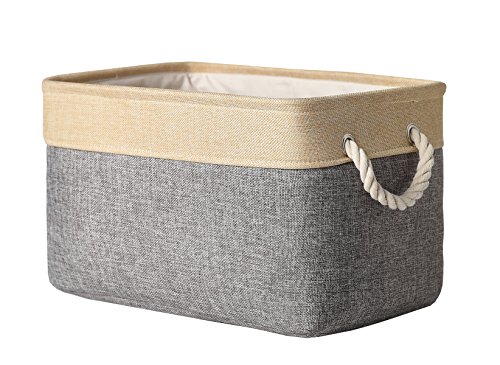
Rigid toy boxes with heavy lids can smash fingers. Switch to large, soft woven baskets or canvas bins.
They are perfect for a “quick clean” before guests arrive, just toss everything in and slide it into a corner. Plus, if your toddler tips the basket over, they won’t get hurt.
3. Rotate Toys
Too many toys lead to a massive mess. Use a rotation system where you keep only a few toys out on shelves and store the rest in a closet.
Swap them every few weeks. This keeps the living room tidier and makes “old” toys feel new and exciting again.
4. Use High Shelving
Move your decorative items, photos, and fragile keepsakes to floating shelves or the top of tall bookcases. This keeps your personal style visible but safely out of reach.
5. The Hidden Trash Can
Toddlers love digging in the trash. Keep a small trash can locked in a cabinet or use a can with a locking lid. This prevents your child from finding dangerous “treasures” like staples, wrappers, or batteries.
3 Tips For Babyproof Decorating
You don’t have to sacrifice style for safety. You can have a beautiful living room that withstands a toddler’s energy.
Here is how to blend aesthetics with babyproofing.
1. Decorate with Textiles
Replace breakable ceramic vases and heavy statues with texture. Use throw pillows, blankets, and woven wall hangings to add color and warmth. These items are soft, safe, and unbreakable.
2. Switch to Flameless Candles
Real candles are a fire hazard with kids and pets around.
High-quality battery-operated candles now look incredibly realistic, complete with flickering “flames” and wax shells. You get the ambiance without the risk of burns or fire.
3. Cube Storage
Cube organizers are versatile and stylish. Use the bottom cubes for canvas bins holding toys, and use the top cubes for your decor. It creates a visual separation between the “kid zone” and the “adult zone” within the same piece of furniture.
FAQs

At What Age Do I Need to Babyproof My House?
Start babyproofing around 6 months, or as soon as your baby starts rolling or scooting. However, it is easier to install gates and locks before the baby arrives so you aren’t rushing when they become mobile.

Can I Put the Baby Crib in the Living Room?
Yes, if space is limited. Ensure the crib is away from windows (drafts and blind cords), heaters, and wall hangings. Keep the area quiet and dark during nap times to promote healthy sleep.

Can You Have a TV in a Room With a Baby?
Yes, but be mindful of usage. The American Academy of Pediatrics recommends avoiding screen time for children under 18 months, except for video chatting. Keep the TV off when not in use to avoid overstimulation.

How Can I Keep My Baby Occupied Without a TV?
- Use activity mats or gyms.
- Rotate board books for them to explore.
- Play music or audiobooks.
- Offer safe household items like plastic bowls and wooden spoons.
- Engage in floor play like blocks or rolling a ball.

Are Window Blind Cords Really That Dangerous?
Yes, they are a silent killer. Cords can strangle a child in minutes. It is critical to use cord winders, cleats, or switch to cordless blinds immediately.