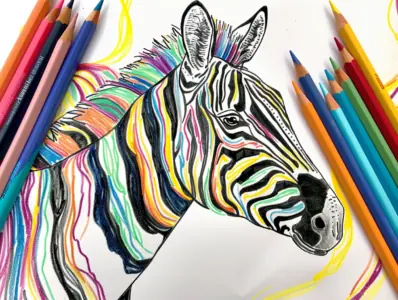
Ready to earn your stripes? We have gathered a fantastic collection of zebra coloring pages for kids of all ages. Whether you need cute cartoons for toddlers or realistic savanna scenes for older children, these printables offer hours of creative fun. Grab your black and white crayons (and maybe a rainbow of others) and dive into the wild world of these unique equines.
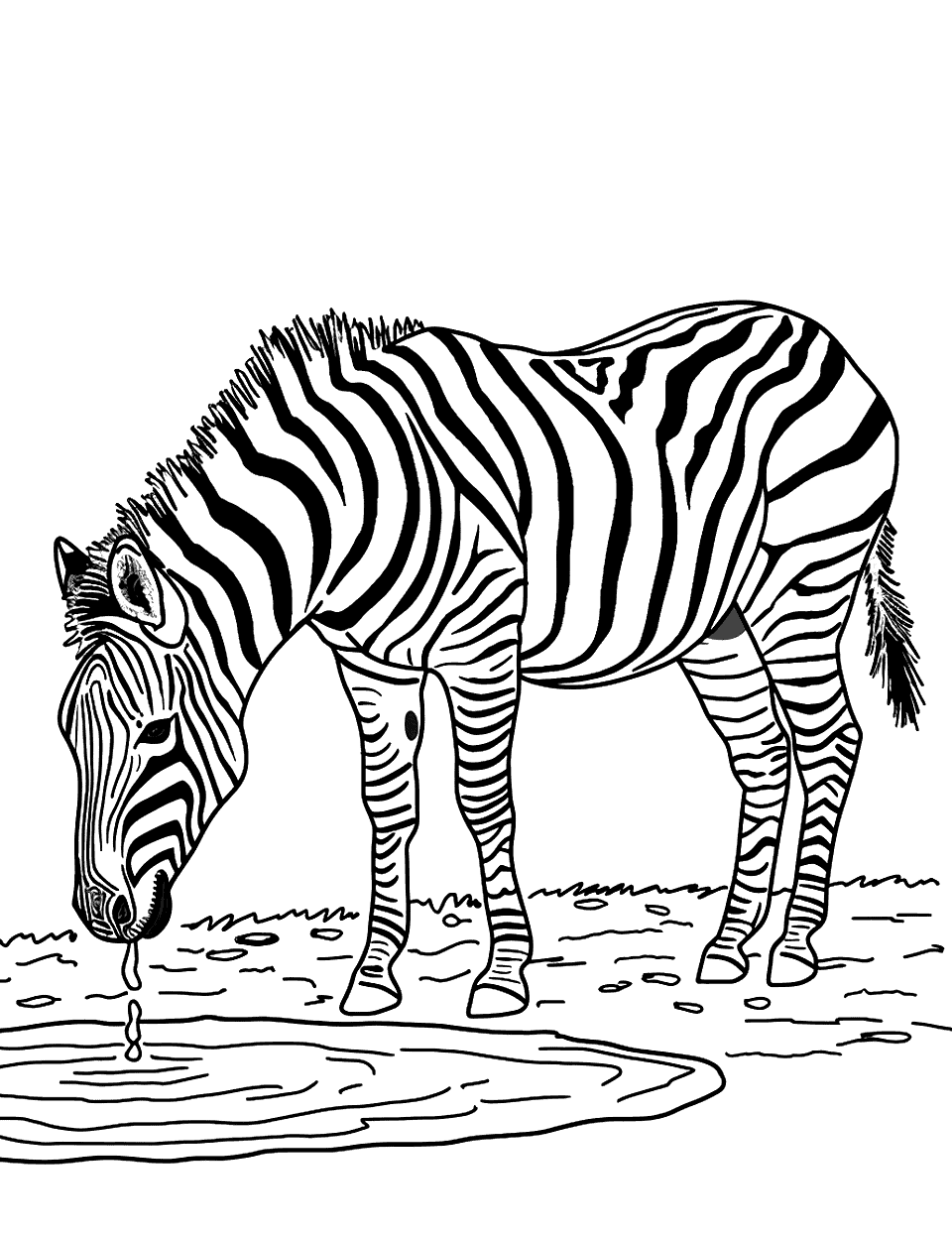
Zebra at the Waterhole
Baby Zebra
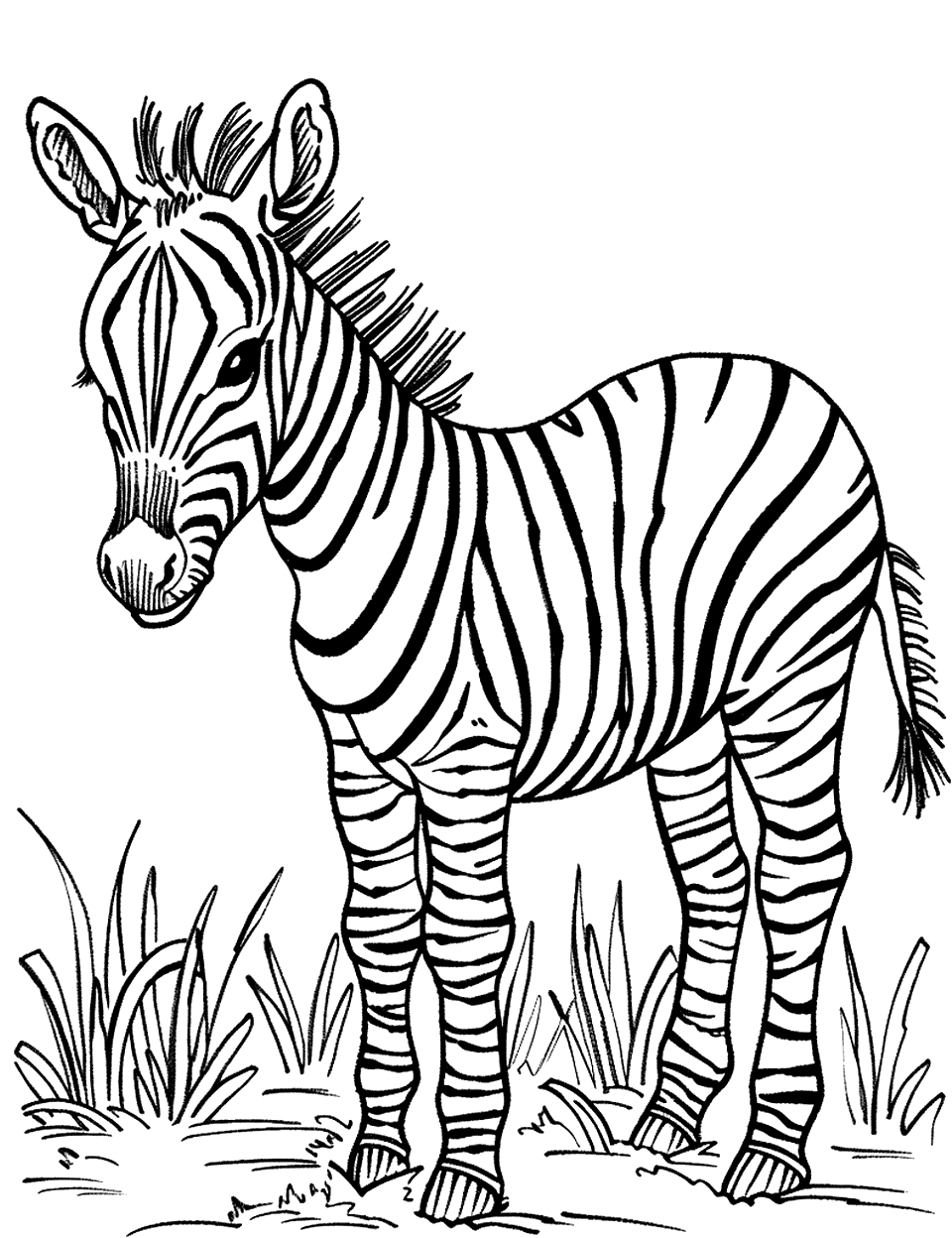
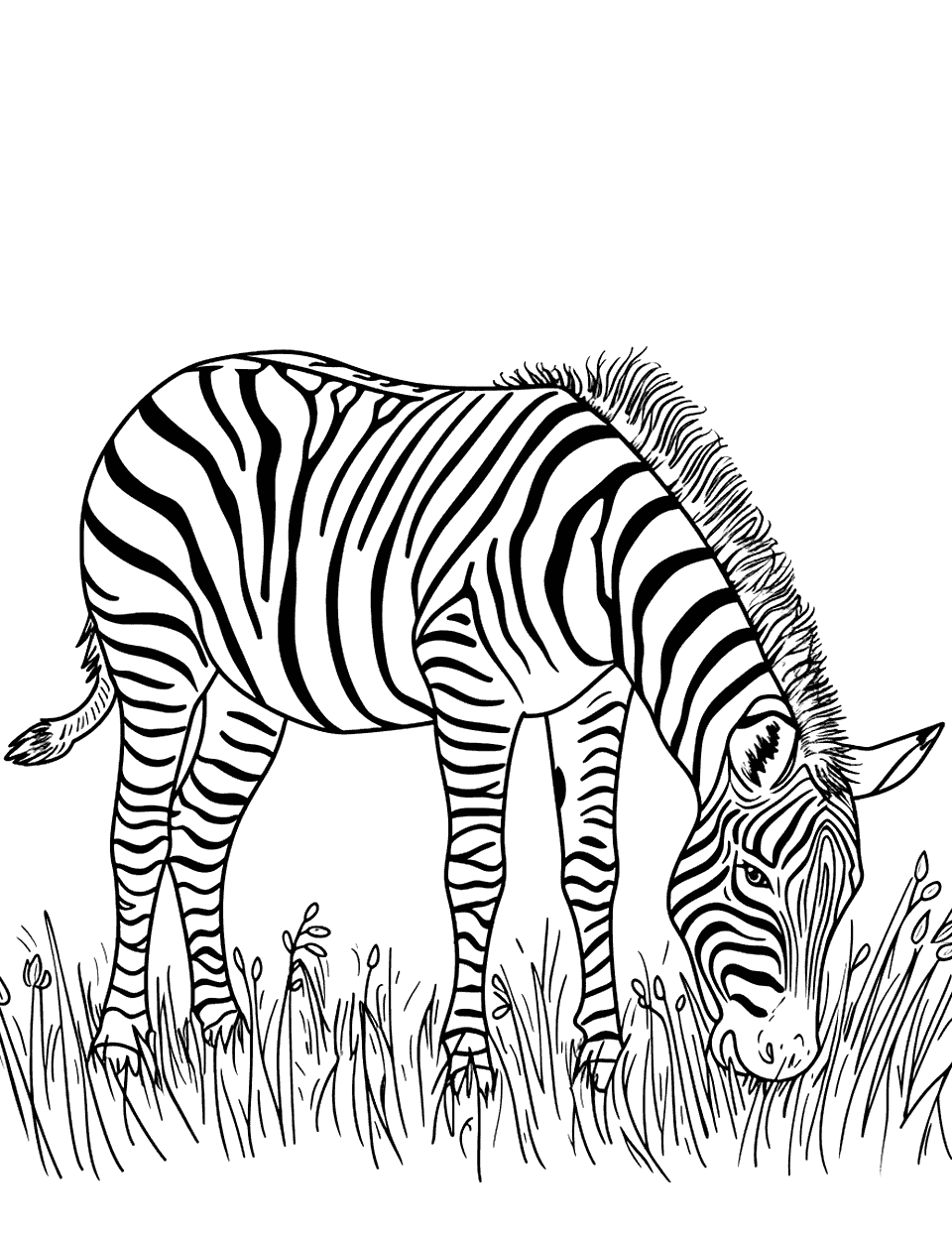
Zebra Grazing in the Meadow
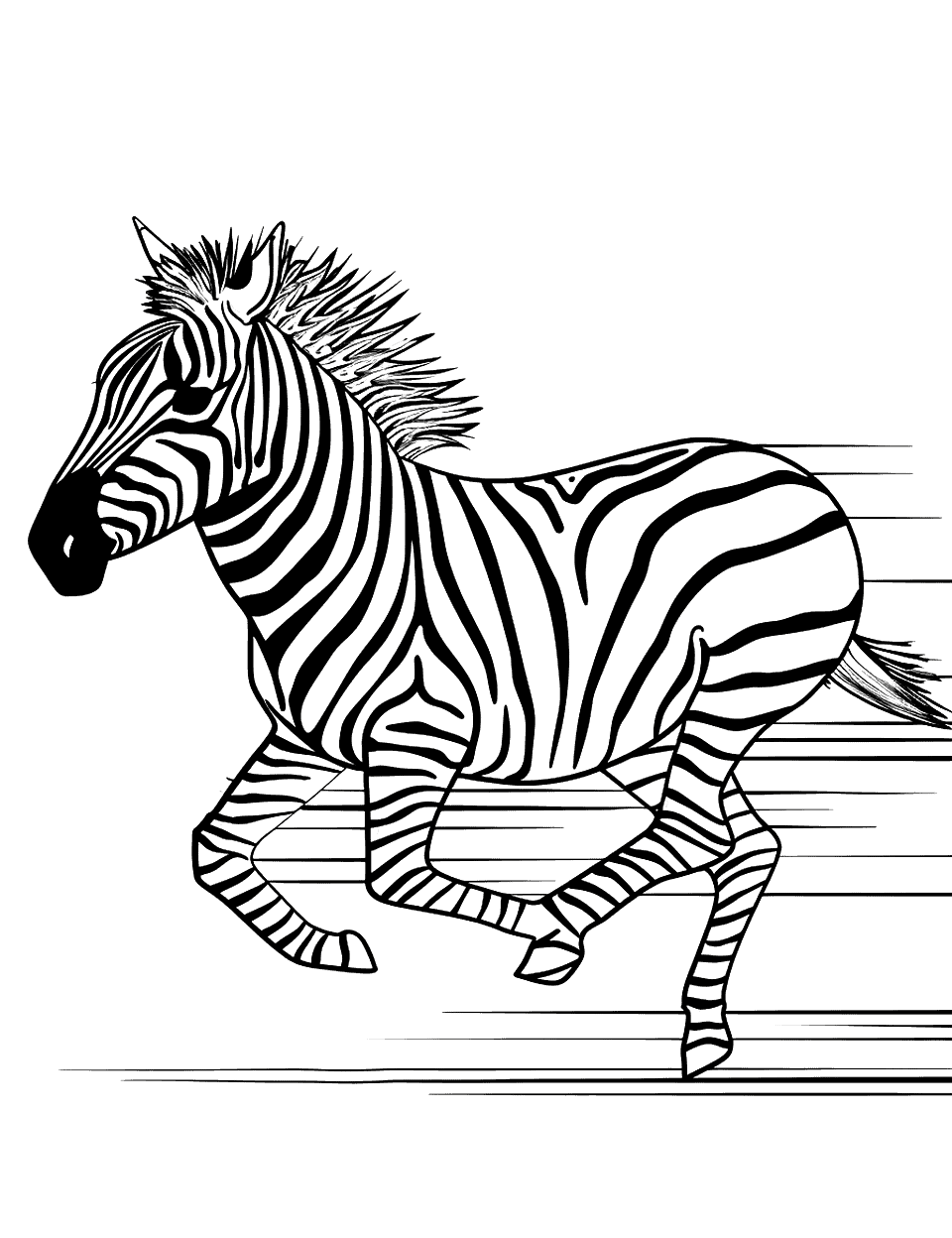
Running Zebra
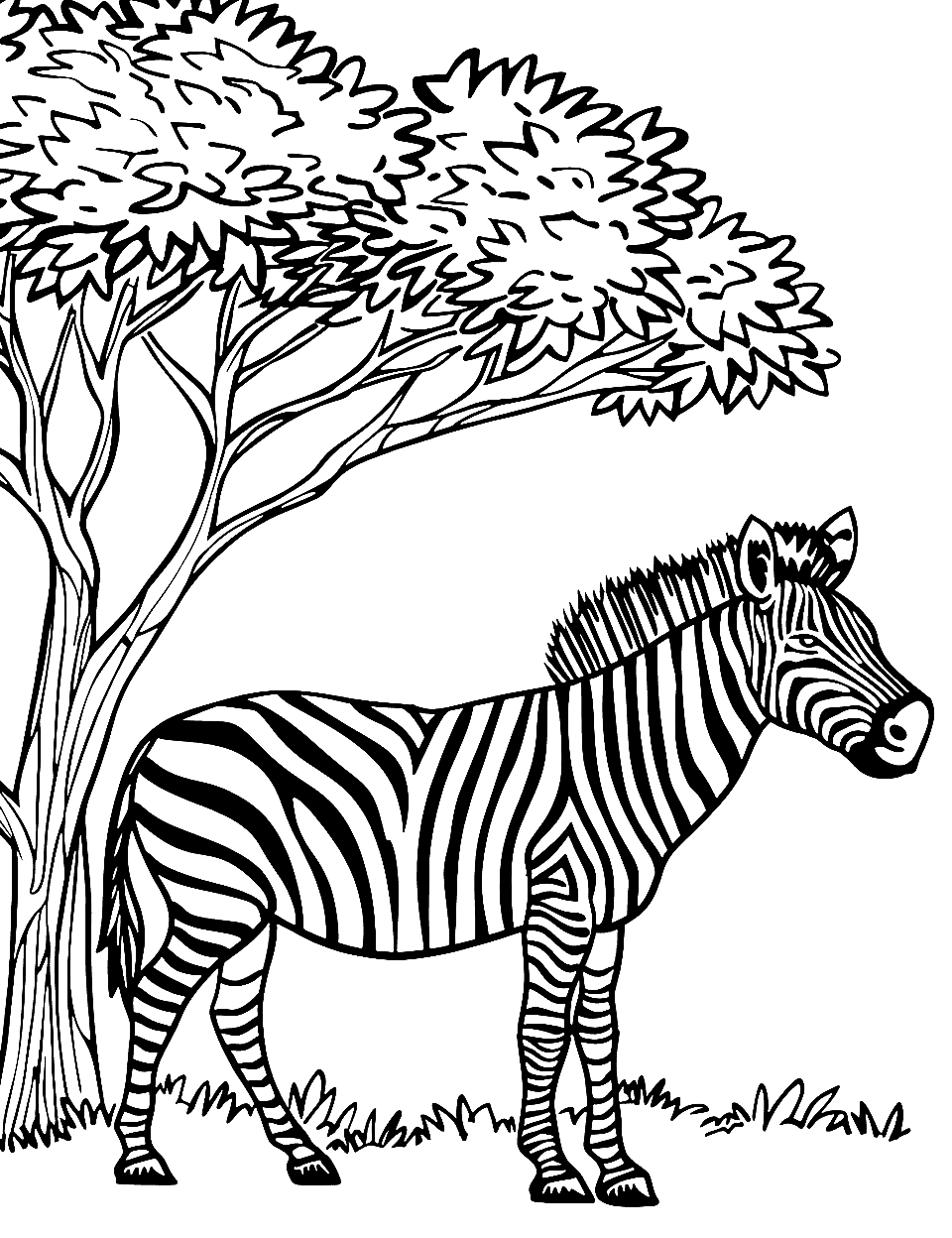
Zebra Under the Acacia Tree
Playful Baby Zebra
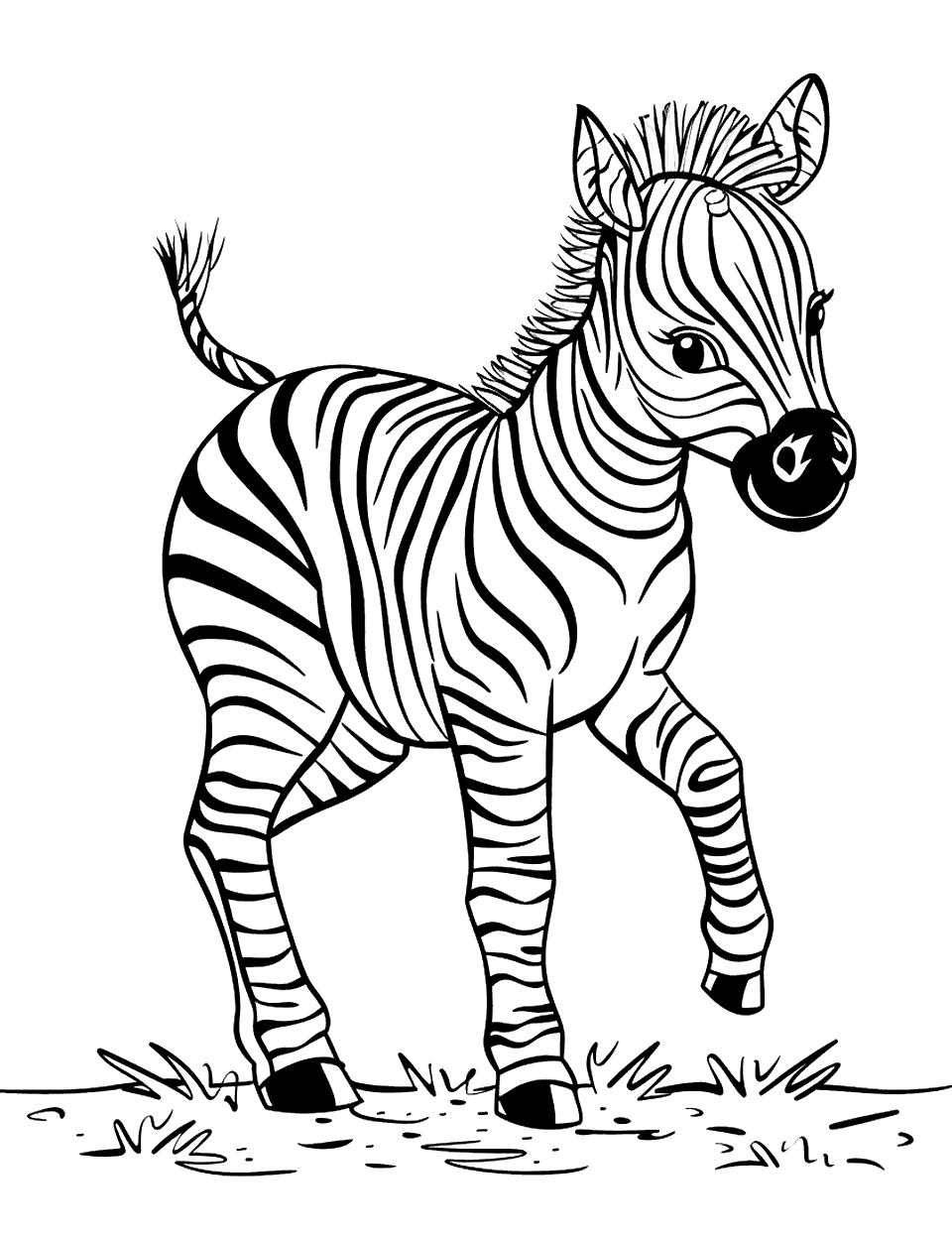
Zebra by the Mountain
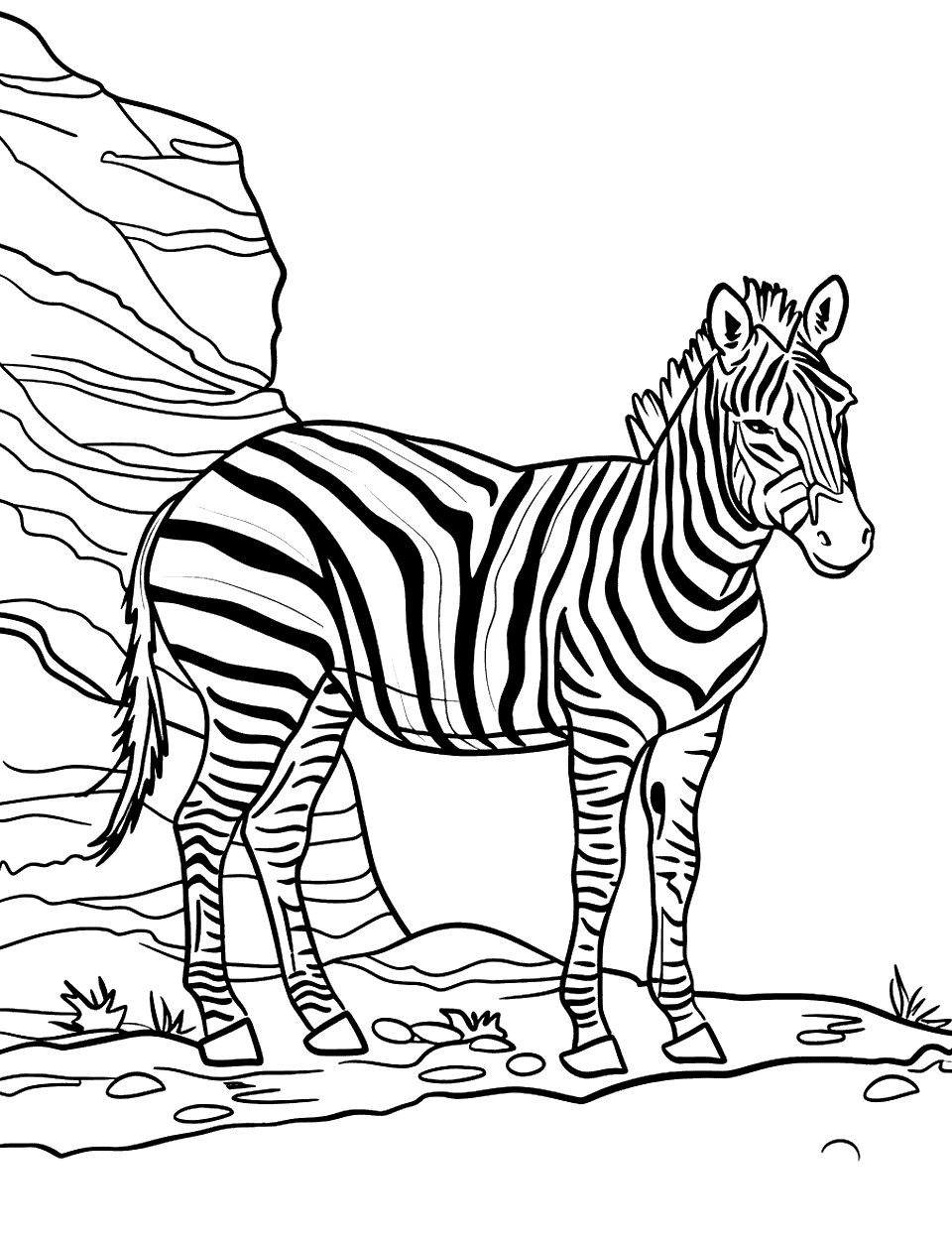
Zebra Profile Portrait
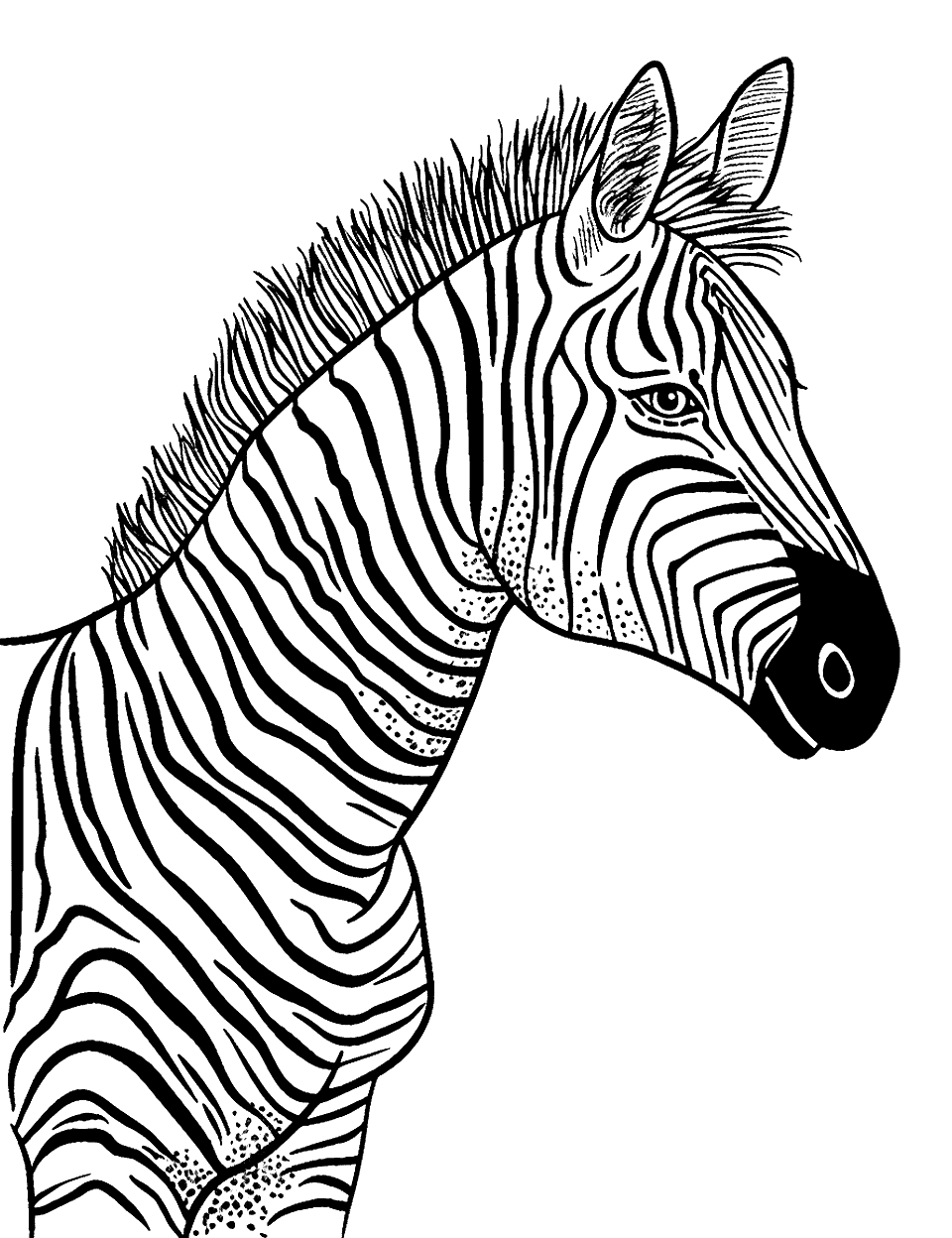
Two Zebras Crossing Tails
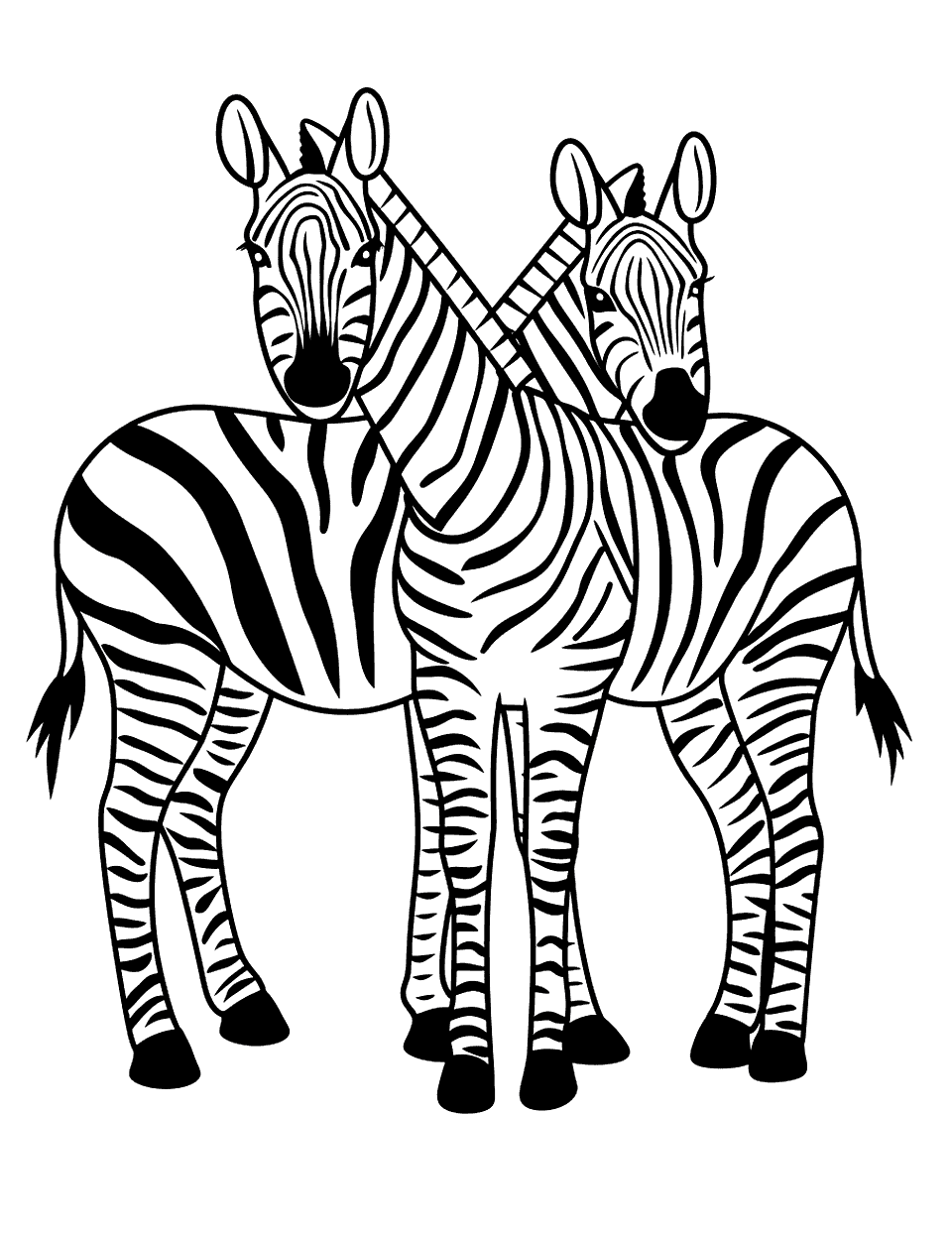
Zebra Herd on the Move
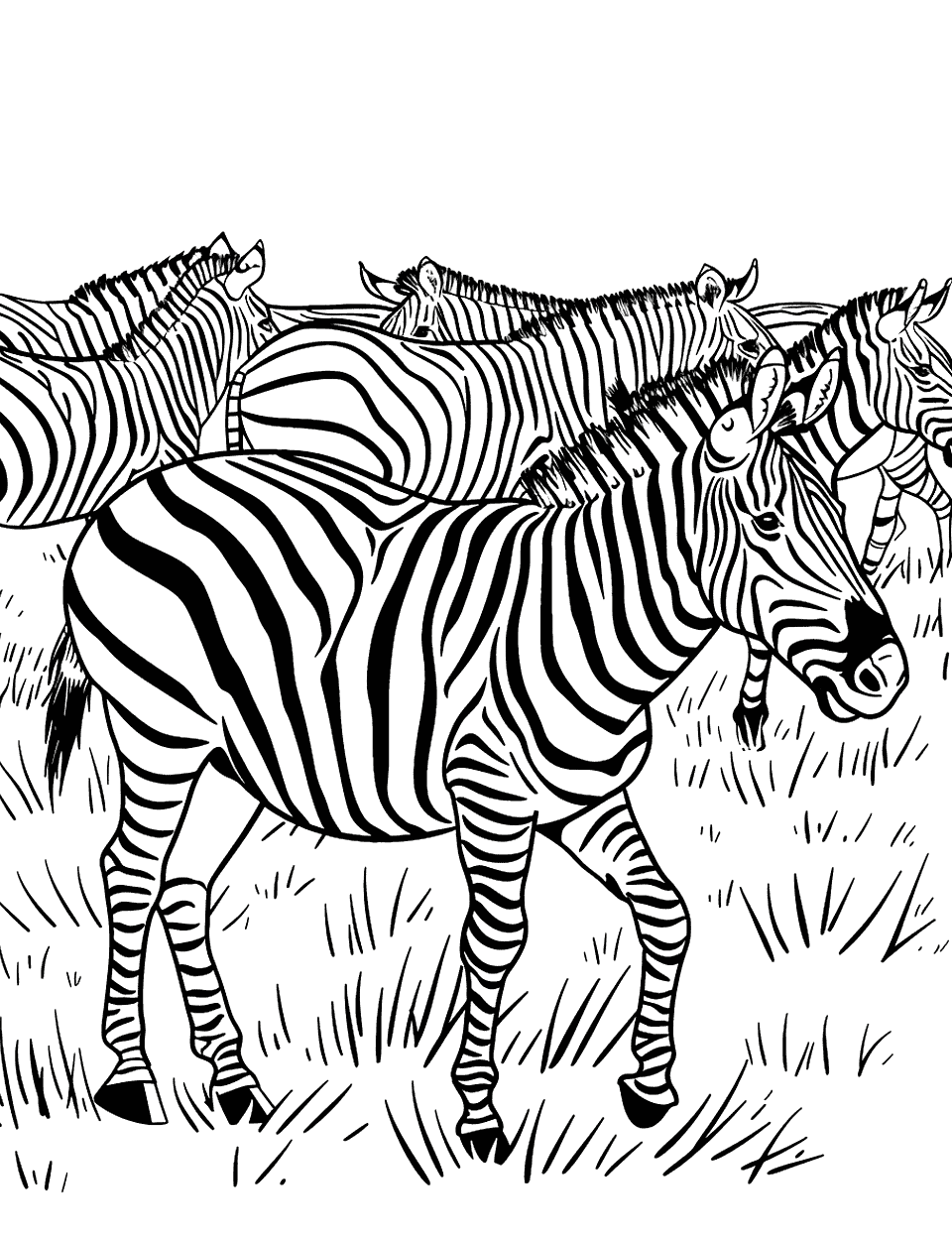
Curious Baby Zebra
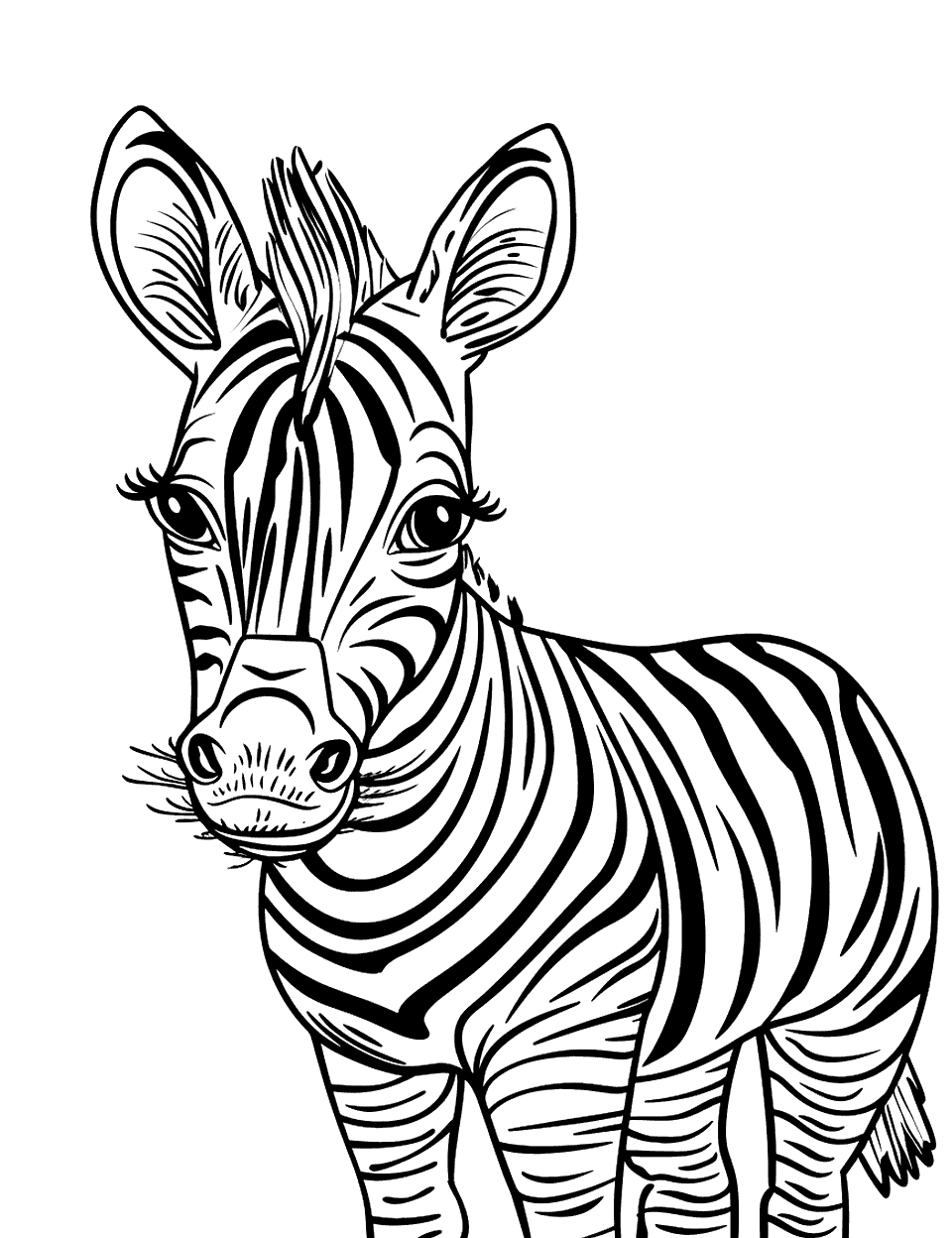
Zebra Eating Leaves
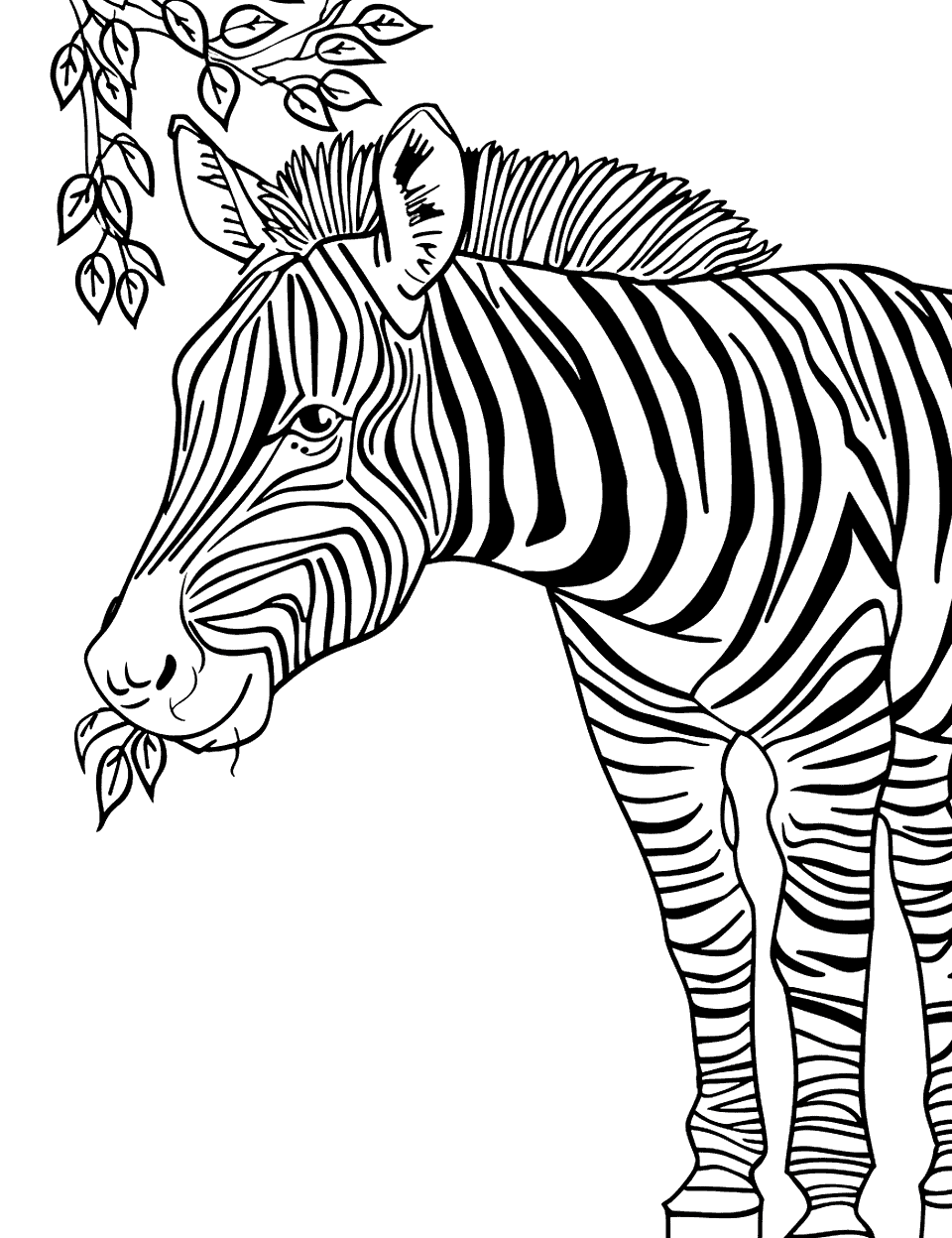
Zebra in a Clearing
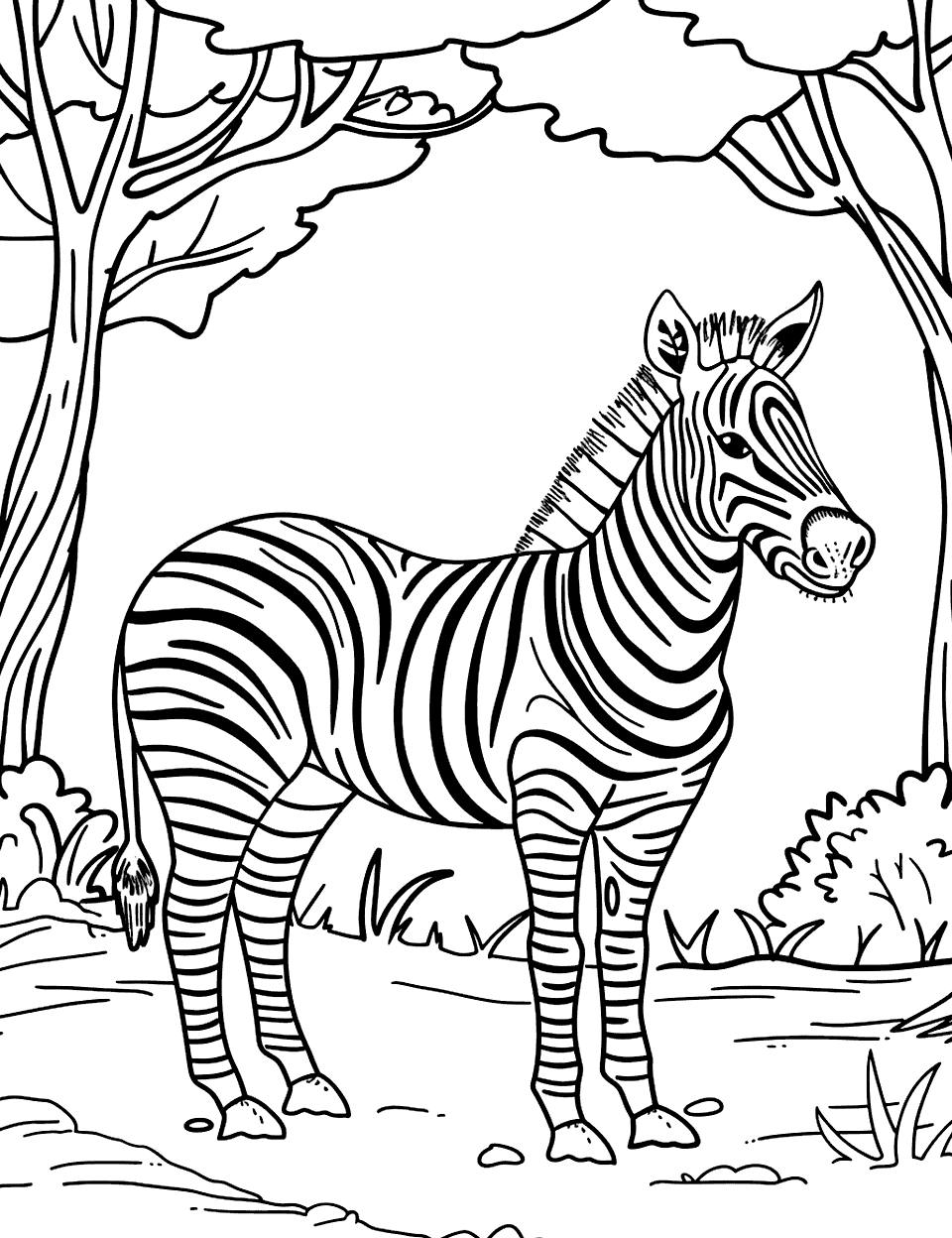
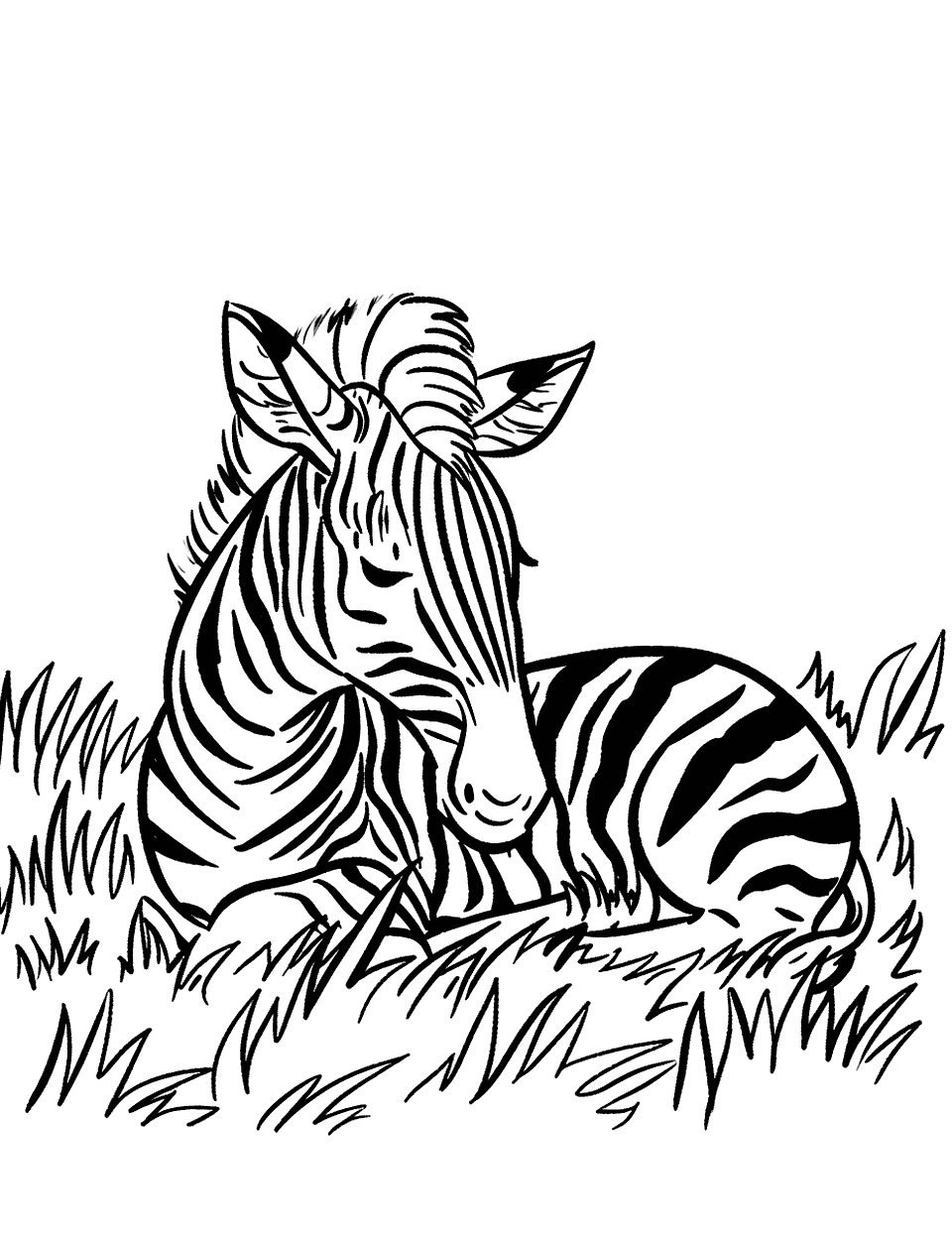
Zebra Lying Down
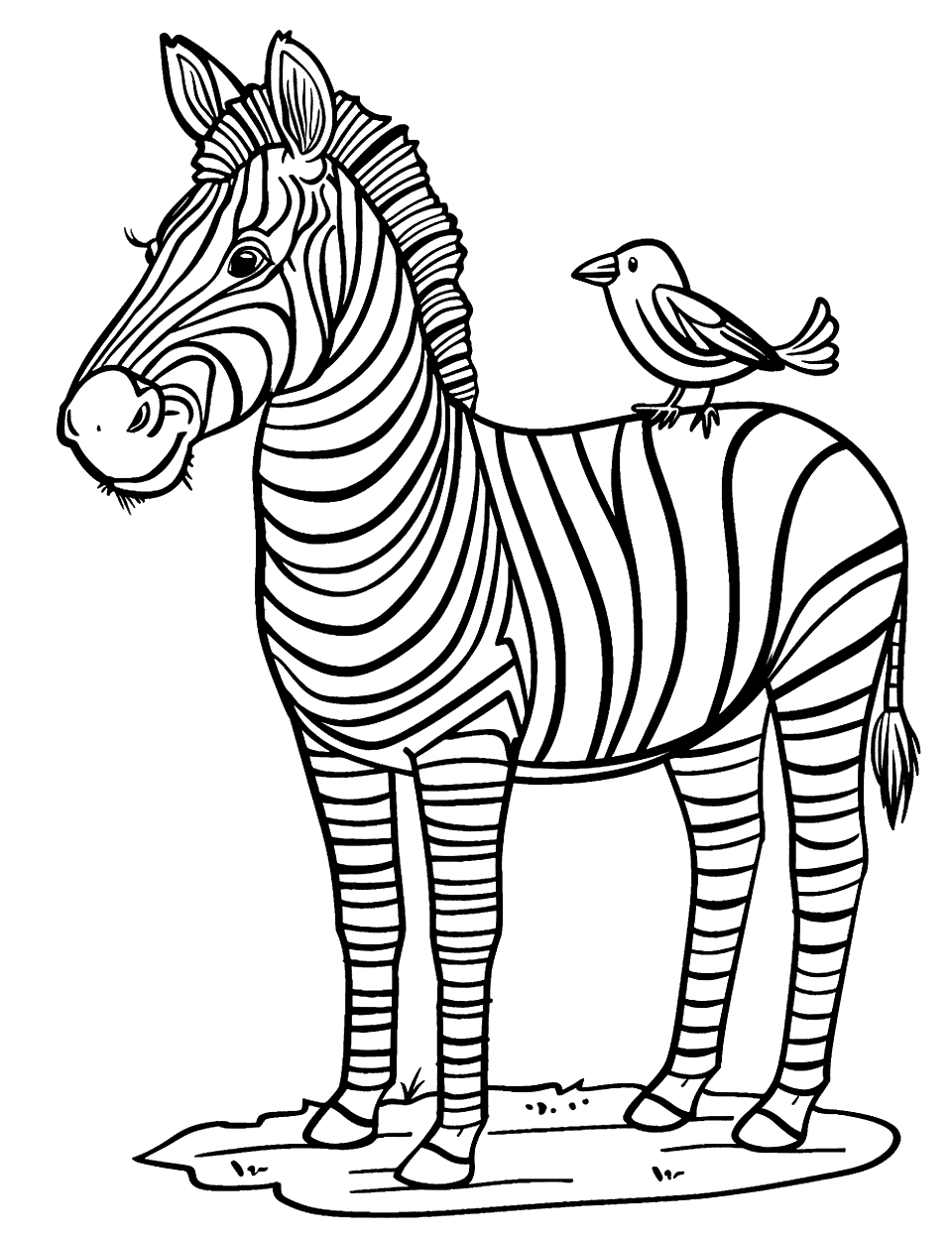
Zebra with Bird
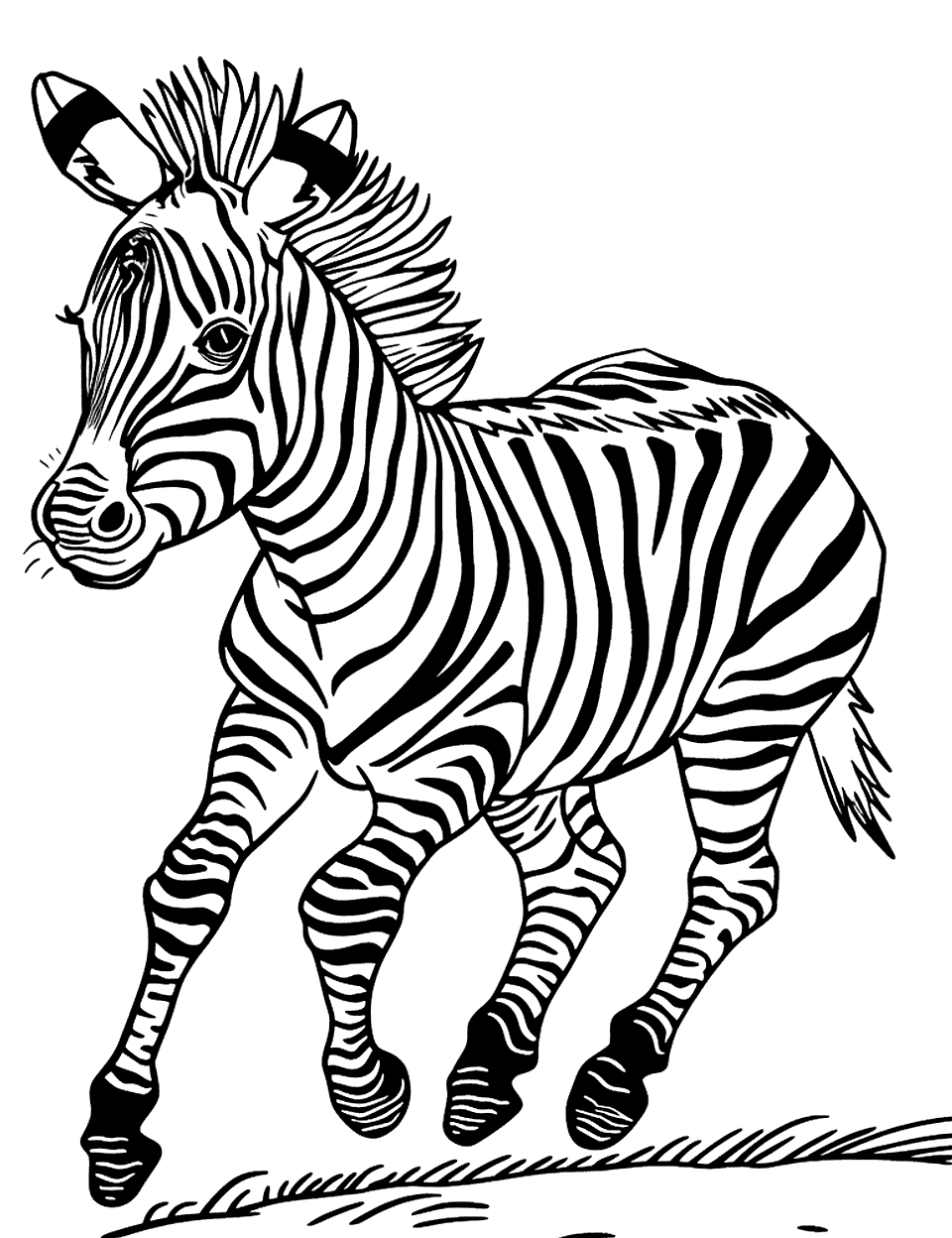
Young Zebra Running
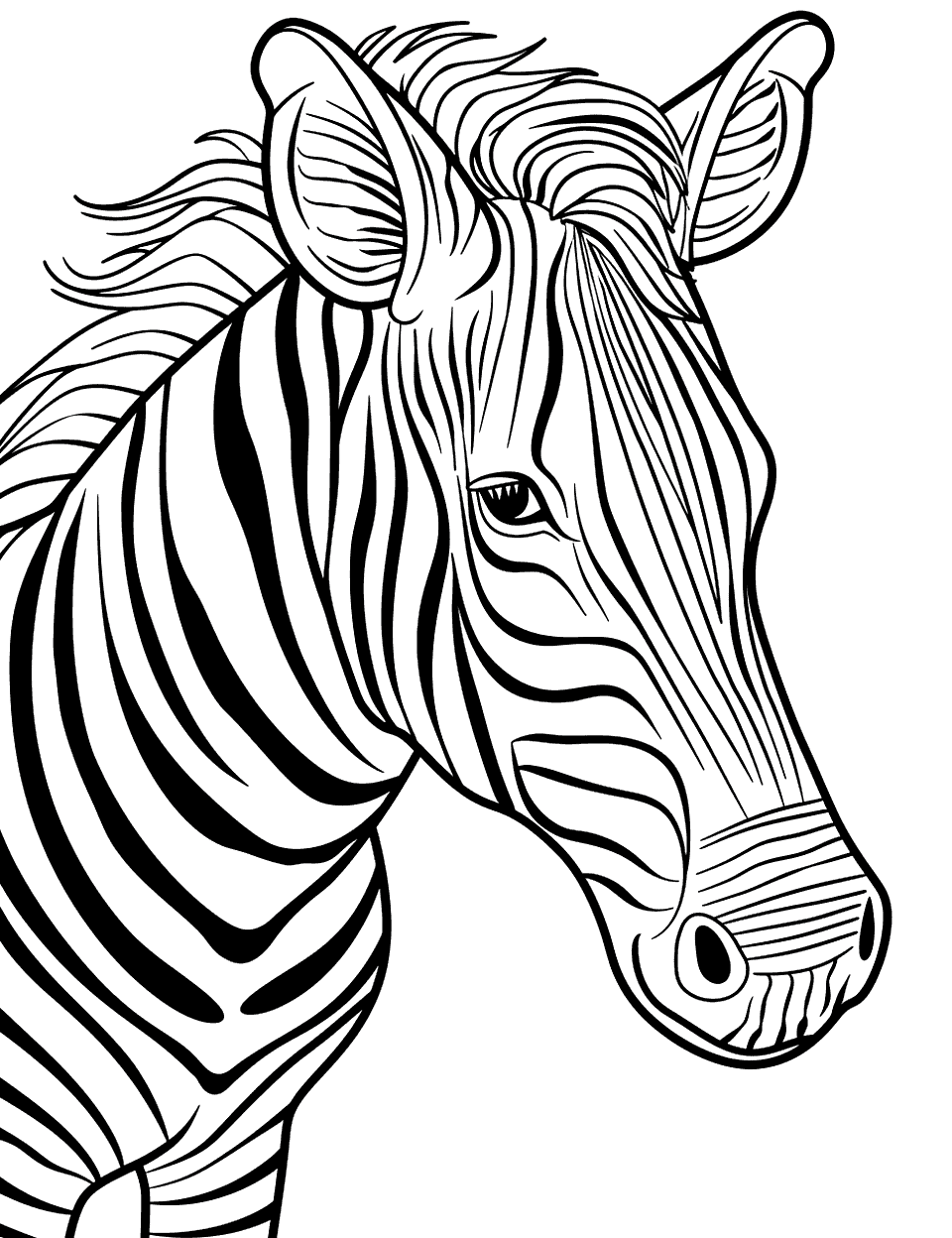
Zebra Close-Up
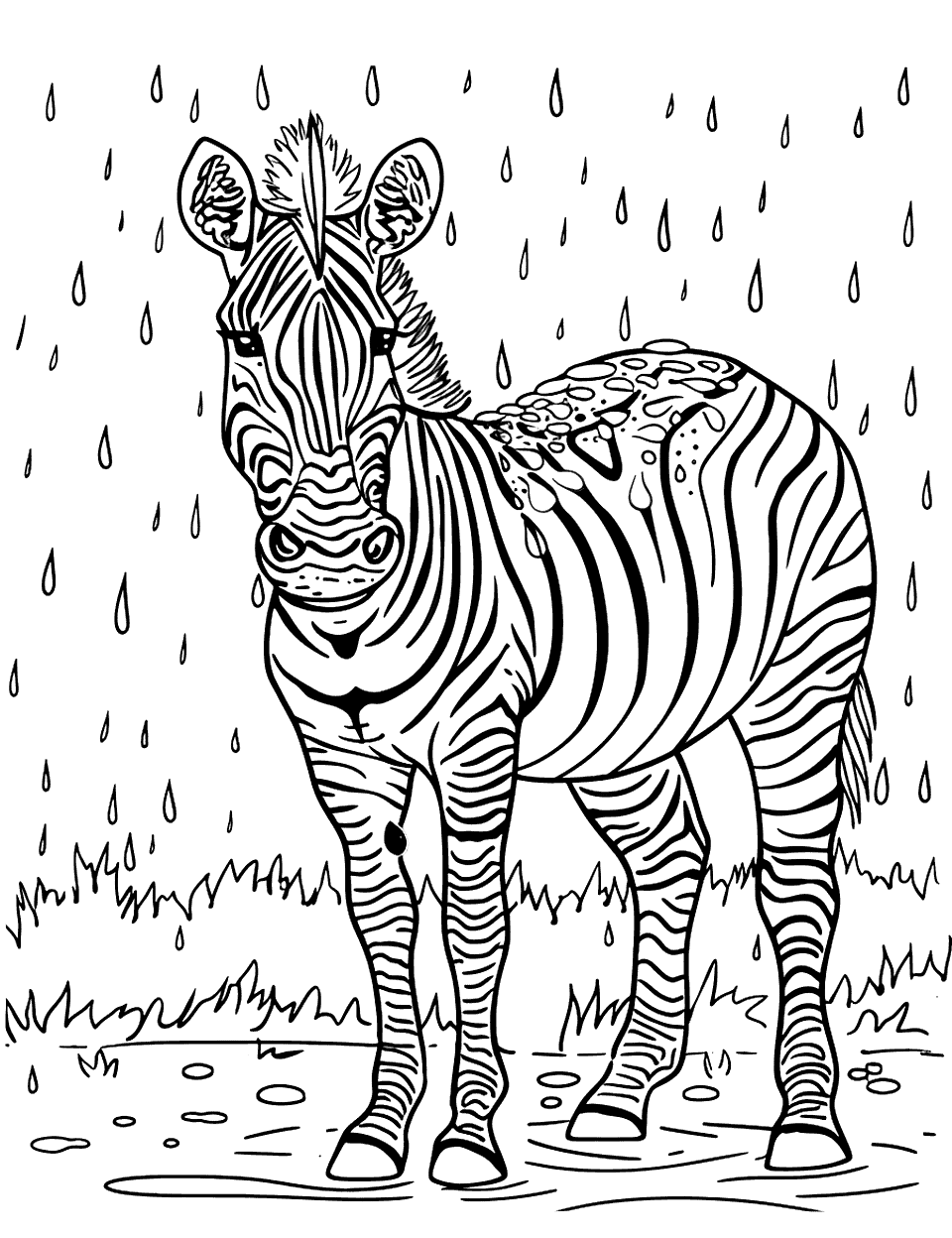
Zebra in the Rain
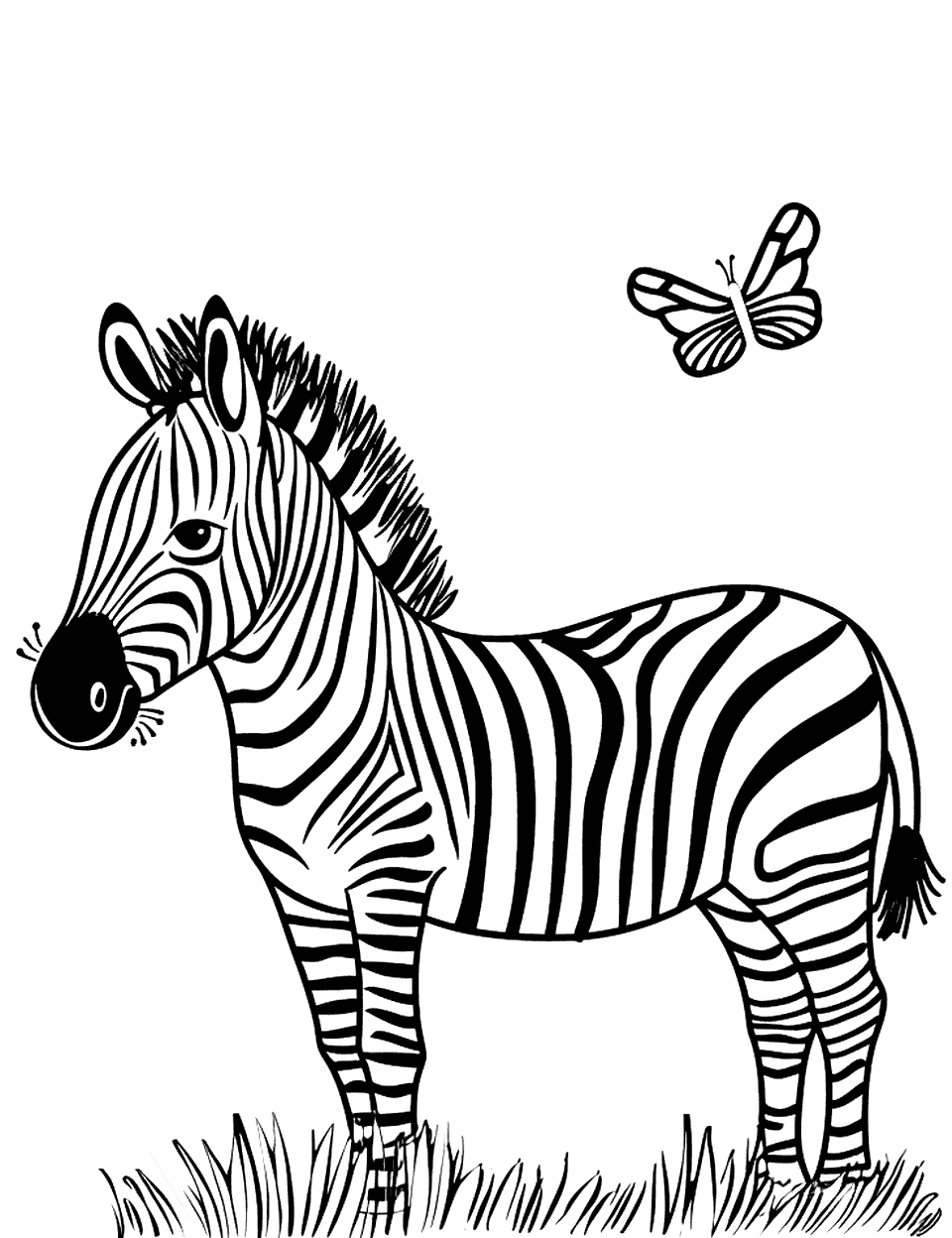
Zebra and Butterfly
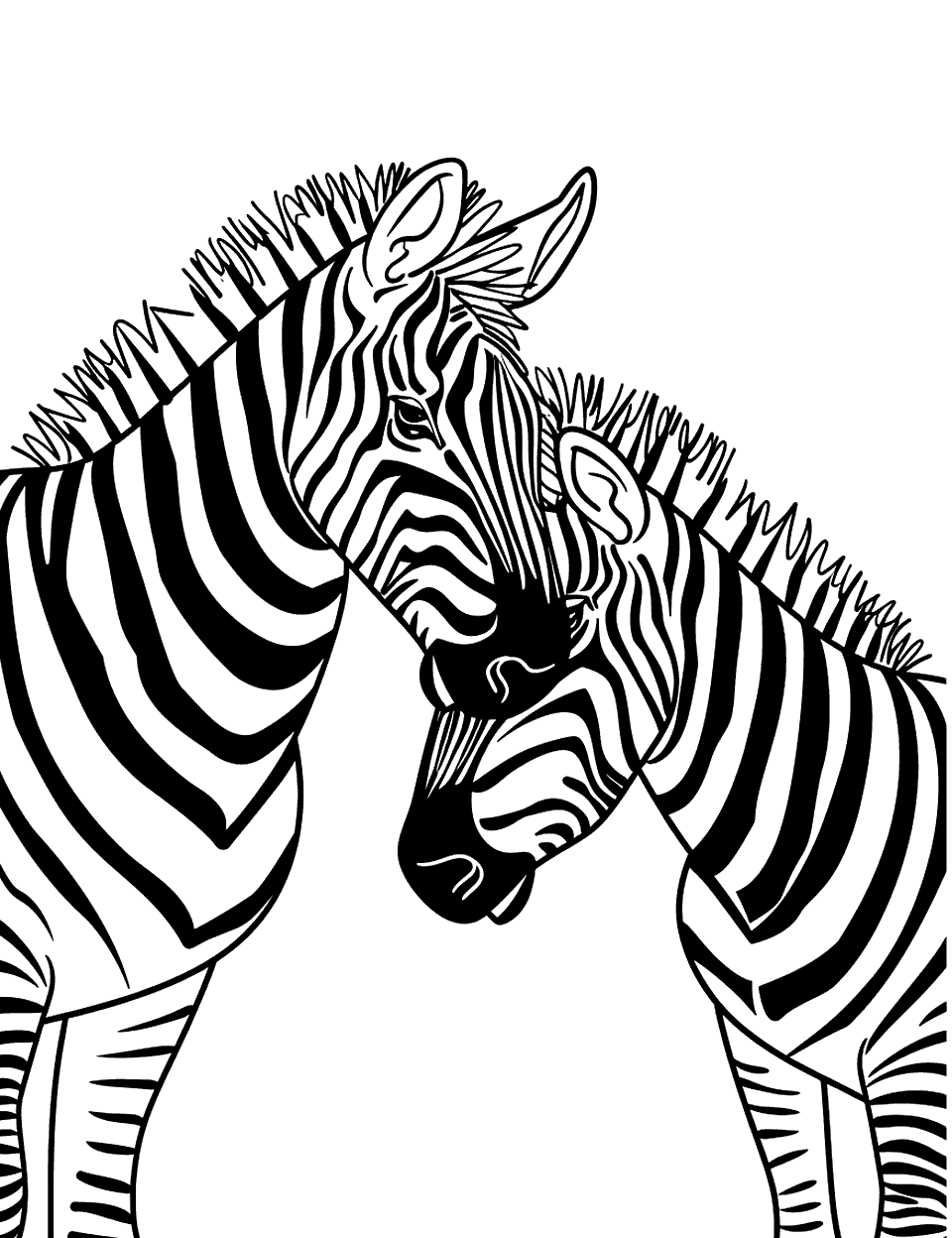
Two Zebras Nuzzling
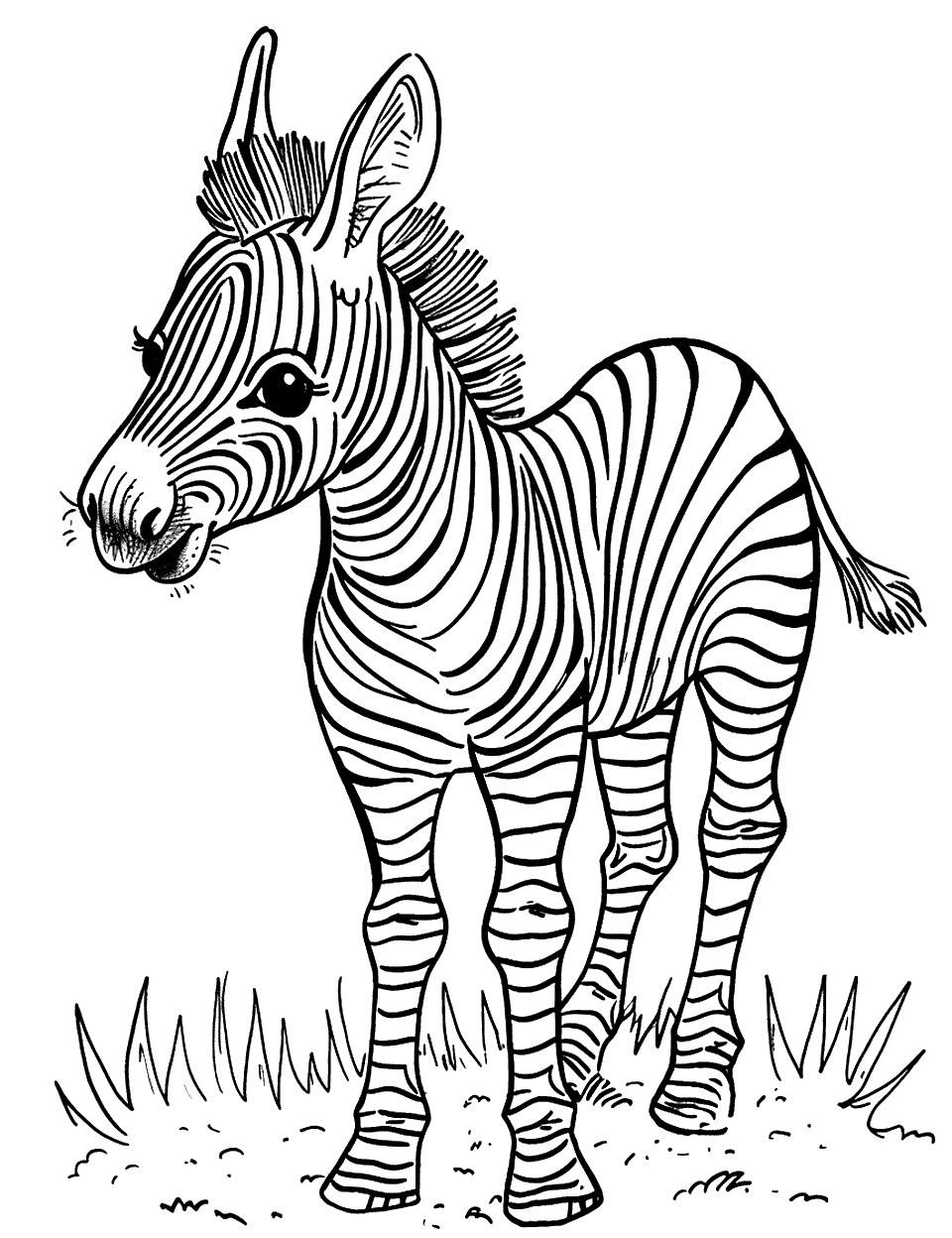
Zebra Foal Learning to Walk
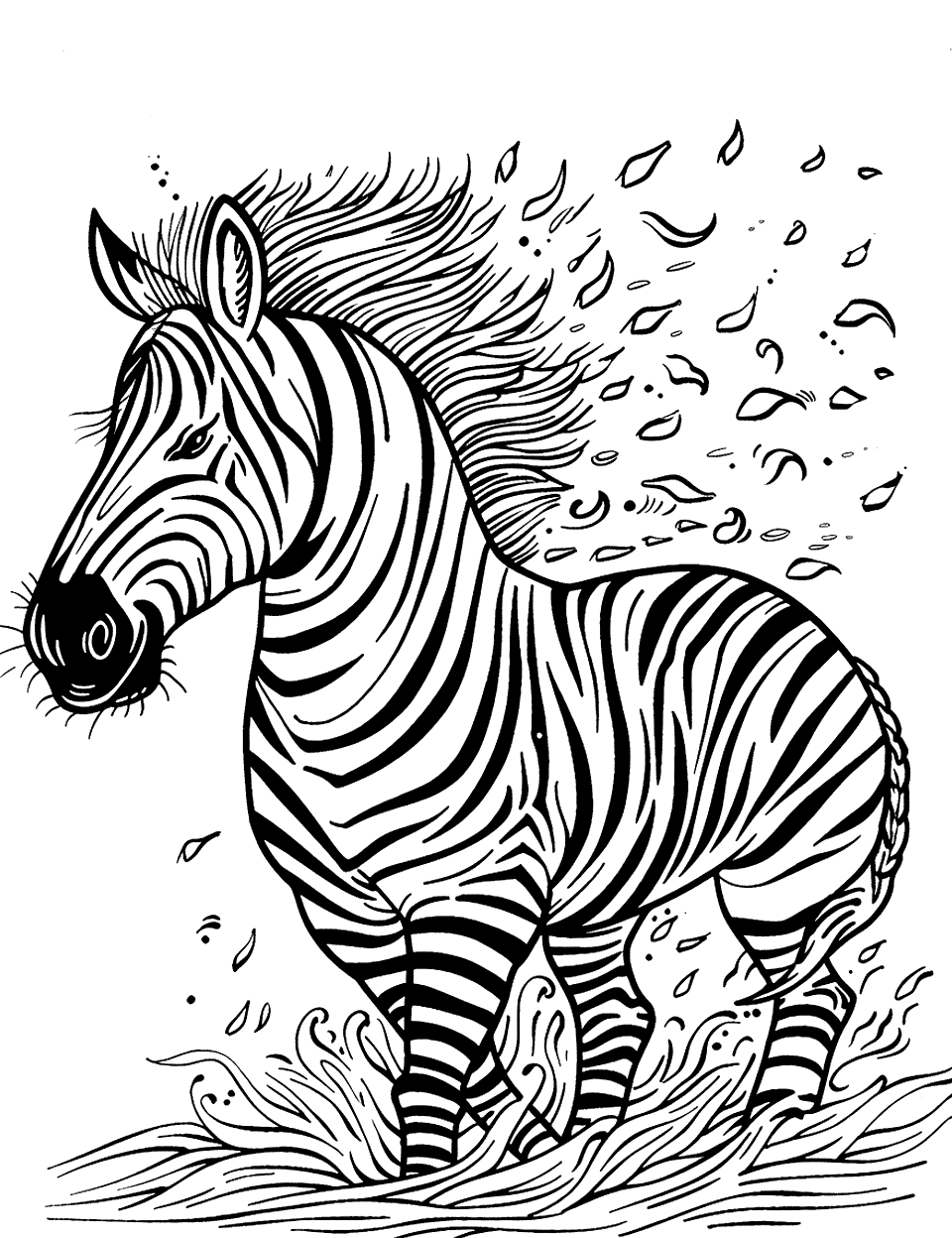
Zebra in a Dusty Wind
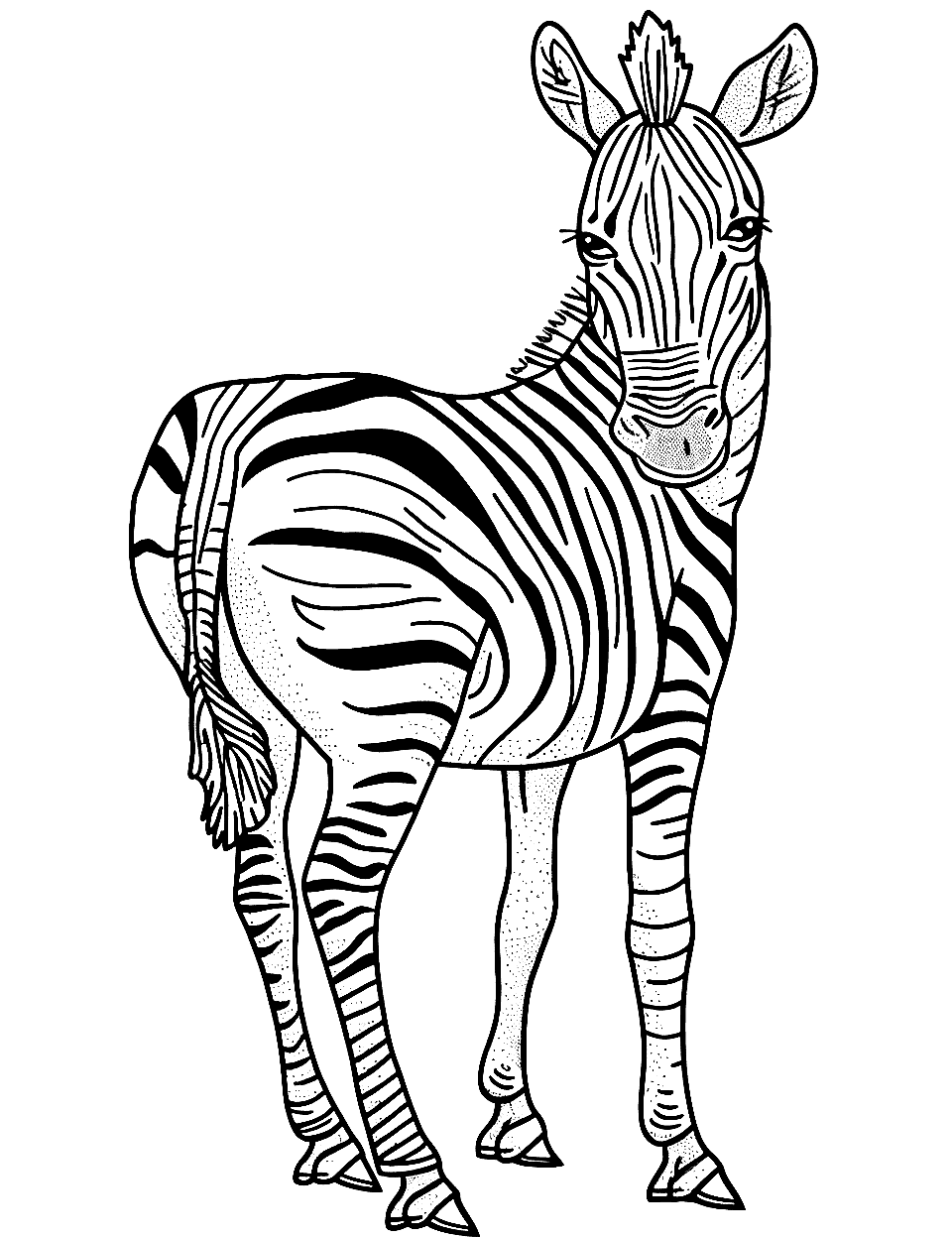
Zebra Looking Back
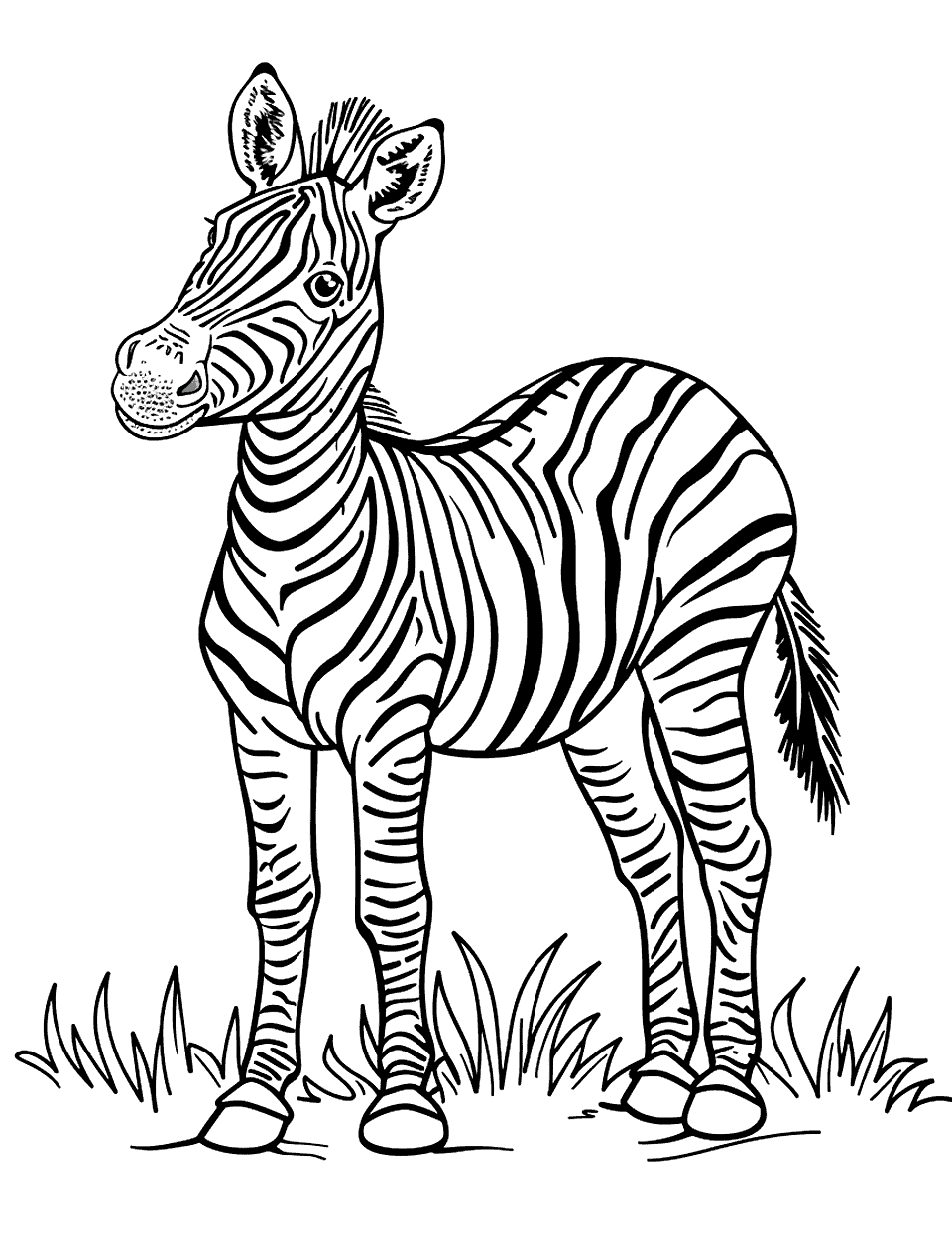
Alert Zebra
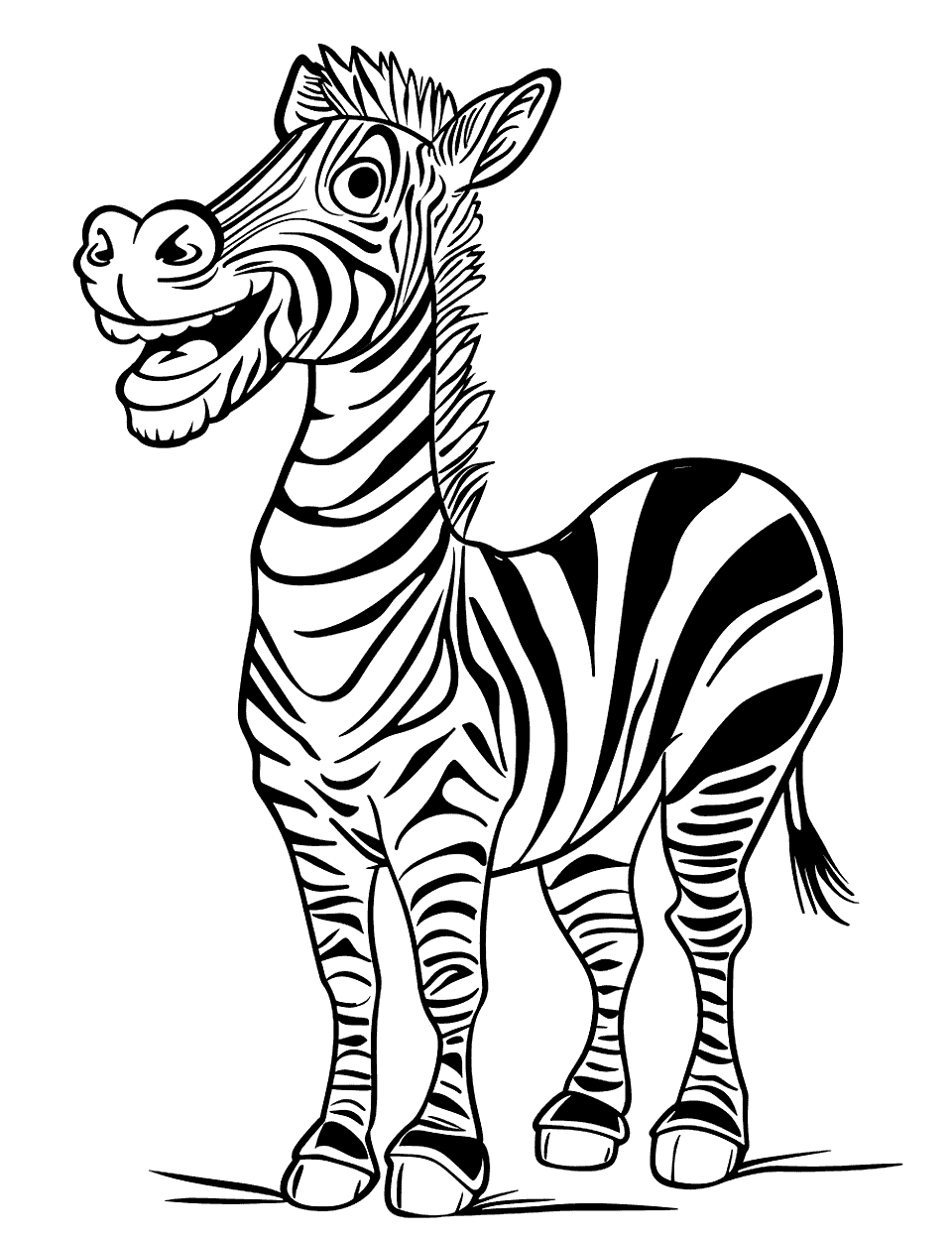
Laughing Zebra
By using our free coloring pages, you acknowledge and agree to our full disclaimer. All materials are for personal, non-commercial use only and all rights belong to their respective license holders.
Activities to Do With Zebra Coloring Pages
Don’t let the fun stop once the coloring is done. These printable sheets can serve as the base for all sorts of creative crafts and educational activities. Here are a few ways to use these pages to keep your kids entertained.
Create a Savanna Diorama
Turn a shoebox into a wild African landscape. Have your child color their favorite zebra, then cut it out carefully. Paste the zebra onto cardstock to make it sturdy. Inside the shoebox, they can paint a sunset background and glue real grass or twigs to the bottom to mimic the savanna. Place the paper zebra inside to create a 3D scene.
Zebra Pattern Art
Instead of coloring the stripes with a black marker, use different materials to create texture. Your kids can glue black yarn, pieces of black fabric, or even black glitter onto the stripes. This is excellent for fine motor skills and adds a fun sensory element to the artwork.
Make a Zebra Mask
Choose a coloring page that features a close-up of the zebra’s face. After coloring, glue the page to a paper plate or a piece of thin cardboard. Cut out the face shape and carefully cut out holes for the eyes. Punch two small holes on the sides, tie a string or elastic band through them, and your child can transform into a striped animal for playtime.
Pop-Up Greeting Cards
These coloring pages make adorable cards for birthdays or special notes. Print the zebra at a smaller scale (like two or four per page). Color and cut out the image. Fold a piece of construction paper in half to make a card, and glue a small folded paper tab behind the zebra cutout. Attach it to the inside of the card so the zebra “pops up” when opened.
Educational Fact File
Combine art with science by turning the coloring pages into a fact book. On the back of each colored sheet, have your child write down interesting facts they learn about zebras. They might write about how every zebra’s stripes are unique, just like fingerprints. Staple the pages together to create their very own wildlife guide.
FAQs

Are Zebras Black With White Stripes or White With Black Stripes?
Scientific evidence shows that zebras actually have black skin. The white fur represents the absence of pigmentation, so technically, they are black animals with white stripes.
What Is the Best Paper for These Coloring Pages?
Standard printer paper works perfectly for crayons and colored pencils. However, if your child wants to use markers or watercolors, we recommend printing on cardstock to prevent the ink from bleeding through.
Can I Use These Pages for a Classroom Lesson?
Absolutely. These coloring pages are free for personal and educational use. They are great for biology lessons, geography units on Africa, or just a fun art activity for the class.
Why Do Zebras Have Stripes?
Scientists have several theories. The stripes may help camouflage the zebra in tall grass, confuse predators like lions, or even deter biting flies that carry diseases.
How Do I Print These Coloring Sheets?
Simply click on the image or the link provided for the page you want. It will open a high-resolution version (usually a PDF or image file) that you can print directly from your browser or save to your computer for later.
What Colors Should I Use Besides Black and White?
While the zebra itself is black and white, you can get creative with the background. Use greens and yellows for the grass, bright blues for the sky and water, and warm oranges and reds for an African sunset.