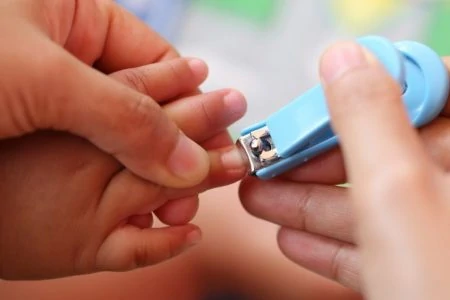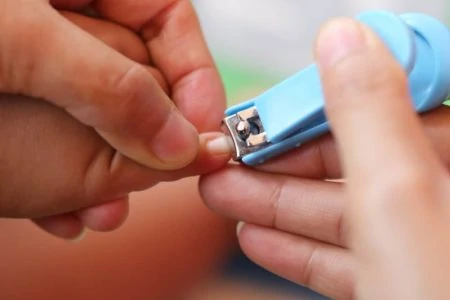
Let’s be honest: trimming your newborn’s nails is terrifying.
It is likely one of the most nerve-wracking tasks you will face in those early weeks. You are holding a sharp object near tiny, wiggling fingers, and the fear of drawing blood is real. However, those little nails grow surprisingly fast and can become sharp daggers if left unchecked.
In this guide, we will walk you through the safest tools and techniques to keep your baby’s nails trim and tidy without the stress.
Key Takeaways
- Regular maintenance is key: frequent trimming prevents your baby from scratching their face and eyes.
- Choose the right tool: use baby-specific clippers, blunt-nosed scissors, or a glass file depending on your comfort level.
- Technique matters: gently push the finger pad back to expose the nail and clip above the white line.
- Handle accidents calmly: if you nip the skin, apply pressure with a clean tissue and avoid using bandages.
Why Should I Trim My Baby’s Nails?
Your baby’s nails might look soft and pliable, but they can cause real damage. If you have ever held a newborn with flailing arms, you know those tiny claws are surprisingly sharp.
Babies lack muscle control during the first few months. Their erratic movements often result in their hands landing on their faces or even inside their mouths (1).
Without regular trimming, your little one can easily scratch their own cornea or leave cuts on their delicate skin. My daughter constantly had small scratches near her eyes until I established a strict trimming routine.
Newborn fingernails also grow at lightning speed (2). Many parents find they need to trim fingernails every few days, while toenails usually grow much slower.
How to Trim Your Baby’s Nails
There is no single “right” way to trim nails. The best method is whatever makes you and your baby feel safe and comfortable.
Some parents tag-team the effort: one holds the baby while the other trims. Others prefer doing it during feeding time or while the baby is deep asleep to minimize wiggling.
Before you start, consider these tips to make the process smoother:
- Get comfortable: Sit in a glider or place your baby on a secure surface. Good posture helps you keep a steady hand.
- Maximize lighting: Never trim in the dark. Sit by a window for natural light or use a bright lamp to see exactly where the skin ends and the nail begins.
- Secure the hand: A moving target is dangerous. Gently but firmly hold the finger you are working on. If your baby is awake and anxious, singing or talking can provide a distraction.
- Smooth rough edges: Clippers can sometimes leave sharp corners. Have an emery board ready to buff them down.
- Time it right: Try trimming after a bath. The warm water softens the nails, making them easier to cut.
Clippers

Clippers are the most popular choice because they are familiar. Most of us use them on ourselves, so the mechanics feel natural. However, standard adult clippers are too large and dangerous for infant fingers (3).
When choosing clippers, look for specific features that aid visibility. Some modern options come with built-in LED lights or magnifying glasses. At a minimum, you want a pair with an ergonomic grip to prevent slipping.
The Safety 1st Steady Grip nail clipper is a classic choice. The large handle is easier for adult hands to manipulate, giving you better control over the cutting head.
Scissors
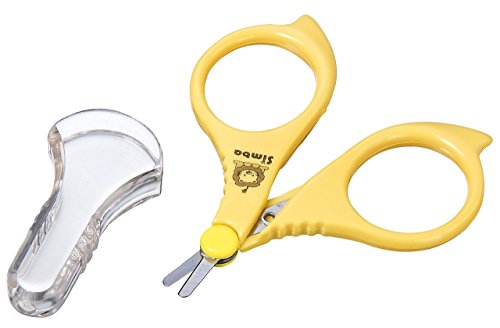
Using scissors might sound intimidating, but many parents find them safer than clippers. The main advantage is visibility: you can see the blade cutting across the nail, unlike clippers which can sometimes obscure your view.
You must use scissors designed specifically for infants. These will have short blades and, most importantly, rounded blunt tips to prevent accidental pokes if the baby jerks their hand.
For excellent control, we recommend the Simba baby nail scissors. They are sharp enough to cut cleanly without crushing the nail but safe enough for wiggly fingers.
File
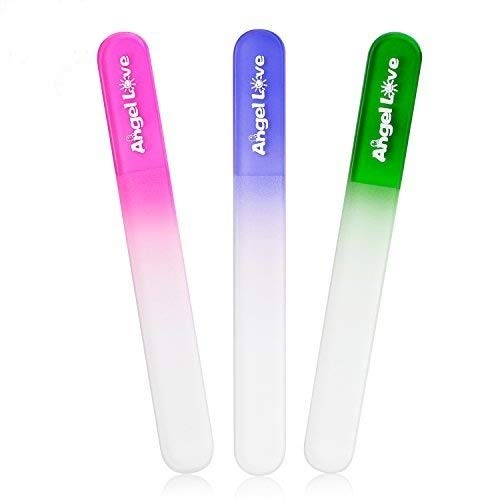
Filing is widely considered the safest method. It is almost impossible to draw blood with a file, making it ideal for anxious parents.
For newborns under one month, doctors often recommend filing exclusively. Their nails are paper-thin and can be worn down gently. You can use a standard emery board, a glass file, or even an electric nail trimmer (which is essentially a rotating file).
If you want a straightforward solution for a squirmy baby, check out this Baby emery board. It is gentle on soft nails and effective at smoothing out jagged edges.

The How-Tos
Regardless of the tool you choose, the general technique remains the same. The goal is to isolate the finger and create space between the nail and the skin.
Follow these steps for a safe trim:
- Isolate the finger: Hold your baby’s palm and grip the specific finger you are trimming. Keep it steady.
- Push the pad back: This is the most critical step. Use your thumb to gently press the fingertip pad down and away from the nail (4). This ensures you clip the nail, not the skin.
- Clip with caution: For fingernails, make small clips following the natural curve. Do not go shorter than the white nail line. If using a file, buff gently in one direction.
- Cut straight across for toes: Toenails require a different approach. Clip them straight across to prevent ingrown nails. Do not round the corners.
What Not to Do
While you find your rhythm, keep these two major prohibitions in mind to keep your baby safe.
- Do not bite the nails: It might be tempting to nibble off a long nail, but this is dangerous. Your mouth is full of bacteria that can cause infections in tiny cuts. Plus, biting often leaves jagged, sharp edges behind.
- Do not peel the nails: Never pull or tear a hanging nail. This can rip the nail down into the quick, causing pain and potential infection. Always use a tool to snip it cleanly. Ingrown nails are often caused by improper tearing.
What Should I Do If I Cut the Skin?
Accidents happen. Even pediatricians and seasoned nurses occasionally nip a baby’s finger. If you see blood, try not to beat yourself up.
Follow these steps to handle it quickly:
- Remain calm: Your baby picks up on your emotions. If you panic, they will cry harder.
- Clean the area: Rinse the finger under cool, running water to clean the wound and help restrict blood flow.
- Apply pressure: Wrap the finger in a clean tissue or sterile gauze pad. Apply firm, gentle pressure until the bleeding stops, which usually takes a couple of minutes.
- Avoid bandages: Do not use adhesive bandages on infants or toddlers. They can easily come loose and become a choking hazard (5). Liquid bandage is an alternative, but ask your doctor first.
Trimming Baby Nails FAQs

When Can I Start Cutting My Baby’s Nails?
You can trim your baby’s nails immediately after birth if necessary. However, most newborns have soft nails that wear down naturally. Many parents wait a few weeks or use a file initially to avoid cutting the skin.
How Often Do You Have to Cut a Baby’s Nails?
Fingernails grow rapidly and typically require trimming once or twice a week. Toenails grow much slower and usually only need attention once or twice a month.

Is It Better to File or Cut Newborn Nails?
Filing is generally safer for newborns because their nails are soft and the skin is attached high up on the nail bed. Using a file eliminates the risk of accidental cuts during those first few wiggly weeks.

What are the Safest Nail Clippers for Babies?
The safest clippers are those specifically sized for infants. Look for models with a built-in light, a magnifying glass, or a safety guard (“spy hole”) that allows you to see exactly what you are clipping.

Do I Need to Sterilize Baby Nail Clippers?
Yes, it is good practice to wipe down clippers with rubbing alcohol before and after each use. This prevents infection in case you accidentally nip the skin.

How Do You Cut a Baby’s Nails If They Won’t Let You?
Wait until they are in a deep sleep (the “floppy arm” stage). Alternatively, try trimming while they are in a high chair watching a show, or have a partner distract them with a toy while you work quickly.

Is It Best to Trim a Baby’s Nails When the Baby is Awake So They are Not Frightened?
Most parents find it easier when the baby is asleep to avoid wiggling. However, if you do it while they are awake, make it a calm, positive experience with singing or gentle talking so they do not develop a fear of the clippers.

Are Electric Nail Trimmers Safe for Babies?
Yes, electric nail trimmers are very safe and popular. They use rotating pads with different grit levels to gently file the nail down without hurting the skin, preventing accidental cuts entirely.