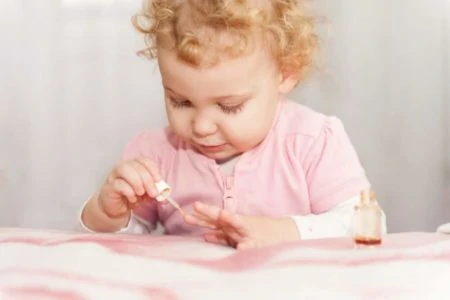
Tiny fingers and toes are undeniably cute, and adding a splash of color can feel like a fun way to bond. It is natural to want to share your love of beauty with your little one.
However, parents should pause before reaching for the bottle. Adult nail products are not designed for sensitive, developing systems.
Preliminary research indicates that traditional nail polish, even bottles labeled “toxin-free,” can pose health risks to young children (1).
Is painting your baby’s nails actually dangerous? We will break down the chemicals, the risks, and the safer alternatives so you can decide what is best for your family.
Key Takeaways
- Ingestion risks: Babies constantly put fingers in their mouths, meaning they will likely ingest chipped polish and chemicals.
- Toxic ingredients: Standard polish often contains the “Toxic Trio” (toluene, phthalates, and formaldehyde), which are linked to developmental issues.
- Safer alternatives: If you must paint them, choose water-based, non-toxic, and odorless brands specifically formulated for kids.
- Ventilation is key: Always apply polish in a well-ventilated area to prevent your child from inhaling harmful fumes.
Is Nail Polish Safe for Babies?
The short answer is: generally, no. Standard nail polish contains a cocktail of chemicals, some of which are known endocrine disruptors (2). Because a baby’s immune and metabolic systems are still developing, they are much more susceptible to chemical exposure than adults.
The primary risk is ingestion. Babies explore the world through taste. They suck on their thumbs, chew their fingers, and put their toes in their mouths.
When dry polish chips off, it ends up in your baby’s digestive system.
Furthermore, applying the polish exposes your child to fumes. Inhaling large amounts of these solvents can irritate respiratory tracts (3). Since you cannot stop a baby from mouthing their hands, keeping toxic chemicals off their nails is the safest route.
The “Toxic Trio” in Nail Polish
While that bottle of red might look harmless, the ingredients list often tells a different story. Many standard brands rely on solvents and hardeners that are hazardous to health.
Here are the three main chemicals to avoid:
1. Toluene
Manufacturers use toluene to create a smooth finish and keep the pigment suspended in the bottle. It is a potent solvent also found in paint thinners and car fuel (4).
While regulations limit the concentration of toluene, it remains a risk for children.
Prolonged exposure to toluene fumes can affect the central nervous system. Symptoms might include headaches, dizziness, and upper respiratory irritation (5).
2. Phthalates (DBP)
Phthalates are plasticizers used to make products flexible and reduce brittleness. They appear in everything from food packaging to toys (6).
In nail polish, Dibutyl Phthalate (DBP) prevents cracks. However, phthalates are known endocrine disruptors.
Animal studies have linked phthalate exposure to reproductive system defects and developmental issues (7). While trace amounts are common in the environment, applying them directly to a baby’s hands increases unnecessary exposure.
3. Formaldehyde
Formaldehyde acts as a hardener and preservative in nail products. It is the same chemical used in building materials and embalming fluids (8).
This chemical is a known carcinogen and a common allergen. It frequently causes skin irritation and dermatitis (9).
You might see it listed under different names, such as methylene glycol or formalin. Even “formaldehyde-free” polishes sometimes use formaldehyde resin, which can still trigger allergic reactions in sensitive babies.
Safety Tips for Tiny Toes
If you decide to proceed with a manicure, you can take steps to lower the risk. Toes are generally safer than fingers since babies can’t chew on them as easily (though flexible babies certainly try).
Also, consider your own habits. If your nails are painted, ensure they are fully dry before handling your baby or letting them chew on your fingers.
Here are the essential guidelines for safe application:
- Do: Choose water-based, “5-Free” or “7-Free” polishes.
- Do: Apply polish in a highly ventilated area, preferably outside.
- Do: Wash the baby’s hands immediately after the polish is dry to remove residue.
- Don’t: Use acetone remover; it is too harsh for delicate skin.
- Don’t: Leave polish on for more than a day or two to prevent chipping.
Best Baby-Safe Nail Polish Options
If you want to dress up your little one’s nails, skip the drugstore brands. Look for water-based formulas specifically designed for children.
Here are two non-toxic options to consider:
1. Karma Organic Natural Nail Polish
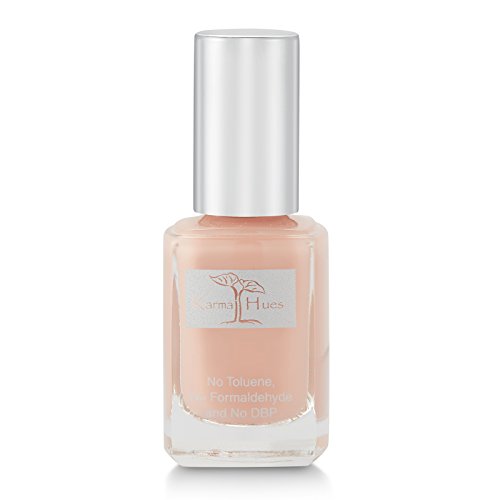
Karma Organic offers a safer alternative to harsh solvents. Their formula excludes the common toxins found in big-name brands, making it a “7-Free” product. It is also cruelty-free and vegan.
This polish is solvent-based but uses safer ingredients derived from soy. It offers better durability than water-based options, but you should still ensure good ventilation during application. The shade range is fantastic, with fun names like “Sand Between My Toes.”
2. Piggy Paint Non-Toxic Nail Polish

Piggy Paint is widely considered the gold standard for kids. It is water-based, virtually odorless, and free of all harsh chemicals. Because it is non-toxic, it is safe even if your baby manages to take a nibble.
The trade-off is durability. Since it lacks harsh hardeners, it can chip easily. To make it last, use a hair dryer on a cool/warm setting for a minute after painting. This “cures” the polish and hardens it against scratches.
FAQs

At What Age Can I Paint My Baby’s Nails?
Most pediatricians and experts recommend waiting until your child stops the habit of sucking on their fingers or thumbs. This usually happens around age three or four. If you choose to do it earlier, stick to strictly non-toxic, food-safe polishes.
How Should I Remove Nail Polish From a Baby?
Avoid standard acetone or acetate removers, as the fumes are strong and they strip moisture from the skin. Instead, peel off the polish (if it is a peel-off formula) or use a soy-based, non-toxic remover on a cotton pad.
What Does “5-Free” or “7-Free” Mean?
These terms indicate that the nail polish is free from specific toxic chemicals. “3-Free” lacks toluene, DBP, and formaldehyde. “5-Free” adds formaldehyde resin and camphor to the exclusion list. The higher the number, the fewer harsh chemicals the formula contains.
Better Safe Than Sorry
Painting a baby’s nails is not a necessity, and given the chemical exposure risks, we believe it is best to wait until they are older.
However, if you cannot resist a special occasion manicure, strict safety measures are non-negotiable. Use a certified non-toxic, water-based brand like Piggy Paint, keep the room airy, and wash those little hands thoroughly once the paint dries.