Solid Feeding: Introducing New Flavors and Textures

The first spoon of oatmeal mostly ends up on the bib, the high chair tray, and one eyebrow. Somewhere around six months, when a baby can sit with support, hold her head steady, and reaches for what is on your plate, the milk-only stage ends and the questions start.

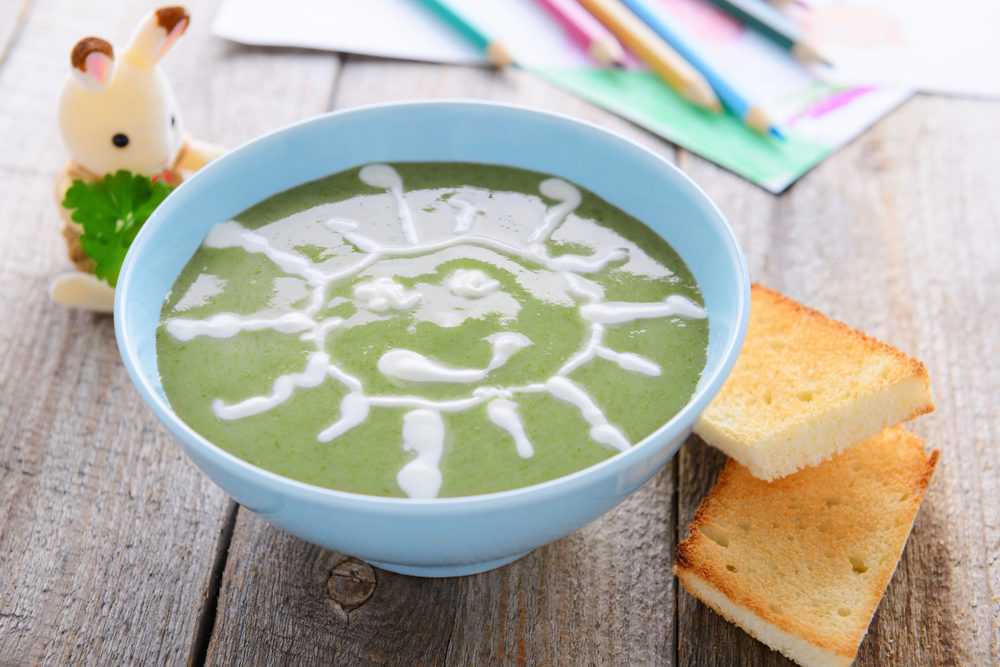
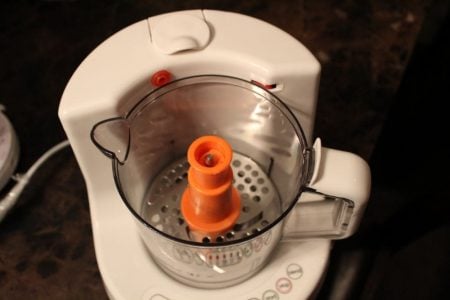
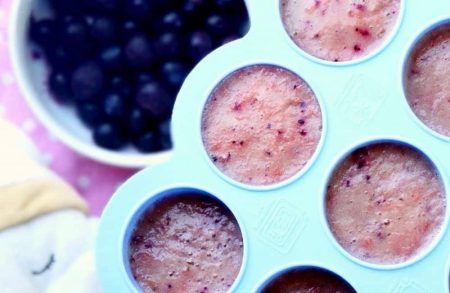
Early on they are mostly safety questions with clear answers: water in small amounts once solids begin and not before, no honey in the first year, lemon as a taste rather than juice, hummus once sesame has been introduced without a reaction, spinach and other nitrate-rich greens in normal portions rather than a daily puree, and caffeinated tea off the table entirely. Ask your pediatrician before introducing common allergens if there is eczema or a family history. Later the problem shifts from what is allowed to what a toddler will actually eat, which is a patience-and-repetition problem more than a recipe one. On the equipment side: a soft-tipped spoon a baby can grip, storage that freezes in single portions, a food maker only if you plan to puree in batches, refillable pouches instead of the throwaway kind, and plates that suction hard enough to survive a bad mood. Organic is a budget decision, not a nutrition emergency.

More in Baby & Toddler Feeding