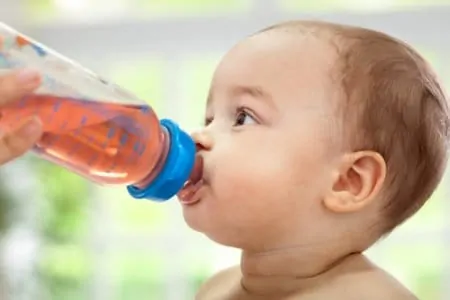
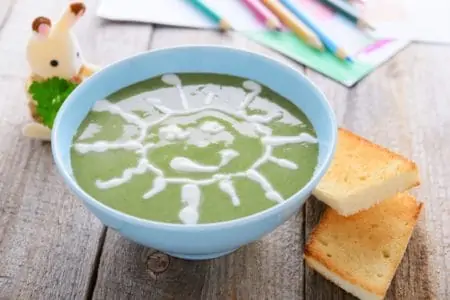
Making your own baby food? That is a labor of love. Whether you are whipping up batches of sweet potato puree or storing leftovers, you need the right gear to keep that liquid gold fresh.
The best baby food storage containers prevent freezer burn, block out harmful chemicals, and keep your fridge organized. But with so many shapes, materials, and sizes on the market, finding the right set is tricky. We are here to help. We will break down the different material types, safety tips, and the best containers for storing your homemade masterpieces.
- Measurements on the container
- Set of 12
- High-grade, food-safe glass
- Includes carrying tray
- Extra-secure lids
- High-quality materials
- Extra wide, double-zipper bottom
- Eco-friendly materials
- Multiple sizes available
- 3 large sizes to choose from
- Collapsible design
- Airtight lids
Types of Baby Food Storage Containers
Storage containers are not one-size-fits-all. Each style serves a specific purpose in your meal-prep routine. Here is a breakdown of the most common types.

Glass Baby Food Containers
Glass is the gold standard for purity. It is non-porous, meaning it won’t absorb stains or odors (looking at you, spaghetti sauce). It is easy to sterilize and free from petroleum-based chemicals. However, glass is heavier and can break if dropped.

Baby Food Storage Jars
These mimic the store-bought experience but are reusable. Jars usually have screw-top lids, making them excellent for tossing into a diaper bag without worrying about leaks. They are ideal for single servings on the go.

Freezer Trays for Baby Food
If you batch-cook, you need these. They look like ice cube trays but are usually made of flexible silicone. You pour the puree in, freeze it, and pop out perfectly portioned “food cubes” to store in a freezer bag. It is the ultimate space-saver.

Plastic Containers
Plastic is lightweight, durable, and budget-friendly. It is a great option for daycare or travel since it won’t shatter. Just ensure you choose high-quality plastics labeled BPA-free to avoid chemical leaching.
SnapLock Containers
These are the heavy-duty guardians of freshness. The lids feature a silicone gasket and locking tabs that create an airtight, waterproof seal. They are perfect for preventing freezer burn or messy diaper bag spills.
Food Pouches
Reusable pouches are fantastic for promoting independence. Older babies and toddlers can feed themselves without a spoon. They are lightweight and usually freezer-safe, though cleaning the nooks and crannies takes a little extra effort.
Large Baby Food Containers
Sometimes you need to store a big batch before portioning it out. Large containers hold several servings at once. They are great for fridge storage if you plan to use the food within a few days.
Product Reviews
We tested durability, leak-proofing, and ease of cleaning to find the best containers for your kitchen.
WeeSprout Glass Baby Food Storage Containers
Best Glass Baby Food Storage
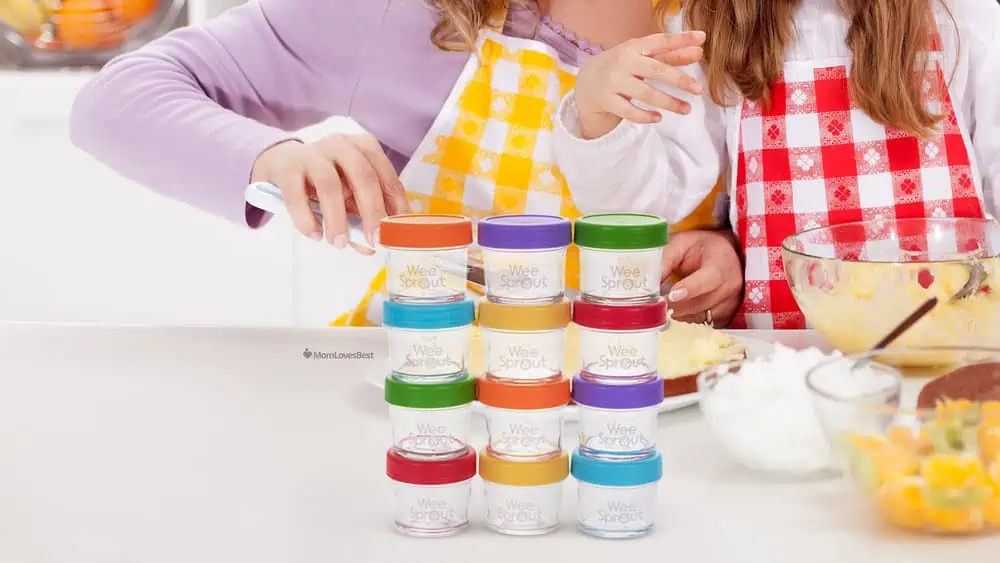
If you are new to meal prepping, start here. WeeSprout jars are made from food-grade glass, which gives many parents peace of mind regarding chemical safety. Glass is naturally free of BPA, phthalates, and PVC, plus it cleans up easily without retaining old food smells.
We love that this set offers versatility. You can choose between 4-ounce jars (great for early eaters) or 8-ounce jars (perfect for bigger appetites). The measurement markings on the side are a huge plus, helping you track exactly how much your little one consumes.
While glass is generally safe, thermal shock is real. Avoid taking these directly from the freezer to a hot warmer, as extreme temperature shifts can cause cracking. These are best for parents who want a reusable, eco-friendly system that transitions easily from fridge to warmer.
Pros
- Measurement markings help track intake.
- Microwave and dishwasher safe.
- No staining or odor retention.
Cons
- Glass can crack with extreme temperature jumps.
- Lids are plastic (though BPA-free).
Our Ratings
Sage Glass Baby Food Storage Containers
Best Baby Food Storage Jars
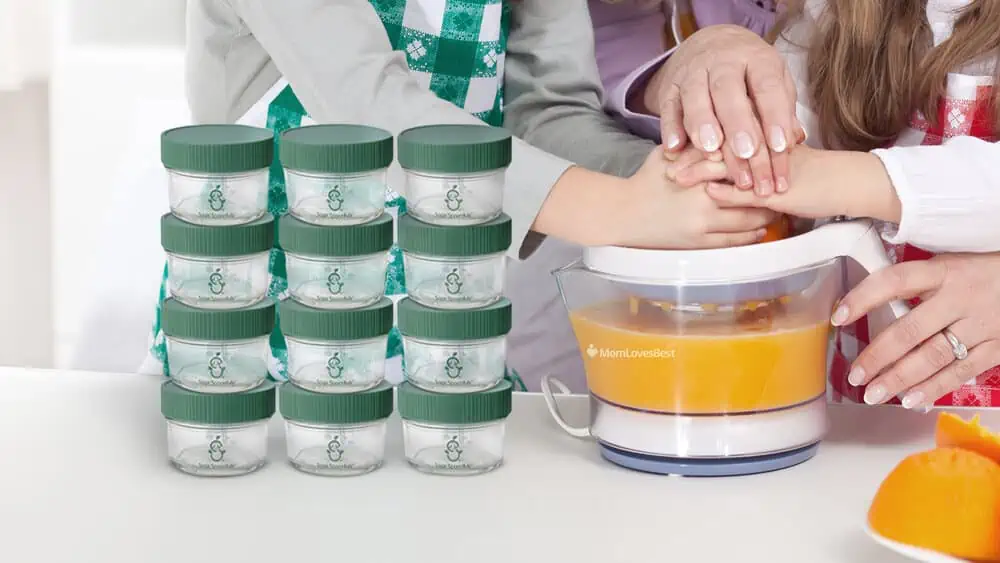
If you want the classic jar feel with modern durability, Sage Spoonfuls delivers. These 4-ounce jars are a workhorse for parents who cook in bulk. The screw-on lids provide a secure seal that is often more reliable against leaks than snap-on versions.
This set stands out for value. You get 12 jars, which is enough to store a week’s worth of lunches and dinners. The wide mouth makes filling them mess-free, and they stack reasonably well in the cupboard.
One nice touch is the included marker. It seems small, but being able to write the “made-on” date directly on the jar (and wash it off later) saves you from the guessing game. These are ideal for parents who need a high volume of containers on a budget.
Pros
- Includes 12 jars for bulk prep.
- Secure screw-on lids prevent leaks.
- Free of BPA, phthalate, lead, and PVC.
Cons
- Glass requires careful handling.
- Takes up significant cabinet space.
Our Ratings
Kiddo Feedo Freezer Tray
Best Freezer Tray for Baby Food
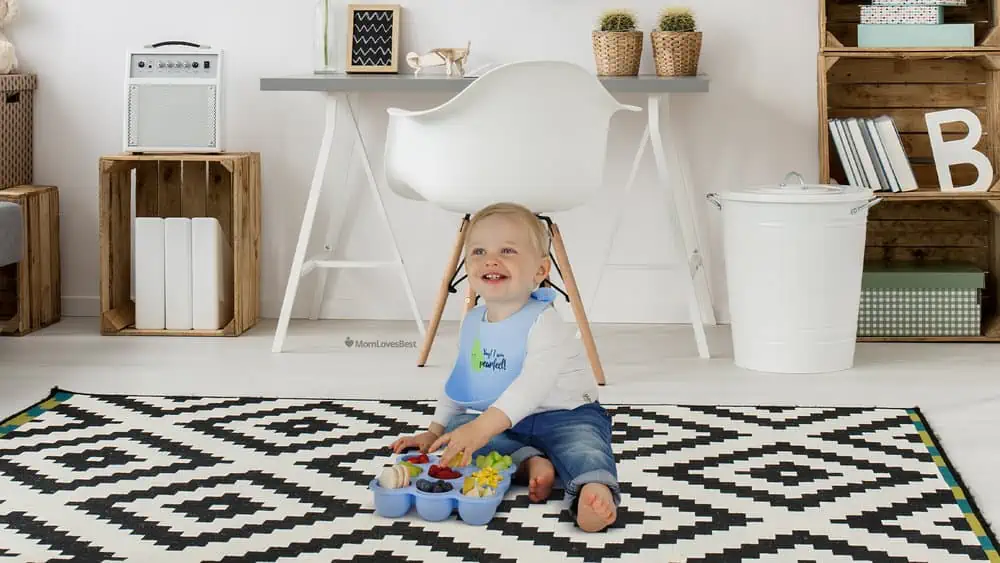
Silicone trays are the secret weapon for freezer storage. Unlike rigid plastic trays that crack when you twist them, this silicone mold lets you pop out frozen food cubes effortlessly.
The Kiddo Feedo tray holds nine portions, each up to 2.5 ounces. The clip-on silicone lid is a game-changer; it stacks easily and prevents that dreaded “freezer smell” from seeping into your baby’s peas. Once frozen, you can transfer the cubes to a Ziploc bag and reuse the tray immediately for the next batch.
This system is perfect for parents who want to spend one Sunday afternoon cooking for the whole month. Plus, it comes with a downloadable e-cookbook, which is a nice bonus if you are stuck for recipe ideas.
Pros
- Food pops out easily (no fighting the tray).
- Lid allows for stacking.
- Silicone is durable and stain-resistant.
Cons
- Silicone can absorb strong soap scents if not rinsed well.
- Lid is not 100% leakproof for liquids if tipped.
Our Ratings
Tovla BPA-Free Plastic Baby Food Containers
Best Plastic Baby Food Containers (BPA Free)
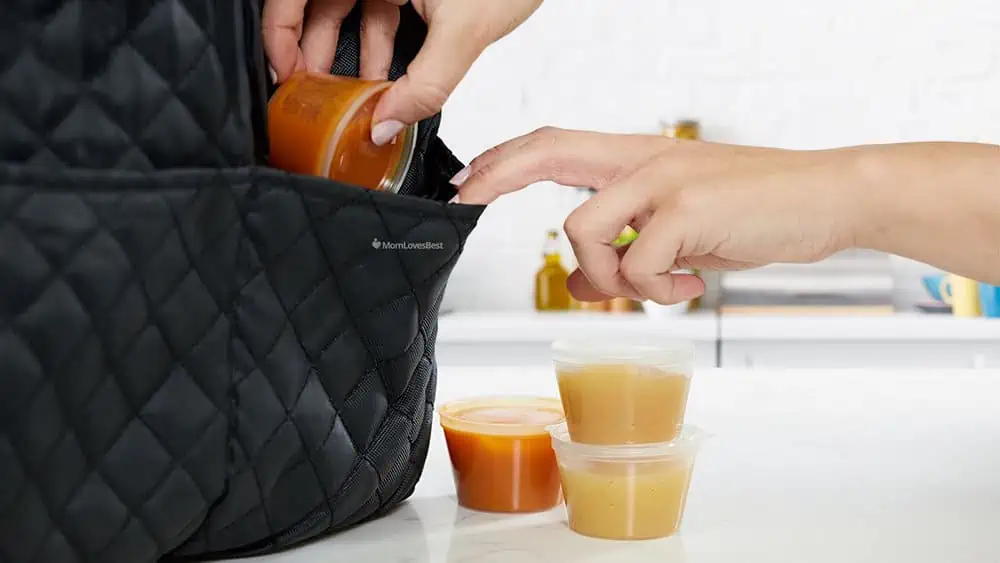
Let’s face it: sometimes you need a container you don’t mind losing at daycare or tossing after a messy road trip. Plastic containers are affordable and indestructible in the hands of a toddler.
Tovla offers a massive set of 50 containers at a price point that makes sense for bulk users. They are made from food-grade, BPA-free plastic, so they are safer than standard deli cups. The lids are attached via a hinge, which means you will never waste time hunting for a matching top in your drawer.
These hold about 3 ounces, making them a good size for snacks or sides. While they aren’t as long-lasting as glass or heavy-duty silicone, they are recyclable and perfect for grab-and-go lifestyles.
Pros
- Attached lids mean no lost parts.
- Very affordable for the quantity.
- Lightweight and travel-friendly.
Cons
- Not recommended for microwave use.
- Thin plastic can crush under heavy weight.
Our Ratings
OXO Tot Baby Blocks
Best SnapLock Baby Food Containers
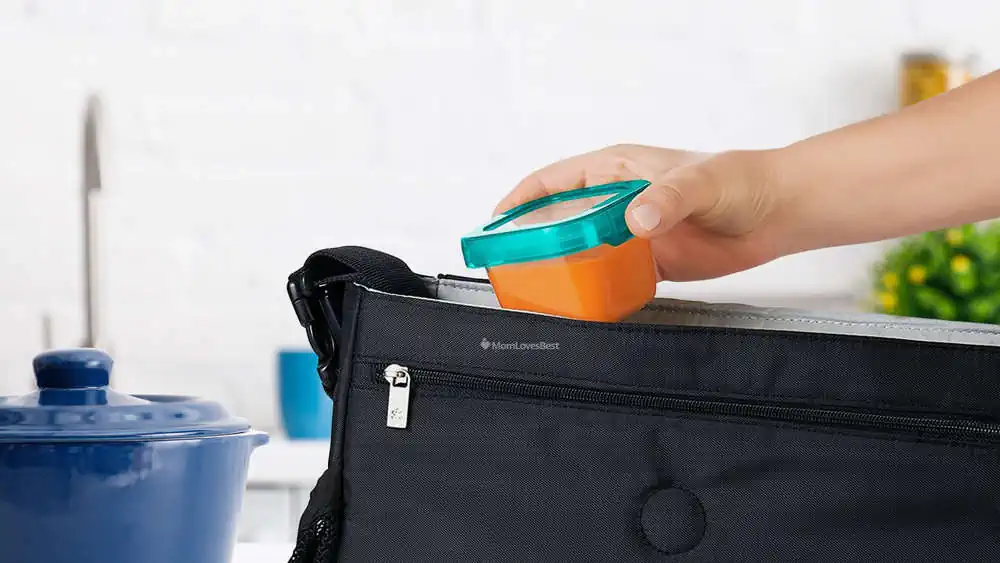
If leaks are your nemesis, OXO Tot Baby Blocks are the solution. The lids feature a silicone gasket and locking tabs that create a truly watertight seal. You can toss these in a diaper bag with runny apple sauce and trust your gear will stay dry.
We really appreciate the included storage tray. Small containers tend to topple over in the freezer or get lost in the back of the fridge. The tray keeps everything upright and organized.
These are freezer and microwave-safe, making the transition from storage to serving seamless. The high-quality plastic resists warping better than cheaper alternatives. They are a bit pricier per unit, but the durability and leak protection are worth the investment for messy liquids.
Pros
- Superior leak-proof seal.
- Tray keeps fridge/freezer organized.
- Durable, warp-resistant plastic.
Cons
- Cleaning the gasket requires extra attention.
- Harder to stack without the tray.
Our Ratings
Wee Sprout Reusable Food Pouch
Best Food Pouches
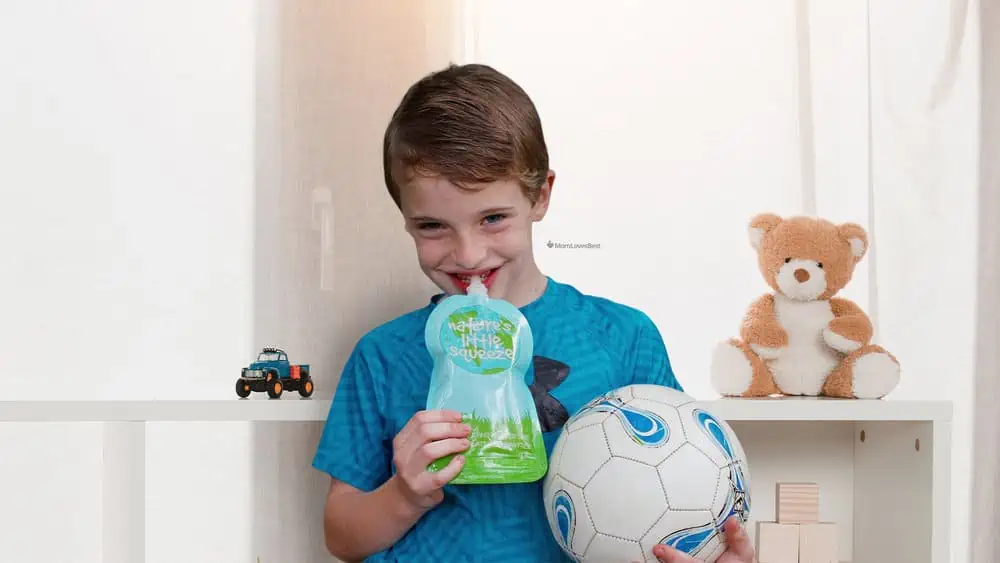
Store-bought pouches are convenient but expensive and wasteful. These reusable versions allow you to put your healthy, homemade blends into a fun, squeezable format kids love.
The genius design feature here is the double-zipper opening at the bottom (not the spout). This gives you a wide opening to pour food in without a funnel, and more importantly, it lets water flow through for easier cleaning.
They are dishwasher safe, though we recommend rinsing them immediately after use to prevent food from drying in the corners. If you want to encourage self-feeding or need a clean snack for the car, these are excellent.
Pros
- Wide bottom opening makes filling easy.
- Promotes self-feeding.
- Eco-friendly alternative to disposable pouches.
Cons
- Zippers must be sealed carefully to avoid blowouts.
- corners can be tricky to clean if food dries.
Our Ratings
Collapsible Silicone Food Storage Containers
Best Large Baby Food Containers
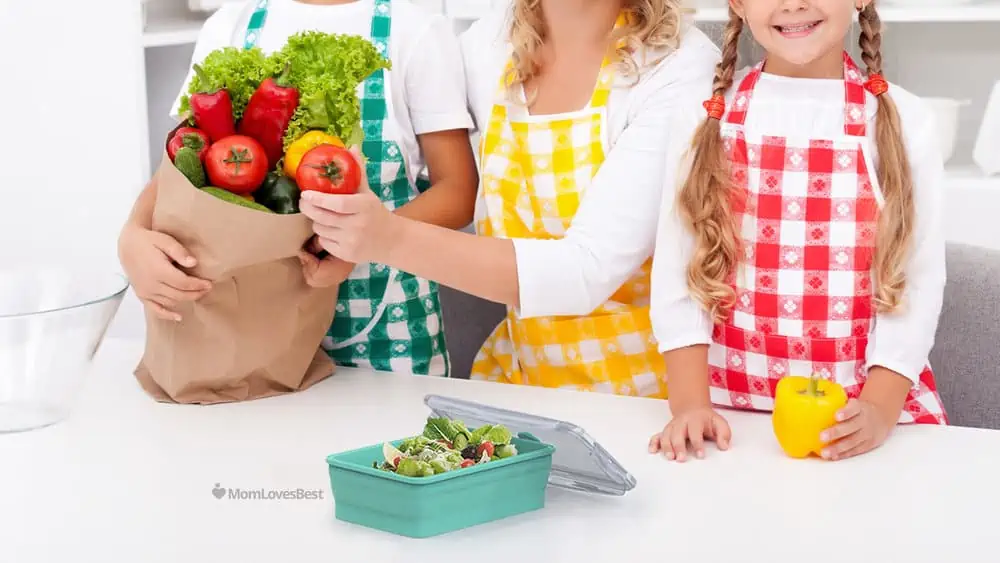
Sometimes you don’t want 20 tiny jars cluttering your counter. If you make a massive batch of puree to last three days, a single large container is more efficient.
Wamery’s silicone containers are unique because they collapse flat. This is brilliant for storage in small kitchens. When expanded, the largest size holds over 40 ounces, which is plenty of room for a week’s worth of food.
The silicone is durable and heat resistant. While these aren’t specifically “baby” branded, they work perfectly for the task and transition easily into storing regular leftovers once your baby outgrows purees.
Pros
- Collapses to save cabinet space.
- Large capacity for batch storage.
- Versatile for years of use.
Cons
- No portion markings.
- Silicone can retain odors if not washed well.
Our Ratings
How to Store Baby Food Safely
Food safety is critical for little immune systems. You don’t need a degree in science, just follow these practical rules (1):
- The “Double Dip” Rule: Never put a spoon back into the jar after it has been in your baby’s mouth. Saliva introduces bacteria that can multiply rapidly in the leftovers. Instead, scoop a portion into a separate bowl for feeding. If they don’t finish the bowl, toss it. If the jar is still clean, fridge it.
- The Two-Hour Limit: Bacteria loves room temperature. Never leave opened baby food out for more than two hours. If it is a hot day (over 90°F), that limit drops to one hour. When in doubt, throw it out.
- Fridge Life: Opened jars of store-bought food usually last 48 to 72 hours in the fridge. Always check the manufacturer’s label. Store them with lids on tight.
- Freezer Guidelines: Fruit and veggie purees can last up to 8 months in the freezer, though quality is best within 3 months. Meat, poultry, and fish purees should be used within 1 to 2 months.
- Label Everything: Sleep-deprived brains forget things. Use masking tape or a dry-erase marker to write the date on every container. You will thank yourself later.
Storing Homemade vs. Store-Bought Food
Homemade food is delicious, but it lacks the preservatives found in shelf-stable commercial jars. This means it spoils faster.
Hygiene is Key: When making food at home, your kitchen is the factory. Sanitize your blender, cutting boards, and storage containers thoroughly. (2).
The Shelf-Life Difference: An unopened jar of commercial baby food can sit in the pantry for months. Homemade food must go directly into the fridge (good for up to 48 hours) or straight into the freezer. Treat homemade food like you would fresh leftovers.
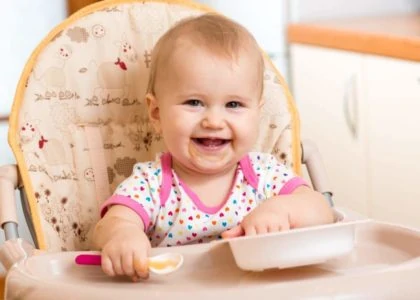
Making Your Own Baby Food
It sounds intimidating, but making baby food is just… cooking. You control the ingredients, texture, and flavor combinations.
Start simple. Steam some sweet potatoes, blend them with a little water or breast milk, and voila! You have made baby food. Don’t stress about making Michelin-star meals. Your baby is exploring new tastes, and the process can be a fun bonding experience. If a batch doesn’t turn out right, or your baby throws it on the floor, take a breath. It’s all part of the journey.
Baby Food Storage Container FAQs
Do I Need Baby Food Storage Containers?
Yes, if you plan on making homemade food. Regular Tupperware is often too large for baby-sized portions (2-4 oz), leading to wasted fridge space and air exposure that spoils food faster. Small, dedicated containers make portioning and freezing much easier.

Is It Better to Store Baby Food In Glass or Plastic?
It depends on your lifestyle. Glass is chemically inert, stains less, and is eco-friendly, but it is heavy and breakable. Plastic is lightweight and durable for travel but can stain and degrade over time. Many parents use glass at home and plastic for daycare.
Can I Freeze Baby Food Jars?
Only if the manufacturer says so. Liquids expand when frozen. If you fill a standard glass jar to the top and freeze it, it will likely shatter. Look for jars specifically marked “freezer safe” and always leave adequate “headspace” at the top for expansion.

Are Baby Food Pouches Better Than Jars?
Pouches win on portability and allowing self-feeding, which helps motor skills. However, jars (glass or plastic) are easier to clean thoroughly and are better for spoon-feeding younger babies. Having a mix of both is often the best strategy.

How Should I Thaw Frozen Baby Food?
The safest way is to move the container from the freezer to the fridge the night before. If you are in a hurry, you can place the sealed container in a bowl of warm water. Avoid thawing on the counter, as uneven temperatures can encourage bacterial growth.
The Bottom Line
For most parents, the WeeSprout Glass Baby Food Storage set is the top choice. It offers the purity of glass, clear measurement markings, and a variety of sizes that grow with your baby’s appetite. It simplifies the process, letting you focus on feeding your baby rather than fighting with lids.
Investing in a good storage system saves you time and money in the long run. Whether you choose glass jars or silicone freezer trays, having the right tools turns meal prep from a chore into a satisfying routine.