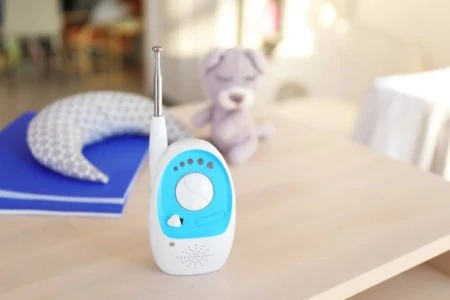
Baby Monitors: Keeping an Eye on Your Baby

The monitor question usually arrives the night the crib moves out of your room, and the answer depends less on features than on your house.

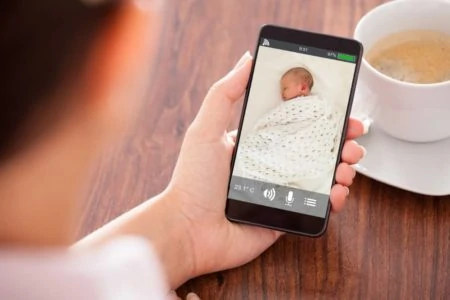
Range is the first real fork. A stated distance is measured in open air, so a two floor house with plaster walls or a detached garden office cuts it hard, and that is what pushes some families toward a long range unit or a wifi model that runs through an app instead of a dedicated parent screen. Apps trade a second device for a phone that has to hold a connection and be locked down with a strong password and two factor login.

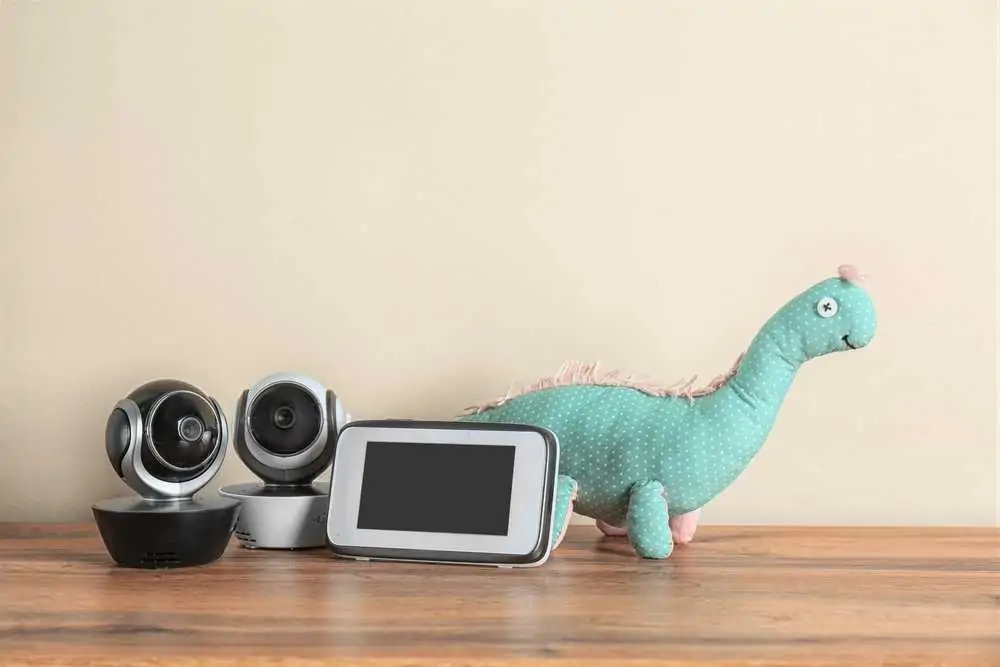
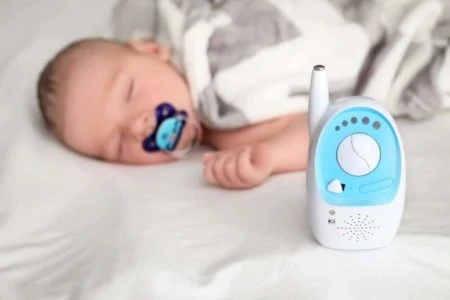
After that it is about who is watching and how many. Twins in separate rooms need two cameras feeding one parent unit, and a dual screen or split view saves the constant channel flipping. Audio only still suits a small home and a parent who does not want a screen glowing at 2am. Deaf and hard of hearing parents need alerts that do not rely on sound at all, which means vibration pucks, flashing lights, and sensitivity you can set.

Breathing and movement monitors sit in their own category, and it is worth being clear about them: no consumer device prevents SIDS, and none replaces safe sleep on a firm flat surface. Some parents find the data steadying, others find the false alarms harder than the worry. Either choice is reasonable.

More in Child Health and Safety