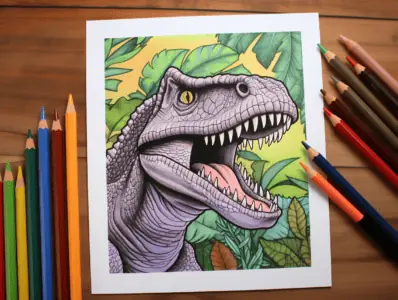
Roar into a prehistoric adventure with our collection of T-Rex coloring pages. The Tyrannosaurus Rex is the undisputed king of dinosaurs, and kids love bringing these fierce creatures to life. Whether you want a realistic giant showing its teeth or a cute cartoon version for preschoolers, we have the perfect sheet for you. Grab your crayons and get ready to stomp through the Cretaceous period!
Cute T Rex
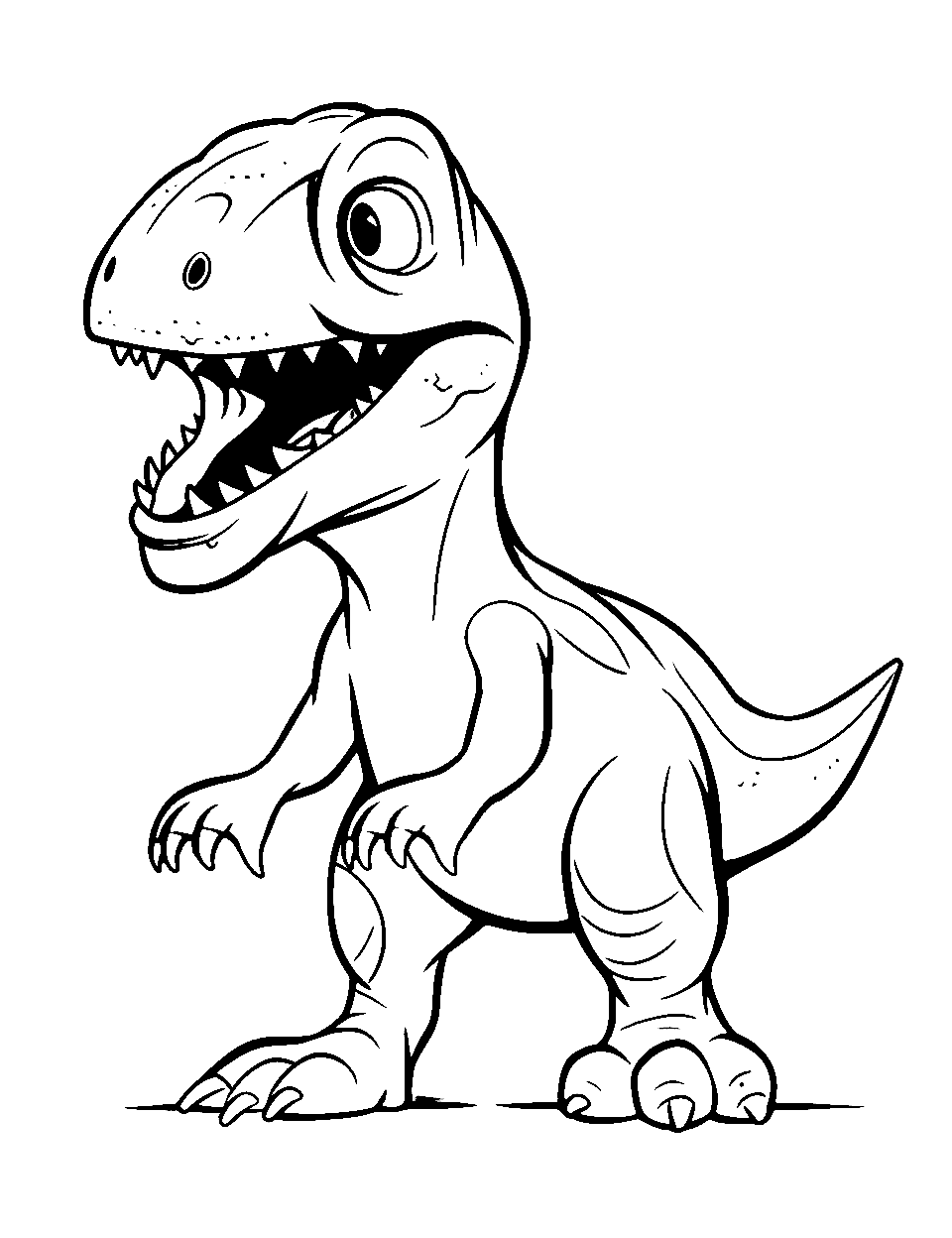
Realistic T Rex
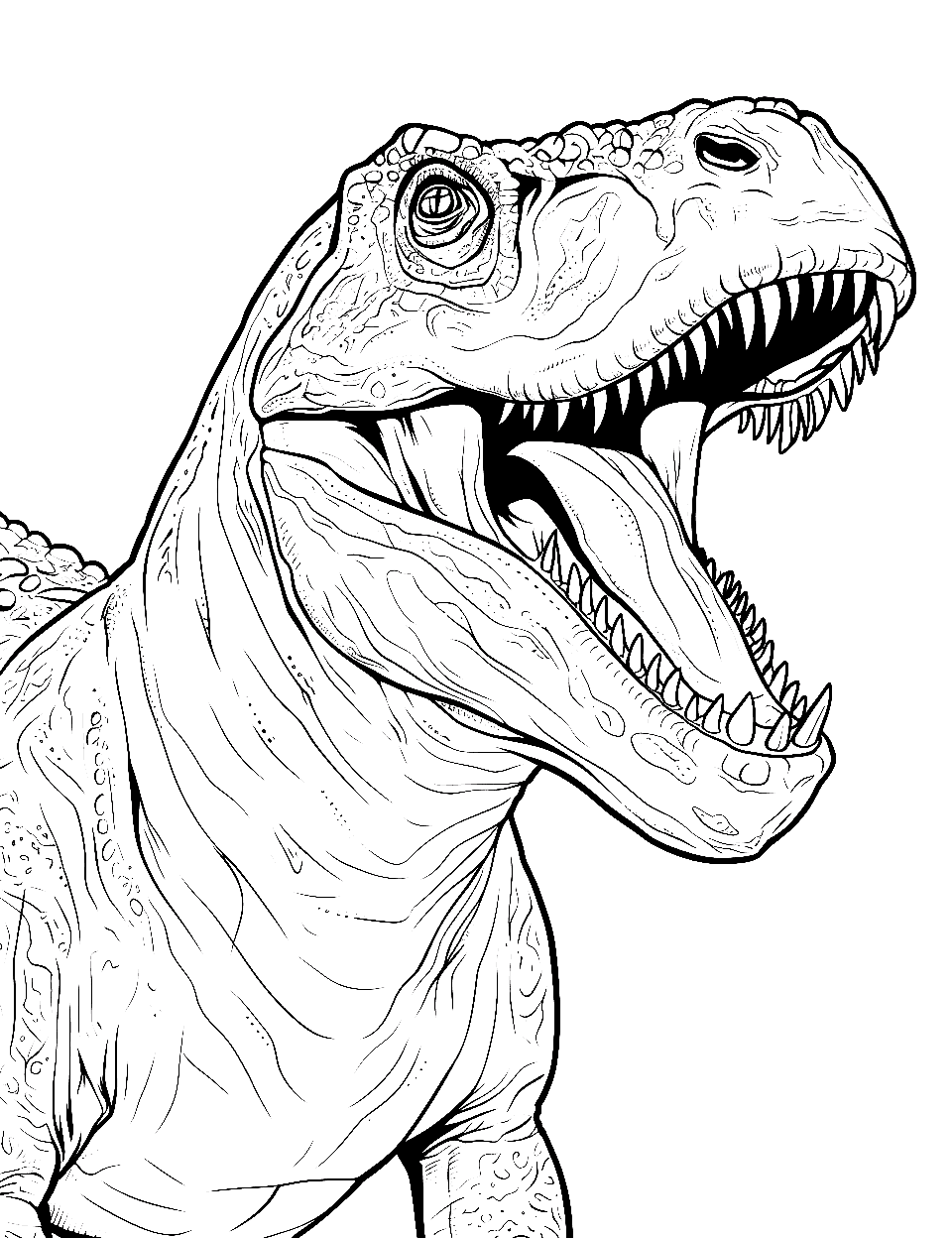
Easy T Rex Outline
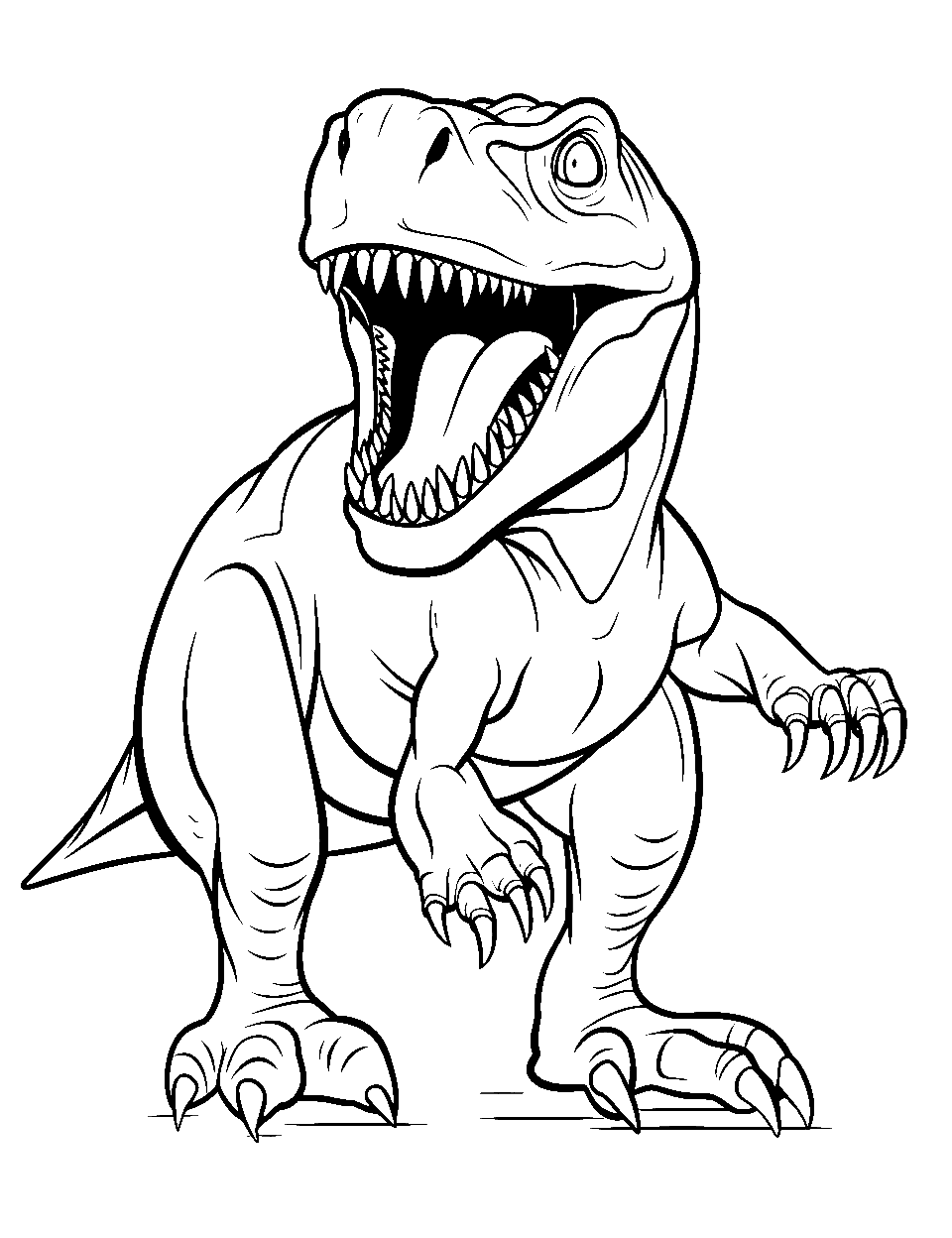
Preschool T Rex
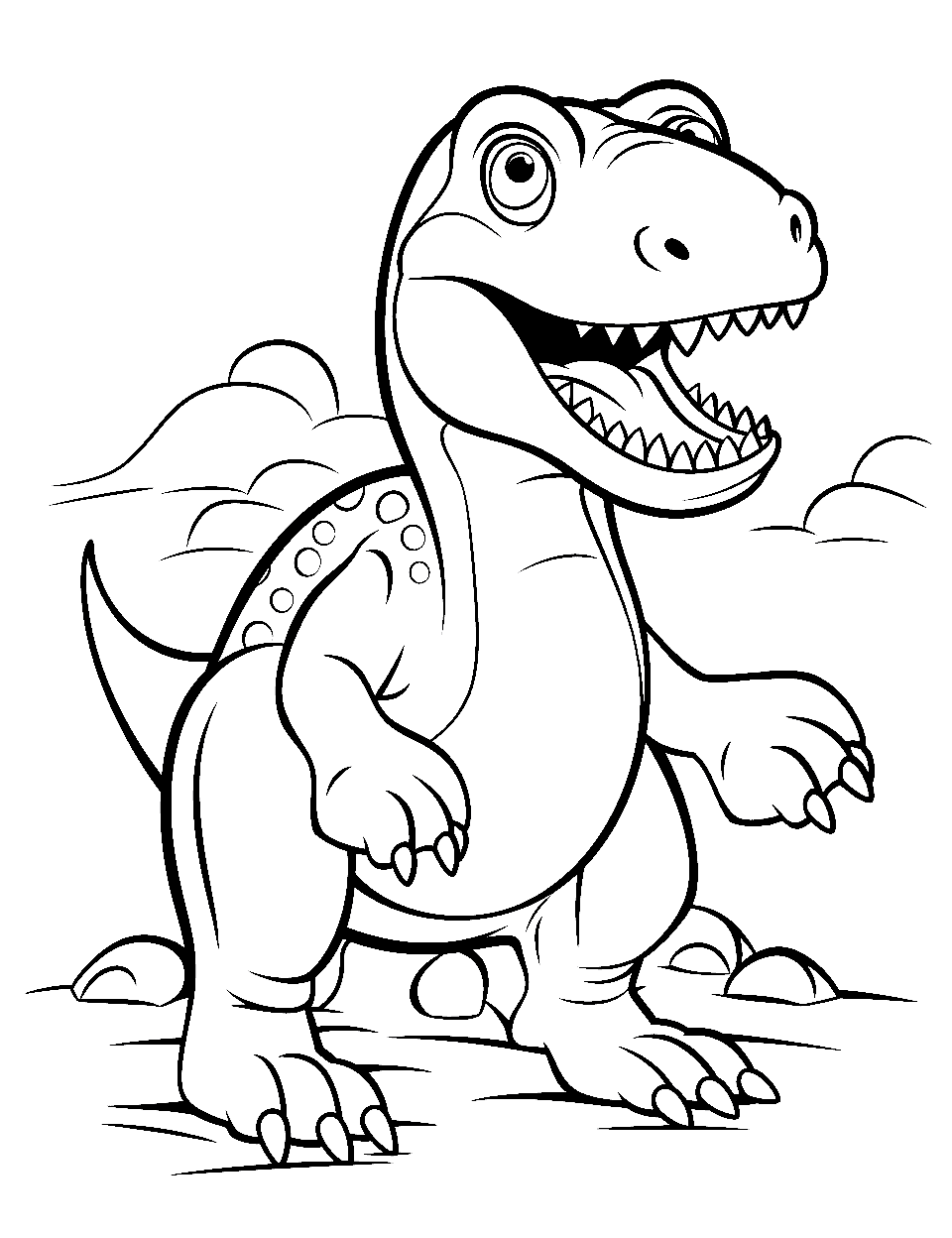
Fierce T-Rex
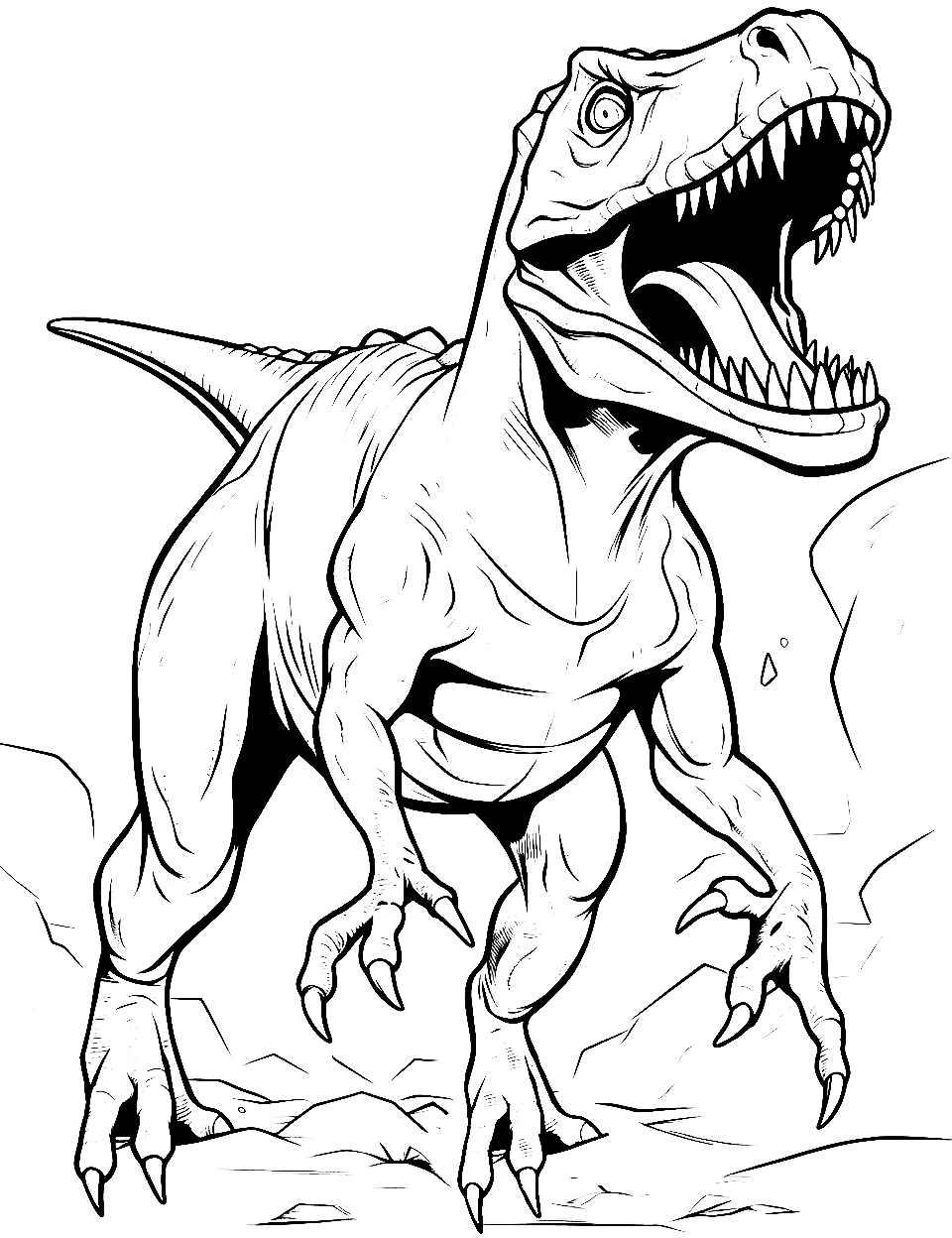
Kawaii T Rex
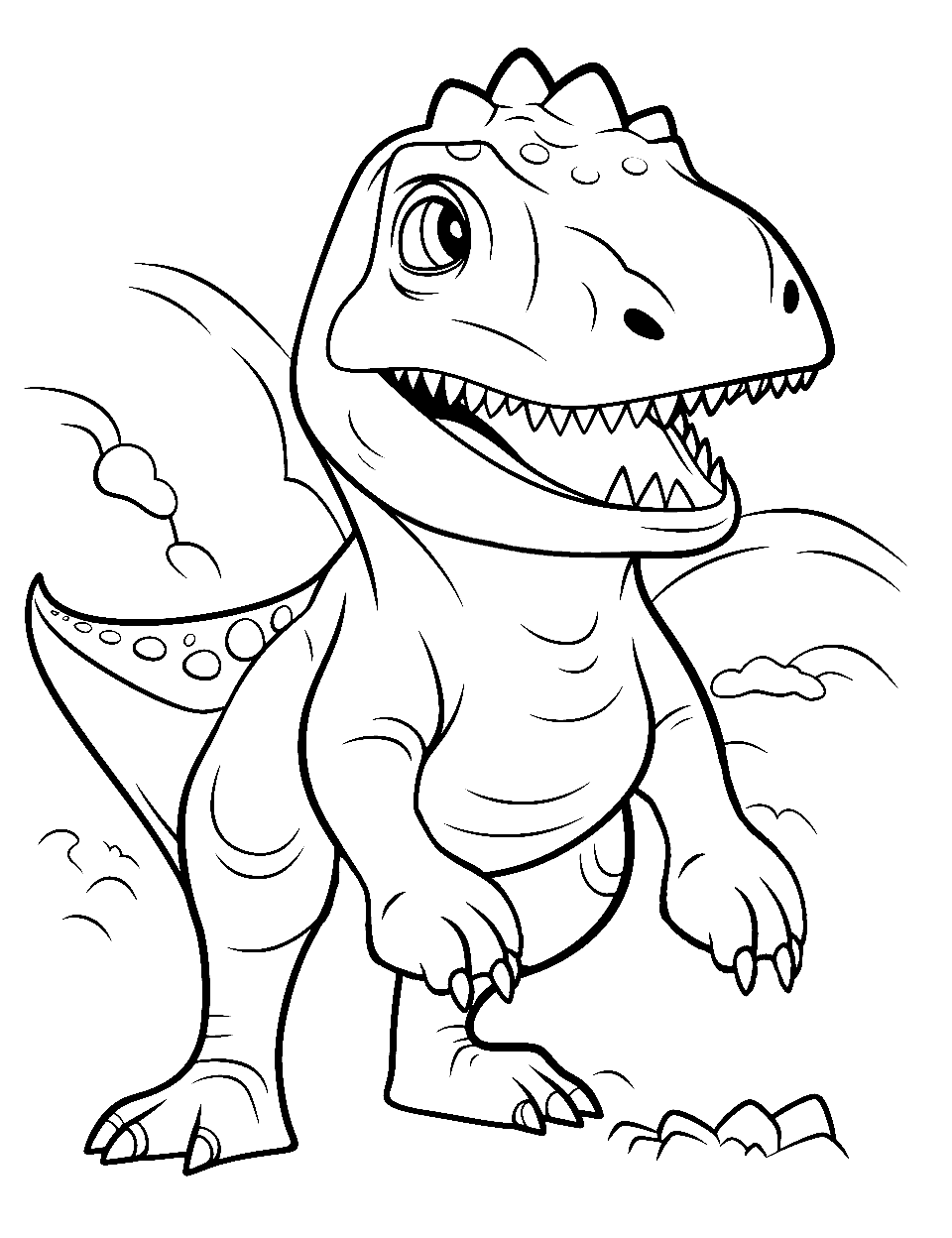
Lego T Rex Adventure
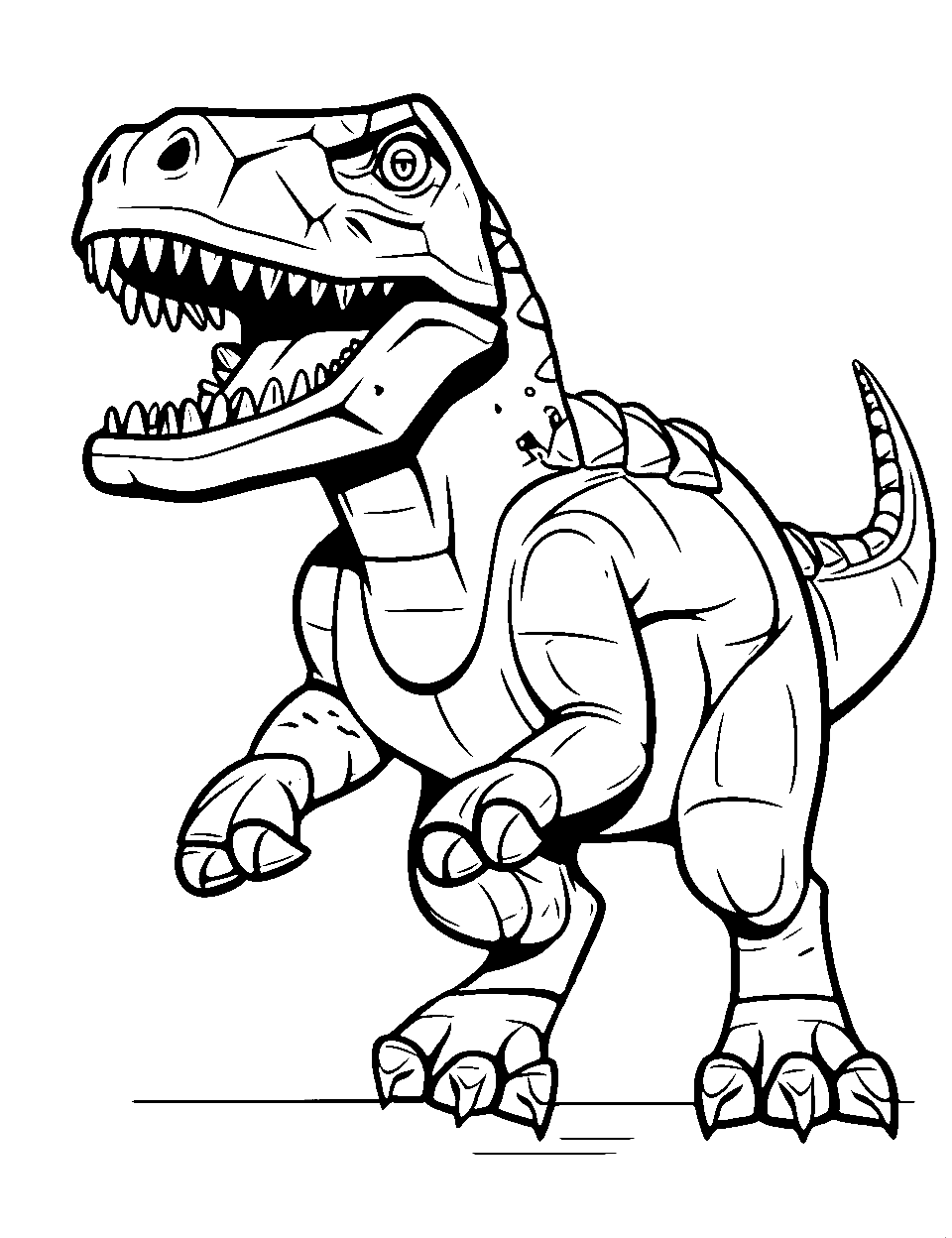
Simple T Rex Stance
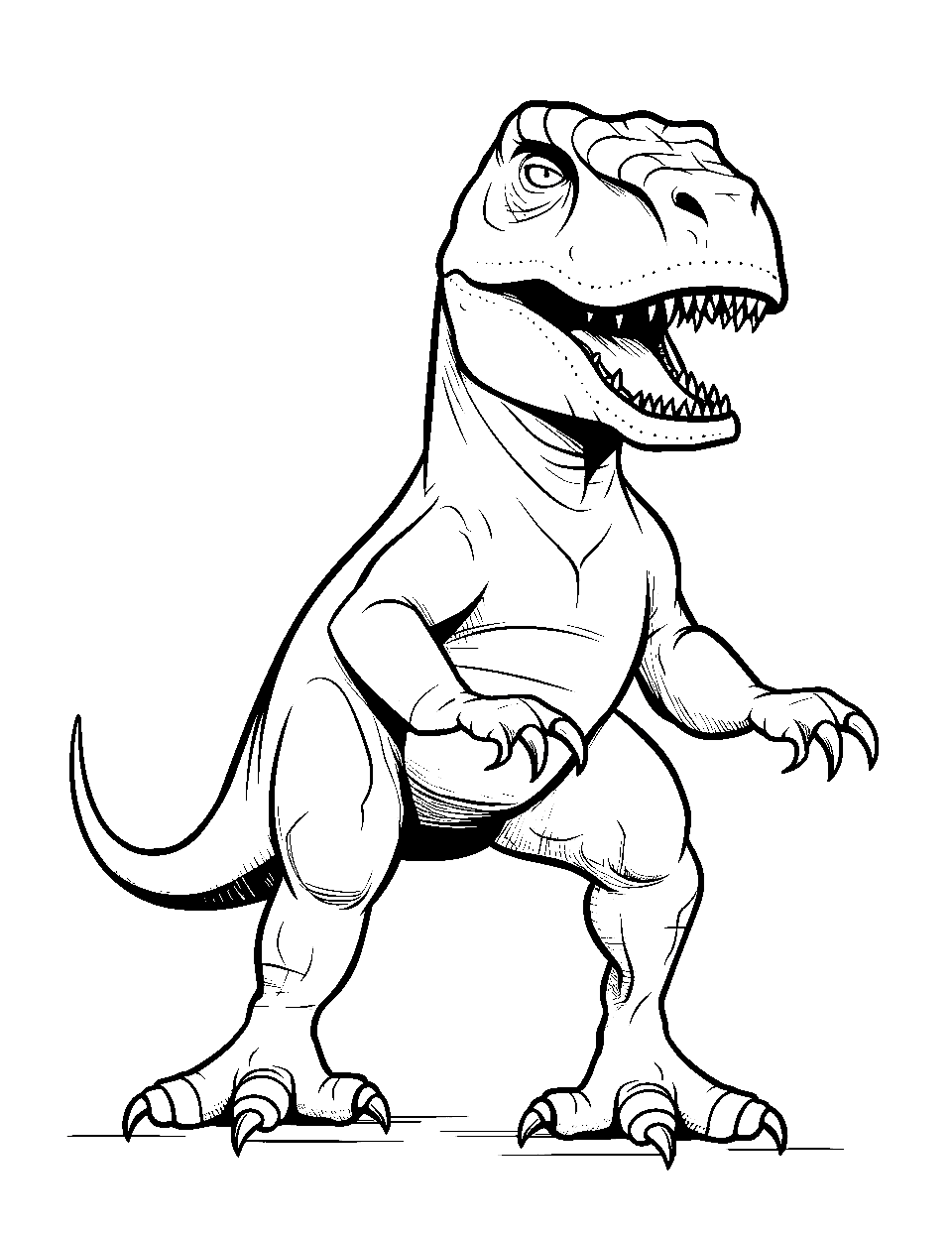
Angry T Rex
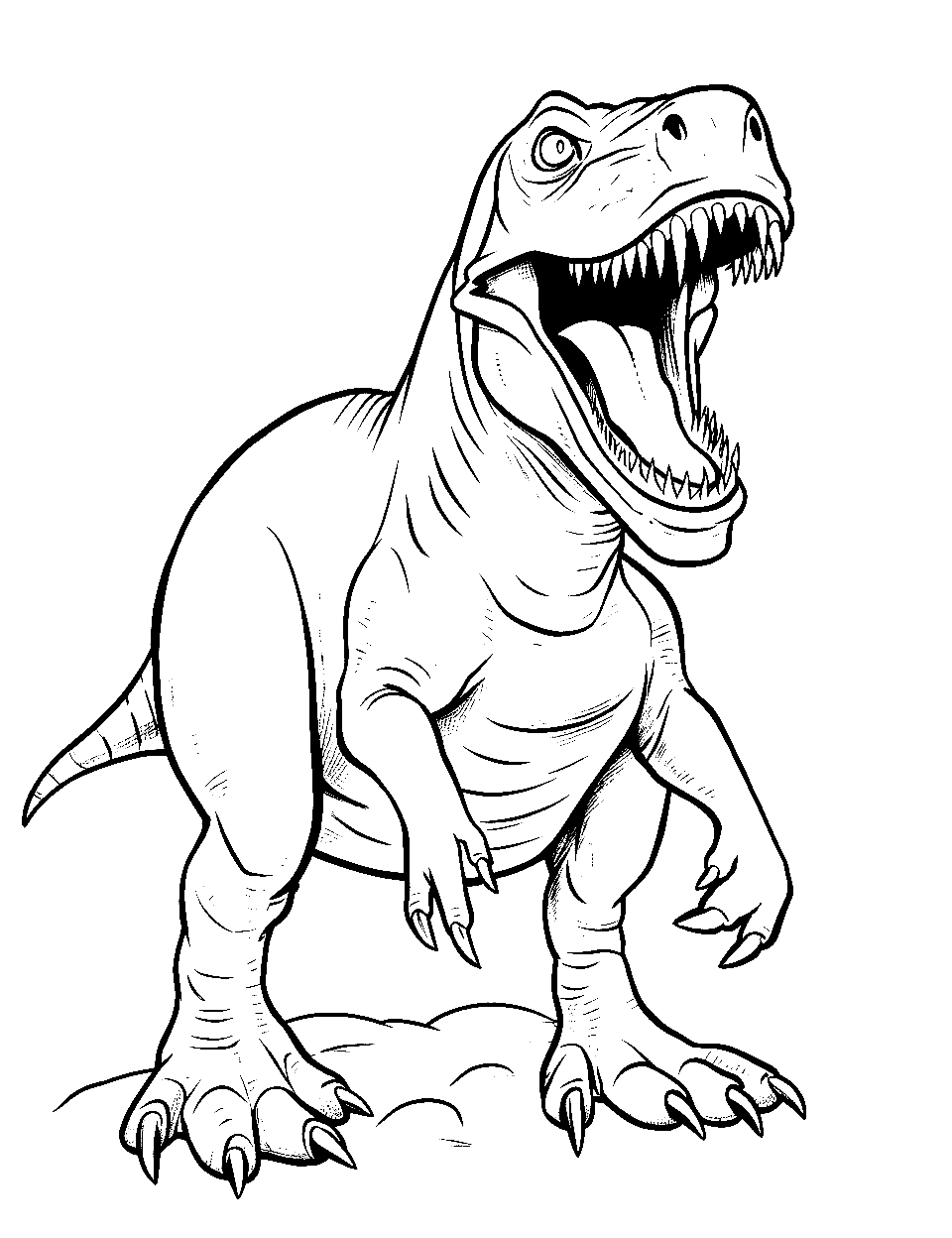
T Rex in a Fairyland
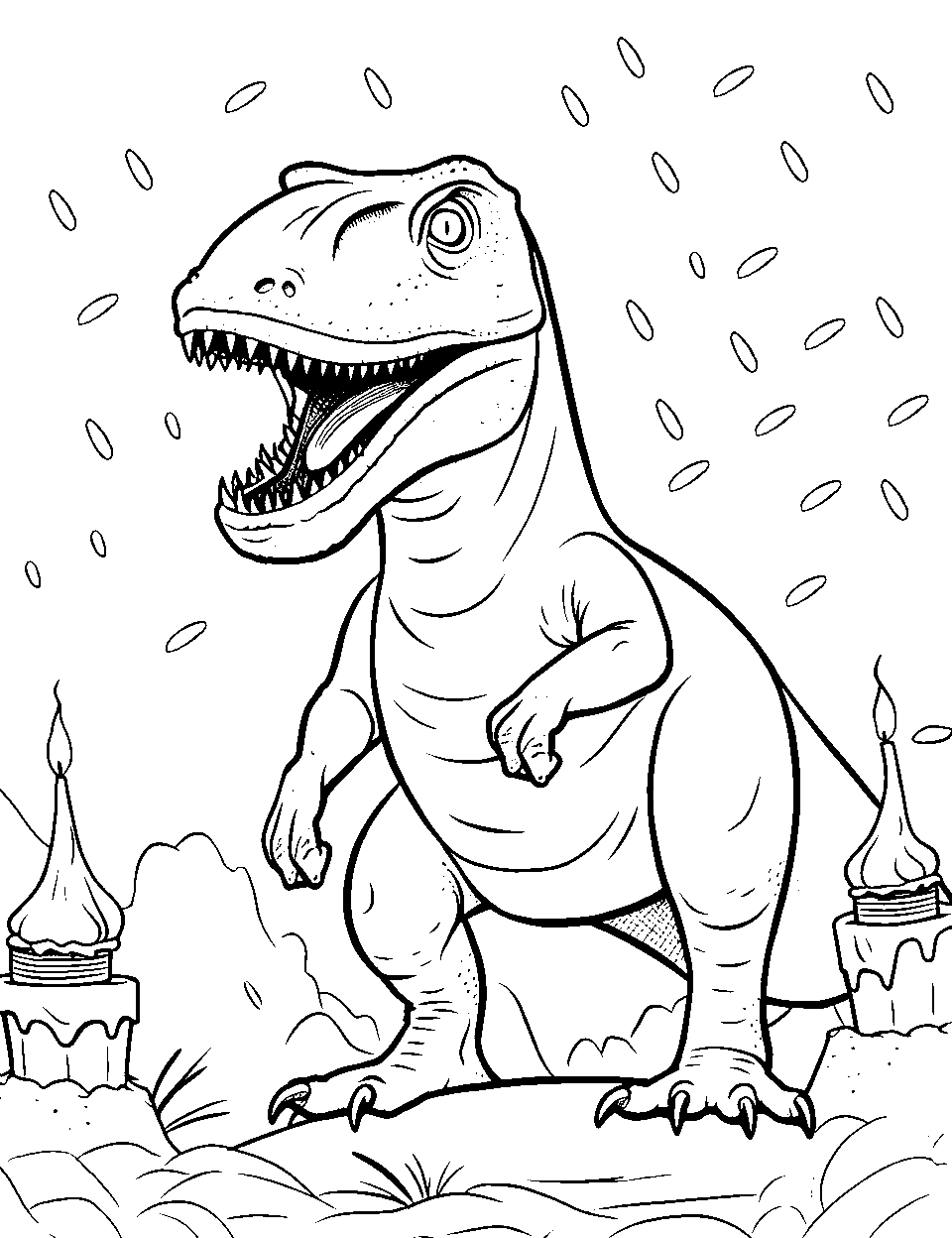
Advanced T Rex Details
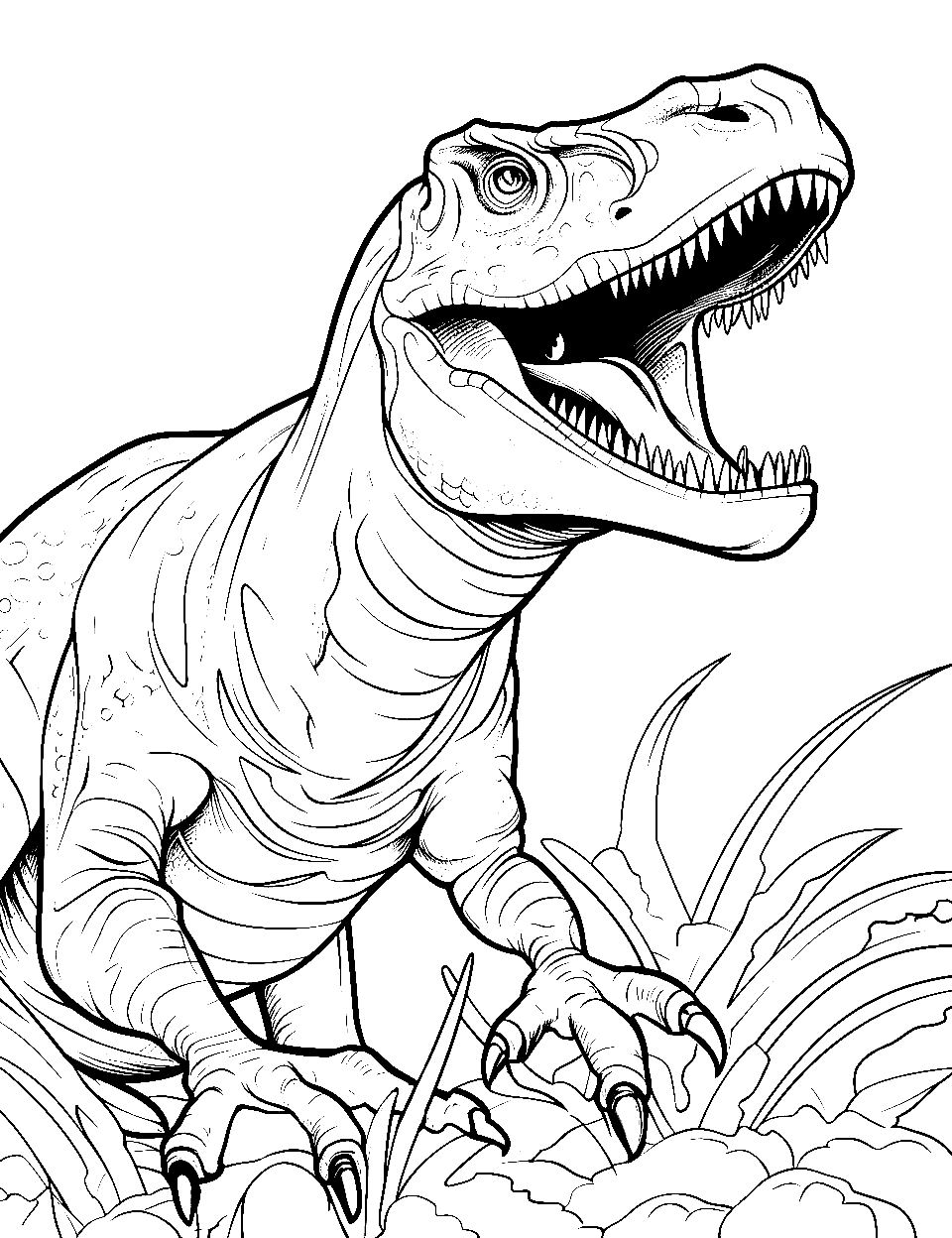
Fun Day Out for T Rex
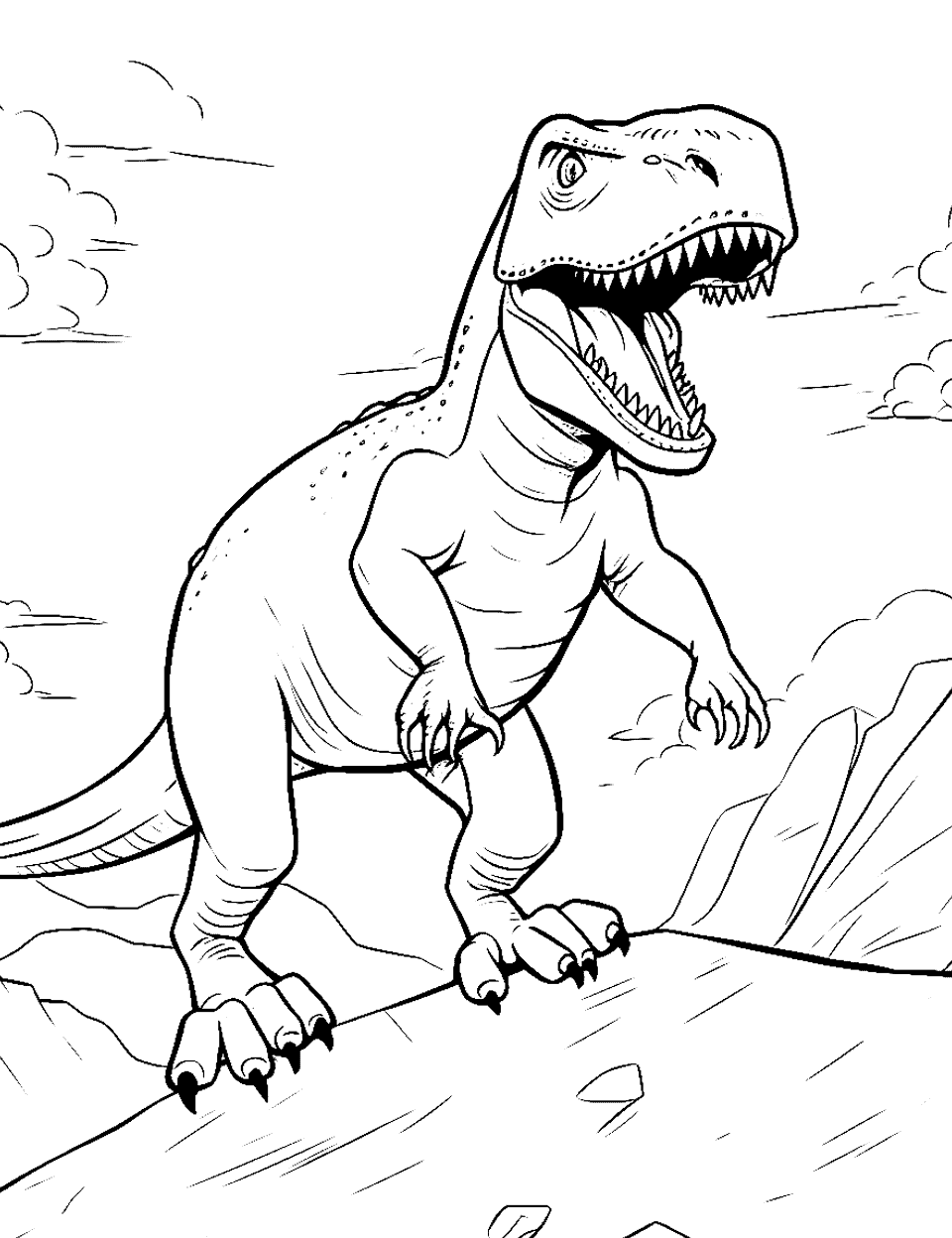
Forest T Rex
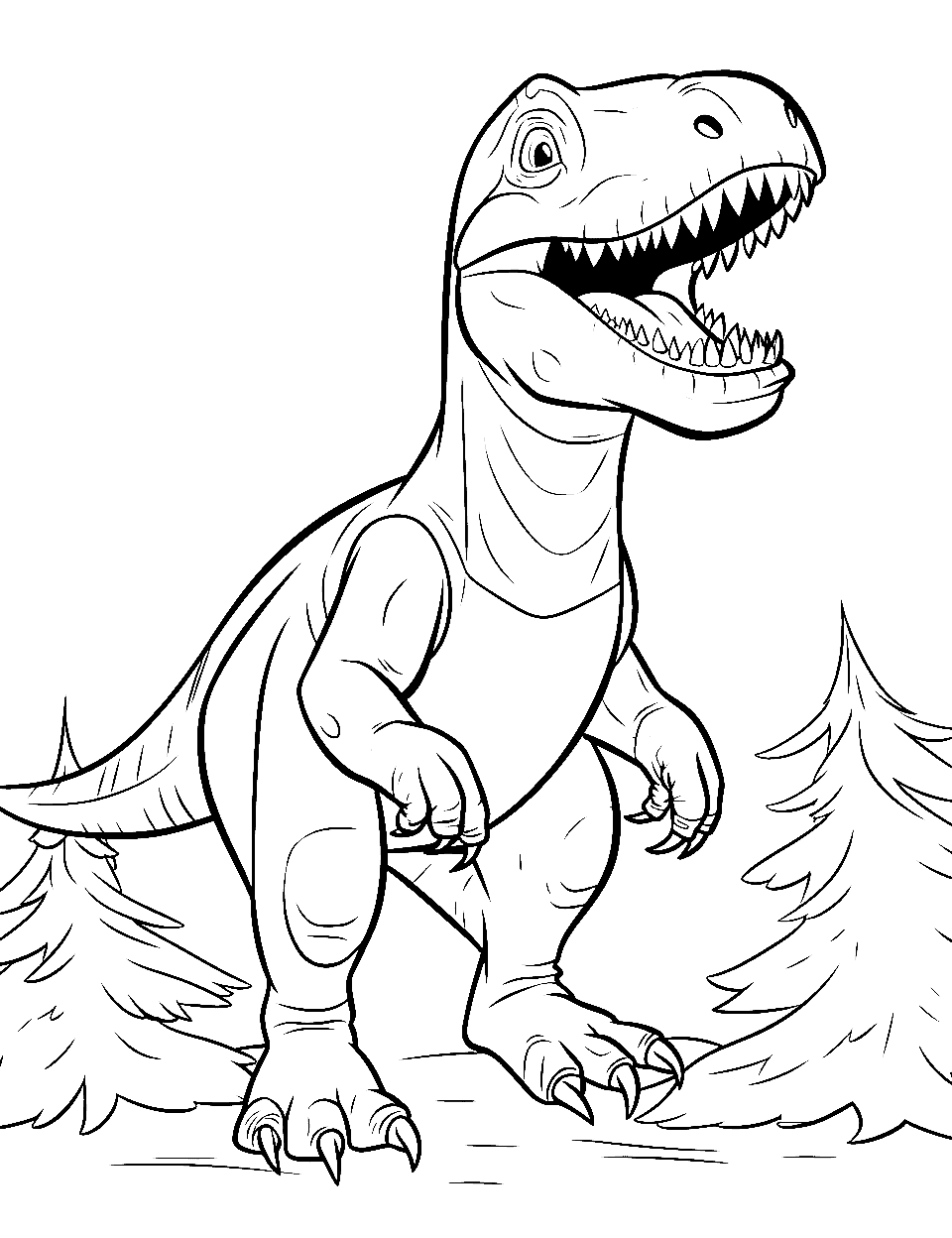
Mountain T Rex
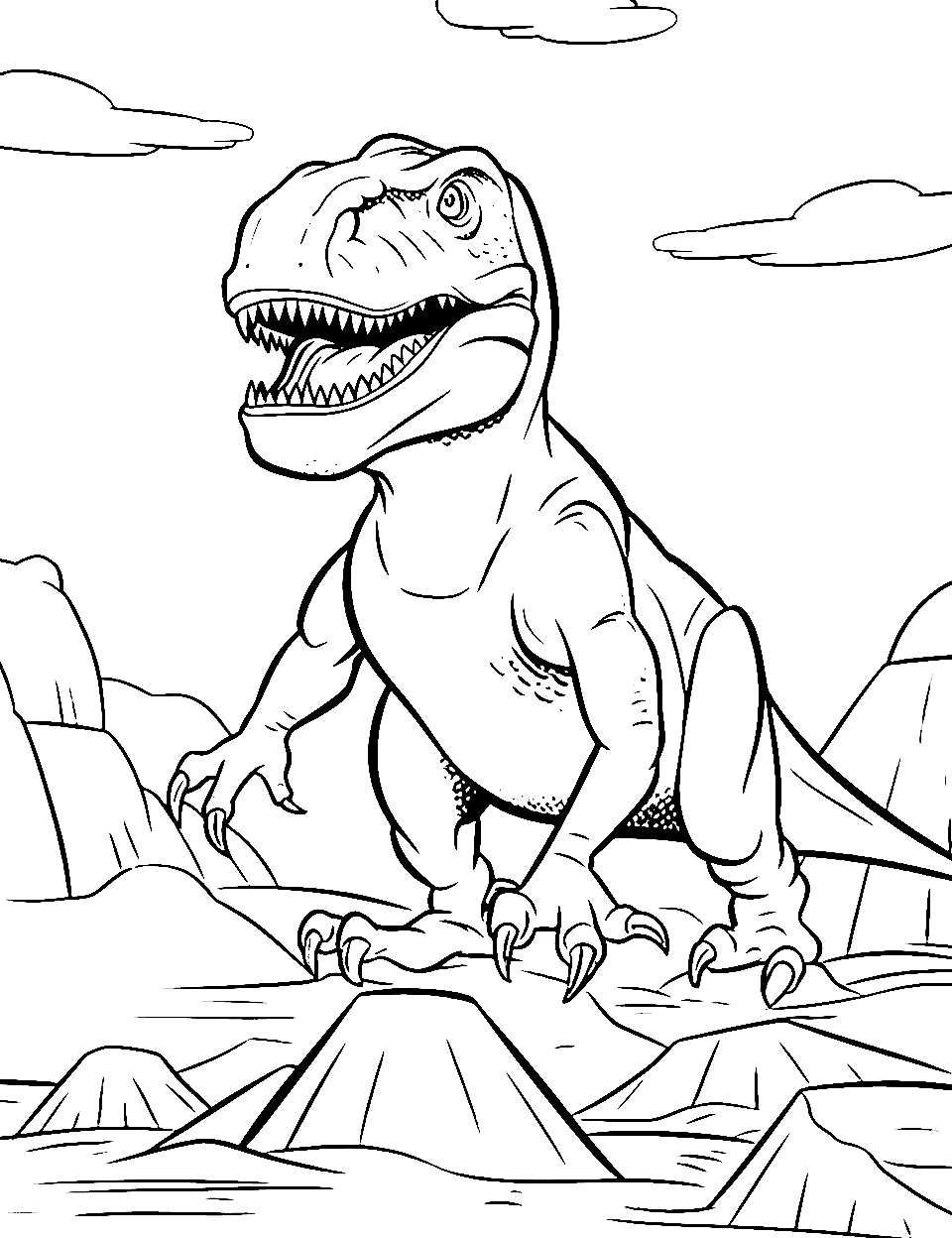
T Rex in Town
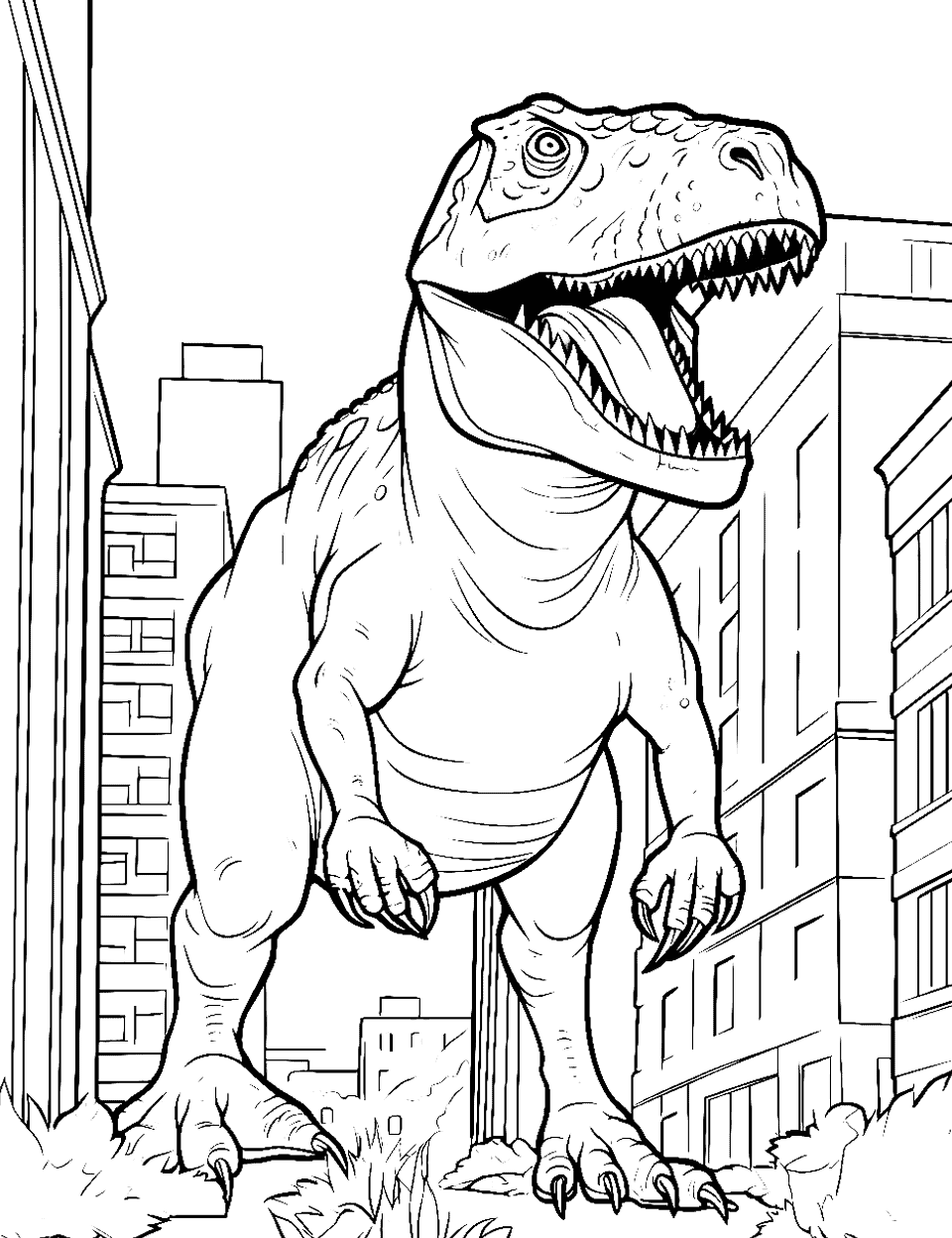
Jungle Explorer T Rex
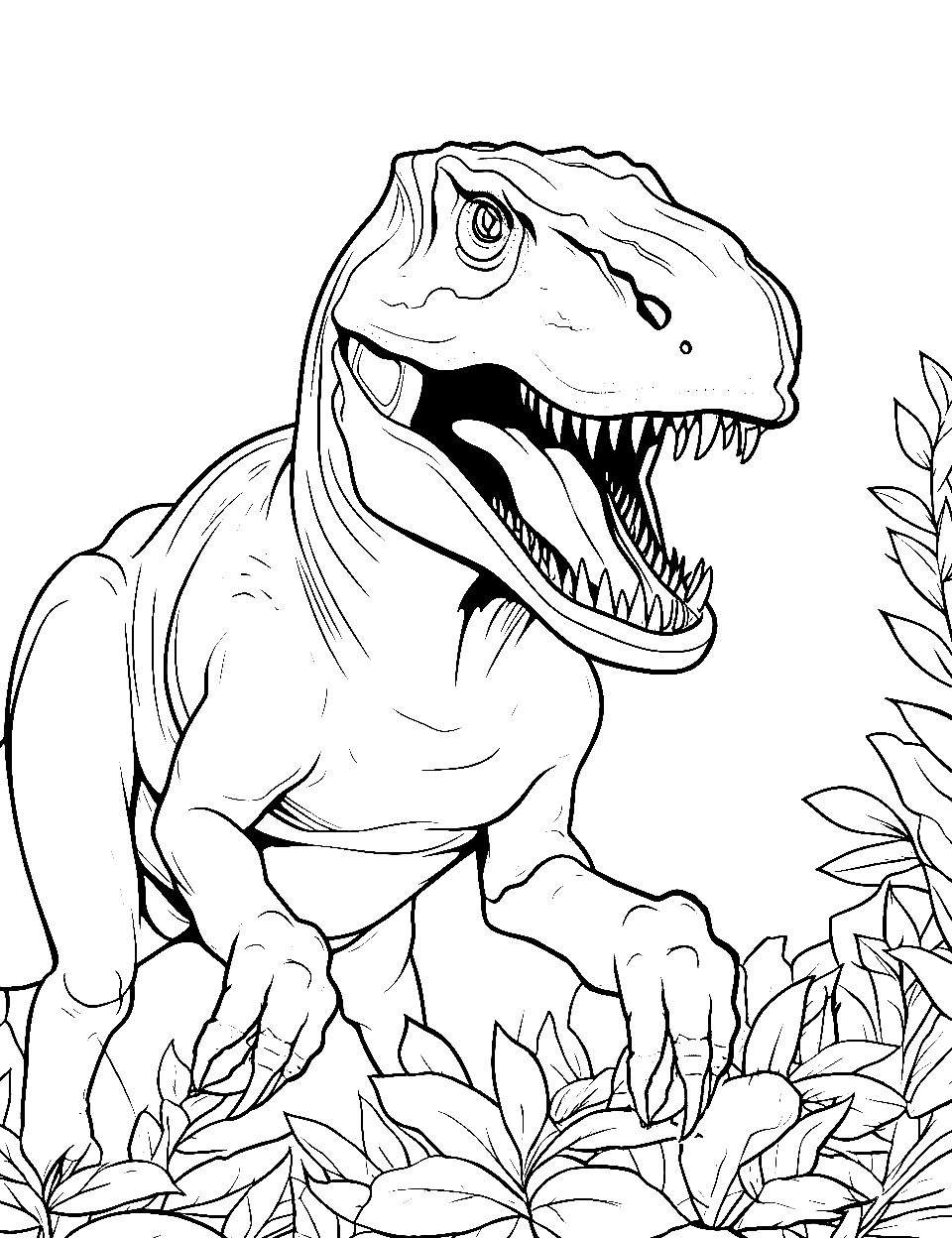
Forest Dwelling T Rex
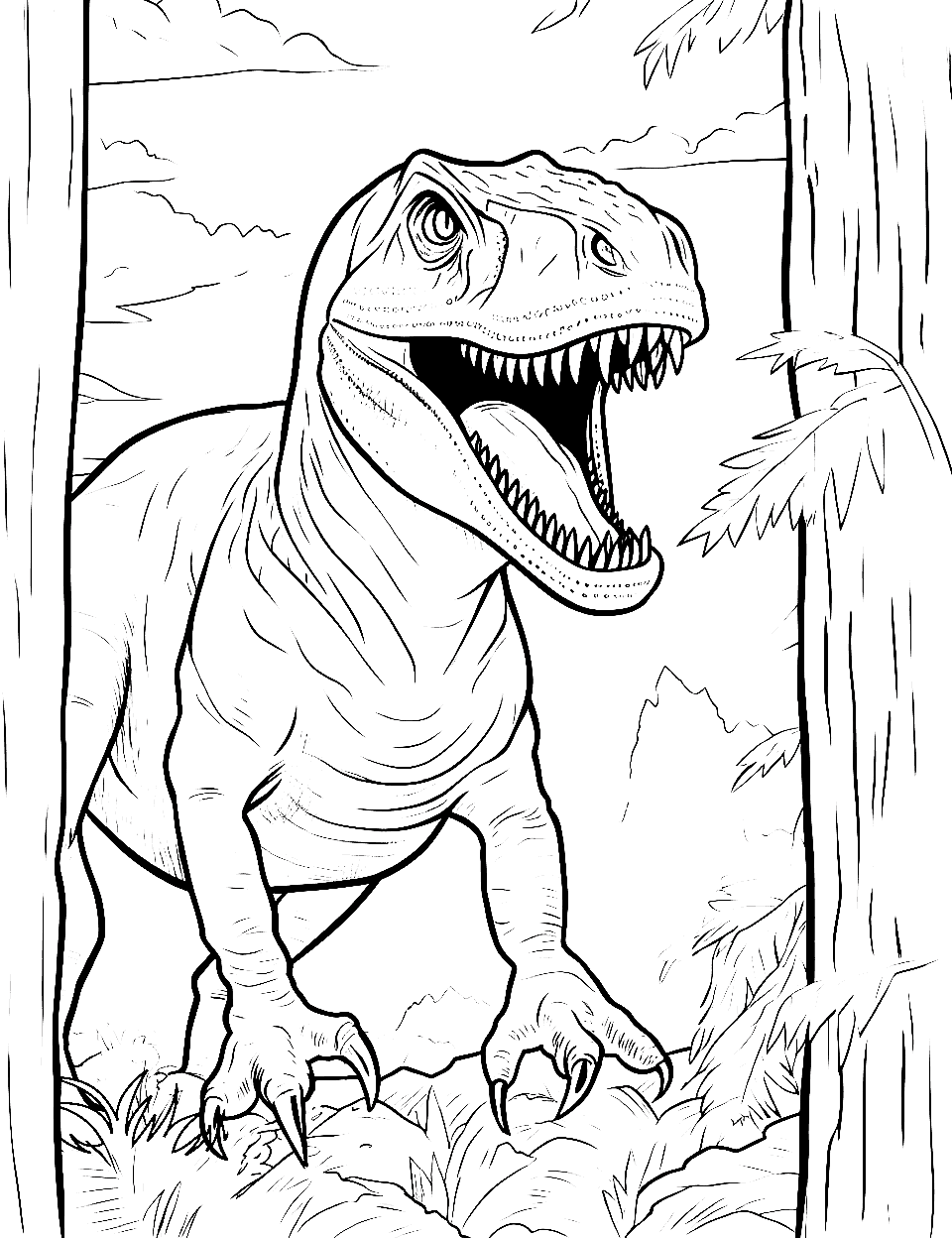
Mountain-Top T Rex
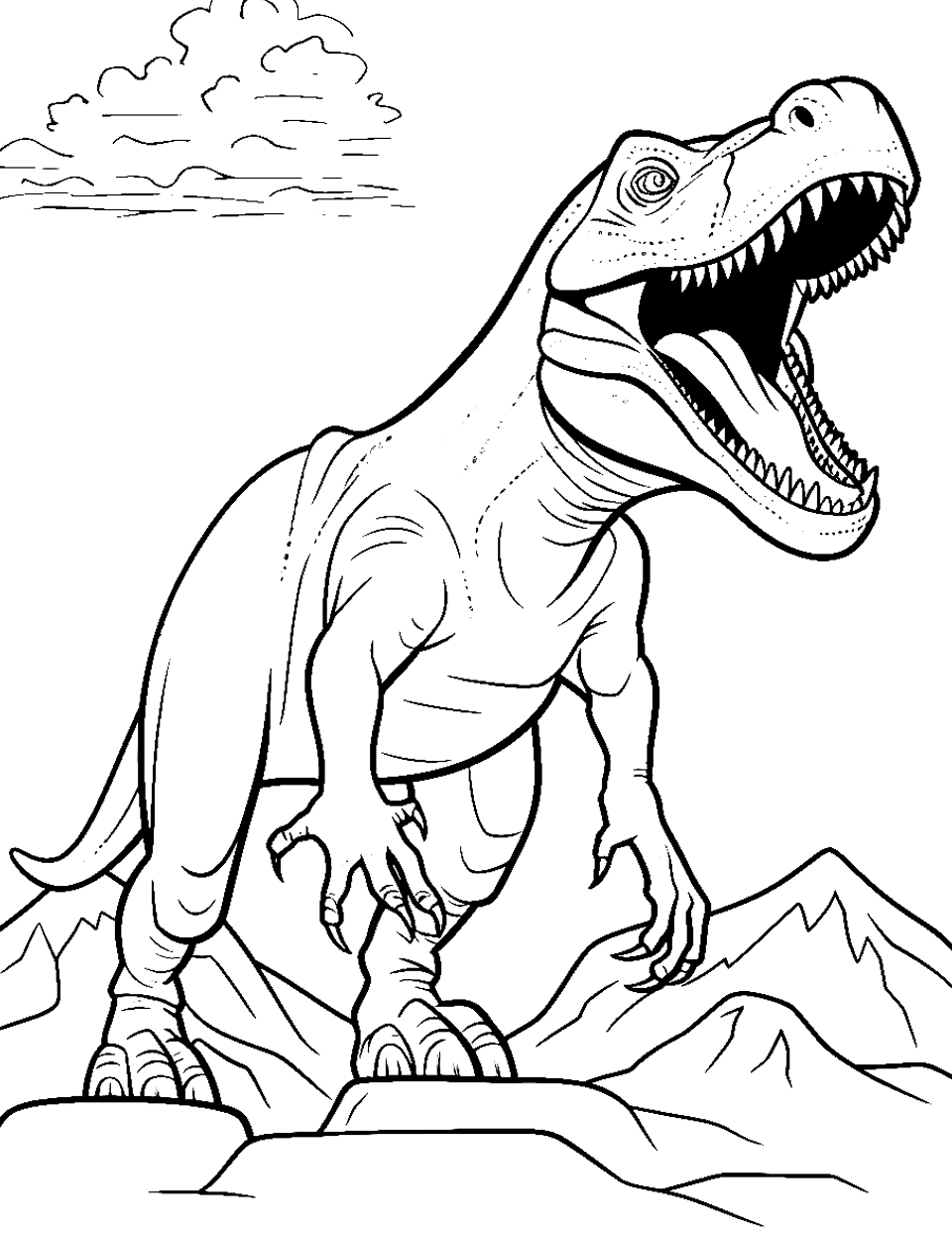
Sunset T Rex
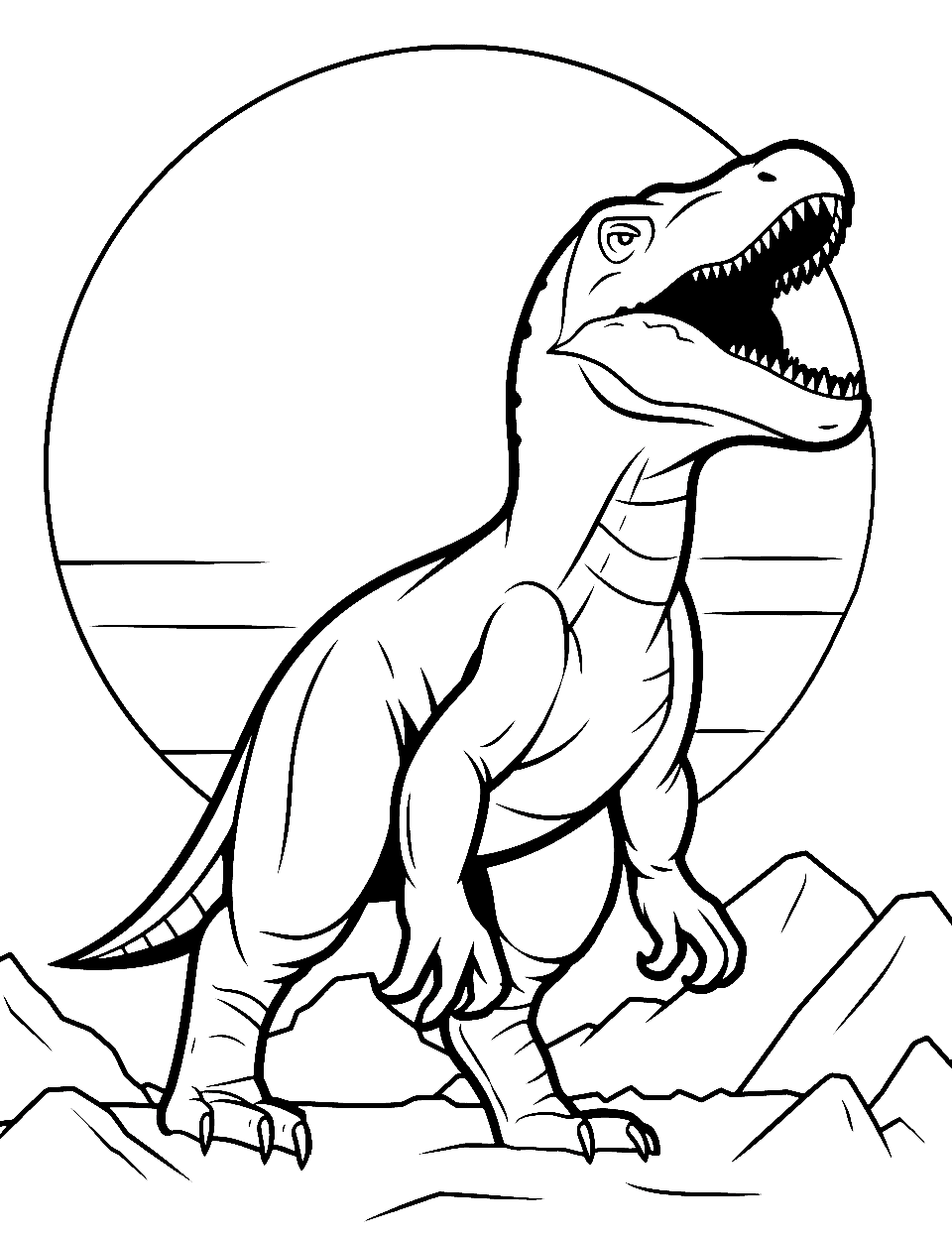
Autumn T Rex
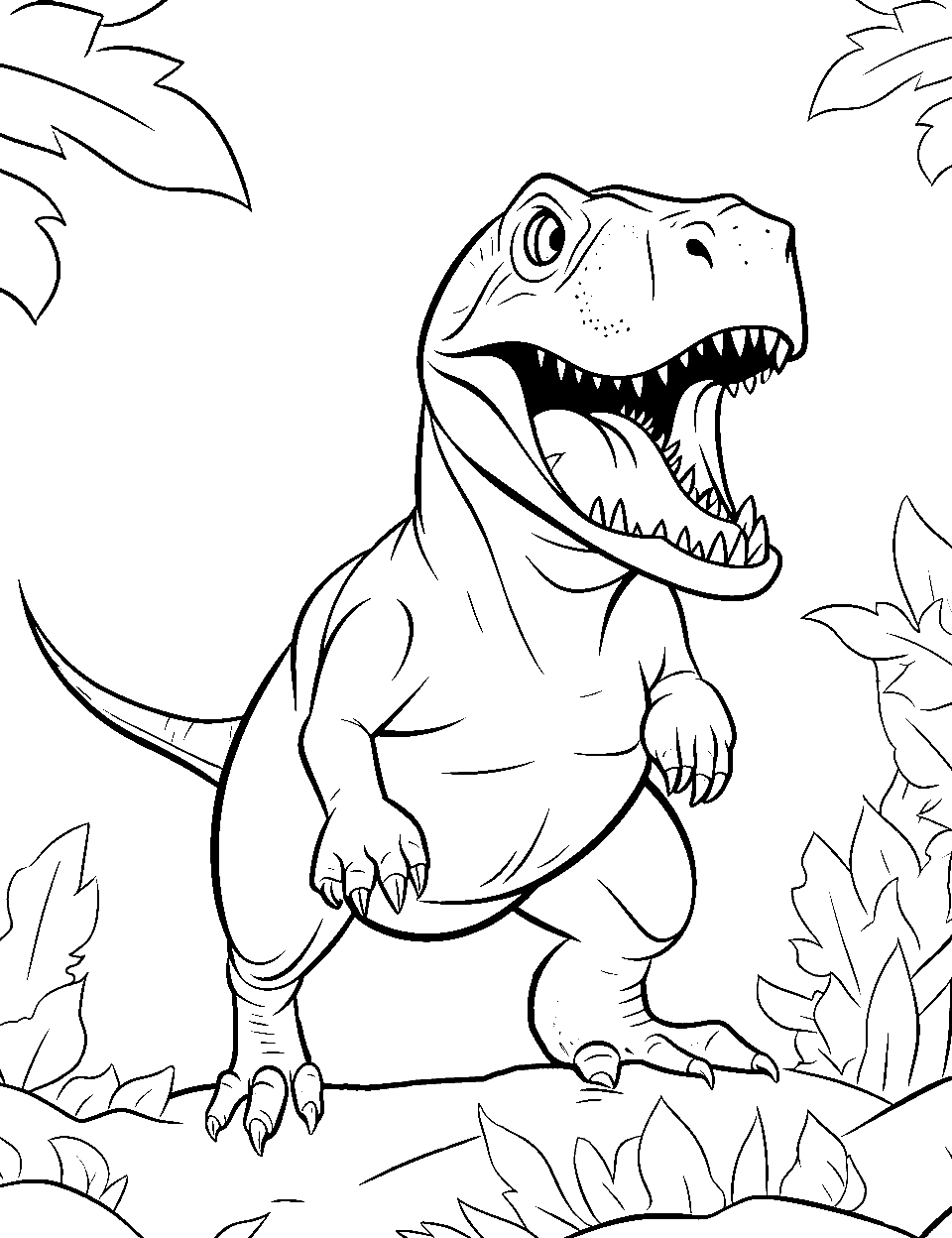
Spring Bloom T Rex
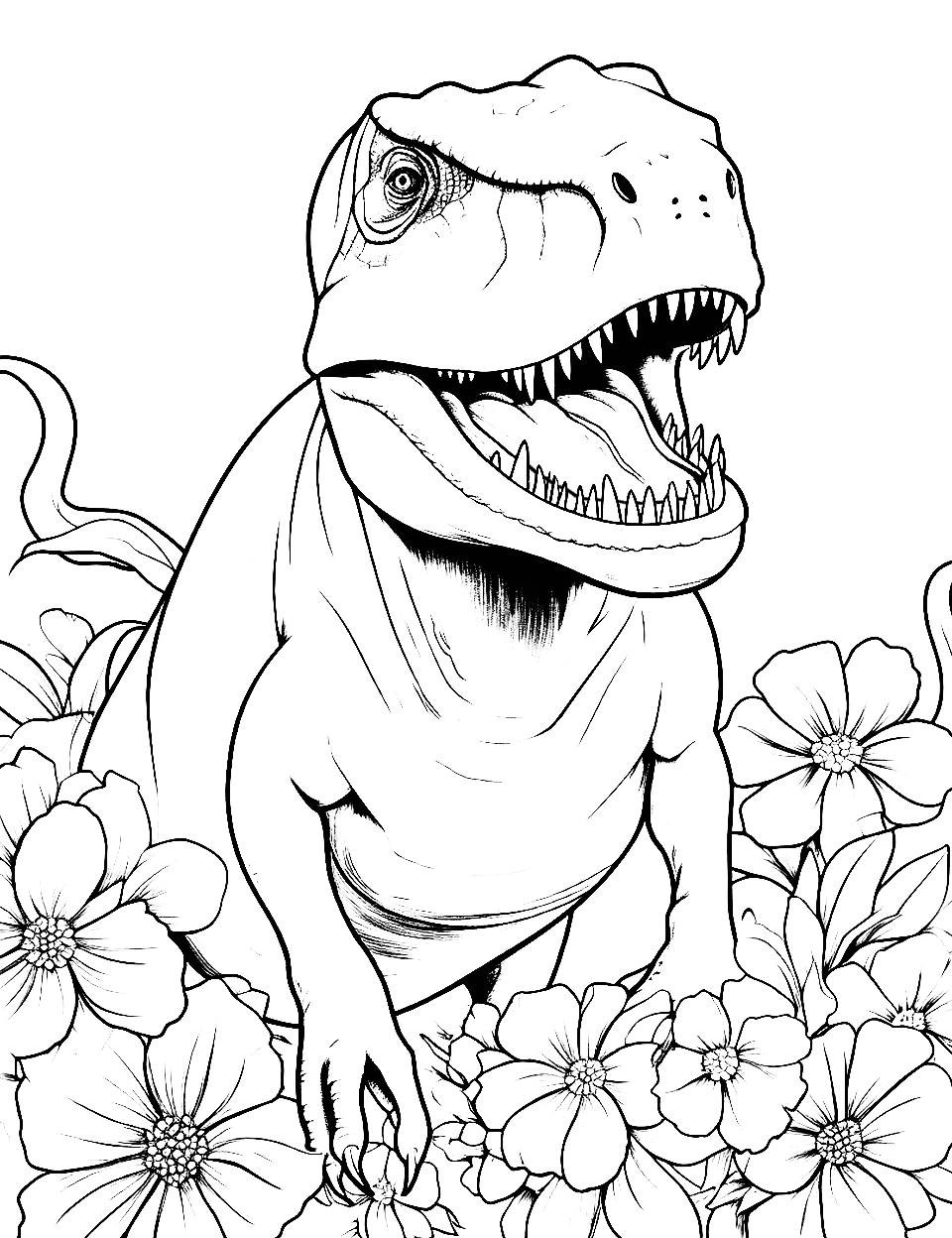
T Rex and Sunflower
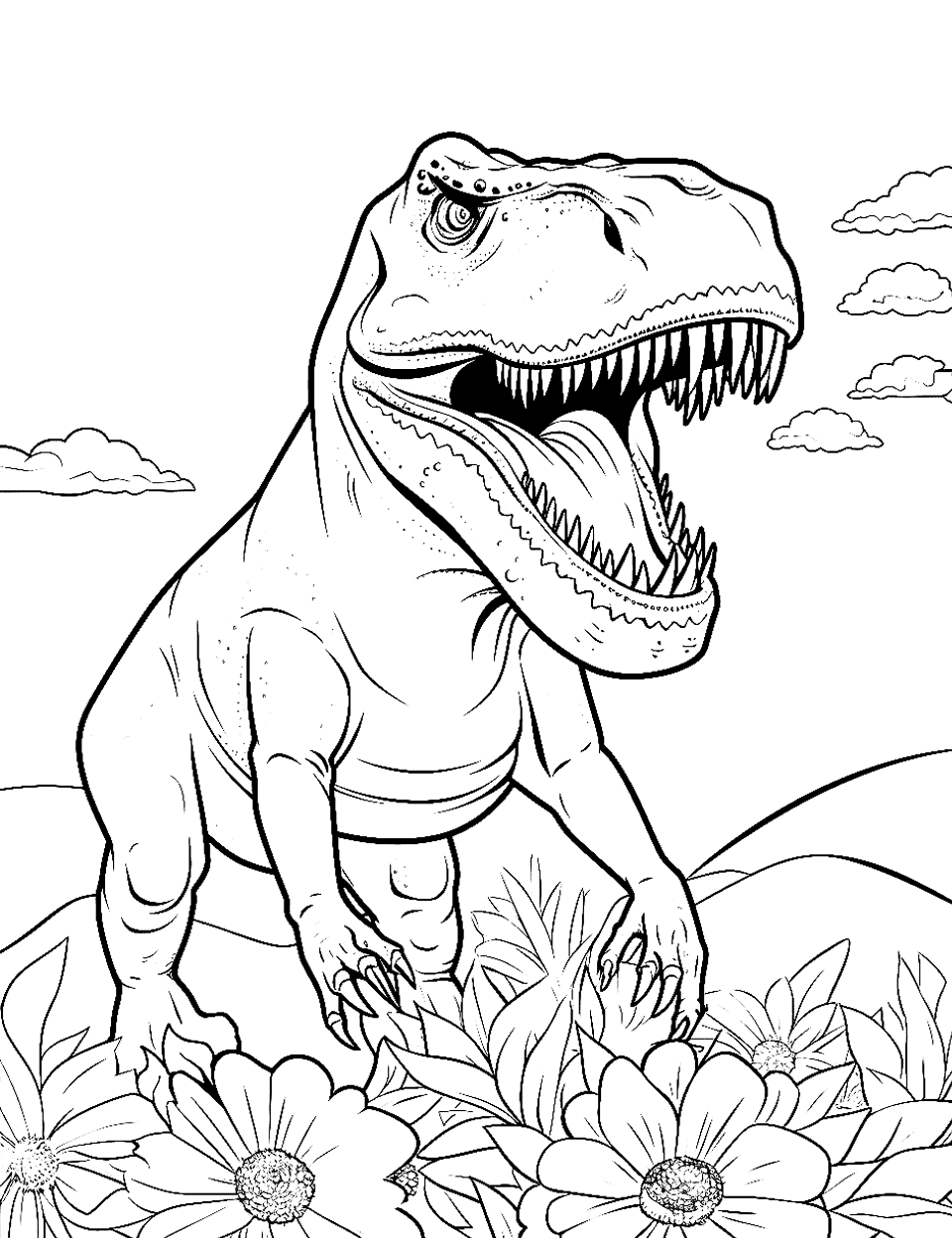
Cowboy T Rex
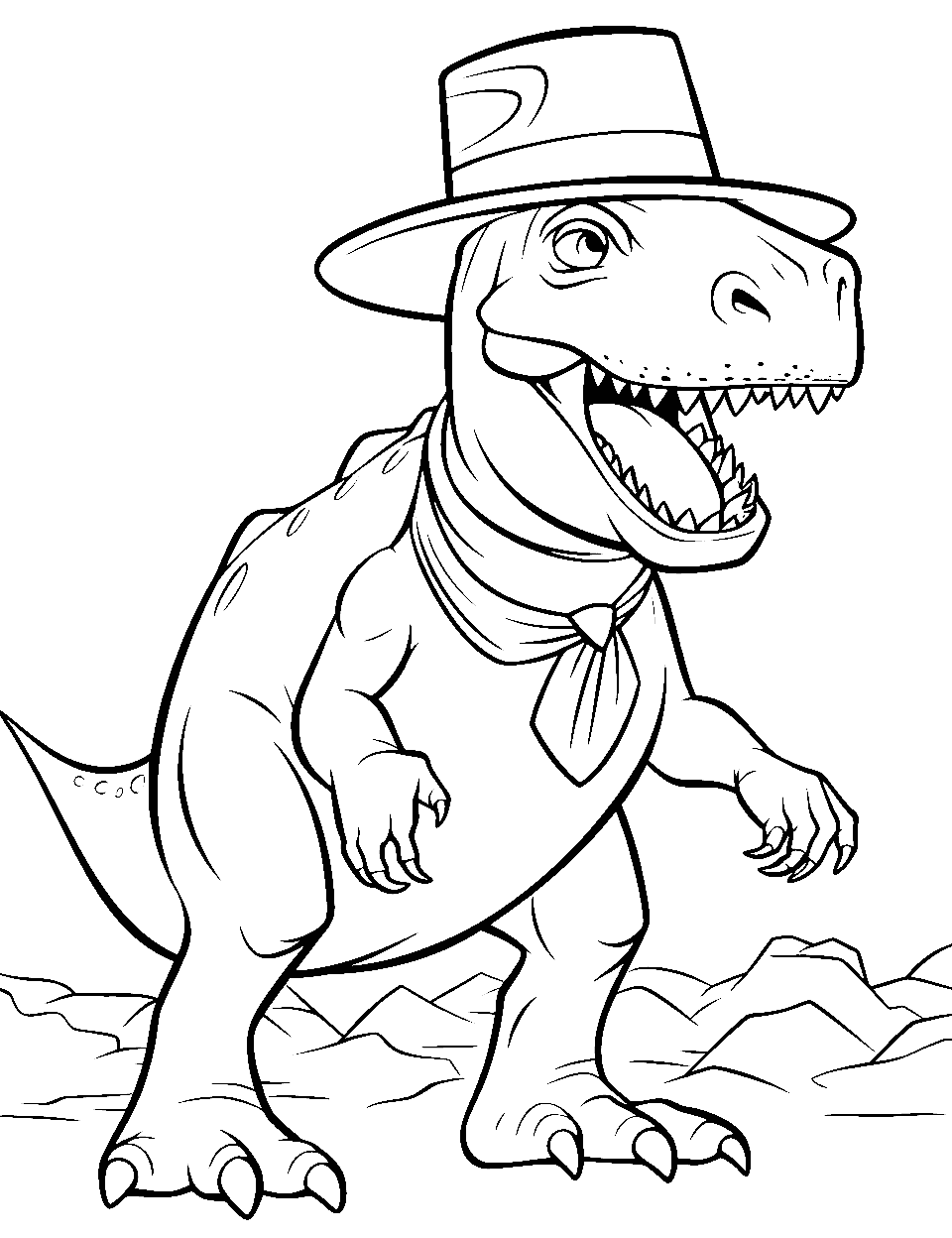
Funny T Rex
T Rex's Gardening Day
By using our free coloring pages, you acknowledge and agree to our full disclaimer. All materials are for personal, non-commercial use only and all rights belong to their respective license holders.
Activities to Do With T-Rex Coloring Pages
Don’t just color and quit! You can turn these sheets into fun crafts and educational games. Here are a few creative ideas to keep the prehistoric party going.
Create a Dino Mask
Print the face of a fierce T-Rex on heavy cardstock. After your child colors it, carefully cut out the eyes and the outline of the head. Punch holes on either side and attach a string or elastic band. Now your little one can stomp around the house roaring like a real dinosaur.
Texture Rubbing Backgrounds
Before coloring the dinosaur, place different textured items underneath the paper. Try using leaves, coins, or sandpaper. Rub a crayon sideways over the paper to create cool, bumpy patterns. This adds a realistic, rugged look to the dinosaur’s skin or the ground beneath them.
Prehistoric Diorama
Color your favorite T-Rex and cut it out. Find an old shoe box and paint the inside to look like a jungle or a volcano scene. Paste the cutout dinosaur into the box to create a 3D scene. You can add real twigs, rocks, and moss to make the habitat look authentic.
Glow-in-the-Dark Skeletons
Color the T-Rex normally, but trace over the outline or draw a skeleton inside the body using glow-in-the-dark puffy paint. Once it dries, turn off the lights. The dinosaur will disappear, and a spooky fossil skeleton will glow in the dark!
Dino Fact Trading Cards
Print the coloring pages at a smaller size (four to a page). Have your kids color them in and paste them onto index cards. On the back, help them write a fun fact about the T-Rex. They can trade these cards with friends or use them as study flashcards.
Paleontologist Dig
Crumple up the finished coloring pages to make them look old and weathered. Hide them around the backyard or in a sandbox. Give your kids a brush and a shovel, then send them out on a “dig” to discover the ancient artifacts you buried.
FAQs

When did the T-Rex live?
The Tyrannosaurus Rex lived during the late Cretaceous period, about 68 to 66 million years ago. This was actually millions of years after the Jurassic period ended.
What does the name Tyrannosaurus Rex mean?
The name comes from Greek and Latin words. “Tyrannosaurus” means “tyrant lizard,” and “Rex” means “king.” So, it literally translates to “King of the Tyrant Lizards.”
What did a T-Rex eat?
The T-Rex was a carnivore, which means it ate meat. It hunted other large dinosaurs, such as Triceratops and Edmontosaurus, and likely scavenged for food as well.
How big was a T-Rex?
This massive dinosaur could grow up to 40 feet long and stand about 12 feet tall at the hips. That is roughly the size of a school bus!
Why did T-Rex have such short arms?
Scientists are still debating this! Some theories suggest the short arms prevented them from getting damaged during frenzied feeding, while others believe they were used to grasp partners during mating or to help the dino stand up from a lying position.
Did the T-Rex have feathers?
Many paleontologists now believe that T-Rex likely had feathers, especially when they were young hatchlings. As they grew into giants, they might have lost most of them, similar to how elephants have less hair than their ancestors.