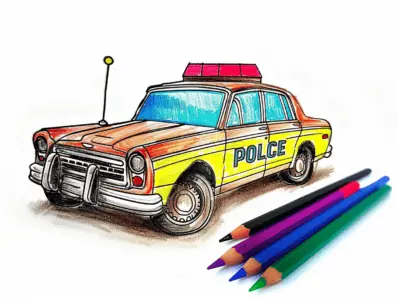
Sound the sirens! If you have a future officer in the house, these police car coloring pages are just the ticket. We have rounded up 25 exciting designs featuring everything from high-speed chases and K-9 units to friendly community helpers.
Whether your child loves modern Dodge Chargers, SUVs, or classic patrol cruisers, there is plenty here to spark their imagination. These printable sheets are a fantastic way to teach kids about law enforcement vehicles while developing their fine motor skills. Grab your crayons, print out your favorites, and let the adventures begin!
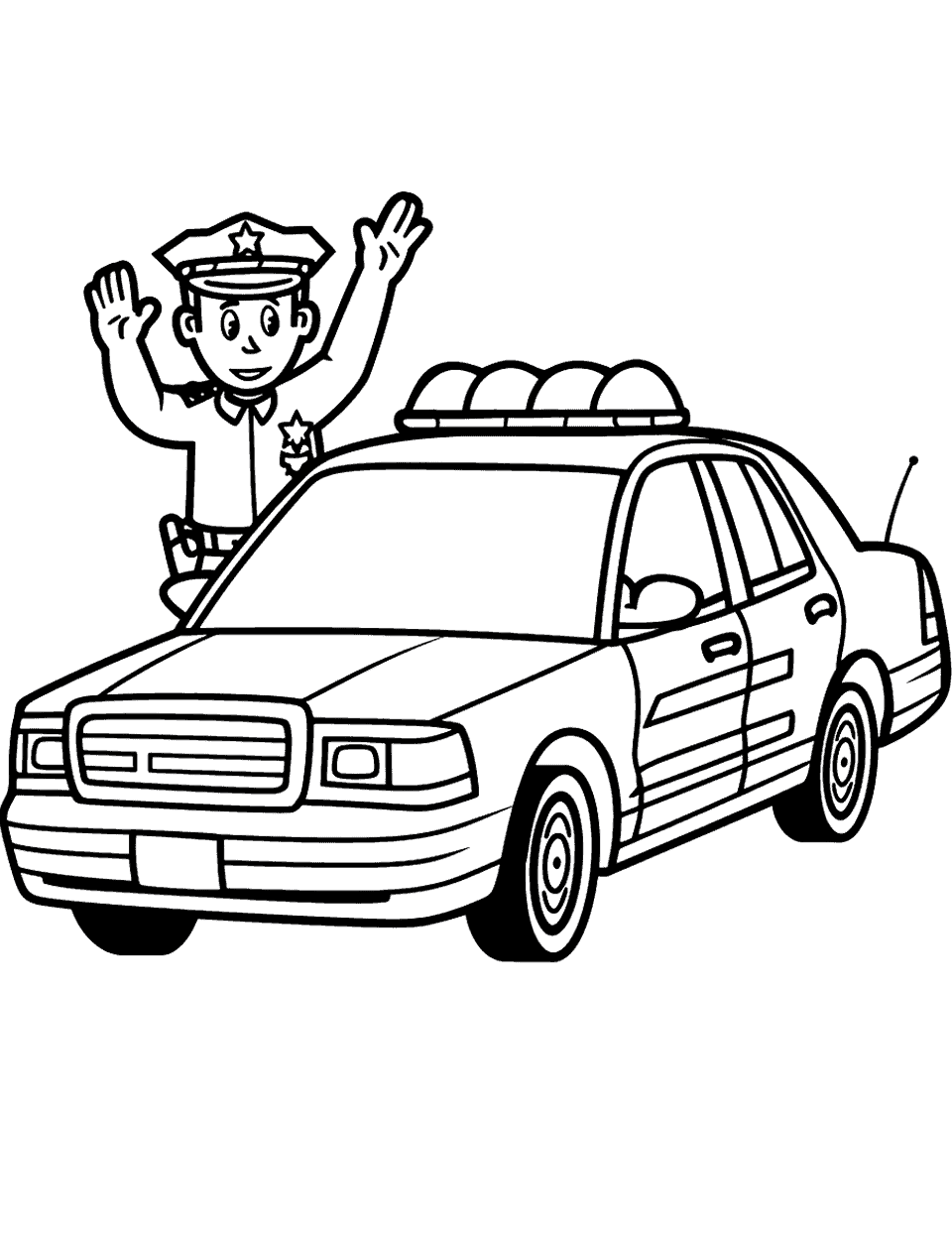
Police Officer Waving
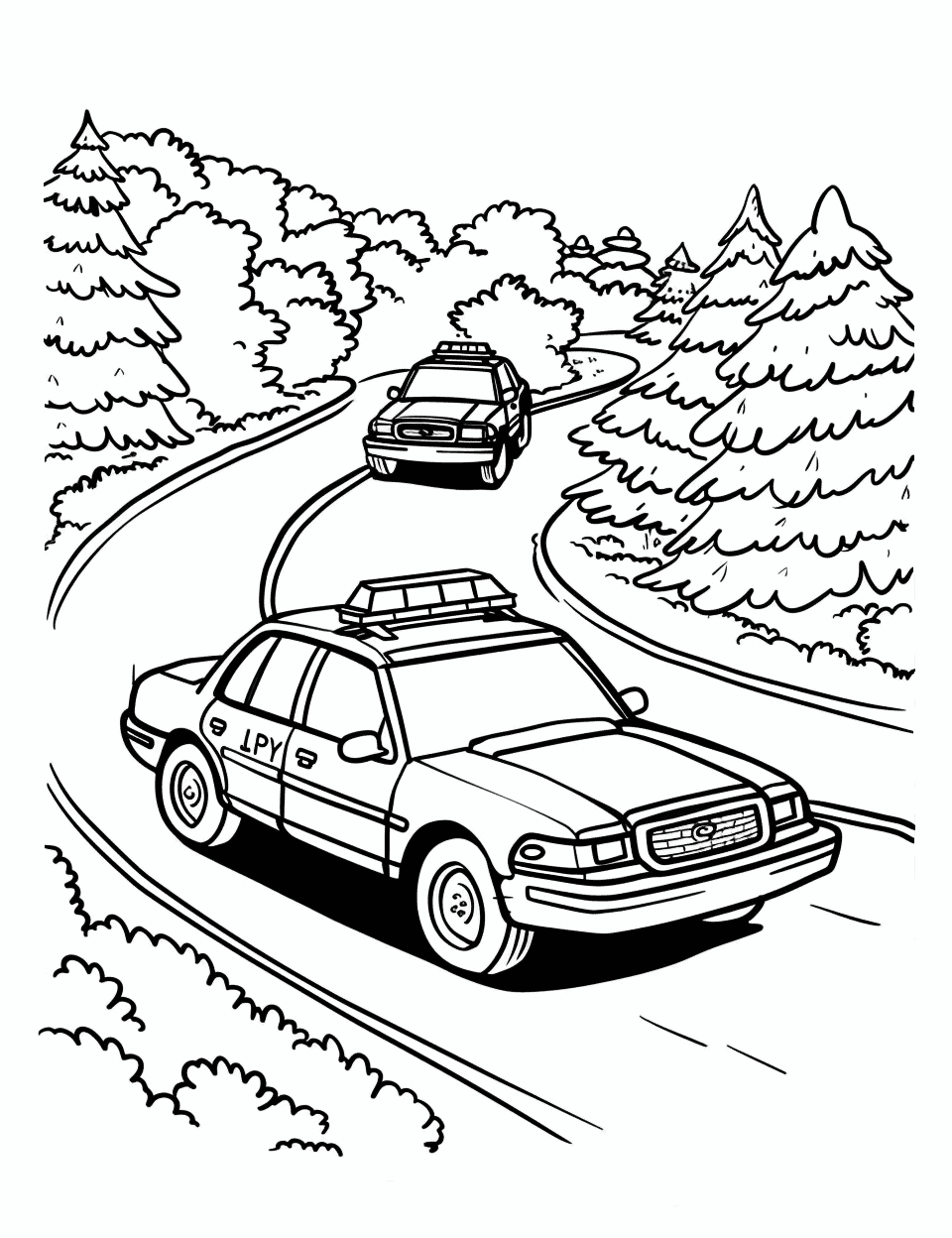
Race Car Chase
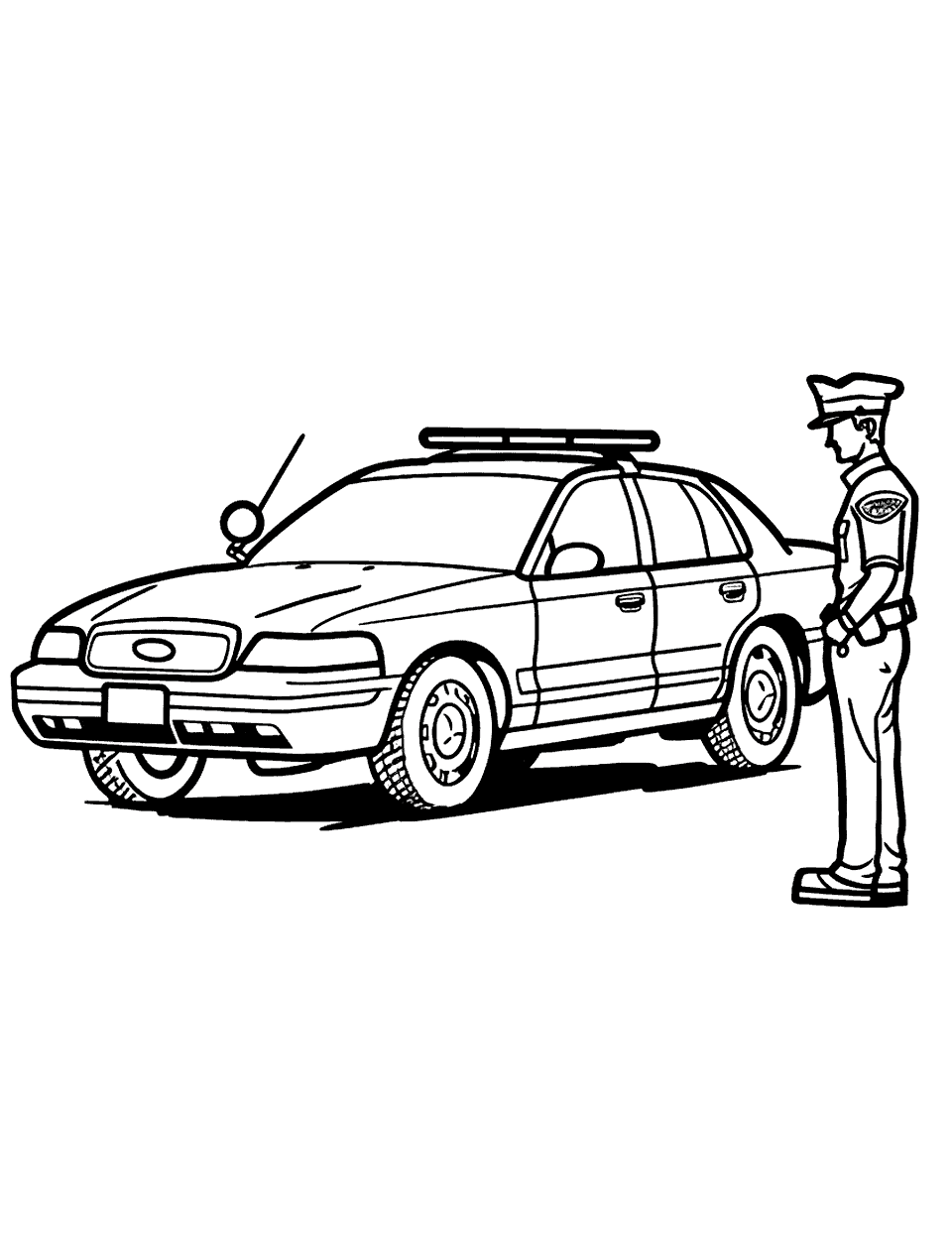
Car Inspection
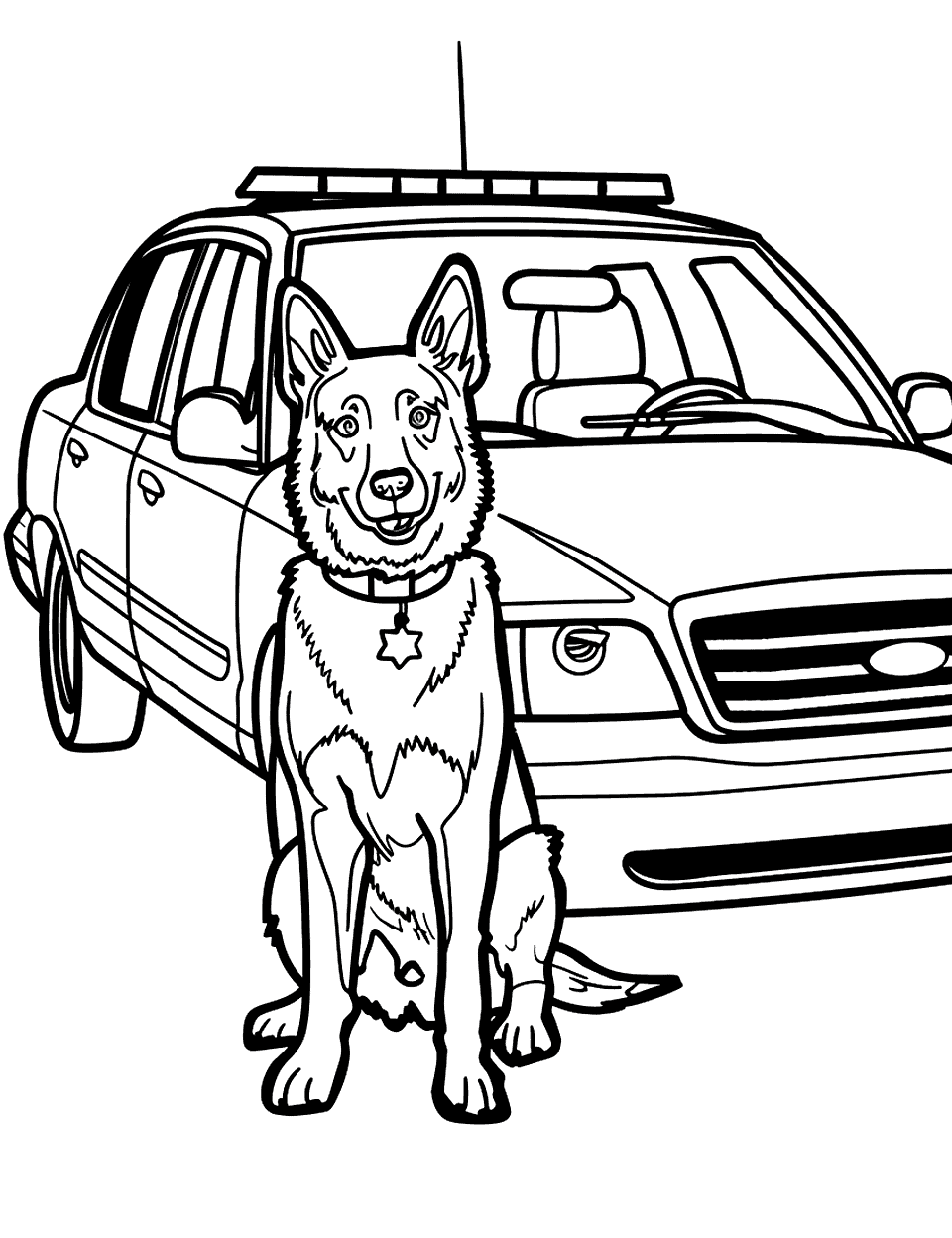
Police Dog on Duty
Police Patrol
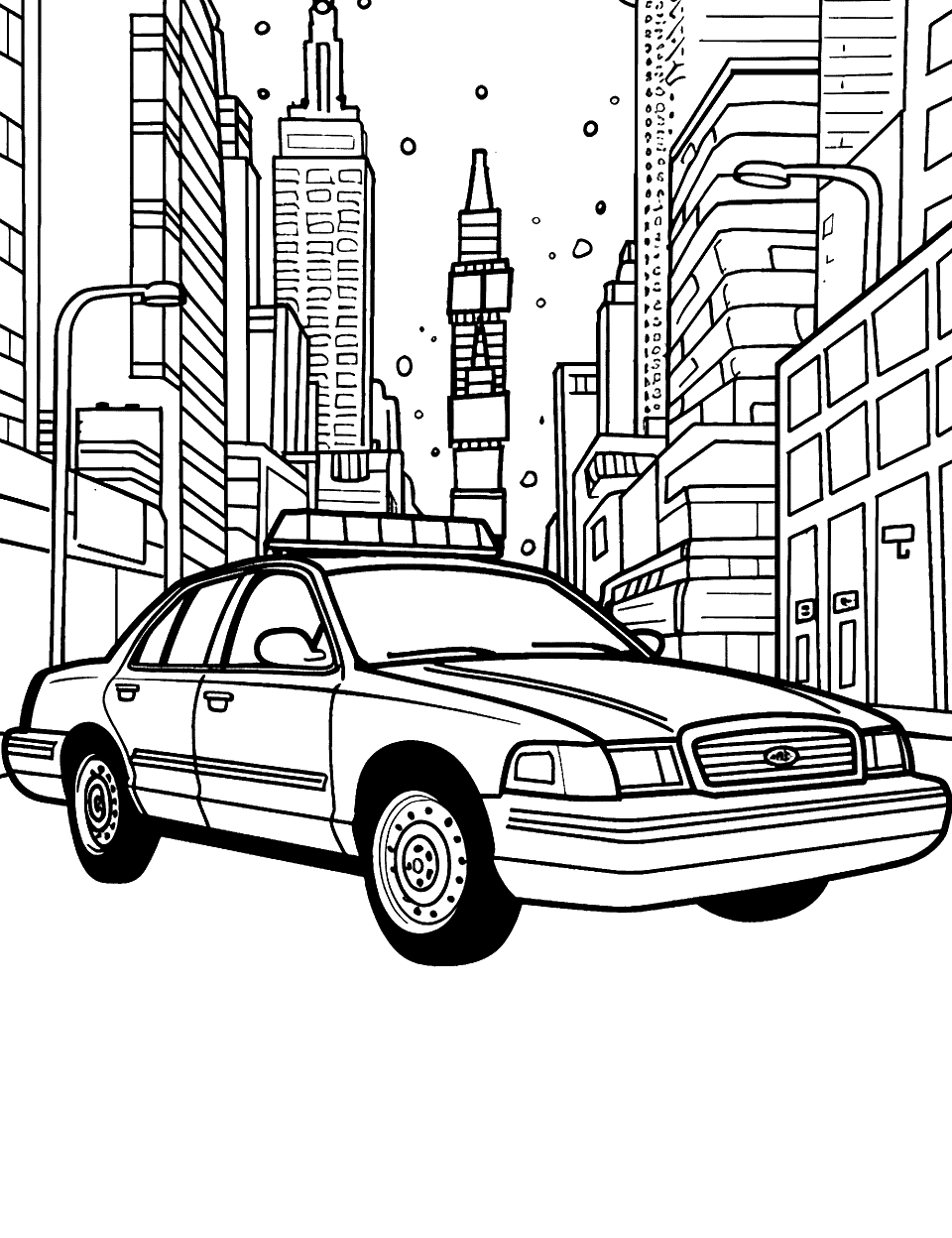
Check Post Operation

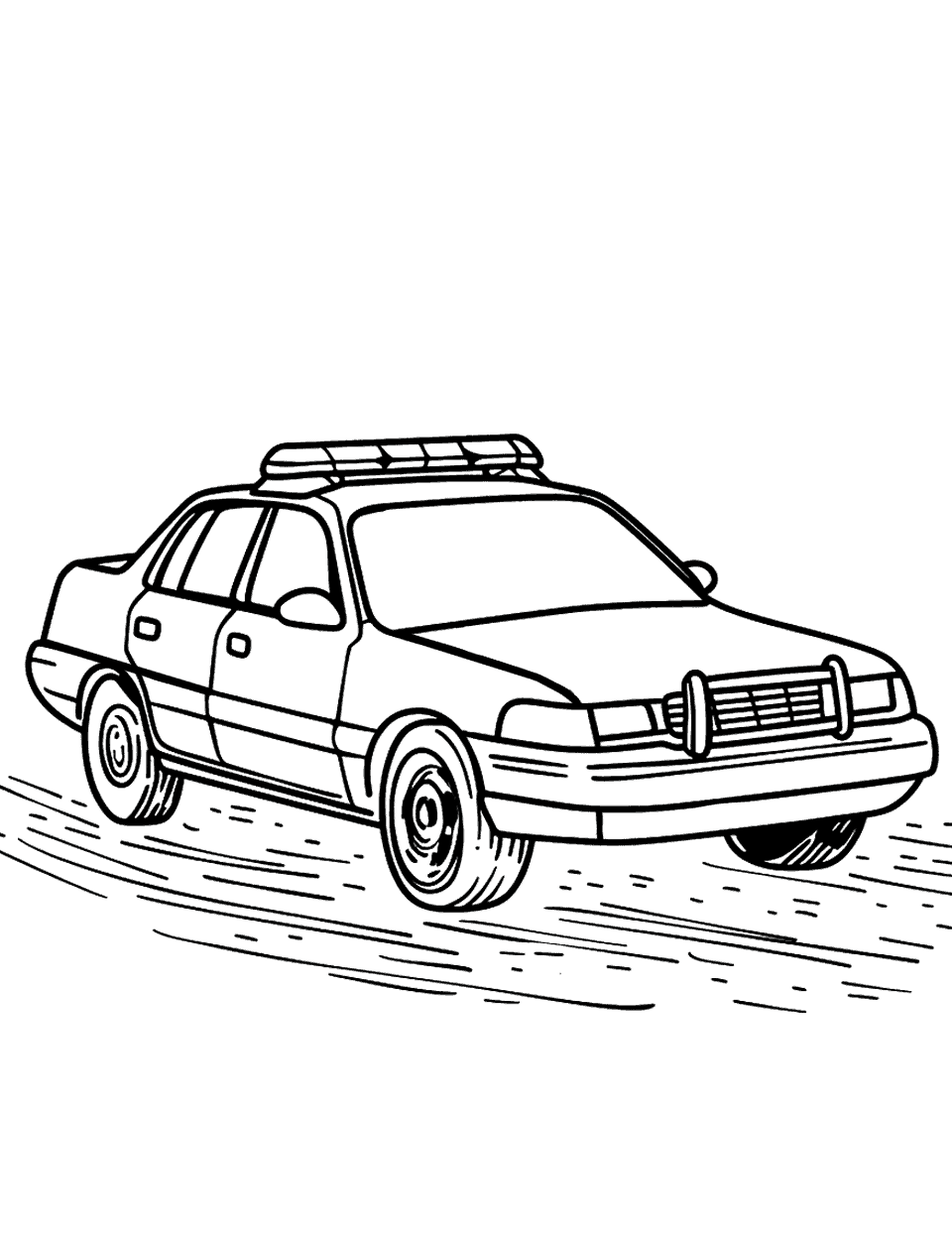
Speeding Vehicle Pursuit

Busy Traffic Stop
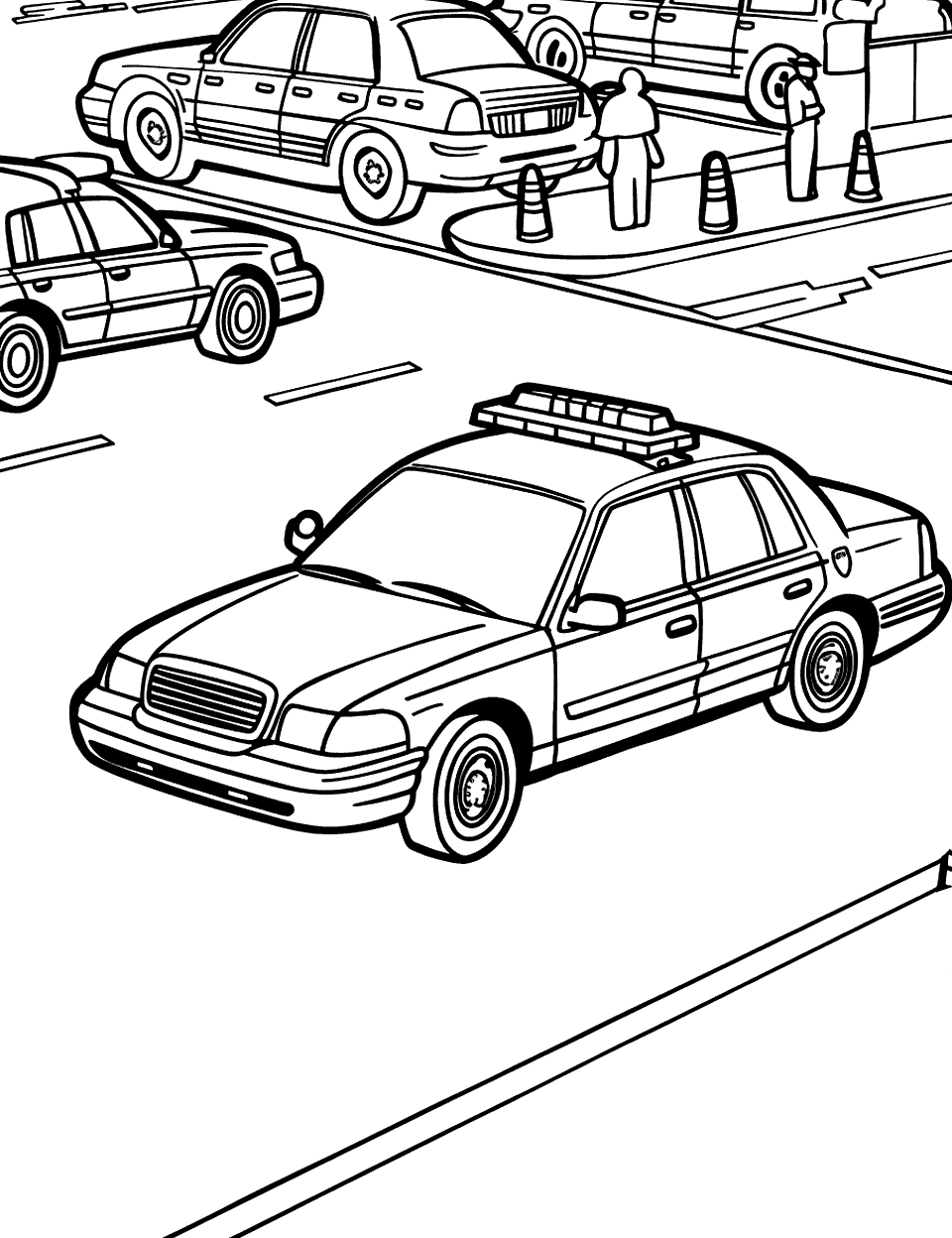
Police Helicopter in Flight
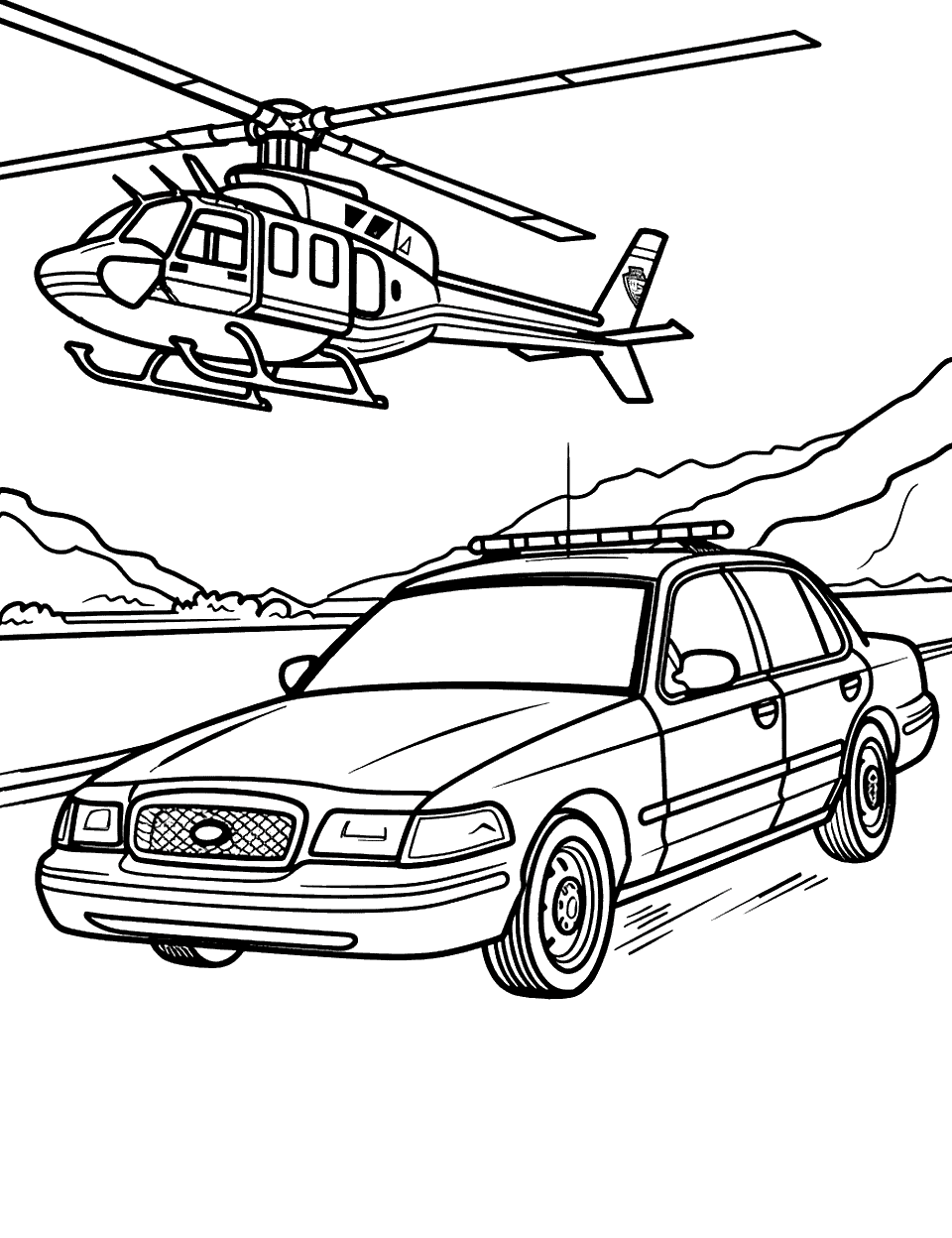
Police Officer Helping a Cat

Undercover Cop Car
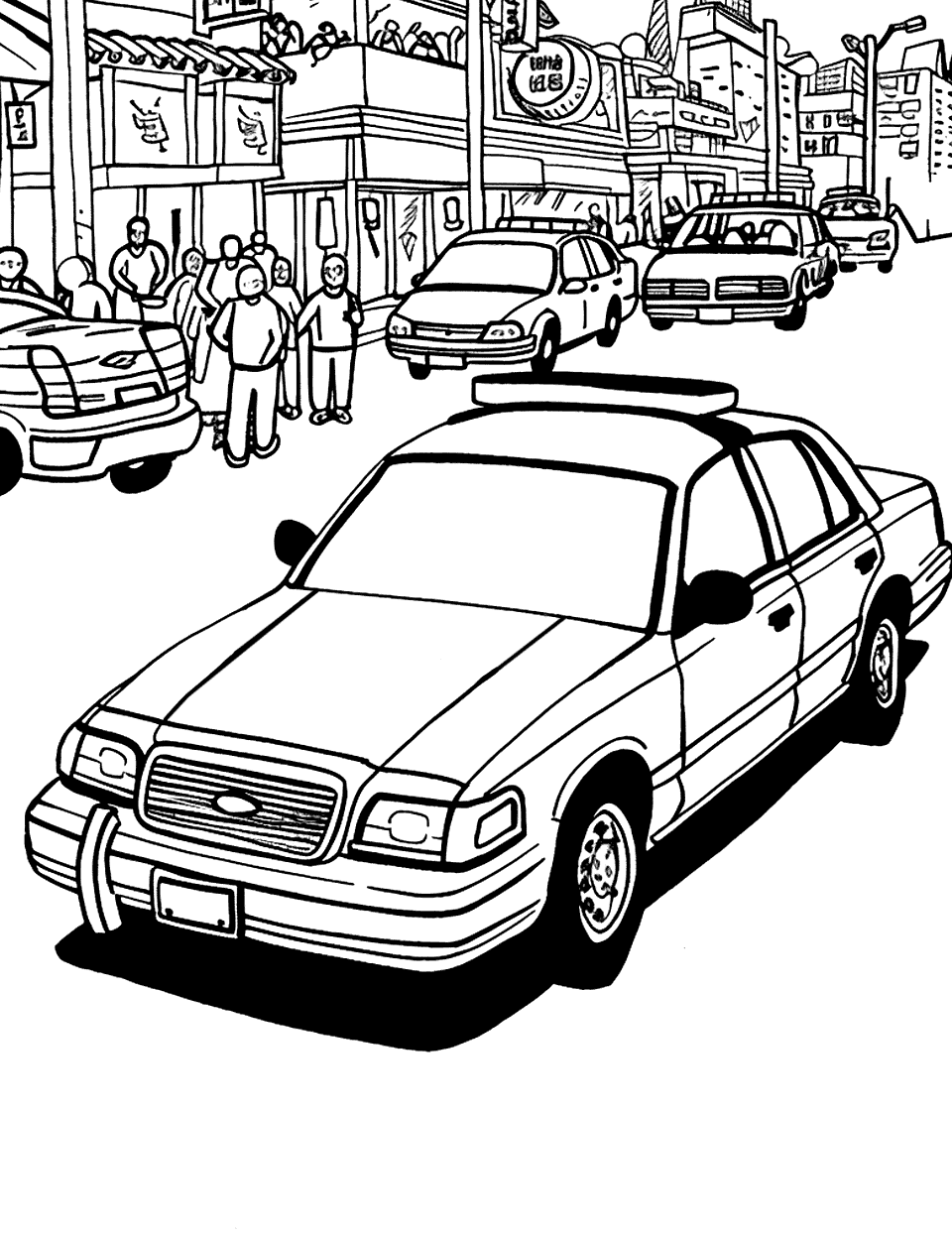
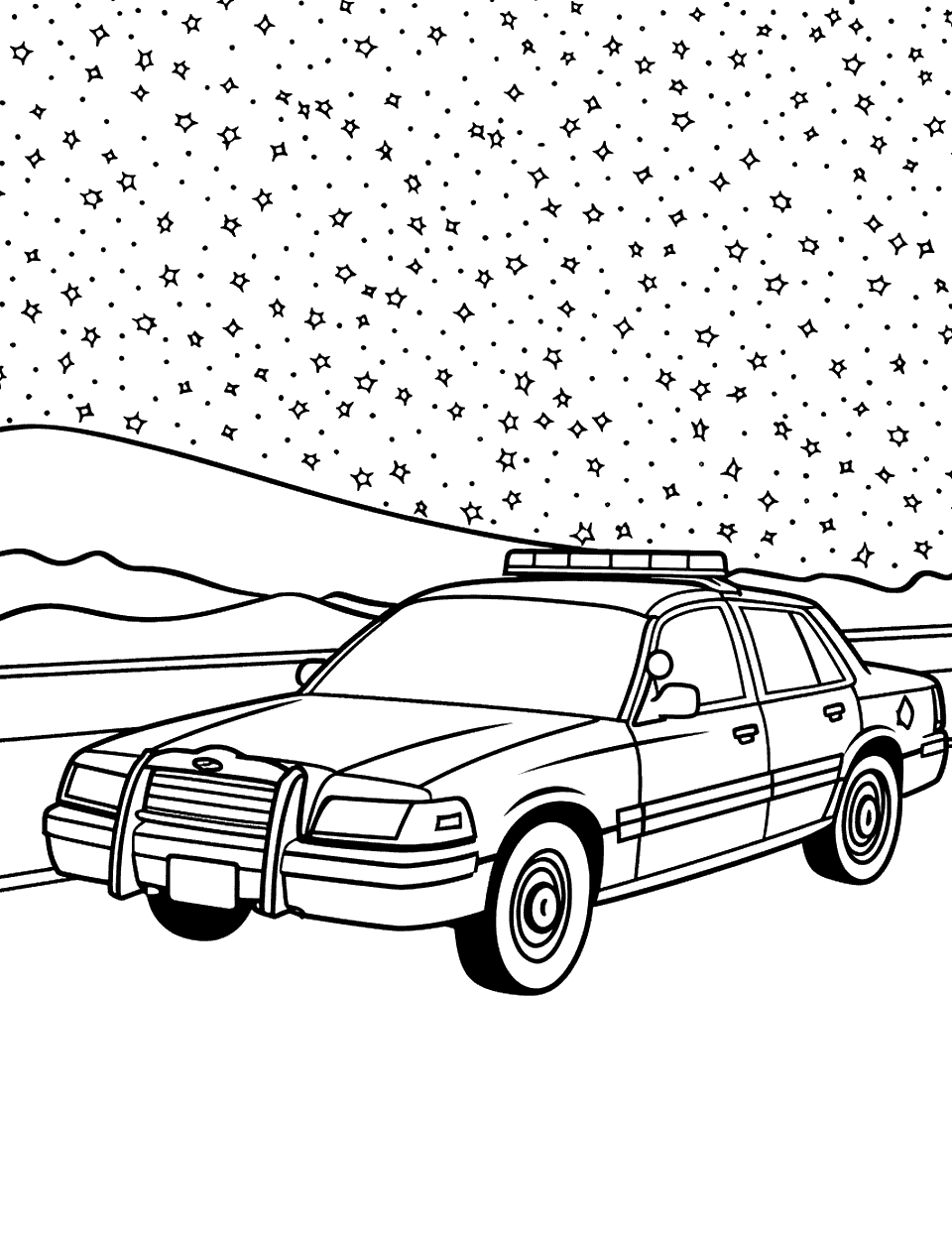
Midnight Highway Patrol
Responding to an Emergency
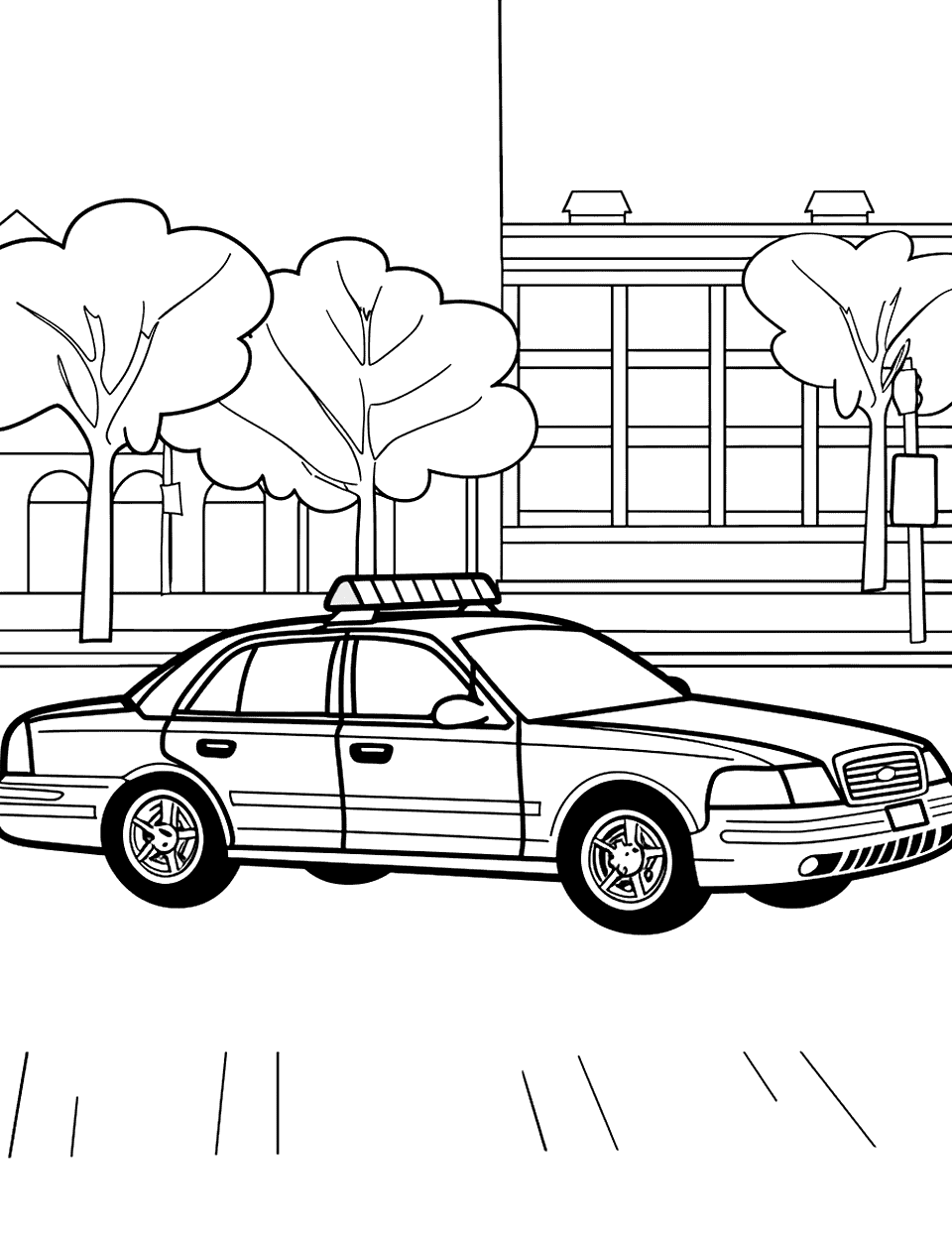
School Zone Safety
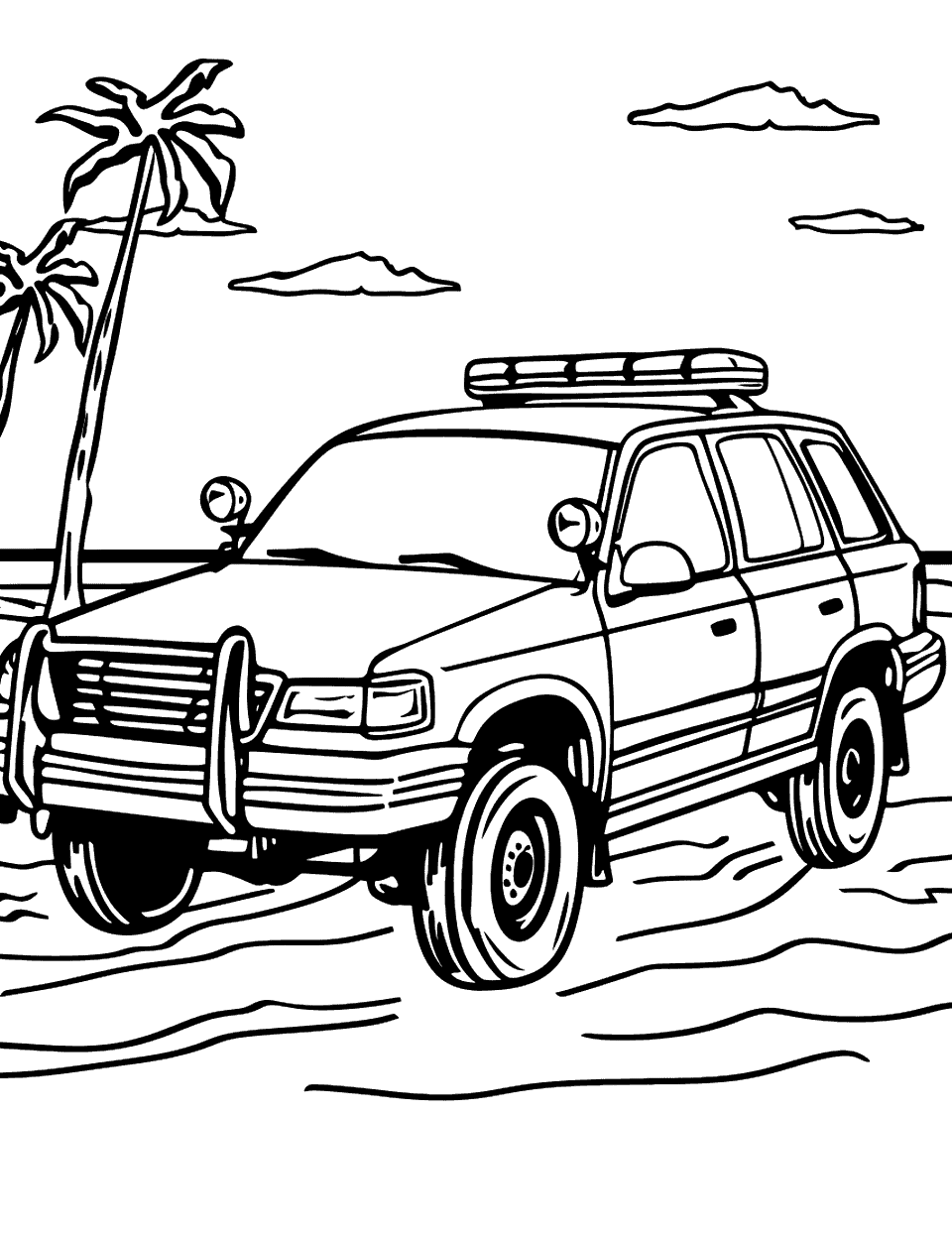
Beach Patrol
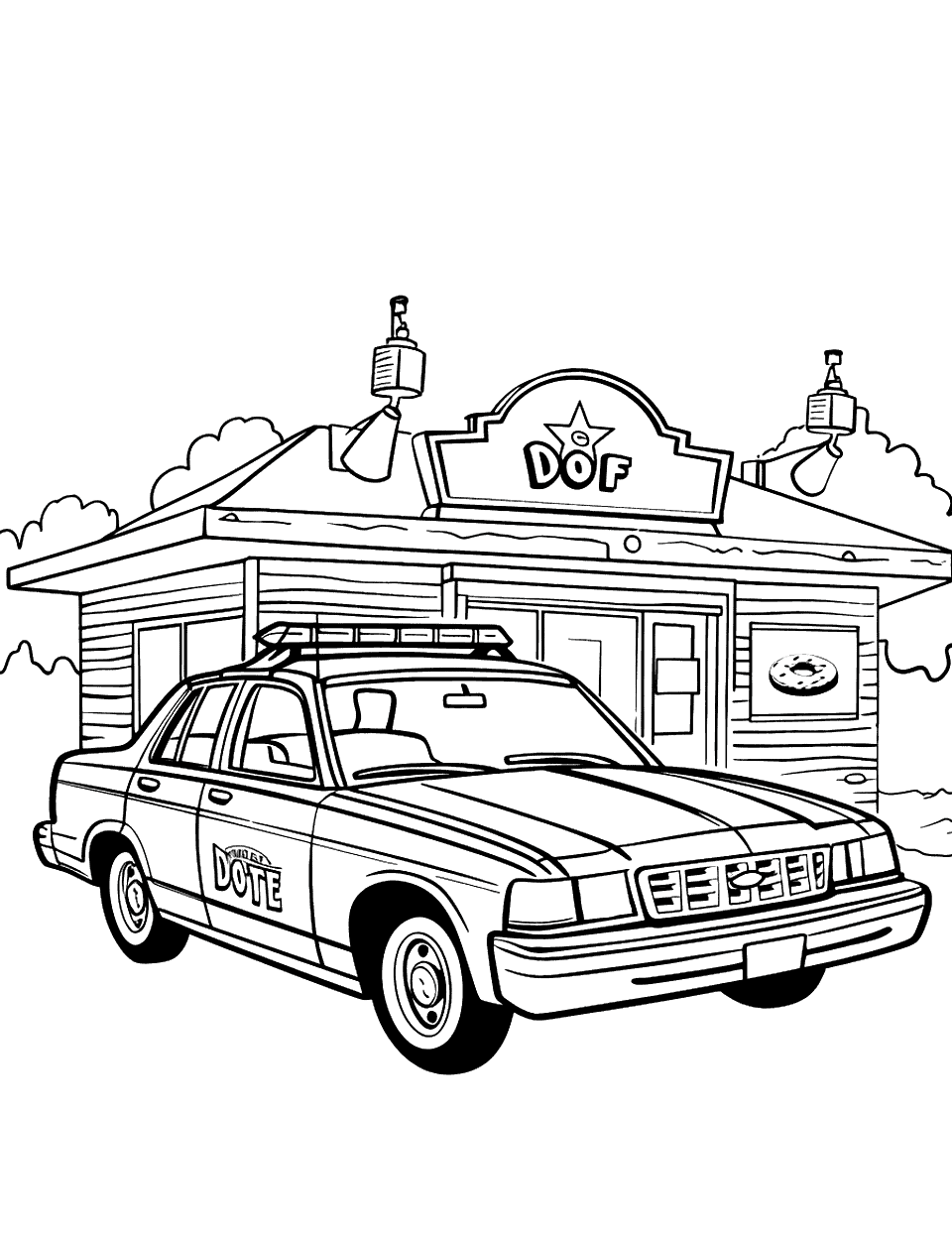
Parked at the Donut Shop
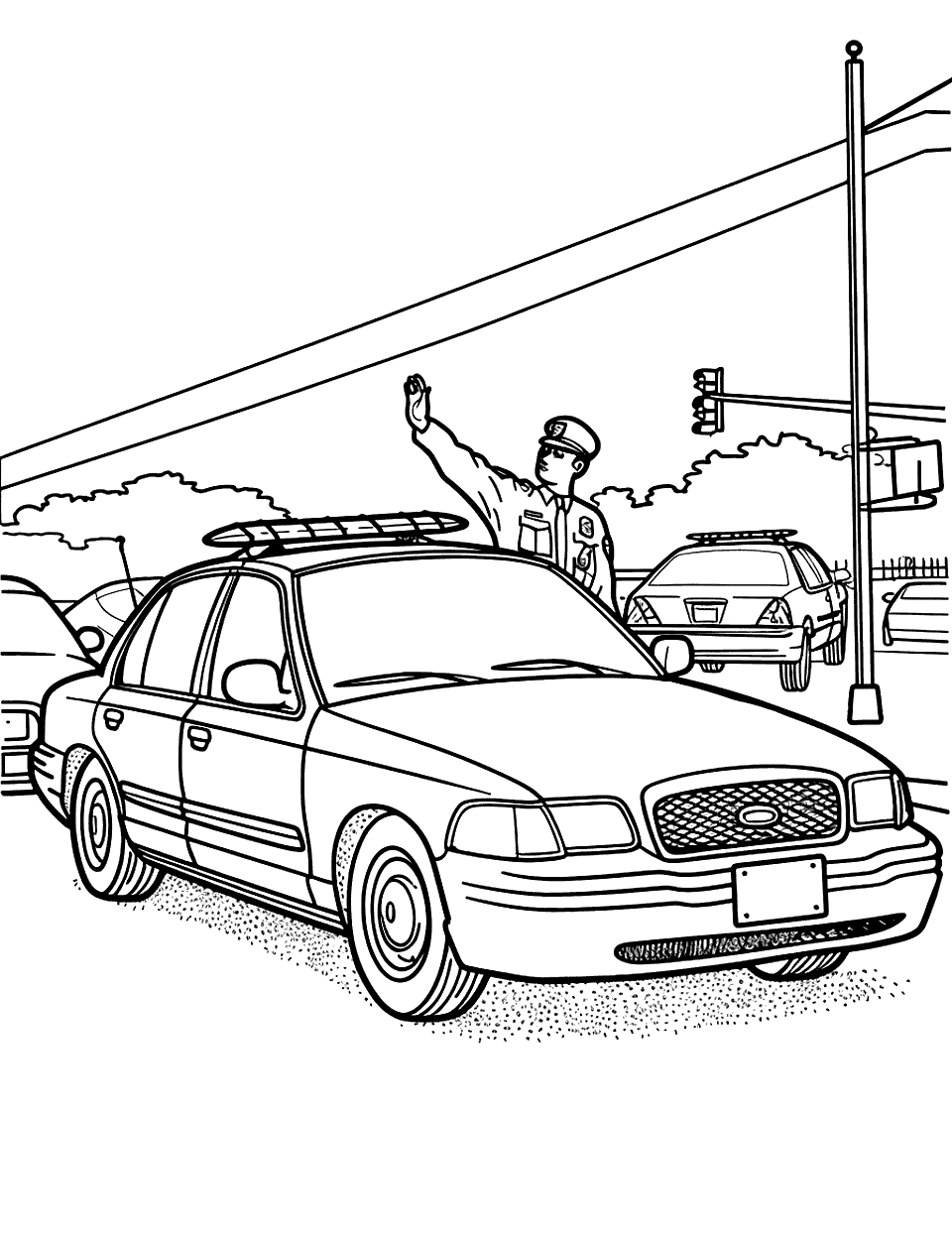
Officer Directing Evacuation
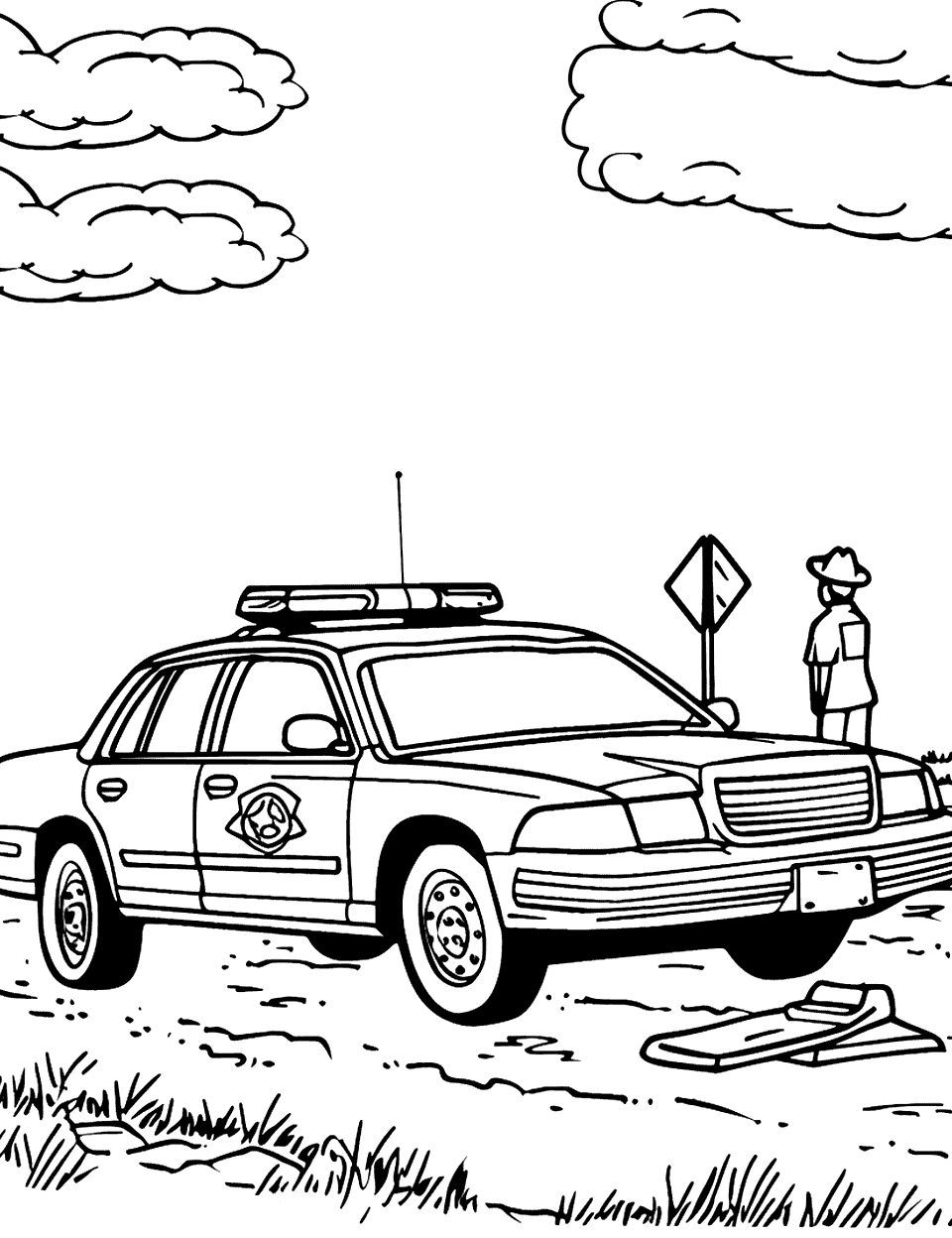
Crime Scene Investigation
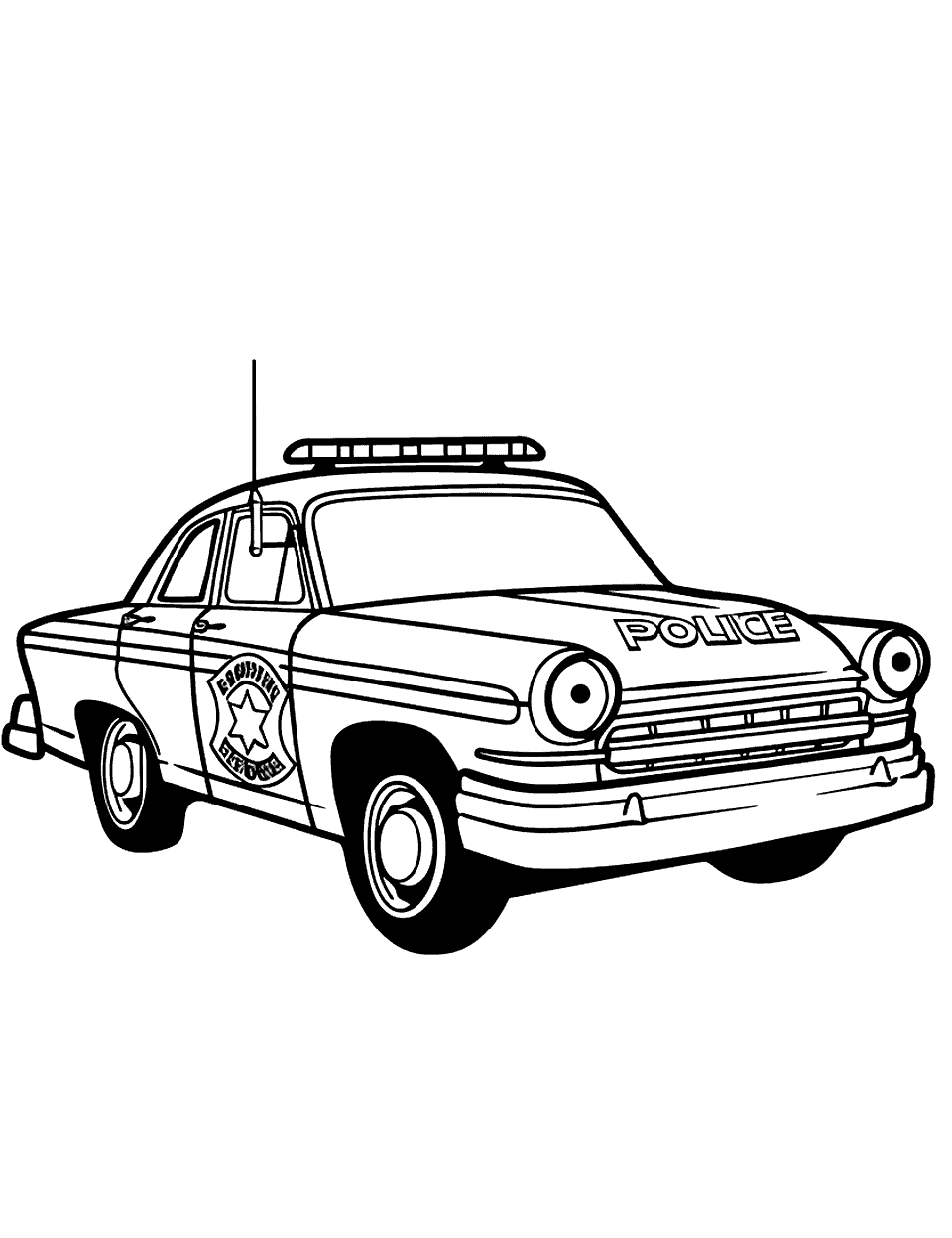
Vintage Police Car Display
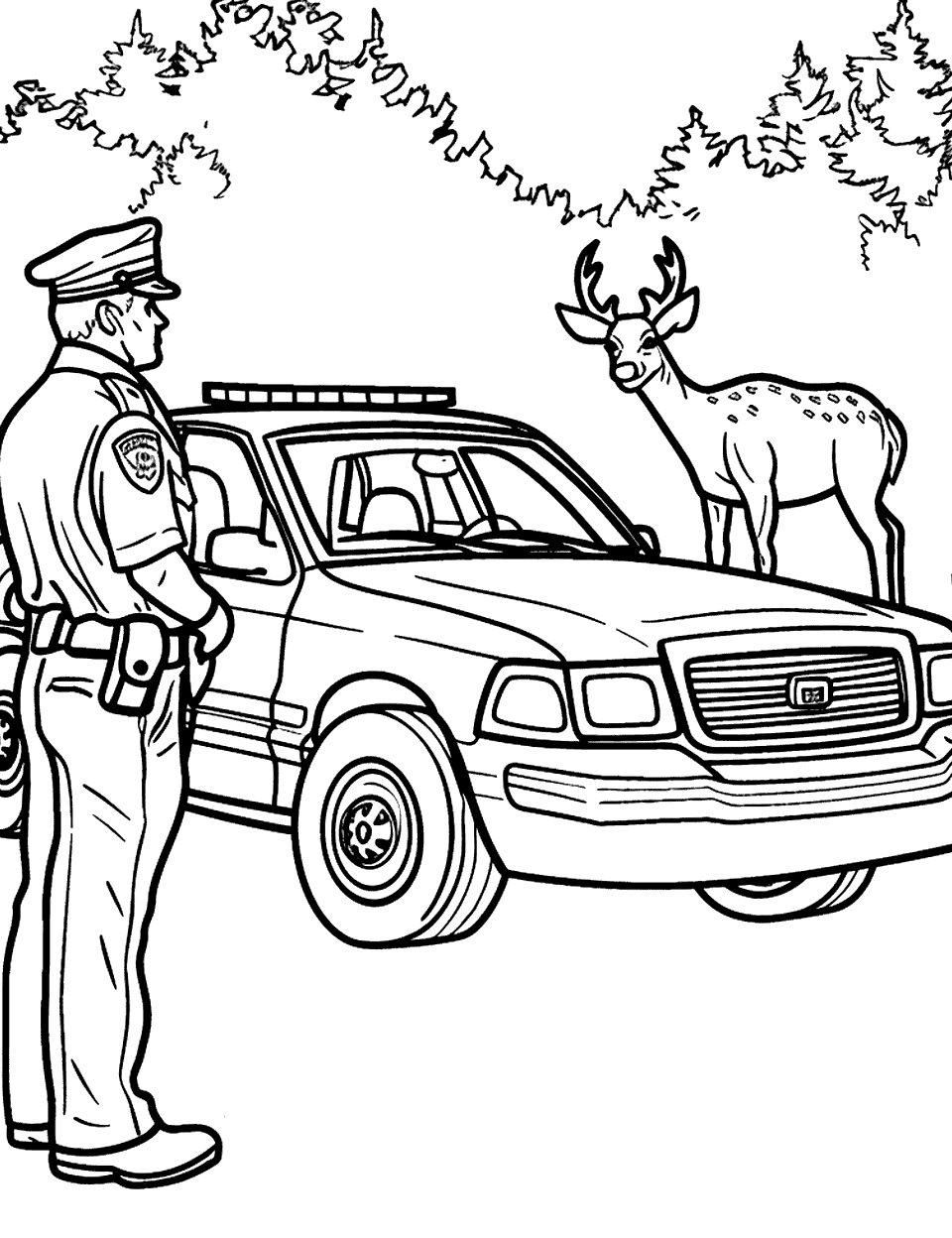
Wildlife Officer at Work
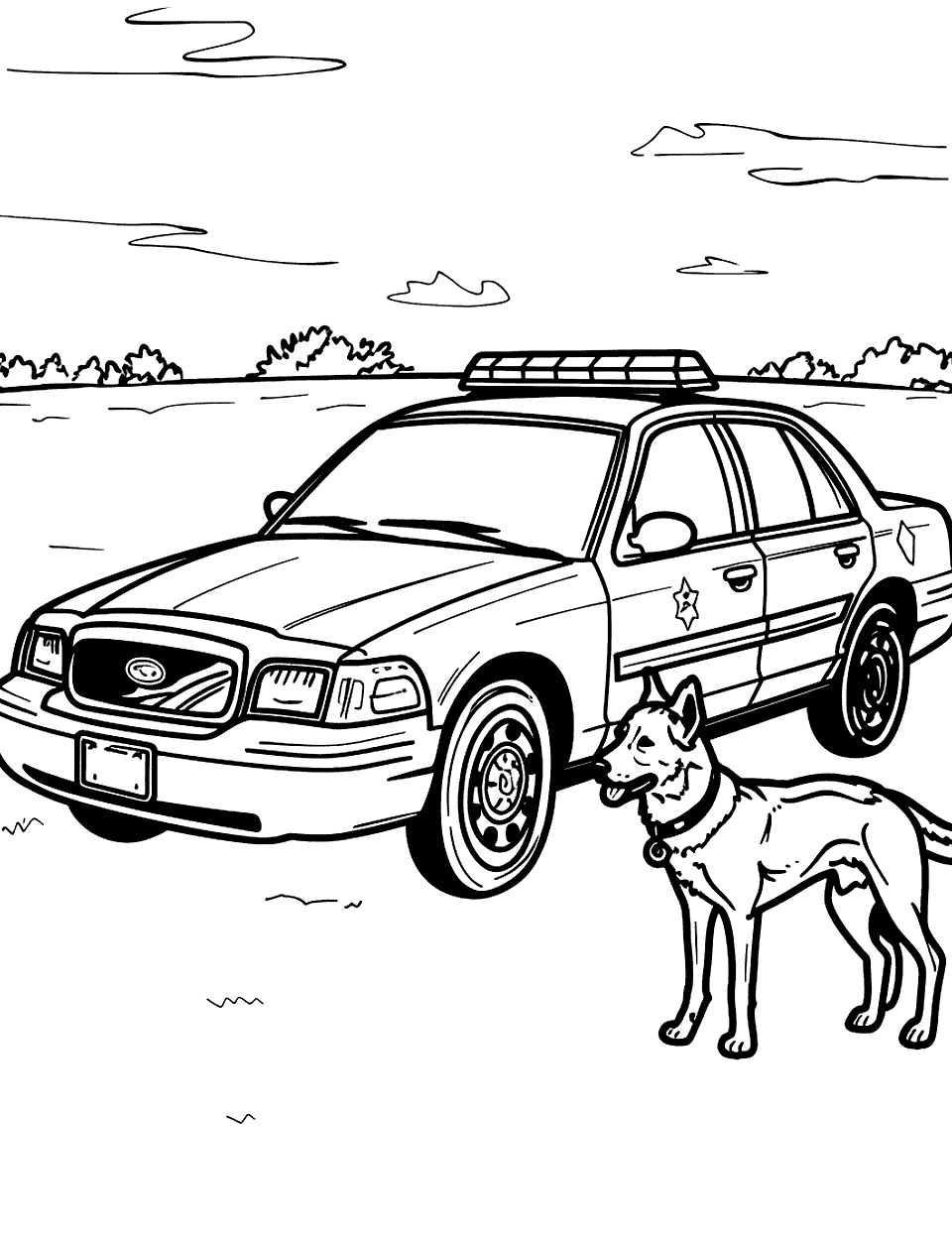
K-9 Unit in Training
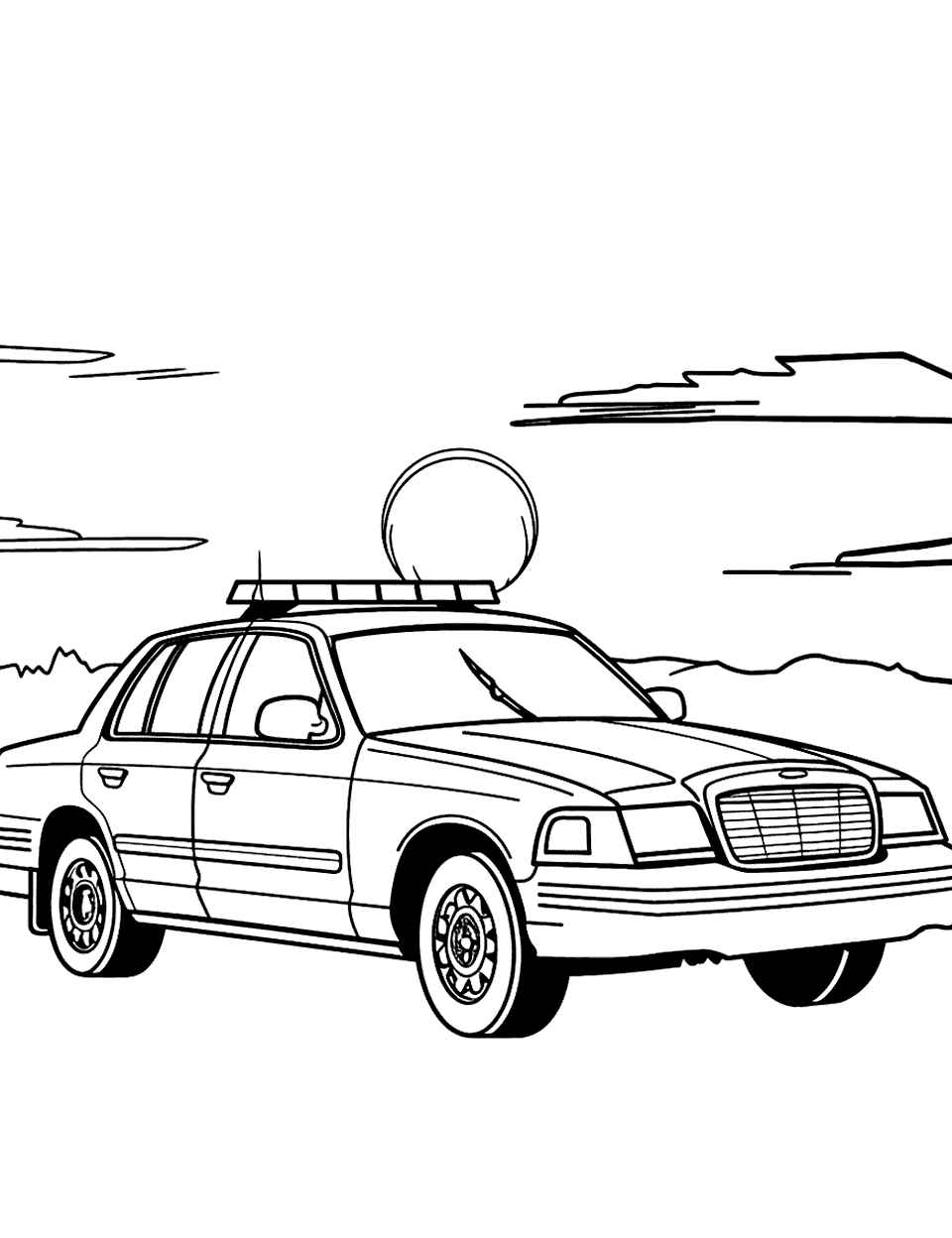
Police Car at Sunset
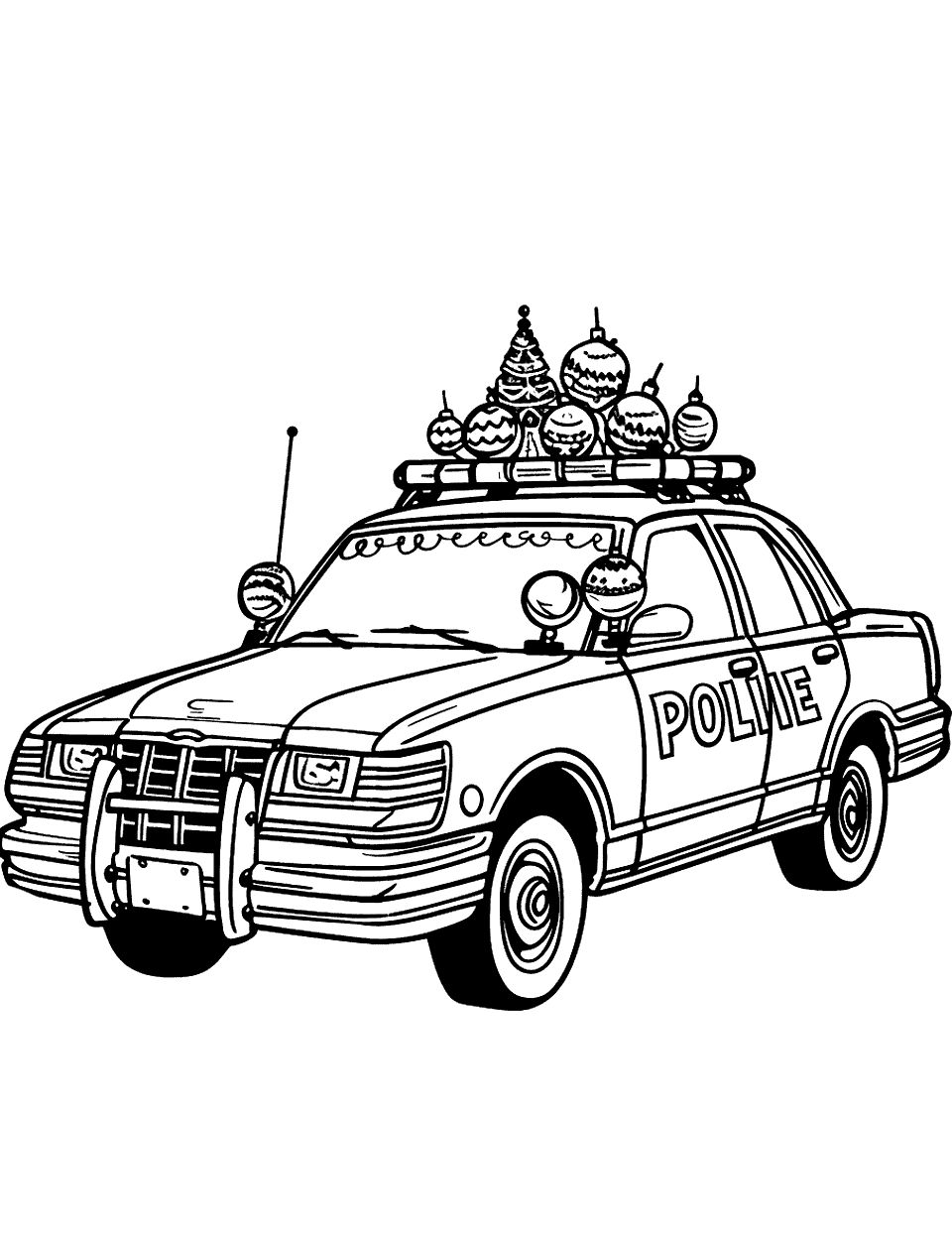
Police Car in a Holiday
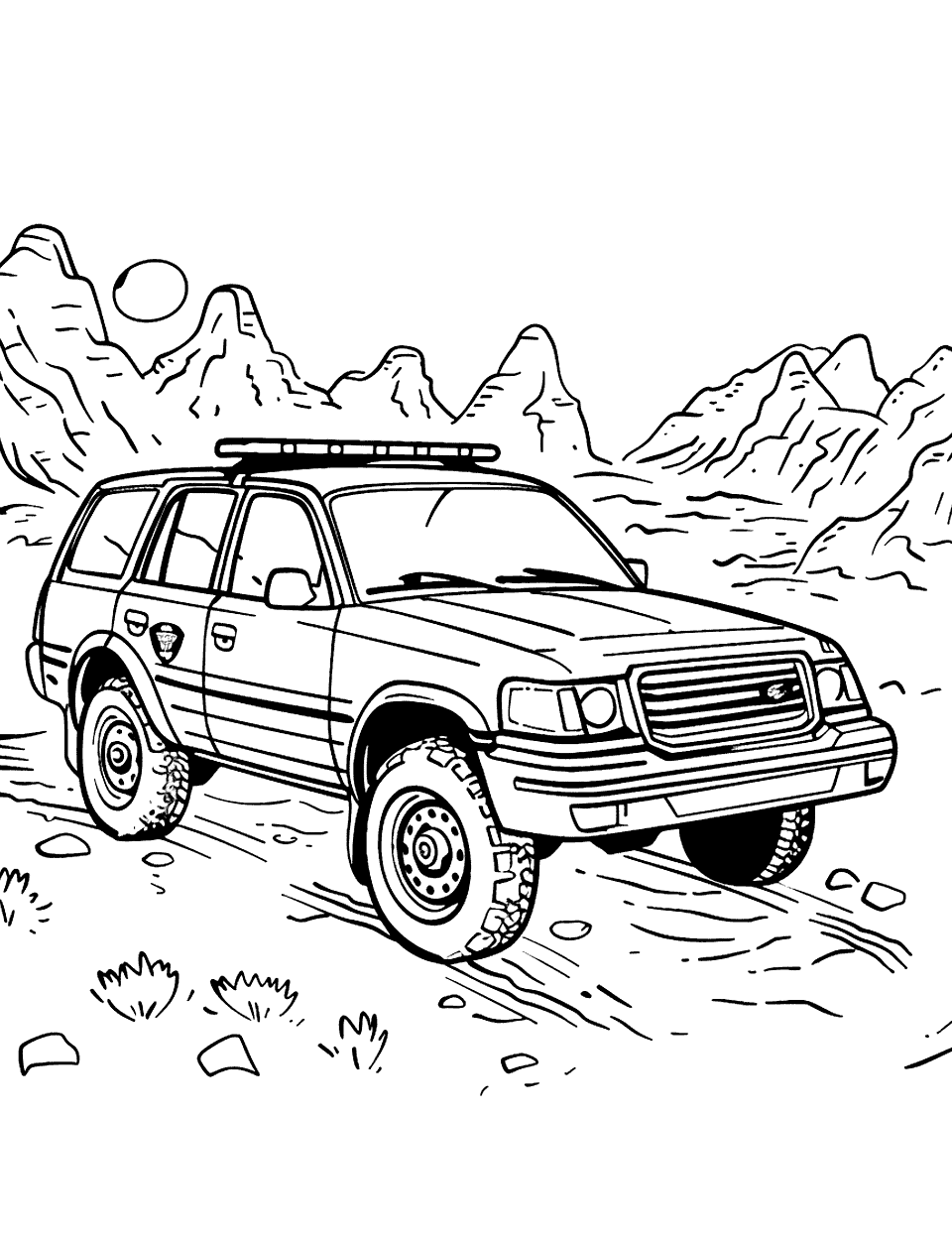
Off-Road Police Adventure
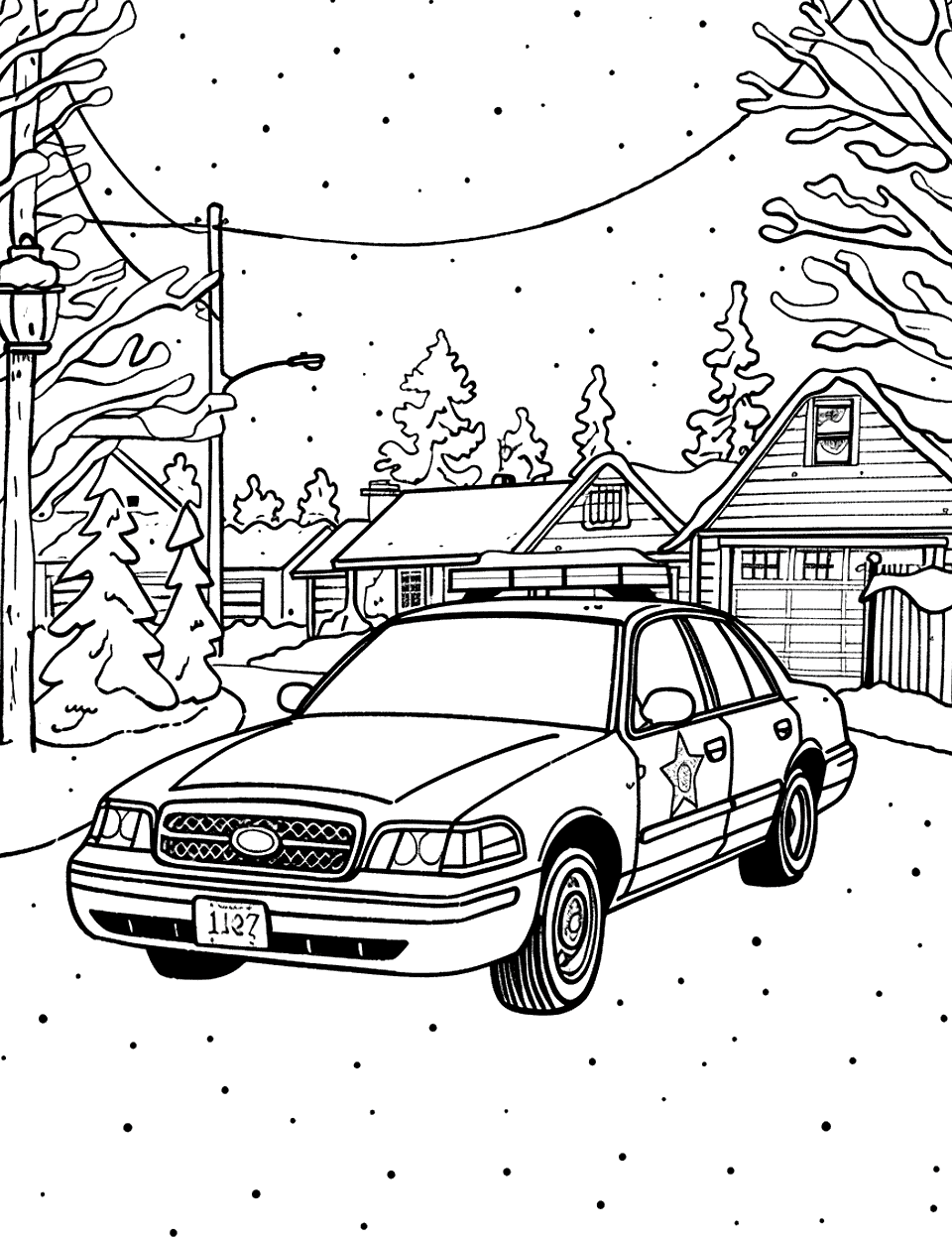
Morning Patrol in the Snow
By using our free coloring pages, you acknowledge and agree to our full disclaimer. All materials are for personal, non-commercial use only and all rights belong to their respective license holders.
Activities to Do With Police Car Coloring Pages
Don’t just color and run! There are plenty of ways to turn these sheets into a full afternoon of play. Here are some fun activity ideas to try with your kids once the coloring is done.
Create a Neighborhood Map
Get a large piece of poster board and draw roads, houses, and stores. Cut out your colored police cars and glue them onto the streets. Your child can create their own “patrol route” and keep their paper city safe.
Design a “Thank You” Card
Police officers work hard to keep our communities safe. Fold a colored page in half to create a card. Have your child write a nice message inside and deliver it to your local police station. It is a great way to teach gratitude and community connection.
Make Stand-Up Paper Patrol Cars
Print the coloring pages on heavy cardstock. Once your child finishes coloring, cut out the cars carefully. Tape a small cardboard triangle to the back of each one so they can stand up on their own. Now you have a fleet of vehicles for tabletop play!
Play Red Light, Green Light
Use the coloring pages as props for a game of “Red Light, Green Light.” When you hold up a coloring page of a police car, the kids have to freeze (Red Light). When you put it down, they can run (Green Light). This reinforces listening skills and adds physical activity to the mix.
Storytime Cop
Encourage your child to invent a backstory for the officer or the car in the picture. Ask questions like “Where are they going?” or “Who are they helping today?” Write down their answers on the back of the page to create a mini-story about their artwork.
FAQs

What Colors Should I Use for Police Cars?
In the United States, police cars are traditionally black and white. However, many modern cruisers are solid white, dark blue, silver, or even dark grey. Encourage your kids to be creative; they can even invent their own city colors using bright neons or stripes!
What Kind of Cars Do Police Officers Drive?
Police departments use high-performance vehicles that are fast and durable. Common models include the Ford Police Interceptor Utility (based on the Explorer), the Dodge Charger Pursuit, and the Chevrolet Tahoe. For highway patrol, you might even see sports cars like Mustangs or Camaros.
Why Do Police Cars Have Sirens and Lights?
The flashing lights and loud sirens are warning signals. They tell other drivers and pedestrians that there is an emergency and that the police officer needs to get through traffic quickly and safely to help someone.
Can I Use Markers or Paint on These Pages?
Absolutely! While crayons and colored pencils are standard, markers make the colors pop. If you want to use watercolors or acrylic paint, we recommend printing the pages on thicker cardstock so the paper does not wrinkle or bleed through.
How Do I Print These Coloring Sheets?
It is very easy. Simply click the download button or the link provided under the image you like. The file will open as a PDF. From there, you can send it directly to your home printer. Make sure to select “Fit to Page” in your printer settings for the best results.