Ready to dive into some fun? Otters are nature’s most playful water puppies. Whether they are cracking clams on their tummies or sliding down muddy banks, these critters are impossible not to love. We have curated a fantastic collection of printable sheets for kids of all ages. You will find everything from fuzzy sea otters floating on their backs to river otters having a snack. Grab your favorite crayons and let’s make a splash.
Baby Otter Cuddling
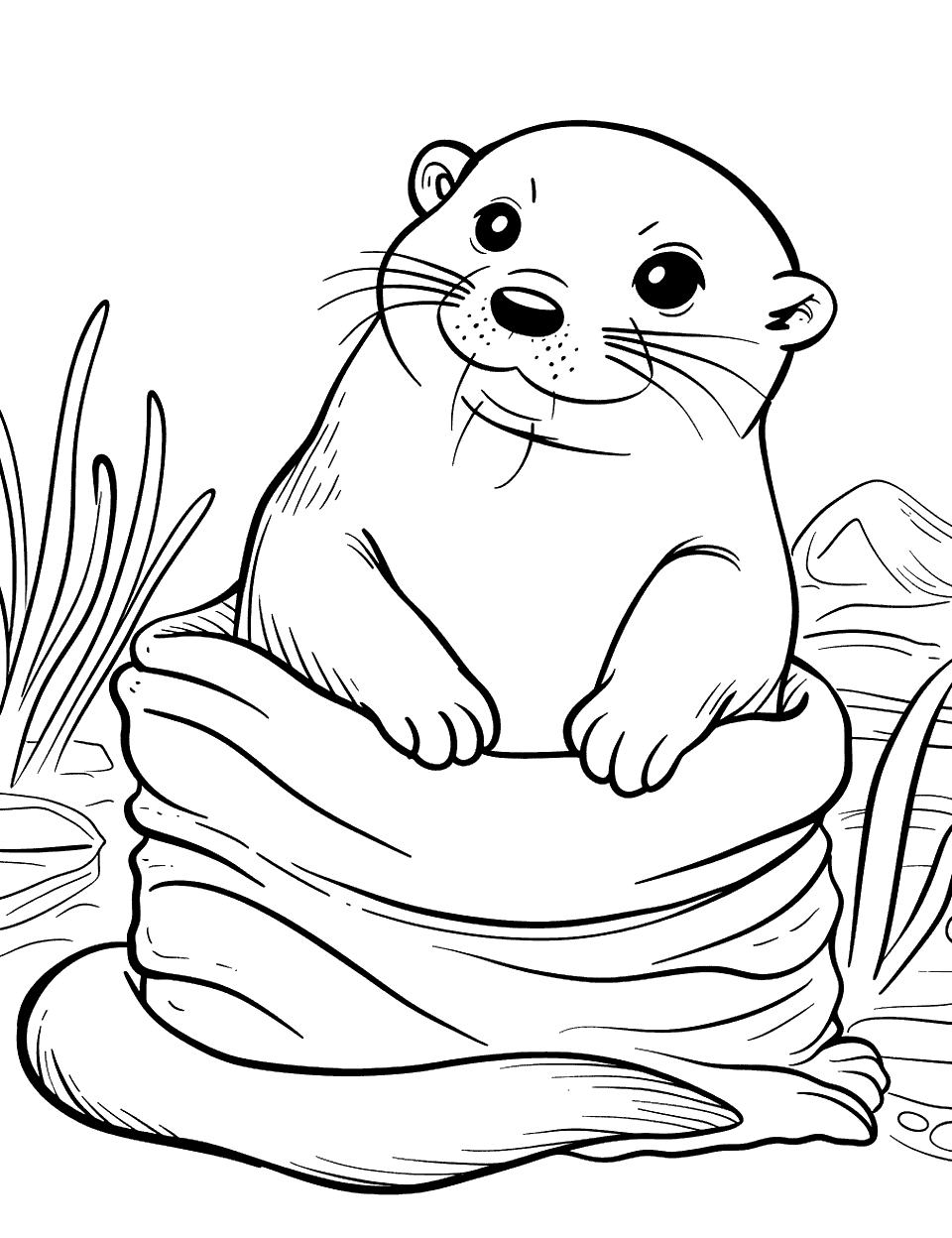
Otter at the River Bank
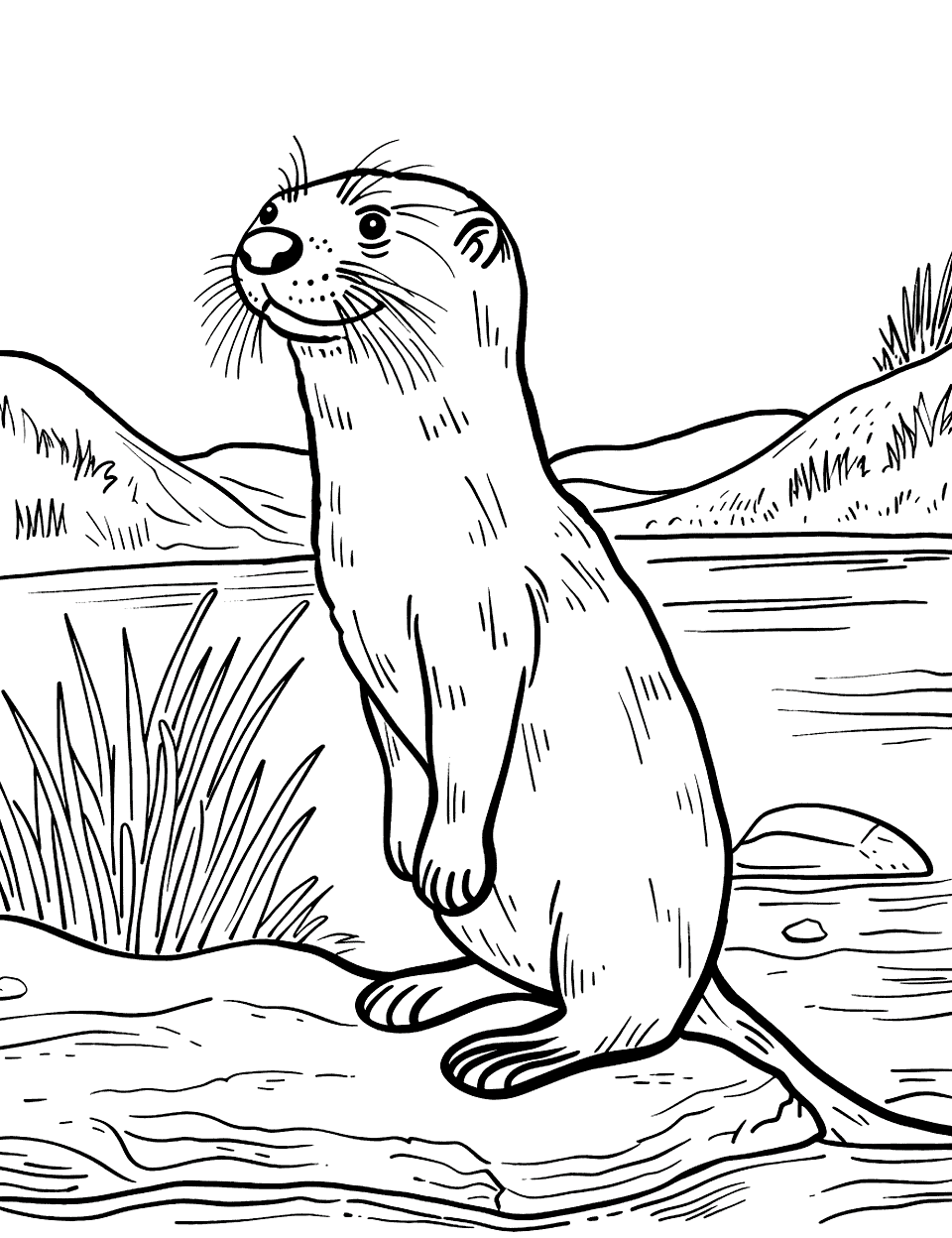
Sea Otter Floating on Back
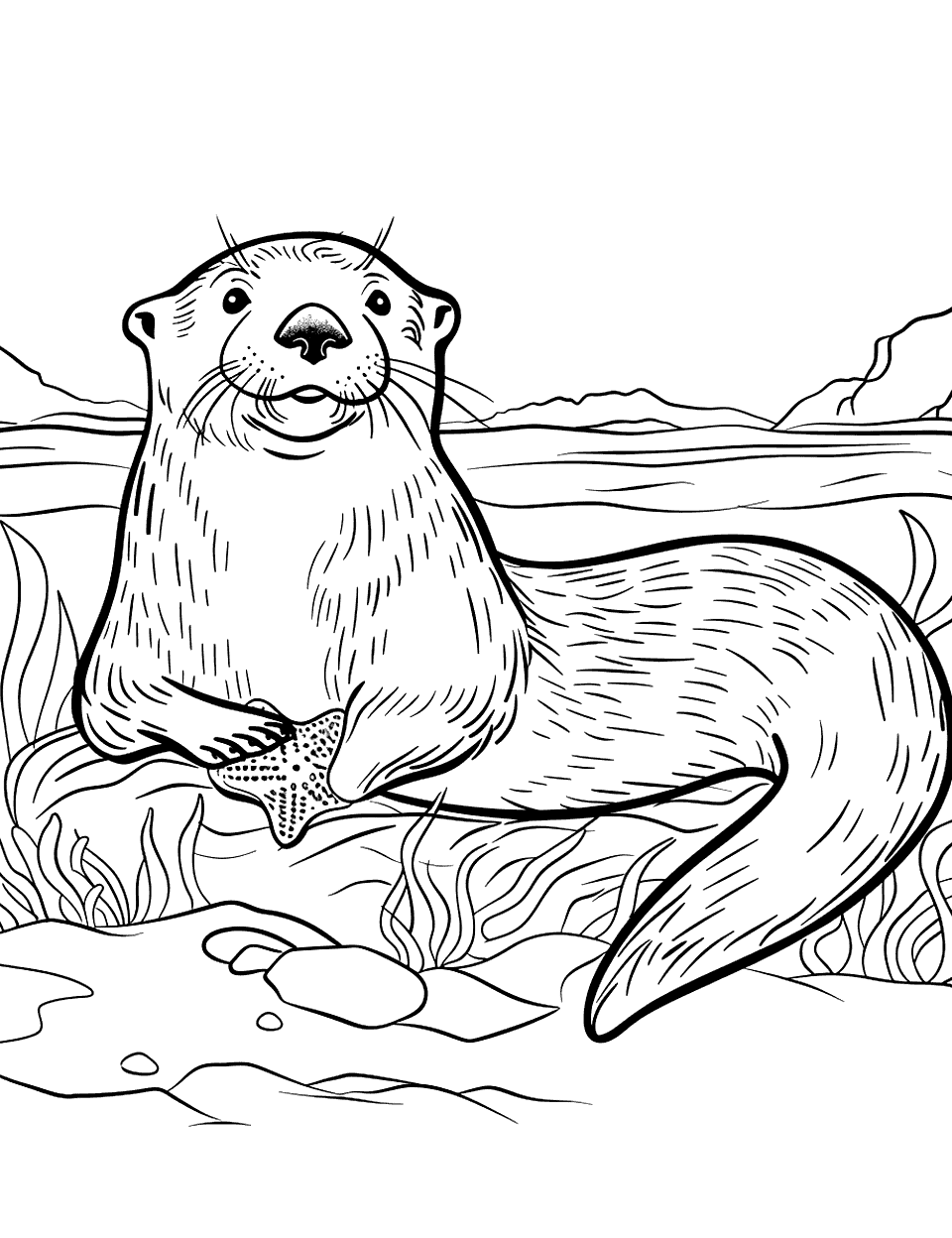
Otter Playing with a Ball
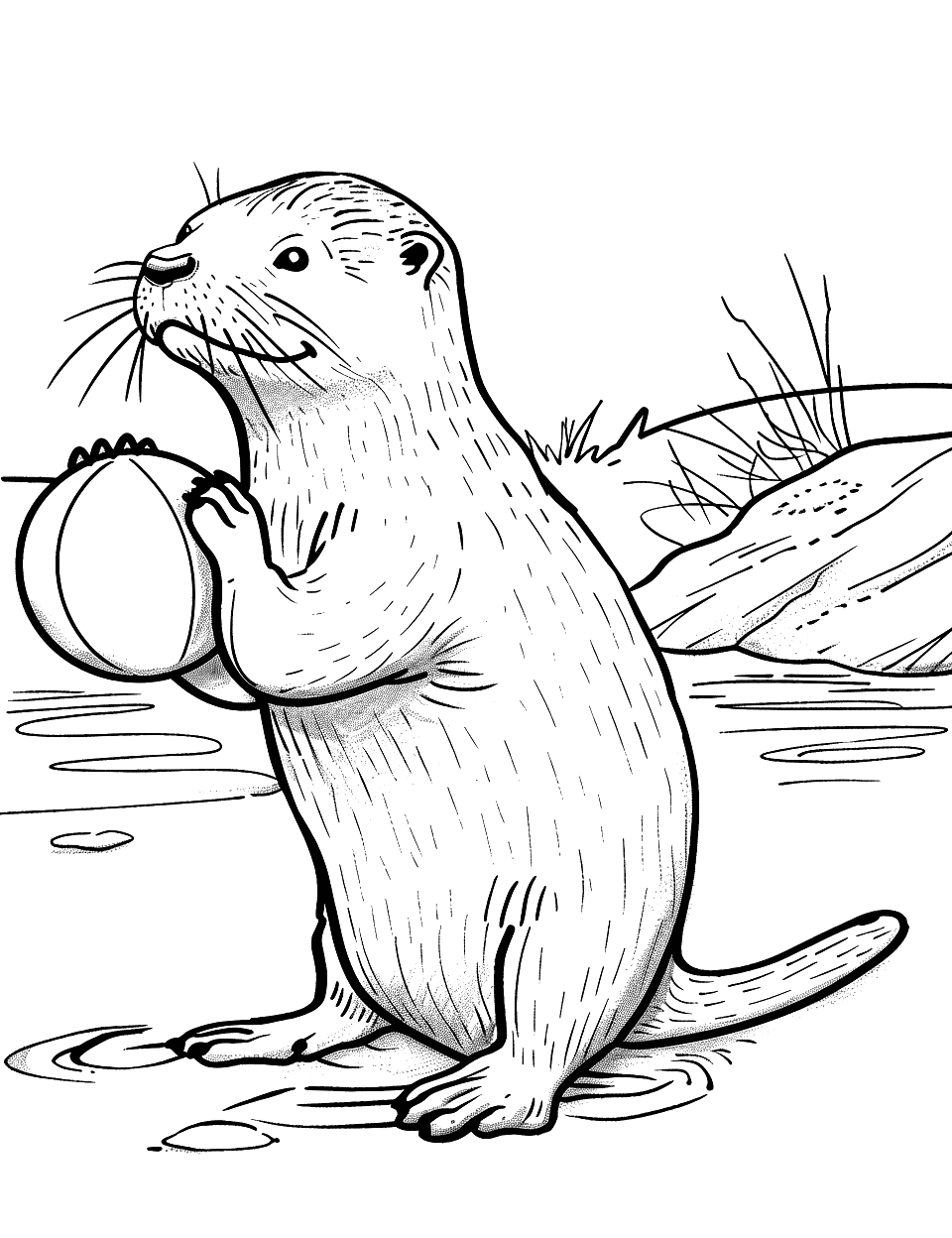
Otter with Sunglasses
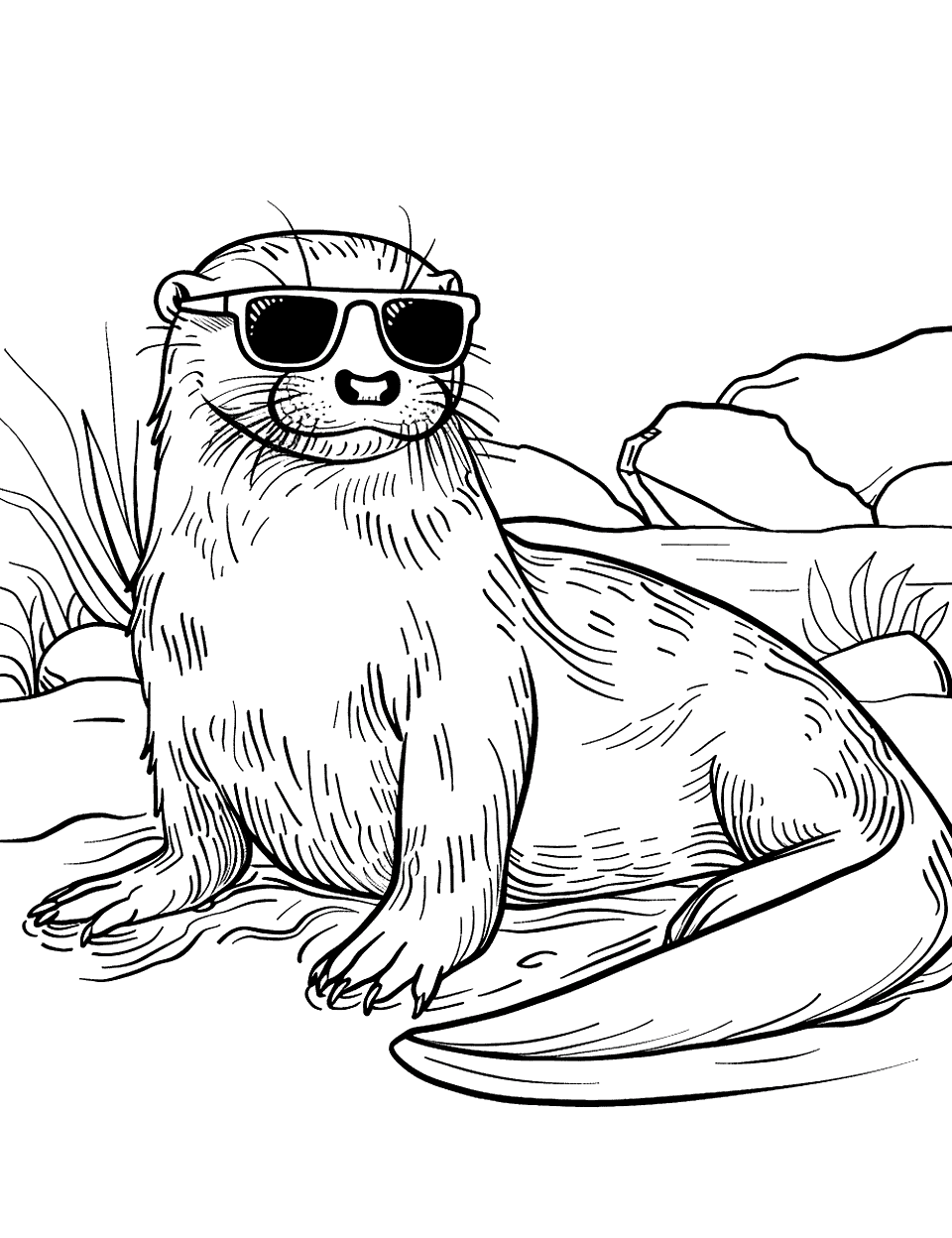
Winter Otter in the Snow
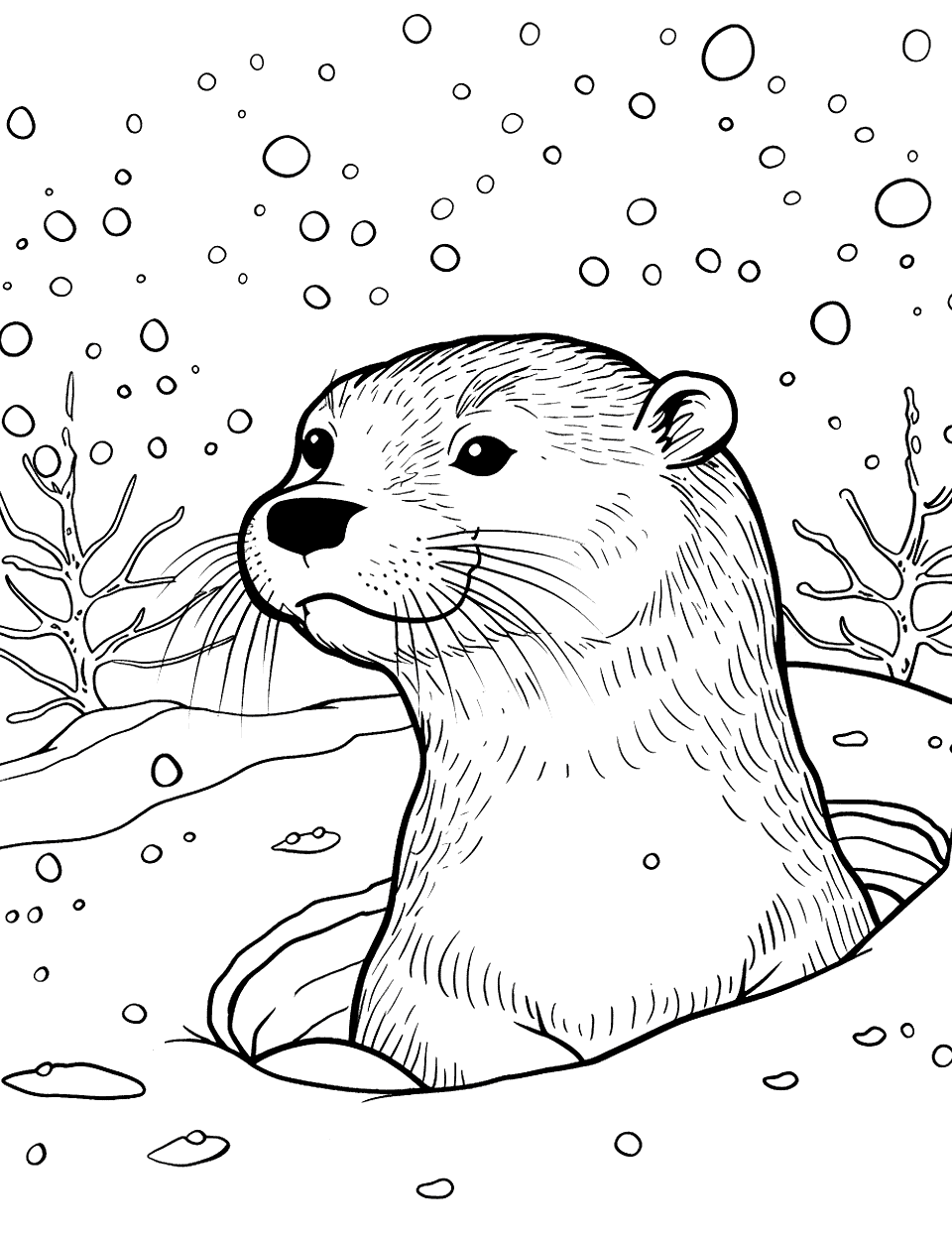
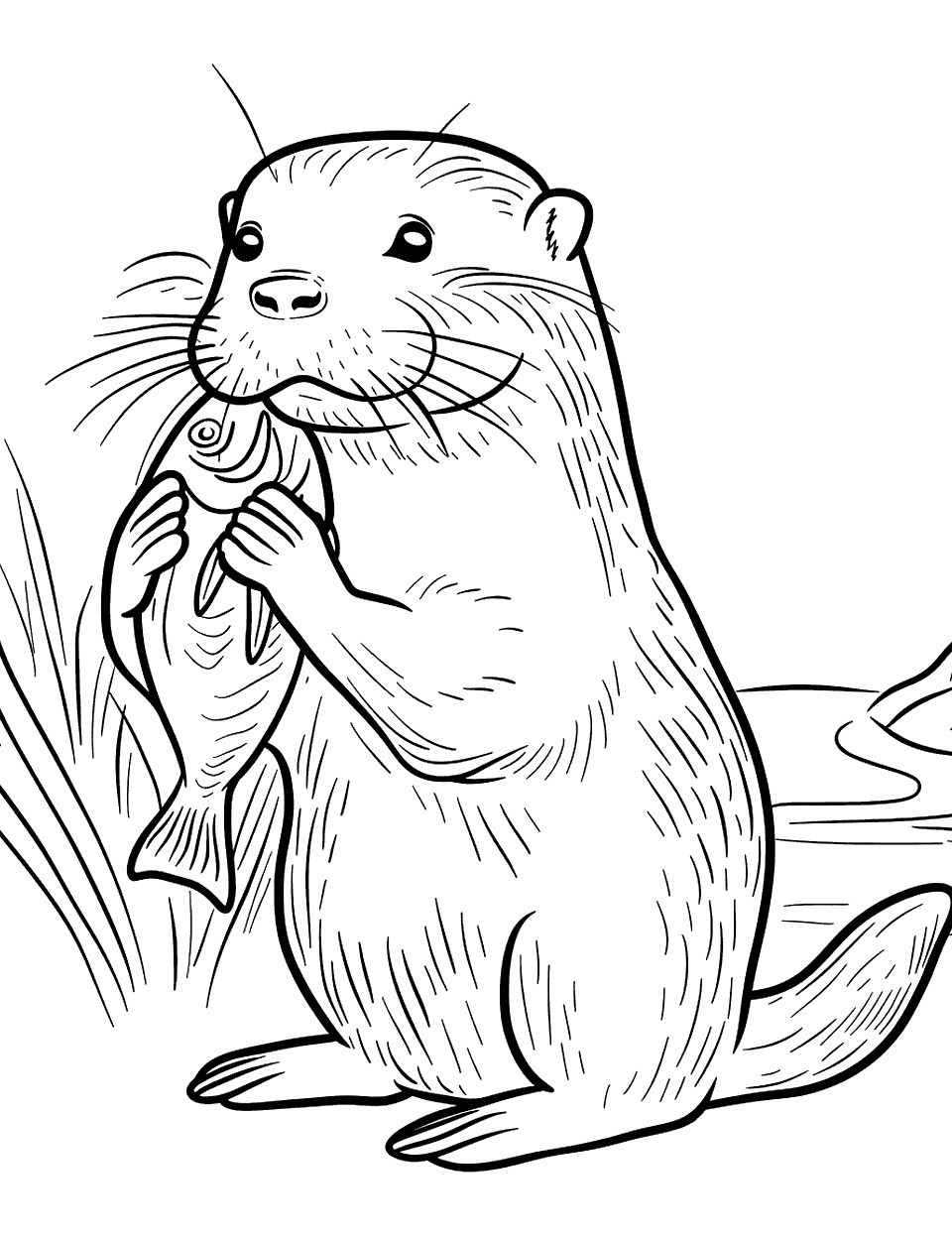
Otter Eating a Fish
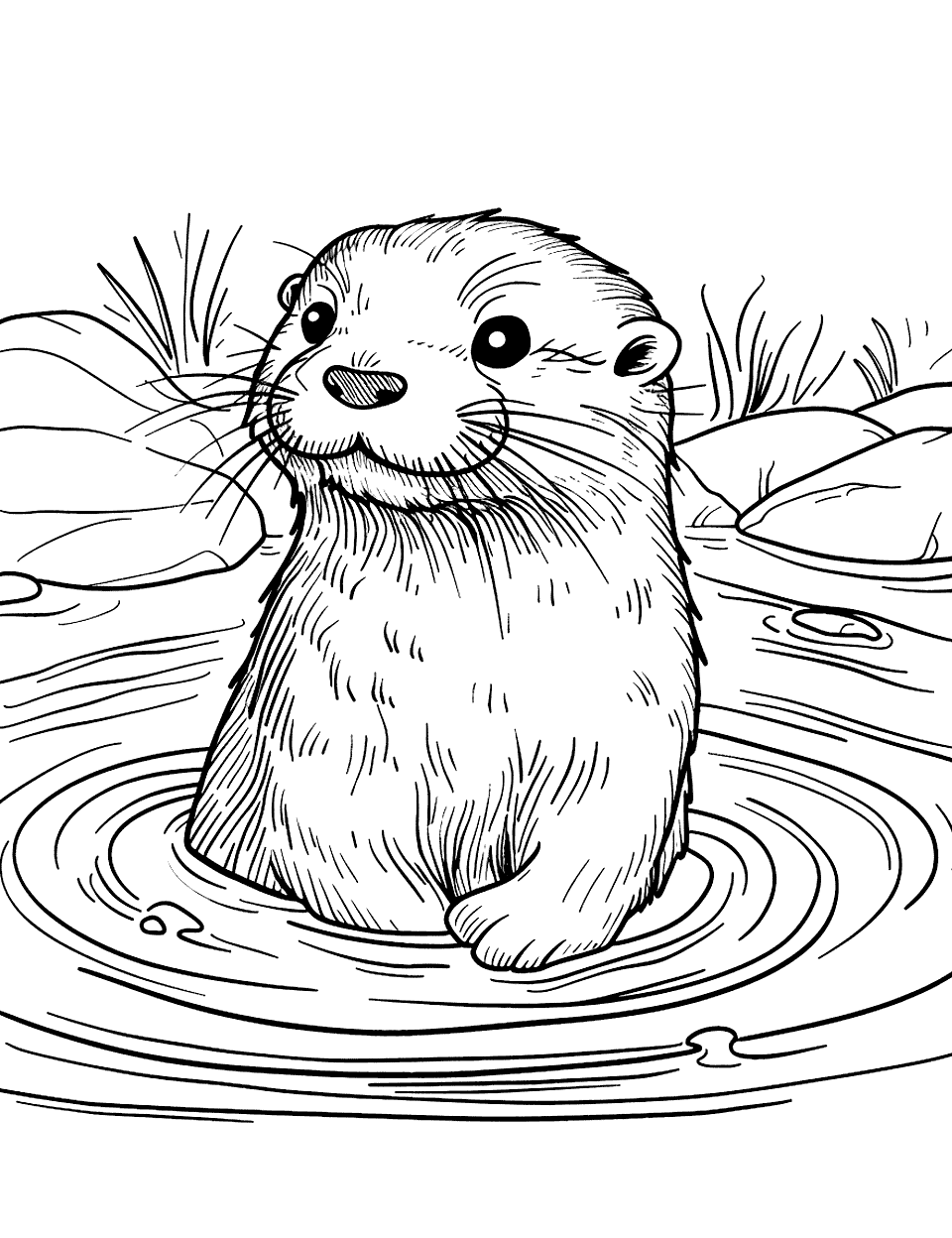
Baby Otter Learning to Swim
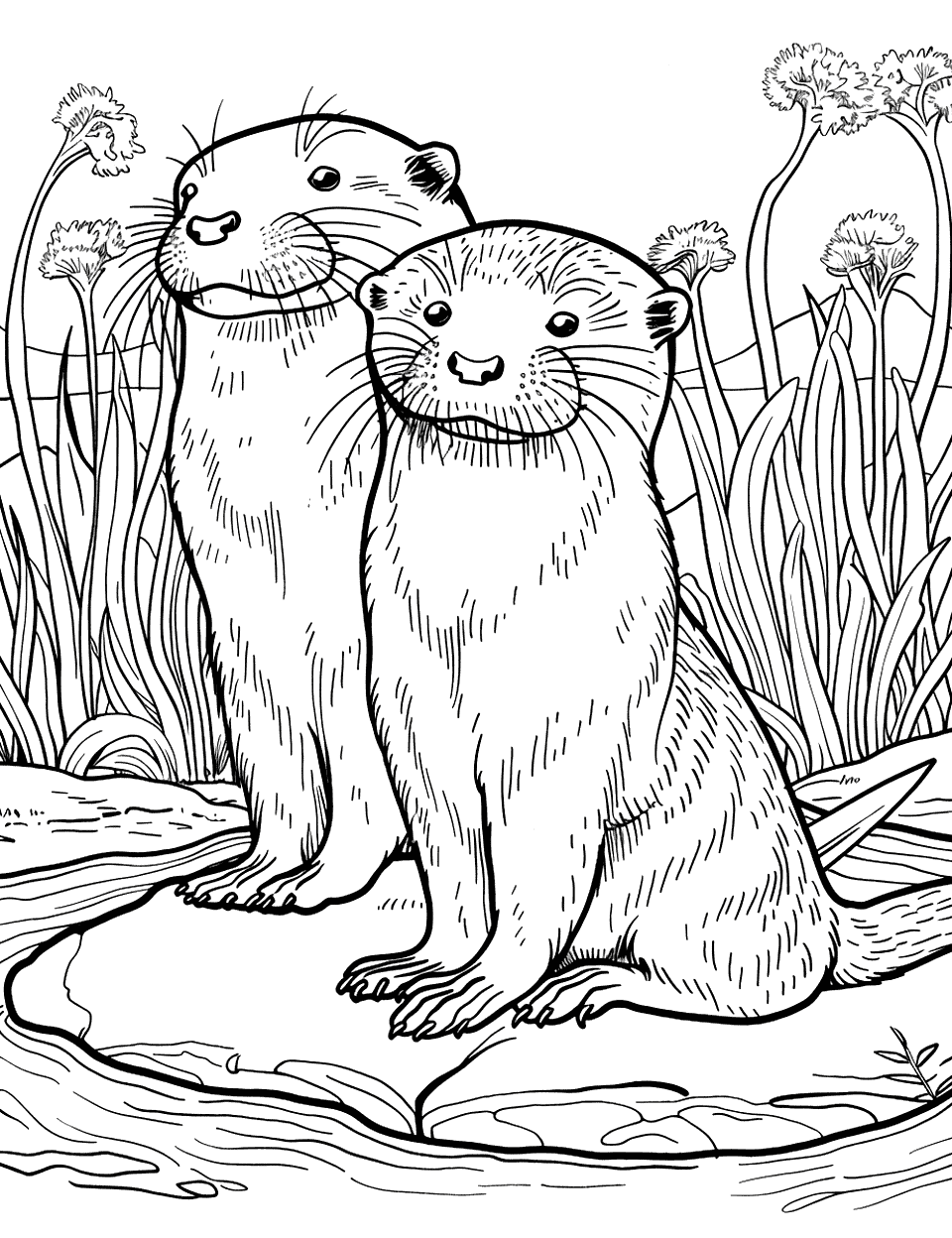
Otter Family at Sunset
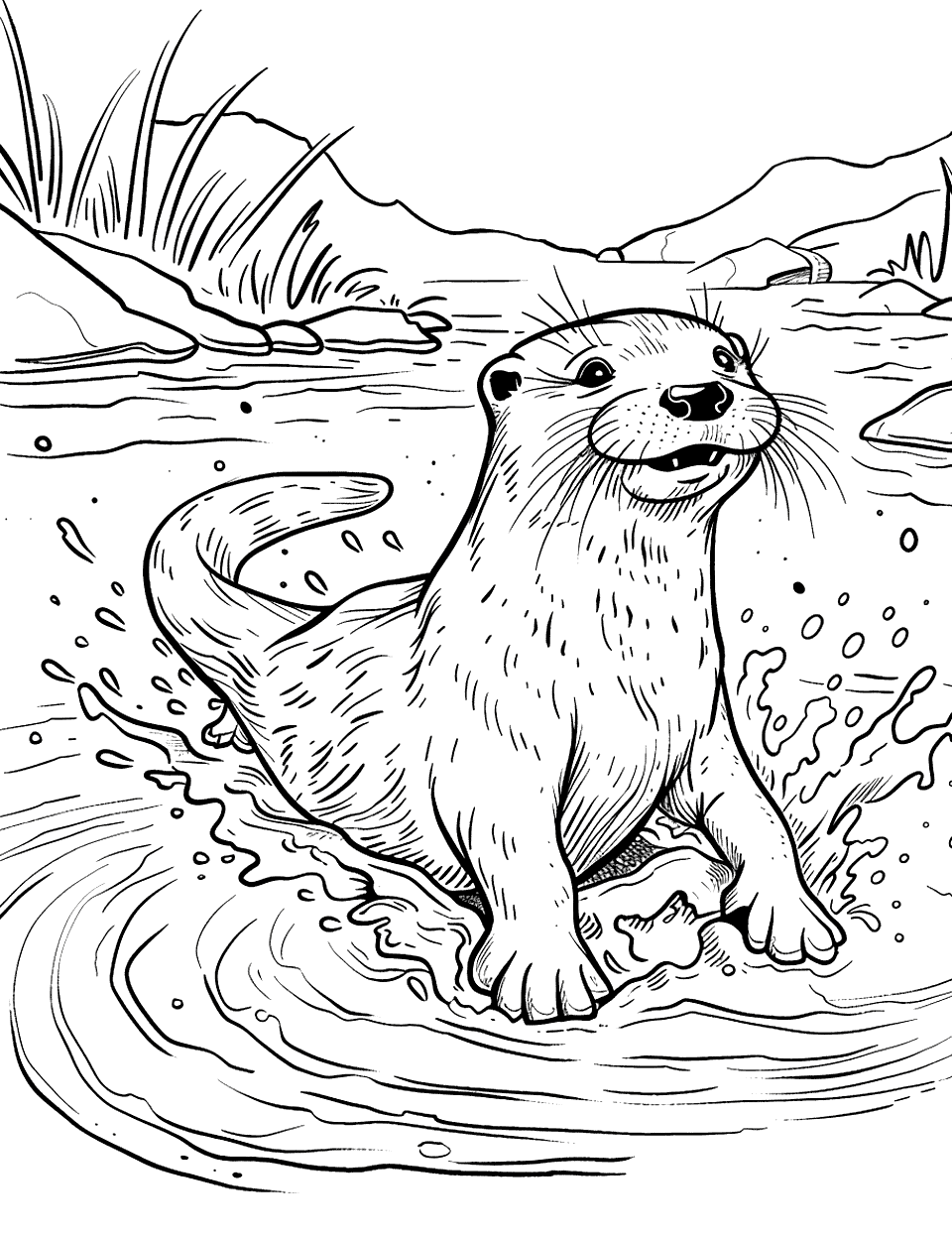
Otter Playing in Mud
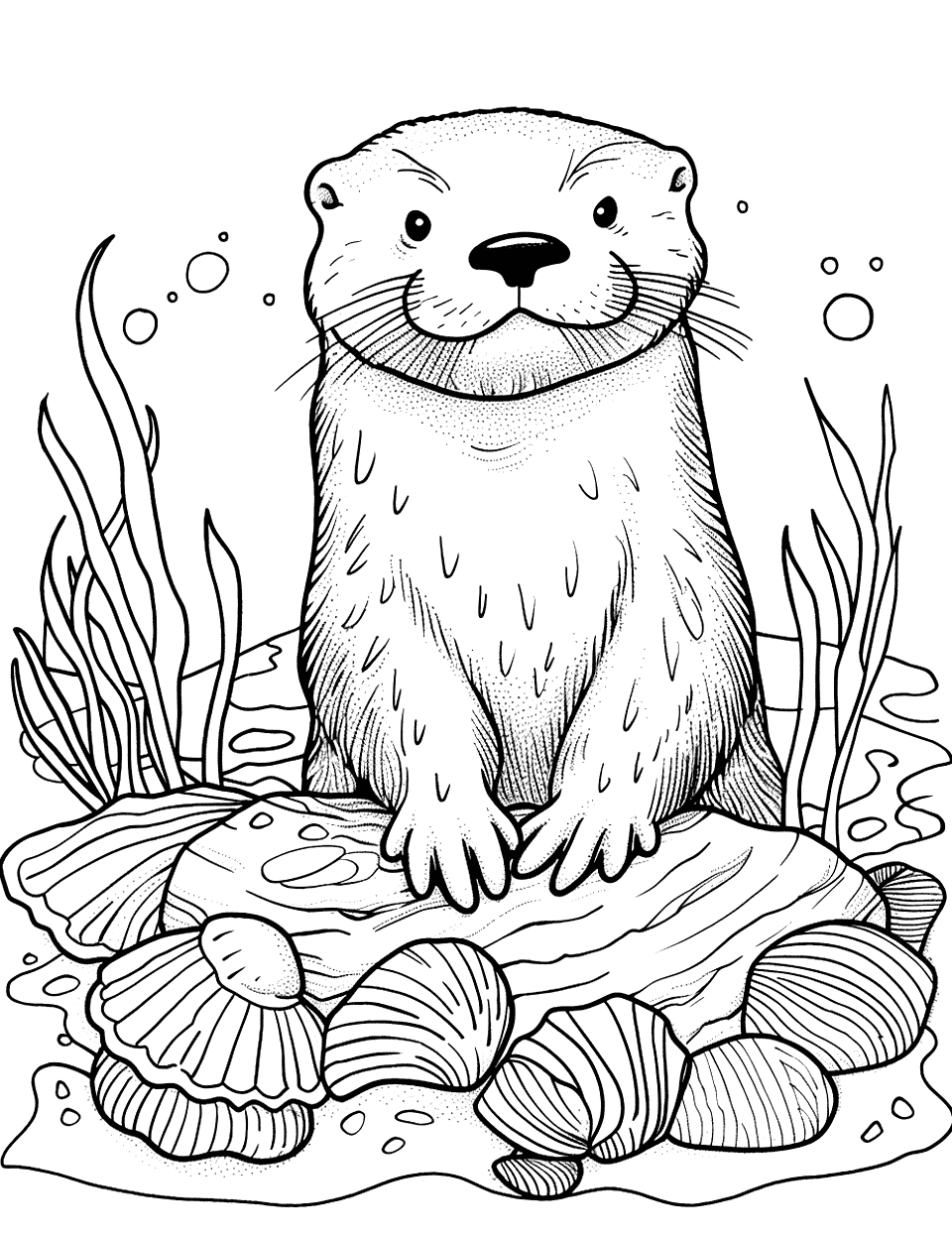
Sea Otter with Seashells
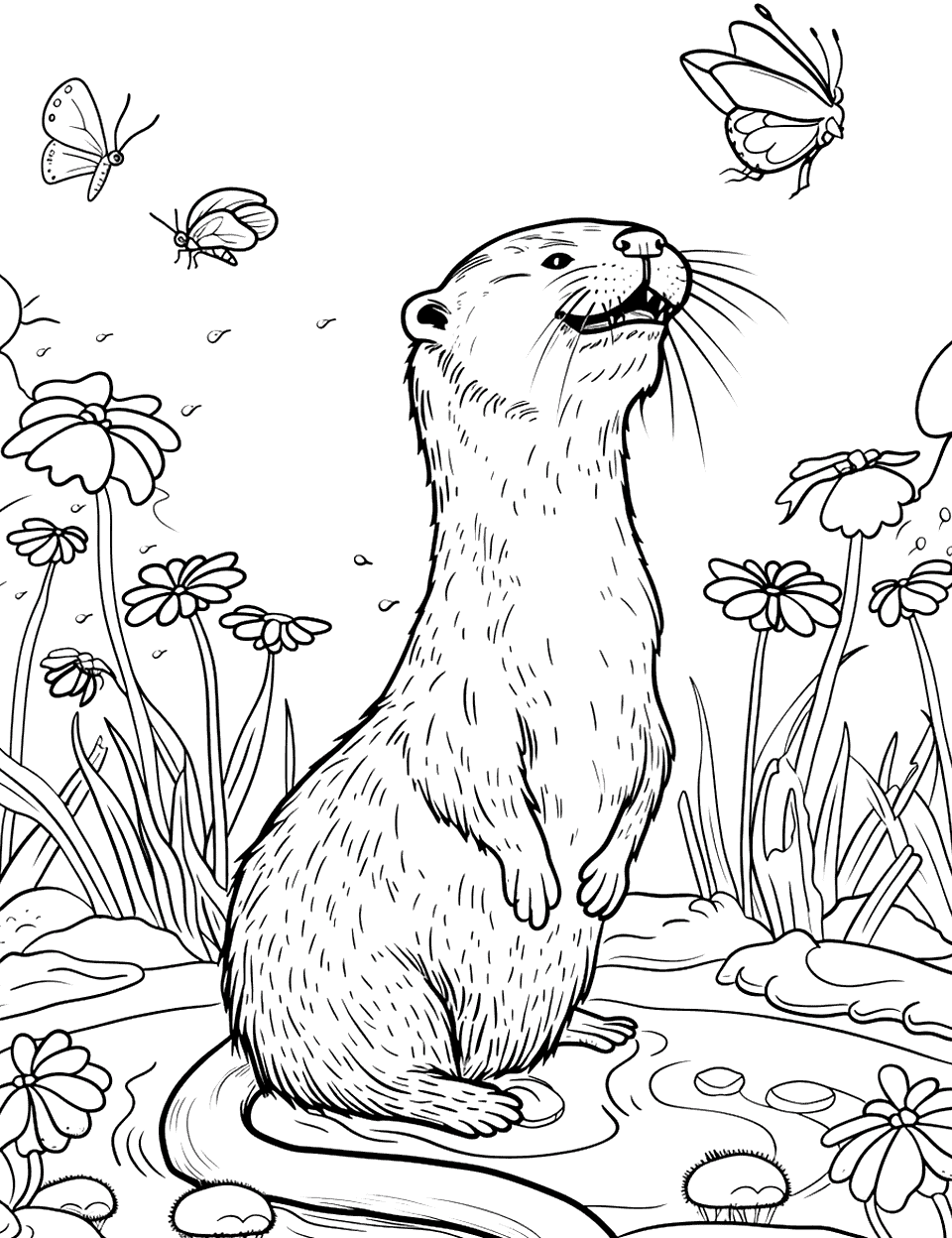
Otter Chasing Butterflies
Otter in a Hollow Log
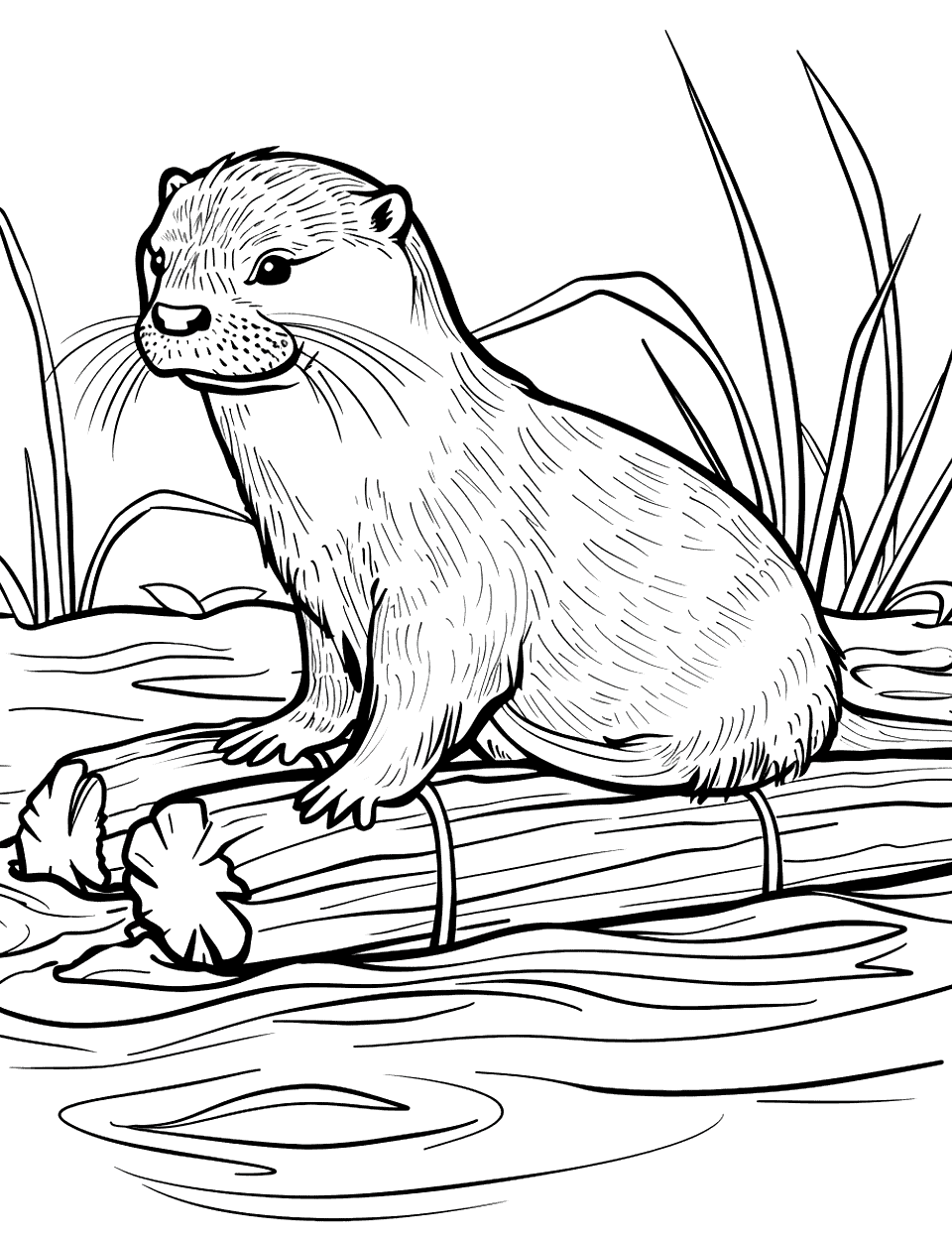
Otter on a Raft
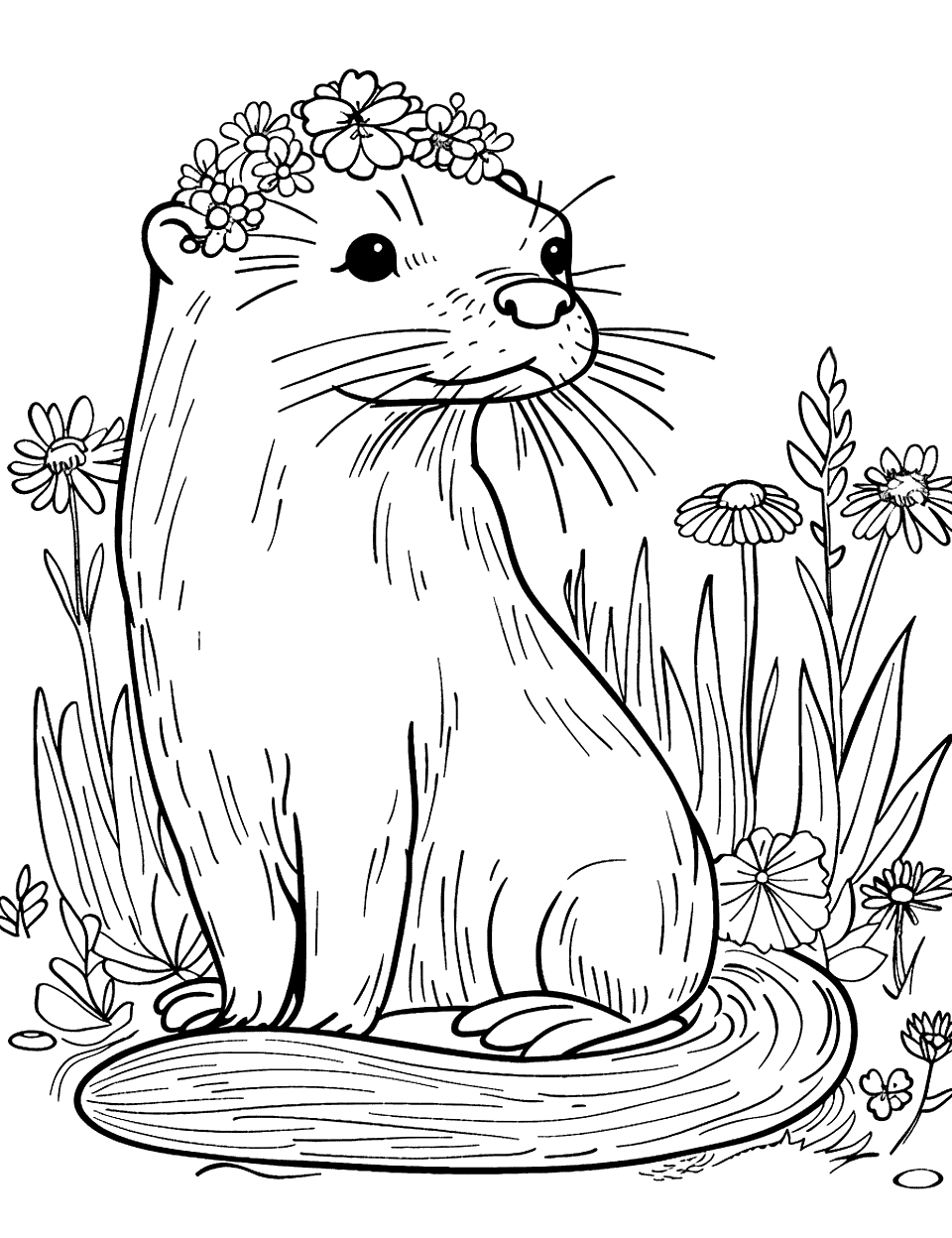
Otter with a Flower Crown
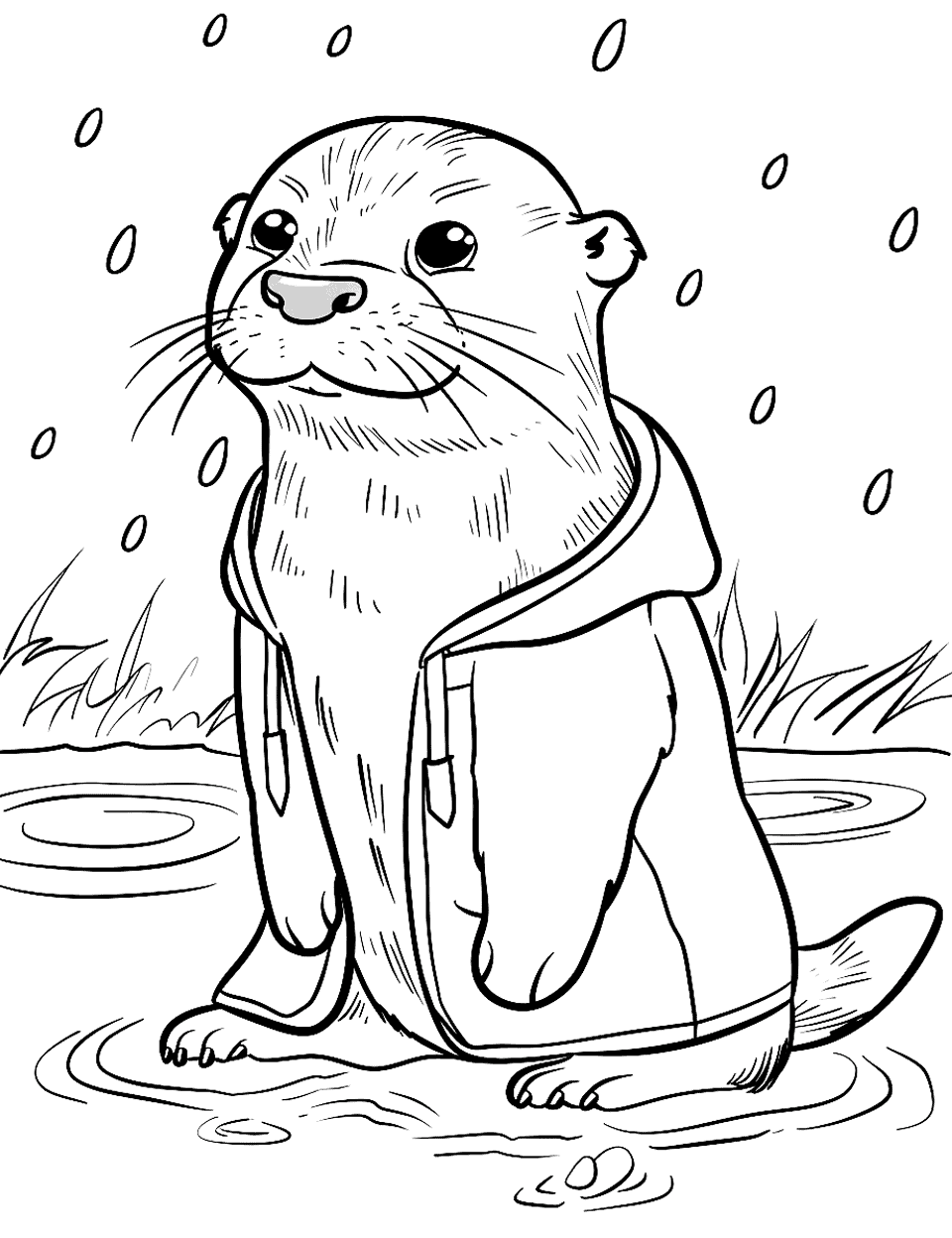
Otter in a Raincoat
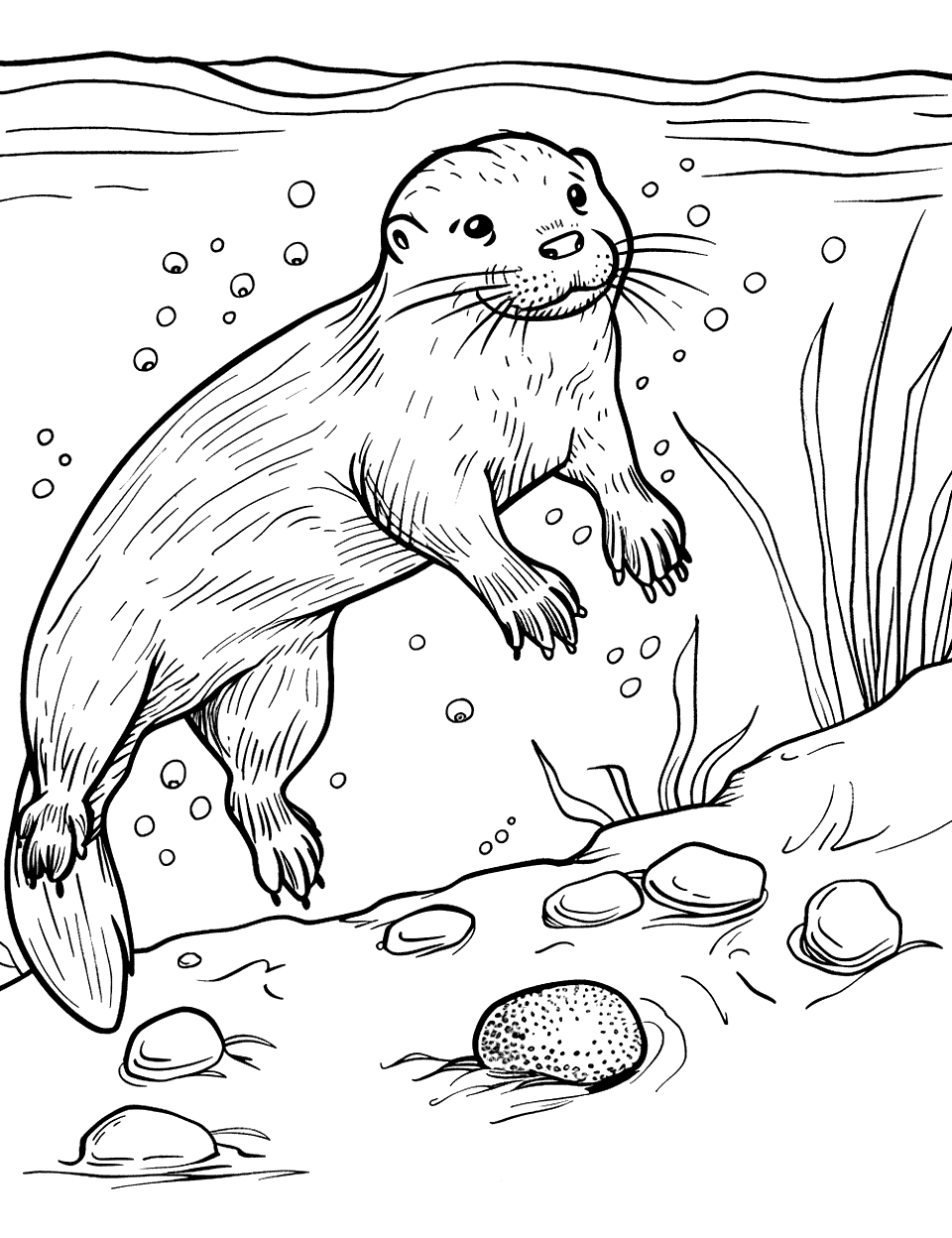
Otter Diving for Pebbles
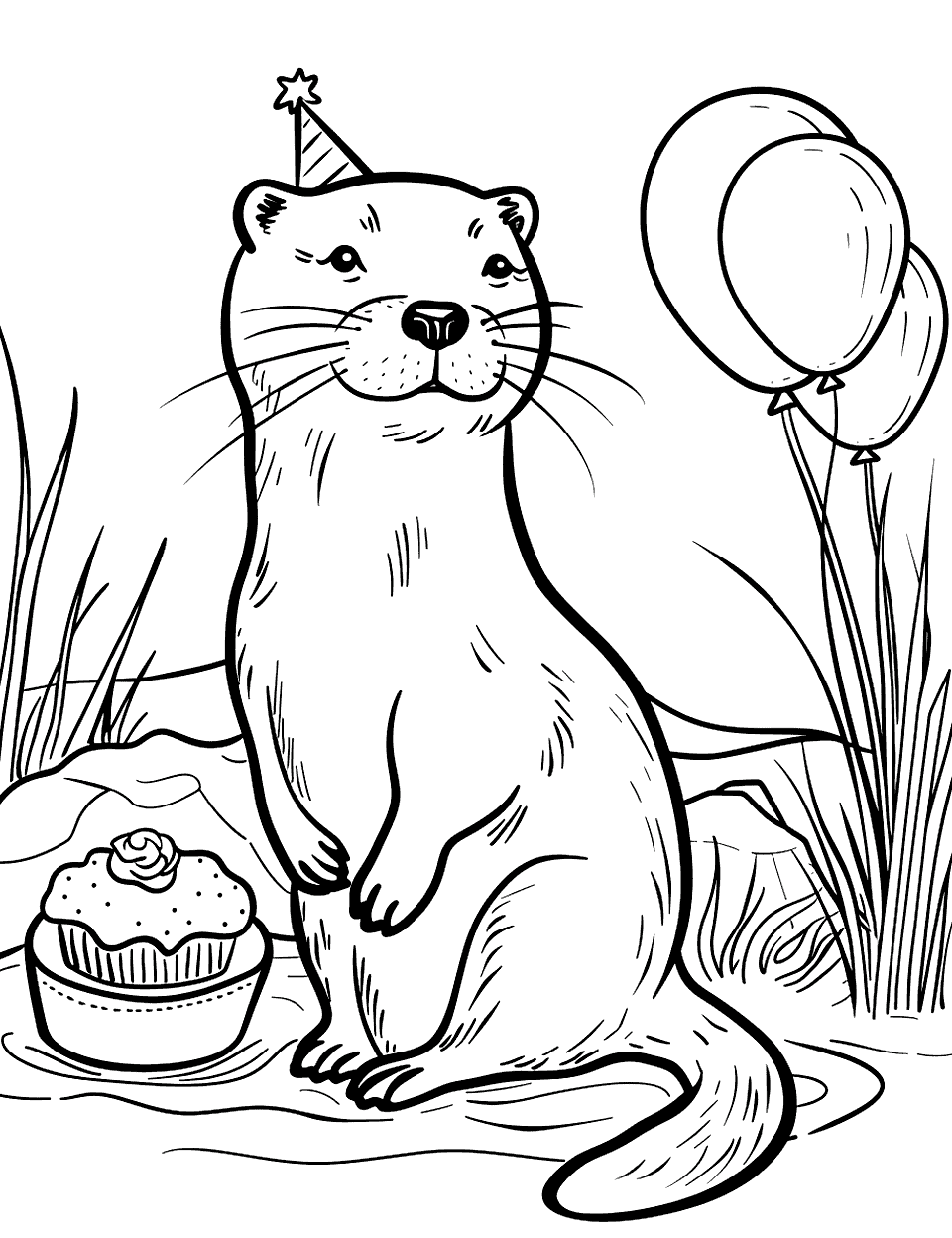
Otter Celebrating Birthday
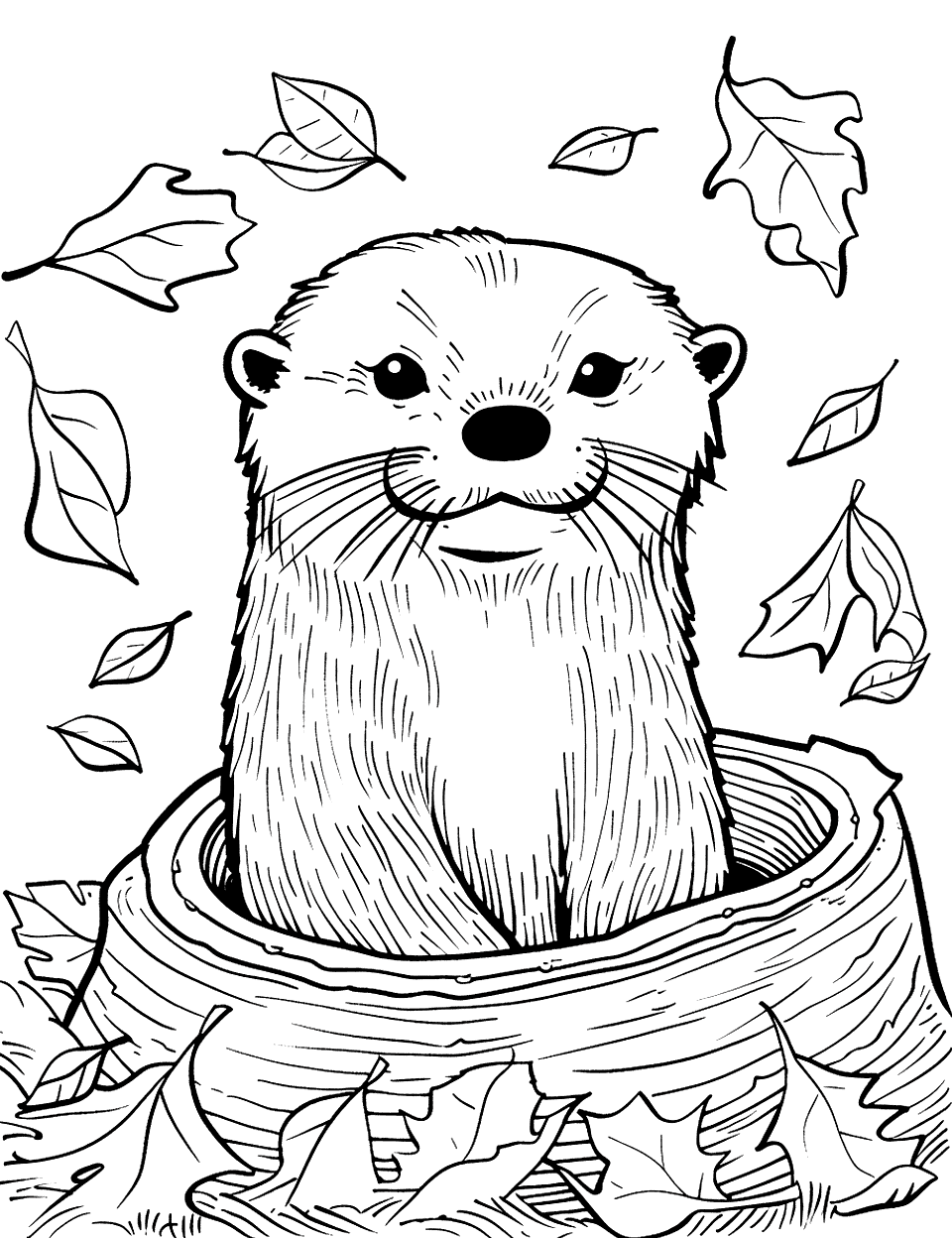
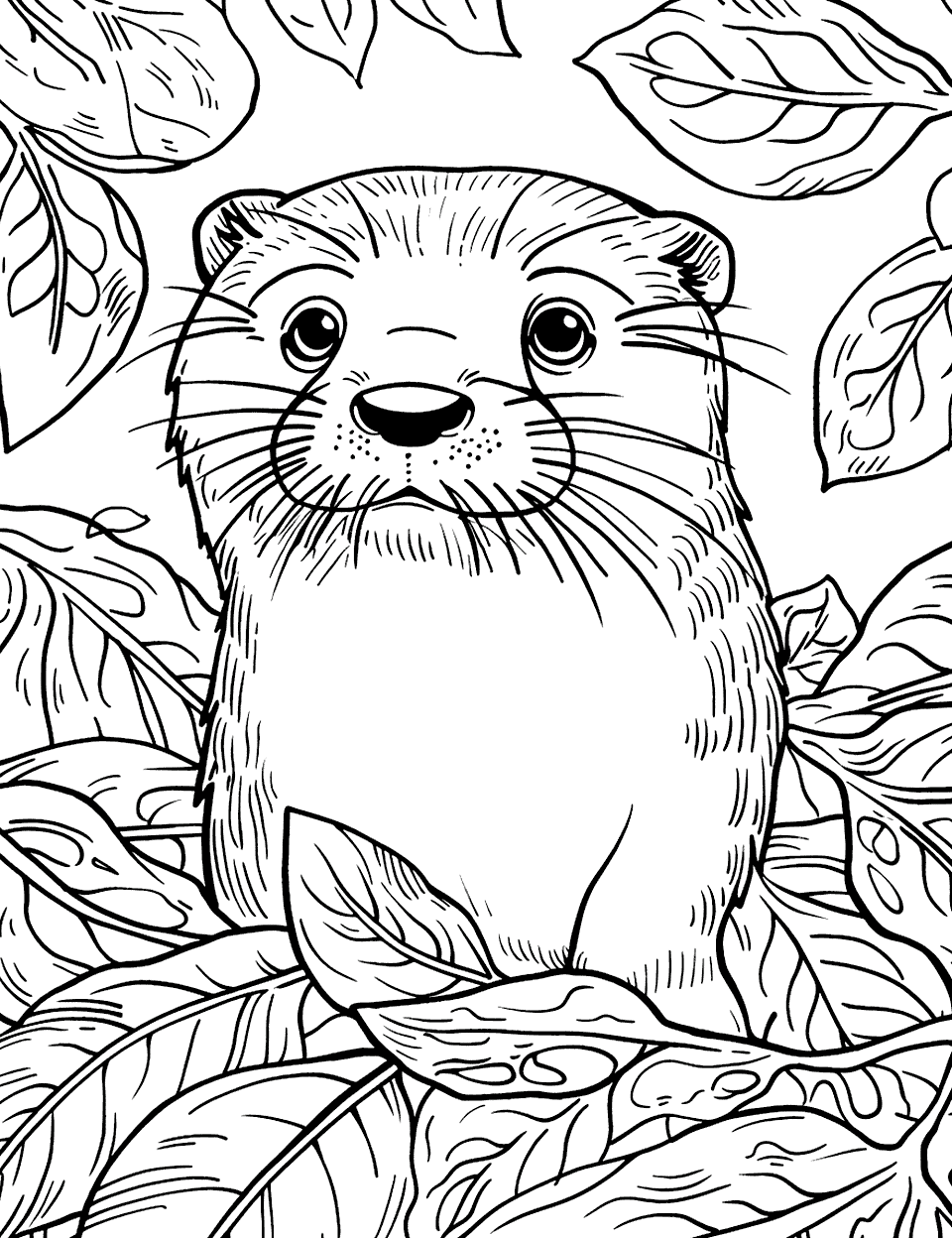
Otter Hiding in Autumn Leaves
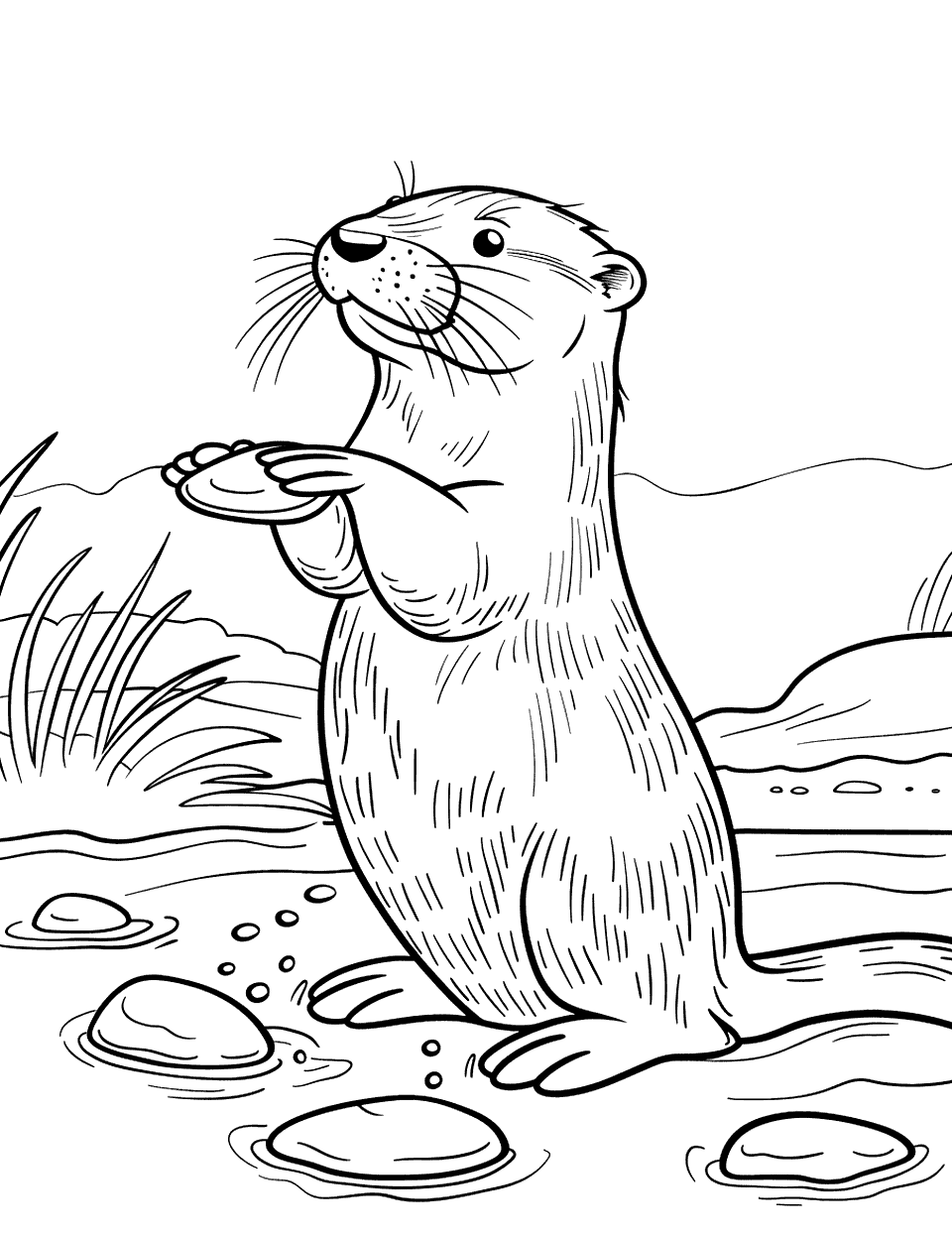
Otter and Stones
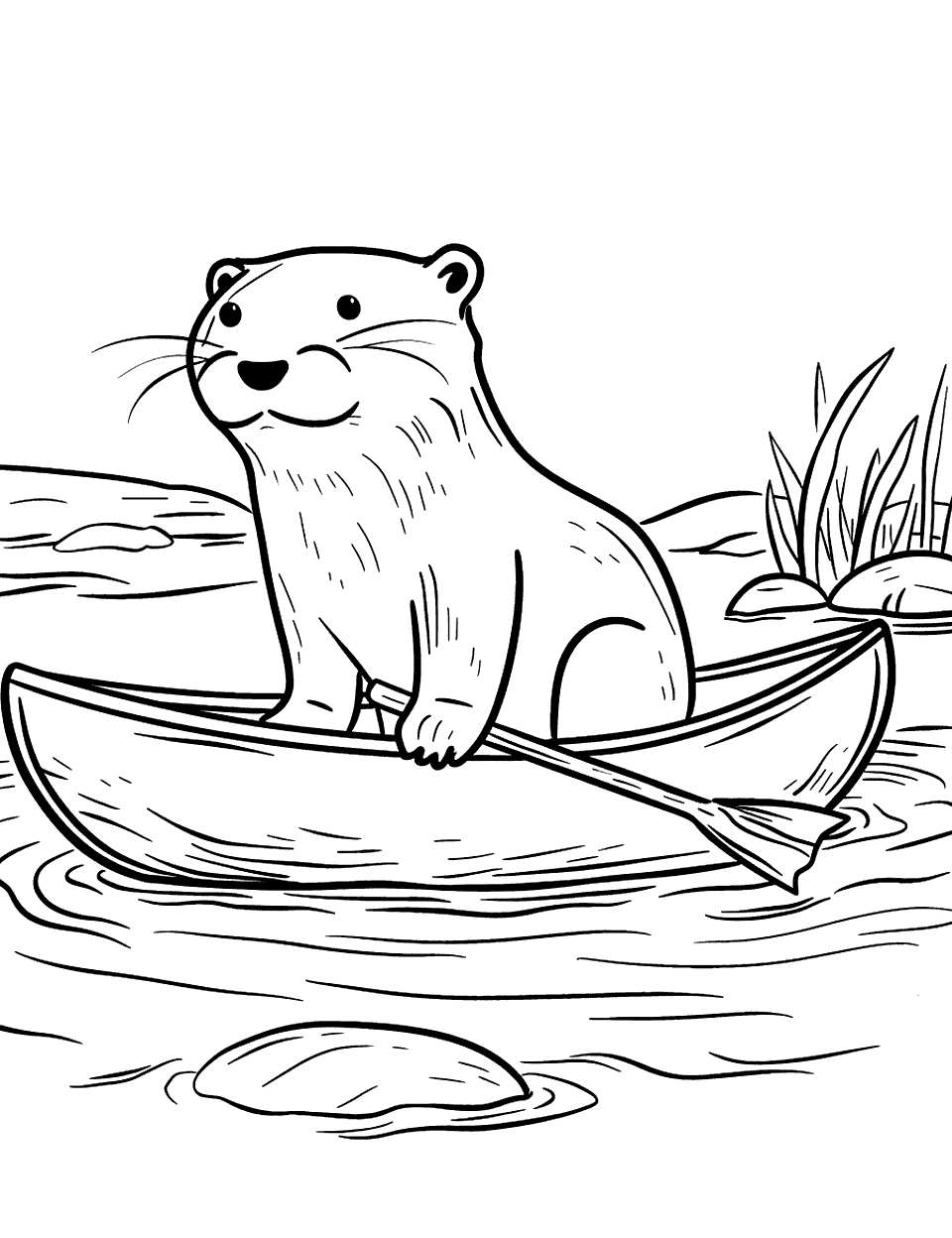
Otter in a Canoe
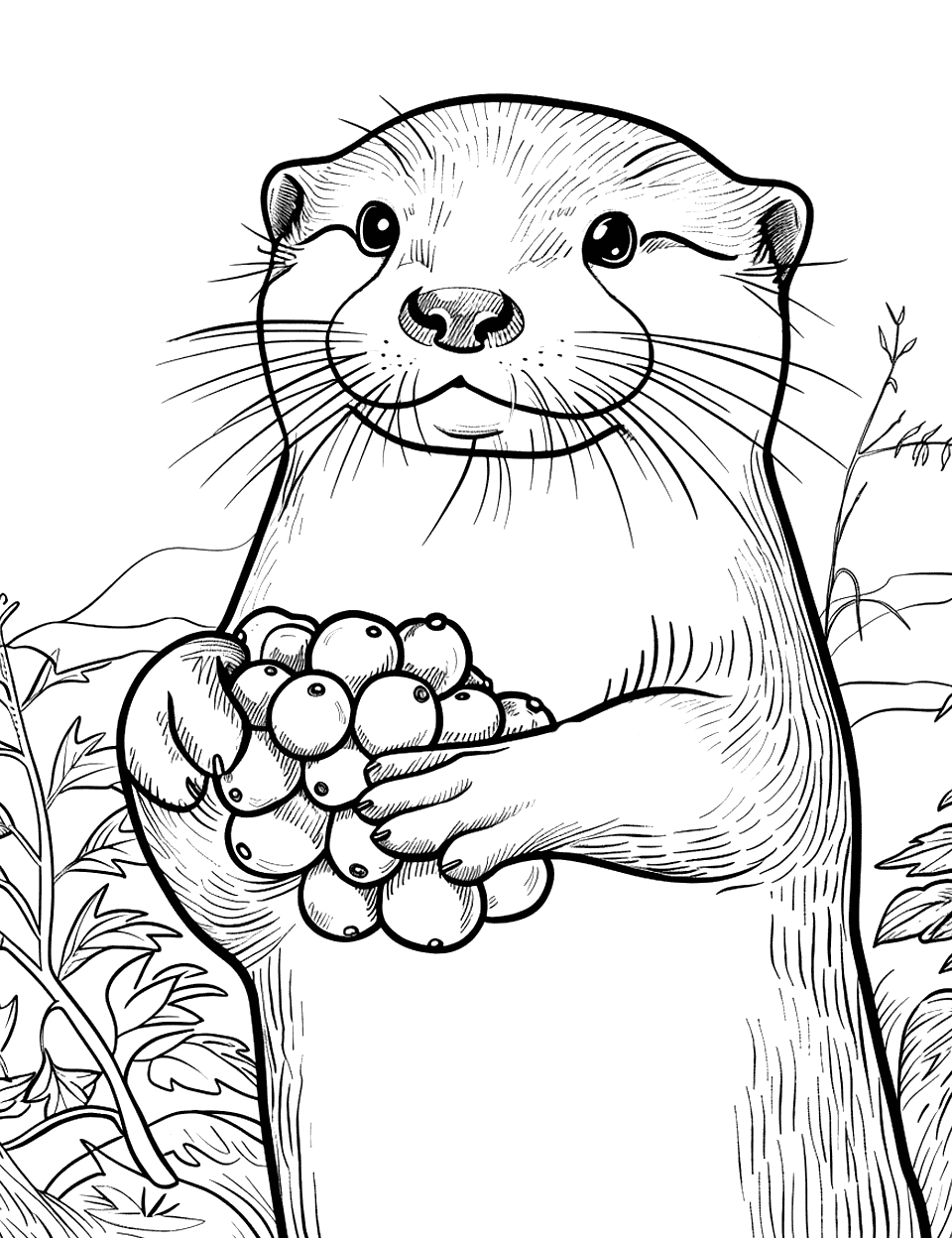
Otter with a Bunch of Berries
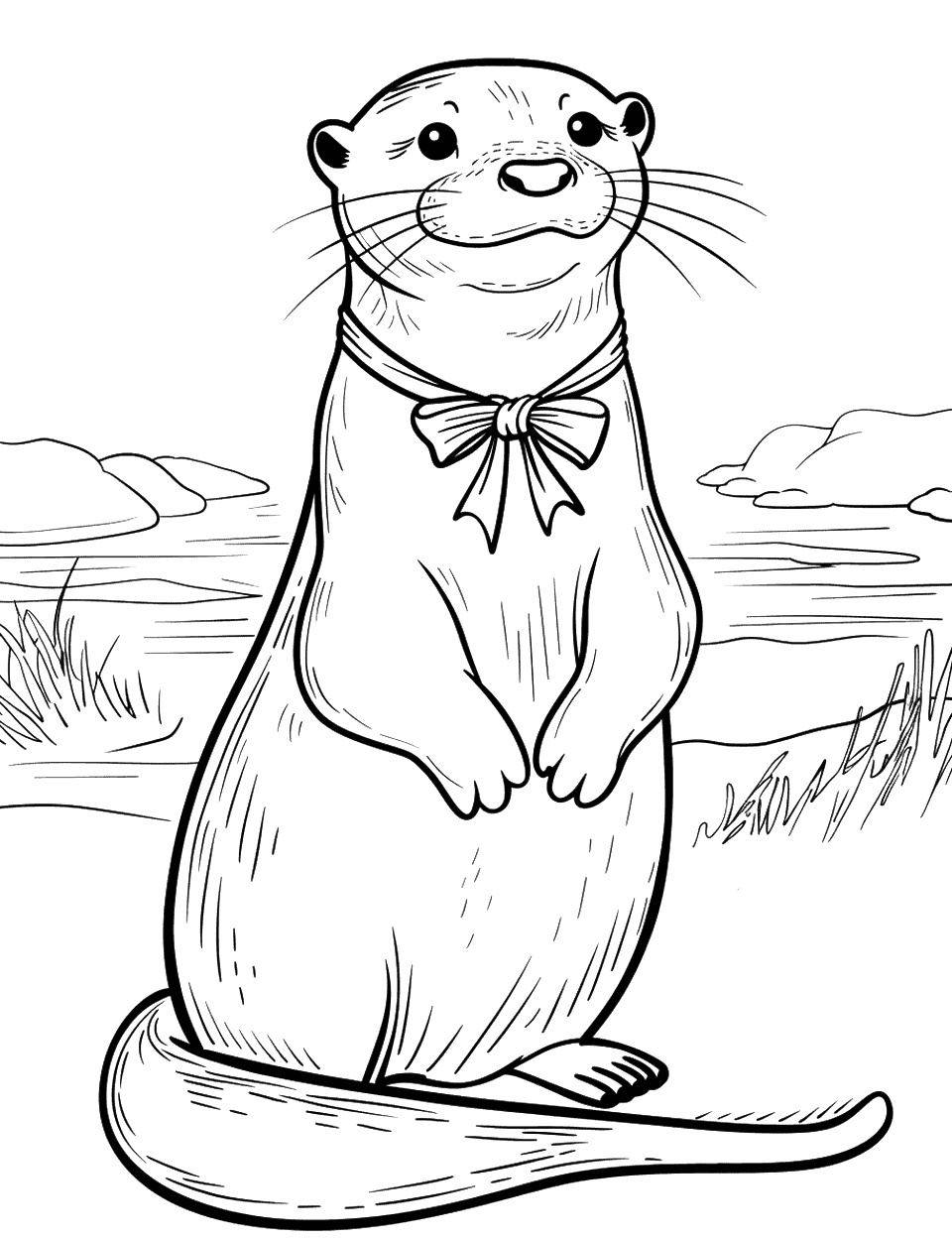
Otter Wearing a Bow Tie
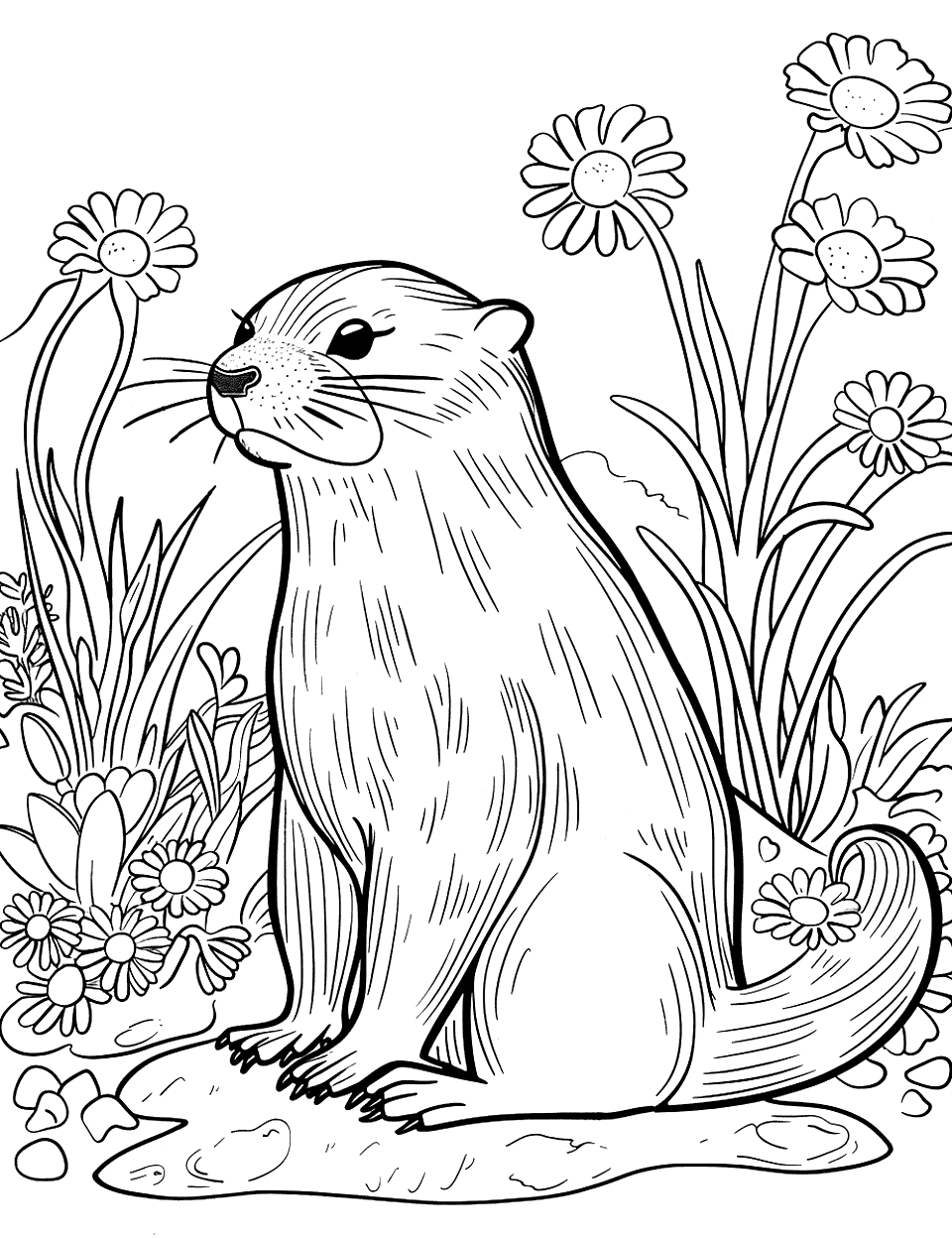
Otter in a Flower Garden
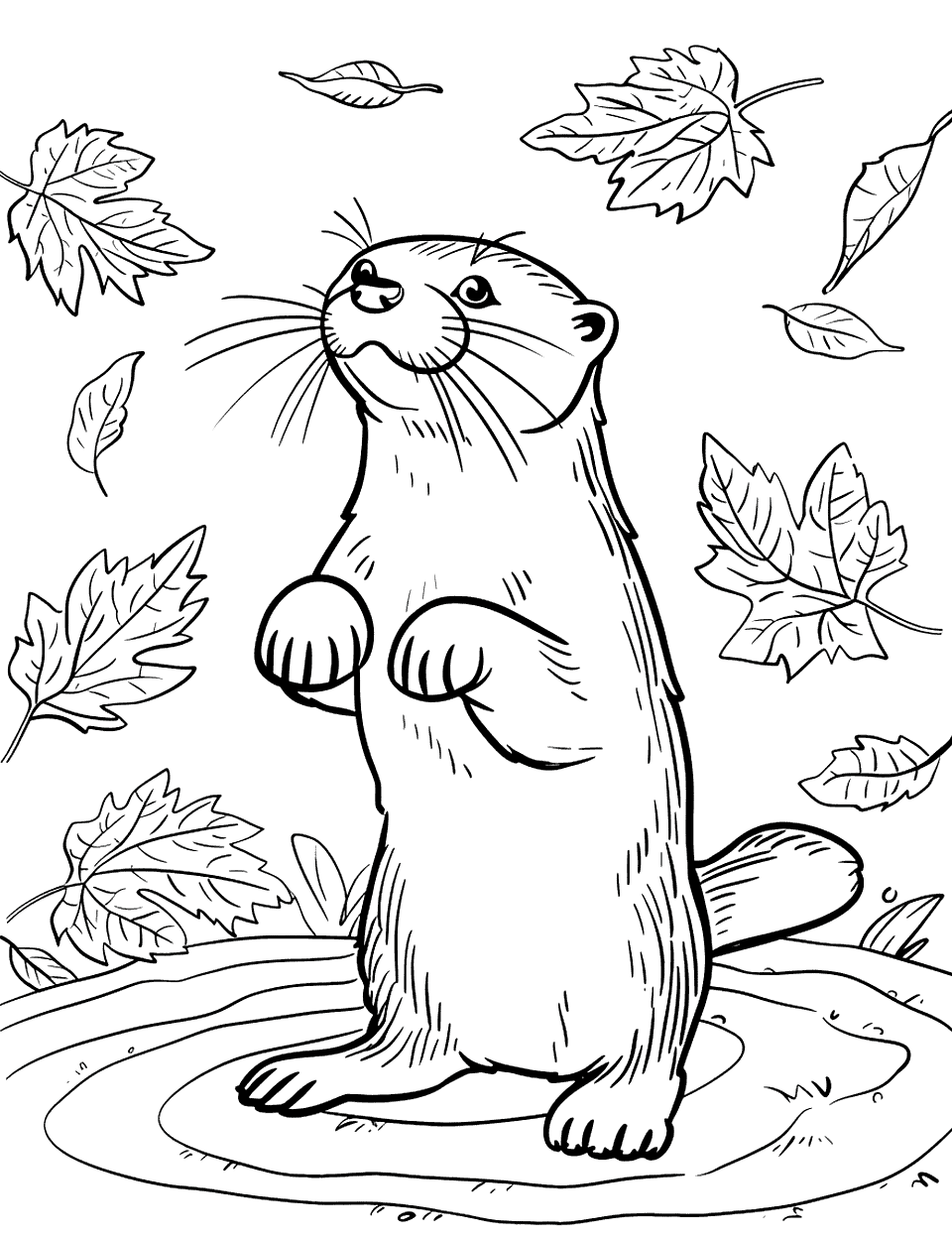
Otter Playing with Autumn Leaves
By using our free coloring pages, you acknowledge and agree to our full disclaimer. All materials are for personal, non-commercial use only and all rights belong to their respective license holders.
Activities to Do With Otter Coloring Pages
Don’t let the fun stop once the coloring is done. Otters are creative creatures, and your kids can be too. Here are a few ways to turn these sheets into hands-on projects.
Create a “Holding Hands” Garland
Sea otters hold hands while they sleep so they don’t drift apart. Recreate this sweet behavior by cutting out your colored otters. Tape their paws together to form a long chain or garland. It makes an adorable decoration for a bedroom wall or classroom bulletin board.
Fuzzy Texture Art
Otters have the thickest fur in the animal kingdom. Add a sensory element to the coloring pages by using cotton balls or bits of brown yarn. Glue the material onto the otter’s body to make it look fluffy and realistic. This is great for younger children working on fine motor skills.
Shoebox River Habitat
Turn a shoebox into a 3D river or ocean scene. Color the backgrounds blue and add real rocks, twigs, or sand to the bottom of the box. Cut out the otters and hang them from the top of the box using fishing line or string. It will look like they are swimming through their natural habitat.
Otter Fact Booklet
Combine art with science by creating a mini-book. Print out several different pages and staple them together. On the back of each sheet, have your child write a fun fact about otters, such as what they eat or how they use rocks as tools. It is a fun way to practice handwriting and research skills.
Paper Bag Puppets
After coloring, cut out the otter’s head and body separately. Glue the face onto the flap of a paper lunch bag and the body onto the main part. Now you have an instant puppet. Kids can put on a show about an otter family’s adventures in the wild.
FAQs

What Are the Main Differences Between River and Sea Otters?
River otters are smaller and agile on land, often sliding on mud or snow. They swim on their bellies. Sea otters are much larger and spend almost all their time in the ocean, usually floating on their backs.
Why Do Sea Otters Hold Hands?
Sea otters hold paws while they sleep to create a “raft.” This prevents them from drifting away from each other or their food source due to ocean currents.
What Colors Should I Use for Otter Coloring Pages?
Otters usually have dark brown or reddish-brown fur on their backs and lighter tan or gray fur on their bellies and faces. However, kids can use any colors they like for a creative twist.
Are Otters Endangered?
Many otter species are threatened or endangered due to habitat loss and pollution. Using these coloring pages is a great opportunity to talk to kids about wildlife conservation.
What Tools Do Otters Use?
Sea otters are one of the few animals that use tools. They use rocks to crack open hard shells of clams and mussels while floating on their backs.
What Is the Best Paper for Printing Coloring Pages?
Standard printer paper works well for crayons and colored pencils. If you plan to use markers or watercolors, cardstock is a better choice because it is thicker and prevents bleed-through.