Music brings the world to life. Now you can bring these melodies to life with color. Whether you have a budding rockstar, a classical violinist, or just a kid who loves banging on drums, this collection hits the right note.
These printable sheets cover everything from jazz saxophones to cozy piano recitals. Download these music coloring pages to spark creativity; they are perfect for teaching your little ones about different instruments while having fun.
Cute Violin Practice
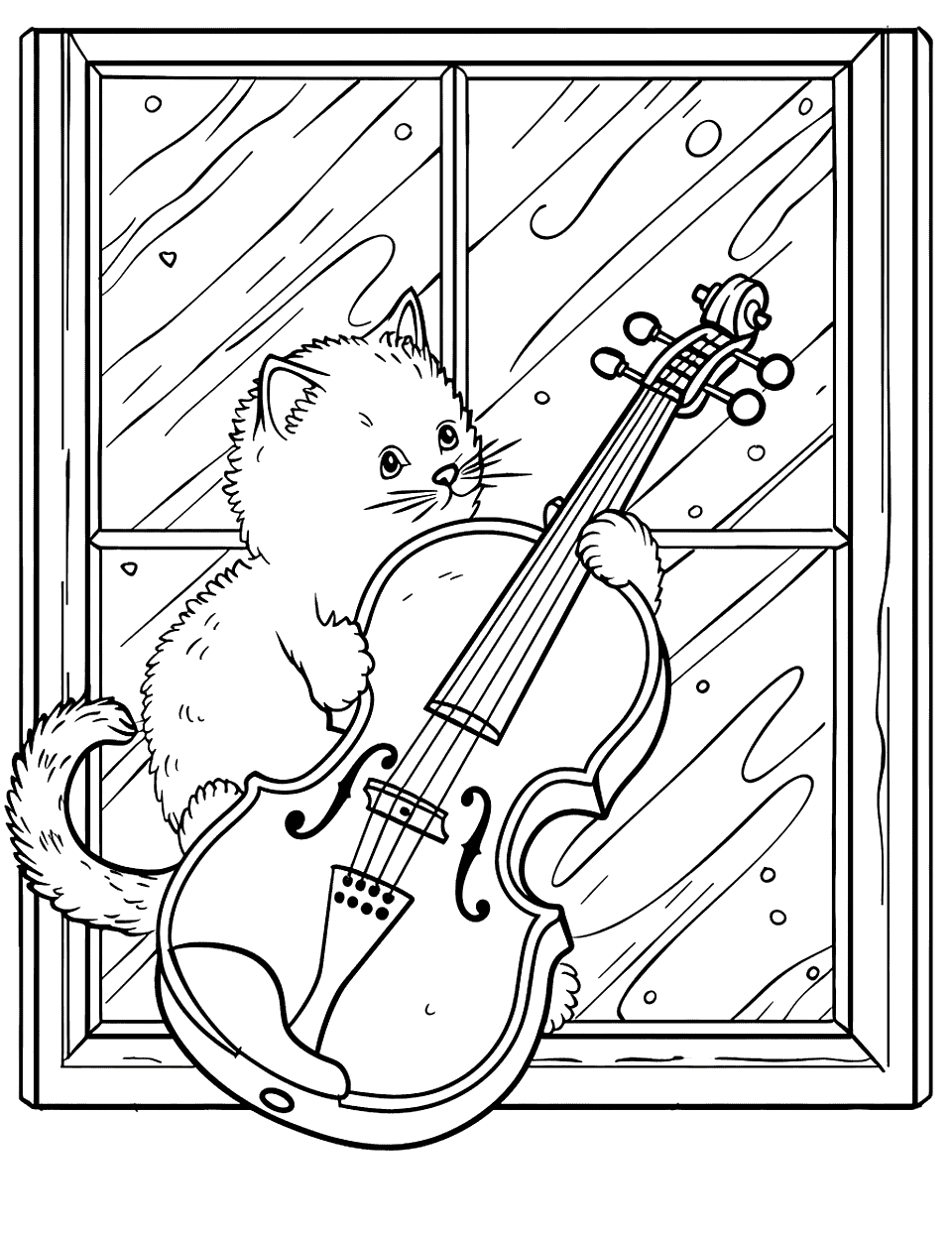
Guitar Solo Under the Stars
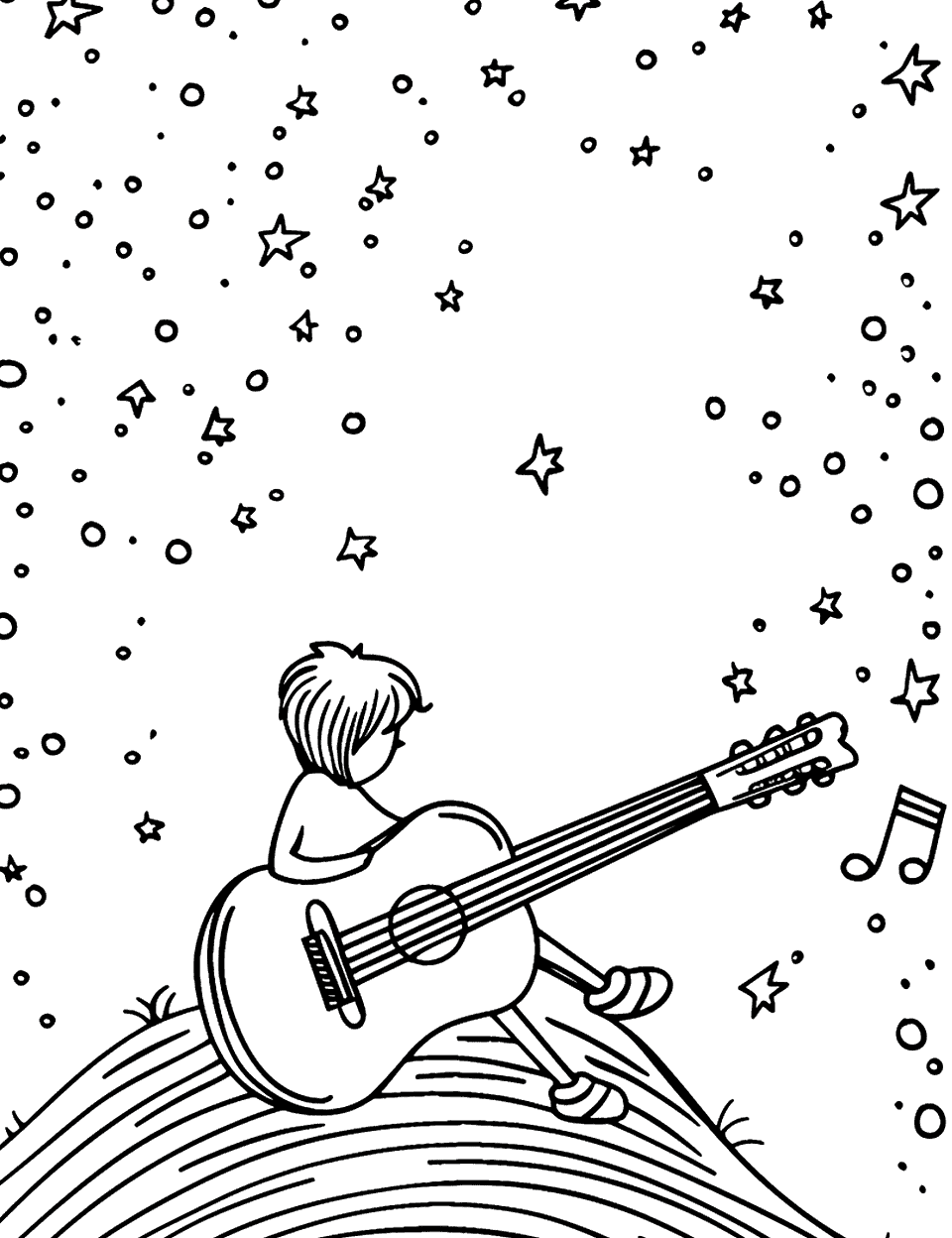
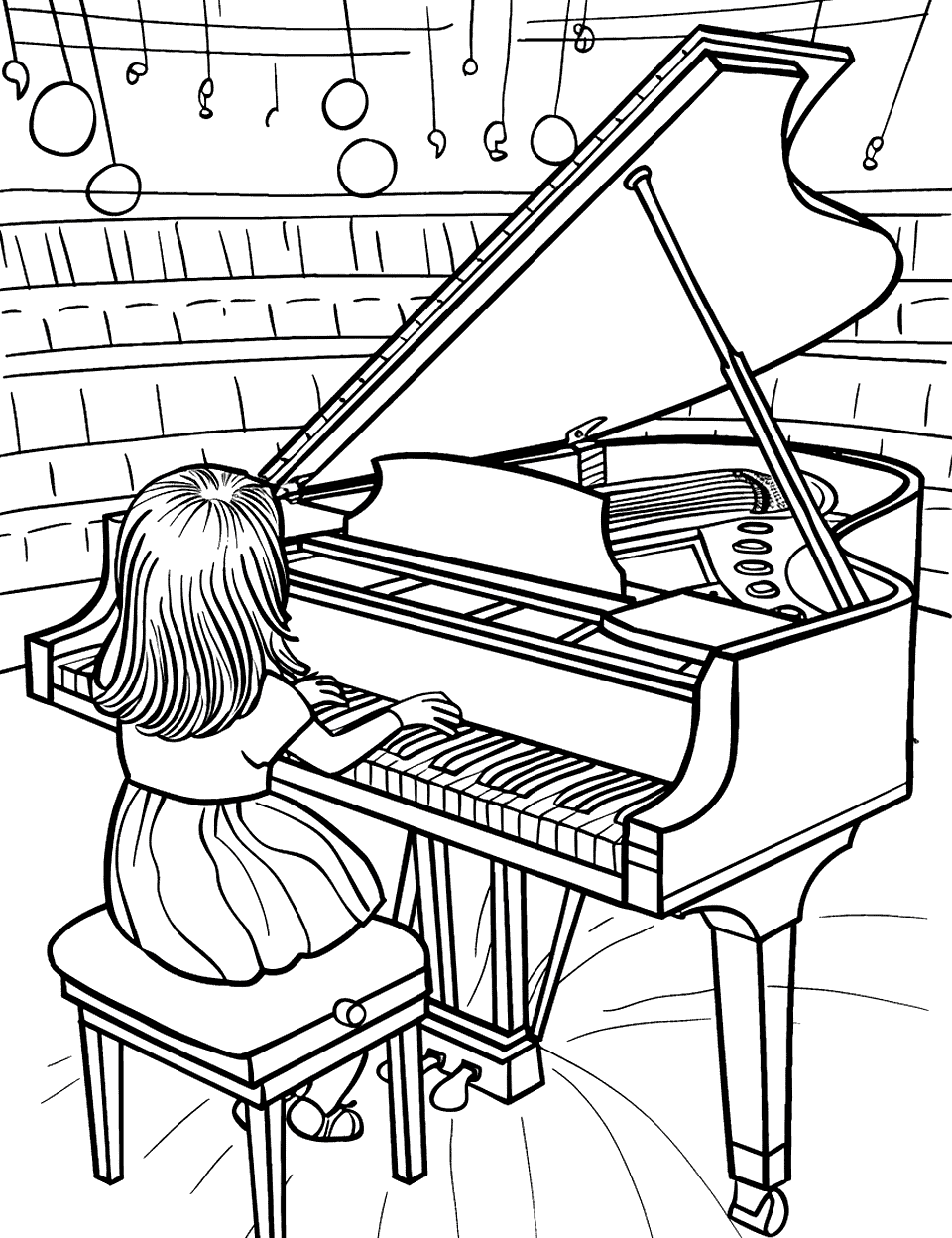
Piano Recital
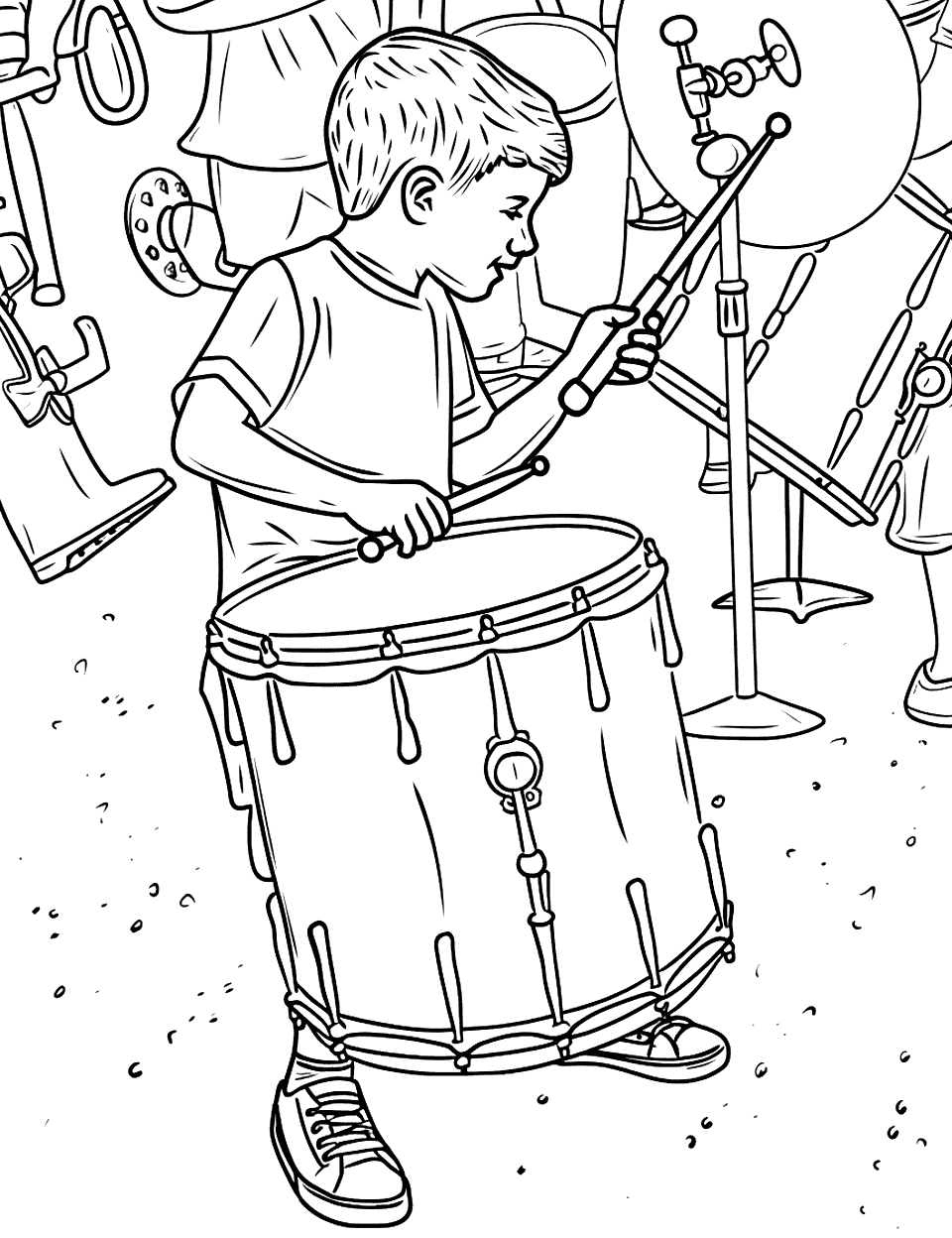
Drummer at the Parade
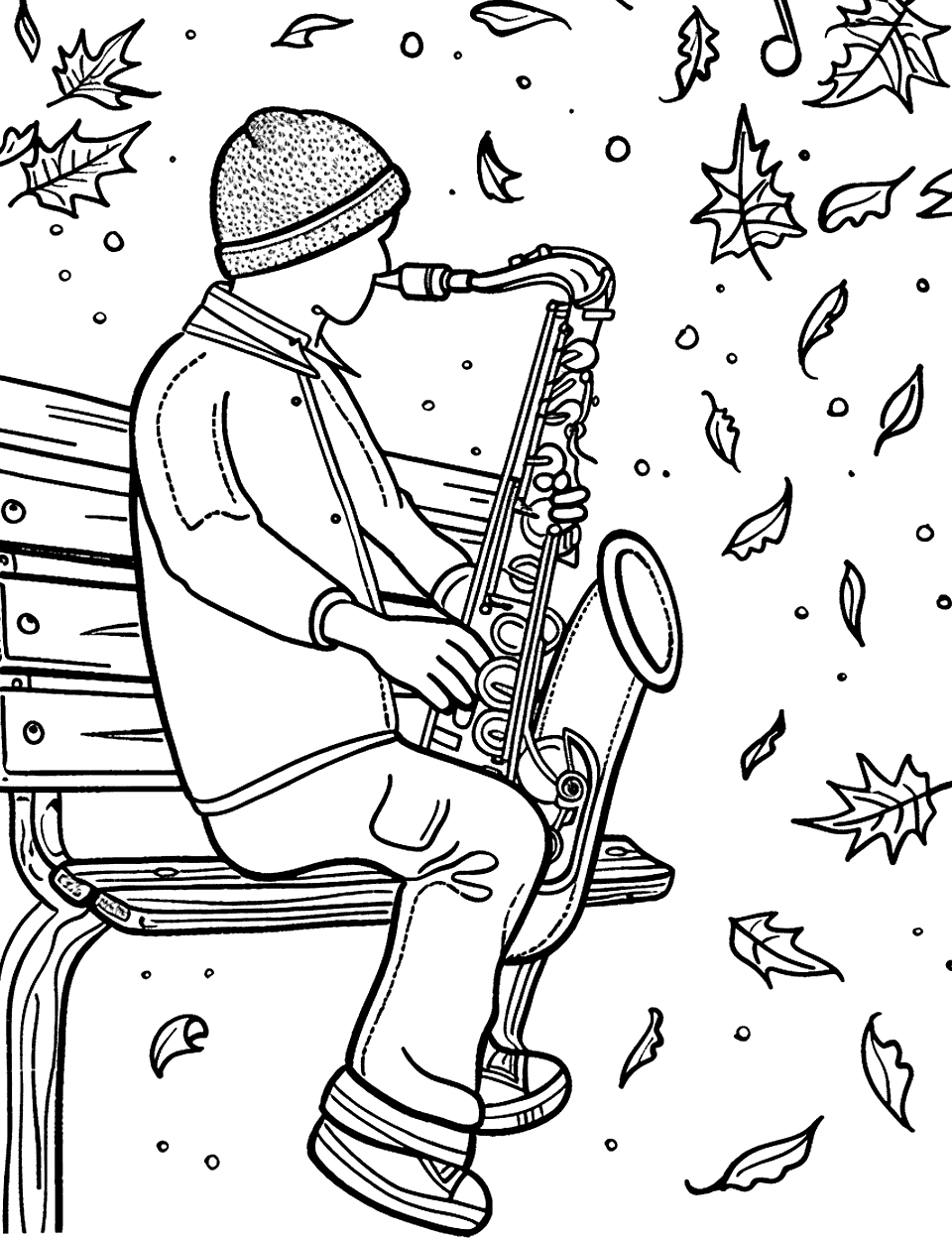
Jazz Saxophone in the Park
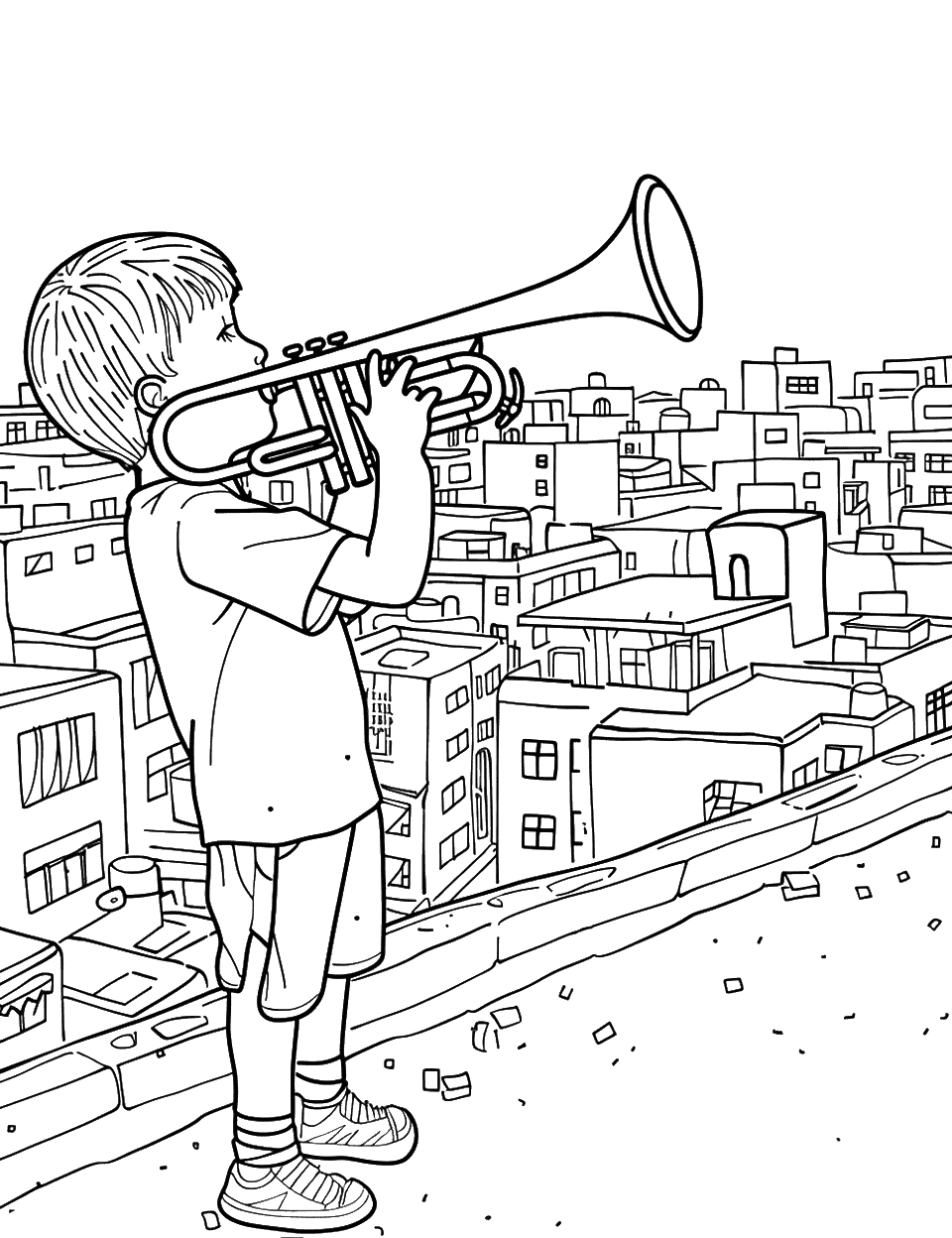
Trumpet on the Rooftop
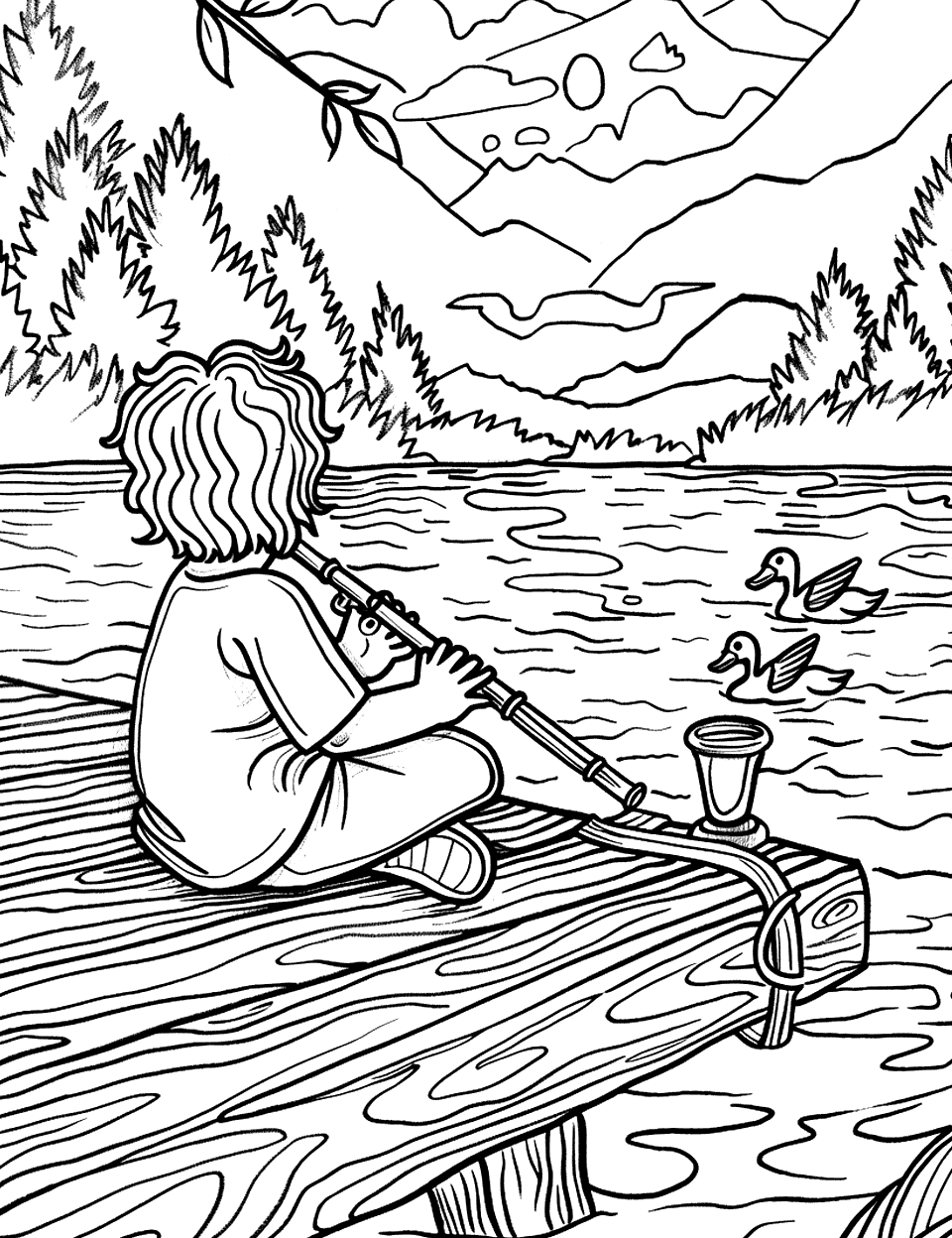
Flute Melody by the Lake
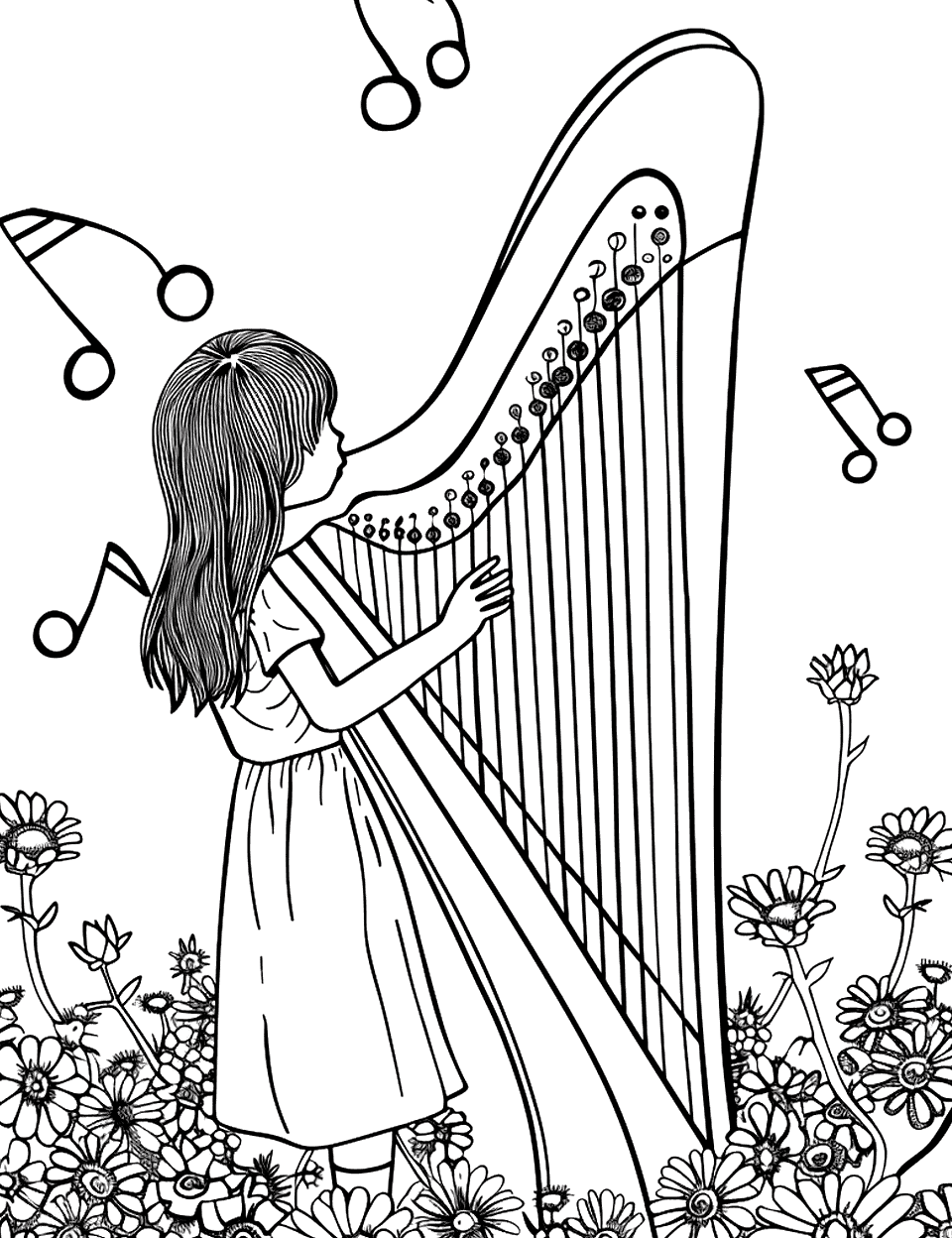
Harp in the Flower Field
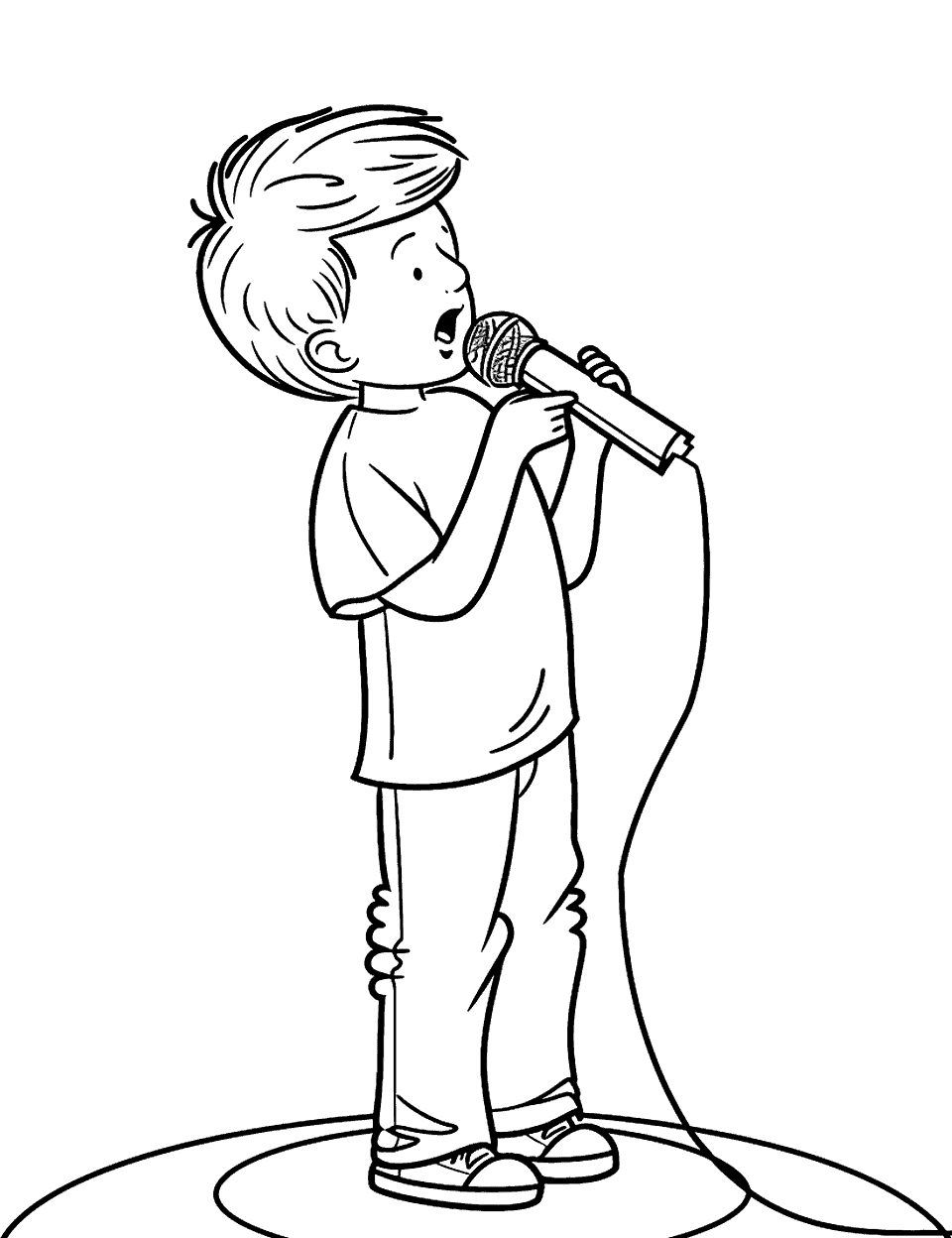
Audition Day
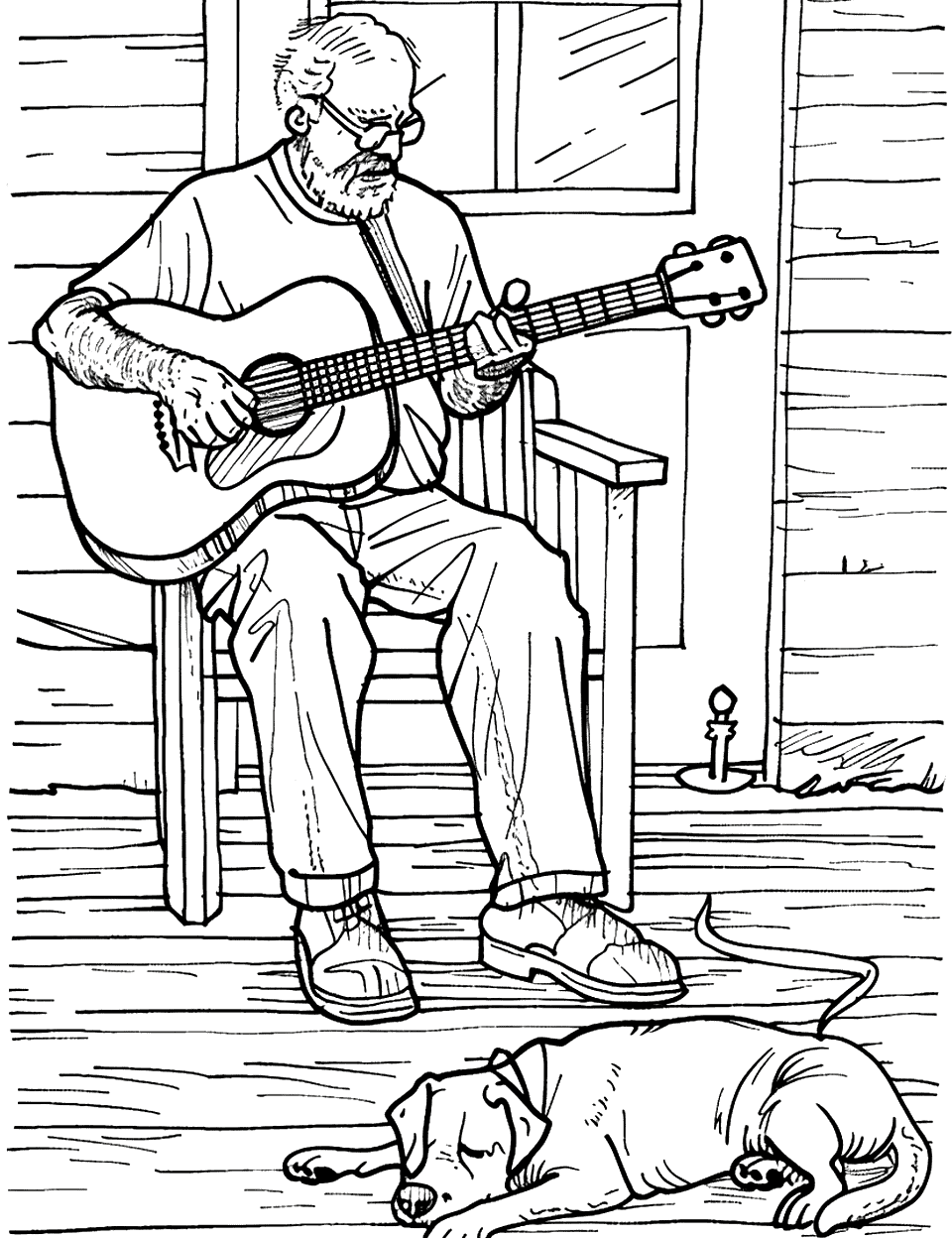
Guitar tunes on the Porch
Operatic Performance
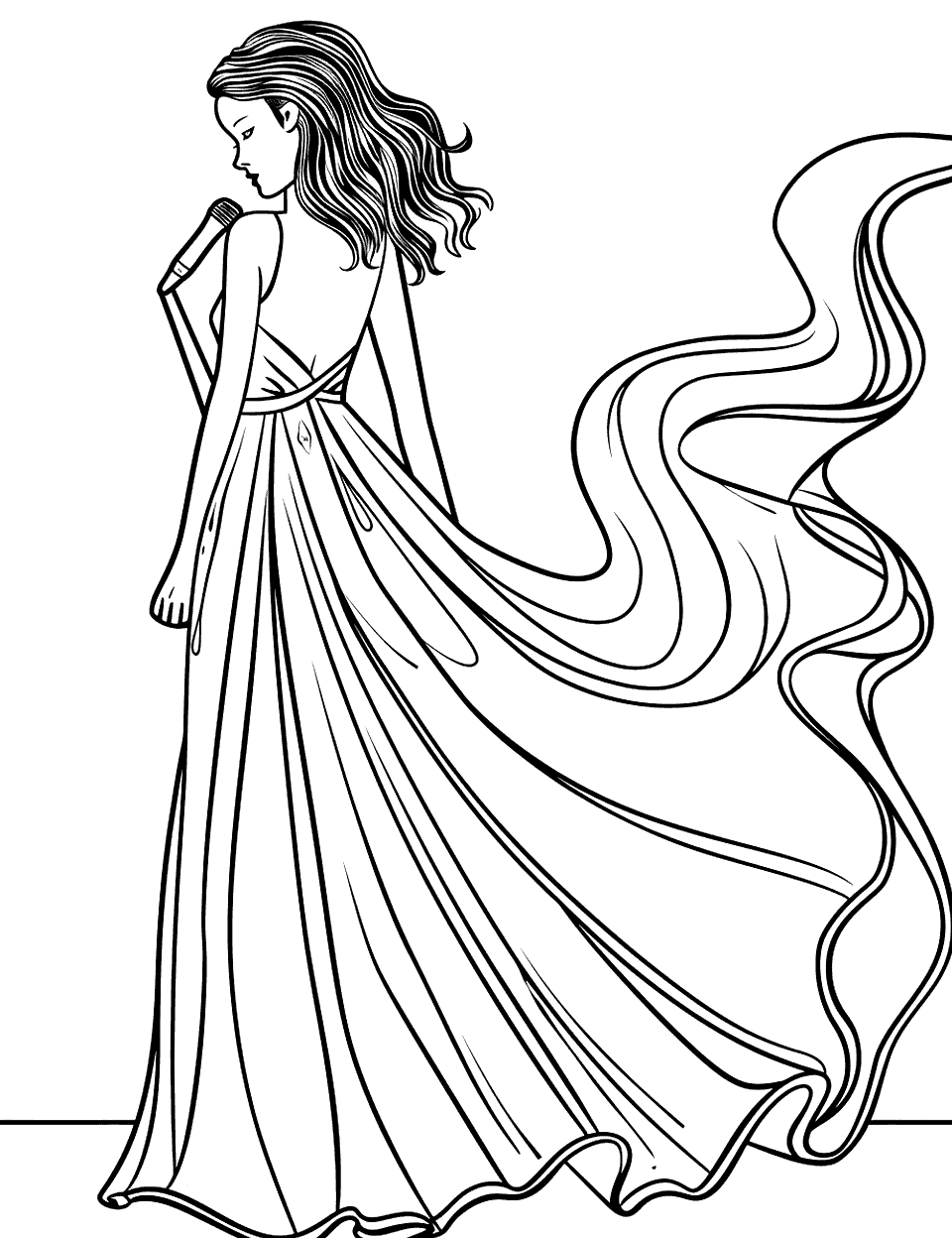
Bagpipe at the Highlands
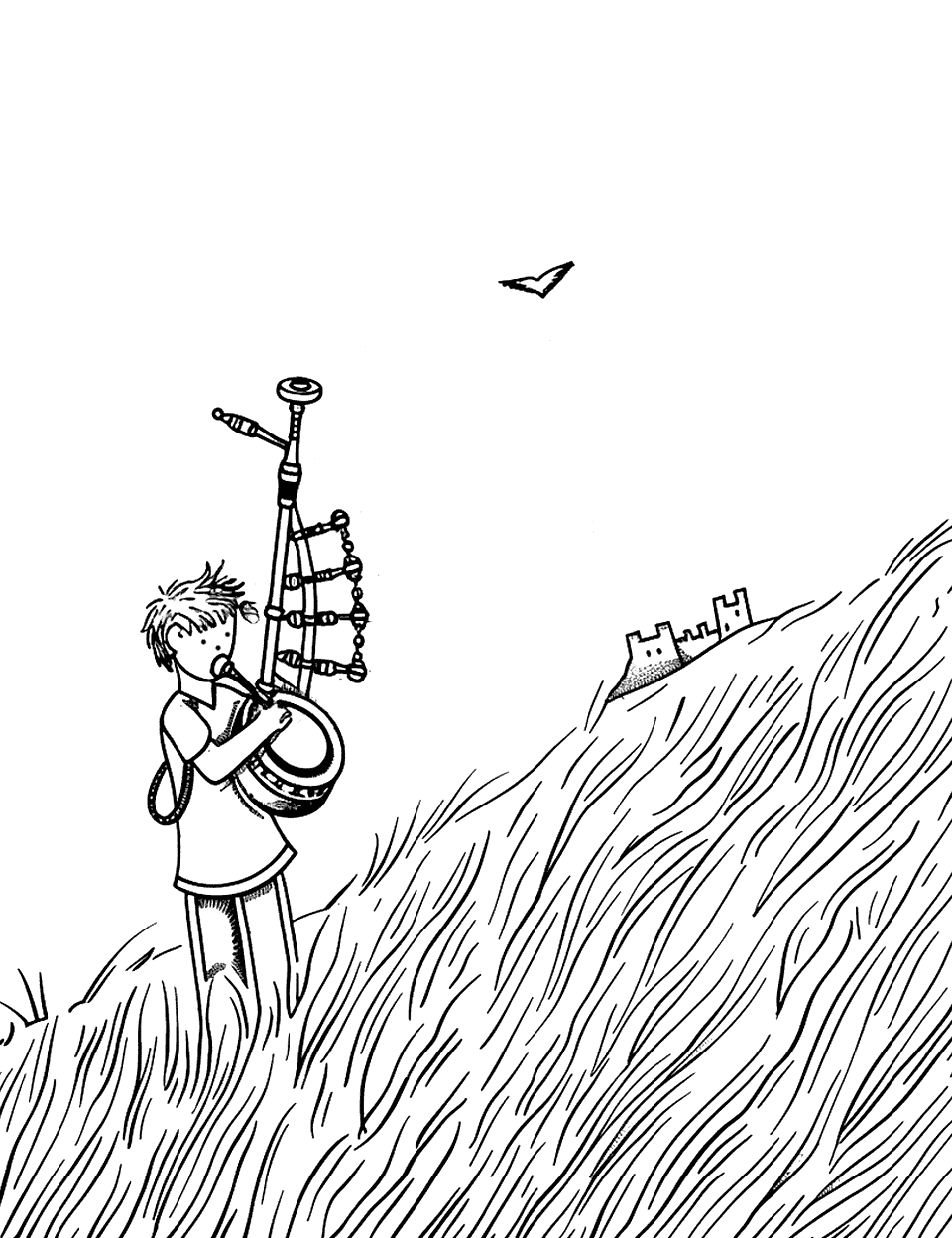
Cello Practice in the Attic
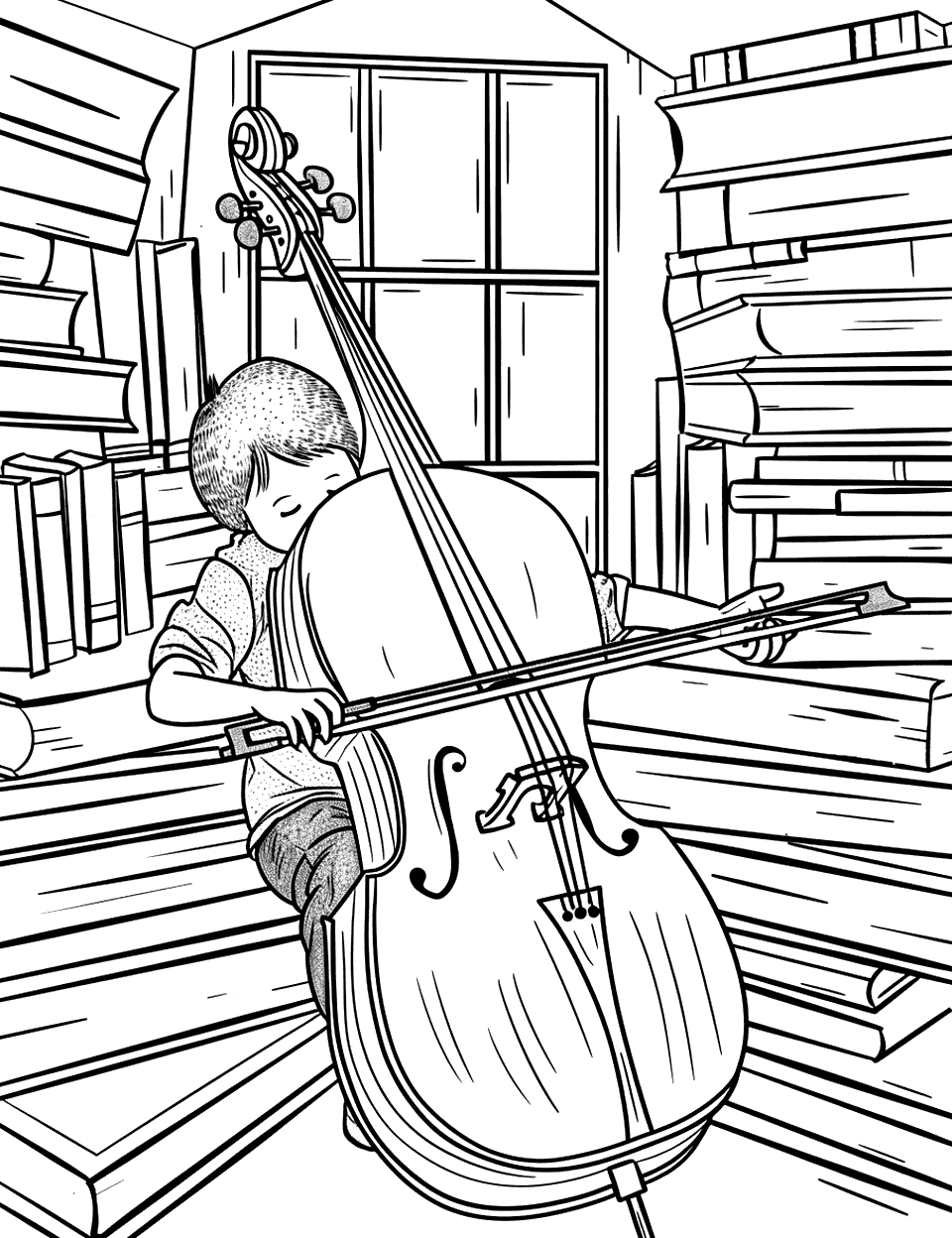
Solo Singer at the Campfire
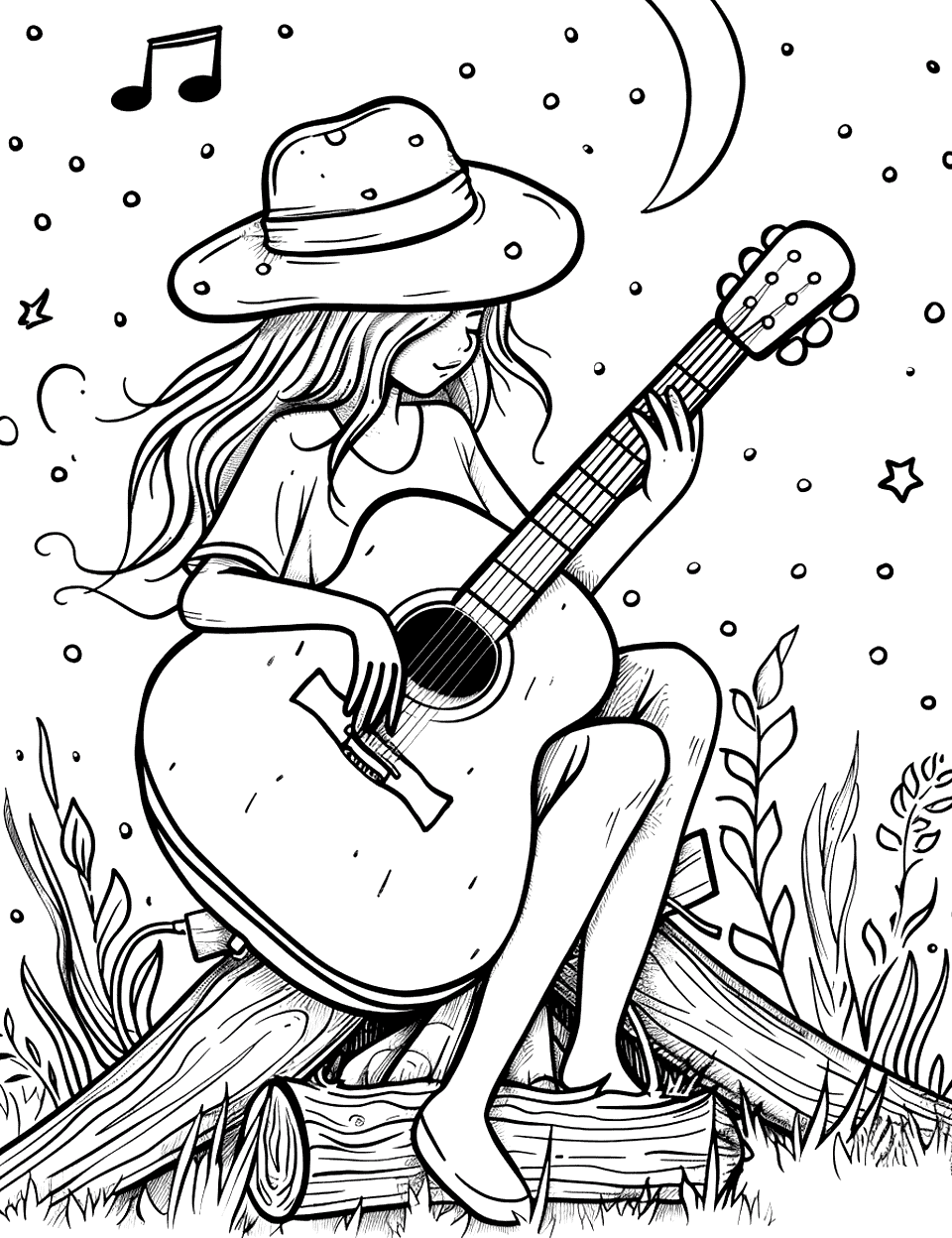
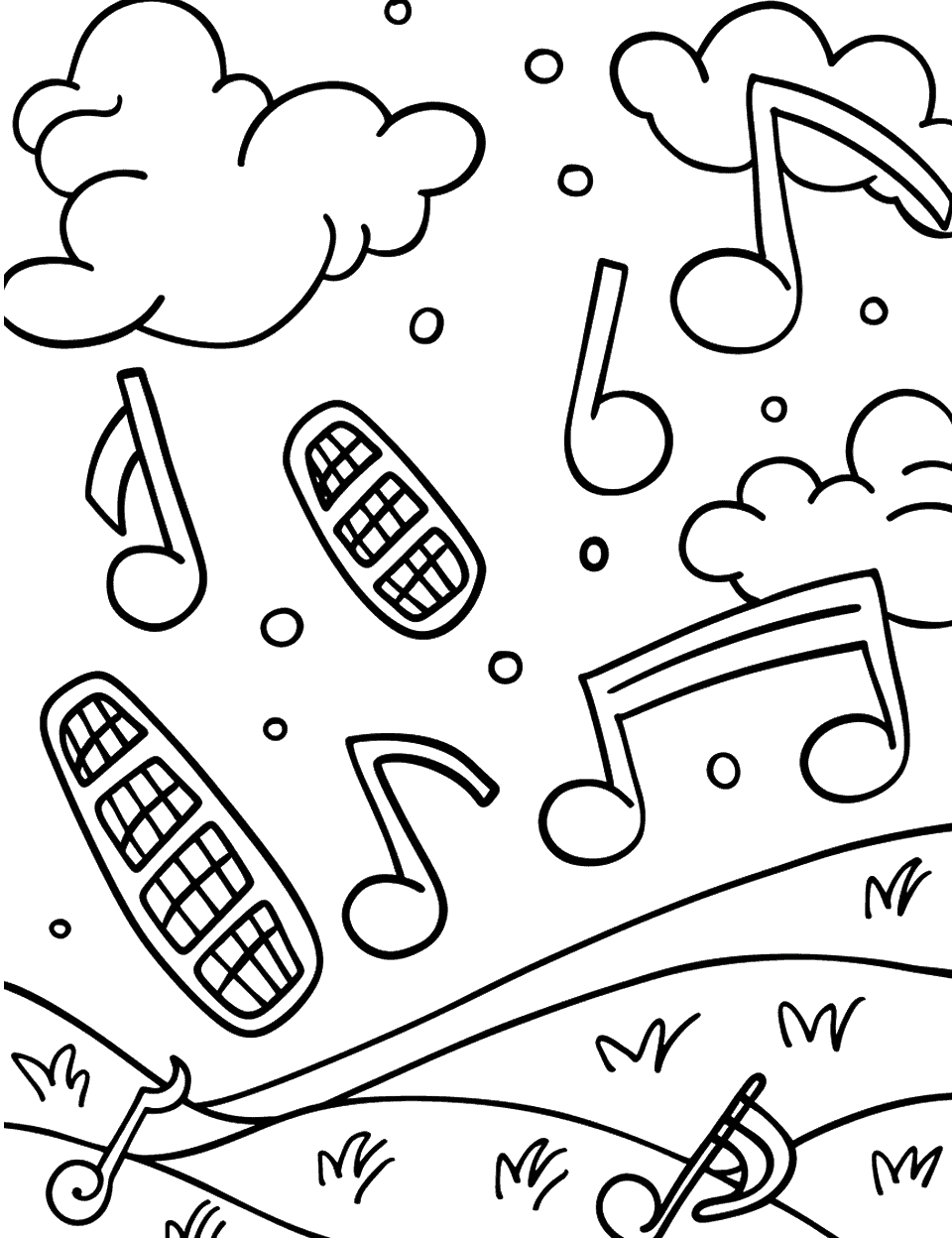
Music Notes in the Sky
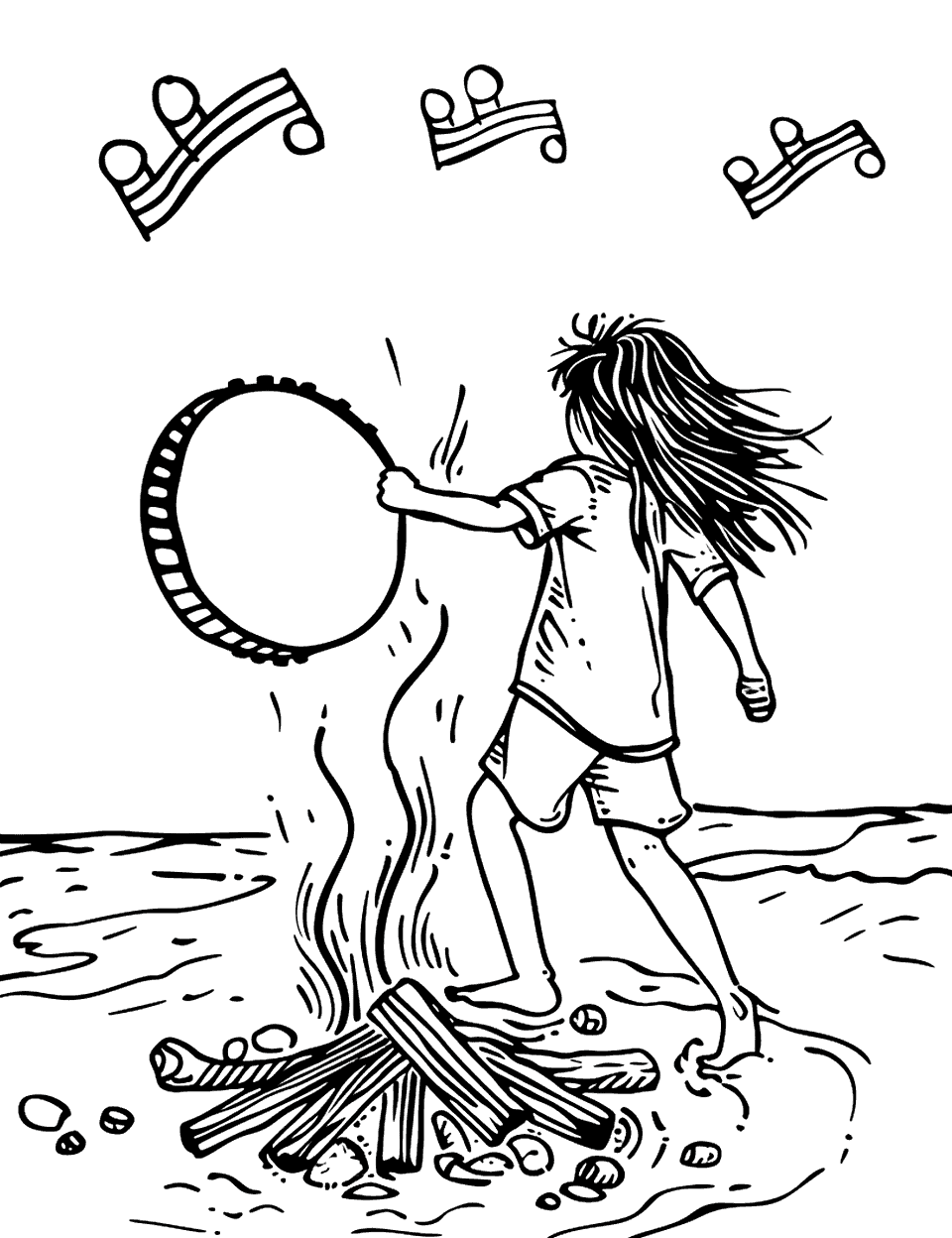
Tambourine Dance on the Beach
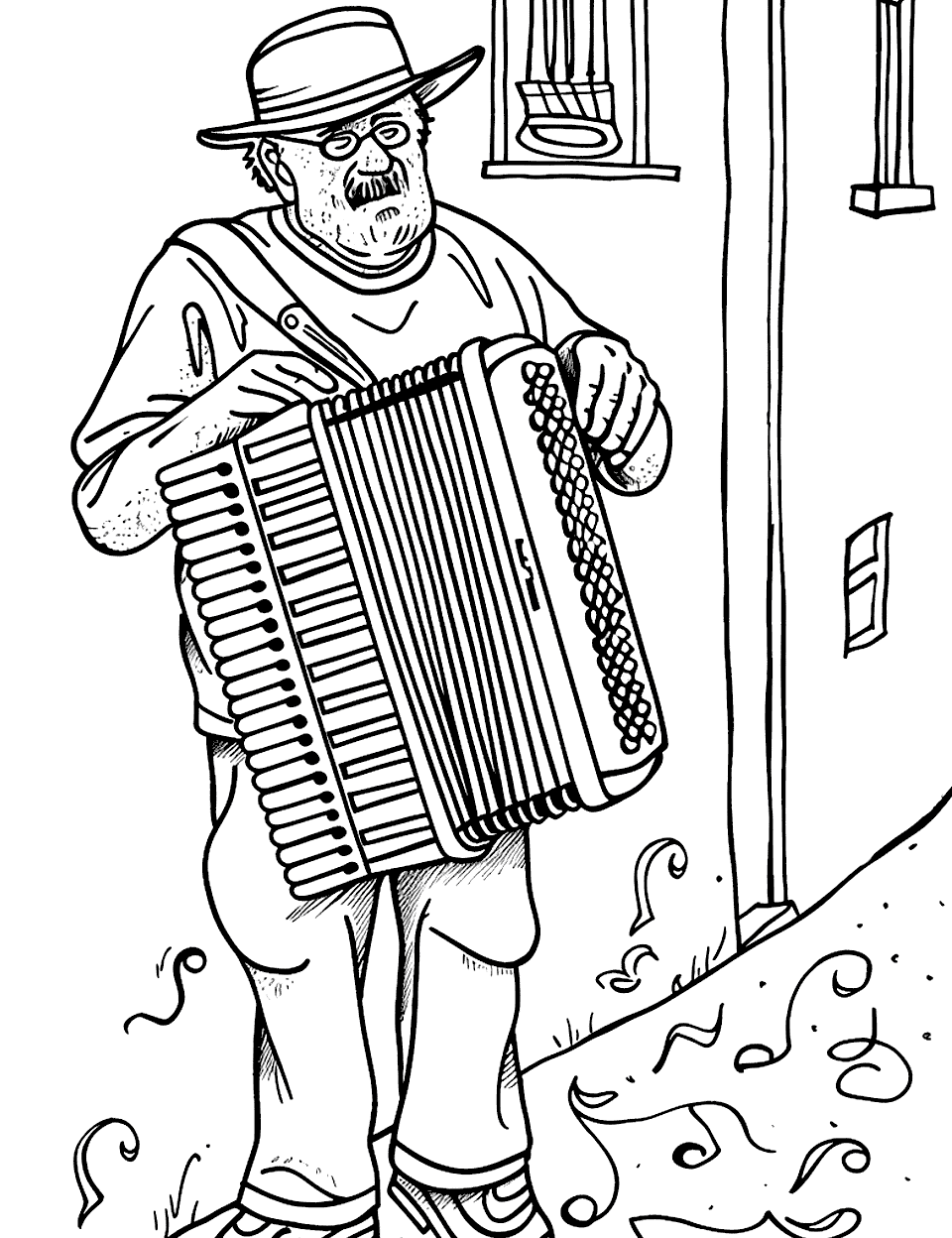
Accordion Player in an Alley
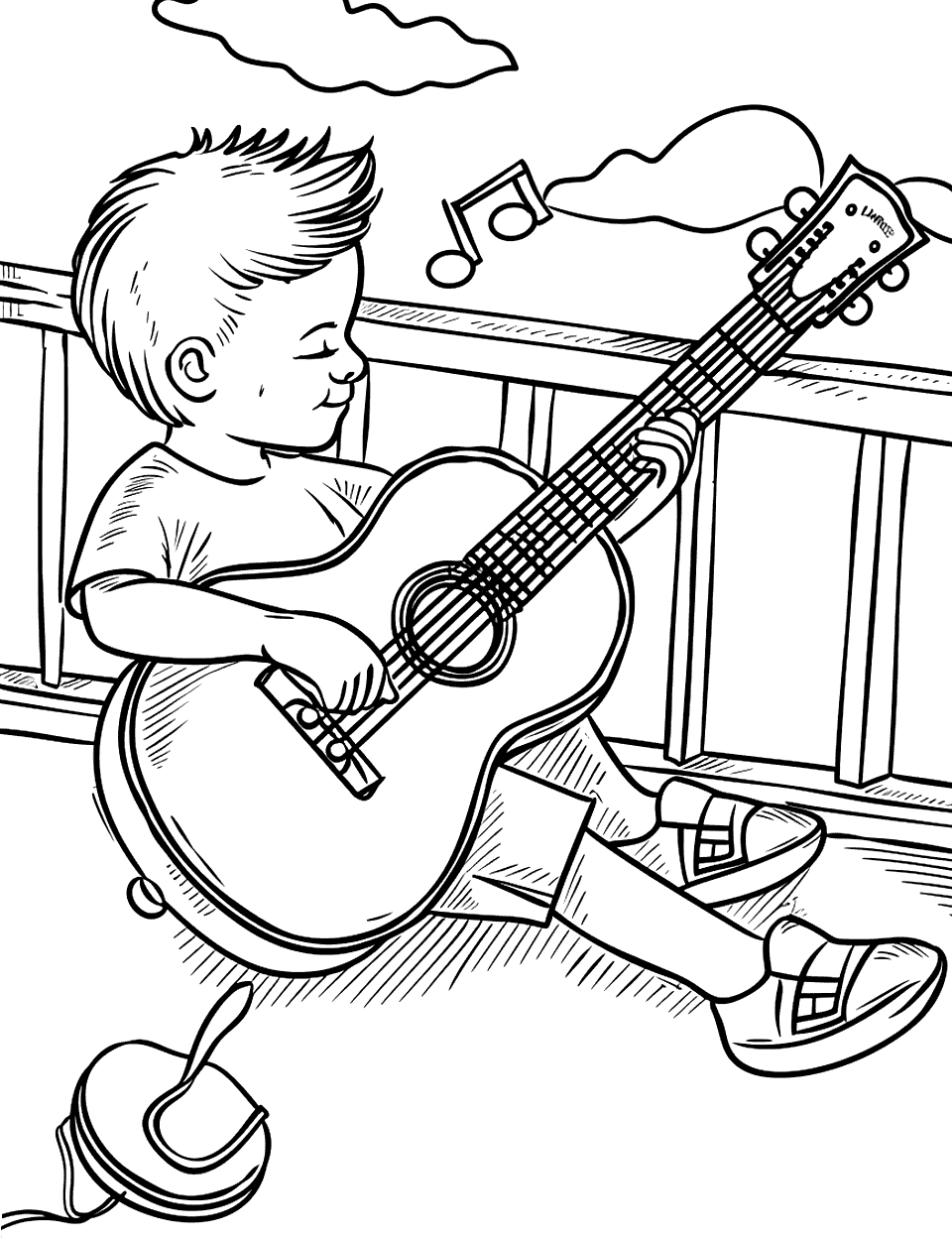
Ukulele on the Balcony
Violin Player in the Orchestra
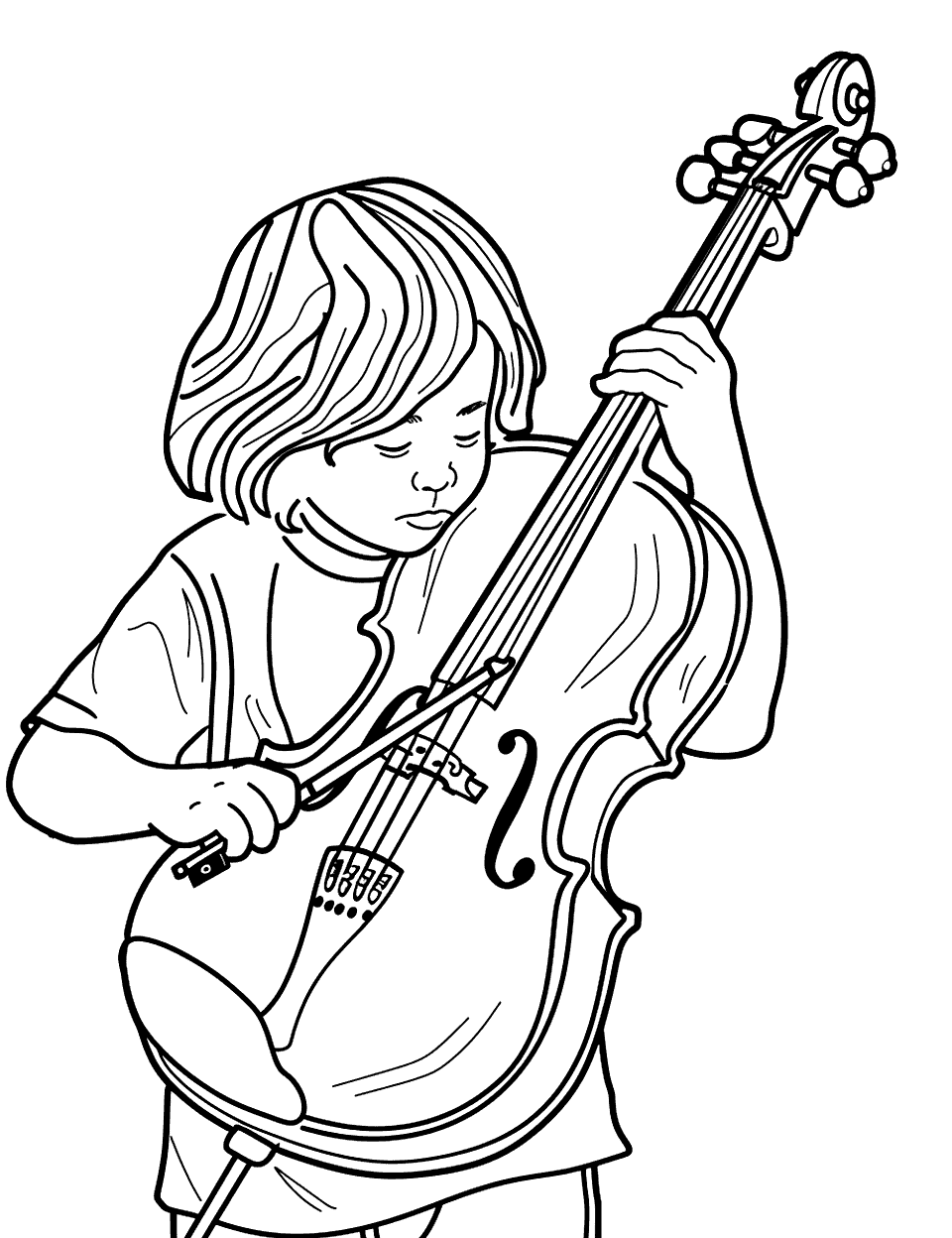
Keyboard Practice at Home
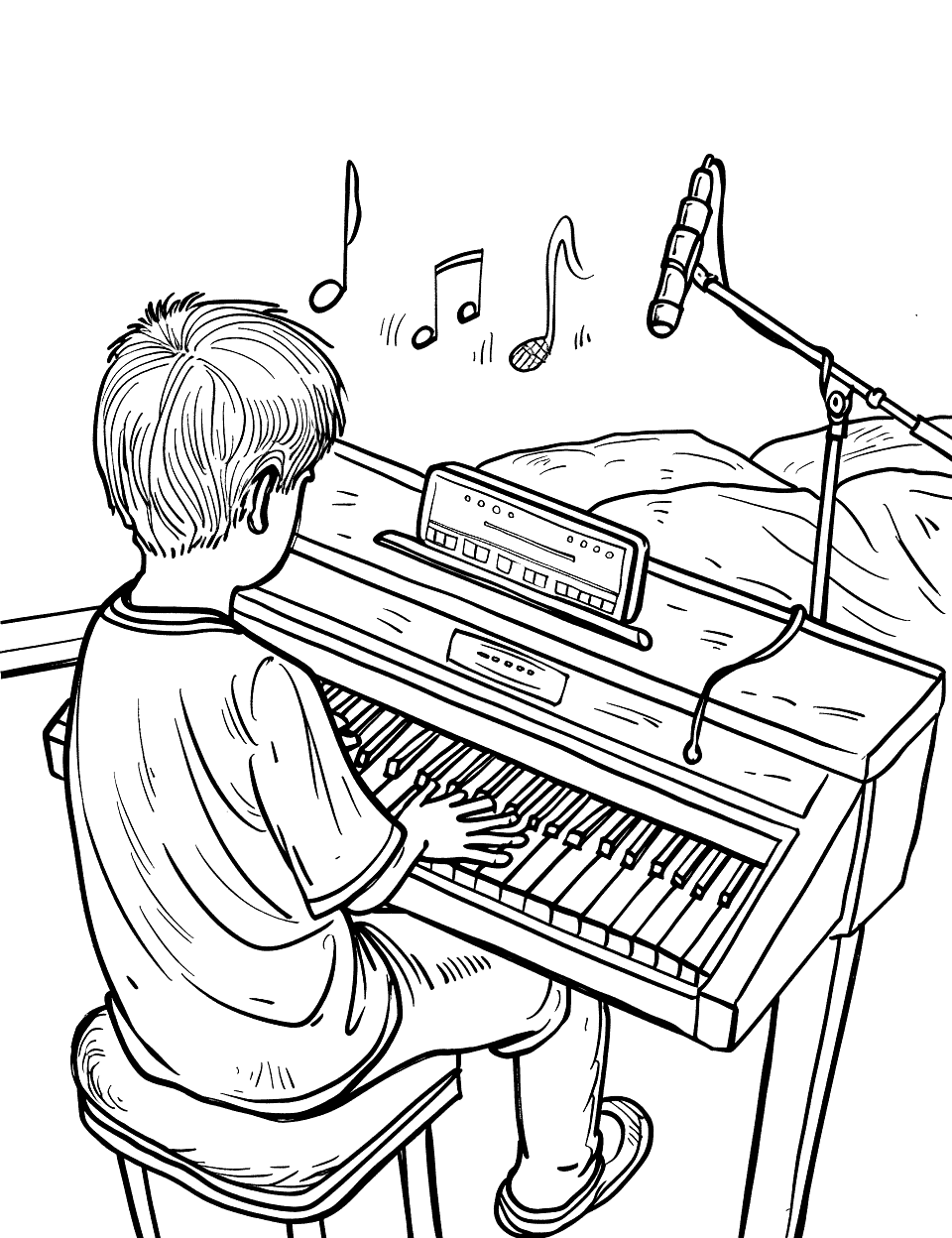
Opera at the Theater
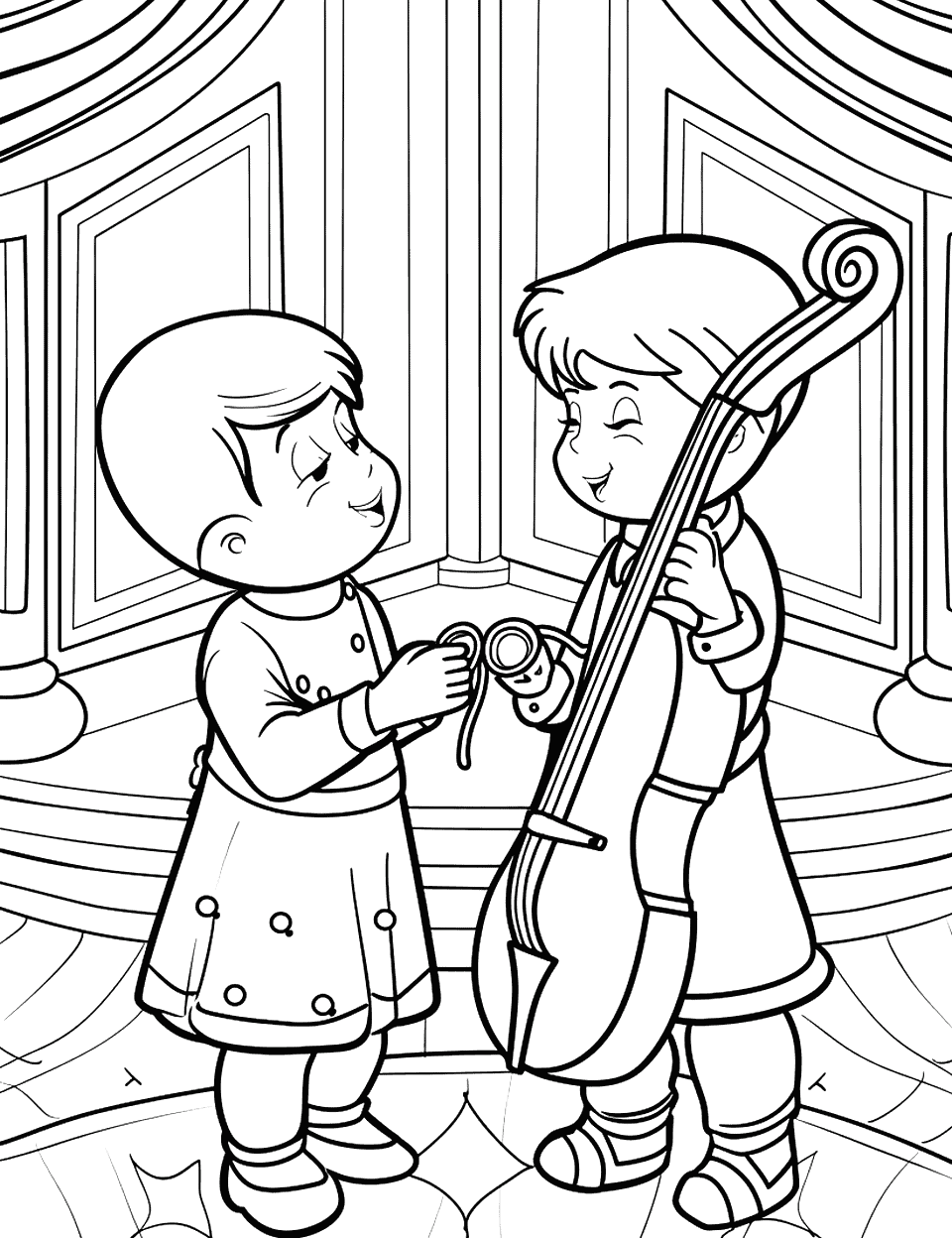
Guitar Crafting Workshop
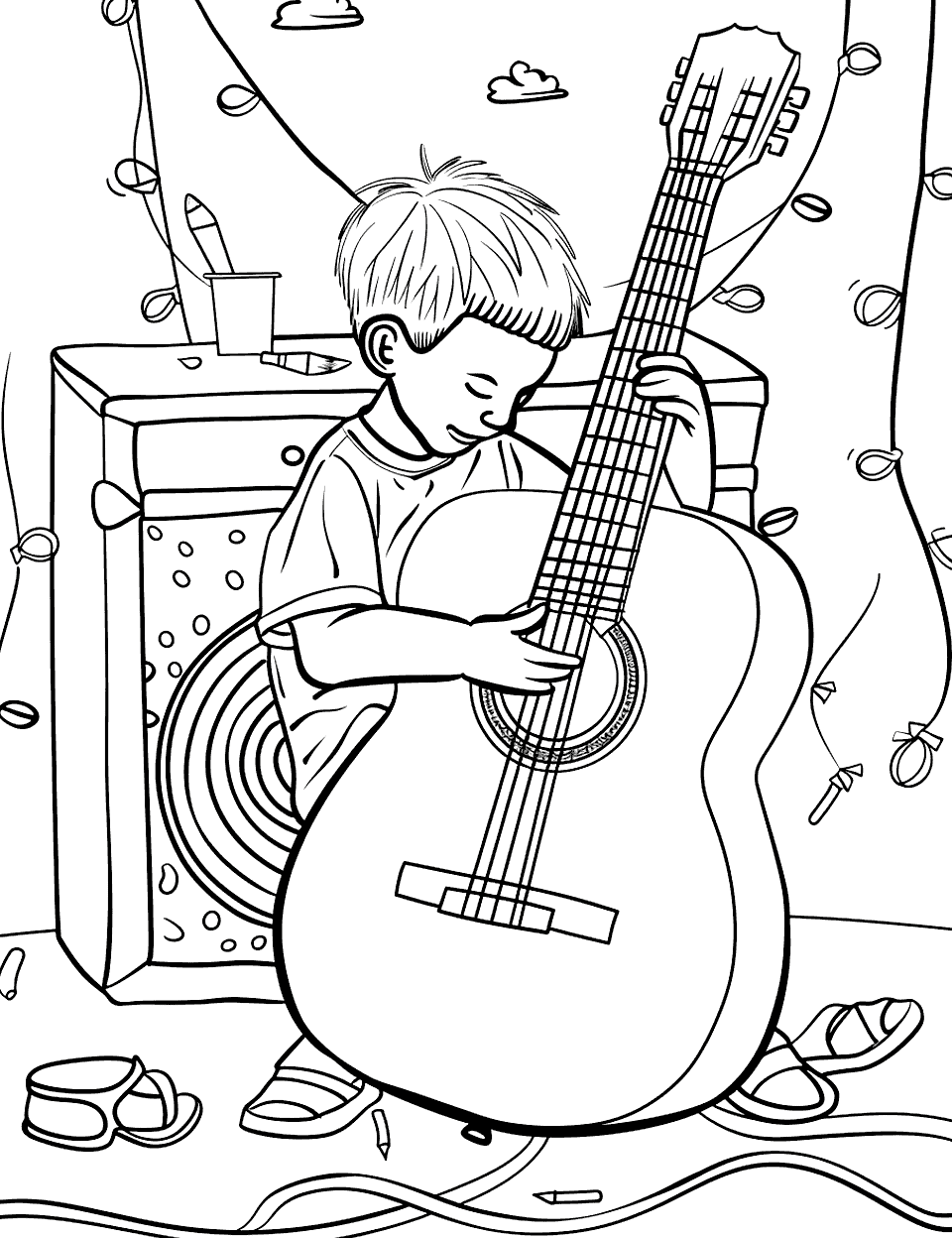
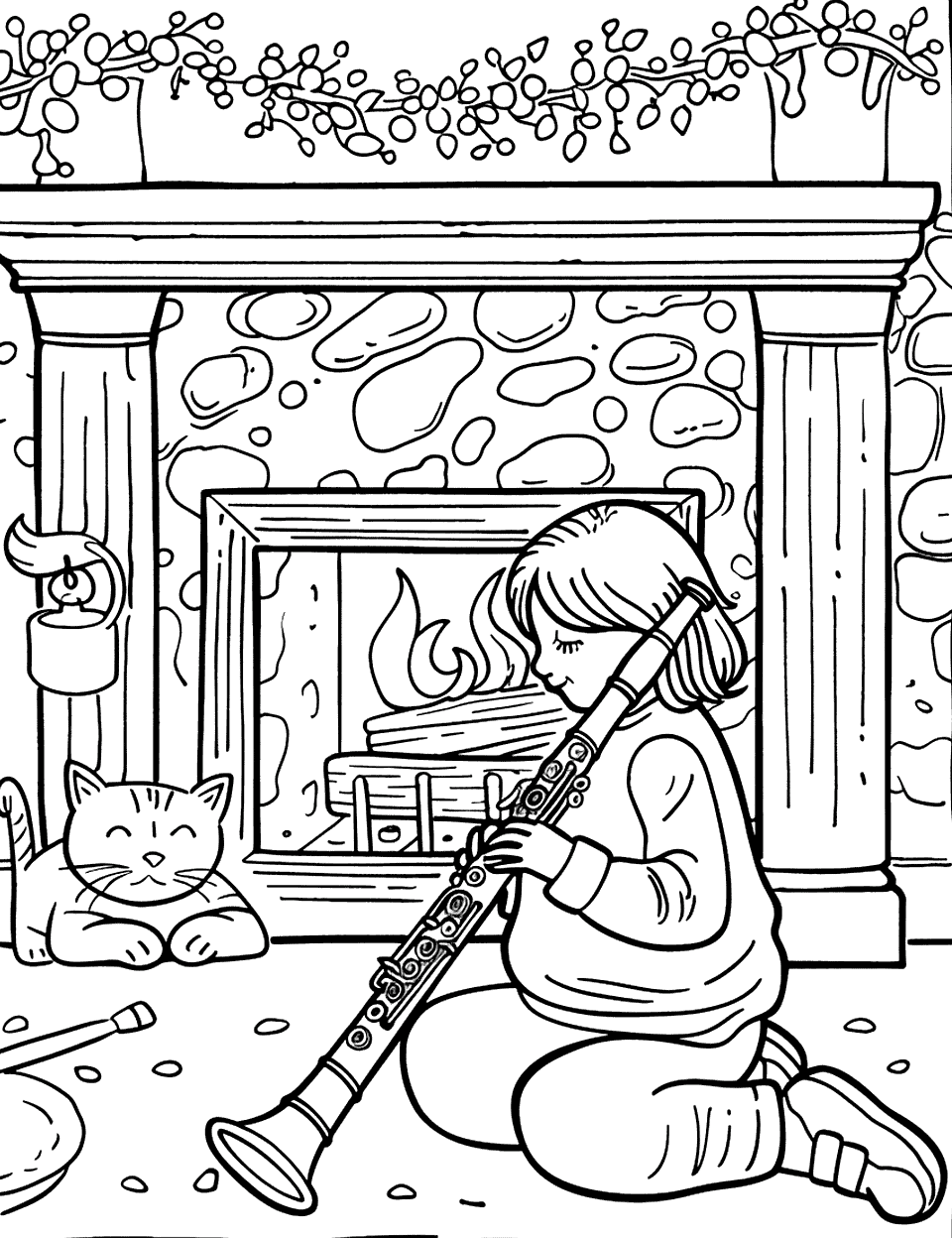
Clarinet by the Fireplace
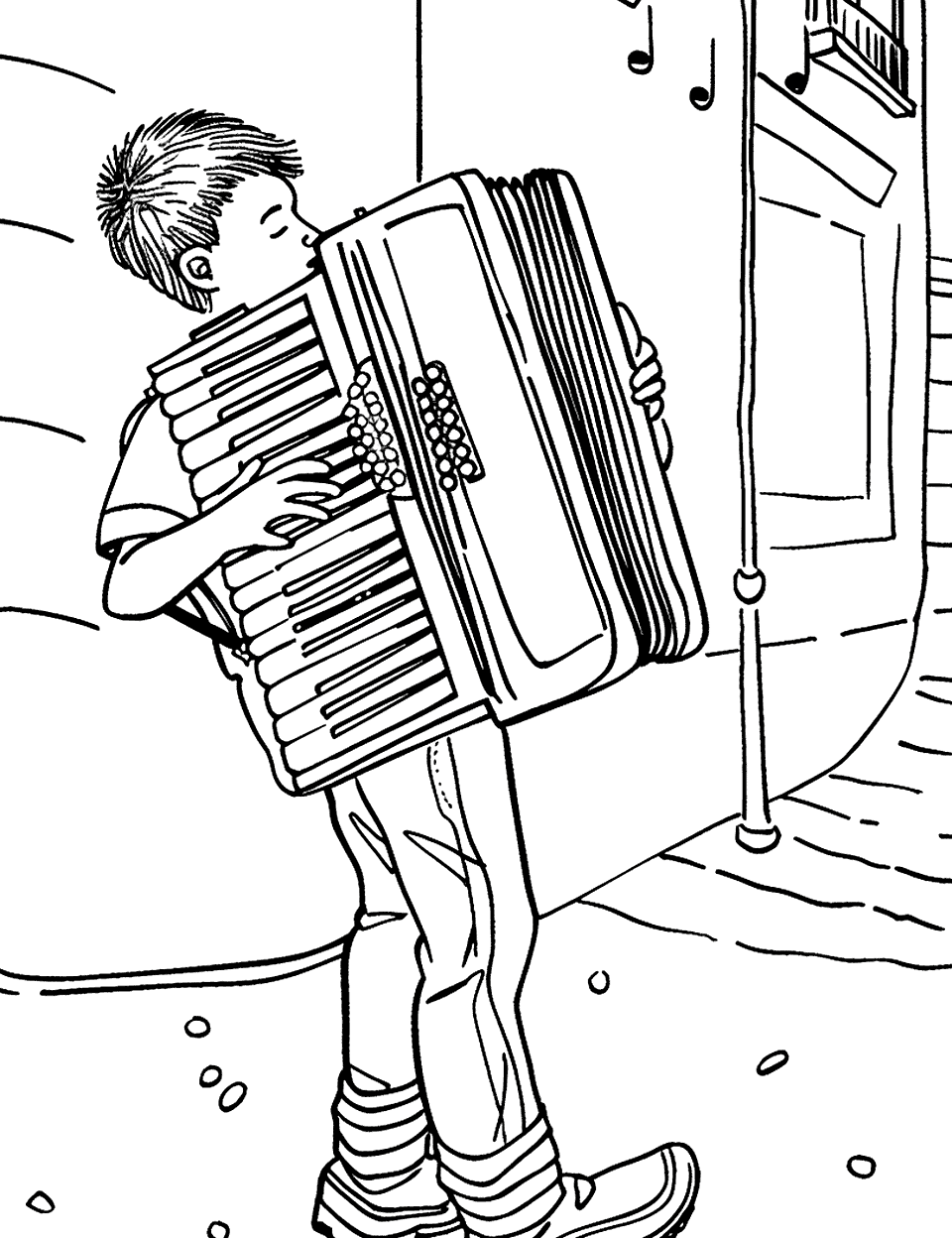
Street Musician in Paris
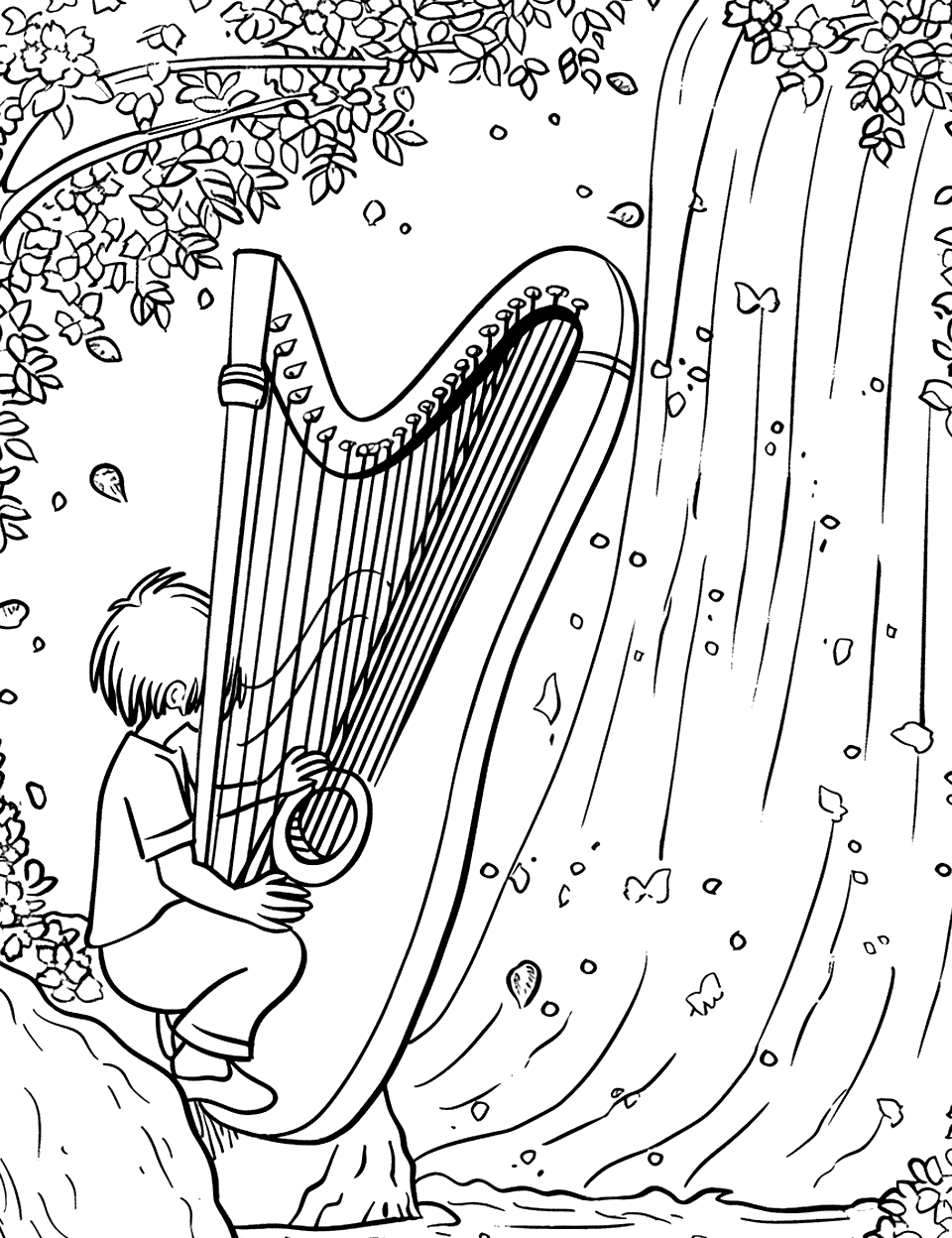
Fantasy Harp by the Waterfall
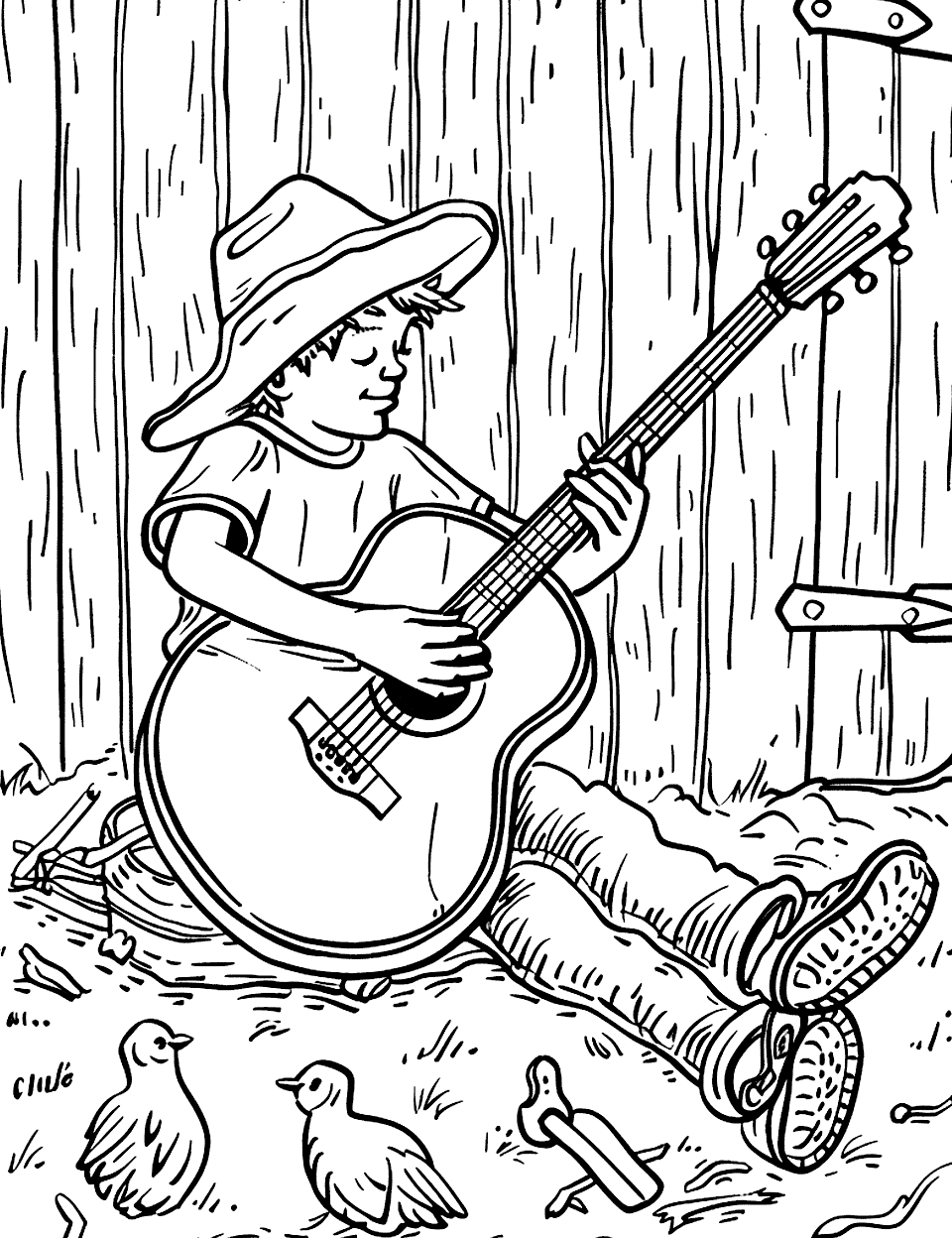
Country Guitar at the Farm
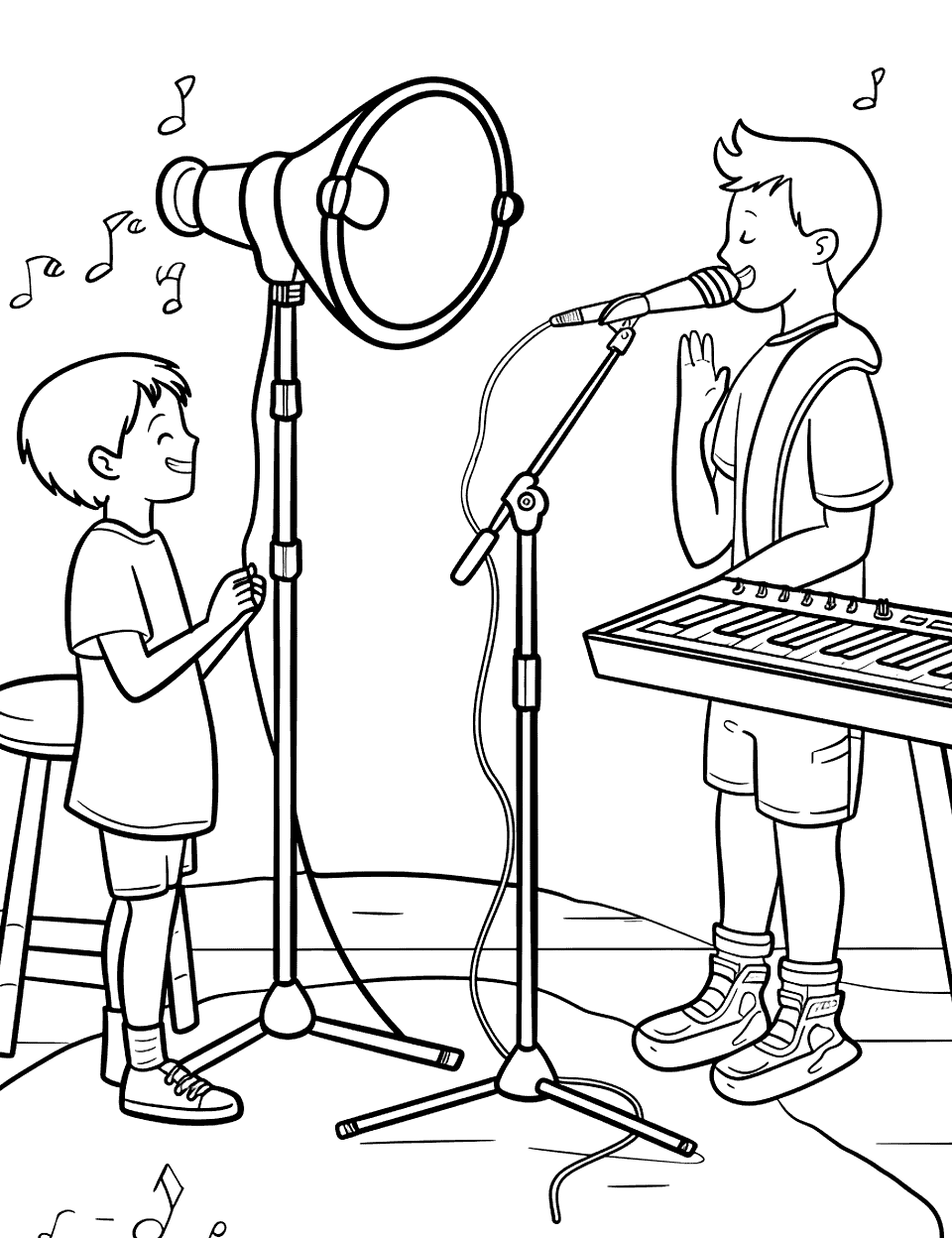
Singing Lesson in the Studio
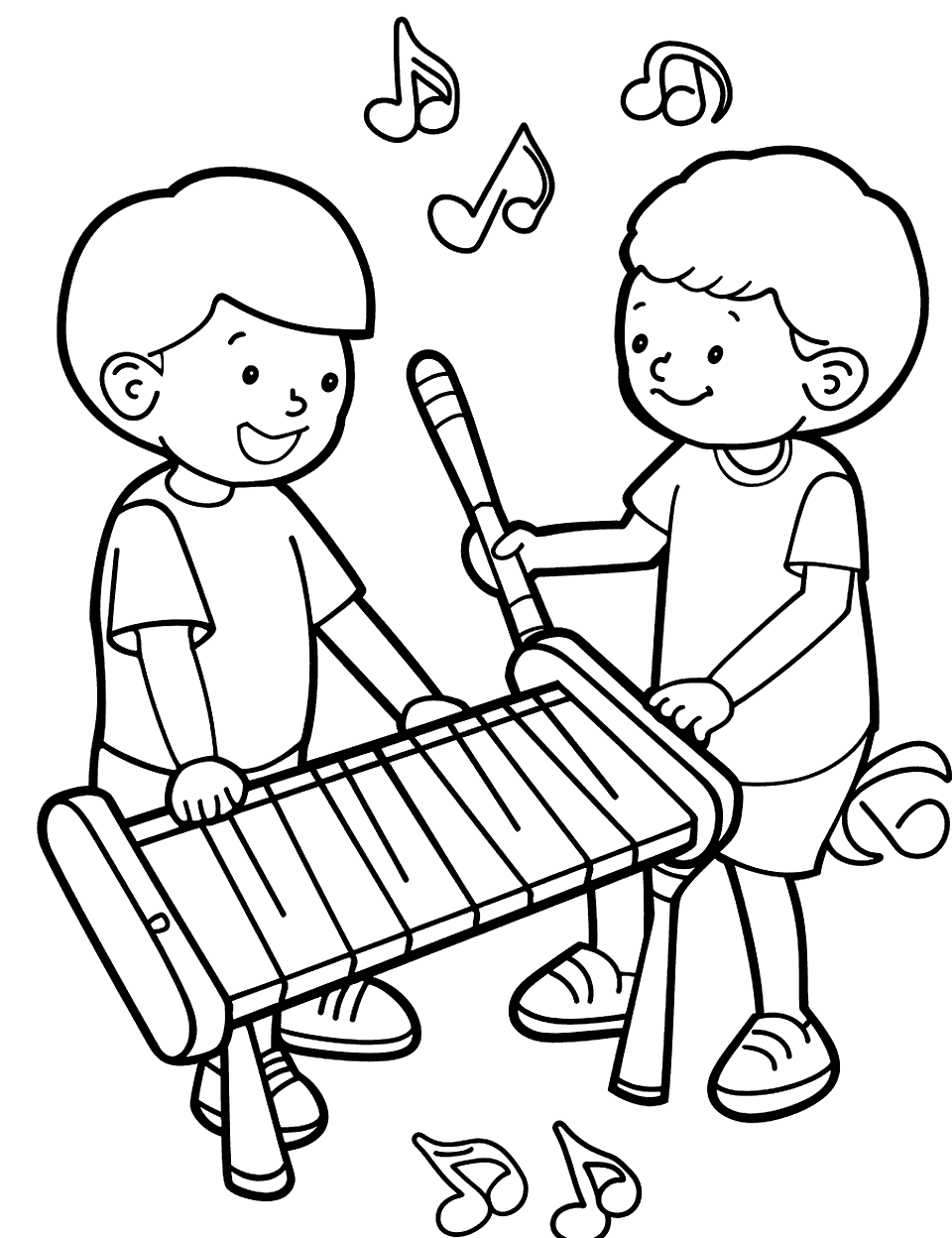
Xylophone Fun in the Playground
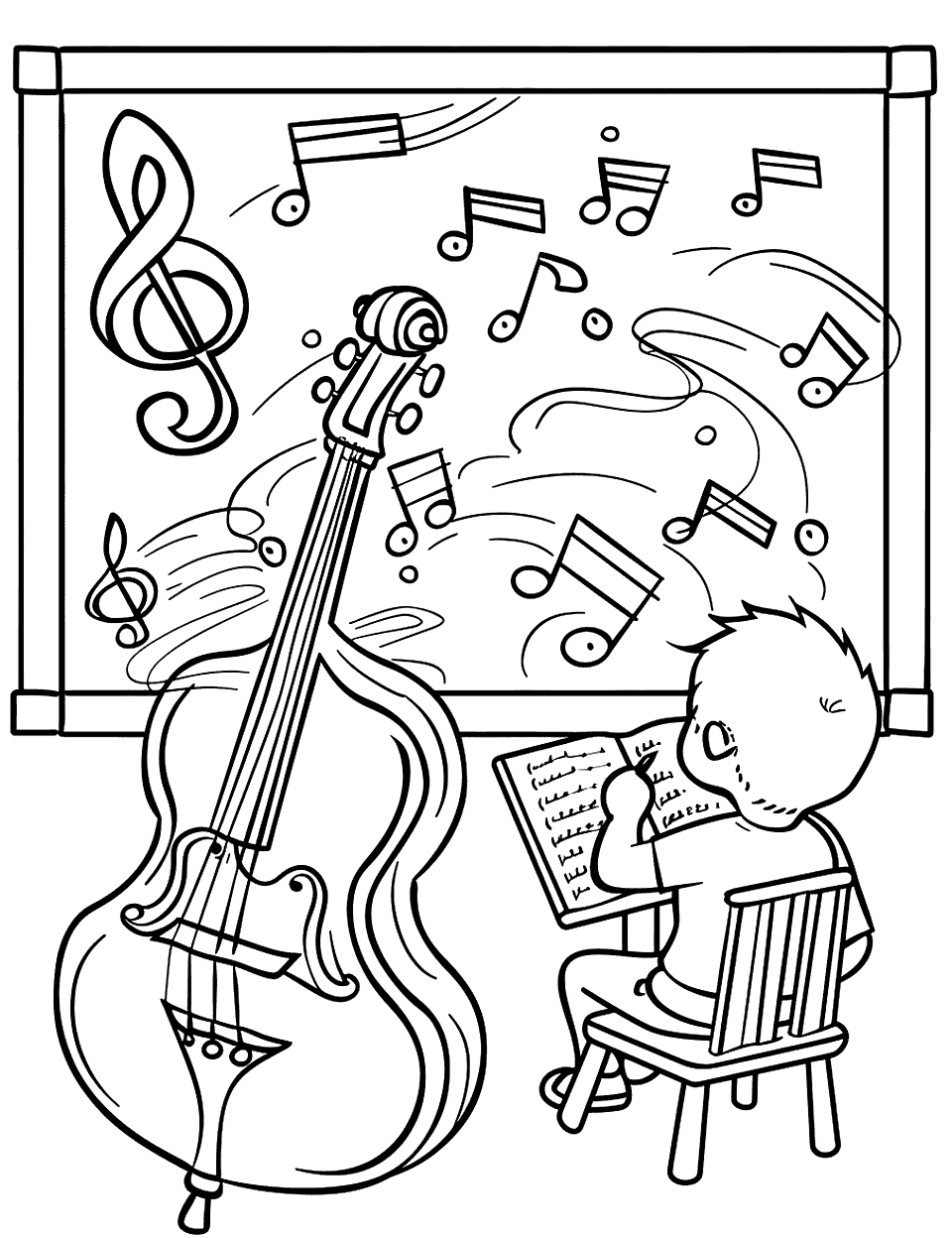
Music Theory Class
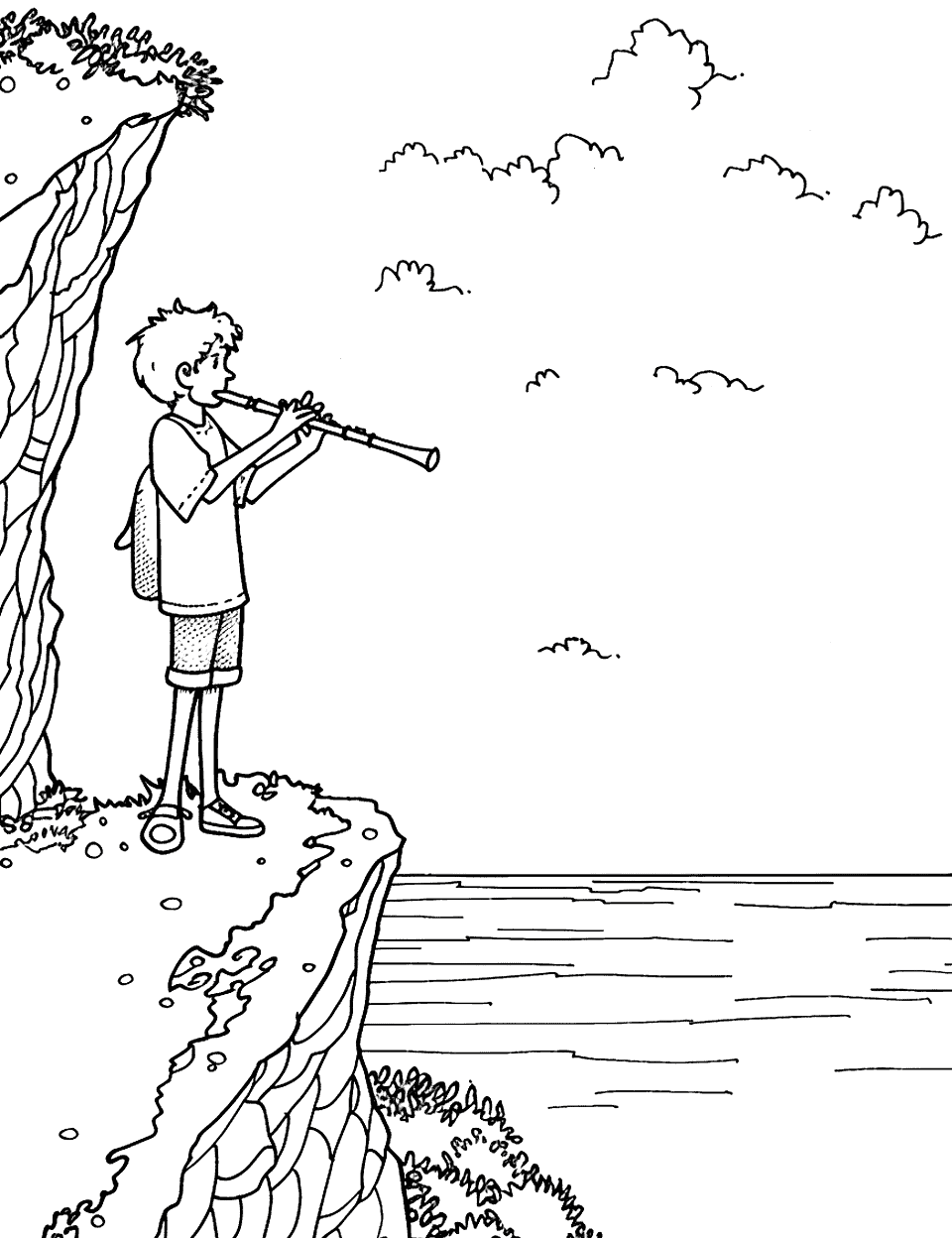
Solo Flute at the Cliff
By using our free coloring pages, you acknowledge and agree to our full disclaimer. All materials are for personal, non-commercial use only and all rights belong to their respective license holders.
Activities to Do With Music Coloring Pages
Music and art go hand in hand. Once your children finish coloring their favorite instruments, try these fun activities to keep the learning and creativity flowing.
Design a Concert Poster
Turn a coloring page into a promotional poster for a pretend concert. Have your child color the “Audition Day” or “Guitar Solo” page, then glue it onto a larger piece of construction paper. They can add details like the band name, showtime, and ticket price using glitter glue or markers.
Musical Instrument Scavenger Hunt
Color several different instrument pages and hide them around the living room or classroom. Challenge your kids to find specific instruments. For example, ask them to “Find the instrument that has strings” or “Hunt for the one you blow into.” This builds observation skills and instrument recognition.
Create a Musical Storyboard
Print out three or four different scenes, such as the “Violin Player,” “Opera at the Theater,” and “Street Musician.” Ask your child to arrange them in an order that tells a story. They can narrate the journey of a musician traveling from the practice room to the big stage.
Listen and Color
Play real recordings of the instruments featured on the pages. While your child colors the saxophone page, play some smooth jazz. When they switch to the violin page, play a classical concerto. Connecting the sound to the image helps reinforce their memory of the instrument.
Make a DIY Music Book
After coloring their favorite pages, hole-punch the sides and bind them together with yarn or ribbon. Create a cover page titled “My Book of Instruments.” This creates a personalized keepsake they can read again and again to learn the names of different musical tools.
FAQs

What are the benefits of coloring music pages?
Coloring helps children develop fine motor skills, focus, and creativity. When combined with music themes, it also introduces them to different instruments, musical notation, and performance settings in a stress-free way.
How can I print these coloring pages?
Simply scroll to the image you want to use and click the “Download” or “Print” button associated with that image. For the best results, use standard letter-sized paper and ensure your printer settings are set to “Fit to Page.”
Are these pages suitable for toddlers?
Yes, many of the designs feature large, simple outlines that are perfect for toddlers and preschoolers. Pages like “Xylophone Fun” or “Drummer at the Parade” have easy-to-color shapes, while older children might enjoy the detailed backgrounds in the “Fantasy Harp” scenes.
Can I use markers or paint on these pages?
You can use crayons, colored pencils, markers, or even watercolors. If you plan to use wet media like paint or heavy markers, we recommend printing on cardstock or thicker paper to prevent bleeding through the page.
Do these coloring pages teach music theory?
While they are primarily for fun and artistic expression, some pages feature musical notes, clefs, and staff lines. You can use these visual elements to start a conversation about how music is written and read.
Can teachers use these for classroom activities?
Absolutely. These pages are excellent resources for music teachers or general educators. They work well for quiet time activities, reward stations, or as a supplement to a lesson on orchestra instruments or musical genres.