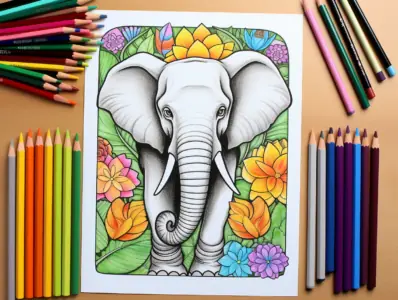
Welcome to our herd of elephant coloring pages! Whether you are looking for a realistic African bush elephant or a cute cartoon calf for your preschooler, we have you covered. These gentle giants are ready for a splash of color, so grab your crayons and let’s get creative.
Cute Elephant Sitting
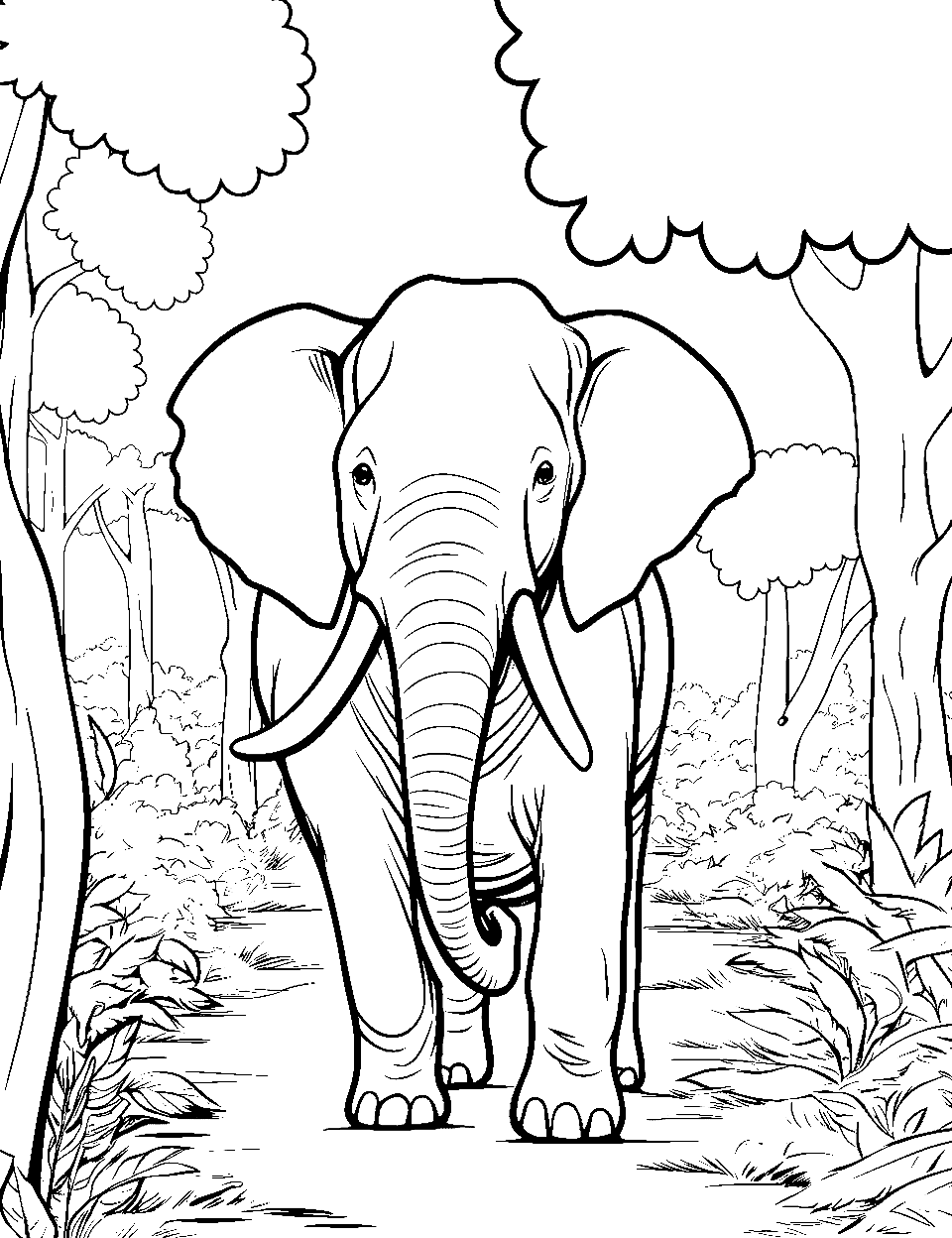
Realistic Jungle Walk
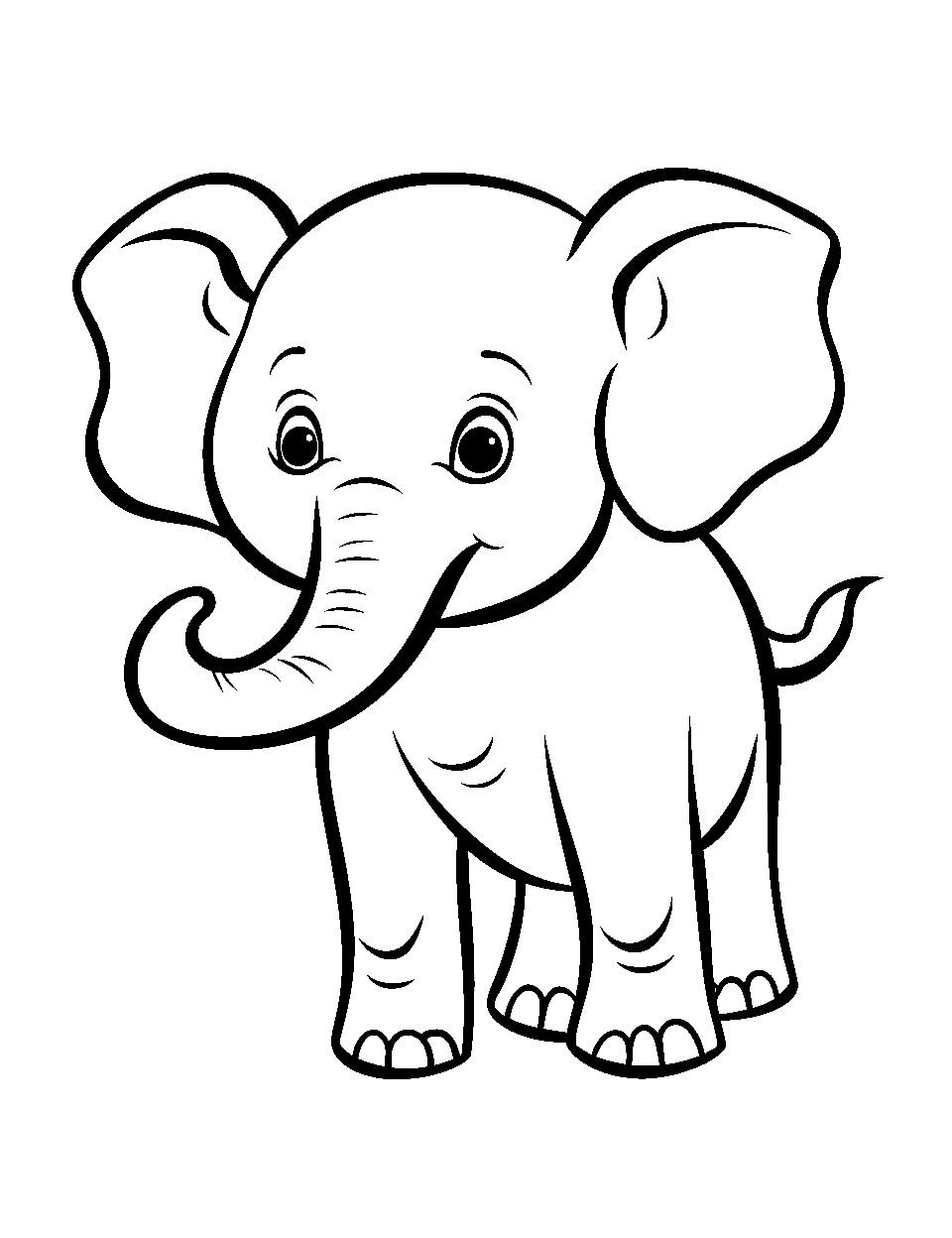
Easy Outline for Little Hands
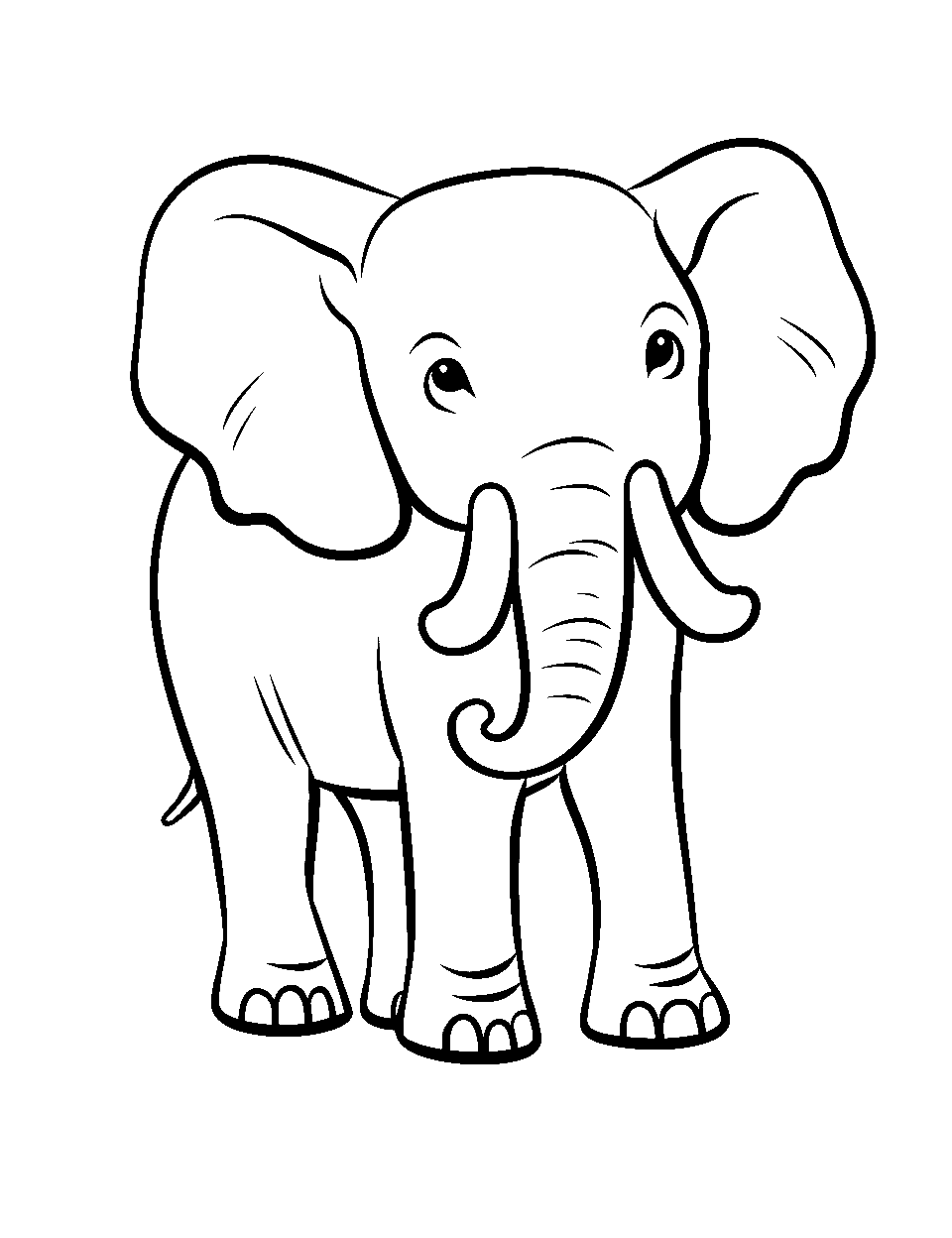
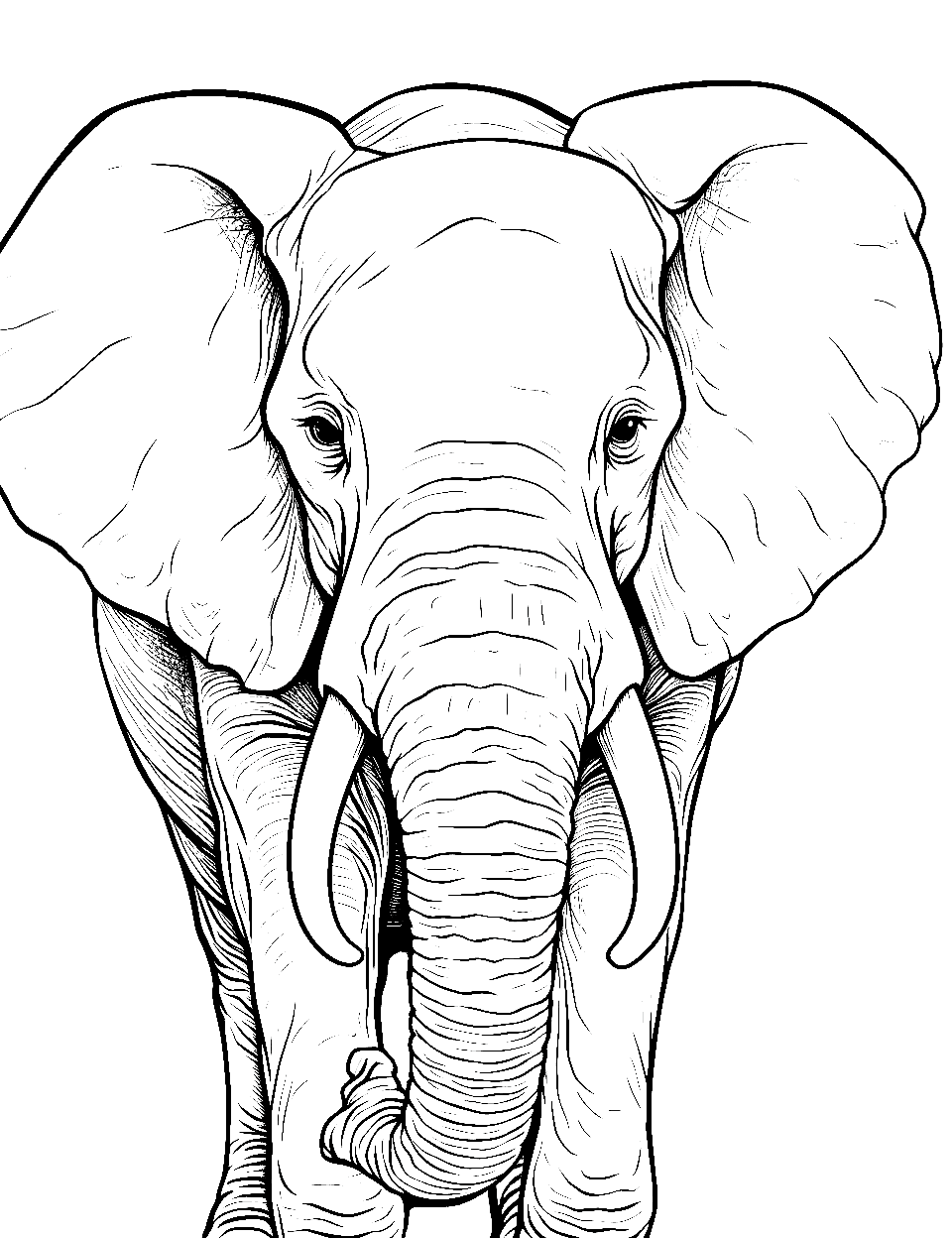
Detailed Elephant Texture
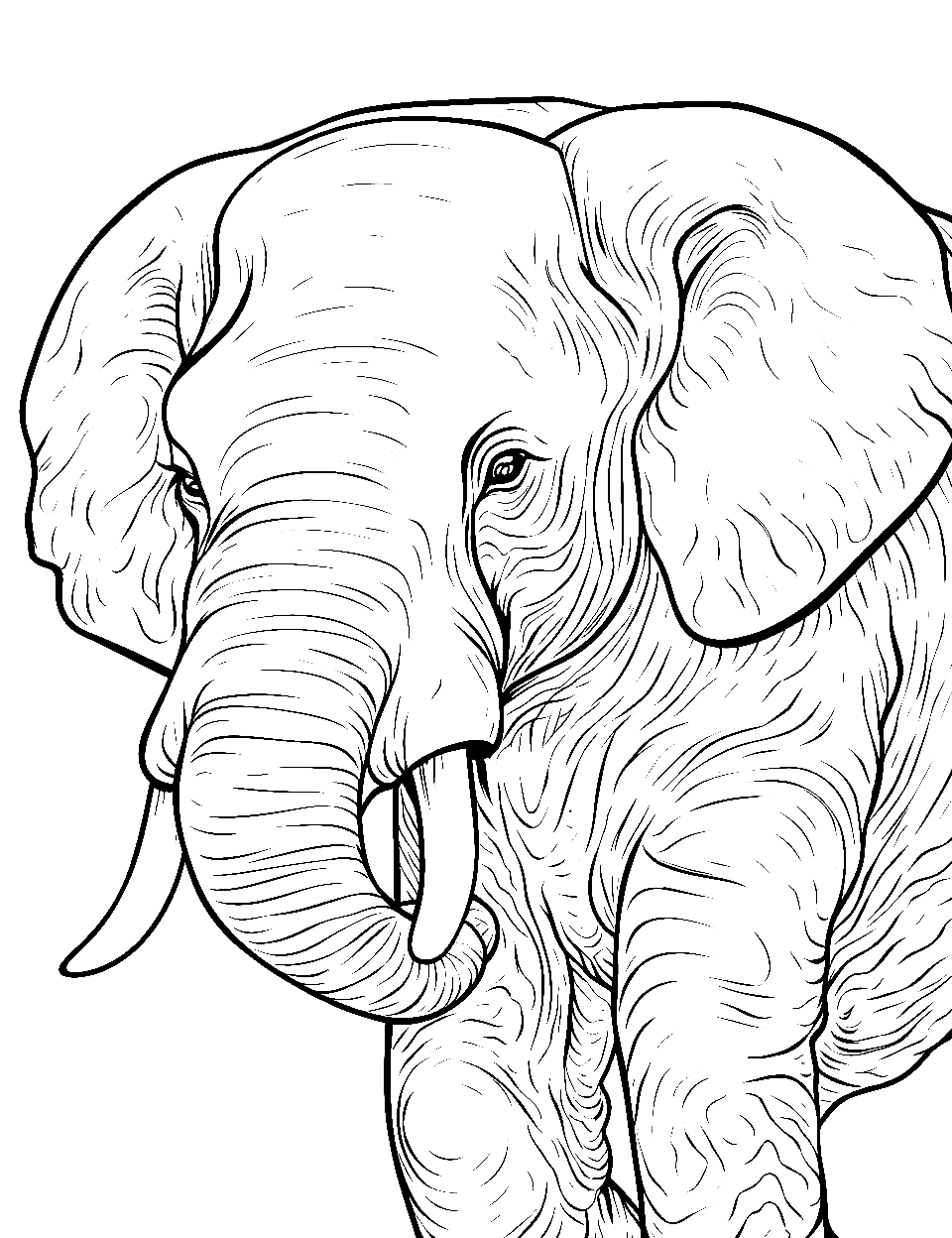
Kawaii Elephant with Big Eyes
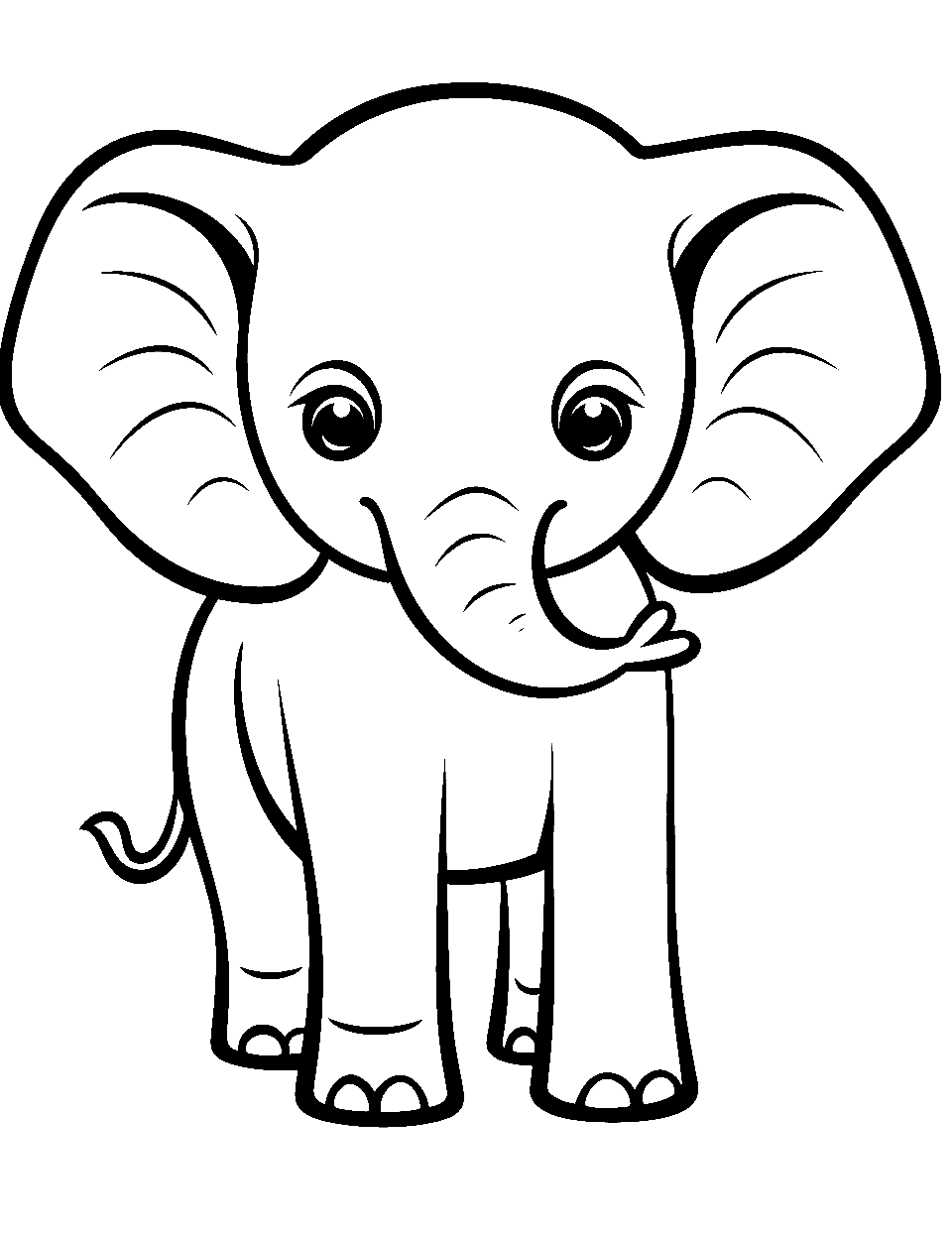
Preschool Elephant Parade
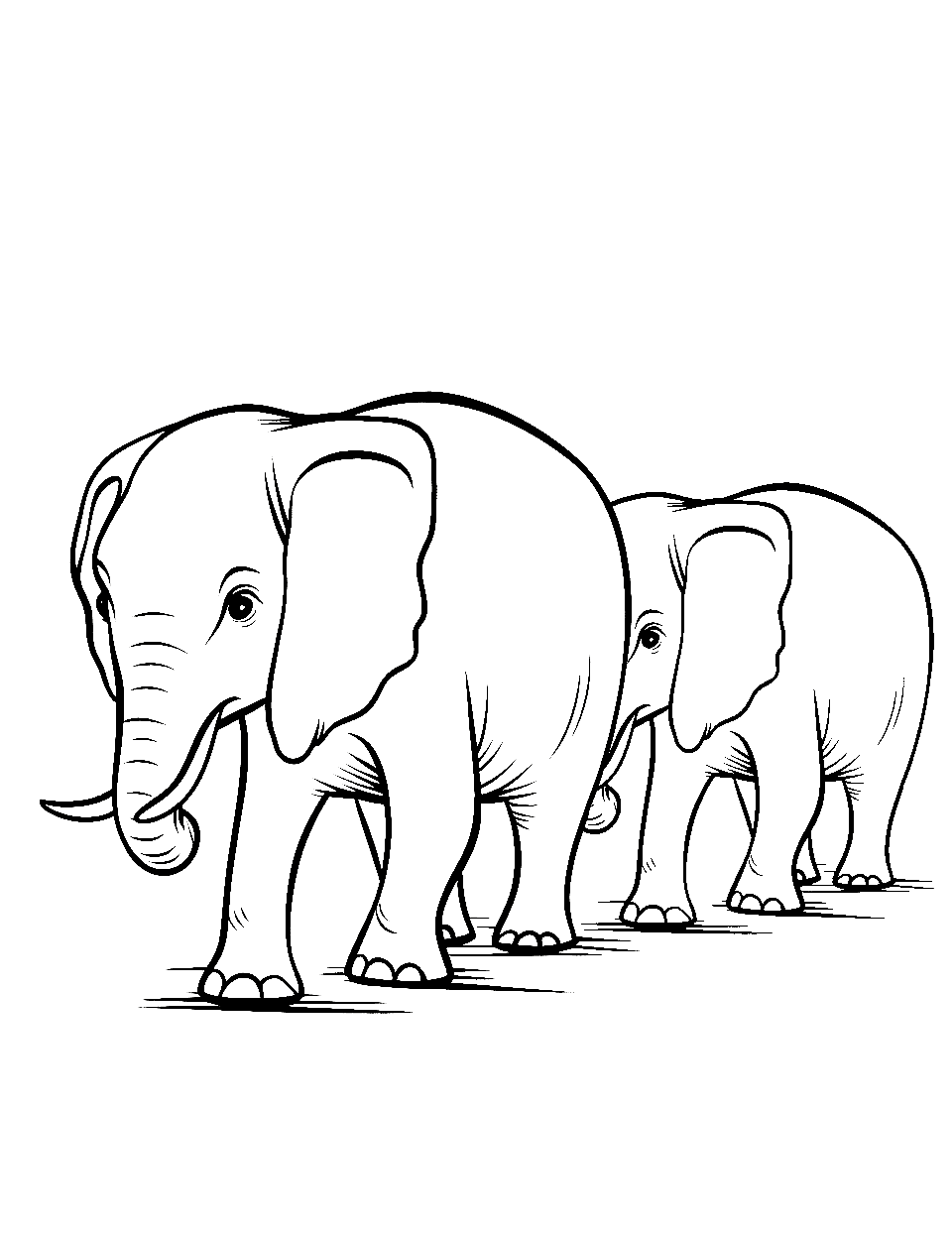
Indian Elephant with Decor
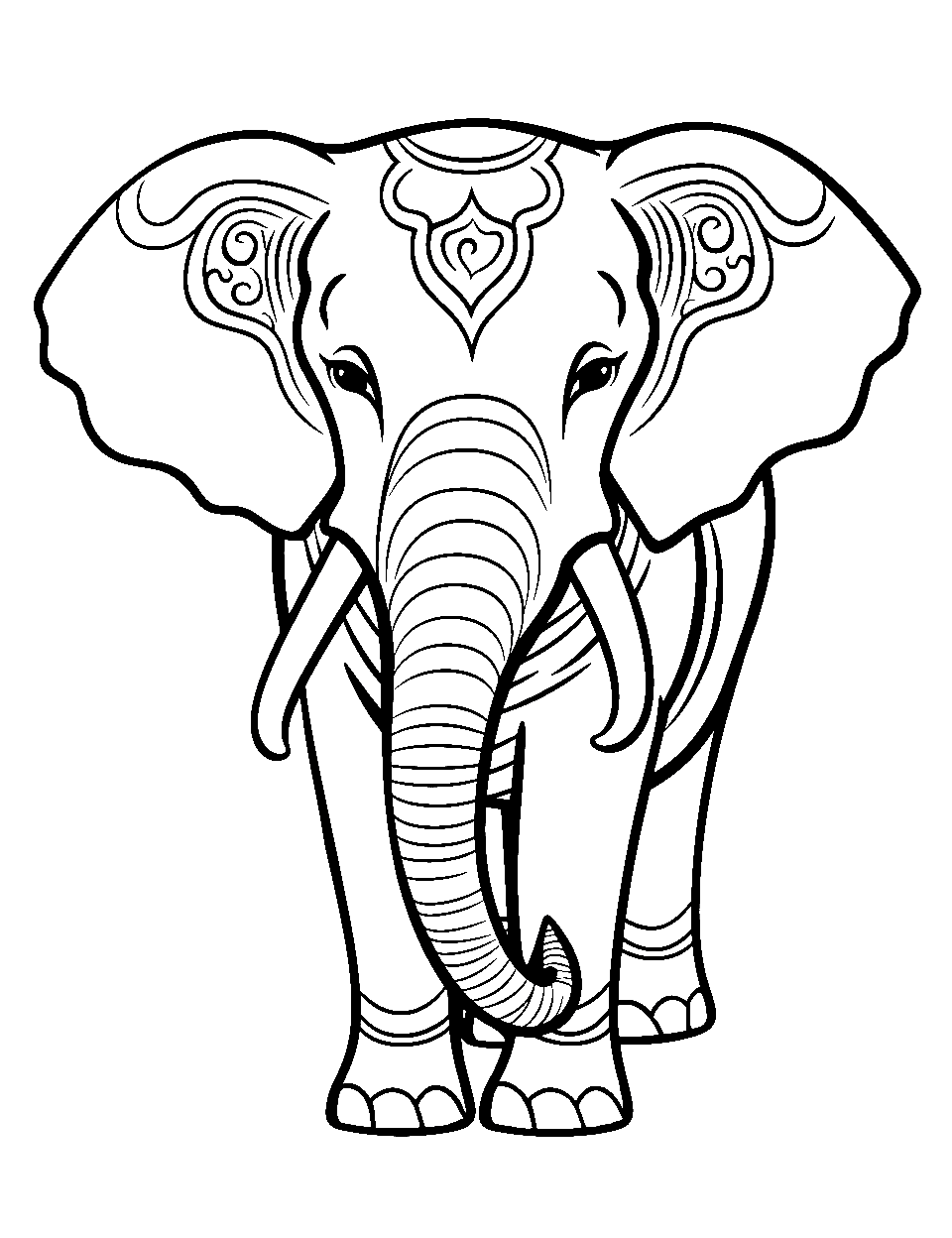
Elephant Scene
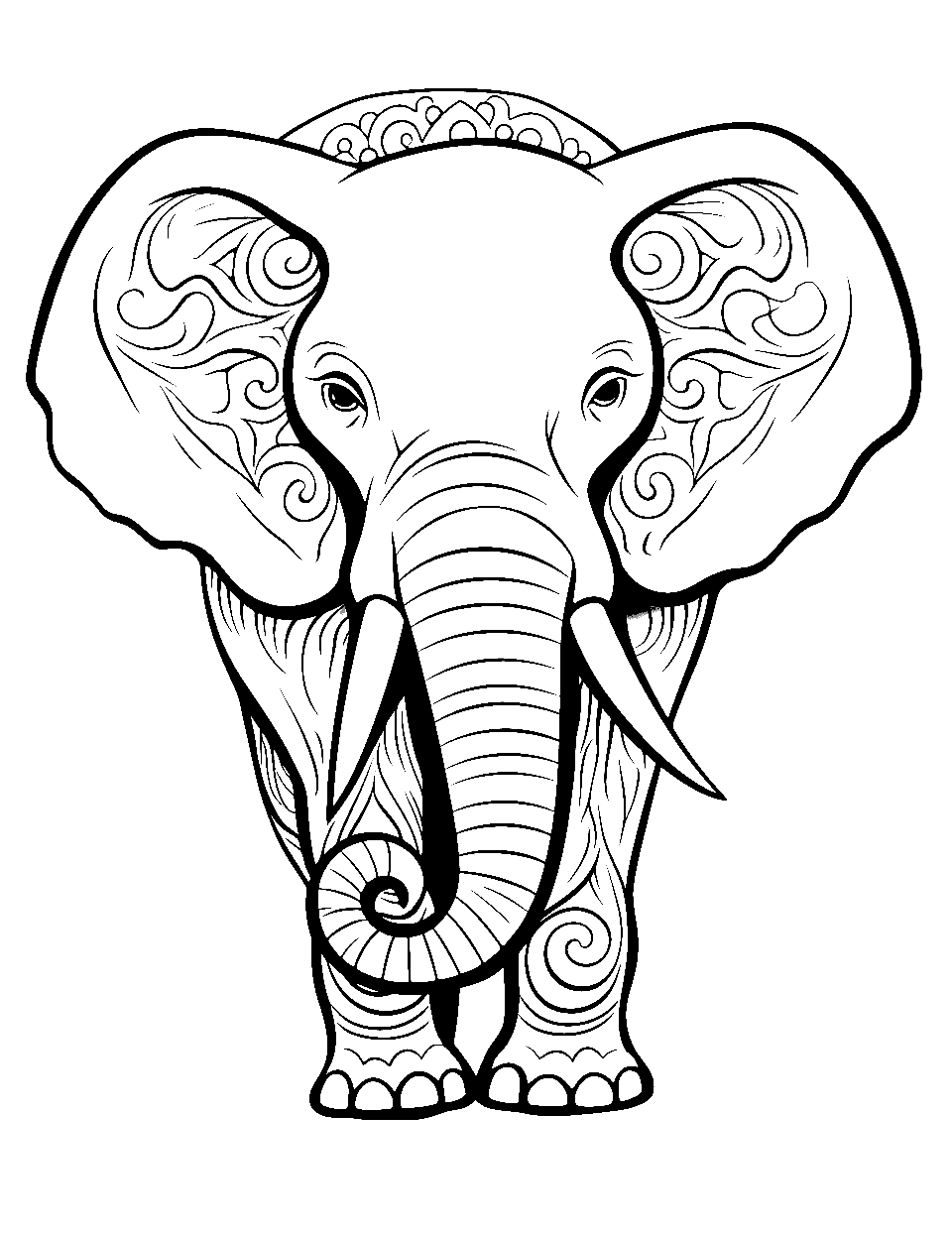
Elephant Head Close-up
Small Elephant in Vast Plains
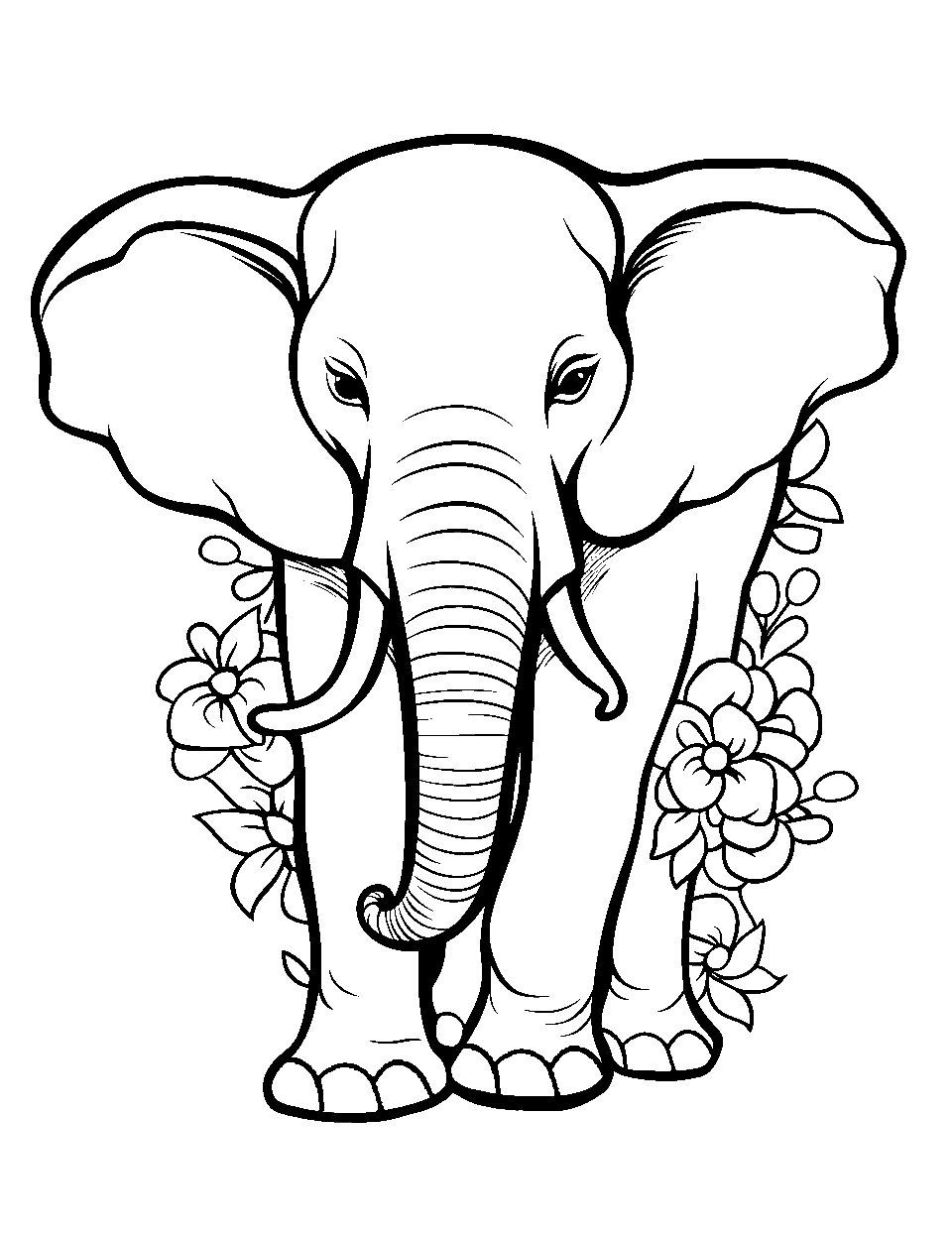
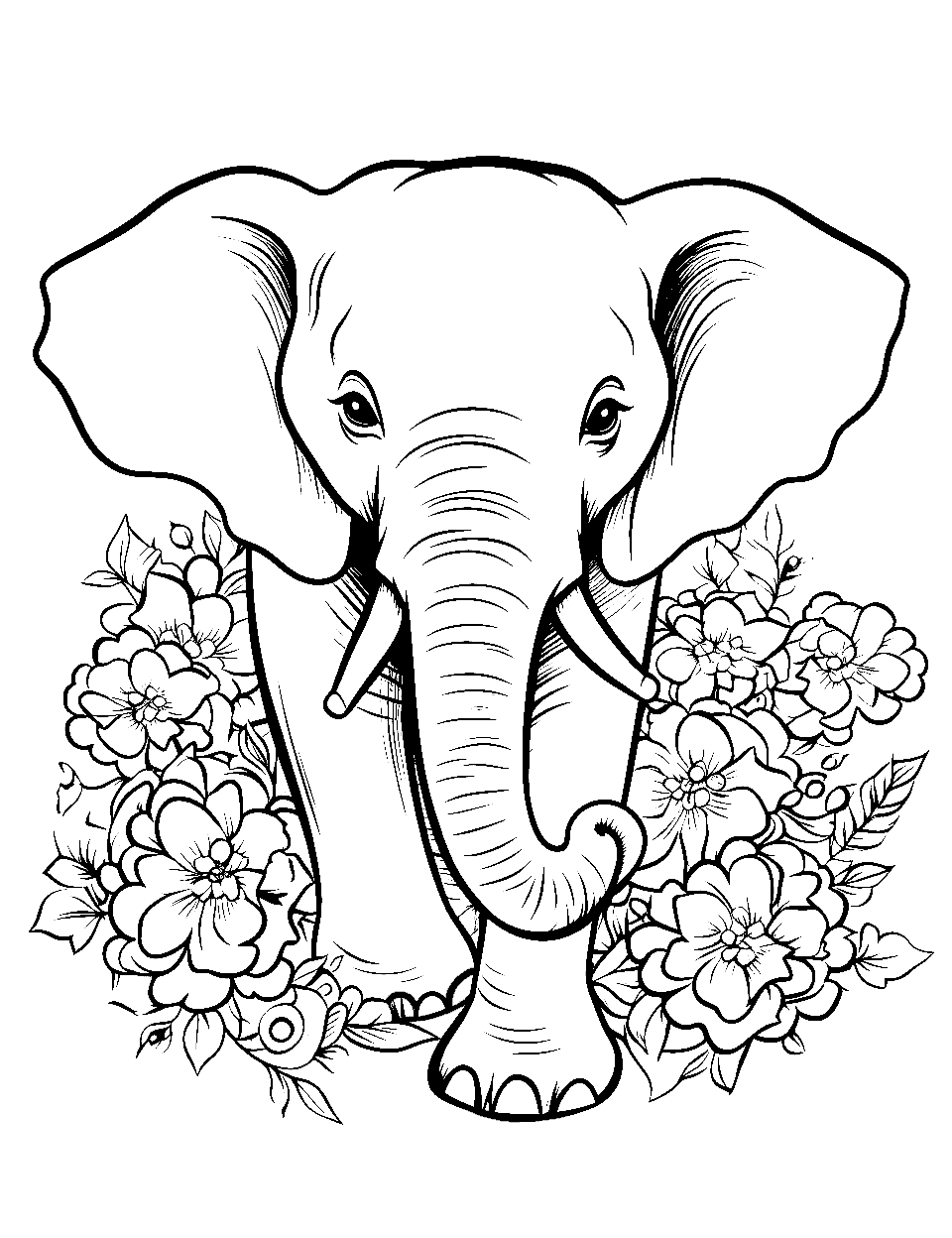
Pretty Elephant with Flowers
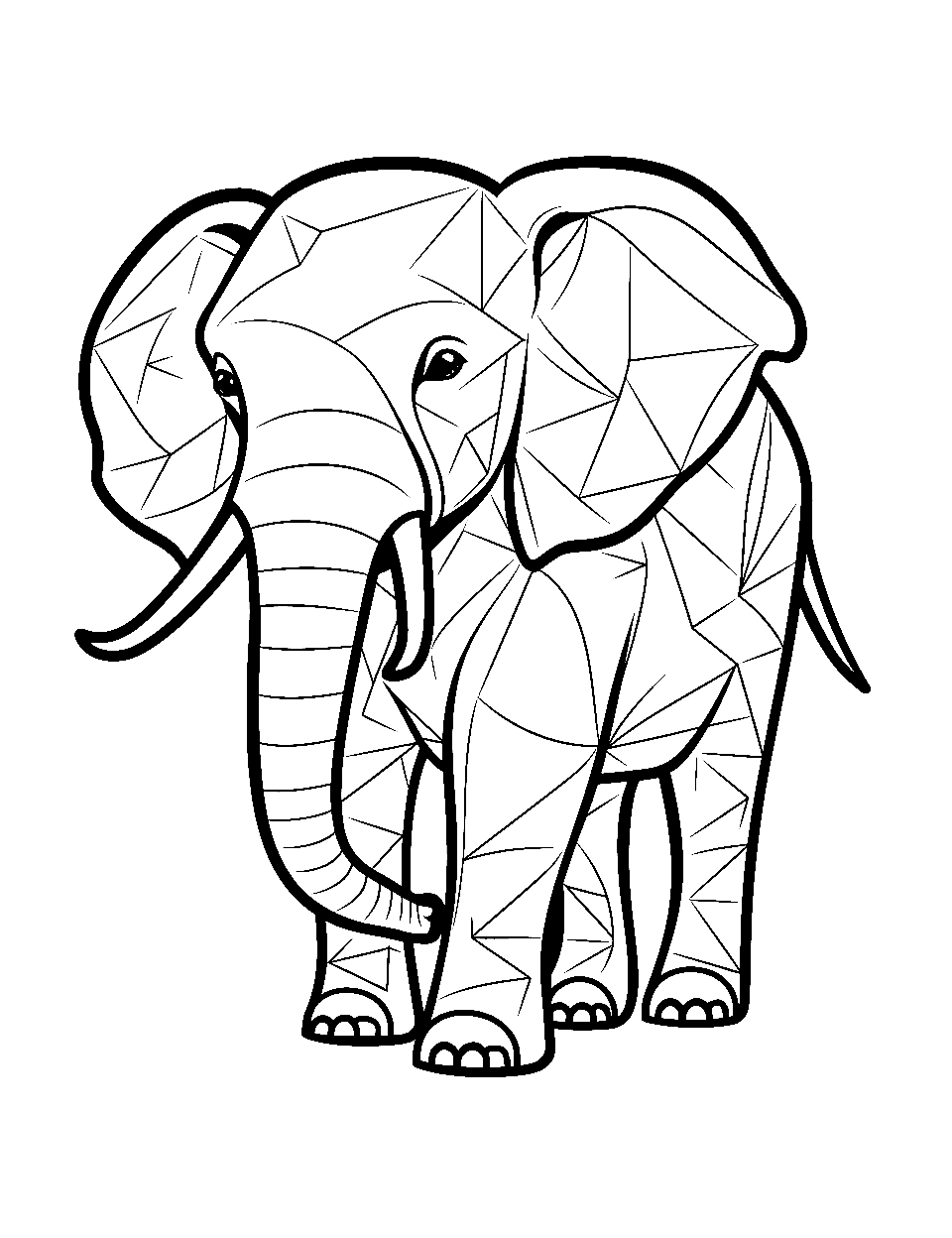
Geometric Elephant Design
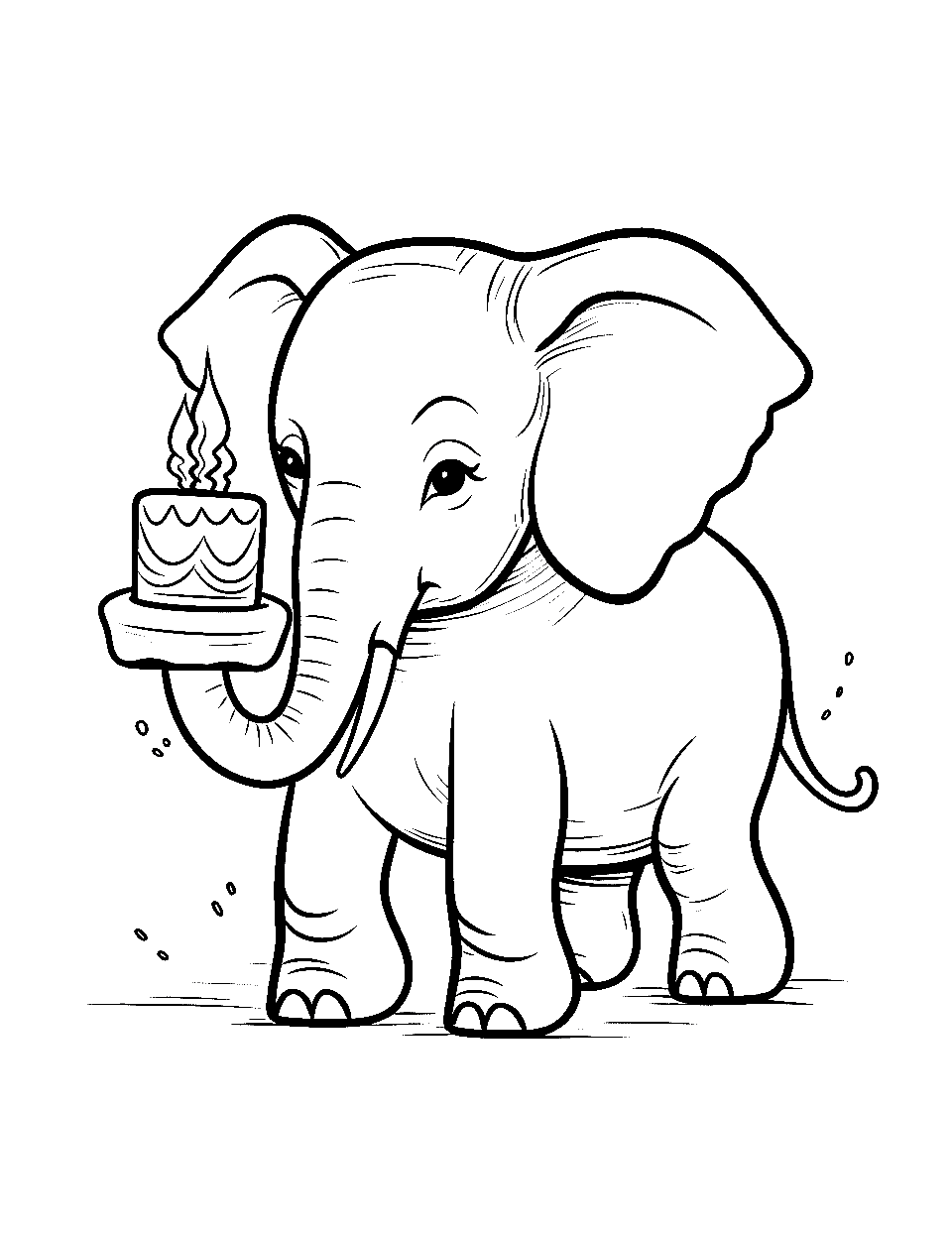
Birthday Celebration Elephant
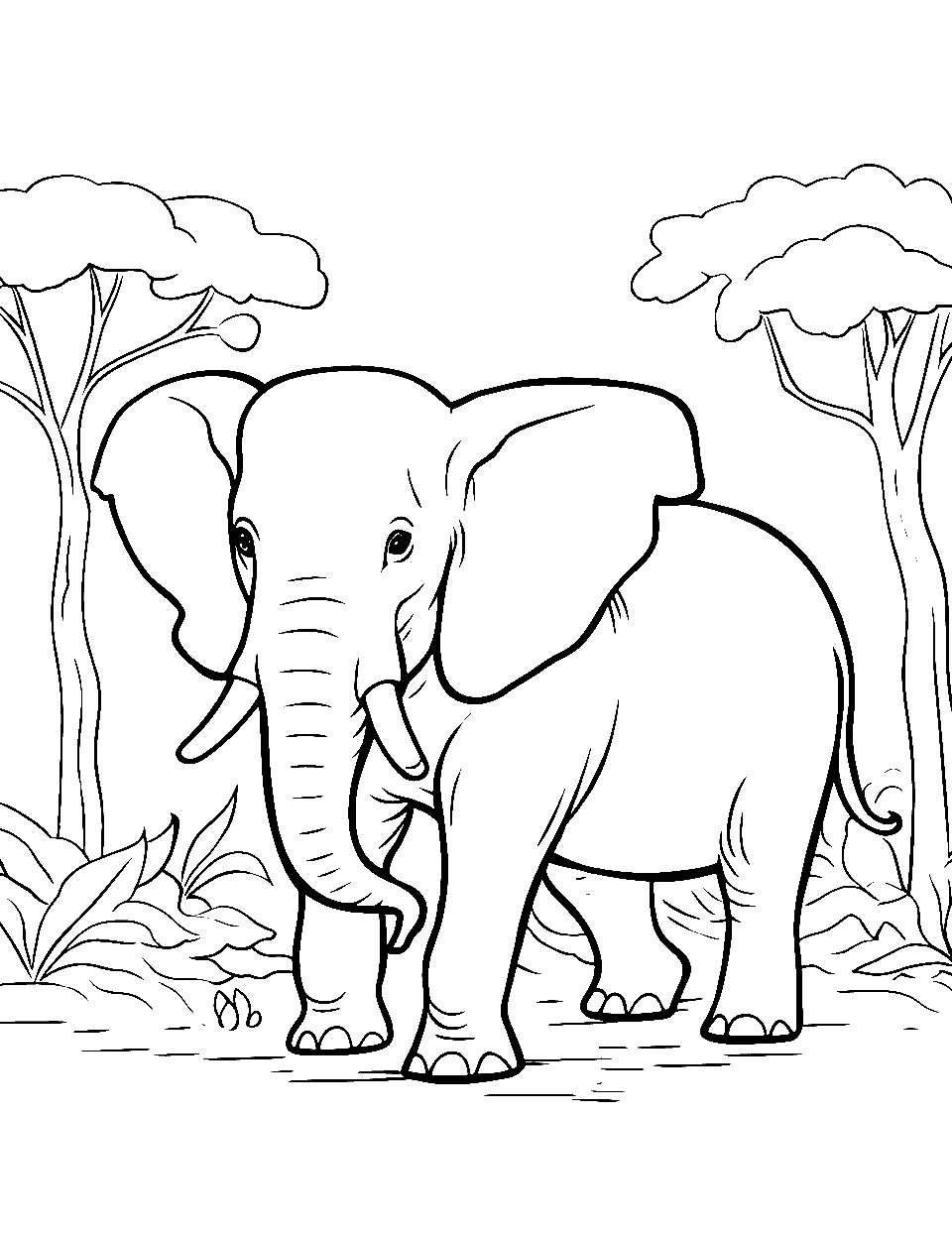
Lonely Forest Elephant
Day of an Elephant
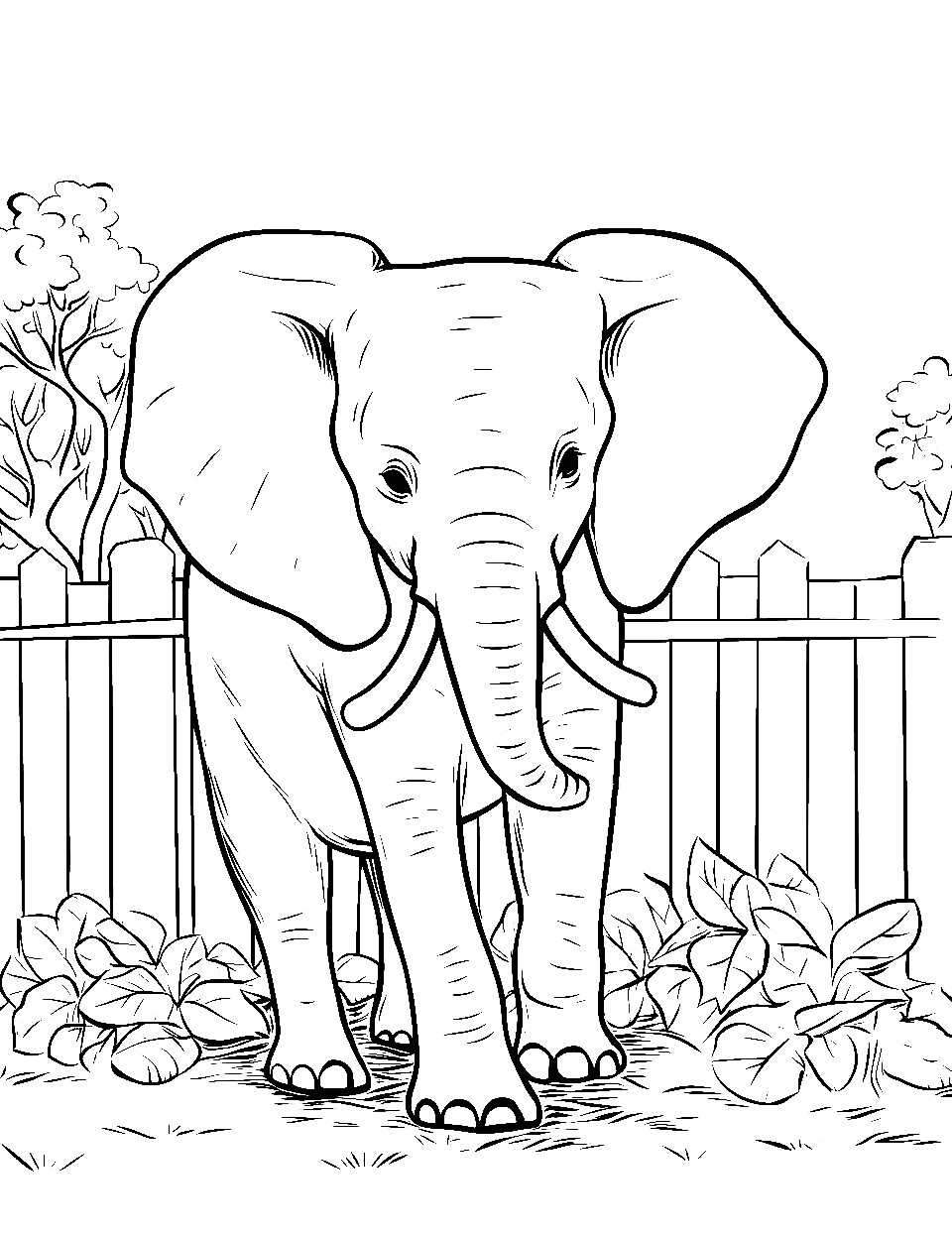
Elephant Near a Tree
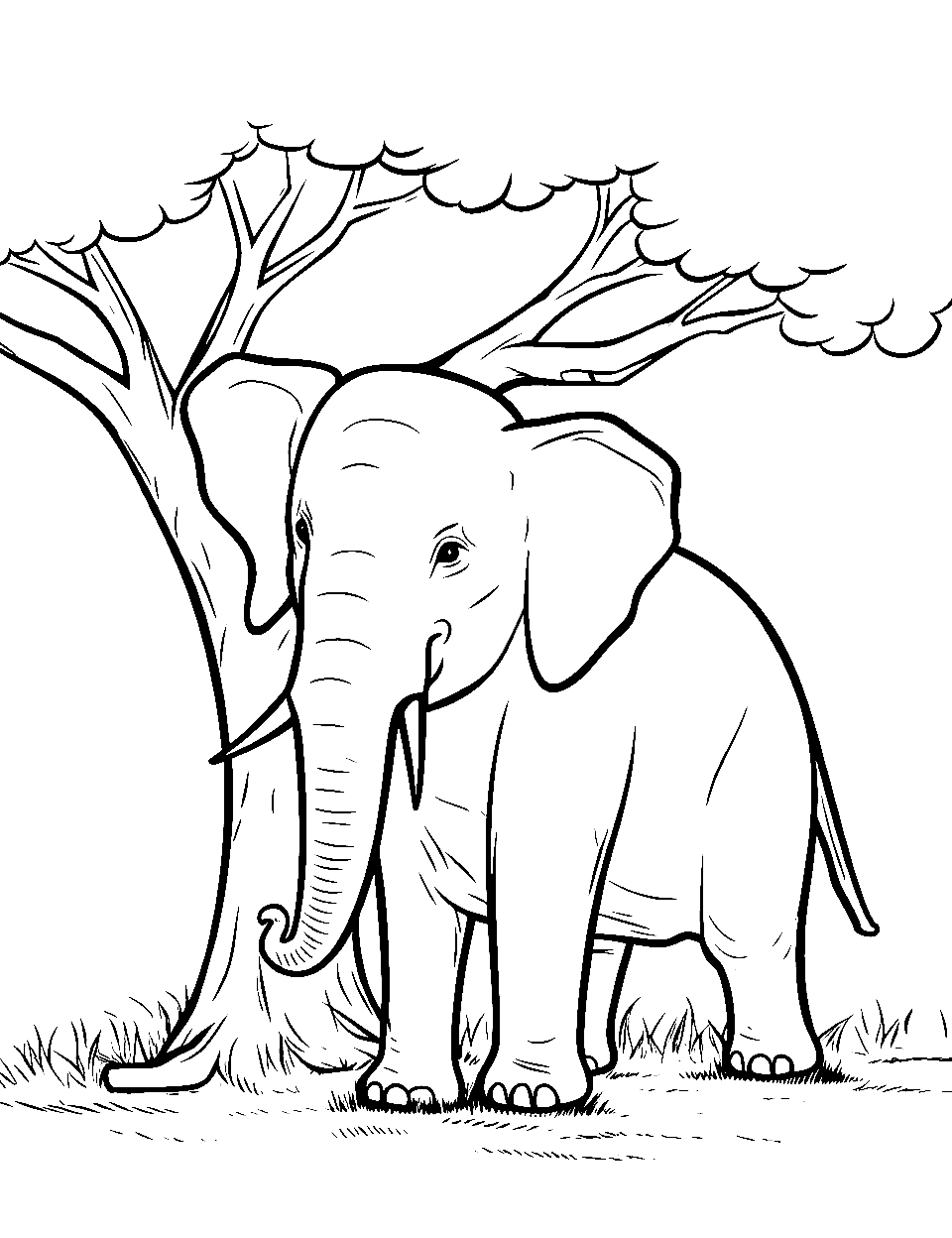
Patterns of the Wild
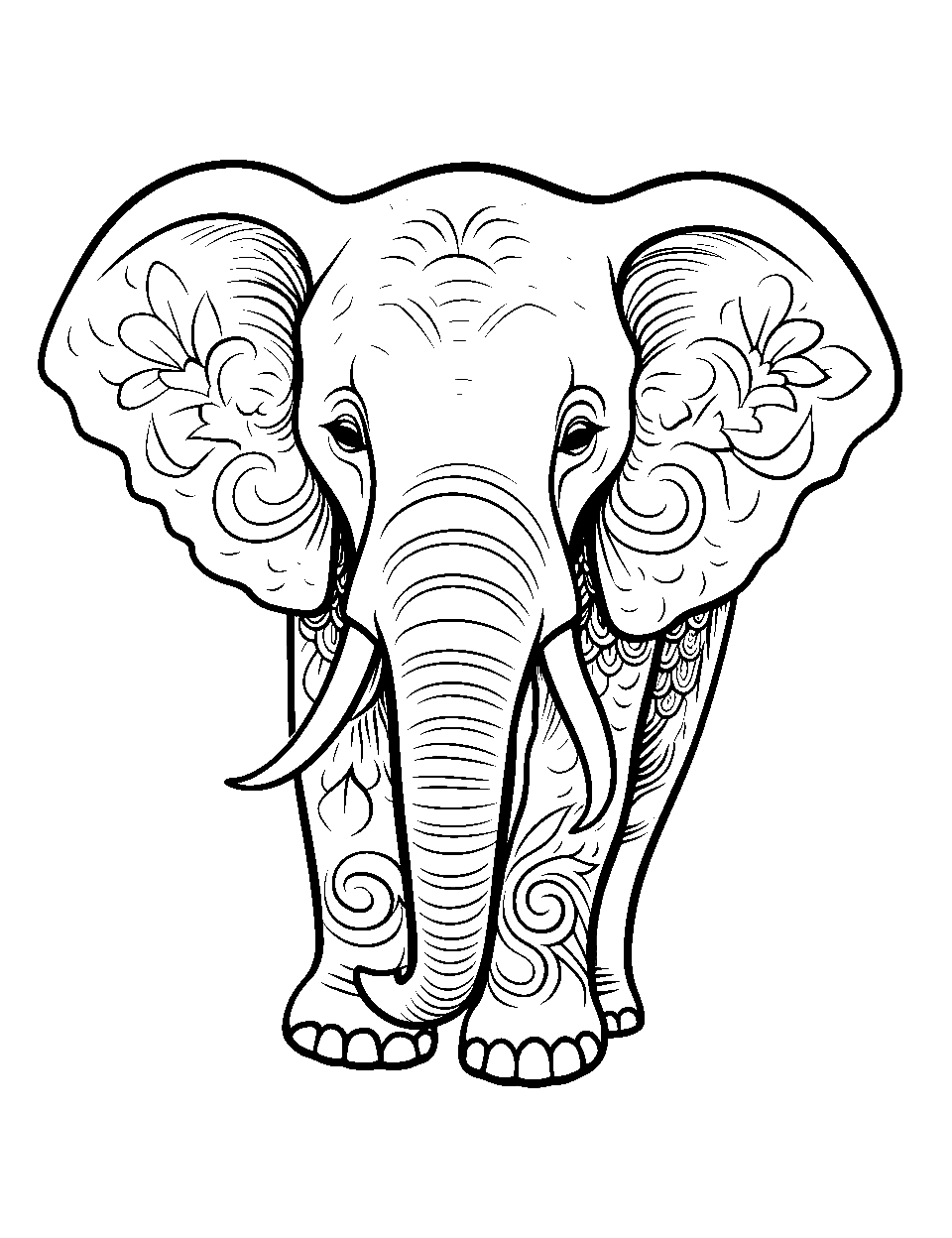
Child's Elephant Drawing
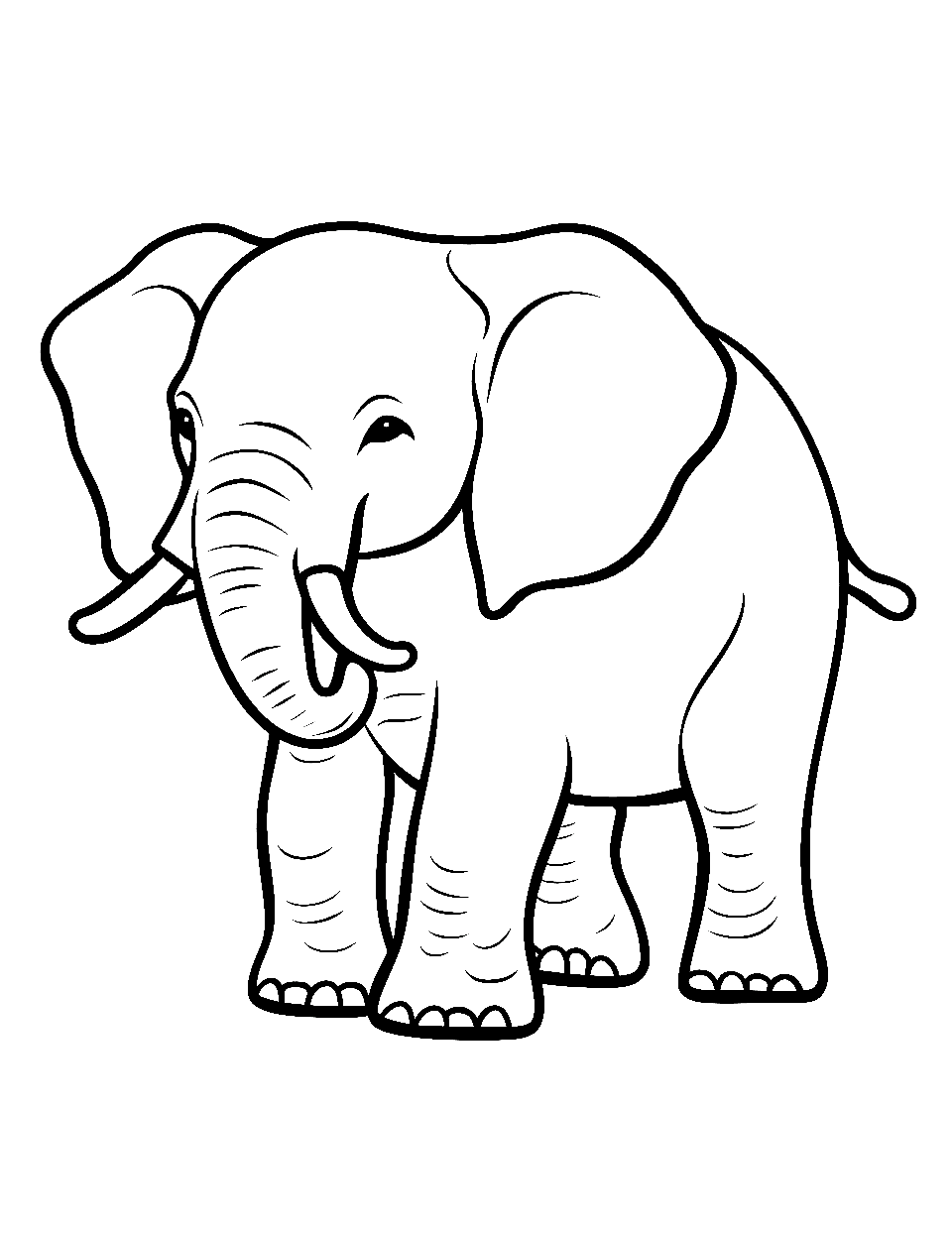
Elephant Dream Clouds
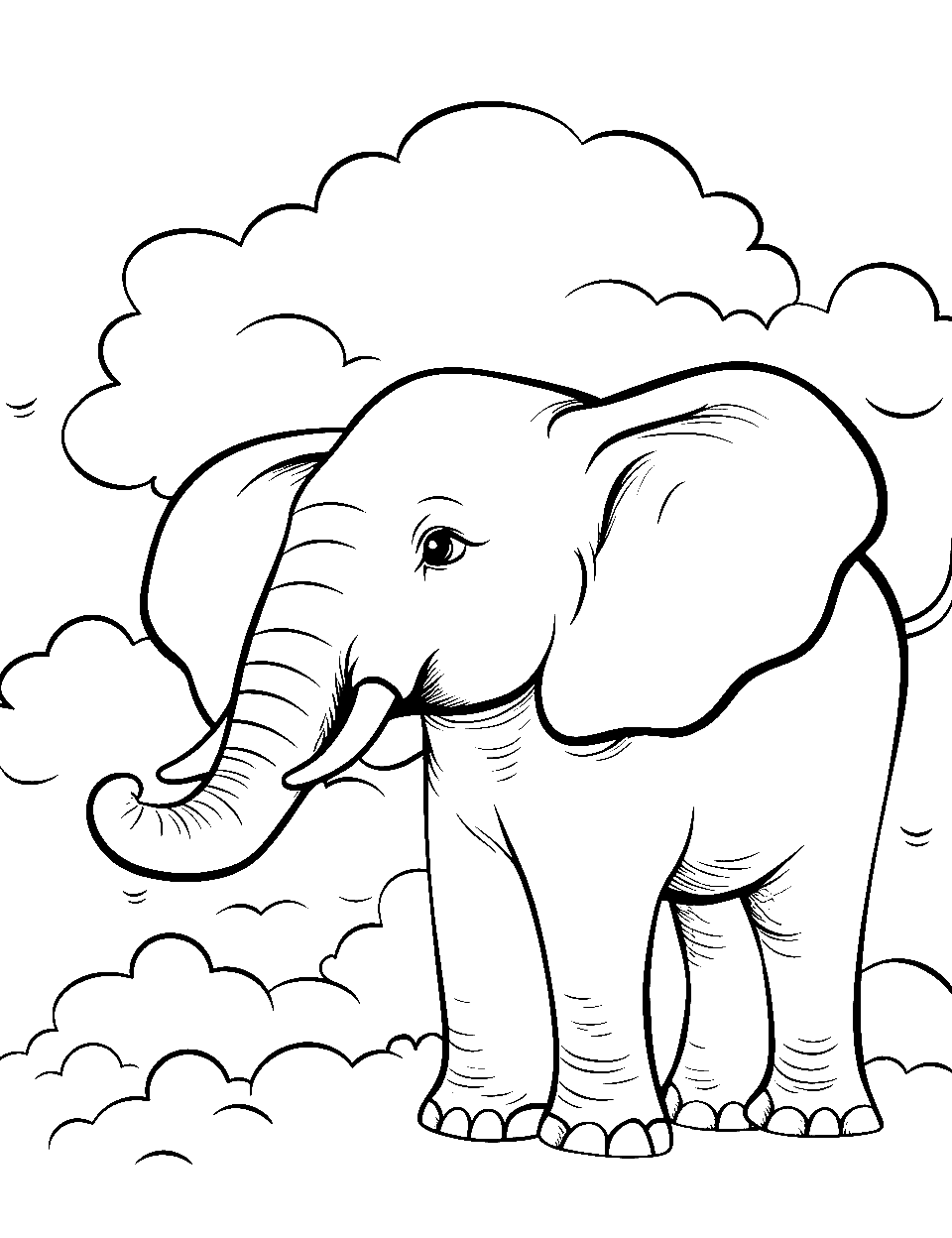
Elephant's Day Out
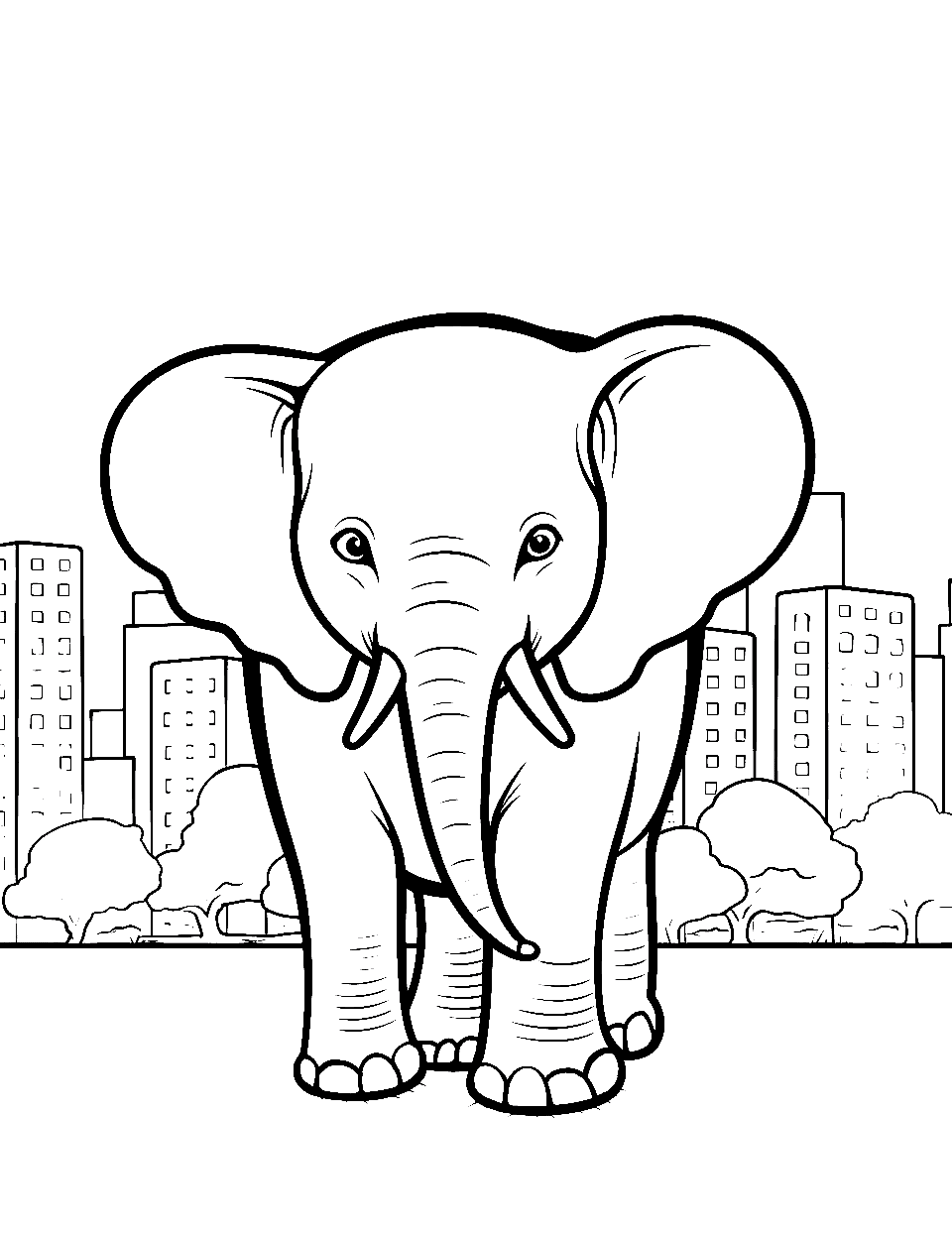
Desert Traveler Elephant
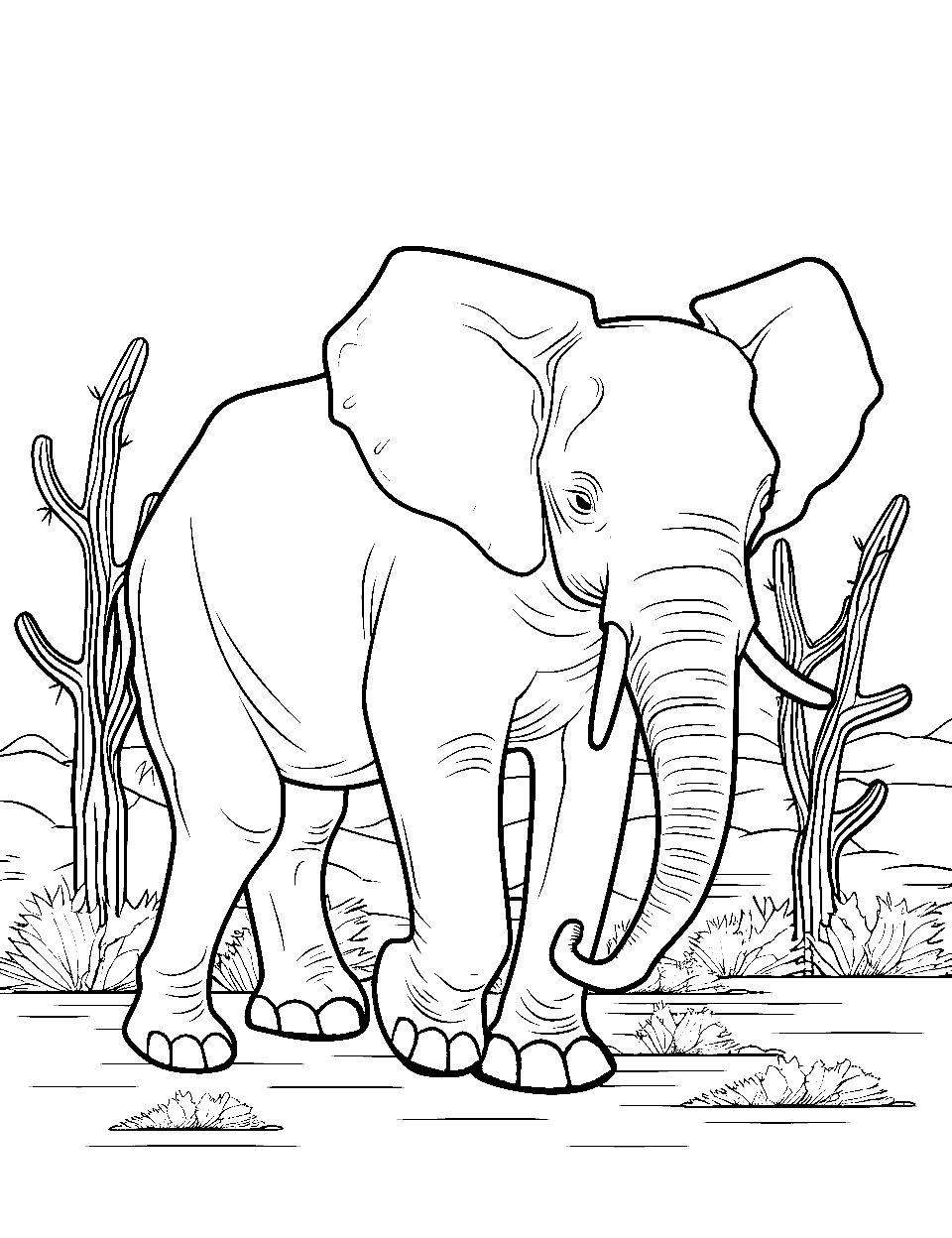
Elephant Mountain Backdrop
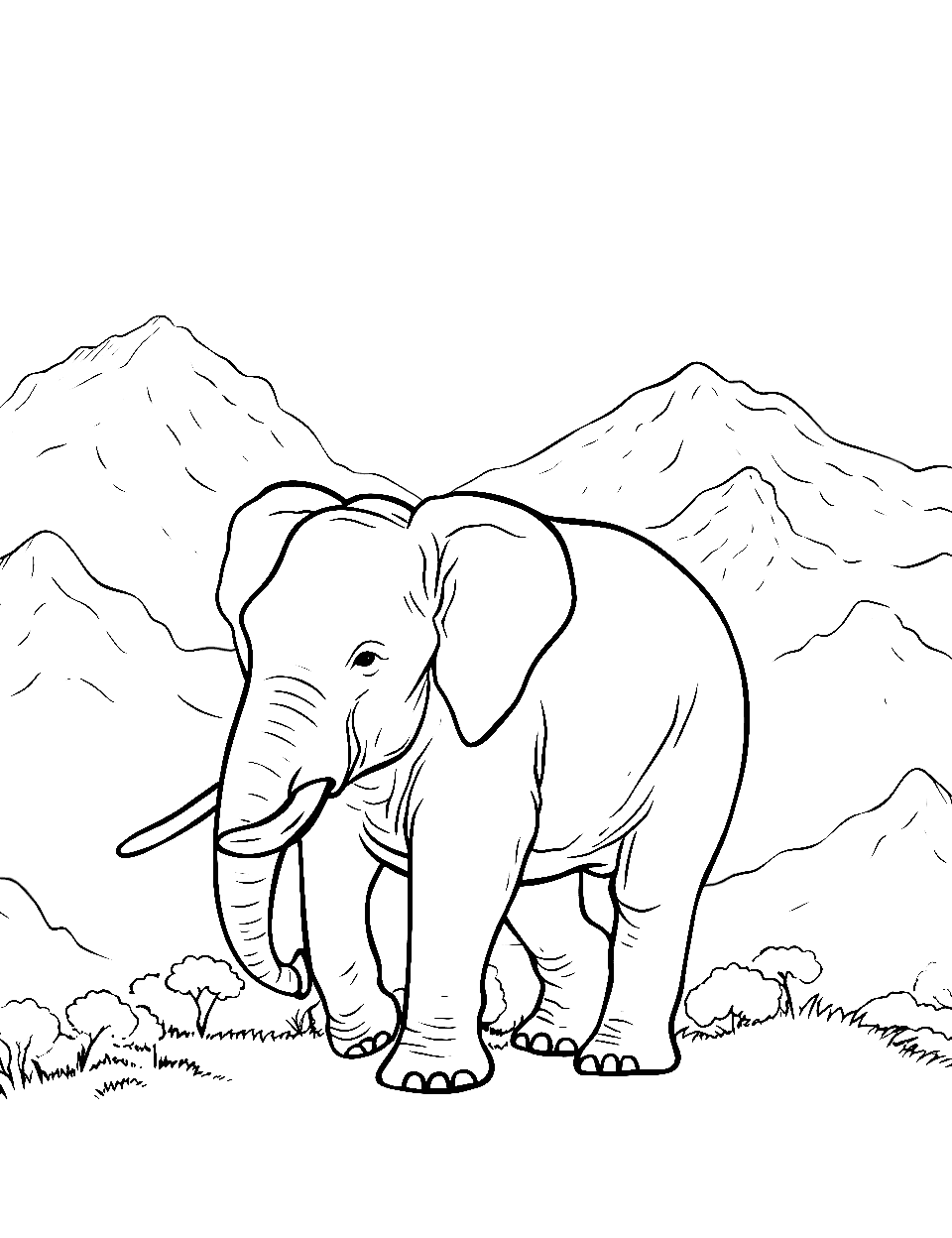
Elephant's Garden Party
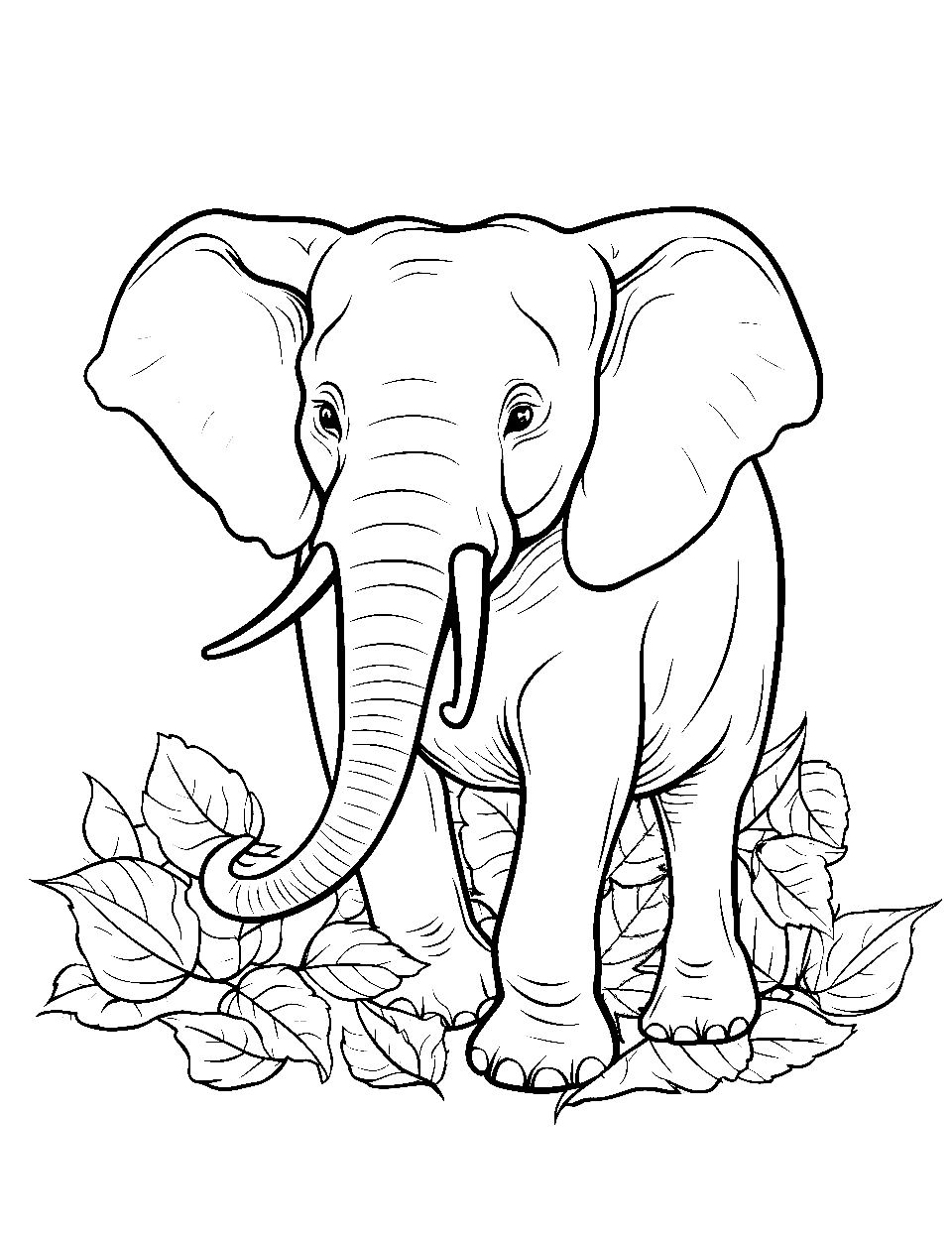
Autumn Leaves and Elephant
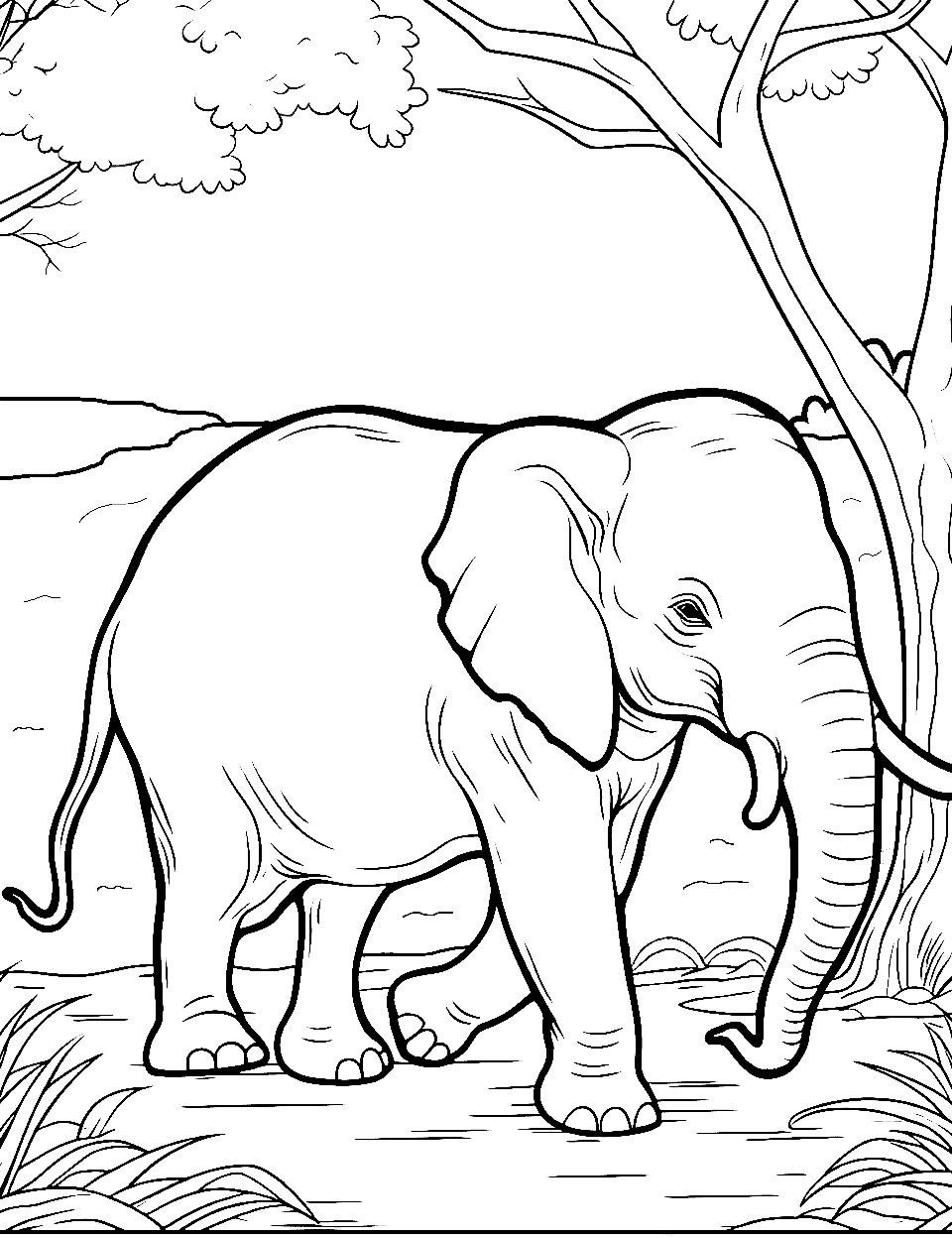
Elephant's Lakeside Serenity
By using our free coloring pages, you acknowledge and agree to our full disclaimer. All materials are for personal, non-commercial use only and all rights belong to their respective license holders.
Activities to Do With Elephant Coloring Pages
Don’t let the fun stop once the coloring is done. Here are a few creative ways to use these pages for crafts and learning.
Create a Jungle Diorama
Turn a shoebox into a wild habitat. Color and cut out your favorite elephant, leaving a small tab at the bottom to fold back. Glue the tab to the bottom of the box so the elephant stands up. Add trees made from toilet paper rolls and construction paper leaves to complete the scene.
Elephant Mask for Playtime
Choose a page featuring a large elephant face. After coloring, glue the page onto a piece of cardstock for durability. Carefully cut out the face and the eye holes. Punch holes on the sides, attach a string, and you are ready for a safari adventure.
Texture Exploration
Elephants have wrinkly skin, so why not mimic that texture? Place a rough surface (like a piece of sandpaper, a textured wall, or a coin) underneath the coloring page. Rub a crayon over the paper to pick up the pattern, giving your elephant a unique, bumpy look.
Elephant Garland
Print several smaller elephant pages. Color them in bright, varied colors or traditional grays. Cut them out and tape them to a long piece of yarn or ribbon. Hang this herd across a bedroom wall or a classroom bulletin board for decoration.
Educational Fact Match
Write interesting elephant facts on the back of your colored pages. For example, note the difference between African and Asian elephant ears or how much they eat in a day. Quiz your friends or family by showing them the picture and asking them to guess the fact on the back.
FAQs

What Are the Main Differences Between African and Asian Elephants?
The easiest way to tell them apart is by their ears. African elephants have large ears shaped somewhat like the continent of Africa, which they use to radiate heat. Asian elephants have smaller, rounded ears. Additionally, African elephants are generally larger and have two “fingers” at the tip of their trunk, while Asian elephants have only one.
What Colors Should I Use for a Realistic Elephant?
While elephants are grayish-brown, their color often changes based on the soil where they live. Elephants toss dust and mud on themselves to protect their skin from the sun. You can use various shades of gray, brown, and even hints of reddish-clay colors to make your drawing look authentic.
Are These Coloring Pages Suitable for Toddlers?
Yes, we have a variety of difficulty levels. Look for the “Easy Outline” or “Preschool Elephant Parade” pages. These feature thick lines and large shapes, making them perfect for younger children who are just learning to hold a crayon and color inside the lines.
How Can Coloring Elephants Help My Child Learn?
Coloring helps develop fine motor skills and hand-eye coordination. It also serves as a great conversation starter about wildlife conservation. You can talk about where elephants live, what they eat, and why it is important to protect their natural habitats while you color together.
Can I Use Watercolor Paint on These Pages?
Standard printer paper might crinkle if it gets too wet. If you plan to use watercolors or heavy markers, we recommend printing the pages on cardstock or heavy-weight mixed media paper. This will prevent bleed-through and keep your artwork looking crisp.