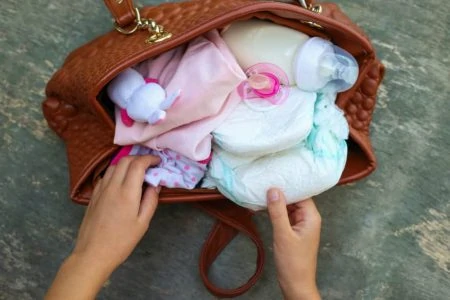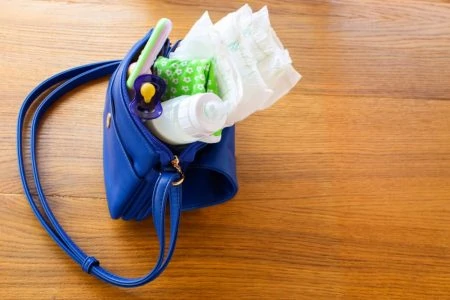
Diaper bags go through war. Between spilled milk, crushed crackers, and the occasional blowout, your once-stylish bag can quickly become a breeding ground for bacteria and bad smells.
You invested in a quality bag, whether it’s a JuJuBe, Petunia Pickle Bottom, or a classic leather tote, so you don’t want to ruin it with the wrong cleaning method.
We have done the research to help you salvage your gear. Here is how to remove stains, banish odors, and sanitize your diaper bag without damaging the fabric or finish.
Key Takeaways
- Check the label first: Always read the manufacturer’s instructions. While many synthetic bags are machine washable, others require hand washing to preserve their shape and hardware.
- Treat stains immediately: Keep a stain remover stick handy to tackle messes before they set in.
- Neutralize odors naturally: Baking soda is a safe, effective way to pull milk and diaper smells out of fabric without using harsh chemicals.
- Leather requires special care: Never use alcohol or bleach on leather. Stick to pH-balanced leather cleaners and always follow up with a conditioner.
Daily Maintenance and Odor Control
You can extend the time between deep cleans by managing messes as they happen. If you don’t have a curious toddler who might eat it, keep an instant stain remover stick (like Tide To Go) in a side pocket. Addressing a spill immediately prevents it from soaking into the padding.
Also, try to keep your bag out of direct sunlight when you aren’t wearing it. UV rays can fade the colors and weaken synthetic fabrics over time.
Take Note
If your bag is starting to smell funky, skip the chemical sprays. They simply mask odors for a few hours. Instead, I use baking soda. It actually neutralizes the pH of the odor to eliminate it completely (1).
Fill a small Ziploc bag with baking soda, poke a few tiny holes in it, and leave it in the main compartment of your diaper bag overnight. This is a lifesaver if you use cloth diapers or carry a wet bag.
Check Your Materials Before Cleaning
Before you scrub, you need to know what you are scrubbing.
Remember
Test any new detergent or stain remover on a hidden area (like the bottom of the bag) before applying it to the front.
If your bag is machine safe, invest in a large mesh laundry bag. Diaper bags have straps, buckles, and zippers that can get caught in the agitator or drum. The mesh bag protects both your expensive diaper bag and your washing machine.
A warning on leather: Be extremely careful. You might see online hacks suggesting rubbing alcohol or acetone to clean leather. Do not do this. These harsh solvents strip the dye and the finish, leaving you with a bleached, dry spot that you cannot fix.
Never use disinfectant wipes, hair spray, window cleaner, or fingernail polish remover on a leather bag (2).
How To Clean Synthetic Diaper Bags
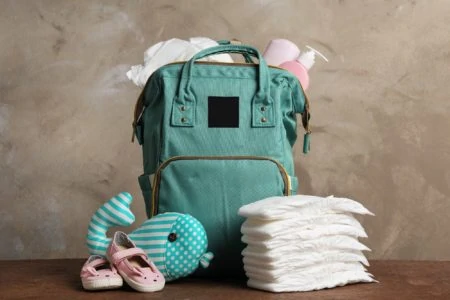
Many backpack-style diaper bags, such as those from Eddie Bauer or Skip Hop, use polyester or nylon. These are durable and usually water-resistant. Here is how to deep clean them:
- Empty the bag: Take everything out. Unzip every pocket. Turn the bag upside down over a trash can and shake it vigorously to dislodge crumbs, sand, and dried snacks.
- Vacuum the seams: Use the nozzle attachment on your vacuum to get into the corners of the pockets where lint and crumbs hide.
- Pre-treat stains: Apply a stain remover to dirty spots on the exterior and interior lining. Blue Coral Upholstery Cleaner is excellent for nylon (do not use on leather). You can also use Shout, OxiClean, or a Buncha Farmers Stain Stick.
- Scrub gently: Let the treatment sit for 5 to 10 minutes. Use a soft toothbrush to gently scrub the stained areas in a circular motion.
- Wash the bag: If the manufacturer allows machine washing, place the bag in a mesh laundry sack. Use a gentle cycle, cold water, and regular detergent. Add an extra rinse cycle to ensure all soap is removed.
- Hand wash alternative: If the bag is not machine safe, fill a bathtub with warm water and detergent. Submerge the bag and agitate it with your hands. Rinse thoroughly until the water runs clear.
- Air dry only: Never put a diaper bag in the dryer. The heat can melt waterproof linings and warp zippers. Hang the bag upside down in a well-ventilated area (a shower rod works well) with all pockets propped open.
How To Clean Leather Diaper Bags
Leather requires hydration and gentle handling. Water can stain untreated leather, so less is more.
- Prep the bag: Empty the contents, shake out the debris, and vacuum the interior pockets.
- Wipe the exterior: Take a soft, white cloth and dampen it slightly with warm water. Do not soak it. Gently wipe down the leather surfaces to remove surface dust.
- Use a cleaner: Apply a dedicated leather cleaner to a dry cloth. Rub it into the bag using circular motions. This lifts dirt from the pores of the leather.
- Clean the lining: If the inside is synthetic (nylon/polyester), pull the lining out if possible and spot clean it with soap and water, keeping the wet lining away from the leather exterior.
- Condition the leather: This is the most important step. Cleaning removes natural oils, so you must put them back. Apply a leather conditioner with a clean cloth. Buff it in and let it sit for at least 15 minutes.
- Buff to shine: After the conditioner has absorbed, take a dry microfiber cloth and buff the bag to remove excess oil and restore the shine.
FAQs

How Often Should I Wash My Diaper Bag?
You should spot clean stains as they happen and shake out crumbs weekly. A deep clean (washing or full leather treatment) is recommended every 3 to 6 months, or immediately after a major spill or illness.
How Do I Get Sour Milk Smell Out of a Diaper Bag?
If a baking soda sachet doesn’t work, try white vinegar. Mix equal parts water and white vinegar in a spray bottle. Mist the interior lightly (do not soak) and leave the bag open to air dry in a breezy spot. The vinegar smell will dissipate as it dries, taking the sour milk odor with it.
Can I Put a Diaper Bag in the Dryer?
No. You should never put a diaper bag in the dryer. The high heat can melt waterproof linings, warp plastic hardware, and shrink synthetic fabrics. Always hang your bag to air dry with the pockets open.
How Do I Clean the Changing Pad?
Most changing pads included with bags are made of wipeable PEVA or coated nylon. You can wipe these down with a disinfectant wipe or hot soapy water. If the pad is machine washable, wash it on a cold, gentle cycle and air dry.
Good as New
Whether you are rocking a tactical backpack or a designer tote, keeping your gear clean extends its life and keeps your baby’s items sanitary.
Remember the golden rule: check the tag. Synthetics usually love a gentle machine wash, while leather needs pH-balanced love and care. With a little effort, you can get that bag looking fresh without paying for a professional service.
Have you found a magic trick for getting stains out of your bag? Share your cleaning wins in the comments below!