Seeing milk shoot out of your baby’s nose is a rite of passage for many parents. It looks dramatic, and it can be scary to watch your little one struggle with the flow.
While it looks uncomfortable, nasal spit-up is almost always a harmless mechanical malfunction. The nose and mouth are connected, and babies are still learning how to coordinate everything.
We are here to explain why this messy phenomenon happens, how to clean it up, and simple tricks to keep the milk in your baby’s tummy where it belongs.
Key Takeaways
- It is normal: Nasal regurgitation is common in infants because the muscle valve between the stomach and throat is immature.
- Triggers vary: Distractions, overfeeding, air intake, and sneezing can all force milk up into the nasal cavity.
- Prevention helps: keeping your baby upright after feeds and frequent burping can significantly reduce incidents.
- Know the difference: Spit-up is a passive flow; vomiting is forceful and may indicate illness.
Spit-up Through the Nose, Is It Normal?
Yes, it is completely normal. Reflux in infants occurs when stomach contents flow back up into the esophagus. Because the back of the throat connects to the nose, that liquid often takes the path of least resistance and exits through the nostrils (1).
This specific event is called nasal regurgitation. It happens because the soft palate, which usually closes off the nose during swallowing, doesn’t always seal perfectly in babies (2).
Several factors contribute to frequent nasal spit-up:
- Immature stomach valve: The lower esophageal sphincter acts as a gatekeeper between the stomach and throat. In newborns, this muscle is weak and often lets milk escape (3).
- Distracted feeding: If a baby pulls away from the bottle or breast while swallowing, the milk can go the wrong way. The sudden shift in pressure sends liquid out the nose.
- Swallowing air: Hungry babies often gulp their food. This traps air bubbles in the stomach that eventually erupt, pushing milk up with them.
- Sneezing or coughing: A sudden sneeze creates forceful pressure. Since babies have little control over these reflexes, the force pushes stomach contents upward.
Spit-up Versus Vomit
It is vital to distinguish between a “happy spitter” and a sick baby. Spit-up is effortless. It flows out easily, often when the baby burps or drools. It creates a laundry problem, but it usually doesn’t bother the baby.
Vomiting is different. It is the forceful expulsion of stomach contents. It involves retching and obvious distress.
Vomiting can be triggered by:
- Illness: Viral infections, such as rotavirus, irritate the stomach lining (4).
- Blockages: Rare conditions like pyloric stenosis prevent food from entering the small intestine.
- Motion sickness: An inner ear imbalance can trigger nausea in older infants.
- Allergies: A severe reaction to cow’s milk protein or other substances can cause vomiting.
If the event happens once, it is likely just spit-up or a minor upset. However, if your baby is projectile vomiting repeatedly, contact your pediatrician immediately.
How Can I Reduce Nasal Spit-Up?
You cannot stop spit-up entirely, but you can minimize the mess. The goal is to keep the milk down long enough for digestion to begin.
Try these adjustments to your routine:
While Feeding
- Feed before the tears start: If your baby is frantic with hunger, they will gulp air. Try to catch early hunger cues like rooting or sucking on hands.
- Check the flow rate: If you use bottles, ensure the nipple hole isn’t too big. A fast flow can overwhelm a baby’s throat, leading to choking and nasal reflux.
- Minimize distractions: Feed in a quiet, dimly lit room. This keeps your baby focused on the suck-swallow rhythm rather than looking around the room.
- Avoid overfeeding: A full stomach puts pressure on that weak valve. Follow your baby’s lead and stop when they show signs of fullness (5).
After Feeding
- Burp frequently: Don’t wait until the end of the feed. Burp halfway through to release trapped air before it builds up pressure.
- Use gravity: Keep your baby upright for 20 to 30 minutes after eating. This helps milk settle in the bottom of the stomach.
- Keep the diaper loose: A tight waistband puts external pressure on the tummy. Loosen the diaper or waistbands during and immediately after mealtime.
- Position for sleep: Always place your baby on their back to sleep. This is the safest position for SIDS prevention, and babies naturally clear fluids by swallowing or coughing (6).
How to Clean a Baby’s Nose After Spit-Up
If milk does come out of the nose, your baby will likely sneeze or cough to clear it. This is a good reflex.
Here is how to help them clear the passages:
- Stay calm: Your baby may cry if they feel your anxiety. Comfort them gently.
- Wipe away the excess: Use a soft cloth to wipe the face and nostrils.
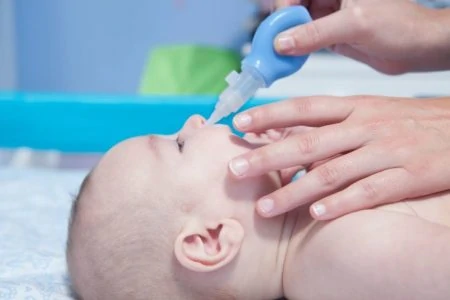
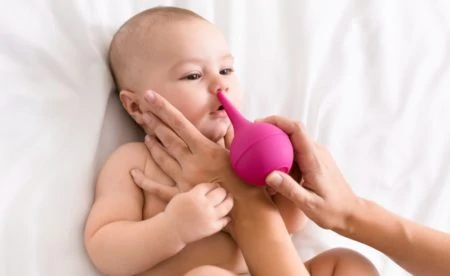
- Use a bulb syringe: If your baby sounds congested, gently suction the nostrils with a bulb syringe or nasal aspirator to remove sticky residue.
- Saline drops: If the milk dries and becomes crusty, a drop of saline solution can loosen it up for easier removal.
When to Call Your Doctor
Nasal spit-up is rarely an emergency. However, you should consult your doctor if you notice signs of GERD (Gastroesophageal Reflux Disease) or other health issues.
Watch for these red flags:
- Strange colors: The fluid is green (bile) or red (blood), rather than white or curdled milk.
- Weight issues: Your baby isn’t gaining weight or is losing weight.
- Respiratory distress: Your baby chokes, gags, or turns blue during feeds.
- Pain: Your baby arches their back and cries in pain during or after eating.
- Dehydration: You notice fewer wet diapers than usual.
FAQs

Do I Need to Refeed My Baby After a Spit Up?
Usually, no. While the mess looks huge, the actual volume of lost milk is often small. If your baby seems happy and isn’t rooting for more, wait until the next scheduled feeding. If they seem distressed or hungry, offer a small “top-up” amount.

Do Babies Spit Up More When Gassy?
Yes. Gas bubbles take up space in the stomach. When a bubble rises to escape (a burp), it often brings liquid up with it. Reducing gas through paced feeding and burping will naturally reduce spit-up frequency.

Do Babies With Colic Spit Up More?
Not necessarily. Colic is defined by excessive crying, not regurgitation. However, a baby who cries intensely for hours swallows a massive amount of air. That trapped air can lead to increased spit-up, creating a difficult cycle.

When Do Babies Stop Spitting Up Through Their Nose?
Most babies significantly outgrow spit-up between 6 and 12 months. As they spend more time sitting upright and eating solids, the stomach muscles strengthen. If nasal spit-up persists past the first year, consult your pediatrician.

Does Spitting Up Through the Nose Hurt the Baby?
It is usually more surprising than painful. The sensation of liquid in the nose is weird, so your baby might cry from the shock. However, stomach acid can irritate the sensitive nasal lining if it happens constantly, which is why managing reflux is helpful.
The Bottom Line
Spitting up through the nose is messy and startling, but it is rarely a sign of a medical problem. It is simply a mechanics issue, a loose valve and a tiny tummy working against gravity.
Keep a burp cloth handy, keep your baby upright after meals, and try not to stress over the laundry. As your baby’s digestive system matures, these fountain-like incidents will become a distant memory.